
Winter nights can be brutal, especially for dogs that spend time outdoors. A standard dog house might block the wind, but it won't keep your pup warm when temperatures drop. That's where a heated dog house comes in.
Adding heat to your dog's shelter doesn't have to be complicated or expensive. Whether you prefer a plug-in pad, a self-warming bed, or a full DIY insulated setup, there's a solution that fits your space and budget.
These 10 heated dog house ideas will help you create a safe, cozy retreat for your furry friend. Each one is practical, easy to set up, and designed with your dog's comfort in mind.
1. Self-Warming Pet Pad for Instant Coziness
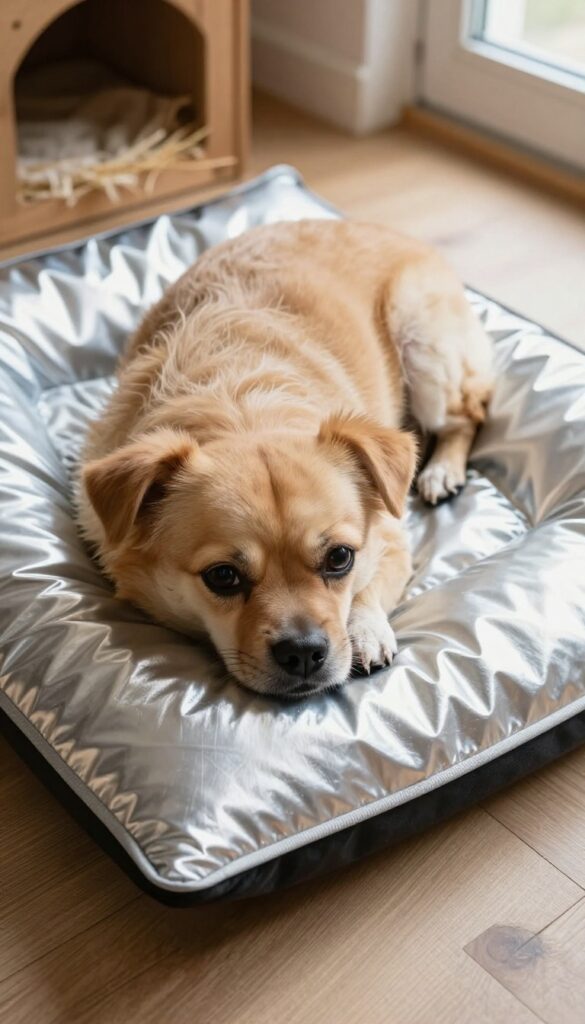
Imagine a bed that warms up the moment your dog curls up on it—no plugs, no batteries, no electricity. That's exactly what self-warming pet pads do. They use a layer of insulating material, like Mylar or reflective fleece, to capture and bounce back your dog's body heat.
It's a clever, low-tech solution that adds warmth without any cords or energy costs.
Why It Works
Dogs naturally lose heat from their bellies and paws when lying on cold surfaces. A self-warming pad reflects that escaping heat back toward your dog, creating a cozy microclimate. It's passive but effective, especially when combined with straw or blankets inside the dog house.
Best For
This is perfect for dogs that are new to heated bedding or for owners who want a worry-free option. It works for most breeds but is especially nice for short-haired dogs like Boxers or Chihuahuas that feel the cold quickly. Also great for outdoor setups where running an extension cord isn't practical.
Practical Tip
Lay the pad flat on the floor of the dog house and add a thin blanket on top if your dog likes to burrow. Make sure the pad stays dry—moisture reduces its reflective ability. Check it every few weeks for wear and tear, and wash removable covers according to the label.
Budget-Friendly Option
If you're crafty, you can make your own DIY version using an emergency blanket (Mylar) sewn inside a fleece pillowcase. It won't be as durable as a store-bought pad, but it costs under $10 and works surprisingly well.
2. Heated Dog Bed with Chew-Resistant Cord
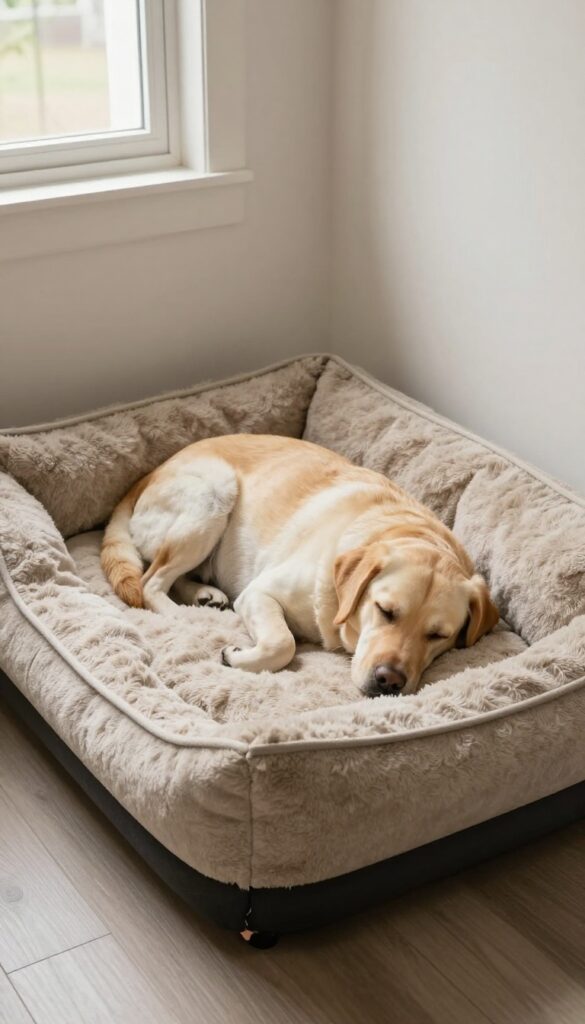
Some dogs just can't resist a dangling cord. If you've got a chewer, a standard heated bed can become a safety hazard. That's where a heated dog bed with a chew-resistant cord comes in.
These beds use low-voltage heating and heavy-duty cord protection to keep your pup warm without the worry.
They're designed specifically for dogs that like to gnaw on things. The cord is wrapped in a tough, braided material that's much harder to damage. Plus, the low voltage means even if they do manage to chew through, it's far less dangerous than a standard electrical cord.
Why It Works
The combination of low-voltage heating and armored cord covering makes this one of the safest heated options for destructive chewers. The bed itself is usually made from durable, easy-to-clean materials that hold up well over time.
Best For
This is perfect for dogs that have a history of chewing wires or cords, especially breeds like Labradors, Huskies, and terriers that love to mouth things. It's also great for outdoor kennels where cords might be more exposed.
Practical Tip
Place the bed in a corner of the dog house so the cord runs along the wall and out through a small notch or opening. This keeps it out of your dog's direct line of sight and reduces temptation. Check the cord regularly for any signs of wear.
3. Insulated Dog House with Built-In Heater
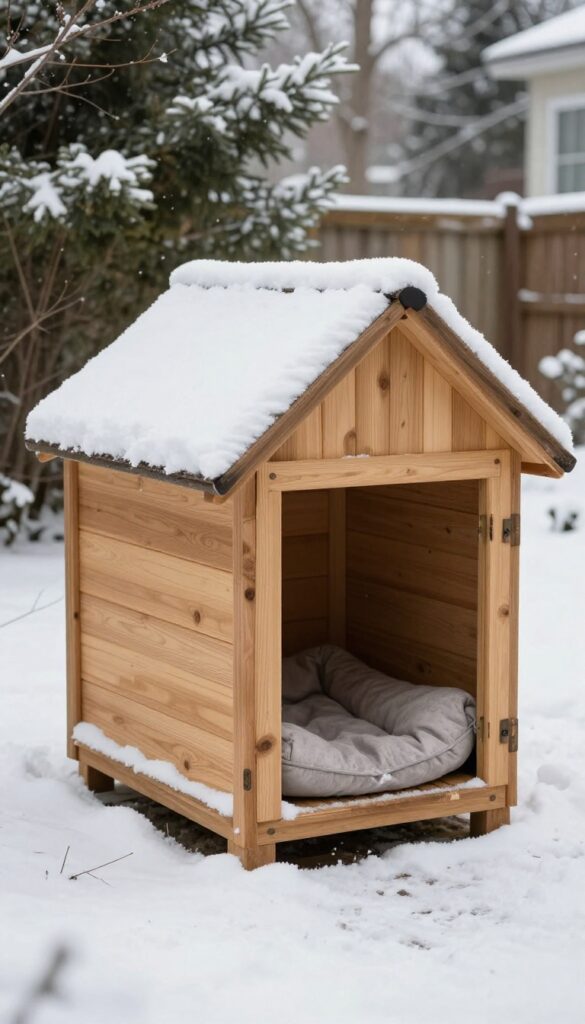
A pre-built insulated dog house with a built-in heater takes the guesswork out of winter shelter. These all-in-one units come ready to use—just add a bed and plug it in. Owners love the convenience of having insulation and heat combined in one sturdy structure.
Why It Works
The insulation traps your dog's body heat while the built-in heater provides a steady warmth source. Most models use low-wattage heaters that won't spike your electric bill but keep the interior 15 to 20 degrees warmer than outside.
Best For
This is ideal for dogs that spend several hours outdoors daily, especially breeds with short coats or older dogs with joint issues. It's also great for owners who want a simple plug-and-play solution without DIY work.
Practical Tip
Place the dog house on a level surface with the door facing away from prevailing winds. Add a thick, washable bed inside and check the heater cord regularly for chewing damage. A small flap over the door helps retain heat even more.
4. DIY Heated Dog House with Foam Insulation
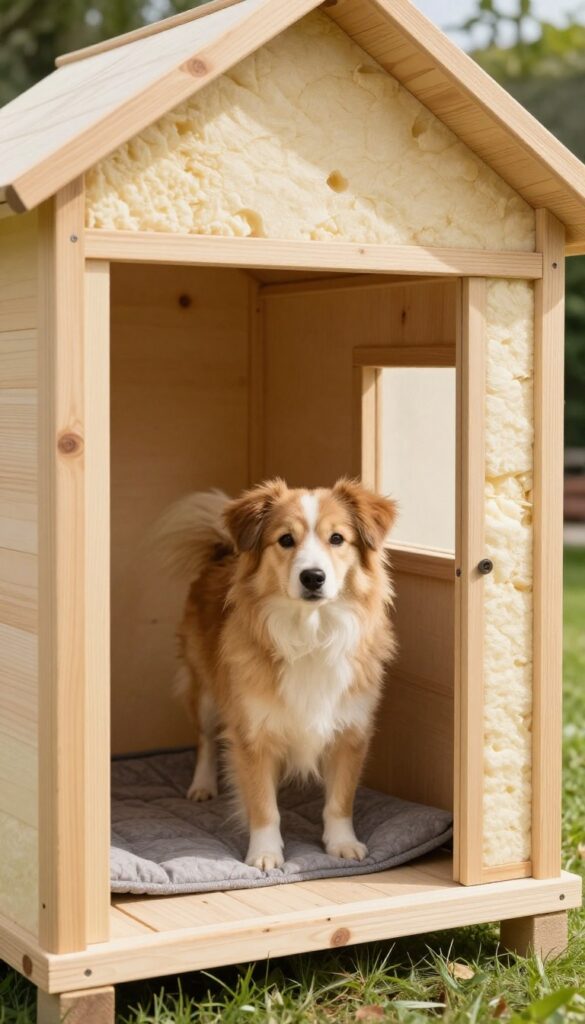
If you're handy and want to save money, building your own heated dog house is a rewarding project. Start with a standard wooden dog house, then line the walls, floor, and ceiling with rigid foam insulation boards. Add a heated pet pad on the floor, and you've got a warm, draft-free shelter that holds heat much better than an uninsulated one.
Dog owners love this approach because it's customizable to any size and surprisingly simple to execute.
Why It Works
Rigid foam insulation creates a thermal barrier that traps your dog's body heat while blocking cold outside air. Combined with a heated pad, the interior stays consistently warm even in freezing weather. The sealed construction also prevents moisture buildup, keeping the bedding dry and comfortable.
Best For
This idea is perfect for DIY-minded owners with medium to large breeds that need extra space. It's also great for outdoor setups where electrical access is available nearby, like a backyard shed or covered patio.
Practical Tip
Seal all seams with weatherproof tape or caulk to eliminate drafts. Position the heated pad slightly off the floor on a small wooden platform to avoid direct contact with cold ground. Use a chew-resistant cord cover for safety.
Budget-Friendly Option
Instead of buying pre-cut insulation panels, use leftover foam from packaging or rigid foam sheets from hardware stores—both work well and cost less.
5. Heated Dog House Mat for Easy Setup

Not every winter setup needs to be a major project. A heated dog house mat is about as simple as it gets: just place it inside your dog's shelter, plug it in, and let the built-in thermostat do the rest. These mats are low-profile and flexible, so they work with almost any dog house size or shape without taking up too much room.
Dog owners love them because they offer targeted warmth without requiring permanent installation. You can move the mat between different shelters, bring it inside during milder weather, or even use it on a porch or garage for extra flexibility.
The key is choosing a mat with a chew-resistant cord and a waterproof cover. That way spills, accidents, or wet paws won't ruin the heating element, and your pup stays safe and dry.
Why It Works
A heated mat warms from below, which is exactly where dogs need heat most—against their belly and joints. Unlike space heaters that blast hot air, these mats provide gentle, even warmth that won't overheat your dog. Most models have an auto shut-off feature that prevents overheating, giving you peace of mind even when you're not home.
Best For
This option is perfect for owners who want a quick fix without drilling holes or rewiring anything. It's also great for temporary setups like camping trips or moving between a kennel and garage. Small to medium breeds with short coats benefit most from the direct contact heat.
Practical Tip
To maximize comfort, place the mat under a thick fleece blanket or bed rather than directly on the floor. This traps heat better and makes the surface softer. Secure the cord out of reach by running it along a wall or under a rug to prevent chewing or tripping.
Budget-Friendly Option
If you're on a tight budget, look for self-warming mats that use reflective materials instead of electricity. They're cheaper and still provide noticeable warmth from your dog's own body heat.
6. Solar-Powered Heated Dog House
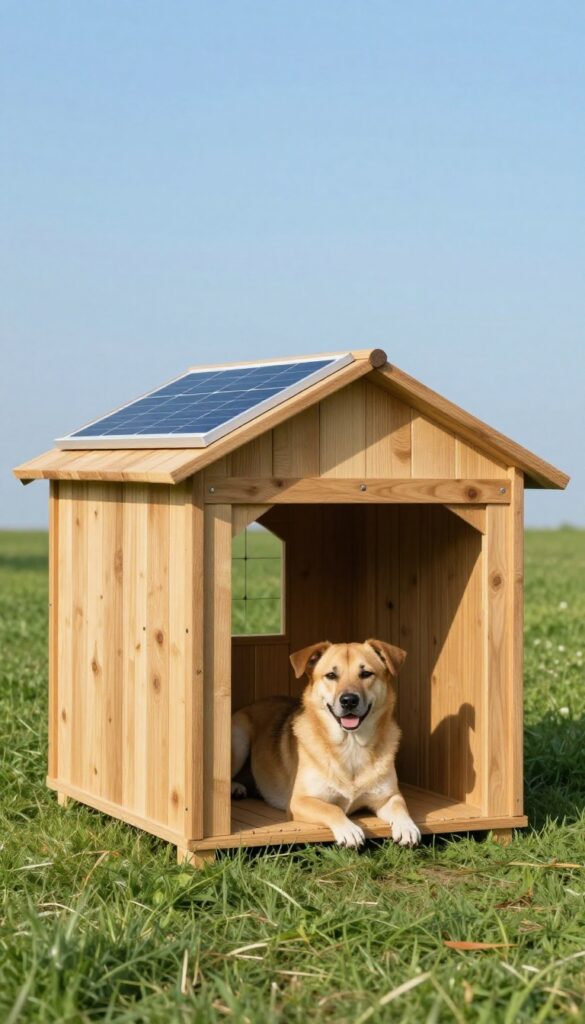
Going green doesn't mean leaving your dog out in the cold. A solar-powered heated dog house uses sunlight to warm your pup without raising your electric bill. This setup works great for remote yards where running an extension cord isn't practical or safe.
The system is simple: a small solar panel charges a battery during the day, and that battery powers a low-wattage heater when temperatures drop. It's fully off-grid and completely eco-friendly.
Dog owners love this idea because it combines sustainability with reliable warmth. Once installed, there's no ongoing cost, and you can feel good about reducing your carbon footprint while keeping your furry friend cozy.
Why It Works
Solar panels are more efficient than ever, even on cloudy days. A 50-watt panel paired with a deep-cycle battery can run a small fan heater or heating pad for several hours overnight. The key is matching the heater wattage to the battery capacity so you don't run out of power before sunrise.
Best For
This idea is perfect for dogs that live outdoors in sunny climates, like the Southwest or California. It's also ideal for owners who want a permanent, low-maintenance solution without digging trenches for electrical wiring. Breeds that handle cold poorly, such as short-haired dogs or seniors, benefit most from the steady warmth.
Practical Tip
Mount the solar panel at a south-facing angle for maximum sun exposure. Use a charge controller to prevent overcharging the battery. Place the heater on a raised platform inside the dog house to avoid moisture damage.
Check connections monthly to ensure everything stays weatherproof.
7. Heated Dog Crate for Indoor-Outdoor Use
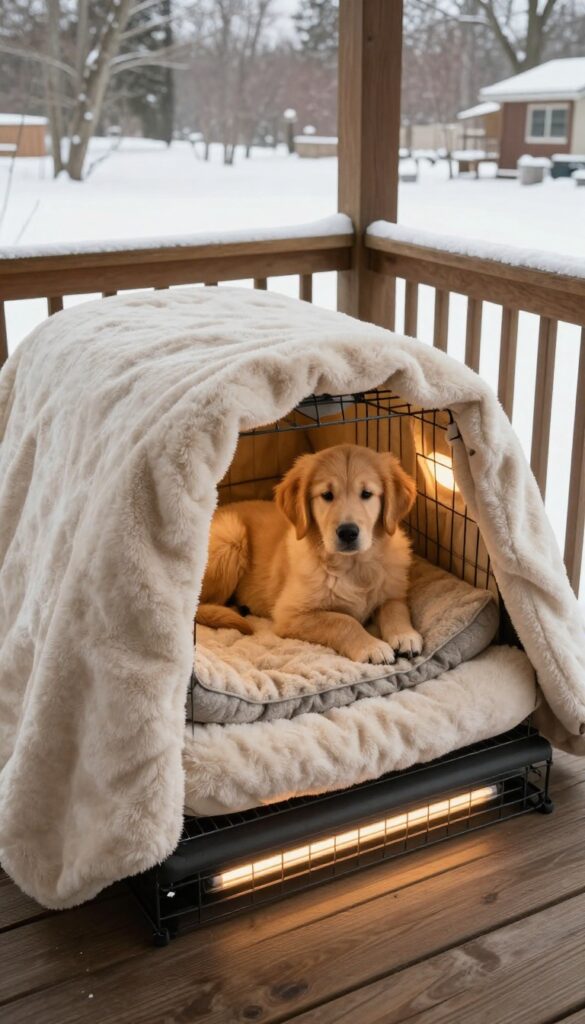
A heated crate gives your dog a warm, den-like space that can go inside a dog house or sit on a covered porch. It's perfect for anxious pups who crave the security of an enclosed area with steady heat. The best part?
You can move it wherever your dog needs it most, from the garage to the patio.
Why It Works
Heated crates combine the comfort of a cozy den with reliable warmth. Many models have built-in heating pads or slots for removable heat sources, so your dog stays warm without drafts. The enclosed design also traps body heat, making it more efficient than an open bed.
Best For
Best for anxious dogs, puppies, or seniors who need extra warmth and a safe retreat. Also great for indoor-outdoor lifestyles where your dog goes between house and yard throughout the day.
Practical Tip
Place the crate on a rubber mat or pallet to insulate from cold ground. Check the cord regularly for chewing damage, and use a cord protector if needed. Wash the bedding weekly to keep it fresh and dry.
Budget-Friendly Option
Convert a regular wire crate into a heated one by adding a self-warming pad and draping a heavy blanket over three sides. This costs under $30 and works surprisingly well.
8. Heated Dog House with Thermostat Control
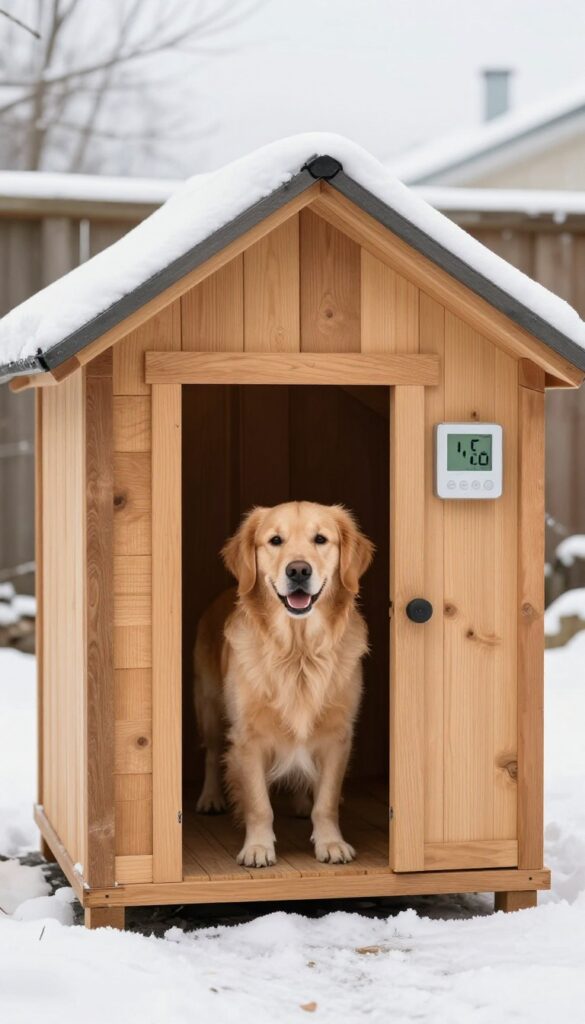
A heater with an adjustable thermostat gives you precise control over the temperature inside your dog's house. Instead of guessing if the heat is too high or too low, you can set it to a comfortable level and let the thermostat do the work. This not only keeps your dog cozy but also prevents overheating and reduces energy use.
Why It Works
Dogs, like people, prefer a consistent temperature. A thermostat-controlled heater maintains a steady warmth without constant on-off cycles. It automatically adjusts when the temperature dips, so your dog stays comfortable through the night without you having to check on it.
Best For
Owners who want a reliable, no-guesswork heating solution for their outdoor dog house. Great for dogs that spend long hours outside or for those living in areas with unpredictable winter weather.
Practical Tip
Place the thermostat sensor at your dog's resting height, not near the heater itself. This gives a more accurate reading of the actual temperature your dog feels. Check the thermostat batteries before cold spells and test the heater a few days before heavy use.
Budget-Friendly Option
If a built-in thermostat heater is out of budget, use a smart plug with a temperature sensor. Plug a standard heated pad into it and set temperature thresholds in an app. It's cheaper and still gives you remote control.
9. Heated Dog House with Raised Floor
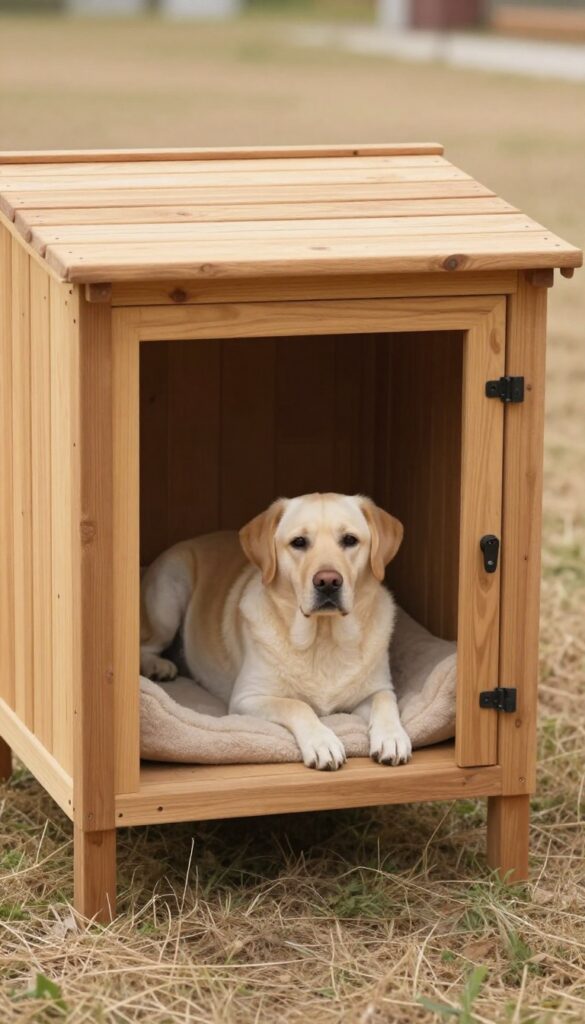
A raised floor does more than just elevate your dog's space—it creates a crucial barrier against cold ground and moisture. When you pair it with a heated bed, you get a setup that keeps warmth in and chill out.
Many dog owners swear by this combination because it tackles two problems at once: dampness and heat loss. The raised design allows air to circulate underneath, preventing mold and keeping the floor dry.
It's a simple upgrade that makes a big difference on freezing nights.
Why It Works
Cold ground sucks heat away from your dog's body fast. A raised floor adds an insulating air gap, while the heated bed provides direct warmth. Together, they create a microclimate that stays cozy even when temperatures plummet.
Best For
This idea is perfect for outdoor dogs who sleep in areas with wet or frozen ground. It's also great for breeds prone to joint issues, like Labradors or German Shepherds, since it reduces exposure to cold and dampness.
Practical Tip
Choose a dog house with at least a 2-inch raised floor made of rot-resistant material like cedar or plastic. Add a heated bed rated for outdoor use, and check the cord for chew resistance. Place the house on a slight incline to prevent water pooling underneath.
Budget-Friendly Option
If you're on a budget, build your own raised floor using wooden pallets or cinder blocks. Layer straw inside for extra insulation, then top with a self-warming pad (no electricity needed).
10. Heated Dog House with Door Flap
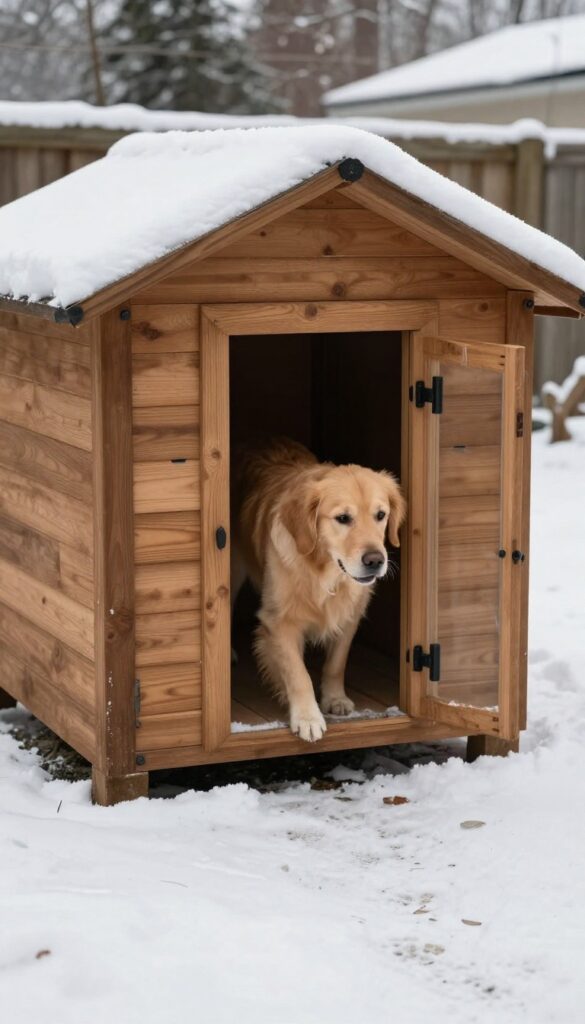
A door flap might seem like a small addition, but it makes a huge difference in keeping warmth inside. By blocking drafts and trapping heat, it turns any heated dog house into a much cozier space. This simple upgrade works with electric pads, self-warming beds, or even heated mats.
Dog owners love how easy it is to install—most flaps just screw or snap onto the existing door frame. Plus, your pup can push through freely without getting stuck. It's a low-effort way to boost comfort without buying a whole new house.
Why It Works
The flap creates an insulating barrier that stops cold air from rushing in and warm air from escaping. Even with a heater inside, without a flap, much of the heat gets lost every time the wind blows. This keeps the interior temperature more stable and reduces energy use.
Best For
Dogs that are already used to going in and out of a dog house, especially medium to large breeds that need more warmth retention. Also great for outdoor setups in windy climates where drafts are a constant problem.
Practical Tip
Choose a heavy-duty vinyl or rubber flap that's thick enough to insulate but flexible for your dog's size. Make sure the opening is slightly larger than your dog's shoulders so they can enter comfortably without the flap dragging on their back.
Budget-Friendly Option
No flap? Hang an old heavy blanket or towel over the door opening on cold nights. Weigh it down with a small dowel or PVC pipe sewn into the hem so it stays put.
FAQ
Is it safe to leave a heated dog house on all night?
Yes, if you use a product designed for continuous use. Look for thermostats, auto shut-off, and chew-resistant cords. Always follow the manufacturer's guidelines.
What temperature should a heated dog house be?
Aim for 50-60°F (10-15°C) for most dogs. Puppies, seniors, and short-haired breeds may need it slightly warmer. Avoid overheating.
Can I use a regular space heater in a dog house?
No. Space heaters pose fire and burn risks. Use only pet-safe heating pads or heaters designed for dog houses.
How do I keep the heated dog house dry?
Ensure the dog house is waterproof and elevated. Use a raised floor and a door flap. Check for leaks regularly.
Do all dogs need a heated dog house?
Not all, but dogs that spend time outdoors in cold climates, especially small or short-haired breeds, benefit greatly from a heated shelter.
Conclusion
Your dog doesn't need a fancy setup—just a warm, dry spot to escape the cold. Pick one idea from this list that fits your space and budget, whether it's a simple heated pad or a fully insulated house.
Start small if you need to, and build up over time. Your pup will appreciate the effort with cozy nights and wagging tails all winter long.

I’m Pallab Kishore, the owner of Little Pets Realm — an animal lover and pet care enthusiast sharing easy tips, healthy recipes, and honest advice to help every small pet live a happy, healthy, tail-wagging life.