
Winter weather can be tough on dogs, especially those that spend time outdoors. A well-insulated dog house makes all the difference, keeping your pup warm and dry even when temperatures drop. But not all dog houses are built for winter.
You don't need to spend a fortune or be a master carpenter to create a cozy winter shelter. Simple upgrades like adding foam panels or a heated pad can transform a basic dog house into a warm retreat.
The key is focusing on insulation, draft protection, and safe heat sources. In this guide, we cover nine practical insulated dog house ideas that work for different budgets and skill levels.
1. Foam Board Insulation Upgrade
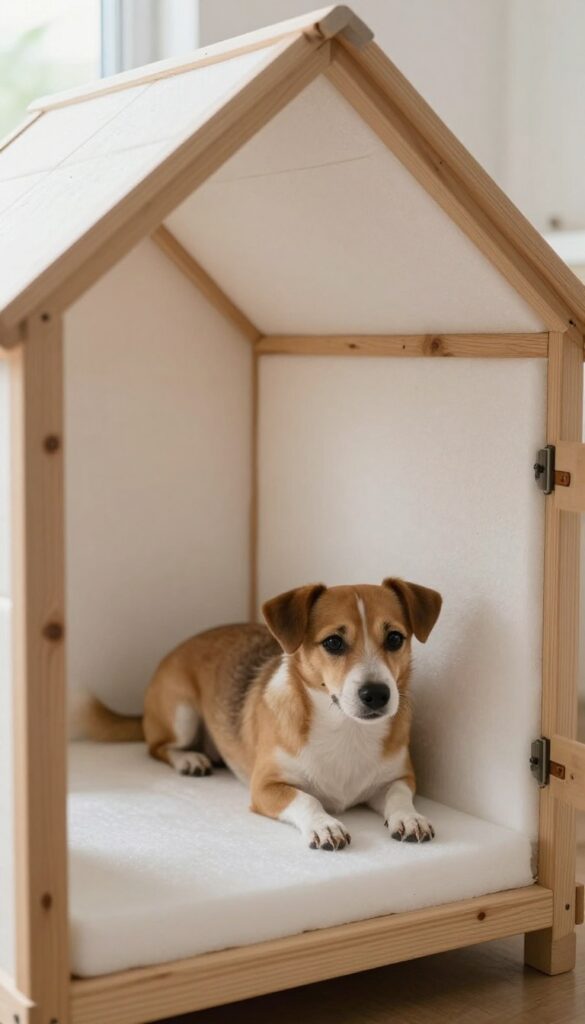
Foam board insulation is one of the simplest ways to winterize a dog house. Rigid foam panels are cheap, easy to cut, and provide excellent thermal resistance. This upgrade works with almost any existing dog house and takes just a few hours to complete.
Why It Works
Rigid foam board has a high R-value per inch, meaning it traps heat effectively without adding much bulk. By lining the walls, floor, and roof, you create a thermal barrier that keeps your dog's body heat inside and cold drafts out. It also prevents moisture buildup, reducing the risk of mold or mildew.
Best For
This idea is perfect for DIYers on a budget who already have a basic wooden dog house. It suits all breeds but is especially helpful for short-haired dogs or seniors that feel the cold more. Works well in moderate to cold climates where temperatures stay above freezing.
Practical Tip
Use pet-safe adhesive or double-sided tape to attach foam panels securely. Always cover the foam with plywood or durable plastic sheeting to prevent chewing—dogs love to gnaw on soft materials. Leave a small gap at the bottom for airflow to reduce condensation.
2. Heated Dog House with a Safe Heating Pad
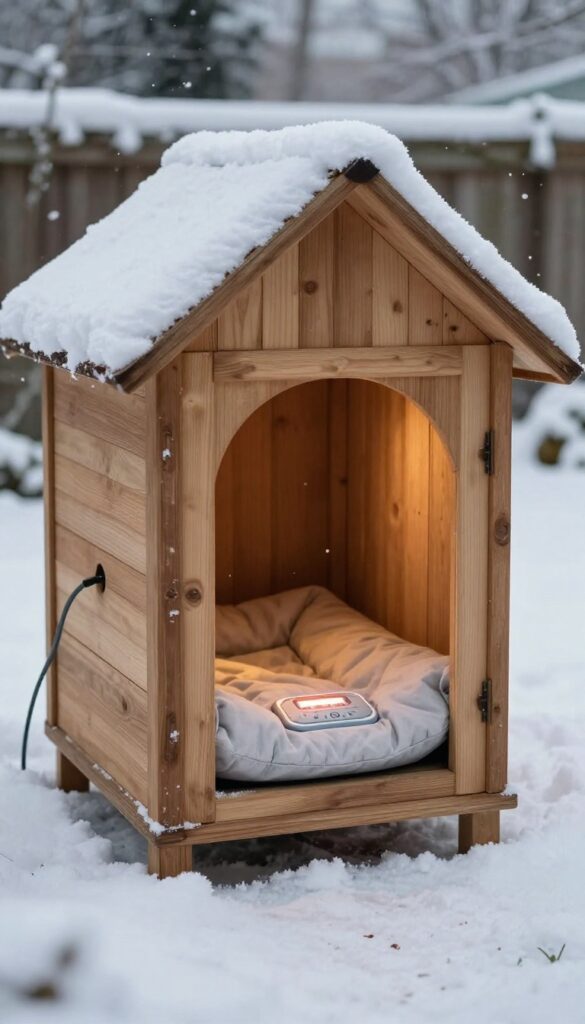
When the cold really bites, a heated dog house can be a game-changer. Adding a pressure-activated heating pad designed for pets gives your dog a warm spot without running up the electric bill. These pads only turn on when your dog is inside, so you get efficient warmth exactly where it's needed.
Many pet owners worry about fire risks with space heaters, but these pads are built with safety in mind. They're low-voltage and chew-resistant, making them a reliable choice for outdoor shelters. Plus, they're easy to install and don't require major renovations to your dog house.
Why It Works
Pressure-activated heating pads provide consistent warmth that cuts through the cold without overheating the entire house. Your dog's body weight triggers the heat, so it's energy-efficient and only runs when needed. The gentle warmth also helps soothe older dogs with joint stiffness, making them more comfortable in winter.
Best For
This setup is ideal for dogs who spend several hours outdoors during winter, especially short-haired breeds or seniors that feel the cold more. It also works well for owners who want a hands-off solution—just plug it in and let the pad do its job.
Practical Tip
Place the heating pad under a thick, washable bed or blanket to add cushioning and trap heat. Make sure the cord is protected with a chew-proof cover or routed through a small hole sealed with silicone to prevent damage. Check the pad regularly for wear and always follow the manufacturer's guidelines for outdoor use.
Budget-Friendly Option
If you're on a tight budget, look for microwavable pet warmers or self-warming beds that reflect body heat. They won't be as consistent as an electric pad but can still provide extra comfort on very cold nights.
3. Straw Bedding for Natural Insulation
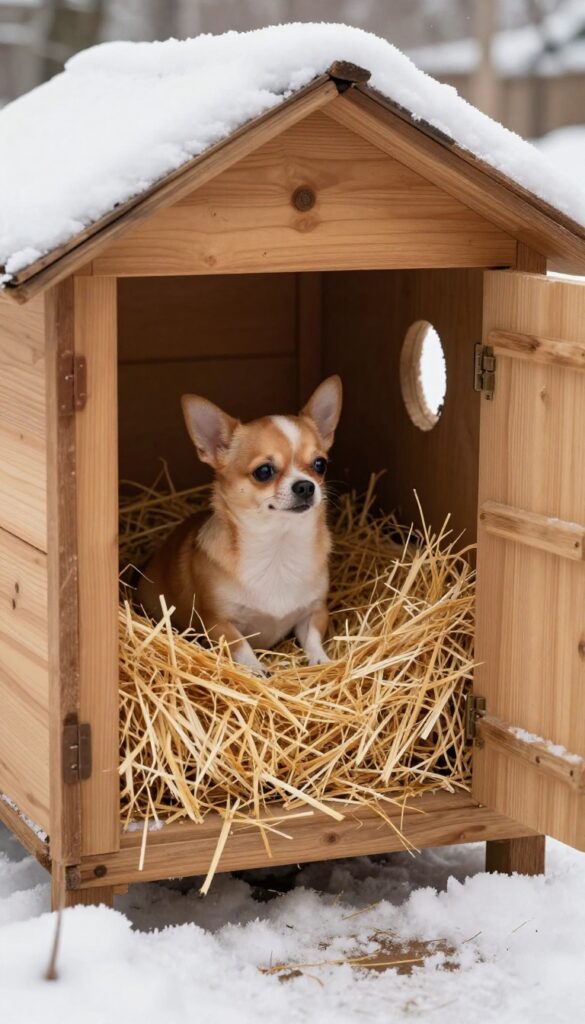
When it comes to keeping your dog warm, sometimes the simplest solutions are the best. Straw bedding has been used for centuries to insulate animal shelters, and it works just as well for dog houses. It traps air pockets that hold body heat, creating a cozy layer between your pup and the cold ground.
Unlike synthetic materials, straw is breathable and helps wick moisture away. This means your dog stays dry even if they track in snow or rain. Plus, it's affordable and easy to find at most farm supply stores.
Many dog owners love straw because it feels natural and safe. It's also easy to replace when it gets dirty or compressed. Just fluff it up every few days to maintain its insulating properties.
Why It Works
Straw is a natural insulator because its hollow stalks trap warm air. This creates a buffer between your dog's body heat and the cold floor or walls of the dog house. It also allows moisture to evaporate, preventing dampness that can lead to chills or respiratory issues.
Best For
This idea works great for outdoor dogs who spend long hours in their house during winter. It's especially good for breeds with short coats or low body fat, like Greyhounds or Chihuahuas. Straw is also ideal if you have multiple dogs sharing a house, as you can easily add more bedding.
Practical Tip
Use a thick layer of at least 6 inches of straw inside the dog house. Fluff it regularly to keep air pockets open and replace it every month or after heavy rain or snow. Make sure the bedding stays dry by placing the house in a sheltered spot or adding a waterproof flap over the entrance.
4. Double-Wall Construction for Extreme Cold
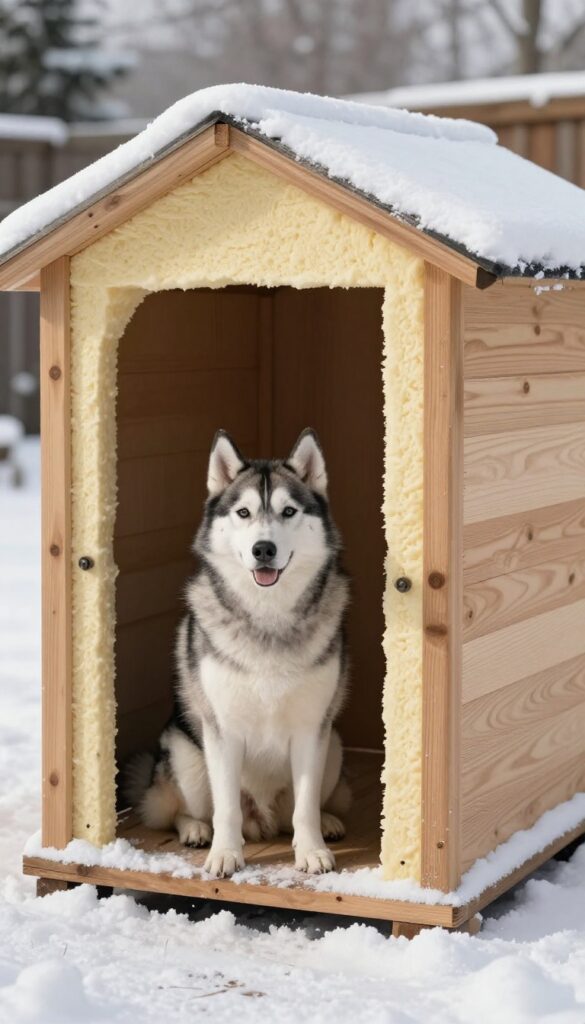
If your dog spends time outdoors in a region with brutal winters, a single layer of wood or plastic just won't cut it. Double-wall construction creates a sealed cavity between the inner and outer walls that can be filled with foam board, spray foam, or even left as an air gap. This design acts like a thermos for your dog house, trapping warmth inside while blocking freezing winds.
Dog owners in Alaska and Canada swear by this method because it dramatically reduces heat loss without relying on electricity.
Why It Works
The air gap or insulation layer between the two walls stops thermal bridging—where cold transfers directly through solid materials. It also prevents condensation buildup, which can make bedding damp and uncomfortable. With double walls, your dog's body heat stays inside much longer, keeping them cozy even when temps drop below zero.
Best For
This setup is ideal for large breeds like Huskies, Malamutes, or Great Pyrenees that live outside full-time in cold climates. It also works well for any dog that needs a dry, draft-free shelter during extreme weather events.
Practical Tip
Use pressure-treated plywood for the outer wall to resist moisture and rot. For the inner wall, opt for smooth plywood that's easy to clean. Leave a 1- to 2-inch gap between the walls and fill it with rigid foam insulation boards cut to fit snugly.
Seal all seams with caulk to prevent drafts.
Budget-Friendly Option
If you're on a tight budget, use salvaged plywood sheets for both walls and fill the cavity with straw bales or recycled denim insulation. Just make sure the straw stays dry—replace it every season to avoid mold.
5. Heated Dog House with a Ceramic Heat Emitter
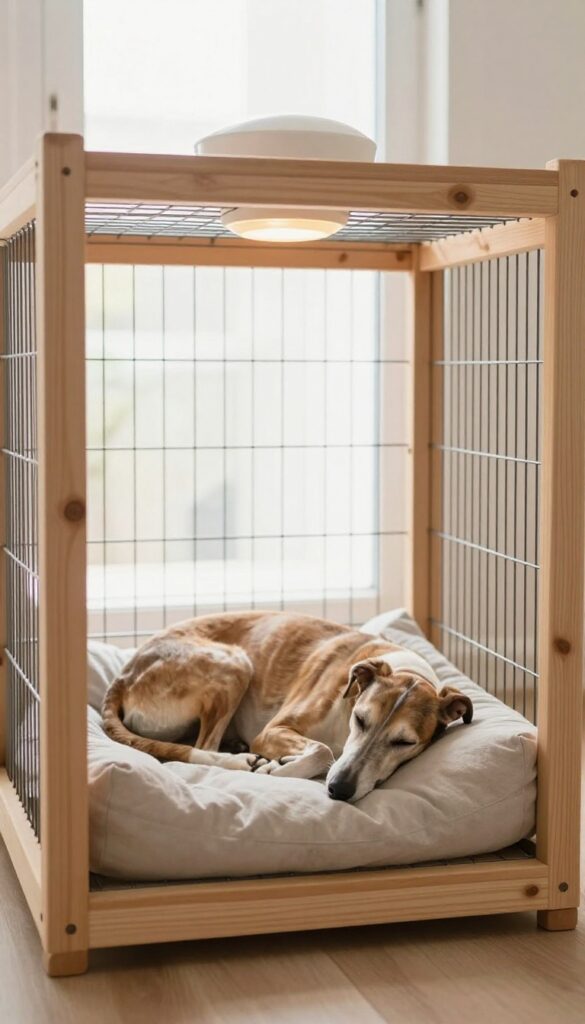
Some dogs just can't get warm enough with insulation alone. A ceramic heat emitter provides steady, gentle heat without bright light, so your dog can sleep soundly. This setup is especially popular for dogs that need extra warmth during deep winter nights.
These emitters screw into a standard porcelain base and can be mounted on the ceiling or wall of the dog house. They don't produce light, which means no disruption to your dog's sleep cycle. Pairing them with a thermostat keeps the temperature just right.
Why It Works
Ceramic heat emitters produce infrared heat that warms objects and pets directly, not just the air. This means your dog feels the warmth even if the house isn't perfectly sealed. They're also safe because they don't get hot enough to ignite bedding or wood, especially when mounted out of reach.
Best For
This is ideal for medium to large breeds that sleep in an outdoor dog house during freezing winters. It's also great for short-haired or thin-coated dogs like Greyhounds, Boxers, or senior dogs that struggle to stay warm.
Practical Tip
Mount the ceramic emitter in a protective wire cage on the ceiling of the house, at least 12 inches from any walls or bedding. Use a plug-in thermostat with a temperature probe to maintain a consistent 40–50°F inside. Always run the cord through a chew-proof conduit if your dog likes to gnaw.
Budget-Friendly Option
If you're on a tight budget, look for a used ceramic heat emitter from reptile supply groups or pet stores. A simple dimmer switch can work in place of an expensive thermostat—just test temperatures with a thermometer first.
6. Insulated Dog House with a Flap Door
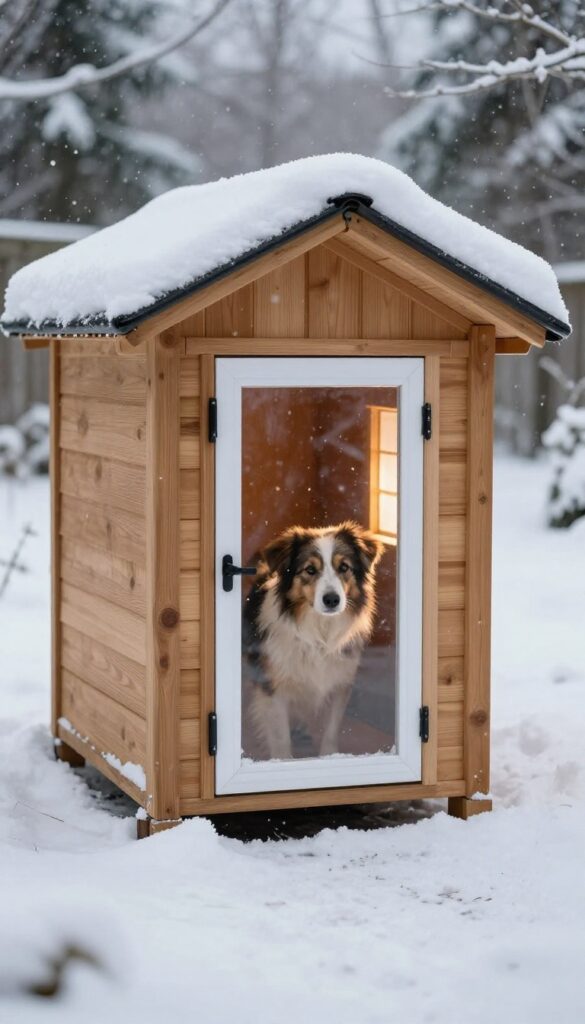
A flap door is one of the most effective ways to block wind and snow while still letting your dog move freely. Combined with insulated walls, it creates a warm, draft-free zone inside. Many dogs love the independence of coming and going without you having to hold the door open.
Why It Works
The flap acts as a barrier against cold drafts and precipitation, while insulation keeps the interior temperature stable. Magnetic or weighted flaps seal tightly after your dog passes through, preventing heat loss and keeping out moisture.
Best For
Dogs that are comfortable using a flap door and spend several hours outside during the day. It's also great for owners who want their dog to have access to the yard without constant supervision.
Practical Tip
Choose a clear vinyl flap so your dog can see through it—this reduces hesitation. Make sure the flap is large enough for your dog's size and hangs straight without gaps. Test the magnetic closure in windy conditions to ensure it stays shut.
Budget-Friendly Option
If a pre-made flap door is out of budget, you can make one from heavy-duty clear vinyl or thick rubber matting. Cut it slightly larger than the opening and attach with a strip of wood along the top edge.
7. Elevated Dog House with Insulated Floor
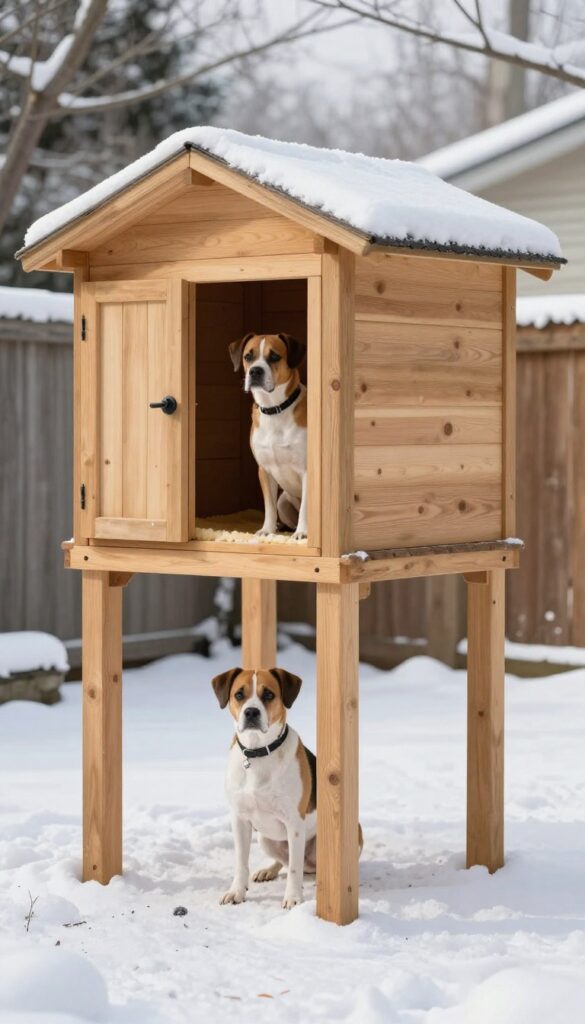
Keeping your dog off the frozen ground is one of the smartest winter moves you can make. Elevating the dog house creates an air gap that blocks cold from seeping up through the floor. Add a layer of rigid foam or a heated mat inside, and you have a warm, dry spot your pup will love.
Why It Works
Cold air sinks, and the ground acts like a giant heat sink in winter. Raising the dog house breaks that thermal contact, reducing heat loss through the floor by up to 30%. The insulation layer then traps your dog's body heat, keeping the interior noticeably warmer without any additional energy.
Best For
This setup is ideal for dogs that sleep outdoors in snowy or rainy climates, especially breeds with short coats like Boxers or Beagles. It also works well for owners who want a low-maintenance solution that doesn't rely on electricity.
Practical Tip
Use pressure-treated lumber for the base to resist rot and moisture. Elevate the house at least 4 inches off the ground using deck blocks or sturdy legs. For insulation, cut rigid foam panels to fit snugly inside the floor cavity and cover them with a weatherproof liner like vinyl flooring.
Budget-Friendly Option
If you don't want to build from scratch, buy an inexpensive plastic dog house and set it on wood pallets. Place a self-warming pad (no electricity needed) inside for extra coziness without breaking the bank.
8. Insulated Dog House with Reflective Barrier
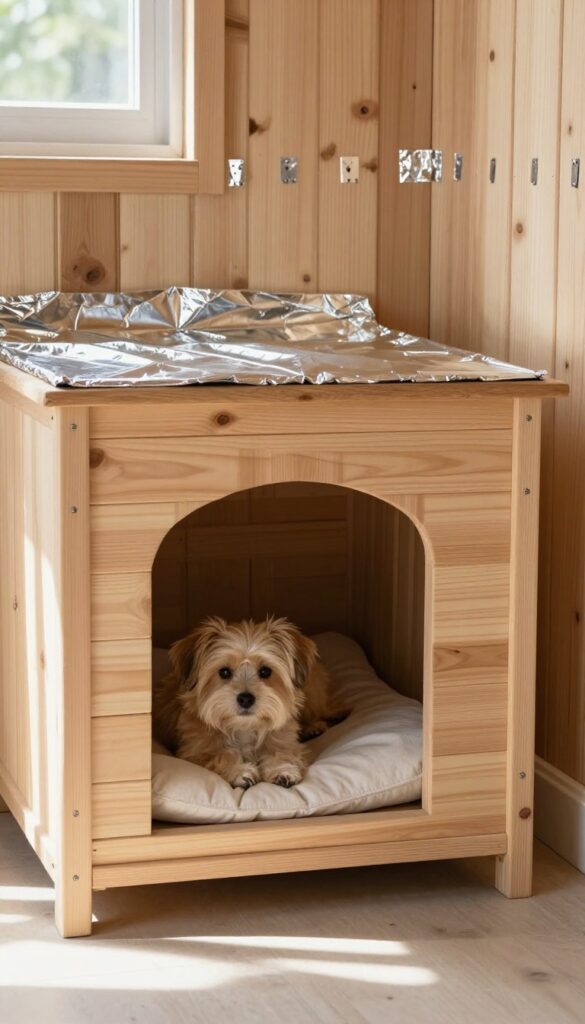
Radiant barrier foil isn't just for attics—it works surprisingly well inside a dog house. This thin, reflective material bounces your dog's body heat back into the space, creating a cozy pocket of warmth. It's lightweight, easy to install, and doesn't take up much room.
Dog owners like it because it's affordable and low-maintenance. You just staple or glue the foil to the interior walls and ceiling, and you're done. It also pairs nicely with other insulation types for extra protection.
The key is to install it correctly: shiny side facing inward, with an air gap between the foil and the outer wall. That gap is what makes the reflective barrier effective.
Why It Works
Radiant barrier foil works by reflecting thermal radiation—in this case, your dog's body heat—back into the house rather than letting it escape through the walls. It's especially good at reducing heat loss on cold nights and can make a noticeable difference in temperature retention.
Best For
This idea is ideal for dog owners who want a quick, low-cost insulation upgrade without major construction. It works well for small to medium breeds that generate enough body heat to benefit from reflection. Also great for temporary setups or rental properties where permanent changes aren't allowed.
Practical Tip
Install the foil with the reflective side facing inward and leave at least a 1-inch air gap between the foil and the outer wall using furring strips or spacers. Make sure to cover all interior surfaces except the floor (where you'll use bedding). Check periodically for tears or peeling edges.
Budget-Friendly Option
For a cheaper alternative, use heavy-duty mylar emergency blankets instead of commercial radiant barrier foil. They work similarly—just tape them securely to the walls and ceiling. Replace them annually as they can wear out faster.
9. DIY Insulated Dog House from a Plastic Storage Tote
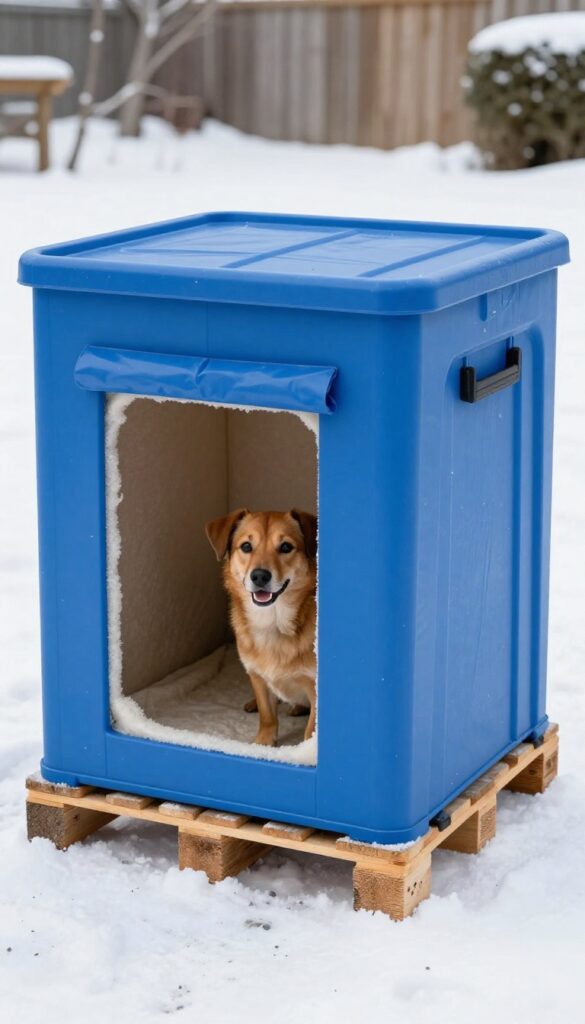
Plastic storage totes are cheap, waterproof, and easy to modify. With a little foam insulation and a door cutout, you can turn one into a surprisingly warm dog house. It’s lightweight enough to move around the yard or bring inside on freezing nights.
Many owners love this option because it costs under $50 and takes less than an hour to build.
Why It Works
The plastic shell blocks wind and moisture, while foam insulation boards glued to the interior trap your dog’s body heat. Adding a self-warming pad or a low-wattage heating pad boosts warmth without fire risks. The small interior space heats up quickly, making it cozy even in subzero temps.
Best For
This idea works great for small to medium dogs under 40 pounds who need a portable shelter. It’s perfect for apartment dwellers with a balcony or renters who can’t build a permanent structure. Owners who travel with their dogs also appreciate how easily it folds flat for storage.
Practical Tip
Cut the door opening about 4 inches wider than your dog’s shoulders so they can enter comfortably. Use reflectix or rigid foam panels for insulation—just cut them to fit the walls and lid. Place the tote on a wooden pallet or patio stones to lift it off cold ground and prevent moisture seeping in.
Budget-Friendly Option
If you don’t have a heating pad, line the floor with a thick fleece blanket over a layer of straw or cedar shavings for natural insulation. You can also skip foam panels by filling the gap between two nested totes with crumpled newspaper or old towels.
FAQ
What is the best insulation material for a dog house?
Rigid foam board (like XPS or EPS) is a top choice because it's moisture-resistant, easy to cut, and provides high R-value per inch. Straw is also excellent for natural insulation, but avoid hay.
Can I use a space heater in a dog house?
It's not recommended due to fire hazards and risk of burns. Instead, use pet-safe heating pads, ceramic heat emitters, or heated beds designed for dogs.
How do I keep the dog house dry in winter?
Elevate the house off the ground, ensure the roof is waterproof, and use a flap door to block snow. Add a layer of straw or cedar shavings to absorb moisture.
Should I put a dog house inside a larger shelter?
Yes, placing the dog house inside a garage, shed, or covered porch adds an extra layer of protection from wind and snow. Just ensure proper ventilation.
How often should I clean the insulated dog house?
Clean it at least once a month during winter. Remove soiled bedding, wipe down surfaces with pet-safe cleaner, and replace straw or bedding as needed to prevent mold and odors.
Conclusion
Getting your dog's winter shelter right doesn't have to be complicated. Pick one insulated design that fits your space and budget, then focus on proper bedding and wind protection.
Your pup will stay warm and dry all season long. Start with the idea that feels most doable, gather your materials, and give your furry friend a cozy retreat they'll love curling up in when the temperature drops.

I’m Pallab Kishore, the owner of Little Pets Realm — an animal lover and pet care enthusiast sharing easy tips, healthy recipes, and honest advice to help every small pet live a happy, healthy, tail-wagging life.