
A dog house doesn't have to be a basic wooden box. With a little creativity, you can build a shelter that's both functional and fun for your furry friend.
These 11 homemade dog house ideas include smart features that make life easier for you and cozier for your dog. From insulated walls to built-in storage, each design focuses on practicality without breaking the bank.
Whether you have a small yard or a spacious backyard, there's an idea here that fits your space and budget. Let's dive into budget-friendly builds that add real value to your dog's outdoor experience.
1. Insulated Dog House with Removable Panels
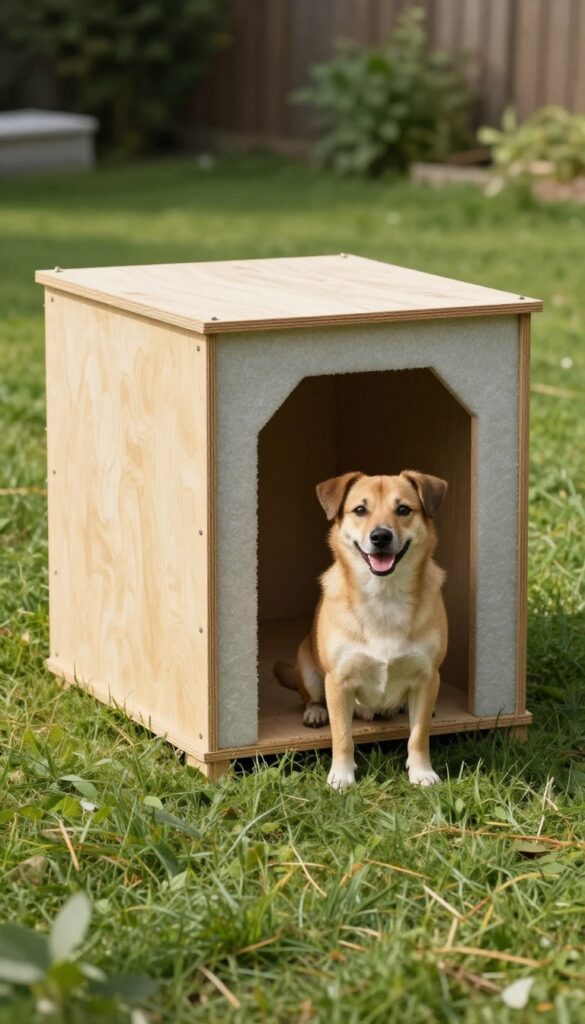
Temperature extremes can make a dog house uncomfortable, but adding insulation solves that problem. This design uses foam board insulation sandwiched between plywood panels, creating a barrier that keeps heat in during winter and out during summer. The best part?
The panels are removable, so you can take them out for easy cleaning or replacement whenever needed. It's a smart upgrade that doesn't require advanced carpentry skills.
Why It Works
Foam board insulation is lightweight, affordable, and highly effective at regulating temperature. By sandwiching it between plywood, you create a sturdy panel that fits snugly into the dog house frame. The removable design means you can wash down the interior or swap out damaged insulation without rebuilding the whole structure.
Dogs stay comfortable year-round, and you save time on maintenance.
Best For
This insulated dog house is ideal for breeds with short coats or low body fat, like Greyhounds or Chihuahuas, who feel the cold more intensely. It also works well in climates with big temperature swings—hot summers and freezing winters—since the insulation handles both extremes. Perfect for owners who want a single shelter that works in every season.
Practical Tip
Cut the foam board slightly smaller than the plywood panels to allow for expansion and easy removal. Use weatherproof screws or latches to secure the panels, but make sure they're easy to pop off by hand. Seal all edges with caulk or weatherstripping to prevent drafts and moisture from getting in.
For extra comfort, add a soft bed inside—just keep it away from direct contact with the panels to avoid trapping dampness.
2. Elevated Dog House with Airflow Vents
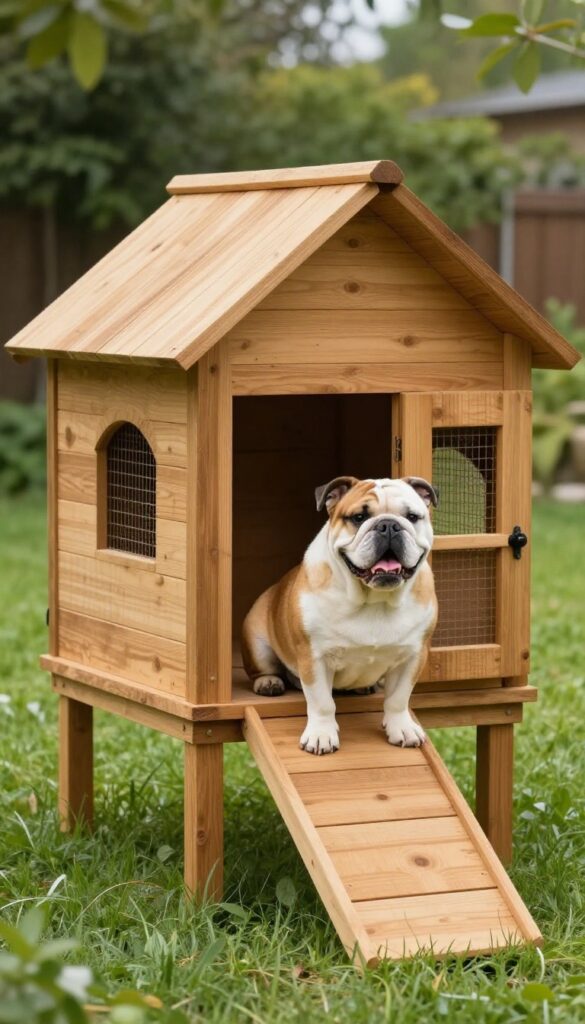
Moisture and heat buildup can turn a dog house into an uncomfortable space. Raising the floor off the ground and adding vents solves both problems at once. This design keeps your pup dry in wet weather and cool during hot spells, making it a smart upgrade for any backyard.
Why It Works
Elevating the floor prevents rainwater, mud, and snow from seeping inside, while airflow vents near the roof let hot air escape naturally. Together, they create a drier, cooler interior that reduces mold and odor—your dog stays comfortable year-round without extra energy costs.
Best For
This is ideal for dogs who spend time outdoors in humid climates or rainy regions. It also works well for breeds prone to overheating, like Bulldogs or Huskies, and for owners who want a low-maintenance setup that resists rot.
Practical Tip
Use pressure-treated lumber or cedar for the base to resist moisture. Add vent covers on the outside to block rain while keeping airflow—adjustable vents let you control circulation based on weather. Place the dog house on pavers or gravel to prevent sinking.
Budget-Friendly Option
Instead of buying pre-made vents, cut small slots near the top and cover them with hardware cloth stapled on the inside. You can also repurpose an old wooden pallet as the elevated floor—just sand it smooth and seal it with pet-safe paint.
3. Dog House with Built-In Storage for Toys and Supplies
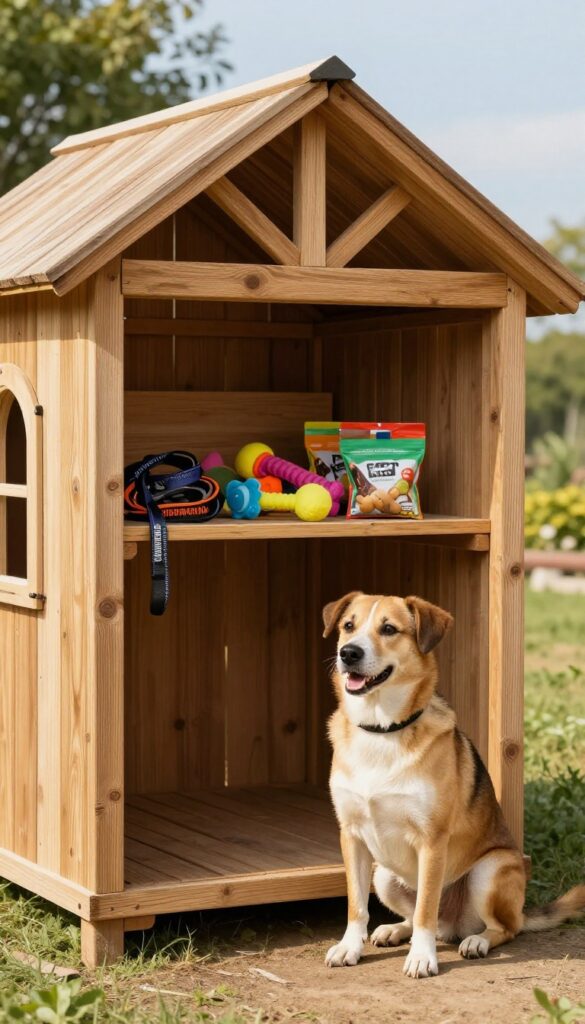
Keeping your dog's outdoor gear organized can be a challenge, especially when leashes, toys, and treats end up scattered around the yard. A dog house with built-in storage solves that by tucking everything into a side compartment or under a hinged roof. It's a simple upgrade that keeps your space tidy and makes trips outside more convenient.
Why It Works
Having storage right where you need it means you'll always have a leash handy for quick walks or a toy for playtime. The compartment stays protected from the elements, so supplies stay dry and clean. Plus, the design adds extra functionality to the dog house without taking up more yard space.
Best For
This idea works great for busy pet parents who want everything within arm's reach during outdoor time. It's also perfect for small yards where every inch counts, or for dogs who love having their toys nearby.
Practical Tip
Use weatherproof materials like treated wood or exterior-grade paint to protect the storage area from rain and sun. Add a secure latch to keep curious pups from opening the compartment themselves. For easy cleaning, line the storage bin with a removable plastic tray.
4. Solar-Powered Dog House with Light and Fan
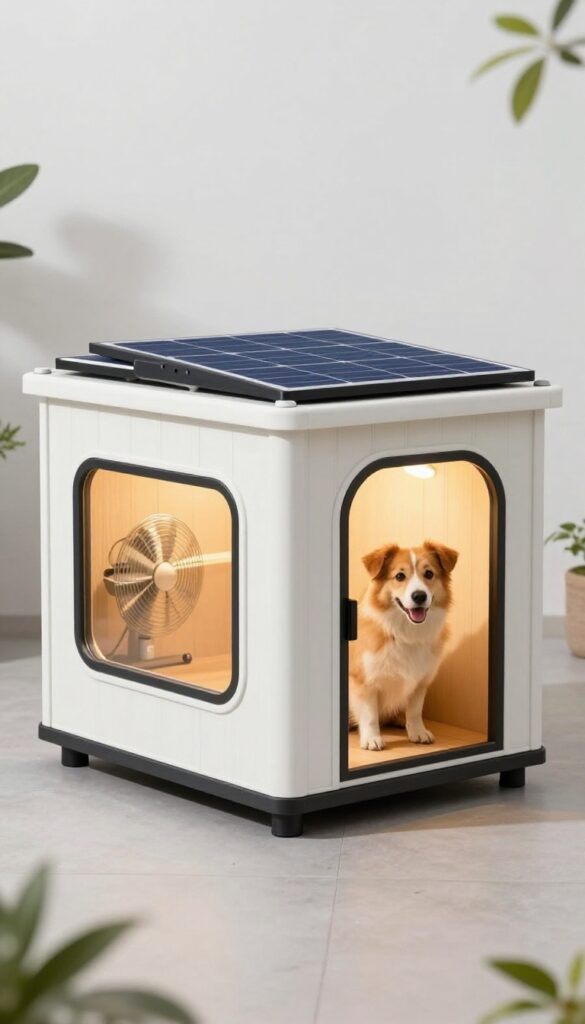
Harness the sun to keep your dog comfortable day and night. A small solar panel on the roof powers an LED light for evening visibility and a low-voltage fan for airflow on hot days. It's an eco-friendly upgrade that adds convenience without increasing your electricity bill.
This setup is surprisingly simple to install and maintain. The fan helps prevent overheating in summer, while the light makes it easier for your dog to see inside during darker hours. Plus, it's a great conversation starter for visitors who notice your energy-smart dog house.
Why It Works
Dogs can overheat quickly in enclosed spaces, especially during summer afternoons. A solar-powered fan moves stale air out and brings fresh air in, keeping the interior comfortable. The LED light also helps your dog feel secure when they go inside at dusk, reducing anxiety about dark corners.
Best For
Perfect for outdoor dogs that spend most of the day in their house, especially in sunny climates. Also ideal for owners who want a low-maintenance, off-grid power solution without running extension cords across the yard.
Practical Tip
Mount the solar panel at a slight angle facing south (in the Northern Hemisphere) for maximum sun exposure. Use a charge controller to protect the battery from overcharging. Keep the fan blade clean of dust and spider webs to maintain airflow efficiency.
Budget-Friendly Option
If you're on a tight budget, start with just a solar light kit (around $20) and add a battery-operated clip-on fan later. You can also repurpose an old computer fan if you're handy with wiring.
5. Dog House with a Porch or Awning
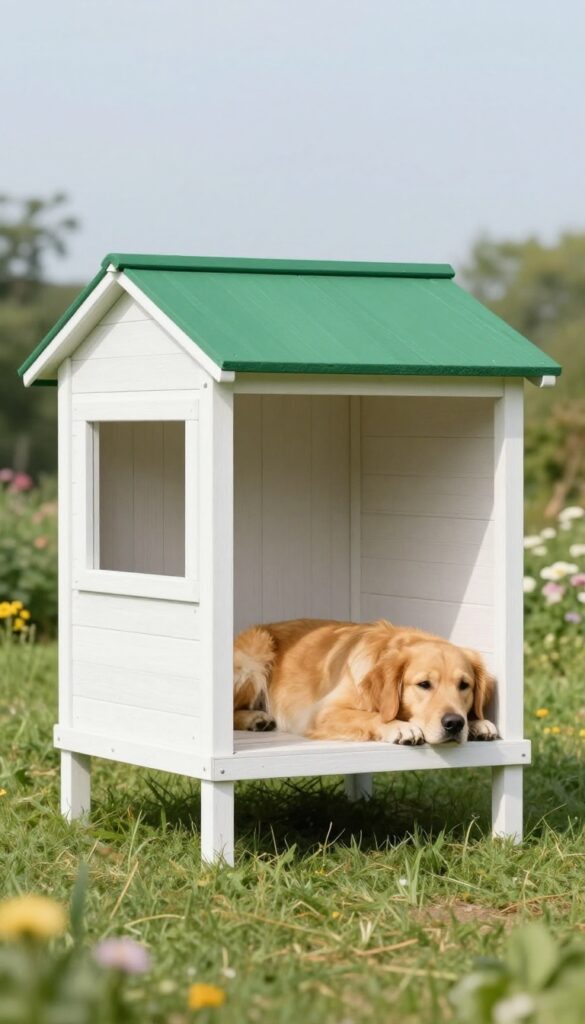
Dogs love being outside, but they also need a break from direct sun or sudden rain. A porch or awning extension gives them the best of both worlds—a covered spot to lounge and watch the world go by without being fully indoors. This simple add-on turns a basic dog house into a cozy outdoor hangout.
Why It Works
An extended roof creates a shaded area that stays cooler in summer and provides shelter from light rain. Your dog can enjoy fresh air while staying protected from UV rays and sudden downpours. It also gives them a clear view of the yard, which many dogs find comforting.
Best For
This design is perfect for dogs that like to spend time outdoors but need a break from direct weather. It works well for breeds that enjoy lounging, like Bulldogs, Retrievers, or any senior dog that wants a comfortable perch. Great for yards without natural shade.
Practical Tip
Make sure the porch floor is slightly sloped so water drains away instead of pooling. Use weather-resistant materials like pressure-treated wood or composite decking for the deck surface. Add a soft outdoor bed or mat in the porch area for extra comfort.
Budget-Friendly Option
If building an extension feels too involved, attach a large outdoor umbrella to the side of the dog house instead. You can also repurpose an old patio table umbrella base to hold it steady on windy days.
6. Multi-Room Dog House for Multiple Dogs
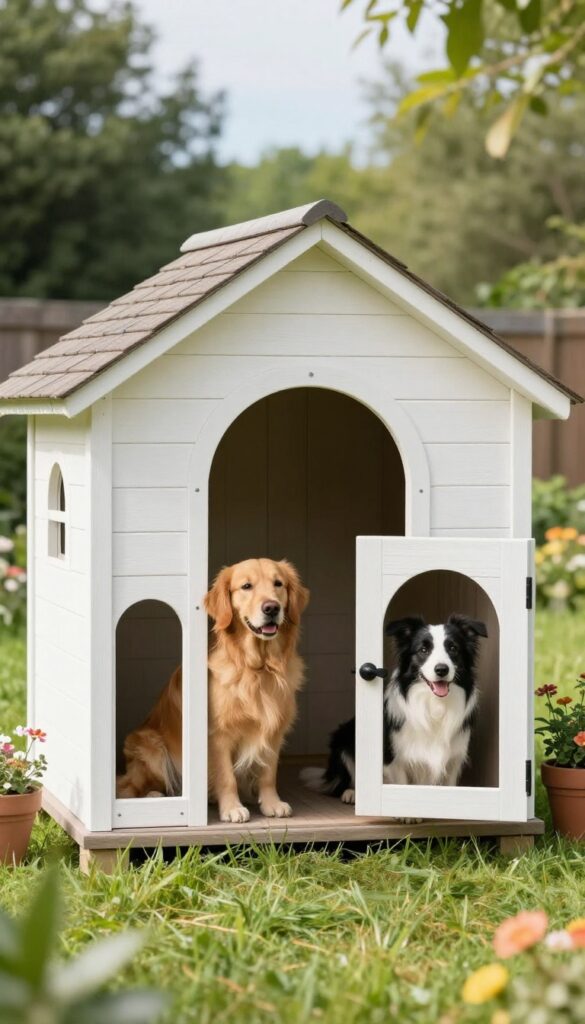
When you have more than one dog, sharing a single space can lead to squabbles or stress. A multi-room dog house gives each pup their own private area while still keeping them close. This design works great for households with two or more dogs that get along but still appreciate personal space.
By building a divided interior, you create separate zones that reduce competition over resting spots. The shared entrance or individual doors make it easy for dogs to come and go without feeling trapped. It's a smart way to keep peace in the pack.
Dog owners love this idea because it solves a common problem without adding much extra cost or complexity. Plus, it looks like a tiny duplex in your yard—pretty adorable.
Why It Works
Dogs are naturally territorial, especially when it comes to sleeping areas. Separate rooms prevent resource guarding and give each dog a safe retreat. The divider also keeps larger dogs from crowding out smaller ones, making nap time more relaxing for everyone.
Best For
Homes with two or more medium to large breeds that already coexist peacefully but need their own space. Also great for owners who plan to adopt another dog and want to avoid future conflicts.
Practical Tip
Make the divider removable by using sliding panels or sturdy hooks. This lets you convert the house into one large space for cleaning or if your dogs prefer to snuggle together during cold nights.
Budget-Friendly Option
Instead of building permanent walls, use heavy-duty wire mesh panels as dividers. They provide separation while allowing airflow and visibility, and cost much less than plywood.
7. Dog House with a Ramp or Steps for Senior Dogs
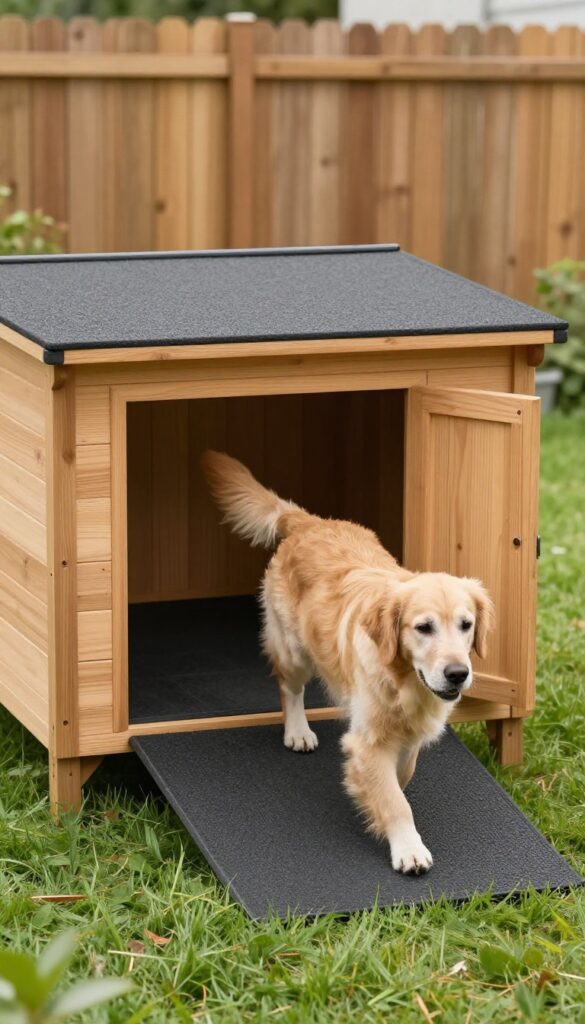
As dogs age, their joints can make jumping in and out of a dog house painful. Adding a ramp or low steps removes that barrier, giving your senior pup easy access without strain. This simple modification keeps the dog house usable for years, even as your dog's mobility changes.
Why It Works
A gentle slope or shallow steps reduce impact on arthritic hips and knees. Non-slip material, like rubber matting or outdoor carpet, gives paws traction even in wet weather. Many designs let you fold or remove the ramp when not needed, keeping the entrance clear.
Best For
Senior dogs with arthritis, hip dysplasia, or general stiffness. Also great for small breeds that struggle with tall entrances or dogs recovering from surgery.
Practical Tip
Make sure the ramp angle is gradual—aim for about a 20-degree slope. Attach a lip along the edges to prevent paws from slipping off. If using wood, sand it smooth and apply outdoor paint or sealant to resist rot.
Budget-Friendly Option
Skip the custom wood ramp and use a sturdy plastic pet ramp designed for car travel. It's lightweight, adjustable in length, and easy to store when not in use.
8. Dog House with a Green Roof for Insulation
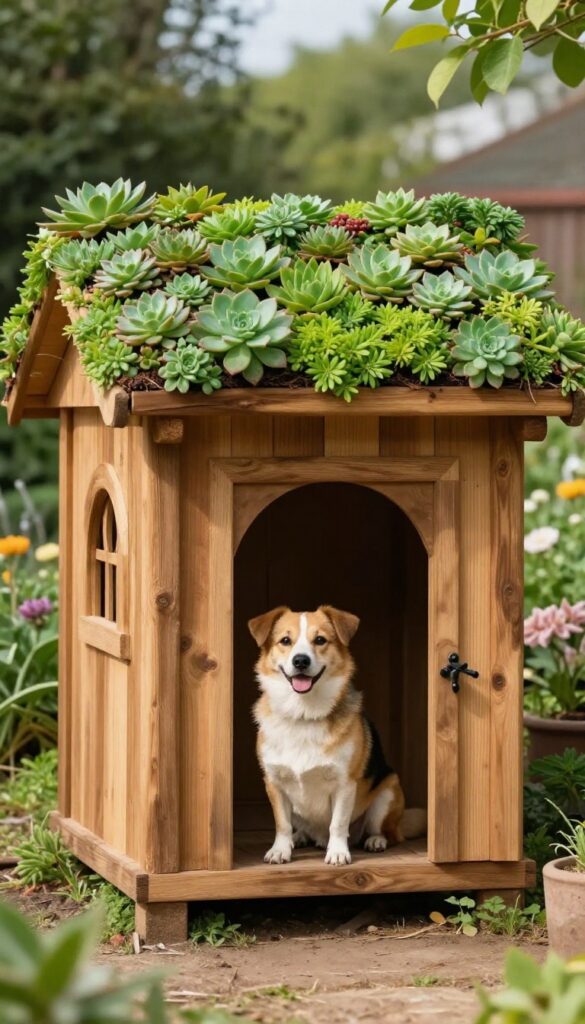
A green roof isn't just for trendy coffee shops—it works wonders for your dog's house too. By planting sedum or other low-maintenance succulents on top, you create a natural insulator that keeps the interior cooler in summer and warmer in winter. Plus, it blends beautifully into your yard, making the dog house feel like part of the landscape.
Why It Works
The layer of soil and plants absorbs heat and provides thermal mass, which moderates temperature swings inside the dog house. During hot weather, the plants release moisture through transpiration, creating a cooling effect. In cold weather, the soil acts as an extra barrier against heat loss.
Best For
This idea is perfect for dog owners with a green thumb who want an eco-friendly upgrade. It’s especially suited for yards with full sun exposure, where the roof can help shade the interior. Dogs that spend long hours outside will benefit most from the stable temperatures.
Practical Tip
Choose drought-tolerant sedum varieties that require minimal watering and can handle your local climate. Install a waterproof membrane under the soil to protect the roof structure. Keep the plants trimmed to prevent overgrowth that could block ventilation or attract pests.
Budget-Friendly Option
If sedum is out of budget, try using moss or creeping thyme instead—both are low-cost, low-maintenance options that still provide insulation and a green look.
9. Dog House with a Removable Floor for Easy Cleaning
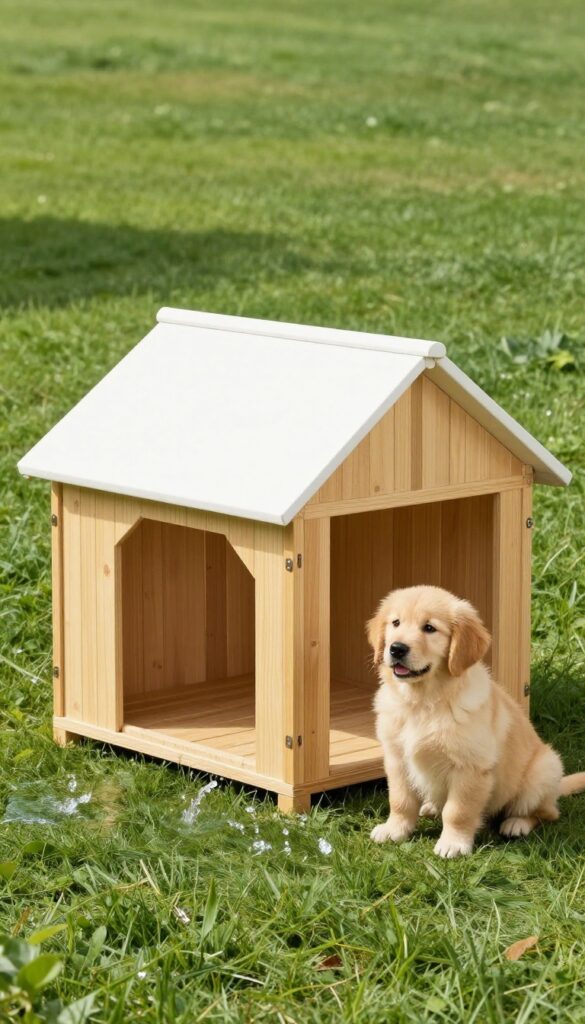
Cleaning a traditional dog house often means crawling inside with a scrub brush. This design solves that by making the floor a separate tray that slides out for washing. You can hose it down, scrub it clean, and slide it back in without disturbing the rest of the structure.
It's a simple upgrade that saves you time and keeps your dog's home fresh. Puppies, messy eaters, and dogs who track in mud make this feature almost essential. Plus, a removable floor lets you replace just the floor if it gets damaged instead of rebuilding the whole house.
Why It Works
A removable floor lets you deep-clean without moving the entire dog house or getting into awkward positions. You can use a pressure washer or just a bucket of soapy water, then let it dry in the sun before putting it back. This helps prevent mold, mildew, and odors from building up over time.
Best For
Ideal for puppies who haven't mastered potty training yet, senior dogs with accidents, or any dog that loves to drag wet or muddy toys inside. It's also great for multi-dog households where the floor gets extra wear and tear.
Practical Tip
Make the tray slightly larger than the house footprint so it overhangs a bit—this gives you handles to grip when pulling it out. Use marine-grade plywood or PVC for the tray so it resists water damage. Add a slight slope toward one end so water drains off easily when you rinse it.
Budget-Friendly Option
If you're on a tight budget, use a heavy-duty plastic storage bin lid as the removable floor. Cut it to size and seal any sharp edges with duct tape. It's waterproof and slides right out.
10. Dog House with a Window and Shutters
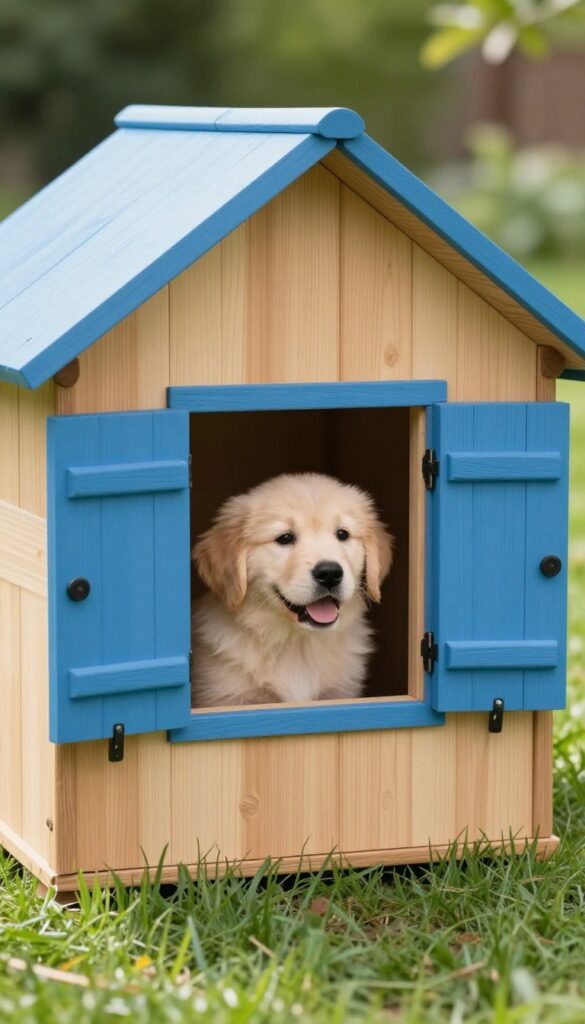
Adding a window to your dog's house does more than just look cute. It gives your pup a way to peek outside and stay connected to what's going on around them. Hinged shutters let you control light, airflow, and protection depending on the weather.
This simple feature turns a dark box into a brighter, more inviting space. Your dog can enjoy fresh air and a view without leaving the safety of their house. Plus, the shutters add charm that fits any backyard style.
Why It Works
Dogs are naturally curious and like to keep an eye on their territory. A window lets them see out without having to step into rain or cold. The shutters give you flexibility: open them for ventilation on warm days, close them during storms or at night for extra warmth and security.
Best For
This design works well for dogs that spend a lot of time outdoors but still want to feel part of the action. It's especially good for breeds that are alert or territorial, like terriers or herding dogs. It also suits yards where the dog house faces a busy area like a fence line or garden.
Practical Tip
Cut the window on the side that gets morning sun so your dog can warm up on chilly days. Use exterior-grade hinges and paint the shutters with waterproof paint to prevent rust or rot. Add a small awning above the window to keep rain from dripping inside when shutters are open.
Budget-Friendly Option
If you don't want to build hinged shutters from scratch, repurpose an old wooden picture frame as the shutter frame. Simply attach it with hinges and add a latch made from a small hook-and-eye set. This keeps costs low while still giving you functional coverage.
11. Dog House with a Built-In Cooling System
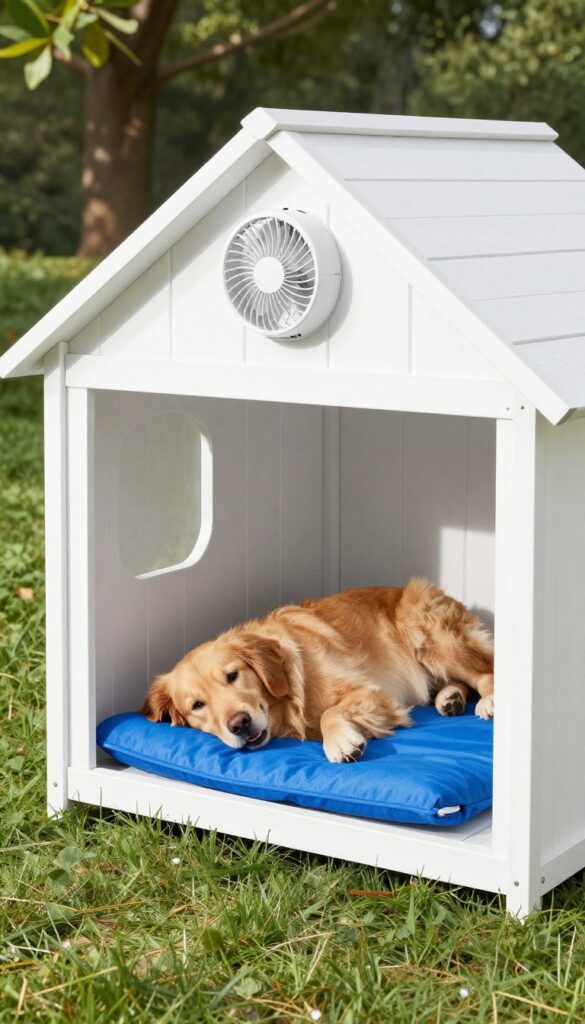
When summer temperatures soar, your dog needs a cool retreat even in the shade. A built-in cooling system turns a standard dog house into a refreshing oasis. By combining a battery-operated fan with a cooling pad, you create airflow and a chill surface that helps your pup beat the heat without running up your electric bill.
This setup is simple to install and can make a huge difference in your dog's comfort on those scorching afternoons.
Why It Works
Dogs can overheat quickly, especially in enclosed spaces. The fan keeps air moving, preventing stale hot air from building up, while the cooling pad offers direct relief for your dog's belly and paws. Together they lower the internal temperature by several degrees, making the house a safe spot even in extreme heat.
Best For
This cooling dog house is perfect for breeds prone to overheating—like Bulldogs, Pugs, or Huskies—and for dogs that spend time outside during hot summers. It's also great for owners who live in warm climates but don't want to keep their dog indoors all day.
Practical Tip
Mount the fan high on a side wall so it doesn't get blocked by your dog's bedding or body. Use a rechargeable USB fan with low noise and secure it with brackets to prevent shifting. Place the cooling pad inside a removable cover for easy washing, and check the pad regularly for wear to ensure it stays effective.
Budget-Friendly Option
If you're on a tight budget, skip the cooling pad and instead freeze water bottles wrapped in towels for your dog to lie against. Swap out as needed throughout the day.
FAQ
What is the best material for a homemade dog house?
Plywood is a popular choice because it's durable, easy to work with, and affordable. For insulation, use foam board. Make sure all materials are untreated and safe for dogs.
How big should a dog house be for my dog?
The dog house should be just big enough for your dog to stand up, turn around, and lie down comfortably. Too large and it won't retain heat well; too small and it's cramped.
Do I need to insulate a dog house?
Insulation helps regulate temperature, making the house more comfortable in both hot and cold weather. It's especially important if your dog spends a lot of time outdoors.
How do I keep the dog house clean?
Use removable floors, washable bedding, and easy-access panels. Regularly sweep out dirt and debris, and wash bedding weekly. A removable roof or side panel makes deep cleaning easier.
Can I build a dog house without power tools?
Yes, but it will be more challenging. You can use hand saws, hammers, and screwdrivers. Many designs can be simplified to require only basic tools, but power tools make the job faster and more precise.
Conclusion
Building a smart dog house doesn't have to break the bank or require advanced carpentry skills. Start with one idea that fits your budget and your pup's needs—whether it's adding solar ventilation or a simple raised floor for airflow. Your dog will enjoy a safer, more comfortable space tailored just for them.
Pick the feature that solves your biggest challenge first, then expand from there. A little creativity goes a long way toward a happier, cozier pup.

I’m Pallab Kishore, the owner of Little Pets Realm — an animal lover and pet care enthusiast sharing easy tips, healthy recipes, and honest advice to help every small pet live a happy, healthy, tail-wagging life.