
Your utility room takes a daily beating from muddy paws, wet towels, and scattered gear. Without a smart setup, cleanup feels like an endless cycle of scrubbing floors and hunting for supplies. The right design choices can turn that chaos into a smooth, almost effortless routine.
These nine ideas focus on real-world solutions that handle everything from slobbery splashes to shedding fur. Each one targets a specific pain point—like slippery floors or bulky drying equipment—so your space works harder for you.
No need for a full renovation or Pinterest-perfect decor. From mud-proof flooring to clever feeding stations, these upgrades are practical, durable, and built for life with a dog.
1. Mud-Proof Flooring That Wipes Clean in Seconds
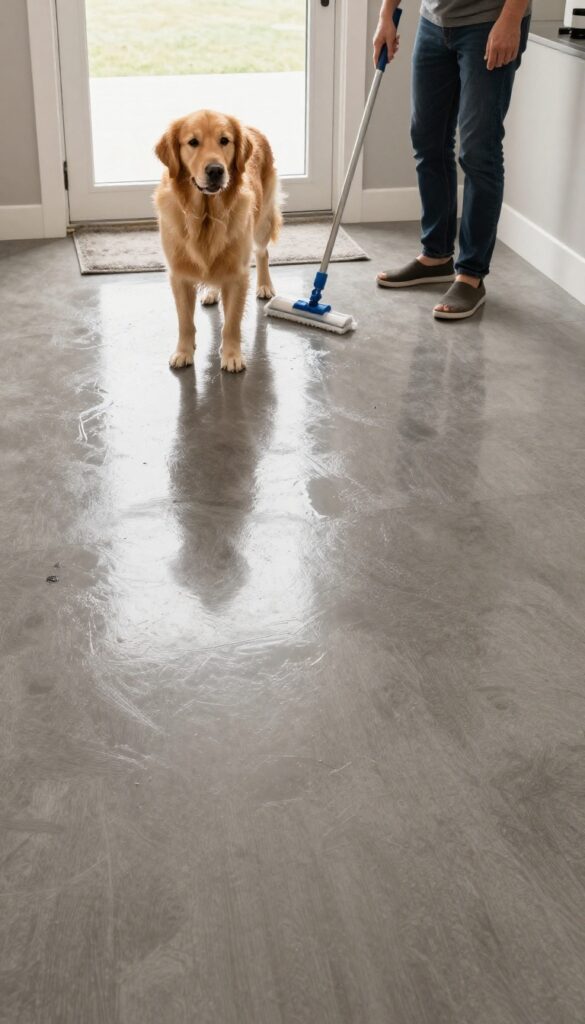
Swapping out porous flooring for something slick and sealed is a game-changer. Luxury vinyl plank, tile, or sealed concrete resist stains, odors, and scratches. A quick mop or wipe handles mud and drool without lingering smells.
It's the foundation of a low-maintenance dog zone.
Why It Works
Dogs track in dirt, drool, and wet paw prints constantly. Non-porous surfaces don't absorb moisture or odors, so you can just wipe and go. No scrubbing grout or worrying about scratches from claws.
Best For
Active dogs that spend a lot of time outdoors, multiple-dog households, or anyone tired of constantly cleaning carpets. It's also great for utility rooms near a backyard door.
Practical Tip
Choose textured or matte finishes to hide paw prints and minor scratches. Add a washable rug or mat near the door to catch excess mud before paws hit the main floor.
Budget-Friendly Option
Sealed concrete is a budget-friendly option if your floor is already concrete. You can DIY a concrete sealer for under $50 and get similar durability to high-end tile.
2. A Raised Dog Bath Station at Your Height
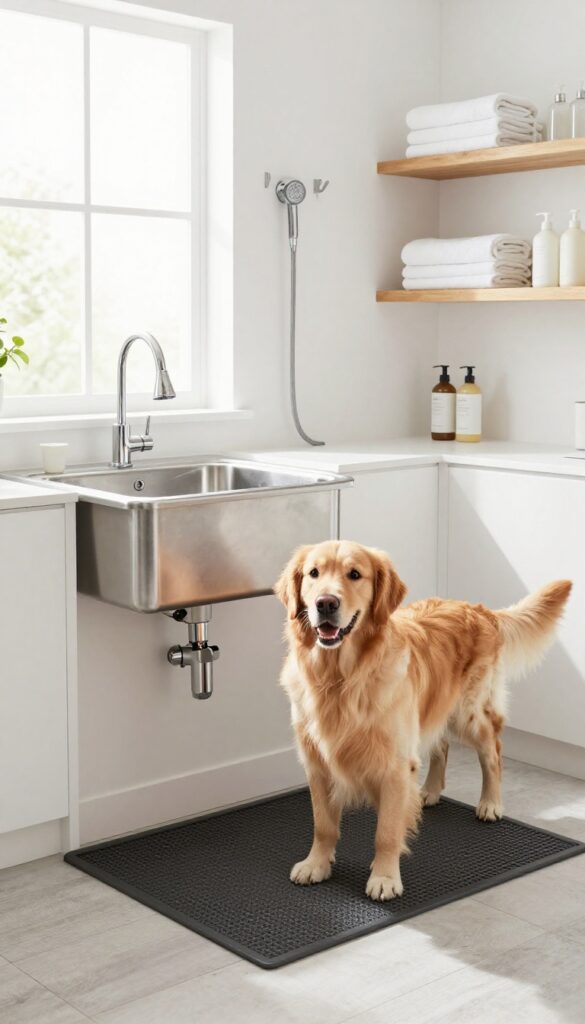
Bending over a tub or crouching in the shower every bath day can wreck your back. A raised dog bath station brings the wash zone up to a comfortable standing height, so you stay upright and your dog stays calmer. It’s a simple shift that makes the whole process faster and less stressful for both of you.
Why It Works
A raised station puts you in a natural standing position, reducing strain on your lower back and knees. The elevated platform also helps small and medium dogs feel more secure—they aren’t slipping on a wet floor or staring up at a giant human looming over them. A handheld sprayer and non-slip mat complete the setup for easy rinsing and steady footing.
Best For
This idea is best for dog owners with back or knee issues, or anyone who bathes their dog more than once a month. It’s also great for small to medium breeds that don’t love being lifted into a tub, and for utility rooms with enough floor space for a low shower pan or deep utility sink.
Practical Tip
Install a commercial-grade shower pan or a deep stainless steel utility sink at a height between 36 and 40 inches. Add a handheld sprayer with a long hose and a quick-connect nozzle. Cover the bottom with a textured rubber mat to prevent slipping, and keep towels and shampoo within arm’s reach on a nearby shelf.
Budget-Friendly Option
If a full sink or pan isn’t in the budget, use a heavy-duty plastic storage tub on a sturdy, waterproof table or counter. Cut a hole for drainage and attach a garden hose sprayer. It’s not as polished, but it lifts your dog to waist height for a fraction of the cost.
3. Wall-Mounted Drying Station with Towel Hooks
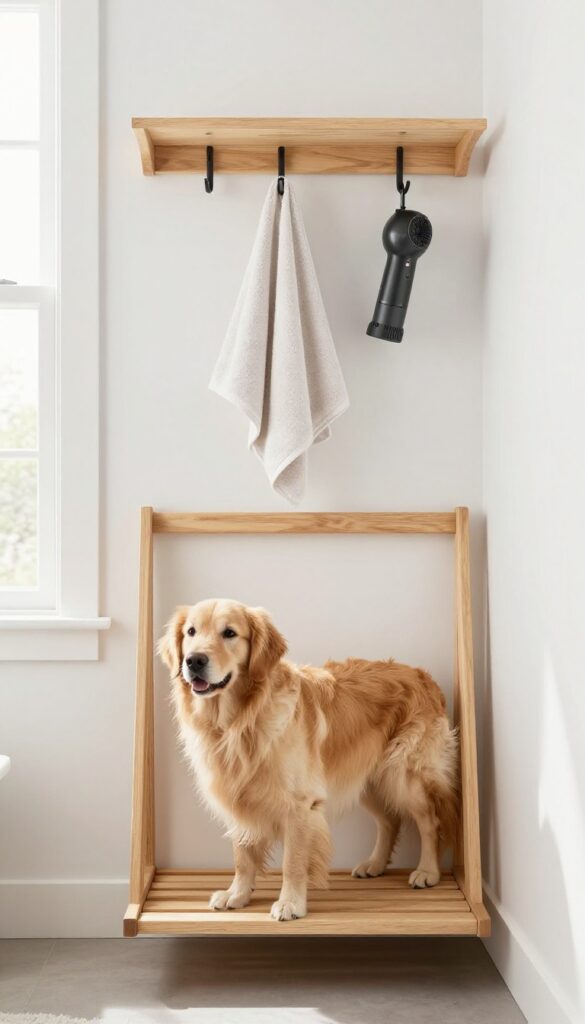
After a rainy walk or a muddy adventure, the last thing you want is wet towels dripping on the floor or a soggy dog shaking water everywhere. A wall-mounted drying station keeps all your drying gear organized and within arm's reach, so you can quickly dry off your pup without the mess. This setup turns a chaotic corner into a dedicated spot that makes post-walk cleanup feel like a breeze.
Why It Works
Heavy-duty hooks hold multiple towels and a dog-specific hair dryer, while a fold-down drying rack gives you a surface to lay out wet gear or let your dog stand on for drying. Everything stays off the floor, reducing clutter and keeping towels dry between uses. It's a simple system that cuts down on the time you spend hunting for supplies and wiping up puddles.
Best For
Active dog owners who walk daily in wet or muddy conditions, especially those with medium to large breeds that require thorough drying. It's also great for apartment dwellers with limited floor space who need to maximize vertical storage.
Practical Tip
Install the station near your entryway or mudroom, close to where you wipe paws. Use rust-resistant hooks and a rack that can support at least 20 pounds. Keep microfiber towels (which dry faster than cotton) and a low-noise pet dryer handy.
Make sure the rack folds flat when not in use to save space.
Budget-Friendly Option
Skip the expensive pet-specific drying rack and repurpose a wall-mounted laundry drying rack or a foldable wall shelf. Use heavy-duty command hooks for towels if you can't drill into walls.
4. Built-In Crate or Kennel Nook
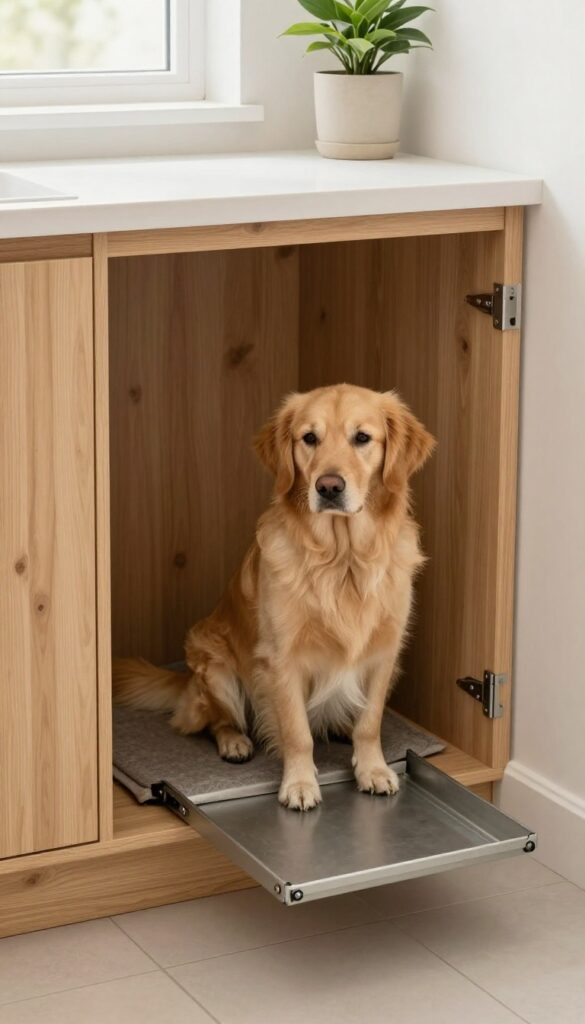
A built-in crate blends seamlessly into your utility room, turning an eyesore into a stylish feature. By recessing the crate under a counter or inside a cabinet, you free up floor space and give your dog a quiet, den-like retreat. It also makes cleanup simpler since the crate is stationary and can include a removable tray for easy washing.
Why It Works
The built-in design keeps the crate out of walkways, reducing clutter and tripping hazards. A removable tray or pull-out bedding platform lets you quickly clean up accidents or shed fur without wrestling with a bulky crate. Plus, the enclosed feel helps anxious dogs feel secure.
Best For
This is ideal for dogs that already enjoy their crate and for owners who want a permanent, tidy solution. It works especially well in smaller utility rooms where floor space is at a premium, and for breeds that appreciate a cozy, covered den—like hounds, terriers, and retrievers.
Practical Tip
Choose a crate with a front door and a side door for easy access. Install a sliding tray or a pull-out platform with a washable mat for quick cleanup. Add a small fan or ventilation grille if the nook is deep, and consider a dimmable light or nightlight for comfort.
Budget-Friendly Option
If a full built-in isn't in the budget, tuck a standard wire crate under a sturdy counter or table and surround it with a tension rod curtain. Use a plastic boot tray underneath to catch messes.
5. Paw Cleaning Station with a Footbath Tray
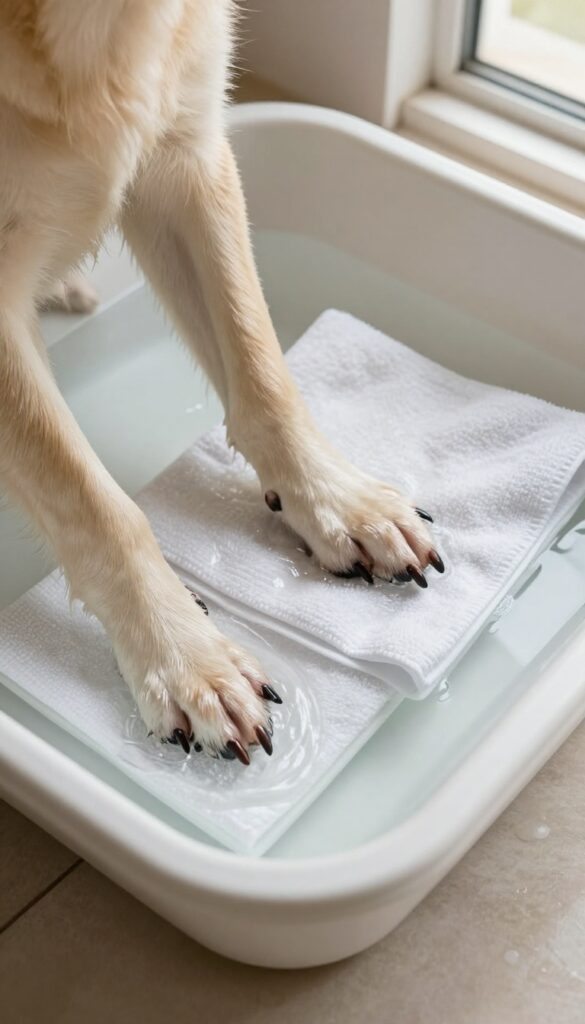
Muddy paw prints across your freshly mopped floor? A dedicated paw cleaning station near the door stops that mess before it starts. A shallow plastic tray filled with warm water and a gentle paw wash lets your dog step in, get cleaned, and dry off on a towel mat right there.
It's a simple setup that saves you from chasing after a wet dog with a rag.
Why It Works
Dogs naturally pause at doorways, especially if they see a familiar routine. By placing the footbath tray right where they enter, you catch dirt and moisture at the source. A towel mat on the other side gives them a spot to shake off and dry their paws, keeping your floors clean and your dog comfortable.
Best For
This is perfect for active dogs who love muddy walks, rainy-day explorers, or any breed with furry paws that trap dirt. It's also great for apartment dwellers or homes with light-colored flooring where every paw print shows.
Practical Tip
Use a non-slip tray with low sides so your dog steps in easily. Fill it with just an inch of warm water and add a dog-safe paw wash. Place a quick-dry microfiber mat right next to the tray for drying.
Rinse and refill the tray daily to keep it fresh.
Budget-Friendly Option
No need for a fancy pet wash station. A simple plastic boot tray from the dollar store works fine. Pair it with an old towel you don't mind getting dirty.
If you want to upgrade, look for a tray with a rubber lip to prevent splashes.
6. Slip-Resistant Mats for Safety and Comfort
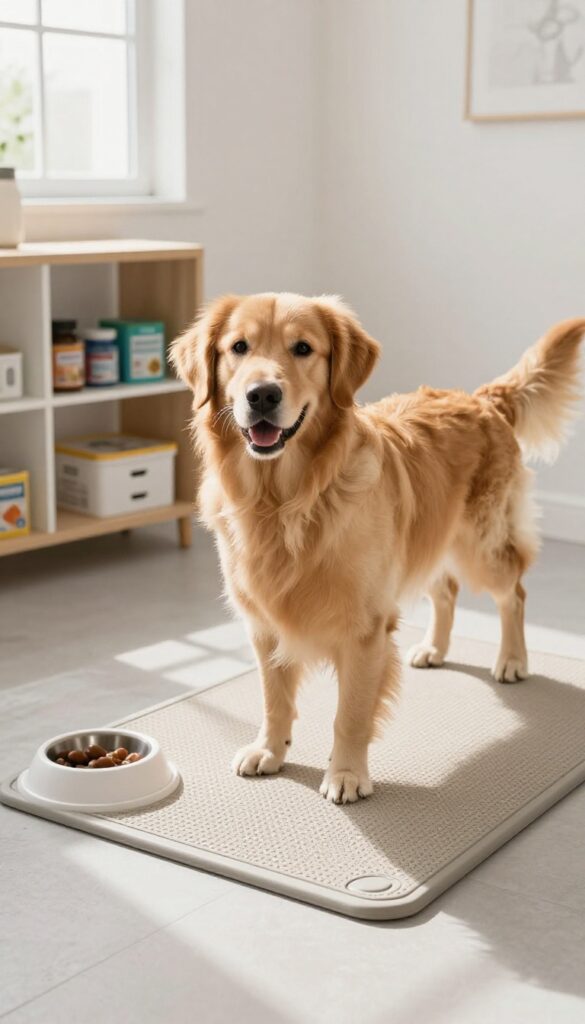
Wet floors and excited dogs are a recipe for slips and spills. Rubber or memory foam mats give your dog steady footing in high-traffic zones like the bath area and feeding station. They also cushion joints for older or arthritic pups who need extra support.
Best of all, most of these mats are easy to clean—just hose them off or toss them in the washing machine.
Why It Works
Dogs can lose traction on tile or hardwood, especially when wet. A slip-resistant mat provides grip, preventing injuries and reducing anxiety for dogs that are nervous on slick surfaces. Memory foam options also relieve pressure on elbows and hips during meals, making them a win for both safety and comfort.
Best For
Homes with slippery flooring, senior dogs with joint issues, or breeds prone to hip dysplasia like German Shepherds and Labradors. Also great for puppies who are still wobbly on their feet.
Practical Tip
Choose mats with raised edges or drainage holes for the bath zone to prevent water pooling. For feeding stations, opt for a mat with a slight lip to catch spills and kibble. Machine-washable mats save time—just shake off hair and toss in the wash weekly.
Budget-Friendly Option
DIY a non-slip mat by placing a rubber shelf liner under a standard bath mat. It adds grip at a fraction of the cost and can be cut to fit any space.
7. Open Shelving for Dog Gear You Use Daily
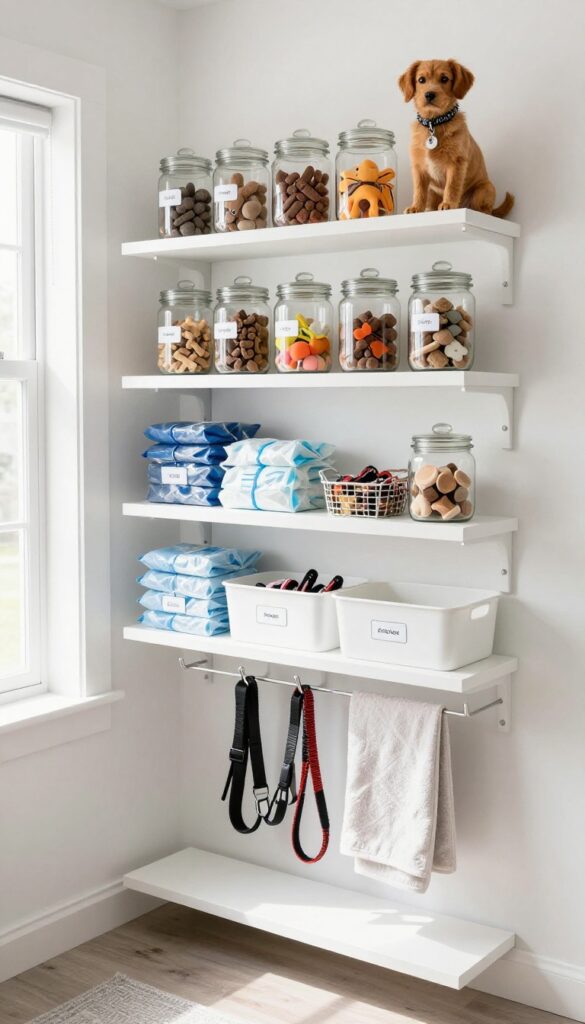
Your utility room can quickly become a dumping ground for leashes, collars, and half-empty treat bags. Open shelving puts everything in plain sight so you can grab what you need without digging through a cluttered cabinet. It also turns your gear into a functional display that feels intentional, not messy.
Why It Works
When you hang leashes on hooks or store poop bags in a labeled bin, you eliminate the daily hunt. Open shelves force you to stay organized because everything is visible. You’ll also cut down on mildew and odors since air circulates freely around towels and collars.
Best For
This setup is perfect for busy dog owners who want a grab-and-go system. It works well in small utility rooms, mudrooms, or even a corner of the laundry area. Dogs that come in and out frequently will appreciate having their gear accessible without you fumbling around.
Practical Tip
Install sturdy floating shelves at different heights to accommodate tall bottles and smaller bins. Use clear or labeled containers for treats and toys so you can see when supplies run low. Add a row of heavy-duty hooks beneath the lowest shelf for leashes and drying towels.
Budget-Friendly Option
Skip fancy shelving units and use wall-mounted wire racks or a simple pegboard system instead. Repurpose mason jars for treats and small baskets from the dollar store for collars and poop bags. A tension rod under the shelf can hold spray bottles.
8. A Designated Feeding Station with Splash Guard
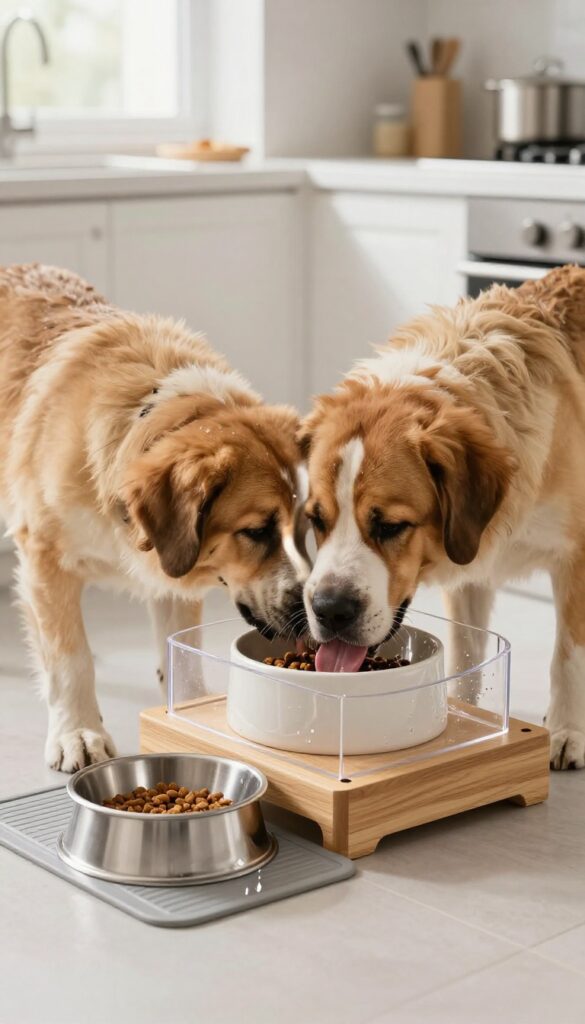
Mealtime can get messy, especially when your dog drinks like they just crossed a desert. A dedicated feeding station with a splash guard keeps water and kibble contained, saving your floors from daily scrubbing. It’s a simple setup that makes cleanup a breeze and gives your dog a consistent, comfortable spot to eat.
Why It Works
Raised bowls reduce neck strain for larger dogs and help prevent bloat in deep-chested breeds. The splash guard catches slobber and spills, while a waterproof mat underneath protects your flooring. Heavy ceramic or stainless steel bowls won’t slide around, so your dog eats calmly without chasing their dish.
Best For
This setup is ideal for messy eaters, drooly breeds like Mastiffs or Saint Bernards, and homes with hard flooring where spills spread fast. It also works great in busy households where quick cleanup is a priority.
Practical Tip
Place the feeding station away from high-traffic areas to give your dog peace while eating. Use a mat with raised edges for extra spill protection. Keep a small broom and dustpan mounted nearby for quick kibble sweeps.
Budget-Friendly Option
Skip the fancy raised stand and use a sturdy wooden crate or stack of pavers to elevate bowls. A simple boot tray from the dollar store makes an effective splash guard.
9. Ventilation and Odor Control That Actually Works
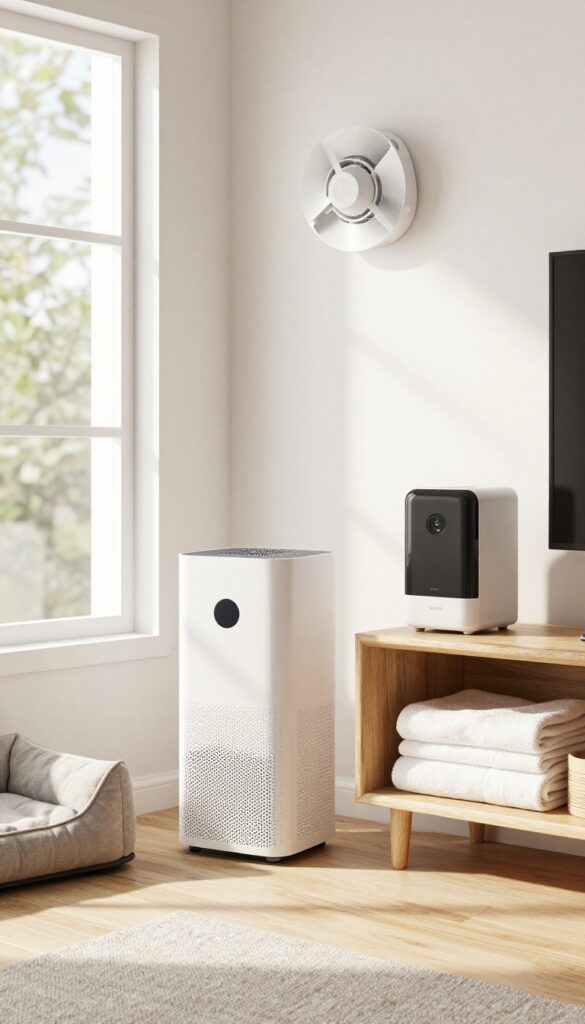
Dog smells can linger in a utility room long after the mess is cleaned up. Without proper airflow, dampness and odors from wet gear, food, and accidents build up fast. A focused ventilation strategy keeps the air fresh and the room comfortable for both you and your pup.
An exhaust fan pulls out humid, smelly air, while an air purifier with a carbon filter traps particles and neutralizes odors. A small dehumidifier tackles the dampness that comes from drying towels and washing beds. Together, they create a balanced environment that stays fresher longer.
Dog owners love this approach because it targets the root causes of odors instead of just masking them. It’s a low-effort upgrade that makes a noticeable difference in how the room feels every day.
Why It Works
Dogs bring in moisture, dander, and smells that linger in closed spaces. An exhaust fan actively removes stale air, while a carbon-filter purifier captures microscopic particles. Adding a dehumidifier reduces humidity, which discourages mold and musty odors.
This combo stops smells before they settle into fabrics and surfaces.
Best For
Perfect for utility rooms that double as laundry and drying areas, especially in humid climates or homes with multiple dogs. Also great for owners who keep dog food, treats, and gear in the same space, as smells can mix and intensify.
Practical Tip
Mount the exhaust fan near the ceiling where odors rise, and place the air purifier at floor level for better particle capture. Run the dehumidifier during and after washing dog beds or towels. Store dry dog food in airtight containers and wet food in sealed bins to contain smells at the source.
Budget-Friendly Option
No budget for a built-in fan? Use a high-quality portable air purifier with a carbon pre-filter and a small plug-in dehumidifier. Both are affordable and easy to move as needed.
Swap out carbon filters every three months for best results.
FAQ
What is the best flooring for a dog utility room?
Luxury vinyl plank, tile, or sealed concrete are top choices because they resist scratches, stains, and odors, and clean up easily with a mop.
How can I reduce dog smell in my utility room?
Use an exhaust fan, air purifier with carbon filter, and dehumidifier. Wash bedding and towels weekly, and store food in airtight containers.
Do I need a professional to install a dog bath station?
Not necessarily. You can use a pre-made utility sink or a low shower pan with a handheld sprayer. Basic plumbing skills help, but many kits are DIY-friendly.
How do I keep my dog from slipping on wet floors?
Place slip-resistant rubber or memory foam mats in wet areas. They provide traction, cushion joints, and can be washed easily.
What size should a dog crate nook be?
Measure your dog's height and length while standing and lying down. Add a few inches for comfort, and ensure the crate has good airflow and a removable tray.
Conclusion
A well-planned utility room makes dog cleanup feel effortless. Start with one or two changes that target your biggest mess—like a raised feeding station or a dedicated drying zone.
Small tweaks add up fast, and your space will start working for you instead of against you. Keep what works, adjust what doesn't, and enjoy a cleaner, calmer routine with your pup.

I’m Pallab Kishore, the owner of Little Pets Realm — an animal lover and pet care enthusiast sharing easy tips, healthy recipes, and honest advice to help every small pet live a happy, healthy, tail-wagging life.