
Training your dog in a cluttered or distracting space is like trying to study in a busy coffee shop. A dedicated training room doesn't need to be fancy or expensive—it just needs a few smart tweaks to help your pup stay focused.
These nine ideas focus on practical, budget-friendly changes you can make today. Start with the basics: pick a low-traffic spot away from windows and doors.
Add a nonslip mat for stability, set up a treat station within arm's reach, and control lighting and sound to minimize surprises. A visual barrier can work wonders for easily distracted dogs, and keeping the floor clear removes tempting sniffs.
1. Pick a Low-Traffic Spot
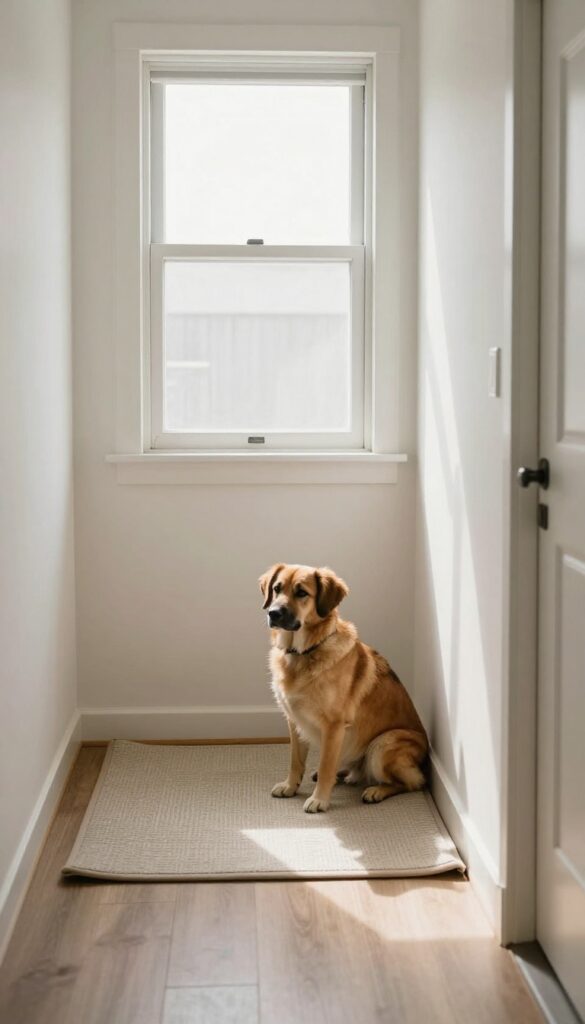
Not every home has a spare room to turn into a dog training space, but you don't need one. A quiet corner in a low-traffic area—like a hallway nook, the laundry room, or a rarely used guest room—can become your dog's focus zone. The key is choosing a spot away from windows, doors, and the flow of family life.
When your dog isn't distracted by every passing sound or movement, training sessions become shorter and more effective. A low-traffic spot also helps your pup associate that area with work, not play or anxiety.
Dog owners love this approach because it's free, easy to set up, and works in any home size. You're simply using what you already have in a smarter way.
Why It Works
Dogs naturally tune into their environment. A spot with minimal foot traffic, closed doors, and no street-facing windows reduces the visual and auditory noise that can derail a training session. Fewer distractions mean your dog can focus on you and the commands you're teaching.
Best For
This idea is ideal for high-energy or easily distracted dogs who struggle to pay attention in busy areas. It also works well for owners in apartments or smaller homes where a dedicated training room isn't available.
Practical Tip
Keep the space bare at first—no toys, beds, or clutter. Add a simple mat or rug to define the area and give your dog a clear spot to sit or lie down. Over time, you can add a small shelf for treats and clickers, but keep it minimal to maintain focus.
Budget-Friendly Option
No spare room? Pull a tension rod across a wide hallway and hang a curtain to create a temporary training nook. This costs under $20 and can be removed when not in use.
2. Use a Nonslip Mat for Stability
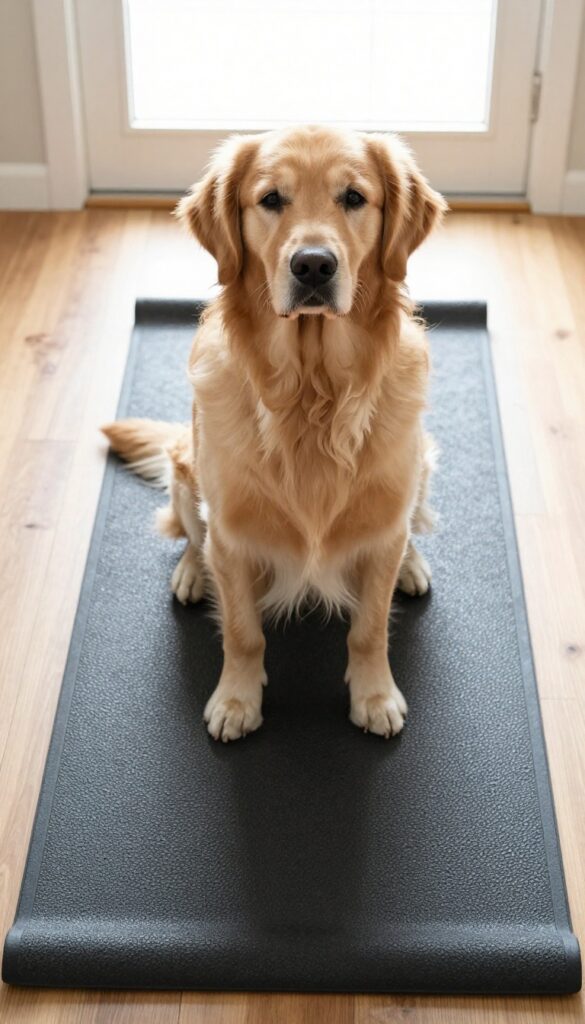
Picture your dog trying to hold a sit-stay on a slick floor. That slight slide can break their focus and confidence. A nonslip mat—like a rubber or yoga mat—gives them a stable surface and a clear visual cue for where to settle.
It's a simple fix that makes a big difference in training sessions.
Why It Works
Dogs rely on traction to feel secure. When their paws slip, they instinctively shift weight or brace, which distracts from commands. A nonslip mat provides grip, so your dog can focus on you instead of fighting for balance.
Plus, the defined space helps them understand boundaries.
Best For
This setup is ideal for homes with hard flooring like tile, laminate, or hardwood. It's especially helpful for puppies learning impulse control, senior dogs with weaker joints, or high-energy breeds that tend to slide during quick sits and downs.
Practical Tip
Choose a mat with a textured rubber bottom that won't shift during movement. Place it in your training zone and keep it clean by wiping with a mild soap and water. If your dog chews mats, choose a thicker, chew-resistant yoga mat or a rubber stall mat from a farm supply store.
Budget-Friendly Option
No need to buy a fancy dog mat. A cheap rubber bath mat or an old yoga mat works just as well. Just make sure it's machine washable or easy to hose off.
3. Set Up a Treat Station
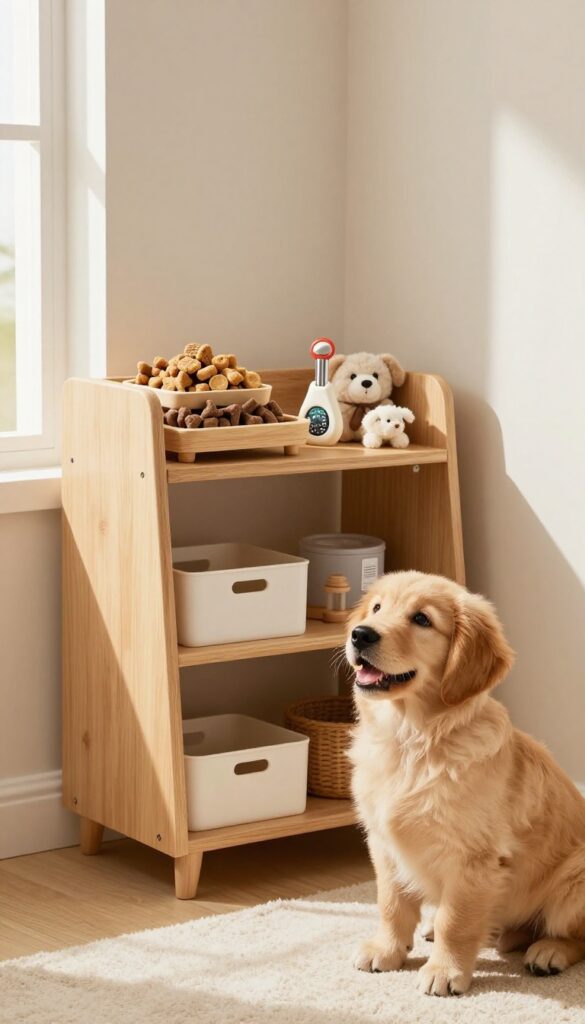
A treat station keeps rewards, a clicker, and small toys in a dedicated caddy or shelf within arm's reach. No fumbling for treats means you can mark behaviors instantly, keeping training smooth and rewarding. This simple setup turns a cluttered corner into an efficient training hub.
Why It Works
Dogs learn best when rewards come immediately after a correct behavior. A treat station eliminates the delay of searching for treats, so your timing stays sharp. It also reduces your own frustration, keeping the training session positive for both of you.
Best For
This idea works for any dog, but it's especially helpful for puppies who need frequent, fast rewards to stay engaged. It's also great for owners training multiple commands in one session or working on complex behaviors like loose-leash walking.
Practical Tip
Use a small caddy with compartments to separate treats, clicker, and toys. Place it on a shelf or attach it to the wall with a hook so it's always ready. Keep the station clean by wiping out treat crumbs weekly and rotating toys to maintain novelty.
Budget-Friendly Option
No need for a fancy caddy—a simple plastic bin or even a repurposed mug can hold treats and a clicker. A small drawer organizer from a dollar store works perfectly.
4. Control Lighting and Sound
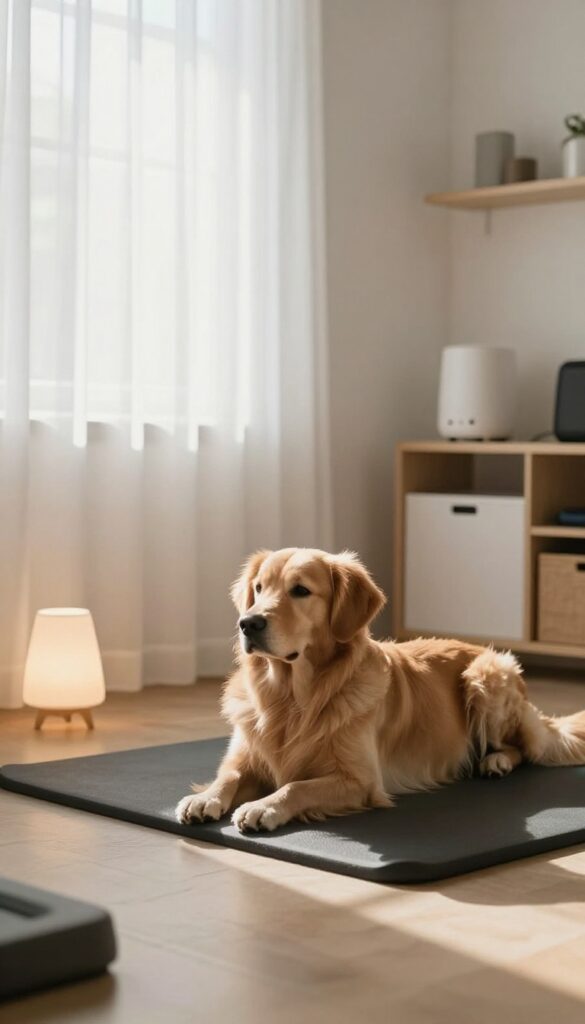
Dogs are sensitive to their environment, and harsh lighting or sudden noises can easily break their concentration. By dimming overhead lights and using soft lamps or natural light, you create a calm space that signals relaxation. Adding white noise or calming music helps muffle outside sounds like traffic or neighbors, so your dog isn't constantly startled.
A quiet, softly lit room makes training sessions more productive and less stressful.
Why It Works
Dogs rely heavily on their senses. Bright lights can cause eye strain or overstimulation, while unexpected noises trigger alertness or anxiety. By controlling these inputs, you remove distractions and help your dog stay in a focused, learning-friendly state.
This sensory management is especially effective for nervous or high-energy breeds that need a calm baseline to respond well to commands.
Best For
This setup is ideal for dogs that are easily spooked by sounds or those that struggle to settle in busy households. It also works well in apartments or homes near busy streets where outside noise is a constant challenge. Breeds like Border Collies, Australian Shepherds, and other sensitive working dogs benefit greatly from a controlled sensory environment.
Practical Tip
Use a dimmer switch or plug-in lamp with a low-wattage bulb to keep the room softly lit without shadows. Position the lamp away from the training area to avoid glare. For sound, a small white noise machine or a speaker playing calming dog music at low volume works best.
Keep the volume just loud enough to cover outside noise but not so loud that it becomes a distraction itself.
Budget-Friendly Option
If you don't have a white noise machine, use a free app on your phone or a fan set on low. A simple desk lamp with a 40-watt bulb can replace expensive dimmable fixtures. Blackout curtains aren't necessary—just close blinds or use a sheet to soften harsh light from windows.
5. Add a Visual Barrier
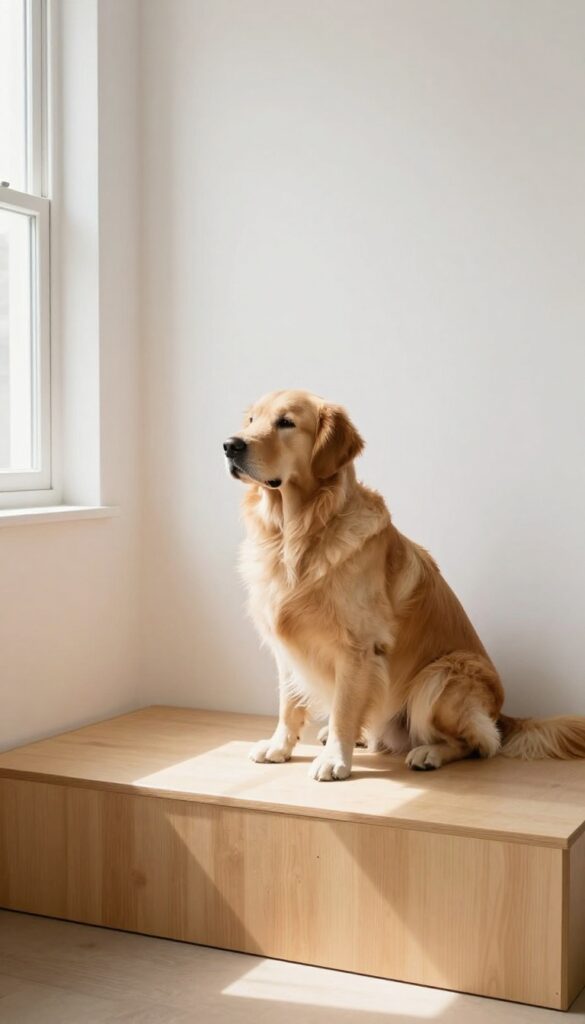
Sometimes the best way to help your dog focus is to simply remove the temptation. A visual barrier blocks your dog's view of distractions like other pets, people walking by, or outdoor activity. It's a simple, low-cost fix that can transform a chaotic training session into a calm, productive one.
Why It Works
Dogs are visual creatures, and many are easily triggered by movement outside or in other parts of the house. A barrier helps them stay in the moment by reducing visual stimulation. Out of sight truly is out of mind for most pups.
Best For
This works great for dogs that are easily distracted by other pets, kids, or outdoor activity. It's also ideal for apartments or homes with open floor plans where it's hard to find a quiet corner.
Practical Tip
Place the barrier at least a foot away from the wall so your dog doesn't feel cramped. Choose a solid barrier rather than a see-through one for maximum effect. If using a baby gate, try a fabric or wooden one instead of a mesh gate.
Budget-Friendly Option
A tall piece of furniture like a bookshelf or a large cardboard box can work as a free visual barrier. You can also hang a bedsheet or a curtain rod with a solid curtain to create a quick, temporary divider.
6. Keep the Floor Clear
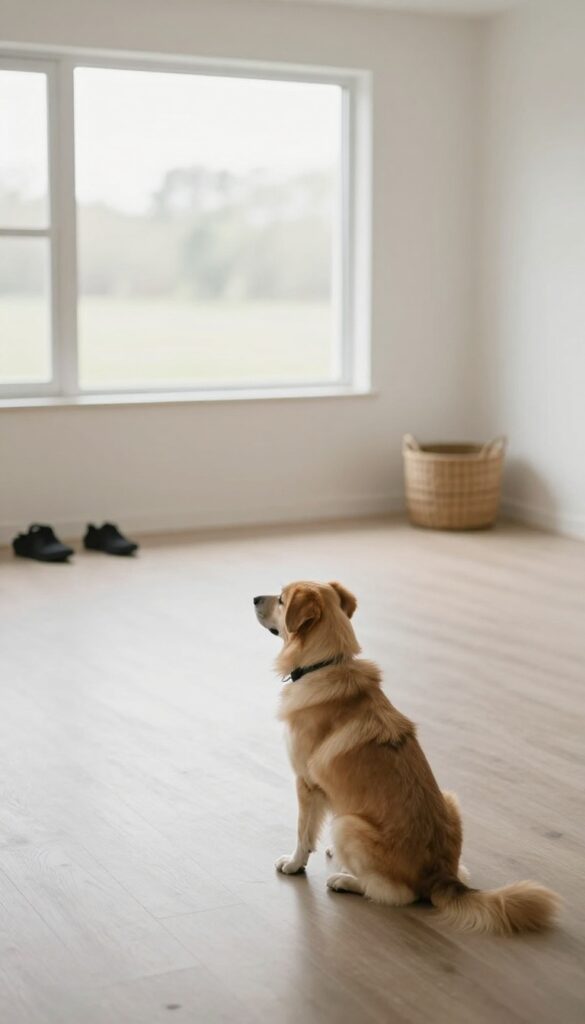
A cluttered floor is a buffet of distractions for your dog. Shoes, bags, random toys—they all invite sniffing and wandering. By clearing everything that isn't part of training, you create a blank canvas where your dog's focus stays on you.
It's one of the simplest changes you can make, and it costs nothing.
Why It Works
Dogs explore the world with their noses. When the floor is littered with interesting scents, their brain switches from listening to investigating. A clean floor removes those scent trails and visual temptations, making it easier for your dog to hold a stay or follow a cue without getting sidetracked.
Best For
This tip is perfect for easily distracted dogs, especially young puppies or high-energy breeds that notice everything. It's also great for apartments or small rooms where clutter builds up quickly and space is limited.
Practical Tip
Before each training session, do a quick sweep of the floor. Put shoes in a closet, bags on hooks, and any non-training toys in a bin. Keep a small basket by the door for quick stashing.
For extra focus, vacuum or sweep to remove crumbs and dust that might trigger sniffing.
Budget-Friendly Option
No need to buy anything. Just use what you have: a laundry basket to toss clutter into, or a cardboard box to stash items temporarily. The goal is a clear floor, not a fancy storage system.
7. Use a Crate or Bed as a Base
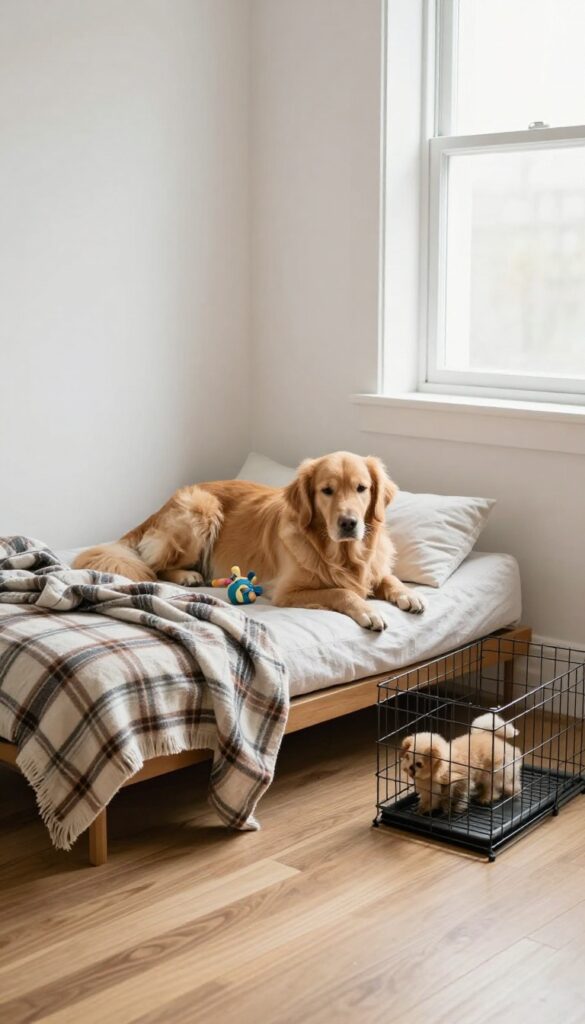
Every dog needs a safe spot to decompress during training sessions. A crate or designated bed acts as a home base where your dog can relax between exercises, helping them reset and refocus. This simple setup turns a corner of the room into a calm retreat, making it easier for your pup to understand when it's time to work and when it's time to chill.
Why It Works
Dogs thrive on routine and consistency. Having a specific place to settle reduces anxiety and gives them a clear signal that training is in progress. When they know where to go between commands, they stay mentally fresh and less likely to wander off or get distracted.
Best For
This setup is ideal for puppies learning impulse control, rescue dogs building trust, or any dog that gets overstimulated during training. It's also great for multi-dog households where each pup needs their own space to decompress.
Practical Tip
Place the crate or bed in a low-traffic area away from doors and windows. Add a soft blanket and a chew toy to make it inviting. Keep the door open during training so your dog can come and go freely—never use the crate as punishment.
Budget-Friendly Option
No crate? Use a simple dog bed or even a folded blanket in a quiet corner. A cardboard box with a soft towel inside can work as a temporary home base for small breeds or puppies.
8. Install Hooks for Leashes and Gear
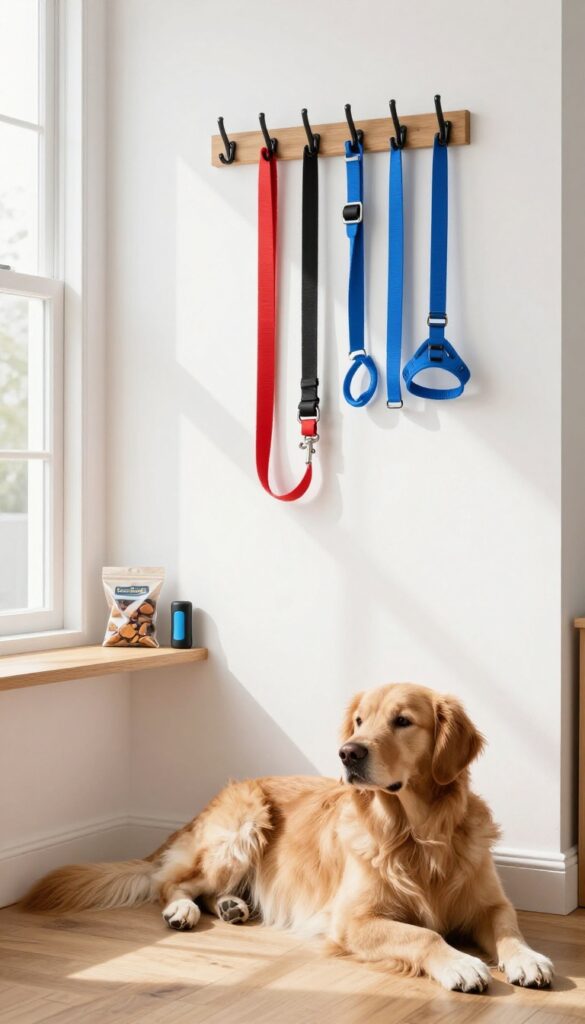
Nothing kills training momentum like hunting for a leash or treat pouch. Mounting hooks or a small pegboard near the door keeps leashes, harnesses, and training tools visible and within reach. This simple setup turns gear storage into a functional part of your training space.
Why It Works
When all your gear hangs in plain sight, you can grab what you need in seconds. No more rummaging through drawers or untangling leashes. This reduces pre-session frustration and keeps your focus on your dog.
Best For
Perfect for any dog owner who trains daily or has multiple dogs. It’s especially handy in entryways or mudrooms where you already grab leashes on the way out. Great for apartments too—just use adhesive hooks that won't damage walls.
Practical Tip
Install hooks at different heights so small gear like clickers or poop bag dispensers have their own spot. A small pegboard with baskets can hold treats, toys, and grooming tools. Keep heavy items like long lines on sturdy hooks rated for the weight.
Budget-Friendly Option
Skip the pegboard and use a row of command hooks on the wall or inside a closet door. You can even repurpose an old shoe organizer—just cut the pockets to hang leashes and slip small items inside.
9. Rotate Training Props Weekly
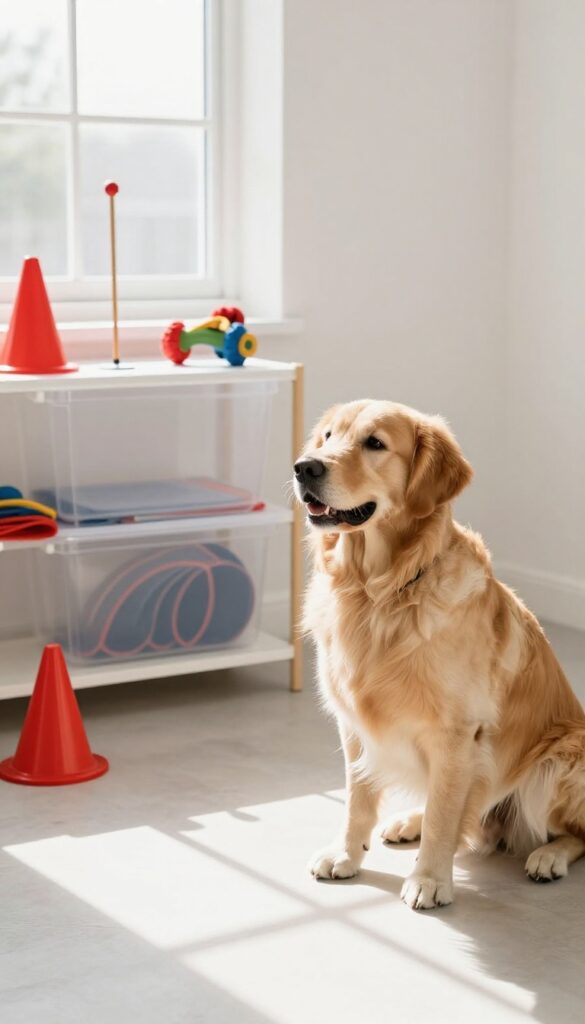
Dogs thrive on novelty, but that doesn't mean you need a garage full of gear. A small bin of interchangeable props—like cones, tunnels, target sticks, or puzzle toys—keeps sessions fresh without cluttering your space. Swapping them out weekly prevents your dog from memorizing the routine and losing interest.
It's a simple trick that turns a basic training room into an ever-changing playground.
Why It Works
Dogs are natural explorers. When they see the same setup day after day, they tune out. Rotating props triggers their curiosity and keeps them mentally engaged.
Each new object becomes a puzzle to solve, which strengthens focus and makes training feel like a game rather than a chore.
Best For
Dog owners with limited storage who still want variety. Works well for all breeds and ages, especially high-energy dogs or puppies that get bored easily. Perfect for apartment dwellers or anyone using a multi-purpose room for training.
Practical Tip
Use a clear, lidded bin so you can see what's inside without digging. Store it on a shelf or under a bench. Each week, swap out just one or two props—not everything—to keep the element of surprise without overwhelming your dog.
Clean props with pet-safe wipes between uses.
Budget-Friendly Option
Instead of buying expensive training kits, make your own props. PVC pipes become tunnels, cardboard boxes become jumps, and old towels become target mats. Repurpose household items like hula hoops, plastic cones, or even a laundry basket.
FAQ
Do I need a whole room for a training space?
No, a quiet corner or a sectioned-off area works just as well. The key is consistency and low distractions.
What type of flooring is best for a training room?
Nonslip surfaces like rubber mats, low-pile carpet, or vinyl are ideal. Avoid slippery tile or hardwood without a mat.
Can I train in a room with other pets?
It's best to train alone with your dog initially. Use a baby gate or close the door to keep other pets out during sessions.
How long should training sessions be in this space?
Keep sessions short—5 to 15 minutes depending on your dog's age and focus. End on a positive note to keep them eager.
What if my dog is still distracted in the training room?
Try adding a white noise machine, closing curtains, or using a visual barrier. Also check that the room isn't too warm or stuffy.
Conclusion
A focused training space doesn't need to be fancy or expensive. Pick one or two ideas that fit your home and your dog's personality—like a quiet corner with a mat or a simple barrier to reduce distractions. Small adjustments can make training sessions more productive and less stressful for both of you.
Start with what feels manageable and tweak as you go. Your dog will appreciate the consistency, and you'll enjoy seeing their progress in a space designed just for learning. Keep it simple, stay patient, and watch your pup thrive.

I’m Pallab Kishore, the owner of Little Pets Realm — an animal lover and pet care enthusiast sharing easy tips, healthy recipes, and honest advice to help every small pet live a happy, healthy, tail-wagging life.