
Feeding your dog shouldn’t be a daily hassle that leaves you cleaning up messes or scrambling for supplies. With a few simple tweaks to your setup, you can create a smooth, stress-free routine that keeps both you and your pup happy.
This listicle shares 13 practical hacks to organize feeding time, from storage solutions to safety tips, all designed for real homes and busy schedules. Start by focusing on comfort and efficiency to make meals more enjoyable for your dog.
These ideas cover everything from elevating bowls for better digestion to using non-slip mats that prevent spills. Each section offers clear, actionable advice you can implement right away.
1. Use a Lidded Container for Kibble Storage
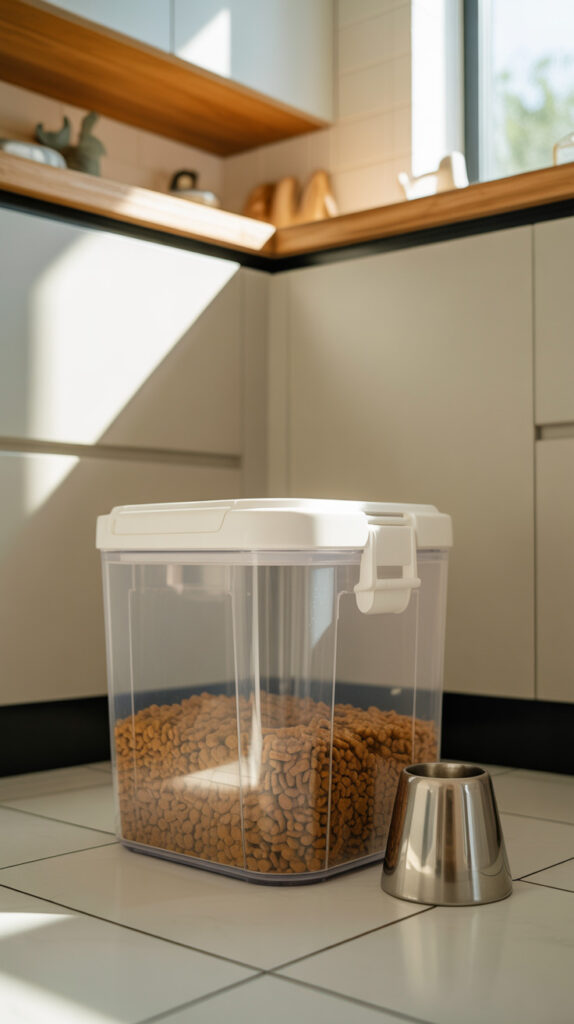
Storing dog food in an open bag can lead to stale kibble and unwanted pests sneaking in. A lidded container seals everything up tight, keeping meals fresh and your storage area tidy. It’s a simple switch that many owners appreciate for its convenience and cleanliness.
Why It Works
An airtight lid locks out moisture and bugs, preserving the flavor and nutrients of your dog’s food. This means fewer spills and easier portion control with a quick scoop.
Best For
This hack suits any dog owner, especially those in apartments or homes with limited space. It’s great for multi-pet households or anyone dealing with humidity or pest issues.
Practical Tip
Place the container near your feeding area on a stable surface to avoid tipping. Choose one with a wide opening for easy access and consider labeling it with expiration dates for freshness tracking.
Budget-Friendly Option
If you’re on a tight budget, repurpose a large, clean plastic bin with a secure lid. Just ensure it’s food-safe and seals well to mimic the benefits of a dedicated container.
2. Elevate Food Bowls for Better Digestion
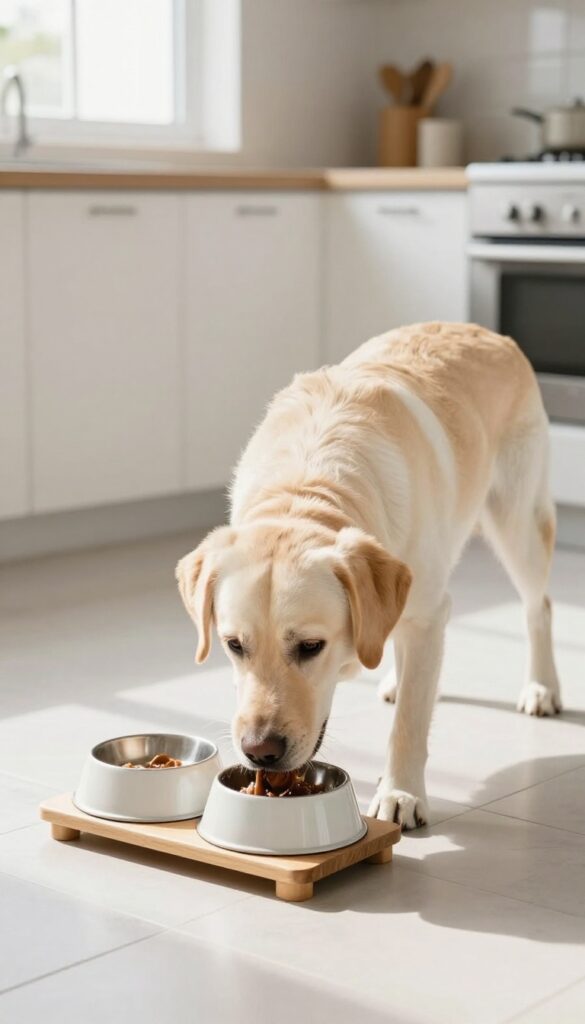
Ever notice your dog hunching over to eat from a bowl on the floor? That awkward posture can lead to neck strain and messy spills. Raising their bowls just a bit makes mealtime more comfortable and tidy, which is why so many owners swear by this simple change.
It’s not just about convenience—elevated bowls help dogs swallow more easily and reduce air intake, which can prevent bloating. You’ll likely see less food scattered around and a happier pup who finishes meals without straining.
Why It Works
Elevating bowls aligns your dog’s spine and neck in a natural position, reducing stress on their joints. This setup encourages slower, more controlled eating, which aids digestion and minimizes the risk of choking or regurgitation.
Best For
This hack is ideal for larger breeds like Great Danes or Labradors, who often struggle with low bowls. It also works well for older dogs with arthritis or mobility issues, as well as homes with tile or hardwood floors where spills are a hassle.
Practical Tip
Choose a stand that’s sturdy and non-slip to prevent tipping. Adjust the height so the top of the bowl sits at your dog’s elbow level when standing—this keeps their head comfortably elevated without forcing them to reach up too high.
Budget-Friendly Option
If you’re on a tight budget, try stacking bricks or using an overturned plastic storage bin as a makeshift stand. Just ensure it’s stable and easy to clean, avoiding any sharp edges that could harm your dog.
3. Create a Dedicated Feeding Station
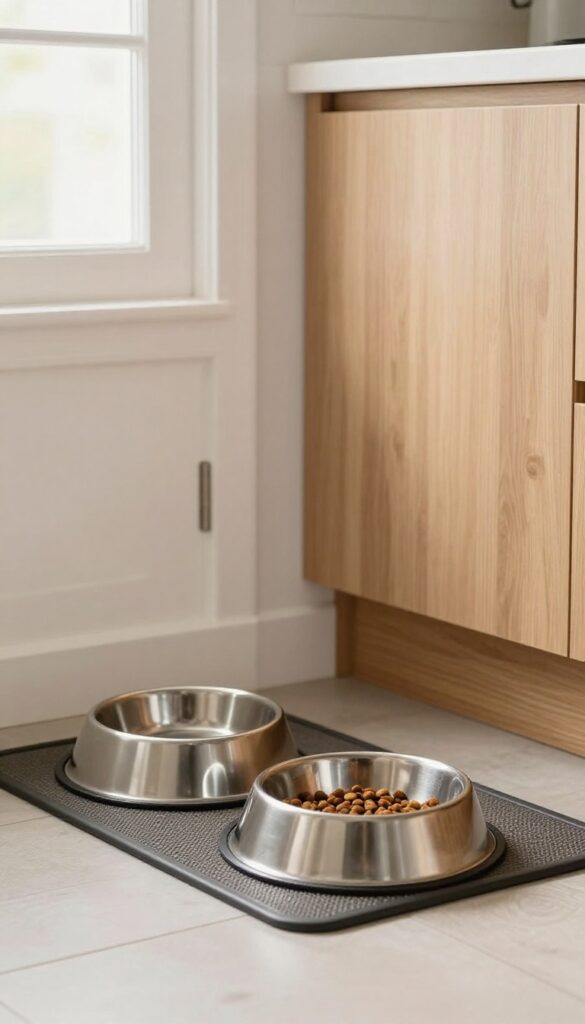
Imagine having one spot where your dog knows it’s time to eat, without kibble scattering across the floor. A dedicated feeding station is just that—a small, defined area in your home for meals. It helps contain messes and builds a predictable routine, making feeding time smoother for both of you.
Dog owners love this hack because it cuts down on cleanup and reduces stress. Your pup learns to associate that space with food, which can curb begging behaviors elsewhere. Plus, it keeps bowls and spills in check, so you’re not constantly wiping up after every meal.
Why It Works
This setup works by creating consistency. Dogs thrive on routine, and having a specific spot for eating reinforces mealtime signals. It also limits mess to one area, making cleanup quick and easy with a simple mat or tray underneath.
Best For
This idea fits well for busy households or anyone with limited space, like apartment dwellers. It’s great for dogs of all breeds, especially messy eaters or pups who get distracted during meals.
Practical Tip
Place the station in a low-traffic corner, like near a kitchen or laundry room. Use a non-slip mat to catch spills and prevent bowls from sliding. Keep it clean by wiping down regularly to avoid odors or bacteria buildup.
Budget-Friendly Option
If you don’t want to buy a special mat, try using an old towel or a washable placemat. For bowls, repurpose sturdy dishes you already have instead of purchasing new ones.
4. Invest in Non-Slip Bowls
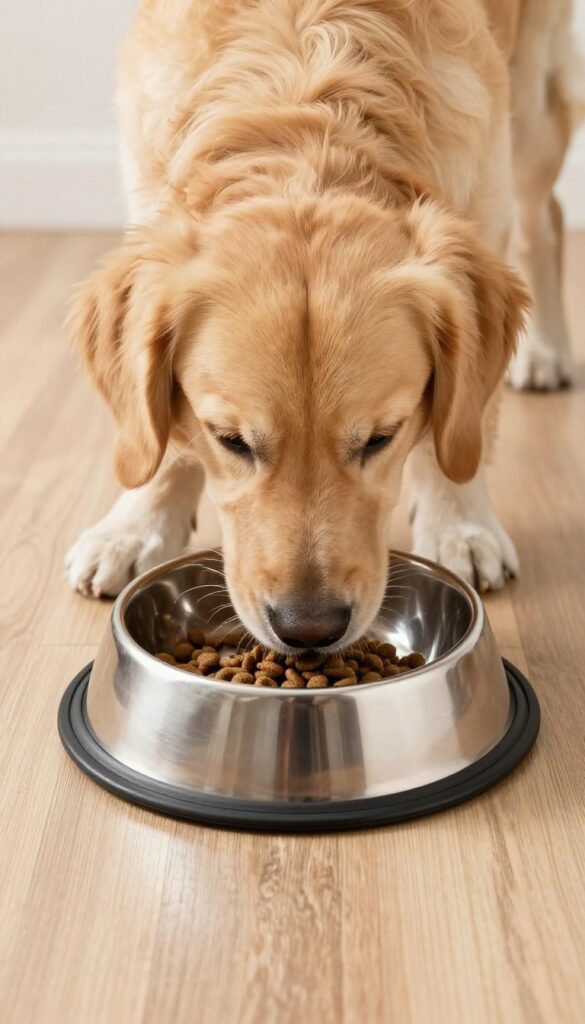
A simple bowl upgrade can turn mealtime from a messy chore into a calm routine. Non-slip bowls with rubber bases stay put on your floor, so your dog can eat without pushing them around. This small change means fewer spills and less cleanup, making feeding time smoother for everyone.
Why It Works
The rubber base grips surfaces like tile or hardwood, preventing the bowl from sliding as your dog eats. This reduces spills and keeps kibble or water contained, saving you from constant mopping. It also helps dogs feel more secure during meals, as they don’t have to chase their food.
Best For
This hack is ideal for homes with slippery floors, energetic eaters, or older dogs who might struggle with moving bowls. It works well in apartments or houses where space is tight and spills are a hassle. Busy owners who want a low-maintenance setup will appreciate the simplicity.
Practical Tip
Place the bowl on a clean, dry surface to ensure the rubber grips properly. For added stability, pair it with a non-slip mat underneath if your floor is extra slick. Choose bowls in easy-to-clean materials like stainless steel or ceramic to combine durability with hygiene.
Budget-Friendly Option
If you’re not ready to buy new bowls, try placing a damp towel or a silicone trivet under your current bowl for temporary grip. This can reduce sliding without spending money, though it may need more frequent adjustment.
5. Pre-Portion Meals with a Measuring Cup
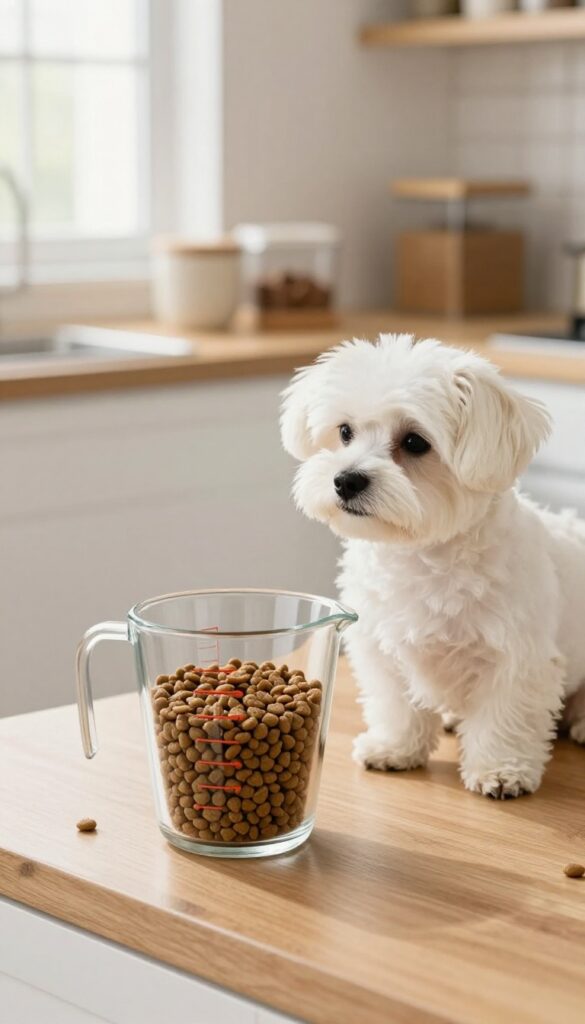
Keeping your dog’s food portions consistent can be tricky when you’re scooping straight from the bag. A dedicated measuring cup takes the guesswork out of feeding, so you always serve the right amount. Dog owners love how this simple tool helps maintain a healthy weight and prevents overfeeding without any extra effort.
Why It Works
Using a measuring cup ensures accurate portion control, which is key for managing your dog’s diet and avoiding obesity. It makes it easy to stick to feeding guidelines from your vet or food packaging, promoting better health and energy levels.
Best For
This hack is perfect for busy pet parents who want a quick, reliable way to feed their dogs, especially for breeds prone to weight gain or households with multiple dogs needing different portions. It works well in any living space, from apartments to houses.
Practical Tip
Choose a sturdy, easy-to-clean cup with clear markings and keep it near your dog’s food storage for convenience. Store it in a dry spot to prevent mold and make sure it’s dedicated solely to dog food to avoid cross-contamination.
Budget-Friendly Option
If you don’t have a measuring cup, repurpose an old coffee mug or use a marked container from another kitchen item. Just ensure it holds the correct amount by checking against a standard measuring tool first.
6. Store Treats in Clear Jars
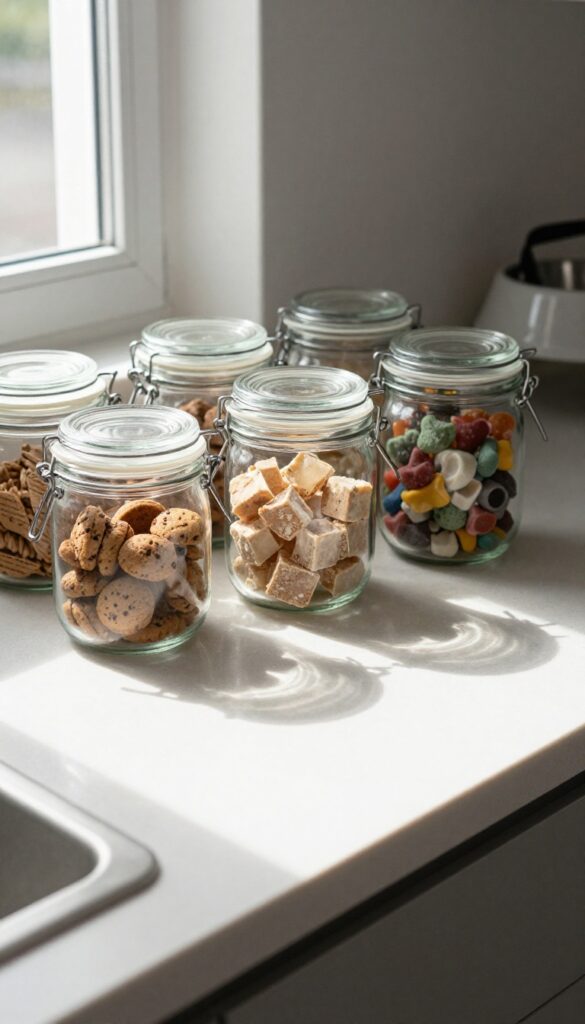
Clear jars turn treat storage into a simple, visual system that saves time and keeps things tidy. You can see exactly what you have at a glance, which means no more digging through bags or guessing if you’re running low. Dog owners love how this setup makes training sessions smoother and rewards more accessible.
Why It Works
Clear jars keep treats fresh by sealing out air and moisture, preventing them from going stale. They also make it easy to spot when supplies are getting low, so you can restock before you run out completely. This visibility helps you grab treats quickly during busy moments like training or playtime.
Best For
This hack works well for any dog owner who uses treats regularly for training, rewards, or just occasional snacks. It’s especially handy in homes with multiple dogs or breeds that need frequent positive reinforcement. Apartment dwellers and those with limited storage space will appreciate how jars keep counters or shelves organized without clutter.
Practical Tip
Place the jars on a shelf or counter near your dog’s feeding area or training spot for easy access. Choose jars with tight-sealing lids to maintain freshness and keep pests out. For added convenience, label the jars with treat types or expiration dates using removable stickers.
Budget-Friendly Option
If you don’t want to buy new jars, repurpose clean glass or plastic containers from your kitchen, like pasta sauce jars or coffee canisters. Just make sure they have secure lids and are thoroughly washed to remove any food residues before use.
7. Use a Mat Under Bowls to Catch Spills
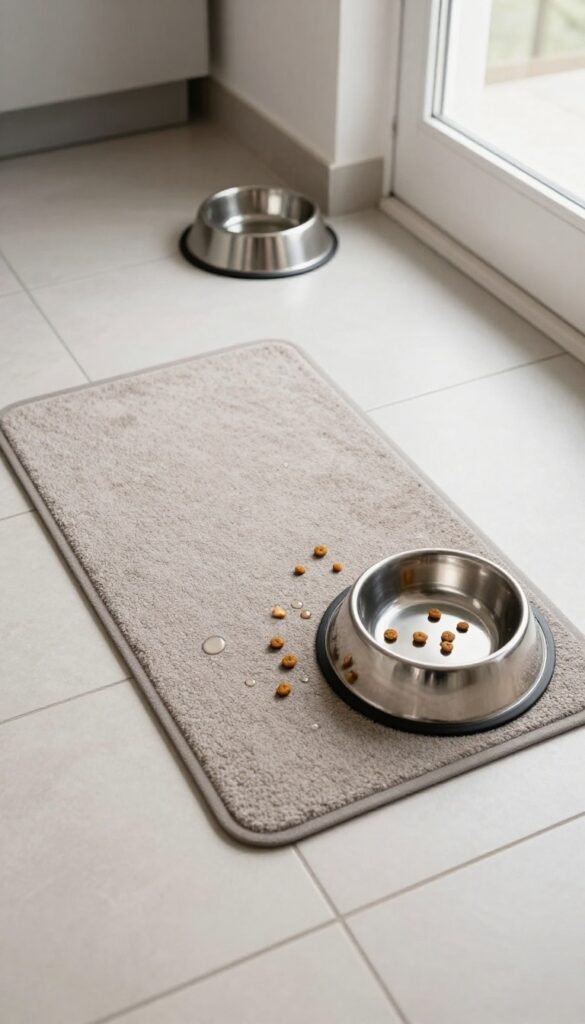
A washable mat under your dog’s bowls can be a game-changer for keeping floors clean and dry. It catches drips and stray kibble, so you’re not constantly wiping up after meals. Many dog owners find it simplifies their daily routine and adds a neat touch to the feeding area.
Why It Works
This hack works because it creates a contained zone for spills, preventing water or food from spreading across your floor. It’s easy to lift and clean, reducing mess and saving time on cleanup.
Best For
It’s ideal for homes with hard floors like tile or wood, where spills can cause stains or slips. Busy owners who want a low-maintenance setup will appreciate how it streamlines feeding time.
Practical Tip
Choose a mat that’s machine-washable and non-slip to keep bowls stable. Place it in a corner or against a wall to define the feeding spot and make cleanup even easier.
Budget-Friendly Option
If you’re on a tight budget, an old towel or a cut piece of vinyl flooring can serve as a temporary mat. Just ensure it’s washable and won’t slide around during use.
8. Rotate Feeding Locations for Enrichment
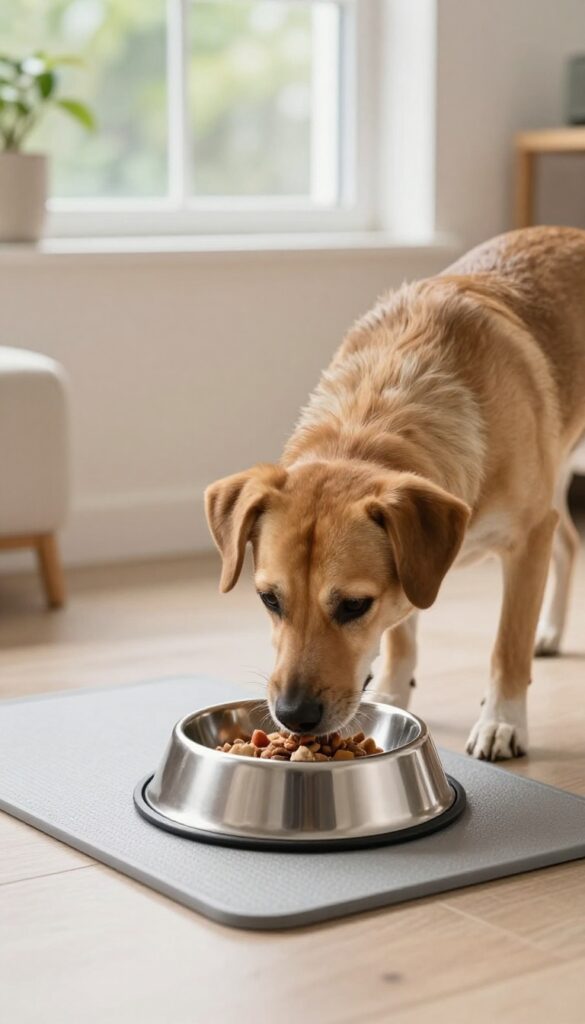
Mixing up where your dog eats can turn mealtime into a fun, engaging activity. Instead of always using the same spot, try feeding in different areas of your home or yard to keep things interesting. This simple change adds a bit of mental challenge, helping prevent boredom and making meals more exciting for your pup.
Why It Works
Dogs thrive on variety and new experiences, which can stimulate their minds and reduce repetitive behaviors. By rotating feeding locations, you encourage natural foraging instincts and problem-solving skills, making mealtime more than just eating—it becomes a mini-adventure that keeps them alert and happy.
Best For
This hack works well for curious dogs who get bored easily or those in smaller spaces like apartments where enrichment options are limited. It’s also great for owners looking to add mental stimulation without extra toys or equipment, fitting seamlessly into daily routines.
Practical Tip
Choose safe, clean spots with non-slip surfaces to prevent spills and ensure comfort. Rotate between areas like a quiet corner, near a window for view, or outdoors in good weather, keeping bowls stable and easy to access for your dog.
9. Keep Water Bowls Full and Clean
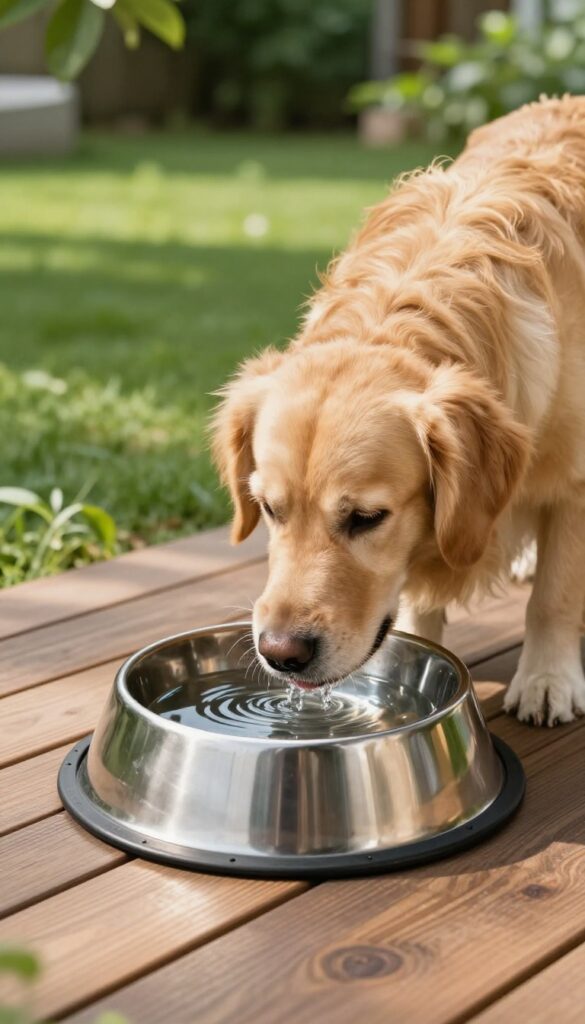
Hydration is just as crucial as nutrition for your dog’s health, yet it’s easy to overlook the simple act of maintaining their water supply. A fresh, clean bowl encourages your pup to drink more, preventing dehydration and supporting overall well-being. Dog owners appreciate this hack because it’s a low-effort habit that makes a big difference in daily care.
Why It Works
Regularly refilling and washing bowls ensures your dog always has access to clean water, reducing the risk of bacteria buildup and making hydration more appealing. This simple routine helps maintain energy levels and supports digestion without any fancy equipment.
Best For
This idea fits all dogs, especially active breeds or those in warmer climates who need more water. It’s perfect for busy households where quick, consistent care keeps things running smoothly.
Practical Tip
Place the bowl in a shaded, accessible spot away from food to keep water cooler and cleaner. Use a non-slip mat underneath to prevent spills and make cleaning up splashes easier.
Budget-Friendly Option
If you don’t want to buy a specialized bowl, any sturdy ceramic or stainless-steel dish works well—just wash it daily with mild soap. For an upgrade, consider a filtered water fountain to keep water fresher longer.
10. Use Slow Feeder Bowls for Fast Eaters
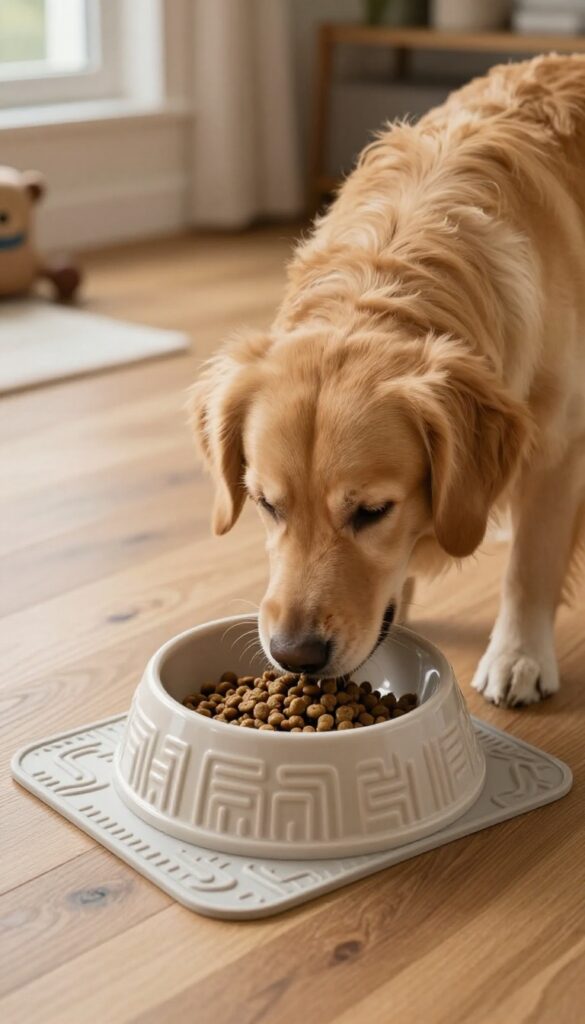
Does your dog inhale their food in seconds, leaving you worried about digestion issues? Slow feeder bowls are designed with ridges, mazes, or textures that make pups work a bit harder for each bite. This simple switch can turn frantic mealtimes into calmer, healthier sessions that many owners find surprisingly effective.
Why It Works
These bowls encourage slower eating by creating obstacles that prevent gulping. Slower consumption reduces the risk of bloat and improves digestion, making meals safer and more comfortable for your dog.
Best For
This hack is ideal for dogs who eat too quickly, such as energetic breeds or rescue dogs with food anxiety. It’s great for any home where you want to promote better eating habits without constant supervision.
Practical Tip
Place the bowl on a non-slip mat to keep it steady during enthusiastic eating. Choose a durable, easy-to-clean material like silicone or ceramic, and position it in a quiet spot to minimize distractions.
11. Store Wet Food Cans Neatly
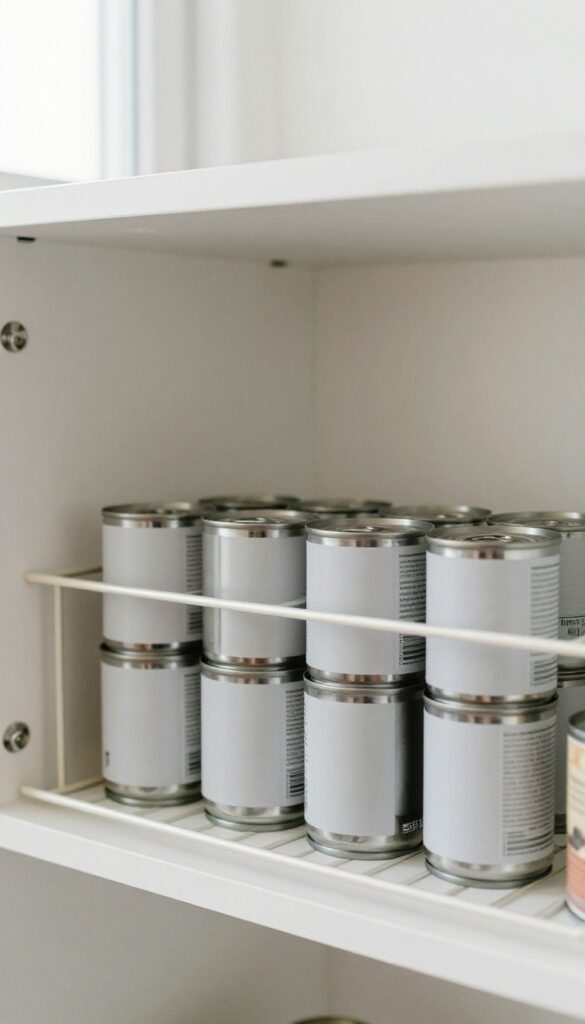
Tired of rummaging through a messy pantry for your dog’s wet food? A simple organizing system can turn that clutter into a tidy, accessible setup. Many dog owners find that keeping cans in a dedicated rack or bin saves time during busy mornings and keeps the kitchen looking clean.
Why It Works
This hack works because it groups all your dog’s canned food in one spot, making it easy to grab what you need without digging. It prevents cans from rolling around or getting lost in the back of shelves, so you always know your supply level at a glance.
Best For
This idea fits best for dog owners with limited pantry space or those who buy wet food in bulk. It’s great for apartments or small kitchens where every inch counts, and it works well for any breed that enjoys canned meals.
Practical Tip
Choose a sturdy wire rack or clear plastic bin that fits your shelf dimensions. Label it if you have multiple dogs or flavors to avoid mix-ups. Place it at eye level for quick access during feeding time.
Budget-Friendly Option
If you’re on a tight budget, repurpose an old shoebox or cardboard organizer instead of buying new. Just make sure it’s clean and sturdy enough to hold the weight of several cans without collapsing.
12. Incorporate Feeding into Training Sessions
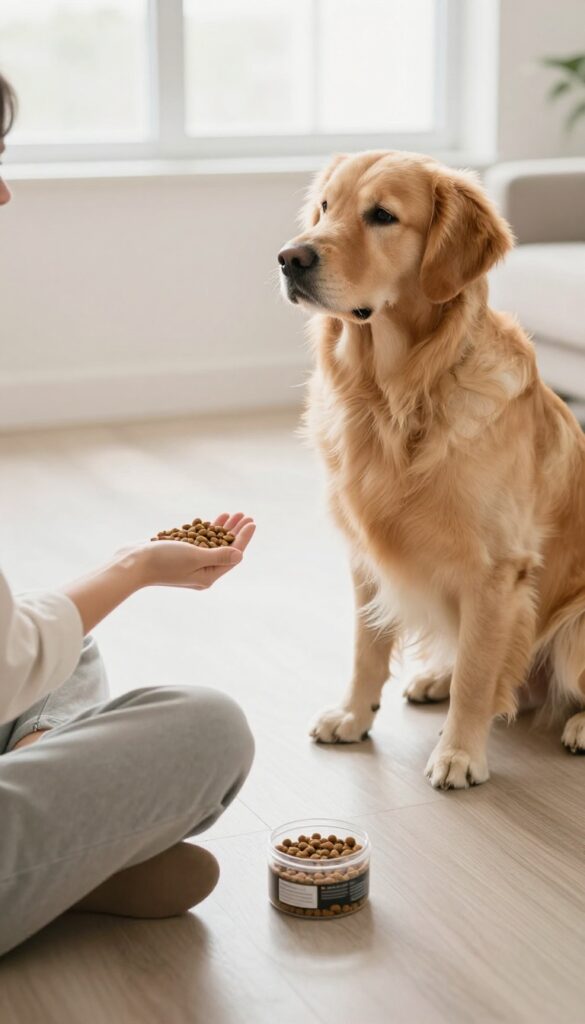
Turn mealtime into a chance to bond and teach your dog new skills. Instead of just pouring kibble into a bowl, use it as rewards during short training sessions. This approach keeps your pup engaged and reinforces good behavior while they eat.
Why It Works
Dogs learn best when they’re motivated by something they love, like food. By using their regular meals for training, you create positive associations with obedience commands. It’s a natural way to practice basics like sit, stay, or come without extra treats.
Best For
This hack is ideal for busy owners who want to multitask feeding and training efficiently. It works well for dogs of all ages, especially puppies learning routines or energetic breeds that need mental stimulation.
Practical Tip
Keep sessions short and fun—aim for 5-10 minutes to avoid overwhelming your dog. Use a quiet space with minimal distractions, and have the kibble ready in a small container or your hand for quick rewards.
13. Check Bowls for Wear and Tear Regularly
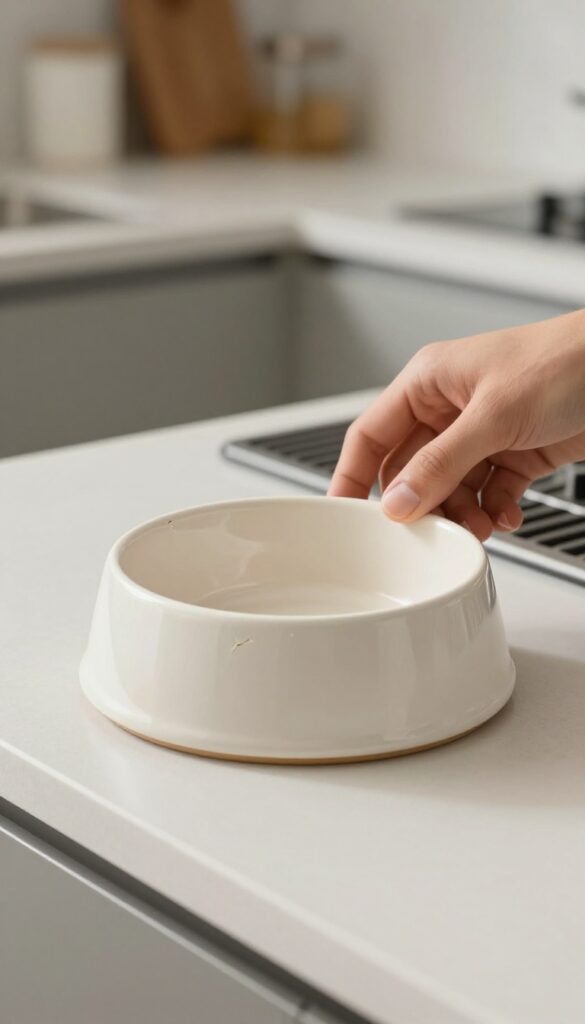
It’s easy to forget that your dog’s bowls aren’t just accessories—they’re tools that need a quick check now and then. A small crack or chip might seem harmless, but it can harbor bacteria or even pose a safety risk if pieces break off. Taking a moment to inspect them keeps feeding time clean and worry-free, something every busy owner appreciates.
Why It Works
Regular checks prevent hidden issues from becoming big problems. Cracks trap food residue and moisture, leading to mold or germs that could upset your dog’s stomach. By catching damage early, you ensure bowls stay safe and hygienic without extra effort.
Best For
This tip is perfect for all dog owners, especially those with chewers or larger breeds that might rough up their bowls. It’s also great for households with multiple pets, where bowls get more frequent use and wear.
Practical Tip
Make it part of your routine by giving bowls a quick look-over when you wash them. Run your fingers along the edges and inside surfaces to feel for rough spots or cracks. Place bowls on a stable surface to avoid tipping during checks, and consider using non-slip mats to reduce wear from sliding.
FAQ
How often should I clean my dog’s food bowls?
Wash food bowls daily with soap and water to prevent bacteria buildup, and clean water bowls at least once a day to keep water fresh.
What’s the best way to store dry dog food?
Use an airtight container in a cool, dry place to maintain freshness and keep pests out, avoiding direct sunlight or humid areas.
Are elevated bowls good for all dogs?
Elevated bowls benefit larger breeds or dogs with arthritis by reducing strain, but consult your vet if your dog has specific health issues.
How can I stop my dog from eating too fast?
Try a slow feeder bowl or scatter kibble on a mat to encourage slower eating, which can help prevent digestive problems like bloat.
Can I use human food containers for dog treats?
Yes, repurpose clean, airtight jars or containers for treats, but ensure they’re thoroughly washed to avoid residue or contaminants.
Conclusion
So, you’ve got thirteen practical hacks to streamline feeding time, making it calmer and more efficient for both you and your dog. Focus on what fits your space and routine—whether it’s a simple storage bin or a designated feeding corner. Small changes can add up to big improvements in daily life with your pup.
Pick one or two ideas to start with, like elevating bowls for comfort or using airtight containers for freshness. Your dog will thrive on the consistency, and you’ll enjoy less mess and stress.

I’m Pallab Kishore, the owner of Little Pets Realm — an animal lover and pet care enthusiast sharing easy tips, healthy recipes, and honest advice to help every small pet live a happy, healthy, tail-wagging life.