
Last updated on April 26th, 2026 at 03:04 pm
A dog house should be more than just a shelter—it should blend seamlessly into your home and yard while keeping your pup comfortable. Whether you're looking for a stylish indoor nook or a rugged outdoor cabin, the right design makes all the difference.
These ten ideas balance good looks with real-world practicality, so you can find a solution that fits your space and your dog's needs. From multi-functional crate furniture that doubles as a side table to heated houses for chilly climates, each option serves a distinct purpose.
Some are portable for travel, others are built to last through every season. The key is choosing a design that works with your lifestyle, not against it.
1. 1. The Indoor Alcove Dog House
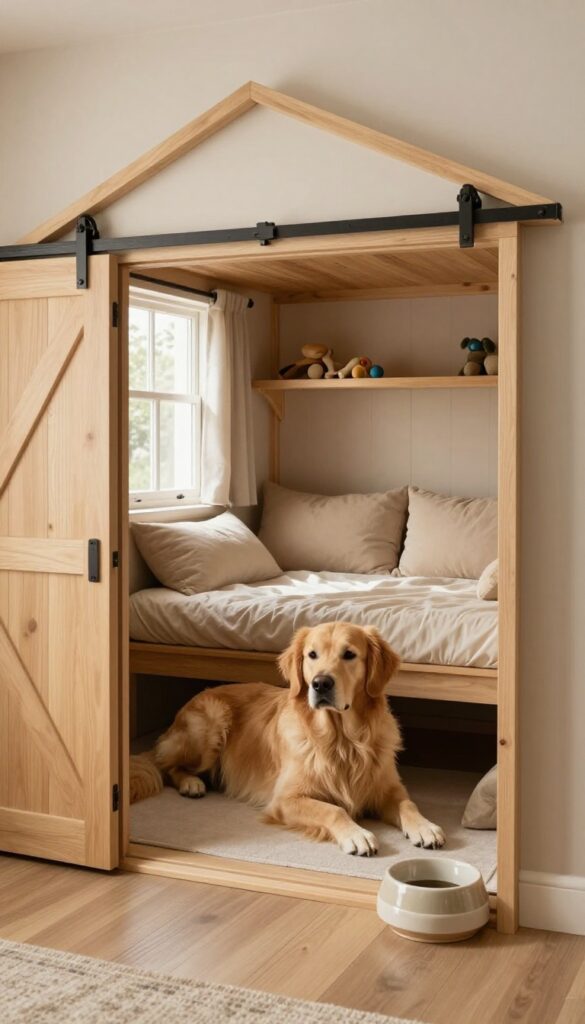
Not every dog house needs to sit outside. Turning an unused corner, a closet, or the space under the stairs into a built-in alcove gives your pup their own cozy retreat without sacrificing square footage. It feels like a natural extension of your home and keeps your dog close by while you go about your day.
This idea works especially well in apartments or open-concept homes where floor space is precious.
Why It Works
Dogs naturally seek out den-like spaces where they feel safe and secure. An alcove tucked into existing architecture provides that comfort without taking up extra room. Plus, it keeps your dog off the main traffic paths, reducing tripping hazards and giving them a quiet spot to relax.
Best For
This setup is ideal for small-space dwellers or anyone with an unused nook they want to put to good use. Calm, medium-to-large dogs who enjoy being near their people but need their own zone will love it. It also works great for multi-pet households where each pet needs a separate hangout.
Practical Tip
Add a soft, washable bed that fits snugly inside the alcove, and mount a low shelf above for storing toys, treats, or a water bowl. A tension rod with a curtain or a sliding barn door gives your pup privacy on demand—just make sure there's enough airflow so the space doesn't get stuffy.
Budget-Friendly Option
Skip the custom carpentry and use a large prefab crate or a sturdy side table with an open bottom as the base. Drape a blanket over it to create the same cozy cave effect for under $50.
2. 2. The Insulated Outdoor Cabin
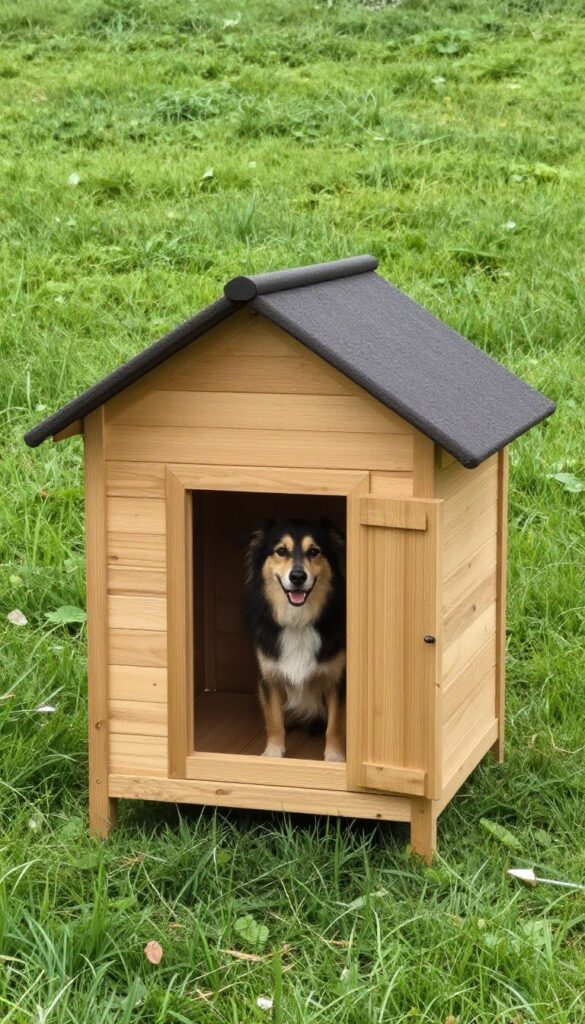
Outdoor dogs deserve a cozy retreat that stands up to the elements. An insulated dog house keeps your pup comfortable year-round by maintaining a stable interior temperature, no matter what the weather throws at it. It's a smart investment for any dog who spends significant time outside.
Why It Works
Insulation is the key to comfort. Foam panels or double walls trap heat in winter and reflect it in summer, so your dog stays warmer when it's cold and cooler when it's hot. Adding a flap door blocks drafts and keeps the interior snug.
Best For
Best for outdoor dogs in climates with extreme temperatures—hot summers, cold winters, or both. Ideal for breeds that enjoy being outside but still need protection from the elements.
Practical Tip
Place the house in a sheltered spot, like under an eave or beside a fence, to reduce wind exposure. Use washable bedding inside and check the flap door regularly for wear. Elevate the house slightly off the ground to prevent moisture from seeping in.
Budget-Friendly Option
DIY an insulated house by adding rigid foam board to an existing wooden dog house. It's budget-friendly and still highly effective.
3. 3. The Multi-Functional Crate Furniture
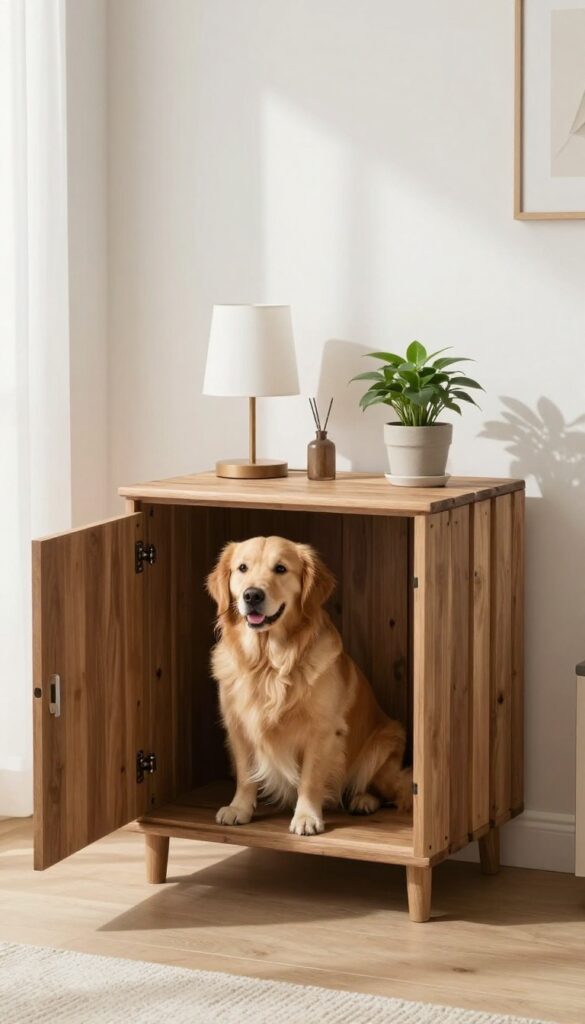
A crate that pulls double duty as furniture is a game-changer for small spaces. Instead of a bulky wire cage, you get a sleek end table, bench, or TV stand that hides the kennel look. Your pup gets a cozy den, and you gain extra surface area and storage.
These designs typically feature a flat top for lamps or decor, plus drawers or shelves for leashes, toys, or blankets. It's a win-win that keeps your home looking put-together.
Why It Works
Multi-functional crate furniture eliminates the eyesore of a traditional crate while making your space more usable. Dogs feel secure in an enclosed space, and you don't sacrifice style or square footage. It's practical for everyday living.
Best For
Ideal for apartment dwellers, small homes, or anyone who wants their dog's crate to blend into living room decor. Works well for medium to large breeds that need a substantial crate without dominating the room.
Practical Tip
Place the crate against a wall in a high-traffic area so your dog feels part of the family. Add a washable cushion inside and keep the top clear for drinks or remotes—just make sure the surface is sturdy enough for daily use.
4. 4. The Elevated Deck House
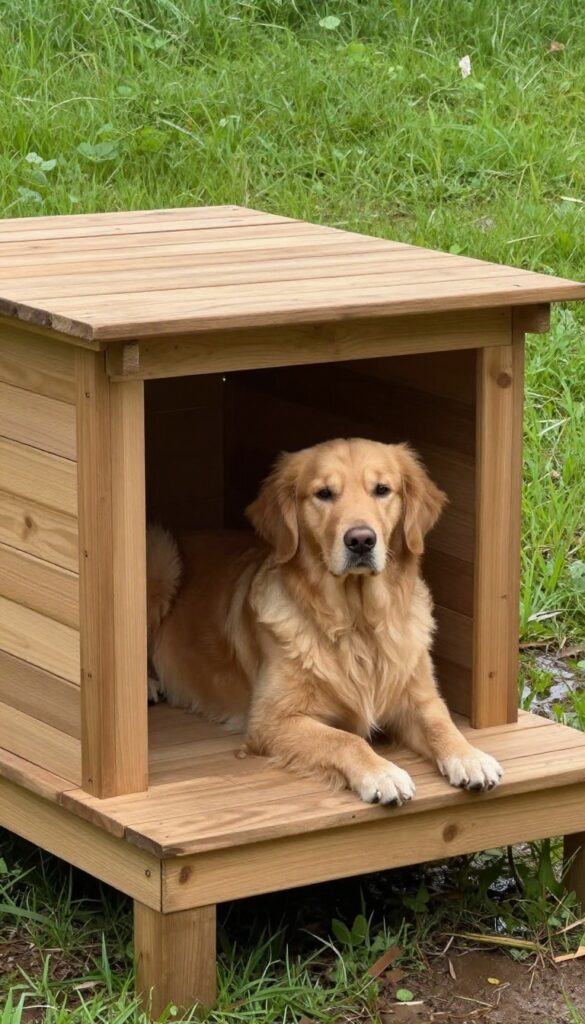
Ever notice how the ground stays damp long after a rain? That moisture can seep into a traditional dog house, making it chilly and uncomfortable. An elevated deck house solves that by lifting the entire structure off the ground on a sturdy wooden platform.
This simple change improves airflow underneath, prevents moisture buildup, and keeps pests from nesting. Plus, it gives your dog a dry, airy spot to lounge—like their own private deck.
Why It Works
Raising the dog house off the ground creates a natural air gap that circulates air and wicks away moisture. This keeps the interior drier in wet weather and cooler in summer. The elevation also discourages ants, fleas, and other bugs from setting up camp.
For dogs that love to be outside but need protection from damp soil, this design is a game-changer.
Best For
This setup is ideal for outdoor dogs in rainy or humid climates, or any yard where ground moisture is an issue. It also works great for senior dogs or those with arthritis when paired with a gentle ramp instead of steps—easier on aging joints.
Practical Tip
Build the platform at least 6–8 inches off the ground for good airflow. Use pressure-treated wood or cedar to resist rot. Add a small ramp with traction strips (or carpet) for older dogs, and make sure the roof overhangs slightly to keep rain from splashing onto the deck surface.
5. 5. The Portable Pop-Up House
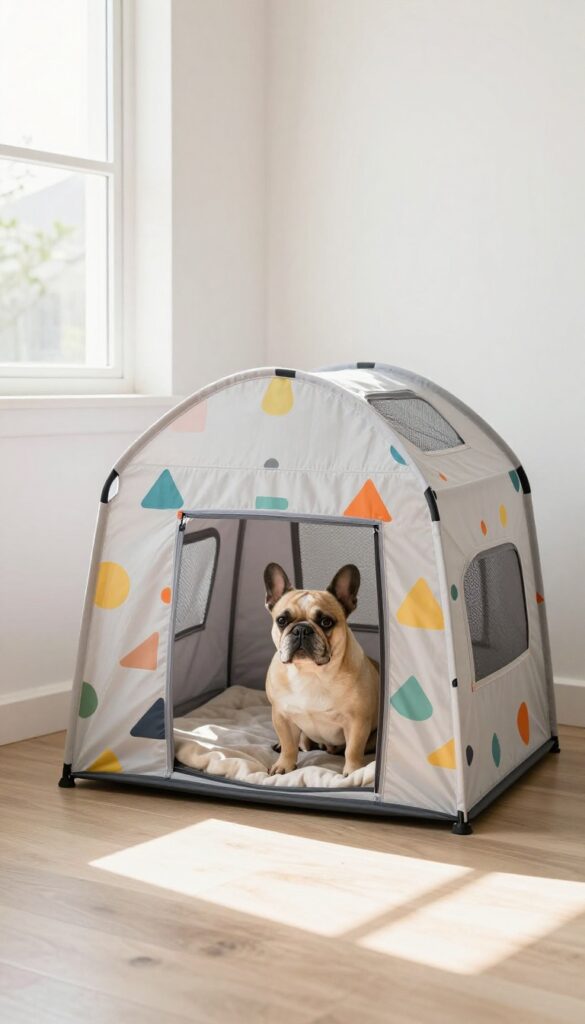
Some dogs go everywhere with their humans—camping trips, weekend visits to grandma’s, or even just a day at the park. A pop-up dog house makes it easy to bring a familiar spot along. It folds flat for storage, sets up in seconds, and gives your pup a cozy den wherever you are.
These lightweight houses usually have mesh windows for airflow and a removable floor that you can hose off or toss in the wash. They’re not meant for permanent outdoor living, but they’re perfect for travel or small apartments where space is tight. Plus, they come in fun patterns and colors that add personality to any campsite or living room corner.
Why It Works
Portability is the biggest win here. When your dog has a designated spot that travels with them, it reduces anxiety in new places. The mesh windows keep air moving so your pup stays cool, and the fold-flat design means you can stash it under a bed or in the car trunk without sacrificing space.
Best For
This is ideal for small-space dwellers who can’t commit to a permanent structure, or for active owners who take their dog on frequent trips. It also suits breeds that like to feel enclosed—think Chihuahuas, French Bulldogs, or other small-to-medium dogs that curl up tight.
Practical Tip
Place the pop-up on a soft blanket inside your tent or living room for extra insulation and comfort. If using outdoors, stake it down if it has loops—gusts of wind can send lightweight houses tumbling. Wash the floor liner after each trip to keep odors away.
Budget-Friendly Option
You can DIY a portable house by draping a large fabric cube over a folding pet cot and securing it with clips. Add mesh panels on two sides for airflow. It won’t be as sturdy as a store-bought one, but it costs much less and still gives your dog a familiar spot on the go.
6. 6. The Green Roof Dog House
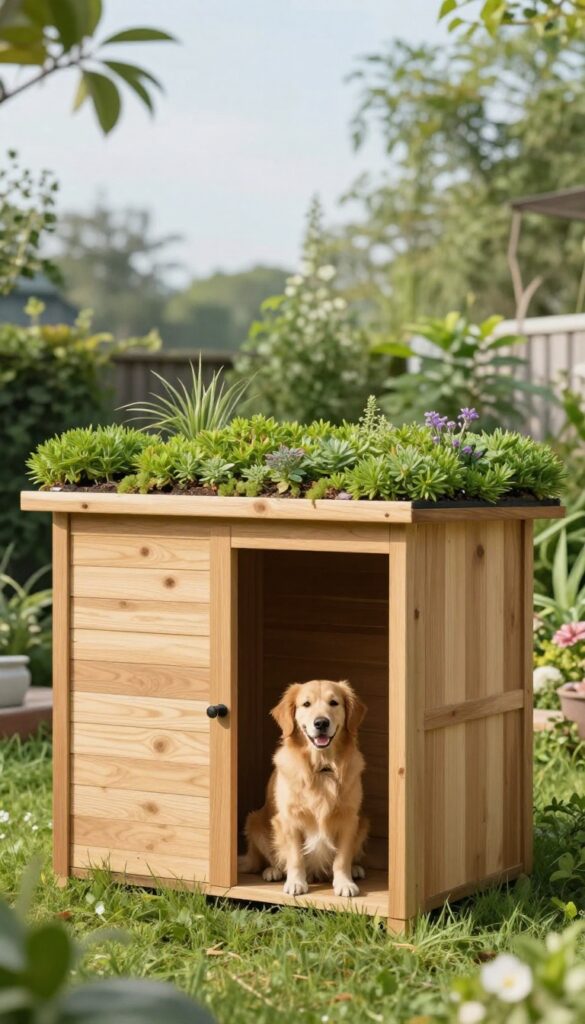
Imagine a dog house that doubles as a mini garden. A green roof topped with grass or sedum brings a living, breathing element to your yard while giving your pup a naturally insulated shelter. It’s an eco-friendly twist that looks like it belongs in the landscape.
This design isn’t just about curb appeal. The layer of soil and plants helps regulate temperature inside, keeping the house cooler in summer and warmer in winter. Plus, it absorbs rainwater and provides a small habitat for pollinators.
Dog owners love how it softens the look of a traditional dog house and turns an eyesore into a feature. It’s a conversation starter and a practical upgrade in one.
Why It Works
The green roof acts as natural insulation, reducing heat loss in cold weather and reflecting heat in summer. The plants also help manage stormwater runoff, so you’re doing something good for the environment while keeping your dog comfortable.
Best For
Best for eco-conscious owners with a stationary outdoor setup. Ideal for yards where you want the dog house to blend into the garden rather than stand out. Works well for dogs that spend significant time outdoors but have access to shade and water.
Practical Tip
Use a waterproof membrane under the soil to protect the wood from moisture. Choose drought-tolerant sedum or hardy grass that requires minimal maintenance. Make sure the roof structure is strong enough to support the extra weight when wet.
Budget-Friendly Option
If building from scratch isn’t your thing, look for pre-made dog houses with integrated planter boxes on top, or retrofit an existing wooden house with a shallow tray filled with gravel and potted succulents.
7. 7. The Window Box Dog House
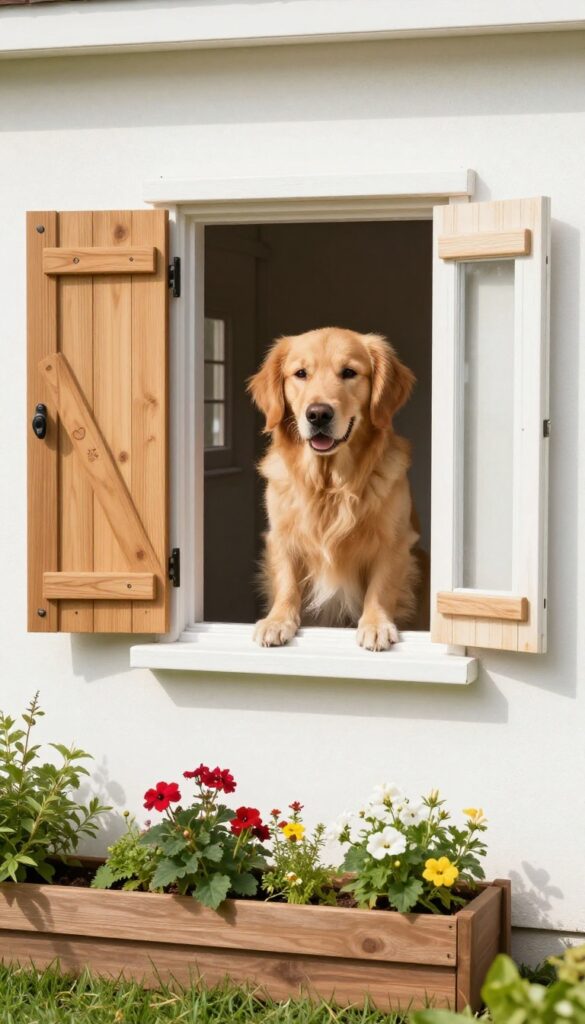
A dog house with a window is surprisingly rare, but it shouldn’t be. Adding a small window with a clear panel or a hinged shutter lets your dog see what’s going on outside while staying sheltered. It also floods the interior with natural light, making the space feel cozy instead of cave-like.
Dogs are naturally curious, and a window gives them a safe spot to watch birds, squirrels, or just the backyard action. It reduces that feeling of isolation some dogs get in enclosed houses.
For owners, it’s an easy upgrade that adds charm to the structure. A window box underneath can hold flowers or herbs, blending your dog’s house into the garden.
Why It Works
Natural light keeps the interior dry and less musty, which means less cleaning for you. The view keeps your dog entertained and less likely to bark out of boredom. A hinged shutter lets you close it during storms or hot afternoons.
Best For
Curious dogs who like to keep an eye on their territory. Also great for yards where the dog house sits near a fence or garden—your pup gets a front-row seat without escaping.
Practical Tip
Use tempered glass or thick acrylic for safety—avoid standard glass that could shatter. Position the window so your dog can see out while lying down. Add a small awning above to keep rain from dripping in when the shutter is open.
Budget-Friendly Option
No budget for a custom window? Cut a large opening and cover it with sturdy clear polycarbonate sheeting from a hardware store. Secure it with exterior screws and caulk to seal edges.
8. 8. The Heated or Cooled House
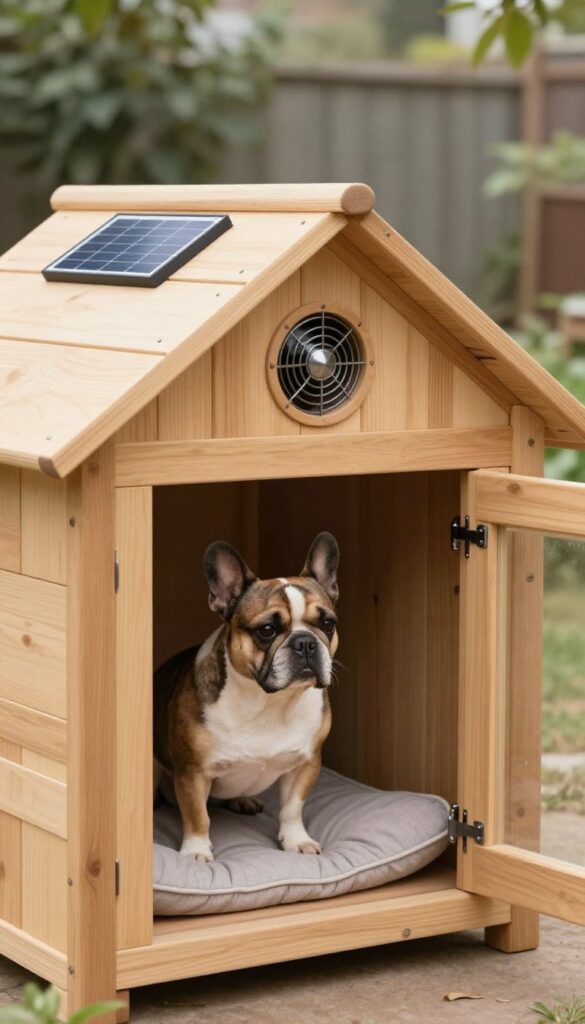
When temperatures swing to extremes, your dog deserves more than just four walls and a roof. A heated or cooled dog house uses built-in climate control—like thermostatic heating pads or low-energy cooling fans—to keep the interior comfortable no matter the weather. These designs are especially popular in regions with harsh winters or scorching summers, where a standard house just doesn't cut it.
The best part: many models are energy-efficient and run only when needed, so you're not wasting electricity.
Why It Works
With thermostatic controls, the system kicks on only when the temperature inside drops or rises past a set point. That means your dog stays comfortable without running up your bill. For heating, a safe, chew-resistant pad with a low-voltage cord is ideal; for cooling, a solar-powered fan can keep air moving without adding to your carbon footprint.
Best For
Ideal for short-haired breeds like Chihuahuas, French Bulldogs, or Greyhounds that struggle in cold weather, as well as brachycephalic dogs (like Pugs or Boxers) that overheat easily. Also perfect for outdoor dogs in climates where temperatures regularly dip below freezing or climb above 90°F.
Practical Tip
Place the dog house in a spot that's already somewhat sheltered—like under a porch overhang or beside a fence—to reduce the workload on the heating or cooling unit. Make sure the cord is safely routed and covered with a protective sleeve to prevent chewing. For cooling setups, clean the fan blades monthly to keep airflow strong.
Budget-Friendly Option
If a fully climate-controlled house is out of budget, try adding a self-warming pet bed (uses your dog's body heat) in winter and a battery-operated clip-on fan in summer. You can also insulate your existing dog house with foam panels and reflective thermal blankets for under $30.
9. 9. The Modular Expandable House
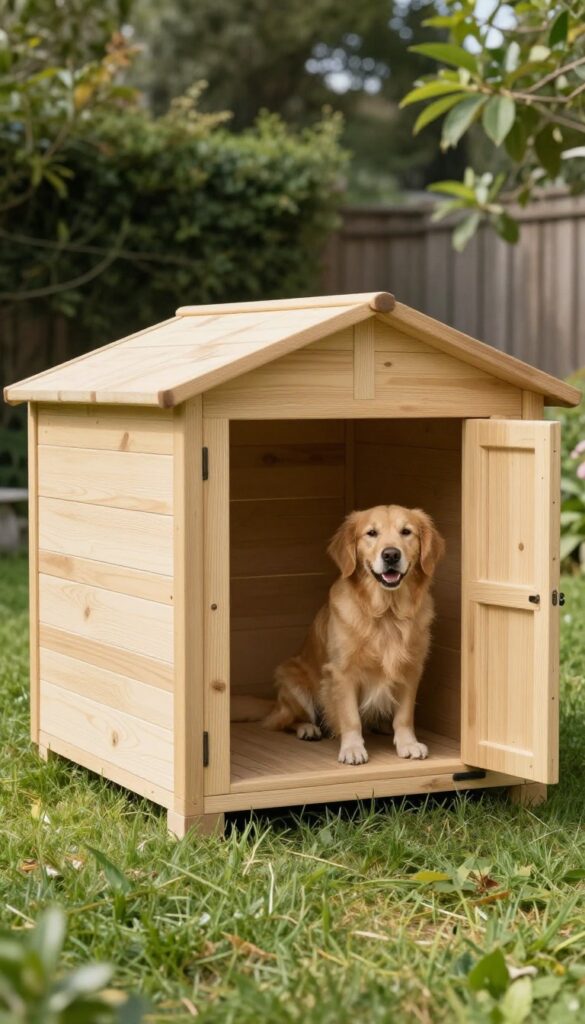
Your dog's needs will change over time, and so can their house. Modular expandable designs let you start with a simple base unit and add on as your pup grows or your situation evolves. Attach an extra room for a growing litter, a porch for sunny days, or a storage compartment for toys and treats.
It’s a flexible, future-proof solution that adapts to your life—not the other way around.
Why It Works
Modular setups are built around connectors and interlocking panels, so you can reconfigure the layout without tools or hassle. Need more shade? Snap on a roof extension.
Moving to a new yard? Disassemble and reassemble in minutes. This flexibility means one investment can serve you for years, even as your dog family changes.
Best For
Perfect for multi-dog households, owners who plan to move or upgrade their yard, and anyone who likes to tweak their space over time. Great for puppies that will outgrow their first house, or for fosters who need temporary extra quarters.
Practical Tip
Choose modular pieces with weatherproof connectors and UV-resistant materials. Keep extra panels stored flat in a dry spot so they stay clean and ready to attach. Label each piece with a permanent marker during assembly—future you will thank you when it’s time to rearrange.
Budget-Friendly Option
Skip the expensive branded kits and build your own modular system using standard plywood sheets cut into interchangeable squares. Use heavy-duty hinges or slide bolts to connect them—costs about half as much and lets you customize the exact size.
10. 10. The Aesthetic Minimalist House
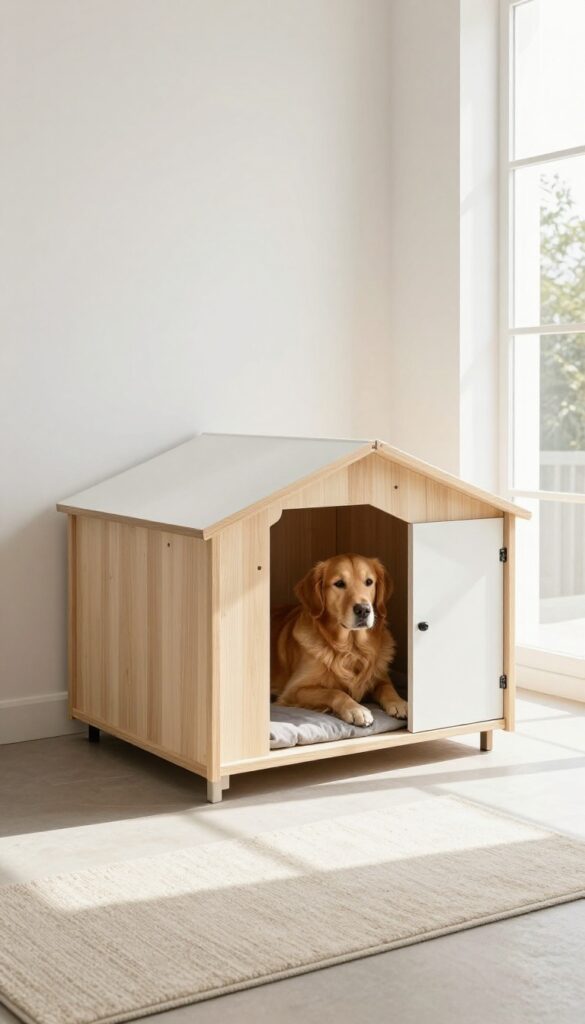
Clean lines, neutral colors, and simple shapes turn a dog house into a design statement that blends right into your modern decor. Think materials like cedar or powder-coated metal—stylish without screaming "dog house." It’s proof that function and form can live in perfect harmony.
Why It Works
Minimalist designs focus on quality materials and clean geometry, so the house feels like intentional furniture rather than an afterthought. Neutral tones (white, gray, beige) help it disappear against walls or fences, making your space feel larger and more cohesive.
Best For
Owners who love modern decor and want their dog’s space to complement, not clash with, their home aesthetic. Great for indoor use in apartments or open-concept living rooms, and equally fitting for contemporary backyards with sleek landscaping.
Practical Tip
Place the house on a low-profile mat or rug to protect floors and make cleanup easy. Add a simple cushion in a matching neutral tone—avoid patterns that break the minimalist vibe. Keep the area around it clutter-free for maximum impact.
Budget-Friendly Option
If custom cedar is out of budget, look for flat-pack plywood dog houses sold unfinished. Sand them smooth and paint with low-VOC matte paint in your chosen neutral shade. Add rubber feet underneath to elevate it off cold floors.
FAQ
What is the best material for a dog house?
Cedar is a top choice because it’s naturally resistant to rot and insects, and it smells great. For indoor houses, plywood with a non-toxic finish works well. Avoid pressure-treated wood that can be harmful if chewed.
How big should a dog house be?
Your dog should be able to stand up, turn around, and lie down comfortably. Measure your dog’s height and length, then add a few inches. Too big can make it hard to stay warm; too small is cramped.
Do I need to insulate a dog house?
If your dog spends time outdoors in extreme temperatures, yes. Insulation helps keep the inside cooler in summer and warmer in winter. For indoor houses, insulation is usually unnecessary.
How do I clean a dog house?
Use a removable floor or washable bed for easy cleaning. Wipe down surfaces with a pet-safe cleaner. For outdoor houses, hose it out and let it dry in the sun.
Regular cleaning prevents odors and pests.
Can I use a dog house for crate training?
Yes, if the house has a secure door or you can add a crate panel. Some designs are specifically made for training. Just make sure it’s the right size—cozy enough for denning but not too tight.
Conclusion
Your dog's house should be a retreat, not just a shelter. Start with one upgrade that fits your space and budget—your pup will let you know if it's a hit.
A well-designed dog house makes life better for both of you.

I’m Pallab Kishore, the owner of Little Pets Realm — an animal lover and pet care enthusiast sharing easy tips, healthy recipes, and honest advice to help every small pet live a happy, healthy, tail-wagging life.