
Building a dog house yourself can save money and let you customize it exactly for your pup. Whether you're a weekend warrior or a seasoned builder, these blueprints offer something for every skill level.
A well-built dog house provides shelter from the elements and a cozy retreat for your dog. But not all designs are equal—some are better for hot climates, others for cold, and some are just plain easier to build.
We've rounded up nine practical blueprints that balance cost, durability, and comfort. Each one comes with a quick summary so you can pick the right project for your backyard and your budget.
1. The Classic A-Frame
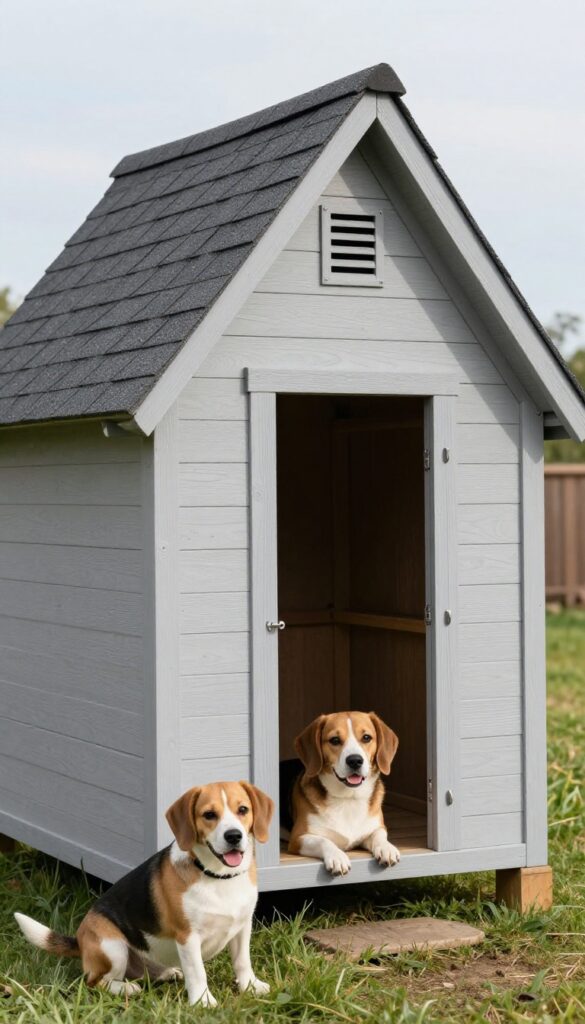
The A-frame dog house is a backyard staple for good reason. Its steep, triangular roof sheds rain and snow effortlessly, keeping the interior dry even during heavy storms. This design uses basic materials like plywood and 2x4s, making it one of the most budget-friendly options for DIYers.
Why It Works
The angled roof prevents water pooling and provides excellent ventilation when you add a small vent near the peak. The simple shape also makes it easy to insulate with foam board for winter use. Plus, the open floor plan gives dogs a cozy den-like space without wasted corners.
Best For
Small to medium breeds like Beagles, Corgis, or French Bulldogs. It's ideal for owners who want a quick weekend project with minimal tools and don't need a huge structure.
Practical Tip
Paint the exterior with weather-resistant stain or outdoor paint in a light color to reflect heat. Add a removable plywood floor on pressure-treated skids so you can lift it for cleaning underneath.
Budget-Friendly Option
Use exterior-grade plywood instead of cedar to cut costs by half. You can also substitute asphalt shingles with rolled roofing or even heavy-duty tarp secured with battens.
2. The Insulated Cabin
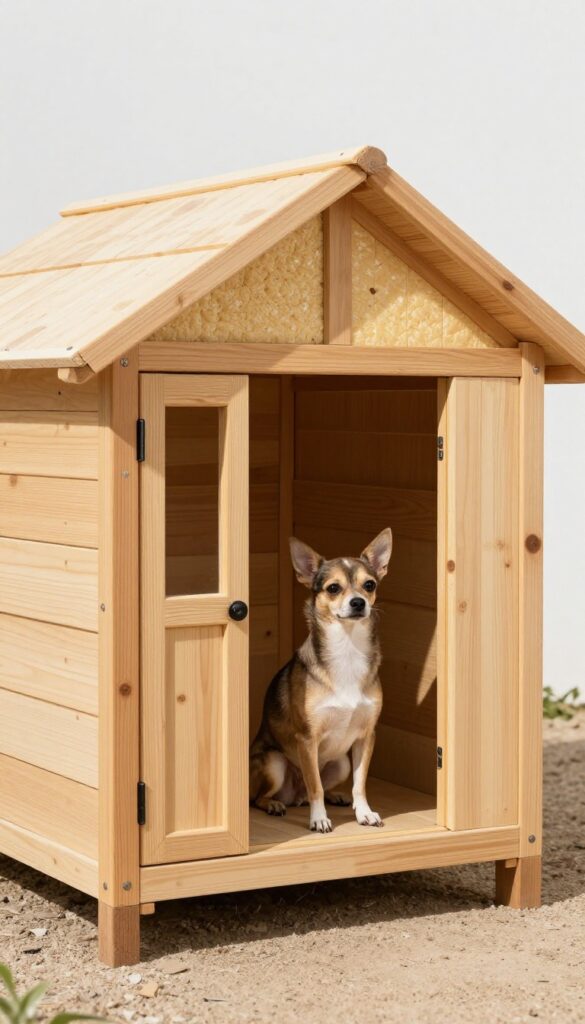
When winter winds howl or summer sun beats down, a standard dog house just won't cut it. The Insulated Cabin is built to keep your dog comfortable no matter the weather, with foam board insulation sandwiched between sturdy walls and a raised floor that blocks ground chill. It takes a bit more effort to build, but your pup will thank you with cozy naps year-round.
Why It Works
Insulation is the key—foam board in the walls and floor creates a thermal barrier that holds in body heat during cold months and reflects heat away in summer. The raised floor also prevents moisture and drafts from seeping up, keeping the interior dry and comfortable.
Best For
This blueprint is ideal for dogs living in regions with extreme temperatures—think snowy winters or scorching summers. It's also great for short-haired breeds like Chihuahuas or Greyhounds that feel the cold easily, or any dog that spends significant time outdoors.
Practical Tip
Use exterior-grade plywood and seal all seams with caulk to prevent air leaks. Add a removable roof panel for easy cleaning, and place the house on a gravel or paver base to improve drainage and reduce mud around the entrance.
3. The Elevated Platform House
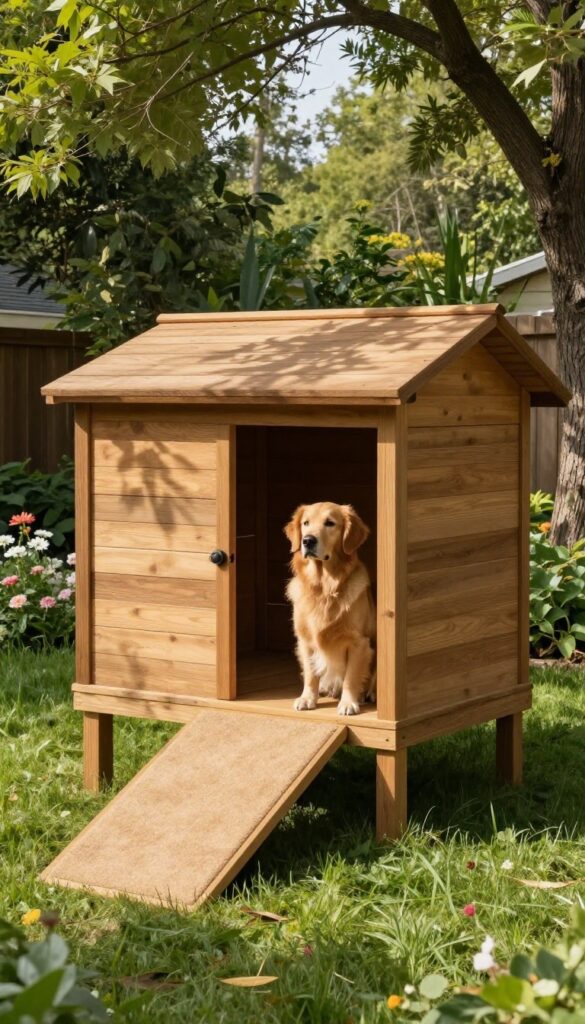
Lifting your dog's house off the ground solves two big problems at once: moisture and airflow. An elevated design keeps the floor dry during rain and allows air to circulate underneath, which helps regulate temperature. Dogs also love having a clear vantage point to survey their yard from a cozy perch.
Why It Works
By raising the structure on sturdy legs or posts, you prevent ground moisture from seeping into the flooring and discourage pests like ants or rodents from nesting underneath. The open space below also lets breezes cool the house in summer and reduces contact with cold ground in winter. Adding a gently sloped ramp makes it easy for older dogs or those with joint issues to climb up without straining.
Best For
This blueprint is ideal for yards that stay damp after rain or have poor drainage. It's also a top choice for senior dogs, large breeds prone to hip dysplasia, or any pup with arthritis who needs easier access and a drier, more comfortable resting spot.
Practical Tip
Use weather-resistant lumber like cedar or pressure-treated pine for the platform and ramp. Paint or stain the exterior with non-toxic, pet-safe sealant to protect against rot. Add outdoor carpet or a non-slip mat on the ramp for traction—especially useful when it's wet or icy.
4. The Modern Minimalist
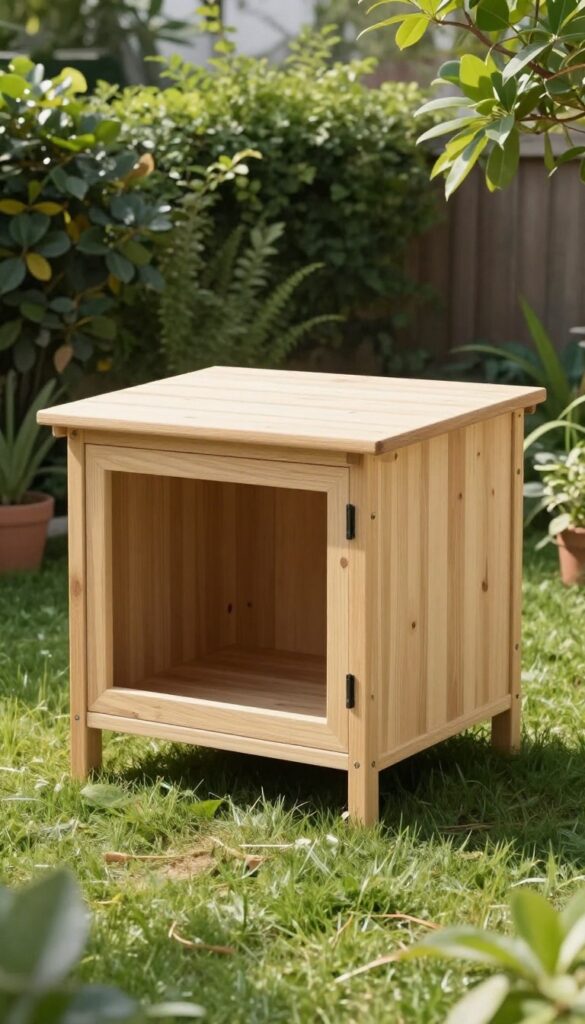
Clean, straight lines and a flat roof give this dog house a contemporary edge that stands out without screaming for attention. It's designed for dog owners who appreciate modern architecture and want their backyard to reflect that style—even the dog's corner.
Cedar or pressure-treated wood keeps the look sleek and natural while resisting rot and pests. The large opening invites your dog in easily, and the simple geometry makes it one of the faster builds on this list.
This isn't just a pretty face—the flat roof doubles as a sunbathing spot (with proper sealing) and the elevated floor keeps moisture at bay. It's minimalism that actually works.
Why It Works
The flat roof sheds rain well if you add a slight pitch or drainage holes, and the large opening promotes airflow, preventing stuffiness on warm days. Cedar naturally repels insects and resists decay, so your build lasts longer with less maintenance. The simple design also means fewer joints to fail over time.
Best For
Mild climates where snow load isn't a concern—this house shines in temperate zones. Perfect for design-conscious owners who want their yard to look curated, even with a dog house. Best for medium to large dogs that appreciate an open entryway.
Practical Tip
Use clear sealant or exterior-grade paint to protect the wood without hiding the grain. Add a removable cushion inside for easy cleaning—just toss it in the wash weekly. Place the house on gravel or pavers to prevent mud splatter on the clean lines.
5. The Two-Story Dog House
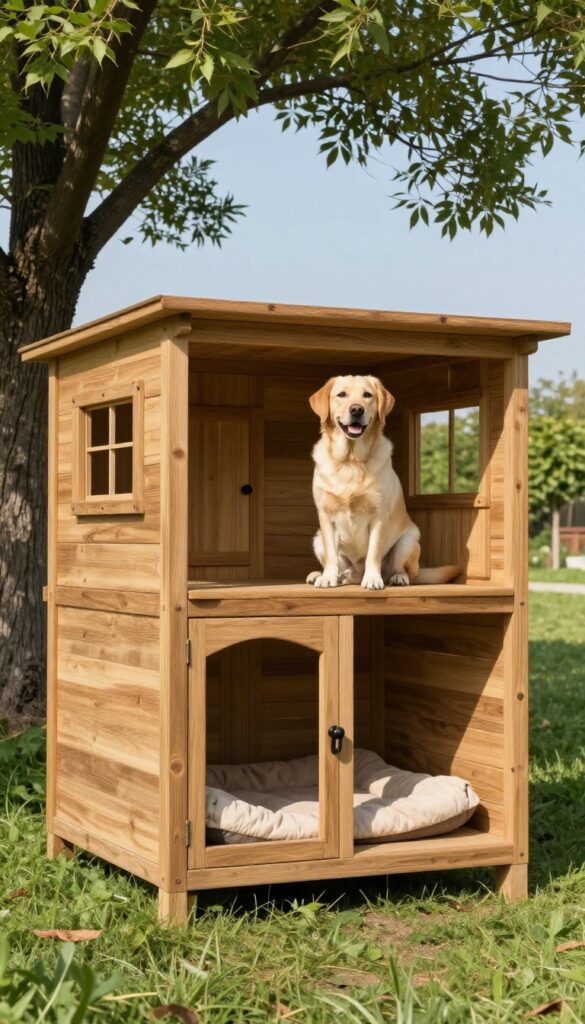
Take your dog's backyard setup to the next level with a two-story dog house. This design features a cozy lower sleeping area and an upper lookout deck, giving your pup a place to nap and a perch to survey the yard. It's a fun project that adds personality to your outdoor space.
Why It Works
Active dogs love having options—a quiet den downstairs and a sunny spot upstairs. The elevated deck keeps them cool in summer and gives them a sense of security watching over their territory. Plus, the extra square footage means more room for lounging.
Best For
Best for medium to large active breeds like Labradors, Australian Shepherds, or Huskies who enjoy being outside but need shade and a comfy place to rest. Also great for multi-dog households where one dog can hang on the deck while the other sleeps below.
Practical Tip
Use weatherproof materials like pressure-treated plywood and marine-grade paint. Add a small ramp or sturdy ladder so your dog can easily reach the top deck. Place the house in a shaded area to prevent overheating on the upper level.
6. The Portable Pop-Up
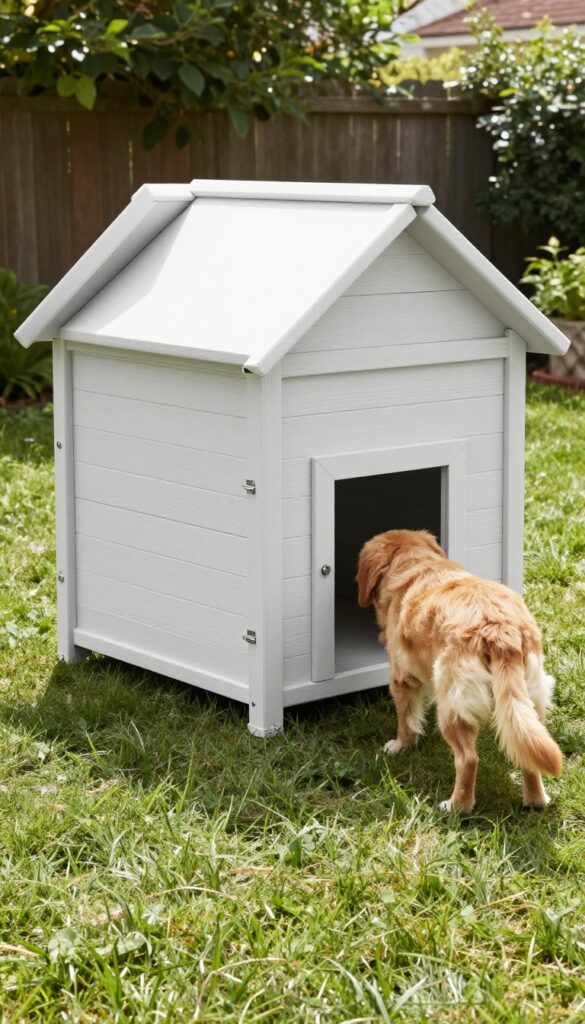
Not every dog house needs to be a permanent structure. The portable pop-up design is all about flexibility—lightweight, collapsible, and easy to move wherever you need it. Whether you're rearranging your yard or heading out for a weekend trip, this house can follow.
It uses hinges and lightweight wood so it folds flat for storage, then pops up in minutes. The trade-off is durability: it won't stand up to extreme weather or rough play as well as a solid build. But for mild climates and occasional use, it's hard to beat the convenience.
Why It Works
Because it's built from thin plywood and simple hinge joints, the entire structure stays under 20 pounds. That means you can pick it up with one hand and carry it across the yard or toss it in the car. The collapsible frame also stores flat against a wall or under a bed when not in use.
For dog owners who want flexibility without a full construction project, this design delivers.
Best For
Perfect for apartment dwellers with small patios, renters who can't build permanent structures, or anyone who travels frequently with their dog. Also great for puppies who might outgrow a fixed house quickly—you can just fold this one up and upgrade later.
Practical Tip
Add a removable waterproof cover to protect against rain when the house is set up outside. Use marine-grade hinges and exterior paint to resist rust and moisture. For extra comfort, toss in a washable outdoor cushion that matches the cover.
7. The Lean-To Addition
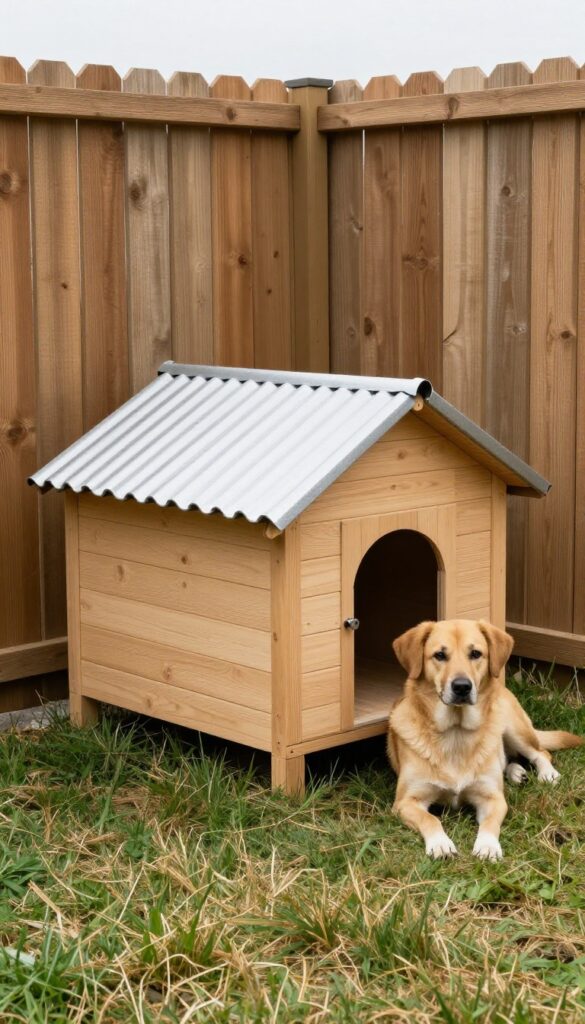
Short on yard space but still want to give your dog a proper shelter? A lean-to design attaches directly to an existing wall or fence, saving materials and floor area. The simple sloped roof sheds rain easily, and the open front keeps it airy.
It's a smart, low-cost solution that feels more like an extension of your home than a standalone structure.
Why It Works
Because it uses one less wall, you cut lumber costs by about 25% and reduce build time. The single slope also simplifies roofing—no ridges or valleys to fuss with. Plus, the attached wall provides natural insulation from temperature swings, making the interior more comfortable year-round.
Best For
This blueprint is ideal for small backyards, side yards, or patios where every square foot counts. It's also great for dogs that already have a favorite spot against the house or fence and just need a roof over their head.
Practical Tip
Paint the exterior to match your house siding so it blends in seamlessly. Add a weatherproof flap over the opening for colder months—a heavy vinyl strip works well. Keep the ground beneath dry by extending the roof overhang by at least 6 inches.
Budget-Friendly Option
Instead of plywood for the roof, use corrugated polycarbonate panels. They're cheaper, lighter, and let in soft light. You can also repurpose an old wooden pallet as the base to keep costs near zero.
8. The Pallet Dog House
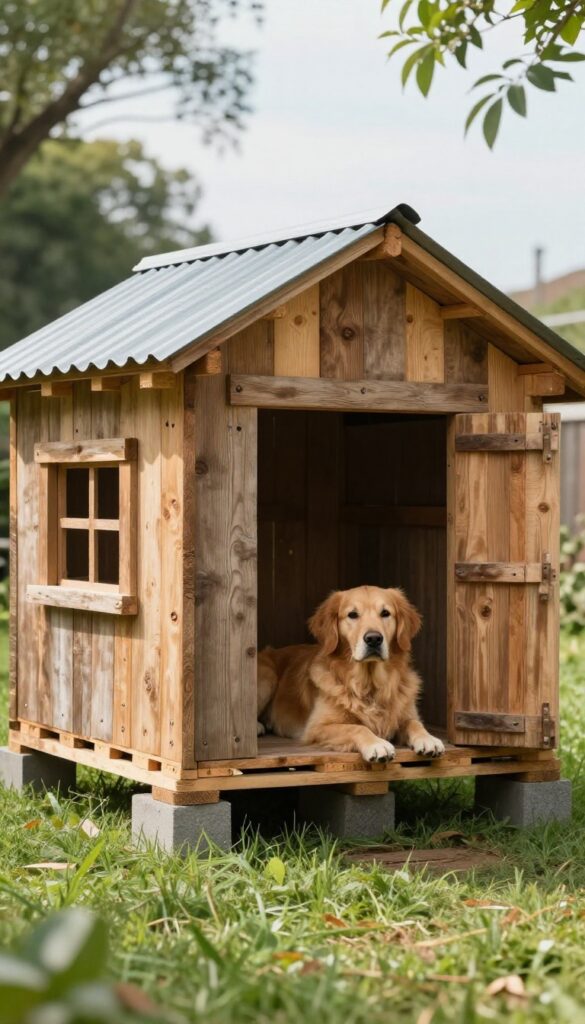
Wooden pallets are everywhere—behind warehouses, at construction sites, often free for the taking. With a little elbow grease, you can turn them into a charming, rustic dog house that costs next to nothing.
This design is all about repurposing. You'll need to disassemble the pallets carefully and sand down the rough edges, but the result is a sturdy structure that looks right at home in a natural backyard setting.
Eco-conscious builders love this project because it keeps waste out of landfills. Plus, the weathered wood gives each house a unique character that store-bought options just can't match.
Why It Works
Pallets are built tough to hold heavy loads, so the wood is surprisingly durable for outdoor use. The slatted design allows for natural ventilation when used for walls, and you can easily add insulation or a waterproof roof layer. It's a solid, functional shelter that costs pennies on the dollar.
Best For
Budget-minded DIYers who enjoy hands-on projects and don't mind some manual labor. Great for medium to large breeds that need a roomier house. Also ideal for renters or those who want a temporary or movable dog shelter.
Practical Tip
Seal the wood with a non-toxic outdoor sealant to protect against rain and rot. Add a slightly sloped roof made from leftover pallet wood covered with corrugated plastic or metal sheeting to keep water out. Elevate the house on cinder blocks or wooden skids to prevent moisture wicking from the ground.
9. The Victorian-Style House
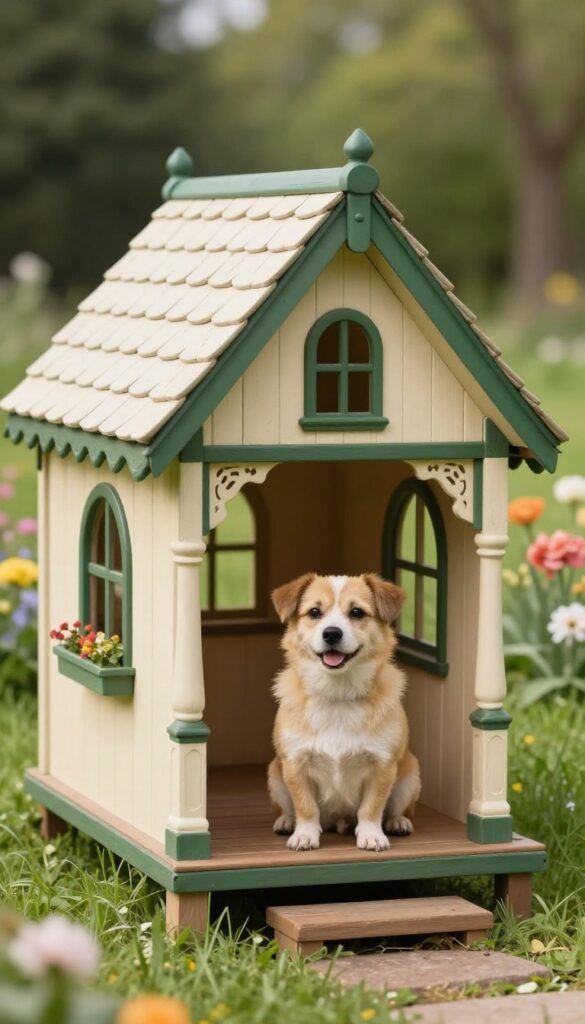
If you want a dog house that doubles as a backyard centerpiece, the Victorian style delivers. Ornate scalloped trim, a peaked roof, and decorative details turn a simple shelter into something truly special. This project takes more skill and time than a basic box, but the result is a showpiece that will have neighbors stopping to admire it.
Why It Works
The peaked roof provides excellent rain and snow runoff, keeping the interior dry. The raised floor and proper ventilation (often hidden behind the trim) ensure your dog stays comfortable in any weather. Plus, the charming look makes it feel less like a kennel and more like a miniature house.
Best For
Best for owners who love woodworking and want a decorative addition to their yard. Ideal for smaller or medium dogs that won't outgrow the cozy interior. Not recommended for very large breeds or owners looking for a quick weekend project.
Practical Tip
Paint the exterior in two or three complementary colors—like cream with dark green trim—to highlight the architectural details. Use outdoor-grade paint and seal all wood thoroughly to protect against moisture. Add a small front porch or matching flower boxes for extra charm.
FAQ
What is the easiest dog house blueprint for beginners?
The Classic A-Frame is the easiest. It uses basic cuts and simple assembly, requiring only plywood, 2x4s, and screws. No complex angles or insulation needed.
How much does it cost to build a dog house from these blueprints?
Costs vary widely. A pallet house can be nearly free, while a Victorian-style house may cost $150–$300 in materials. Most fall between $50 and $150.
What size dog house should I build for my dog?
Measure your dog from nose to tail and add 6–12 inches for length. Height should allow your dog to stand and turn around. Each blueprint includes size recommendations.
Do I need special tools to build a dog house?
Basic tools like a saw, drill, measuring tape, and level are enough for most designs. A circular saw or jigsaw helps with curved cuts. No power tools are required for the pallet house.
How do I make a dog house weatherproof?
Use exterior-grade paint or stain, seal all seams with caulk, and ensure the roof overhangs the walls. Raised floors and proper ventilation also prevent moisture buildup.
Conclusion
Building your own dog house doesn't have to break the bank or require expert carpentry skills. With these blueprints, you can create a cozy retreat that suits your pup's needs and your backyard space.
Pick the design that matches your skill level and your dog's size. Your furry friend will thank you with plenty of tail wags and happy naps in their new custom hideaway.

I’m Pallab Kishore, the owner of Little Pets Realm — an animal lover and pet care enthusiast sharing easy tips, healthy recipes, and honest advice to help every small pet live a happy, healthy, tail-wagging life.