
Dog crates often end up as bulky eyesores that clash with your carefully decorated home. But they don't have to be that way.
With a little creativity, you can turn that metal box into a stylish piece that fits right in. Whether you live in a small apartment or a spacious house, there are plenty of ways to make a crate work for both you and your pup.
From furniture-style designs to clever DIY hacks, these ideas will help you upgrade your space without sacrificing your dog's comfort. Let's explore ten practical crate ideas that blend function with style, so you can enjoy a clutter-free home and a happy, secure dog.
1. Crate as a Side Table
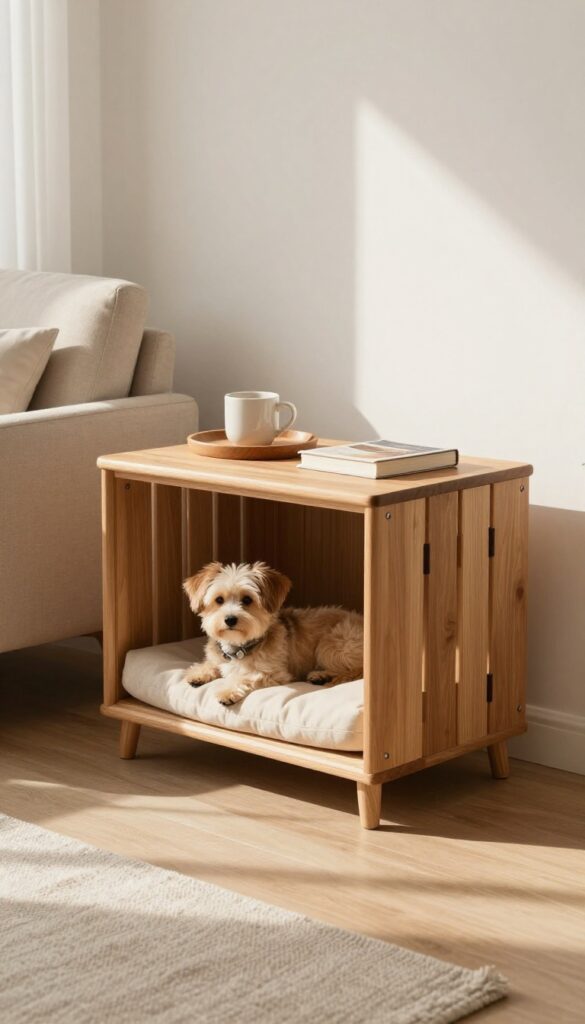
A wooden crate can pull double duty as both a cozy den for your dog and a stylish side table for you. Place it next to your sofa or armchair, add a sturdy tray on top, and you have a surface for drinks, remotes, or books. It's a simple swap that hides the crate in plain sight while keeping your pup happy.
Why It Works
The key is using a crate that's designed like furniture—think solid wood with a flat top. Most dogs feel secure in an enclosed space, and elevating the crate off the floor gives them a sense of safety. Meanwhile, you get a functional piece that doesn't scream 'pet gear.'
Best For
This setup works great for small to medium breeds that don't need a giant crate. It's perfect for apartments or living rooms where floor space is tight, because the crate replaces a side table you'd already have.
Practical Tip
Choose a crate with a water-resistant finish so spills wipe up easily. Add a cushion or mat inside for comfort, and top the crate with a tray that has raised edges to prevent things from sliding off. Keep the tray lightweight for easy lifting when you need to access the crate.
Budget-Friendly Option
If a designer crate is out of budget, buy a basic wire crate and build a simple wooden frame around it using plywood and paint. Or look for secondhand furniture-style crates on marketplace sites.
2. Crate with a Built-In Bench
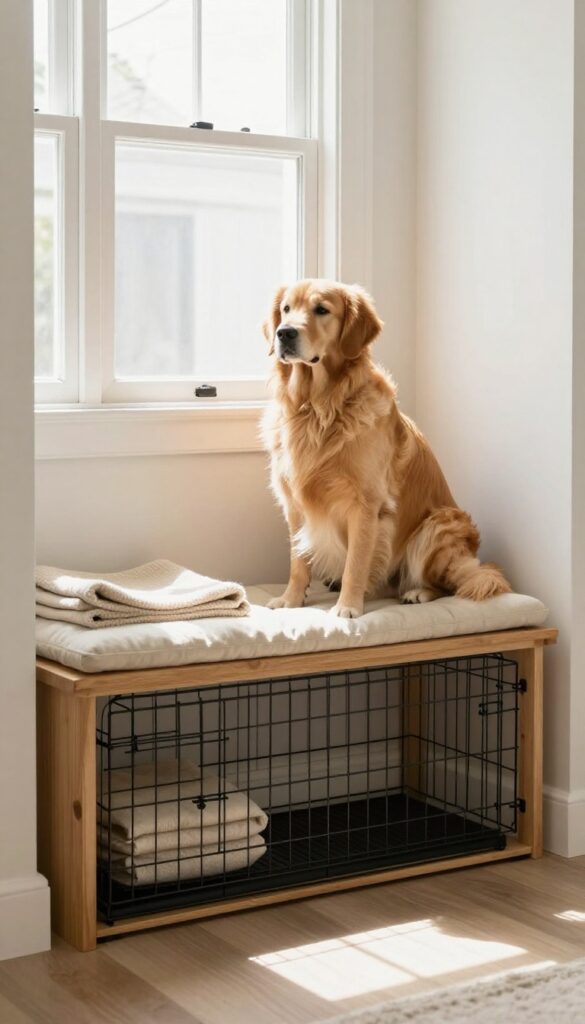
A crate that doubles as a bench seat is one of the smartest upgrades for a busy entryway or mudroom. It gives your dog a cozy hideaway while offering you a convenient spot to sit and pull on boots. The best part?
It looks like intentional furniture, not an afterthought.
Why It Works
This setup saves space by combining two functions into one piece. Your dog gets a secure den with a solid top that can hold cushions, and you get extra seating that blends into your home's style. It's especially handy in tight areas where every square foot counts.
Best For
Ideal for dogs that enjoy being near the action but need a quiet retreat. Works great in entryways, mudrooms, or even living rooms where you want extra seating. Medium to large breeds fit best because the bench top needs to be wide enough to sit on comfortably.
Practical Tip
Choose a crate with a flat, sturdy top and add a custom cushion that matches your decor. Make sure the bench height is comfortable for sitting—around 18 to 20 inches. For safety, secure the crate to the wall if it's tall, so it doesn't tip over when your dog moves inside.
Budget-Friendly Option
If buying a dedicated bench crate isn't in the budget, place a standard wire crate under a ready-made bench or storage ottoman. Just make sure the opening is accessible and the crate has good airflow.
3. Crate Inside a Console Table
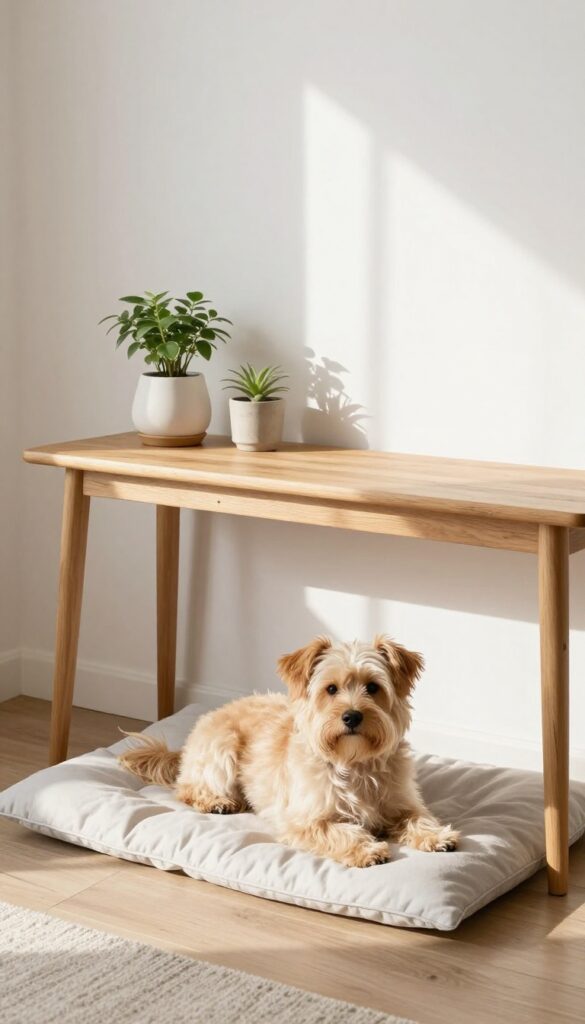
A console table or media stand often sits against a wall with nothing underneath but empty space. By sliding a wire crate into that opening, you instantly gain a hidden den for your dog and a functional surface for lamps, plants, or storage baskets. It's a clever way to reclaim floor space without losing the crate's purpose.
Why It Works
The crate is tucked away yet fully accessible, so your dog feels secure in a cozy nook while the tabletop stays clear for everyday use. The wire construction allows airflow and visibility, and the surrounding furniture frames the crate so it blends into the room rather than sticking out.
Best For
This setup works great for medium to small dogs who don't need a giant crate. It's ideal for living rooms, home offices, or any spot where you want a piece of furniture that multitasks. Apartment dwellers especially appreciate not sacrificing valuable floor space.
Practical Tip
Choose a console table with an open front or at least a wide opening so your dog can hop in and out easily. Add a soft crate mat or a folded blanket inside for comfort, and consider attaching a tension rod across the front to hang a curtain if you want to hide the crate completely.
Budget-Friendly Option
If you don't have a console table, look for a sturdy TV stand or a low bookshelf at a thrift store. Remove the shelves to create an open cubby, then slide the crate in. You can even paint the furniture to match your decor.
4. Crate with a Faux Plant Topper
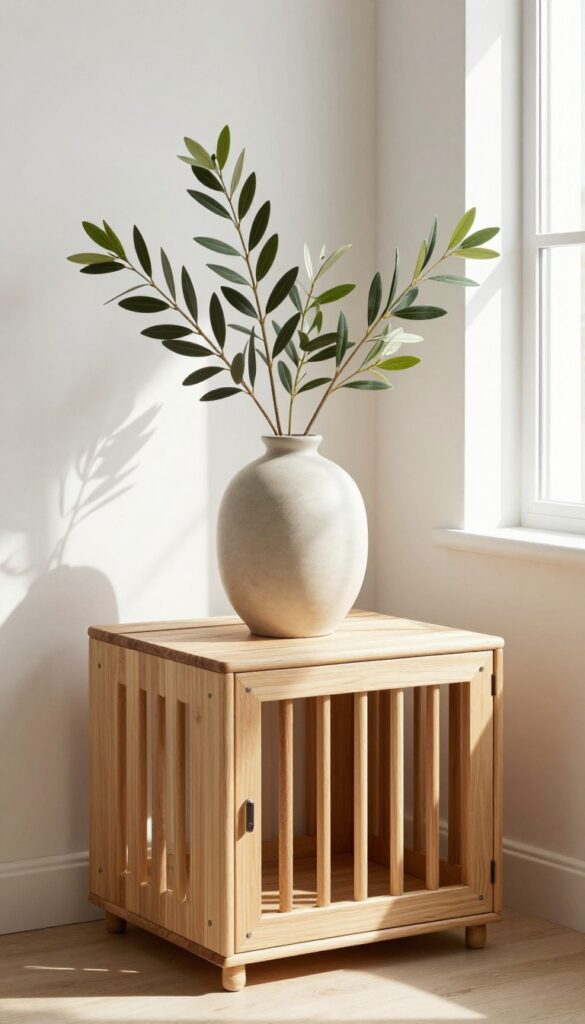
A large artificial plant or tall vase placed on top of a crate instantly draws the eye upward, making the crate feel like intentional decor rather than an afterthought. This simple trick softens the industrial look of a wire or plastic crate and adds a fresh, natural vibe to any room. It's an easy way to blend function with style without any major DIY work.
Why It Works
The vertical element breaks up the crate's boxy shape and makes it feel more like a piece of furniture. Faux plants require zero maintenance, so they stay perfect even in low-light corners. Plus, the greenery creates a calming backdrop for your dog's den.
Best For
This idea works great for dogs that don't jump or knock things over. It's ideal for apartment dwellers or anyone wanting to add a touch of nature to a small space without real plants. Calm adult dogs or seniors will leave the topper undisturbed.
Practical Tip
Choose a sturdy, wide-based planter or vase so it doesn't tip if your dog bumps the crate. Use a lightweight artificial plant to keep the overall weight manageable. Place the crate against a wall and let the plant cascade slightly for a relaxed, organic look.
Budget-Friendly Option
If you don't want to buy a new plant, repurpose a large decorative basket or a tall urn you already own. Even a stack of books with a small potted succulent on top can work as a budget-friendly topper.
5. Crate as a Nightstand
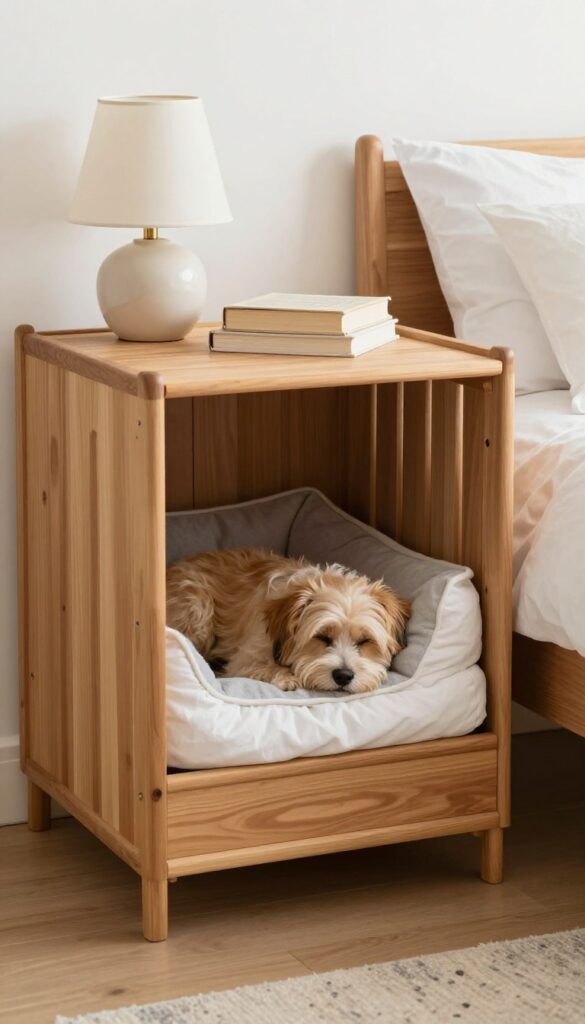
Imagine having your dog sleep right beside you, but in their own cozy crate instead of on your pillow. By placing a small wooden crate next to your bed and topping it with a lamp and a book, you create a functional nightstand that also serves as your pup's bedroom. It's a simple setup that makes bedtime feel connected without sacrificing your sleep quality.
This idea works because it turns a necessity into a piece of furniture you'd actually want in your bedroom. Your dog gets a safe, familiar den near you, and you get a convenient surface for your bedtime essentials. Plus, it eliminates the need for a separate, bulky crate elsewhere in the house, keeping your space streamlined and intentional.
Why It Works
A crate nightstand keeps your dog close during the night, which can reduce anxiety for both of you. The elevated surface gives you a place for a lamp, phone, or book, while the crate below becomes a dedicated spot for your dog. It's a practical way to integrate your dog's space into your bedroom without making the room feel cluttered or dog-centric.
Best For
This setup is ideal for small to medium dogs who are comfortable sleeping in a crate at night. It's perfect for apartment dwellers or anyone with a compact bedroom who wants to save floor space. It also works well for dogs that need to be near you for comfort or training purposes.
Practical Tip
Choose a wooden crate that matches your nightstand height or add short legs to raise it. Place a soft, washable dog bed inside and secure the crate door open or remove it for easy access. Top the crate with a small lamp and a tray for your essentials, and consider adding a plant or photo frame to make it feel like intentional decor.
Budget-Friendly Option
If you don't want to buy a new crate, repurpose an old wooden end table by cutting out one side and adding a door or curtain. Or, use a sturdy wire crate and disguise it with a fitted wood top that overhangs slightly. Both options cost little to nothing and give you the same nightstand function.
6. Crate with a Curtain Cover
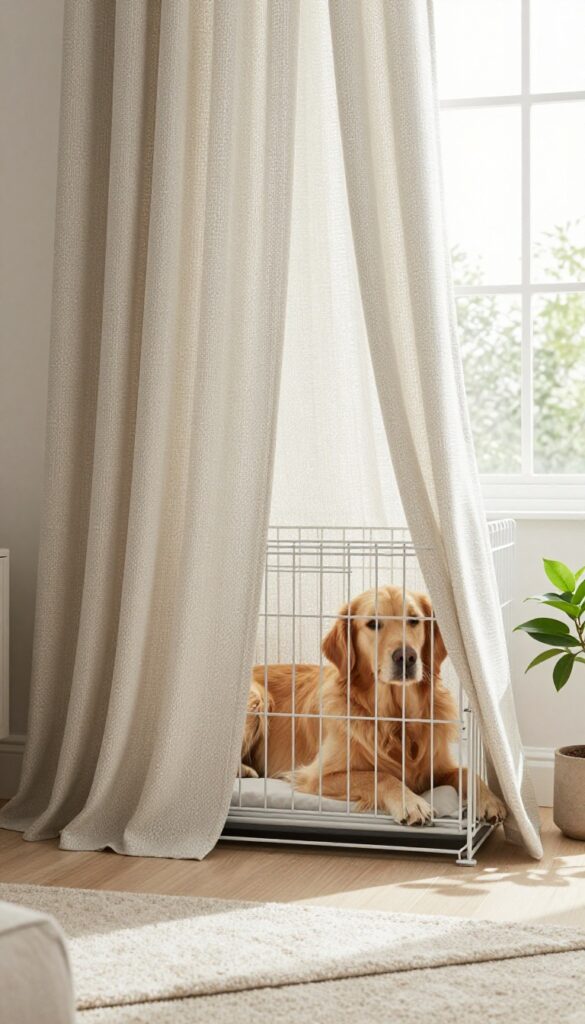
A simple curtain or fabric panel draped over the crate can turn an eyesore into a soft, intentional piece of decor. Choose a pattern that matches your room, and your dog gets a dark, den-like space they'll love. It's an easy, no-commitment way to blend the crate into your home without any carpentry skills.
Why It Works
The curtain softens the hard lines of the crate and makes it feel like part of the room. Dogs naturally enjoy cozy, cave-like spots, so the added darkness and privacy can help them feel secure and settle faster.
Best For
This works well for dogs that like to feel hidden while resting, such as anxious dogs or those who prefer a quiet corner. It's also ideal for renters or anyone who wants a removable, washable solution that doesn't damage the crate or walls.
Practical Tip
Use a tension rod or a simple curtain wire inside the crate's top rim to hang the fabric. Choose a lightweight, breathable material like cotton or linen so air still flows. Make sure the fabric doesn't hang too low where your dog could pull it in or chew it.
Budget-Friendly Option
A twin-size flat sheet from a thrift store can work as a curtain. Just fold it to size and clip it on with binder clips or small clothespins for a quick, low-cost cover.
7. Crate as a Room Divider
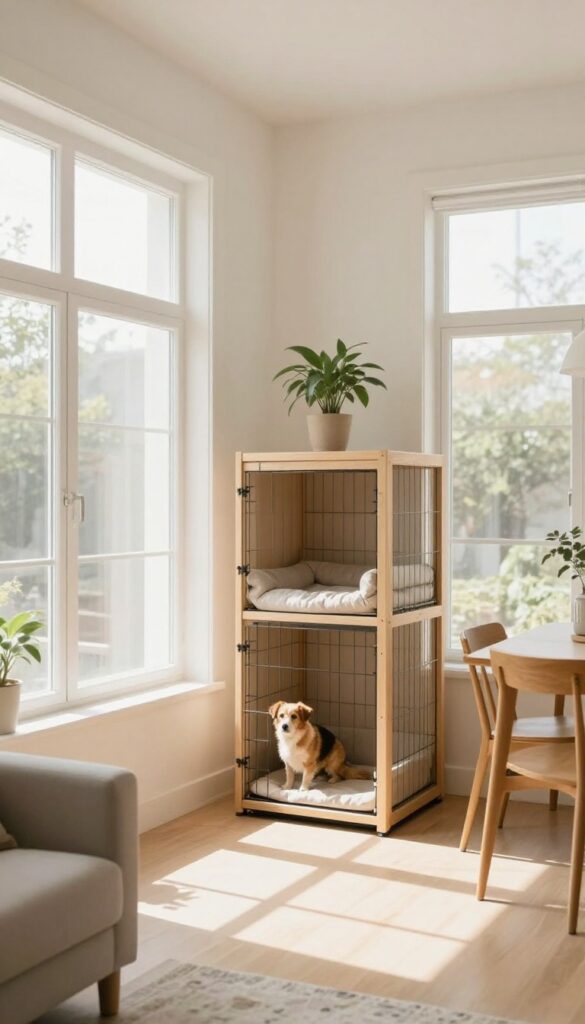
Open-concept living is great for flow, but sometimes you need a subtle way to define zones without closing things off. A tall, open crate placed between two areas—like a living room and dining nook—does exactly that. It gives your dog their own spot while keeping the space airy and connected.
Why It Works
The crate acts as a visual boundary that separates spaces without blocking light or sightlines. Your dog gets a clear, designated area that feels like part of the room, not an afterthought. Plus, it reduces noise and visual clutter from one zone to the next.
Best For
This works well in open-plan apartments or lofts where you want to carve out a dog zone without building walls. It's also great for multi-pet households that need gentle separation during meal times or naps.
Practical Tip
Choose a crate with a wood or wire frame that matches your room's style—black metal for industrial, light wood for boho. Add a cushion inside and a small side table or plant on top to anchor the look. Keep the crate clean by vacuuming regularly and using a washable liner.
Budget-Friendly Option
A basic wire crate can work if you spray-paint the frame a coordinating color and add a decorative panel on one side. Or use two stacked cube storage units with a crate insert—functional and budget-friendly.
8. Crate with a Custom Slipcover
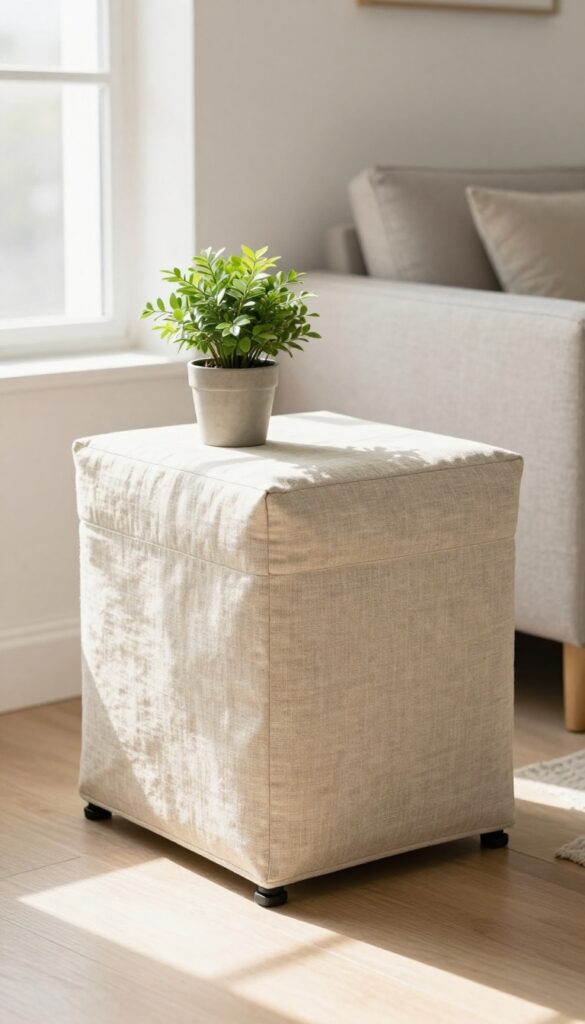
A fitted slipcover does wonders for turning a plain wire or plastic crate into a piece that looks like it belongs in your living room. You can sew one yourself or order a custom cover that matches your sofa or chairs.
Adding a matching cushion on top creates a sleek, furniture-like look that doubles as extra seating or a side table. It's a simple upgrade that makes the crate feel intentional rather than an afterthought.
Why It Works
The slipcover softens the crate's industrial edges and helps it blend into your decor. It also provides a cozy, den-like atmosphere for your dog, making the crate feel more inviting and secure.
Best For
This idea works well for dog owners who want their crate to look like built-in furniture. It's great for living rooms, family rooms, or any space where you want the crate to be both functional and stylish.
Practical Tip
Choose a durable, washable fabric like canvas or slipcover-grade cotton to handle daily wear and easy cleaning. Make sure the cover fits snugly around the crate and has openings for the door and ventilation panels, so your dog stays comfortable and safe.
Budget-Friendly Option
If you're handy with a sewing machine, you can make your own slipcover using fabric from a discount store or repurposed curtains. Alternatively, look for ready-made crate covers online that come in a variety of colors and patterns.
9. Crate Inside a Closet
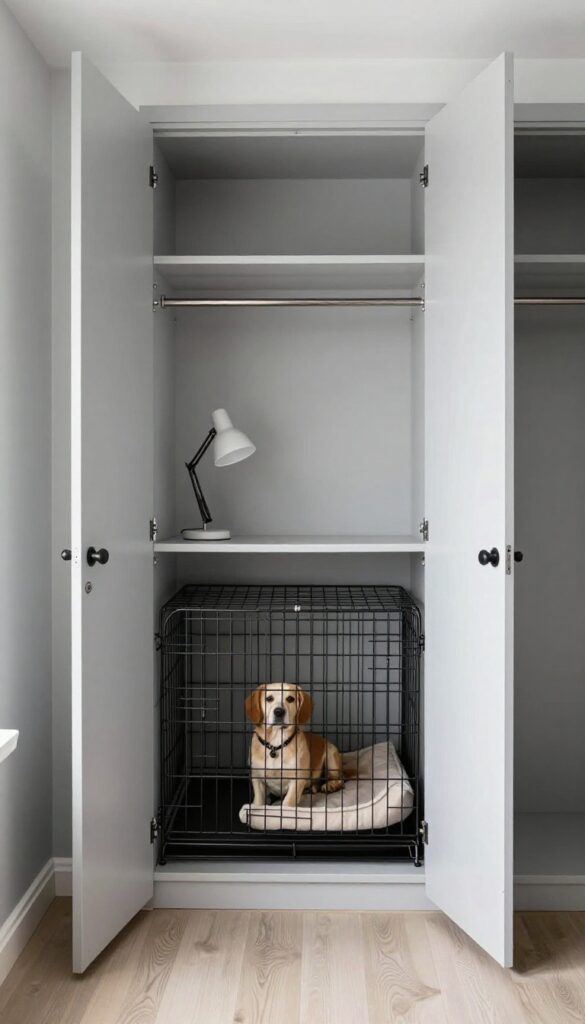
Turn an underused closet into your dog's private suite by removing the doors and sliding in their crate. It's a clever way to hide the crate completely when the closet doors are closed, keeping your main living areas clean and uncluttered. Your pup gets a quiet, den-like space that feels secure and separate from the household bustle.
Why It Works
A closet already has walls, a door, and often electrical access, so you're working with an existing structure instead of adding another piece of furniture. The enclosed feel mimics a den, which most dogs naturally love, and the door lets you contain the crate visually without taking up floor space in the room.
Best For
Anyone with a spare closet that isn't needed for storage, especially in bedrooms, home offices, or hallways. It's ideal for shy or anxious dogs who prefer a tucked-away spot, and for owners who want a crate that disappears when not in use.
Practical Tip
Add a soft dog bed, a small lamp on a shelf above for gentle lighting, and maybe a calming pheromone diffuser near the crate. Leave the closet door slightly cracked open so your dog can come and go freely, but close it fully when you need the crate out of sight.
Budget-Friendly Option
Skip the fancy crate and use a basic wire crate you already own. Paint the closet walls a calming color like soft gray or pale blue, and repurpose a small reading lamp from another room. A simple curtain rod with a blackout curtain can replace a closet door if you don't have one.
10. Crate with a Wall-Mounted Shelf Above
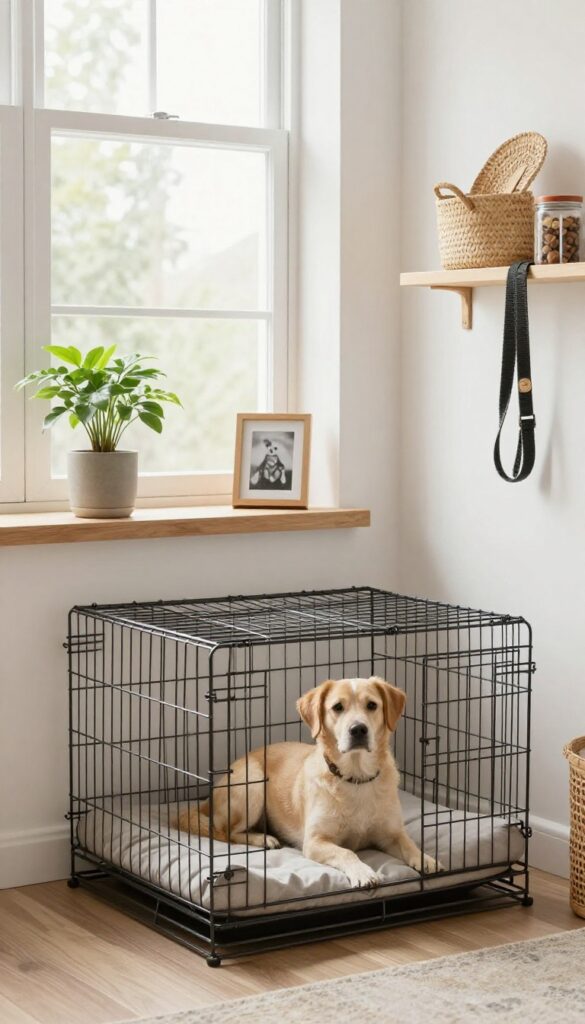
Adding a floating shelf right above the crate instantly gives the area purpose. It turns wasted vertical space into a display spot for decor or daily dog supplies. The shelf also helps the crate blend in, making it look like a built-in feature rather than an afterthought.
Why It Works
Dog crates take up floor space, but the wall above them is often empty. A shelf uses that area to store leashes, bowls, or treats, keeping everything within reach. It also draws the eye upward, making the crate feel intentional and part of the room's design.
Best For
This works great for small apartments or rooms where every inch counts. It's also ideal for dog owners who want a tidy, organized crate zone without buying a full furniture piece. Any breed can benefit, but it's especially handy for pups that need quick access to supplies.
Practical Tip
Mount the shelf at least 12 inches above the crate so you can easily lift the top or open a door. Use a sturdy floating shelf that can hold a few pounds. Add a small plant, a framed photo, or a basket for leashes and poop bags to keep things neat.
Budget-Friendly Option
Skip the expensive custom shelf and use a simple wall bracket with a wooden board from the hardware store. Paint it to match your trim for a seamless look that costs under $20.
FAQ
What size crate should I get for my dog?
Choose a crate that allows your dog to stand up, turn around, and lie down comfortably. Measure your dog's height and length, then add a few inches. For puppies, consider a crate with a divider to adjust the space as they grow.
Can I use a crate for multiple dogs?
It's best to give each dog their own crate. Dogs are den animals and need personal space. Sharing a crate can cause stress or territorial issues, especially if the dogs are not bonded.
How do I make the crate more comfortable?
Add a soft bed or mat that fits snugly inside. Place a blanket over the top to create a cozy, cave-like feel. Keep the crate in a quiet area away from drafts and direct sunlight.
How long can my dog stay in a crate?
Adult dogs can typically handle 4-6 hours during the day, but never more than 8 hours. Puppies need more frequent breaks. Always provide water and ensure your dog gets plenty of exercise and potty breaks outside the crate.
What if my dog doesn't like the crate?
Go slowly. Start by feeding meals near the crate, then inside with the door open. Use treats and praise to create positive associations.
Never force your dog in or use the crate as punishment. Patience and consistency are key.
Conclusion
Your dog's crate doesn't have to be an eyesore. With a little creativity, it can become a stylish part of your home that both you and your pup enjoy. Whether you choose a furniture-style crate or a simple DIY cover, the key is to make it comfortable and inviting for your dog.
Remember, a crate is a safe haven, not a prison. By blending it into your decor, you're creating a space where your dog feels secure and you feel proud of your home. Try one of these ideas and see how a small change can make a big difference.

I’m Pallab Kishore, the owner of Little Pets Realm — an animal lover and pet care enthusiast sharing easy tips, healthy recipes, and honest advice to help every small pet live a happy, healthy, tail-wagging life.