
Your dog's crate doesn't have to be an eyesore or a place they dread. With a few thoughtful touches, it can become their favorite retreat—a calm, cozy bedroom they actually want to hang out in.
The key is balancing comfort with practicality, so both you and your pup feel good about the setup. Think of the crate as more than just a training tool.
It's a personal space where your dog can unwind, nap, and feel safe. By adding soft bedding, gentle lighting, and a few personal touches, you can turn that wire or plastic box into a serene den.
1. Choose the Right Crate Size for Comfort
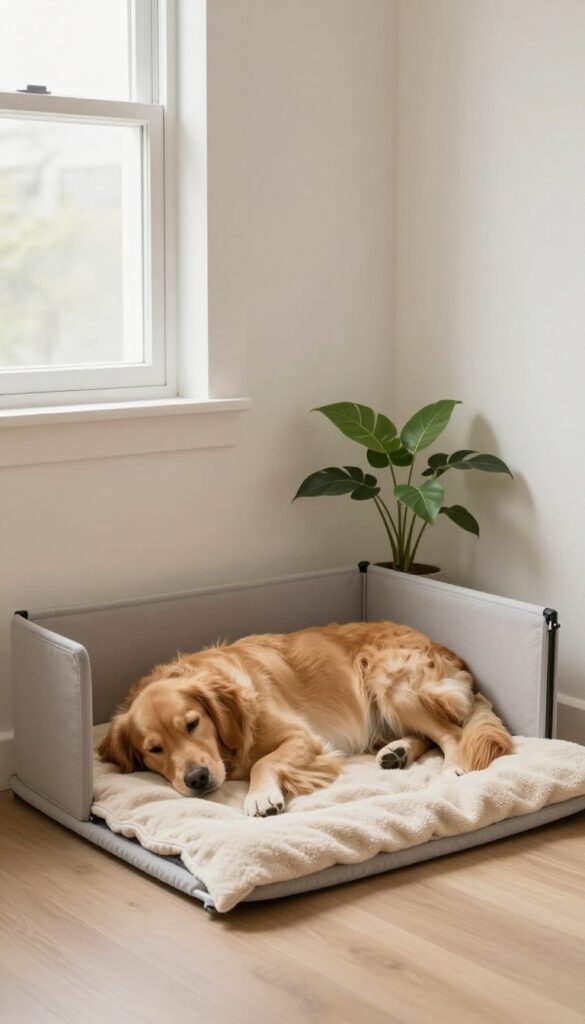
Size matters more than you think when setting up a crate bedroom. A crate that's too small feels cramped and stressful, while one that's too large can actually make your dog feel less secure. Getting the size right is the first step to creating a space they'll love.
Measure your dog from the tip of their nose to the base of their tail, then add a few inches. That's the minimum length you need. For height, measure from the floor to the top of their head or ears—whichever is taller—and add a few inches.
If you have a puppy, don't buy a full-size crate right away. Use a divider panel to adjust the space as they grow. This saves money and keeps them feeling cozy at every stage.
Why It Works
Dogs are den animals by nature. A crate that's just the right size feels like a snug den, which triggers a sense of safety and calm. When the space is too large, they may treat part of it as a bathroom, which defeats the purpose of crate training.
Correct sizing encourages relaxation and helps with housebreaking.
Best For
This tip is essential for puppies in training, rescue dogs adjusting to a new home, or any dog that seems anxious in their crate. It's also perfect for owners who want to avoid buying multiple crates as their dog grows.
Practical Tip
Place the crate in a quiet corner of your bedroom or living room, away from heavy foot traffic. Add a soft, washable crate mat or a folded blanket for comfort. Make sure the crate is stable and doesn't wobble, which can spook a nervous dog.
Budget-Friendly Option
If you're on a budget, look for secondhand crates online or at pet supply stores. Many are gently used and come with dividers. You can also use a sturdy plastic storage bin as a temporary crate for small dogs—just drill ventilation holes and add a soft bed.
2. Add a Plush, Washable Bed
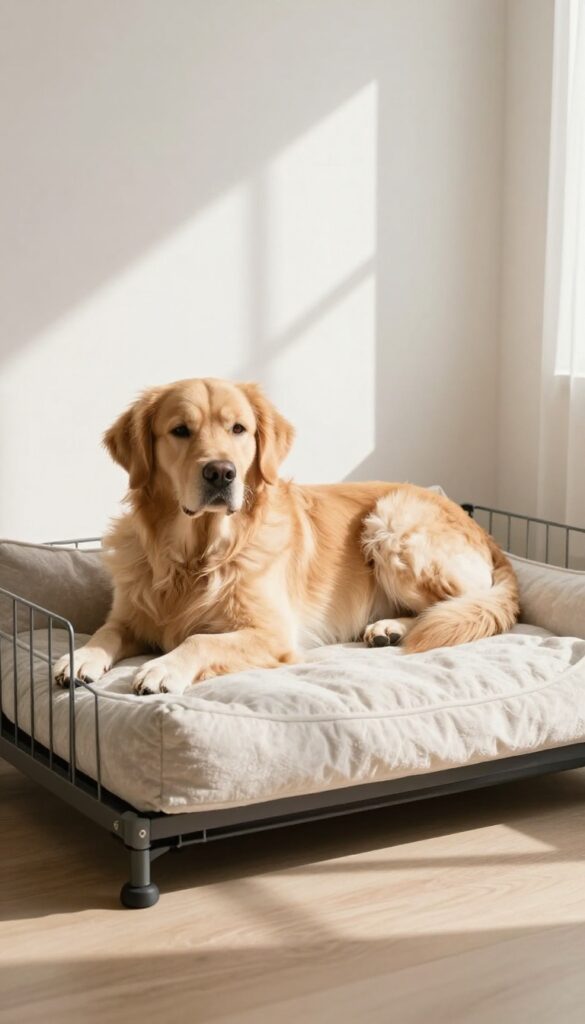
A crate isn't complete without a comfortable bed. Think of it as the mattress for your dog's bedroom—it needs to be supportive, cozy, and easy to keep clean. A plush bed instantly transforms the crate from a bare cage into a welcoming den where your dog will love to curl up.
Why It Works
Dogs spend a lot of time in their crates, especially during training or overnight. A quality bed provides joint support, warmth, and a sense of security. It also absorbs noise and creates a soft landing, making the crate feel more like a private room than a confinement space.
Best For
This works for all dogs, but it's especially important for senior dogs with arthritis, puppies who need extra cushioning, and breeds prone to pressure sores like Greyhounds. It's also great for dogs in colder climates or homes with hard floors.
Practical Tip
Choose a bed that fits snugly inside the crate—no gaps where paws can get caught. Look for a removable, machine-washable cover for easy cleanup. Orthopedic foam beds are ideal for older dogs, while cooling gel mats help in hot weather.
Rotate or fluff the bed weekly to maintain shape.
Budget-Friendly Option
If a premium bed is out of budget, use a thick, folded blanket or an old duvet inside a washable cover. Add a cheap memory foam pillow from a discount store for extra support. Just make sure it's flat and secure so your dog can't bunch it up.
3. Use Calming Colors and Soft Lighting
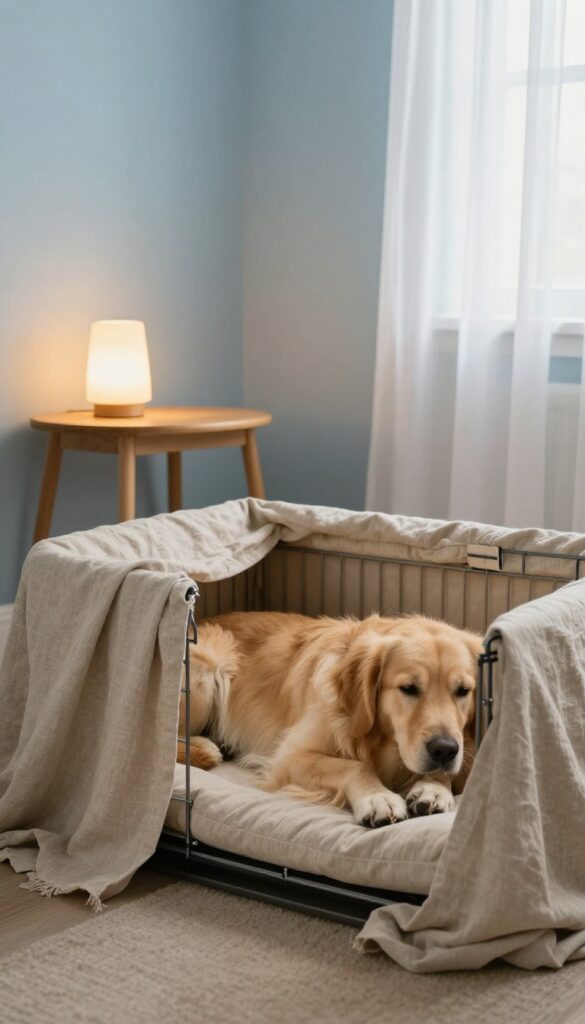
The colors and lighting around your dog's crate can make a huge difference in how relaxed they feel. Harsh overhead lights and loud patterns can keep your pup on edge, while soft, soothing tones help signal that it's time to wind down. By choosing the right palette and lighting, you create a mini sanctuary that encourages calmness and better sleep.
Why It Works
Dogs are sensitive to their environment, and colors like blue, green, and beige have a naturally calming effect. Soft, dimmable lighting mimics the low light of a den, triggering your dog's instinct to feel safe and secure. This combination reduces anxiety and helps your dog associate the crate with relaxation rather than stress.
Best For
This setup works great for anxious dogs, puppies who need help settling down, or any dog that seems restless in their crate. It's also perfect for crate locations in living rooms or bedrooms where you want a peaceful vibe for both you and your pet.
Practical Tip
Choose a crate cover or throw in a solid calming color—avoid busy patterns. Place a small dimmable lamp or battery-operated fairy lights on a nearby shelf or table, never inside the crate. Keep the lighting low and warm (2700K–3000K) to avoid overstimulation.
Budget-Friendly Option
If you don't want to buy a special crate cover, use a large flat sheet in a calming color and drape it over the crate, leaving one side open for airflow. For lighting, a simple nightlight with a warm bulb works just as well as fancy fairy lights.
4. Incorporate Familiar Scents
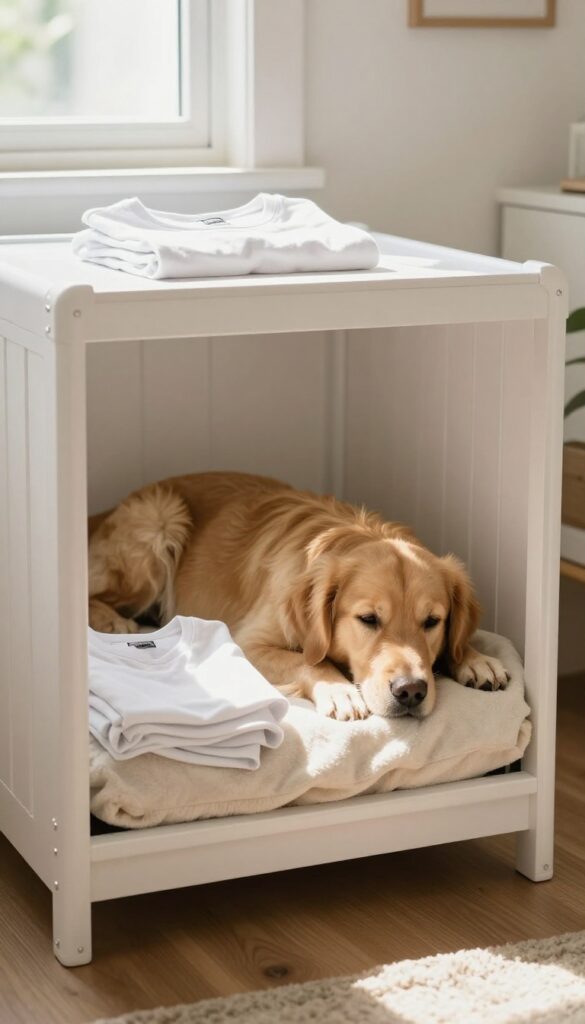
Scents are a powerful way to make your dog feel at home inside their crate. Dogs rely heavily on smell to understand their environment, so adding familiar aromas can instantly lower stress. It's a simple trick that turns a cold crate into a comforting den.
Why It Works
Dogs find comfort in their owner's scent because it signals safety and familiarity. When you place an unwashed t-shirt or a small blanket with your smell inside the crate, it helps your pup relax, especially during training or when they're home alone. Calming sprays with lavender or chamomile can also promote a sense of calm.
Best For
This idea works well for anxious dogs, new puppies settling into their home, or any dog that struggles with crate training. It's also a great option for dogs who need extra reassurance during travel or vet visits.
Practical Tip
Rotate the scented item every few days to keep the smell fresh and avoid over-familiarity. Make sure the fabric is safe—avoid loose threads or items with buttons that could be chewed. Always supervise the first few uses to ensure your dog doesn't try to shred the item.
Budget-Friendly Option
If you don't have an old t-shirt, use a hand towel or a small piece of fleece. You can also rub a clean sock on your skin to transfer your scent without sacrificing a favorite shirt.
5. Create a Quiet Corner Away from High Traffic
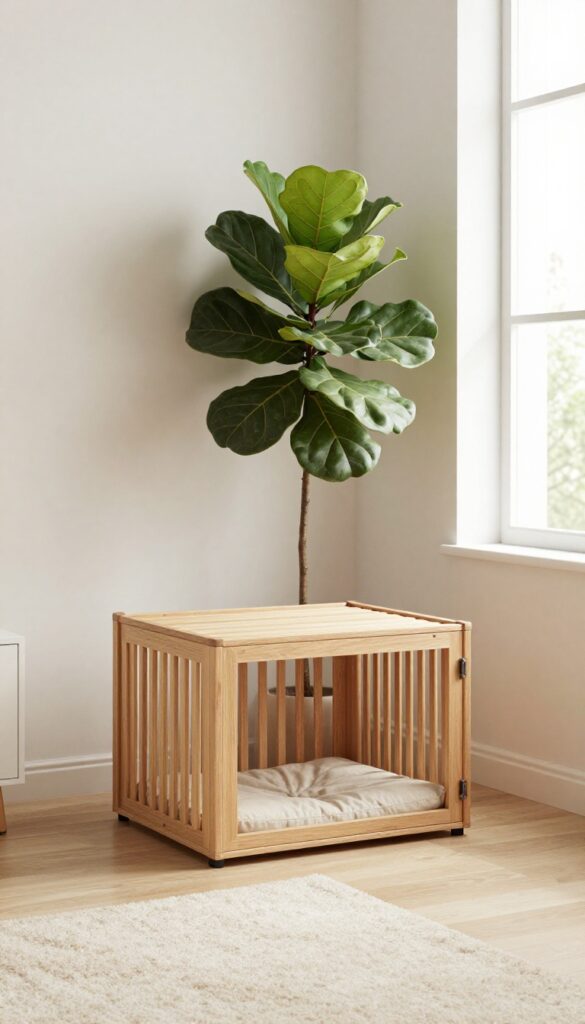
Think about where you feel most relaxed at home—probably not right next to the washing machine or in the middle of a busy hallway. Dogs feel the same way. Placing your dog's crate in a quiet corner away from heavy foot traffic helps them settle in faster and sleep more soundly.
A peaceful location transforms the crate from a training tool into a true sanctuary.
Why It Works
Dogs are sensitive to noise and movement. A crate positioned in a low-traffic area reduces stress triggers like sudden footsteps, door slams, or loud conversations. This calm environment encourages deeper sleep and makes the crate a place your dog willingly retreats to when they need a break.
Best For
This setup is ideal for anxious or easily startled dogs, as well as puppies who need uninterrupted nap time. It also works well in busy households with kids or multiple pets, where a quiet corner gives your dog their own peaceful zone.
Practical Tip
Choose a corner that's out of the main flow but still within sight of family activity—dogs like to feel included, not isolated. Avoid spots near HVAC vents, radiators, or drafty windows to keep the temperature comfortable. Add a soft rug or mat under the crate to absorb sound and define the area.
Budget-Friendly Option
If you don't have a spare corner, use a room divider or a tall houseplant to create a visual barrier around the crate. This DIY approach costs little but gives the same sense of seclusion.
6. Add a Crate Cover for Privacy
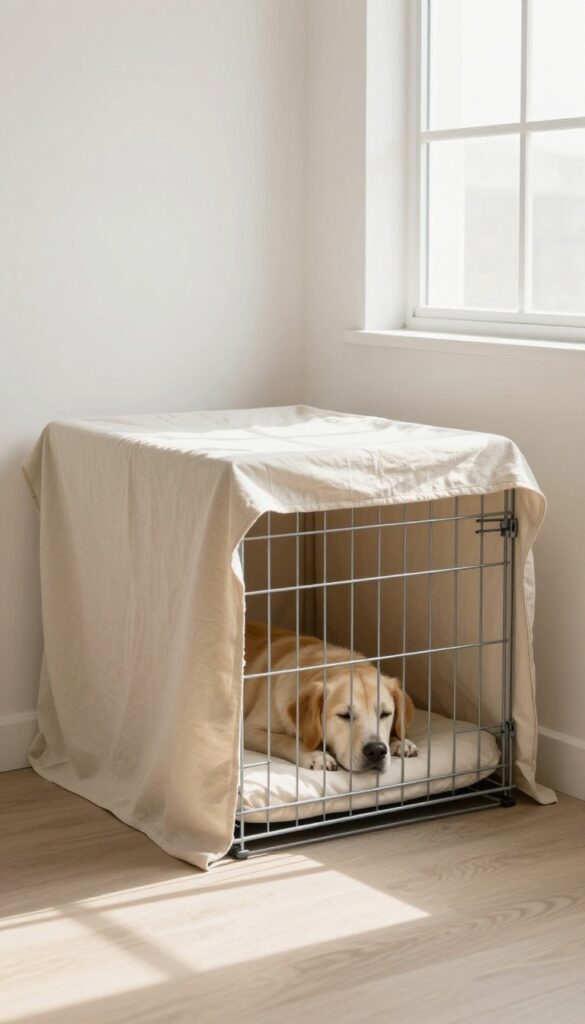
Sometimes the best way to make a crate feel like a bedroom is to give it a little seclusion. A crate cover—whether store-bought or a simple fitted sheet—creates a den-like atmosphere that many dogs find instantly calming.
It blocks out visual distractions and muffles household noise, turning the crate into a quiet sanctuary. Plus, it can make even a basic wire crate look intentional and polished.
Why It Works
Dogs are den animals by nature, and a covered crate mimics the enclosed, safe feeling of a den. The cover reduces visual stimuli that can cause anxiety or overexcitement, helping your dog settle faster. It also provides a temperature buffer, keeping the crate warmer in winter and cooler in summer when used with airflow in mind.
Best For
This works well for dogs who are easily startled by movement or noise, such as nervous rescues or sound-sensitive pups. It's also great for households with multiple pets or children, where the crate needs to be a no-disturb zone. Owners who want a more finished look without buying a new crate will love this simple upgrade.
Practical Tip
Choose a breathable fabric like cotton or mesh to prevent overheating. Make sure the cover is secure and doesn't sag onto your dog's face—some covers have a wire frame to keep them lifted. Leave one side partially open for airflow and visibility, or use a cover with a roll-up front panel for flexibility.
Budget-Friendly Option
Don't want to buy a specialty cover? A large flat sheet or a lightweight blanket works just as well. Drape it over the crate and tuck the ends under the tray or use binder clips to hold it in place.
Just avoid heavy fabrics that trap heat.
7. Include Interactive Toys for Downtime
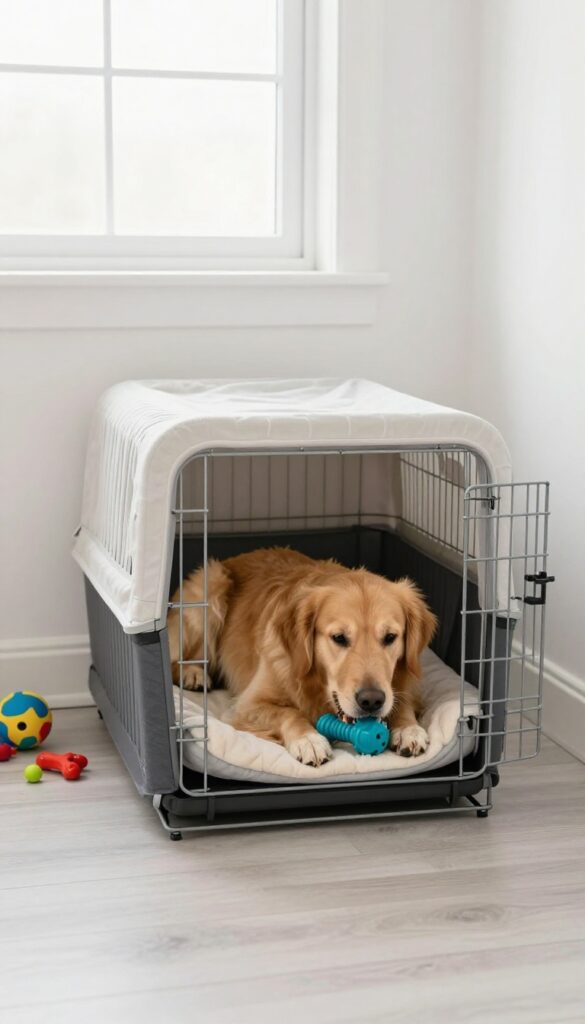
A crate that feels like a bedroom should have a few quiet activities your dog can enjoy on their own. Interactive toys give them something to focus on during downtime, turning the crate into a place they choose to hang out. It's a simple way to make the space more inviting and mentally engaging.
Why It Works
Dogs need mental stimulation just as much as physical exercise. Puzzle toys and chew toys keep their brain busy, reduce boredom, and help them associate the crate with positive solo play. This makes the crate feel less like a confinement and more like a fun den.
Best For
This idea works well for dogs who are already comfortable in their crate and need a little extra enrichment. It's especially helpful for high-energy breeds, working dogs, or puppies with lots of curiosity. Owners who work from home or leave their dog crated for short periods will see the biggest benefit.
Practical Tip
Pick toys that are safe for unsupervised play—no squeakers that can be swallowed, and nothing too hard that could damage teeth. Rotate two or three toys every few days to keep things fresh. Stick to durable rubber or fabric toys that are easy to clean.
Budget-Friendly Option
You don't need expensive puzzle toys. A simple Kong stuffed with peanut butter or a rolled-up towel with hidden kibble works just as well. DIY treat dispensers from cardboard boxes or toilet paper rolls can be a fun, low-cost alternative.
8. Use a Raised Bed for Temperature Control
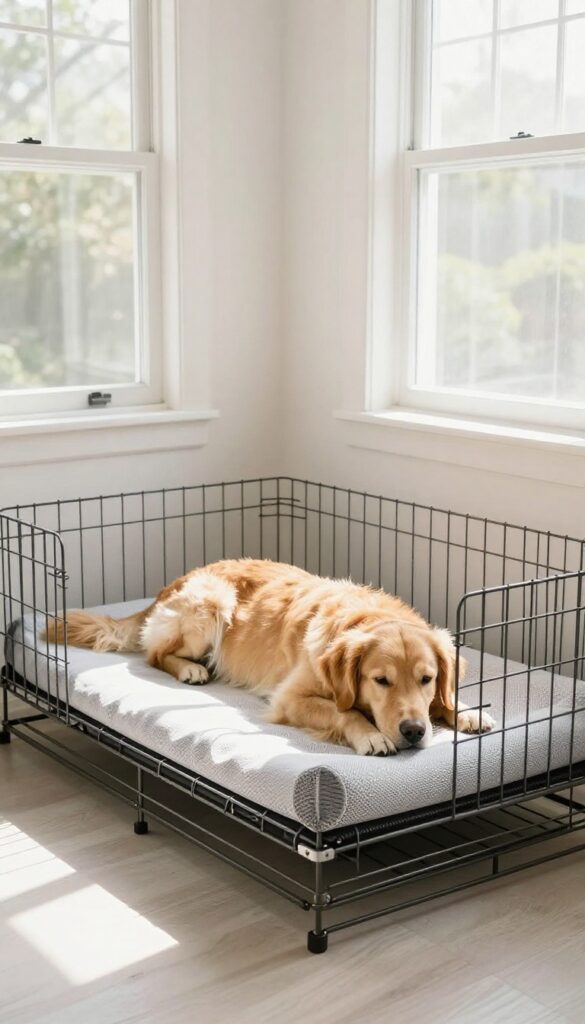
A raised cot-style bed does more than just look neat—it actively helps your dog stay cool. By lifting them off the floor, air can flow freely underneath, which is a lifesaver during warmer months or for breeds that overheat easily. Many dogs also appreciate the slight elevation, as it gives them a better view of their surroundings while still feeling secure inside their crate.
Why It Works
Raised beds prevent heat from getting trapped between your dog and the floor, which can happen with plush beds. The open design allows air to circulate, keeping your pup cooler and more comfortable. Plus, the firm surface offers good support for joints, making it a smart choice for both warm weather and dogs who like a firmer sleeping surface.
Best For
This idea is perfect for heavy-coated breeds like Huskies, Golden Retrievers, or German Shepherds, as well as any dog that tends to pant a lot or seek out cool tiles. It also works well in homes without air conditioning or during summer months when temperatures rise.
Practical Tip
Look for a raised bed with a breathable mesh or fabric sling that won't trap heat. Measure your crate's floor space so the bed fits snugly—there should be no gaps where paws could get caught. Some raised beds fold up for easy storage, which is handy if you travel with your dog's crate.
9. Incorporate Storage for Dog Essentials
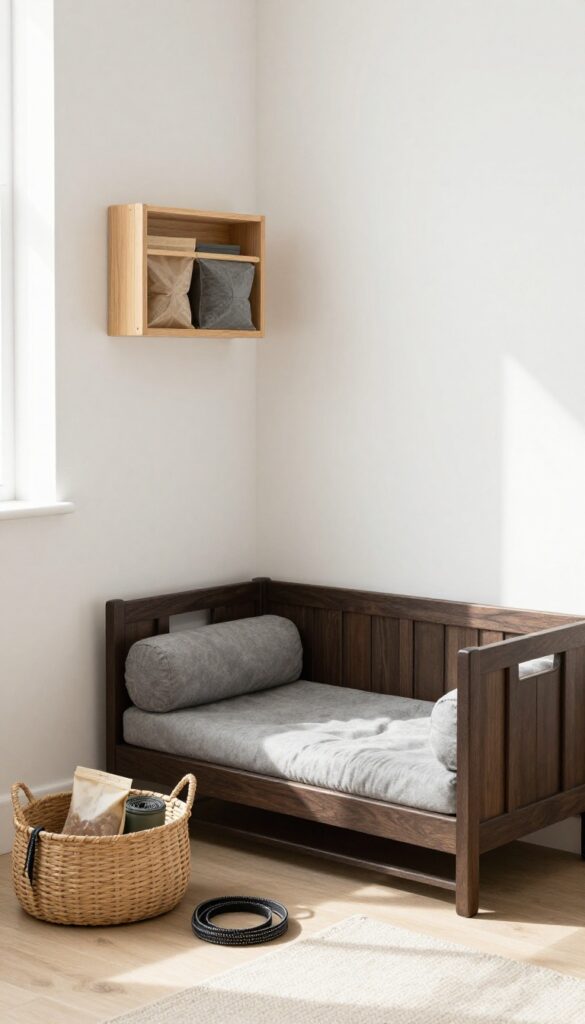
A tidy crate area makes a big difference in how calm the space feels. When leashes, treats, and waste bags are scattered around, it adds visual clutter that can feel stressful for both you and your dog. Adding a small basket or wall-mounted organizer right next to the crate keeps everything you need within easy reach but out of sight.
This simple change makes the area more functional and more relaxing, so your dog's bedroom stays a peaceful retreat.
Why It Works
Dogs are sensitive to their environment, and a cluttered space can make them feel uneasy. By corralling all the daily essentials into one neat spot, you reduce chaos and create a more serene atmosphere. Plus, having everything handy means you can grab a leash or treat without disrupting your dog's downtime, which helps maintain that calm vibe.
Best For
This setup works great for busy households where dog supplies tend to pile up near the crate. It's especially helpful for small apartments or rooms where every inch counts, as vertical storage keeps the floor clear. Owners of high-energy breeds who need quick access to gear for walks or training will also appreciate the convenience.
Practical Tip
Choose a basket that matches your crate's color or the room's decor to keep things cohesive. A woven basket adds warmth, while a sleek metal bin gives a modern look. Wall-mounted organizers are perfect for saving floor space—just make sure they're securely installed and out of your dog's reach to prevent any chewing accidents.
Budget-Friendly Option
If you don't want to buy a new basket, repurpose a shoebox or a small storage bin you already own. Cover it with fabric or contact paper to blend in with the room. For wall storage, a simple command hook can hold a leash, and a small mason jar screwed to a board works great for treats and bags.
10. Personalize with Your Dog's Name or Decor
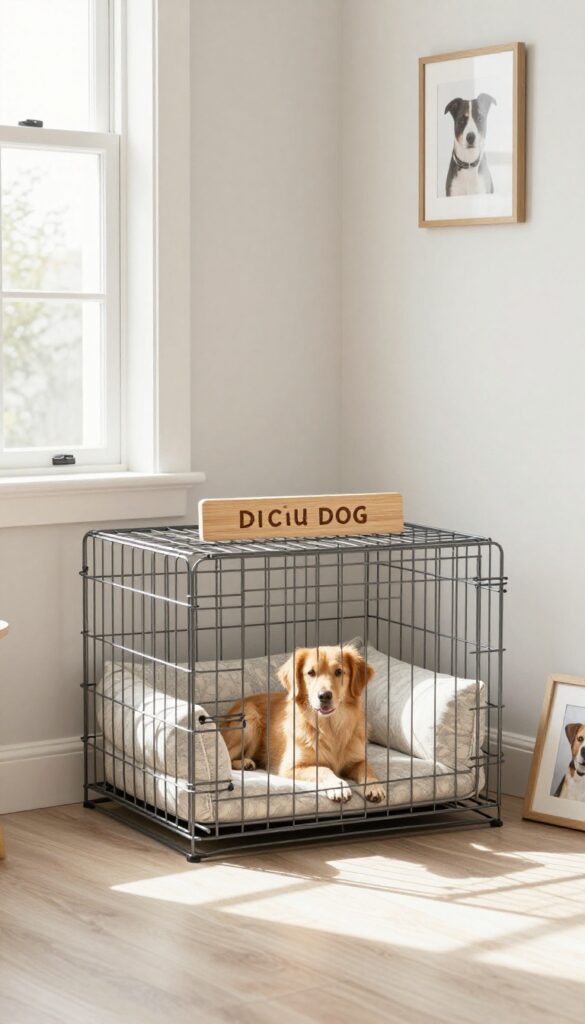
Adding a personal touch to your dog's crate area makes it feel like a real part of the home. A small nameplate, a custom cushion, or a piece of wall art above the crate can transform a functional space into something special. These simple additions show your dog this spot is theirs, which helps them feel more secure.
Why It Works
Personalization creates a sense of ownership for your dog, making the crate feel like a safe den rather than a cage. It also signals to guests and family that this is an important space, encouraging everyone to respect your dog's downtime.
Best For
This works well for any dog, but it's especially great for anxious pups or new puppies who need extra reassurance. It also fits beautifully in homes where the crate is in a main living area, blending into the decor without looking out of place.
Practical Tip
Keep decor simple and secure—avoid anything dangling that could be chewed or pulled into the crate. A flat wooden nameplate attached to the crate door or a framed photo above are safe bets. Make sure any cushion covers are removable and washable for easy cleanup.
Budget-Friendly Option
Skip the custom nameplate and use a pretty piece of washi tape with your dog's name written in marker on the crate wall. Or frame a free printable from Pinterest for a no-cost personal touch.
FAQ
What size crate should I get for my dog?
Measure your dog from the tip of the nose to the base of the tail, then add 2-4 inches for length. For height, measure from the floor to the top of the head or ears (whichever is taller). The crate should be tall enough for your dog to stand and turn around comfortably.
Should I cover my dog's crate at night?
Many dogs feel more secure with a crate cover, but it depends on your dog. If they tend to chew or overheat, leave it partially uncovered. Always ensure good airflow and monitor your dog's comfort.
How can I make my dog's crate feel cozy without overheating?
Use a breathable crate cover, a cooling mat, and avoid heavy blankets. Place the crate in a well-ventilated area away from direct sunlight. A raised bed can also help with air circulation.
Can I put a water bowl inside the crate?
Yes, but use a spill-proof bowl attached to the crate door or a no-spill water bottle. This prevents messes and keeps your dog hydrated. Remove the water during potty training to avoid accidents.
How do I clean my dog's crate bedding?
Most crate beds have removable, machine-washable covers. Wash them weekly with pet-safe detergent. For accidents, spot clean immediately with an enzymatic cleaner to remove odors and stains.
Conclusion
Creating a calm crate bedroom for your dog doesn't have to be complicated or expensive. Small changes—like a cozy bed, a quiet location, and a few personal touches—can make a big difference in how your pup feels about their space.
Remember, the goal is to make the crate a place your dog wants to be, not just a place they have to be. With these ideas, you'll have a happy, relaxed dog and a crate that fits beautifully into your home.

I’m Pallab Kishore, the owner of Little Pets Realm — an animal lover and pet care enthusiast sharing easy tips, healthy recipes, and honest advice to help every small pet live a happy, healthy, tail-wagging life.