
Your dog deserves a cozy spot to relax outdoors, but finding the right house can feel overwhelming. Between size, materials, and weather protection, there's a lot to consider. These nine ideas cover different styles and budgets, so you can pick what fits your yard and your pup's personality.
Each option focuses on real-world comfort and durability. Whether you have a small patio or a sprawling lawn, there's a solution that works. Let's look at setups that make your dog's outdoor time safer and more enjoyable.
From elevated designs to insulated hideaways, these houses blend function with a touch of style. Your dog will love having their own space, and you'll love how easy they are to maintain.
1. 1. Elevated Dog House for Airflow
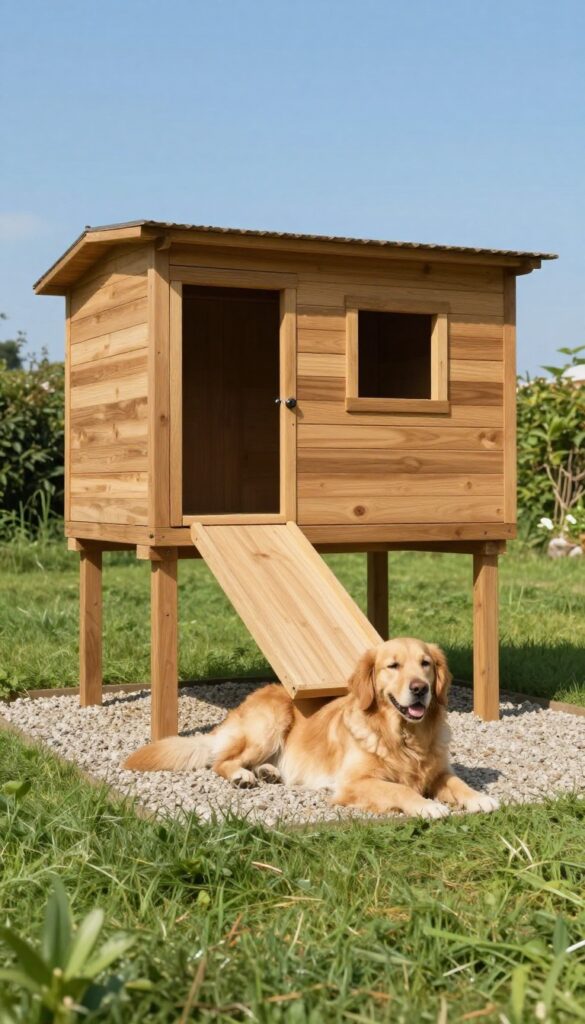
An elevated dog house lifts your pup off the damp ground and lets air circulate underneath. This simple design keeps the interior cooler in summer and drier after rain. Many dog owners appreciate how it reduces moisture buildup and makes cleaning underneath a breeze.
Why It Works
Raising the house prevents direct contact with cold or wet soil, which helps regulate temperature and keeps bedding dry. The open space underneath also discourages pests like ants or fleas from setting up camp.
Best For
This style is ideal for warmer climates or yards that get occasional rain. It works well for dogs who like to lounge outside during the day but need a shady spot to retreat from the heat.
Practical Tip
Place the house on a level area with good drainage, like gravel or patio stones. Add a small ramp or step if your dog is older or has short legs. Use removable bedding that you can wash regularly.
Budget-Friendly Option
You can DIY an elevated base using wooden pallets and weatherproof paint. Just make sure it's sturdy enough to support your dog's weight and has a solid floor above the slats.
2. 2. Insulated Dog House for Year-Round Comfort
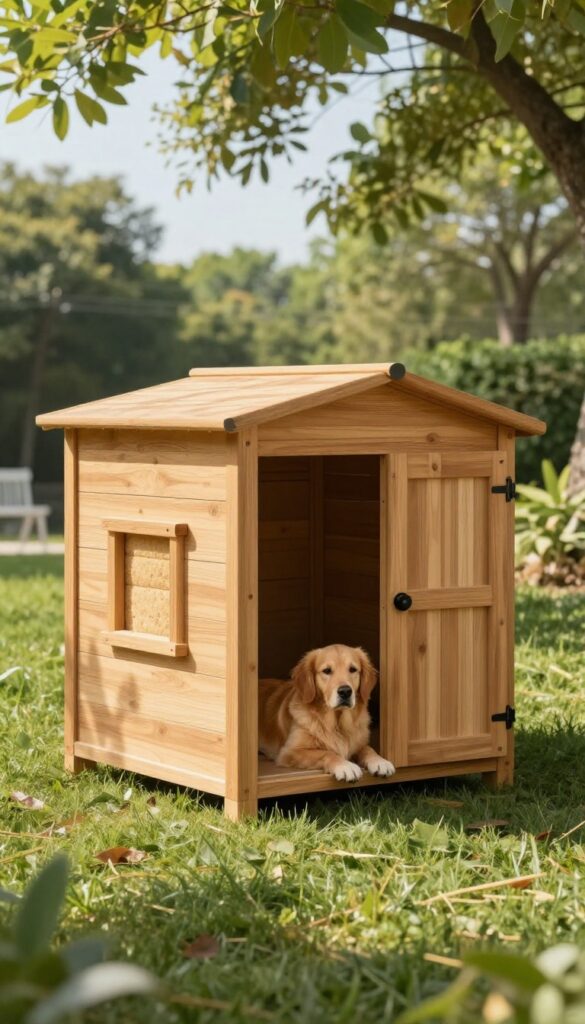
Temperature swings can make a standard dog house uncomfortable, but an insulated version keeps things steady. Foam panels or reflective barriers inside the walls help your dog stay cooler in summer and warmer in winter. It's a simple upgrade that makes the house usable all year long.
Many owners love this option because it reduces the need to bring the house inside during extreme weather. The insulation works passively, so there's no electricity or maintenance involved. Your pup gets a consistent, cozy retreat no matter what the thermometer says.
Why It Works
Insulation slows down heat transfer, so the interior stays closer to your dog's body temperature. In summer, reflective barriers bounce solar heat away, while foam panels trap warmth during cold months. This means less energy loss and a more comfortable space for your dog to rest.
Best For
This is ideal for dogs that spend several hours outside each day, especially breeds with short coats or those sensitive to temperature changes. It also suits owners who live in regions with distinct seasons and want a single outdoor solution that works year-round.
Practical Tip
Place the dog house in a shaded area during summer to reduce heat buildup, and face the door away from prevailing winds in winter. Add a thick, washable cushion inside for extra comfort. Check the insulation every season for moisture or pest damage.
3. 3. DIY Pallet Dog House on a Budget
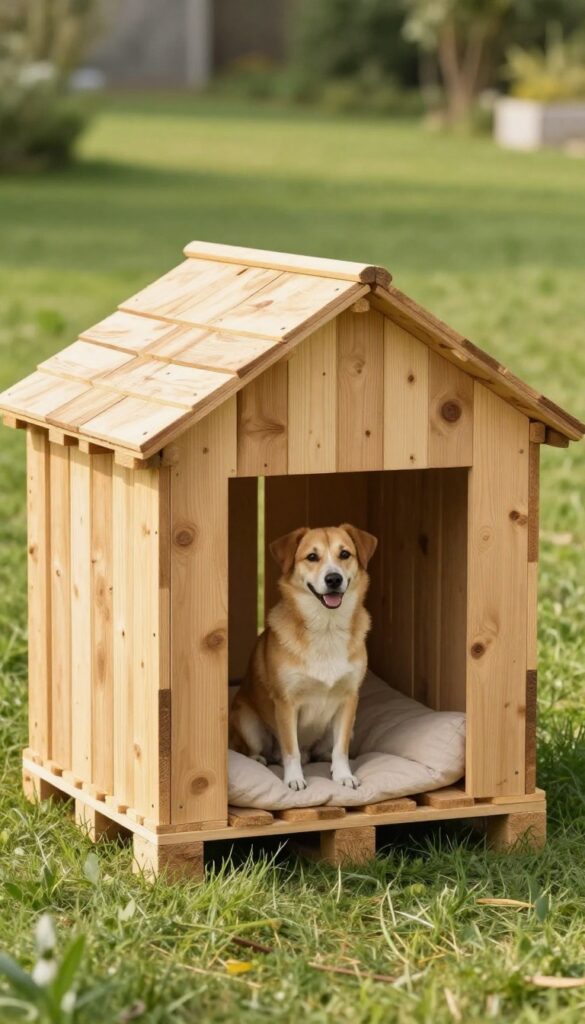
Building a dog house from wooden pallets is one of the most budget-friendly options out there. You can often find free pallets at hardware stores or warehouses, and the rest of the materials are minimal. This project is perfect for a weekend when you want to create something sturdy and personalized for your pup without spending much.
The rustic look fits right into most backyards, especially if you have a natural or farmhouse style. Plus, you're recycling wood that might otherwise go to waste. Just make sure to choose heat-treated pallets (marked with HT) rather than chemically treated ones to keep your dog safe.
A little sanding and some waterproof paint can make it last for years. Add a slanted roof with shingles or a tarp for rain protection, and you've got a cozy shelter that cost next to nothing.
Why It Works
Pallets are strong, easy to work with, and free or cheap. You can customize the size to fit any dog breed, from a Chihuahua to a Great Dane. The open slats also allow for good airflow if you space them slightly apart, which helps in warmer weather.
Best For
This idea is best for handy owners who enjoy DIY projects and want to save money. It works well for medium to large dogs that need a solid house, and it's great for backyards where you don't mind a rustic look.
Practical Tip
Seal the wood with a non-toxic outdoor sealant or paint to protect it from rain and sun. Add a soft cushion or blanket inside, and consider elevating the house on bricks or concrete blocks to keep it off damp ground.
4. 4. Dog House with a Porch for Lounging
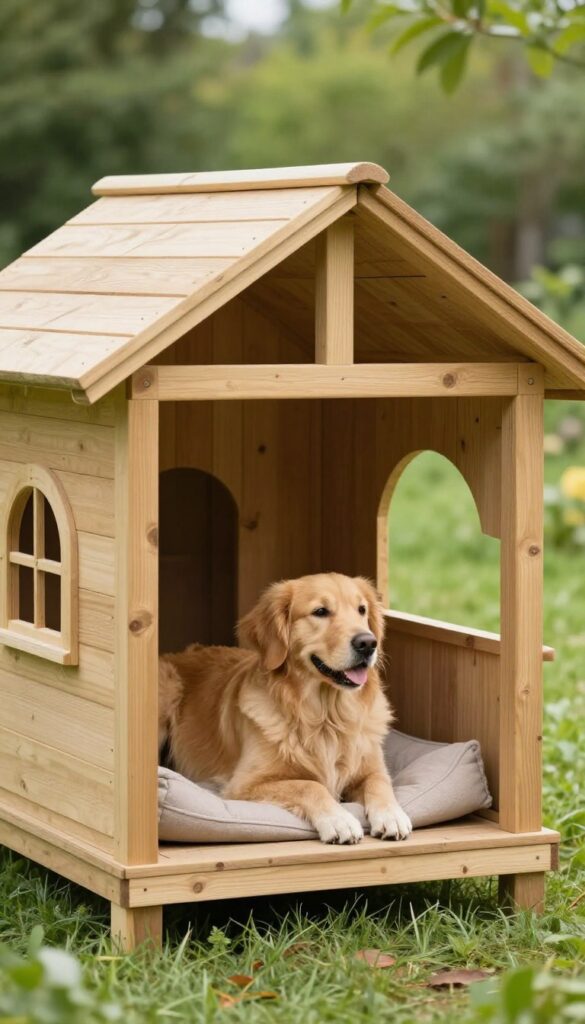
A small covered porch gives your dog a shaded spot to nap or watch the yard. It adds extra living space without taking up much room. This design feels like a mini home for your pup, with a cozy interior and an outdoor lounge area.
Why It Works
Dogs love being outside but often want a place to retreat from direct sun or rain. The porch provides that in-between zone—close to the action but still sheltered. It also encourages your dog to spend more time outdoors, which is great for their mental stimulation.
Best For
This works well for social dogs who like to keep an eye on their surroundings. It's also ideal for yards with limited space, since the porch extends the house's footprint without needing a separate structure.
Practical Tip
Add a soft outdoor dog bed on the porch for extra comfort. Make sure the roof overhang is at least 12 inches deep to keep the porch dry during rain. Use weatherproof materials like cedar or treated pine so the house holds up over time.
Budget-Friendly Option
If you're handy, build your own using plywood and scrap lumber for the porch platform. You can even repurpose an old wooden pallet as the base—just sand it smooth and seal it with pet-safe paint.
5. 5. Portable Dog House for Flexible Placement
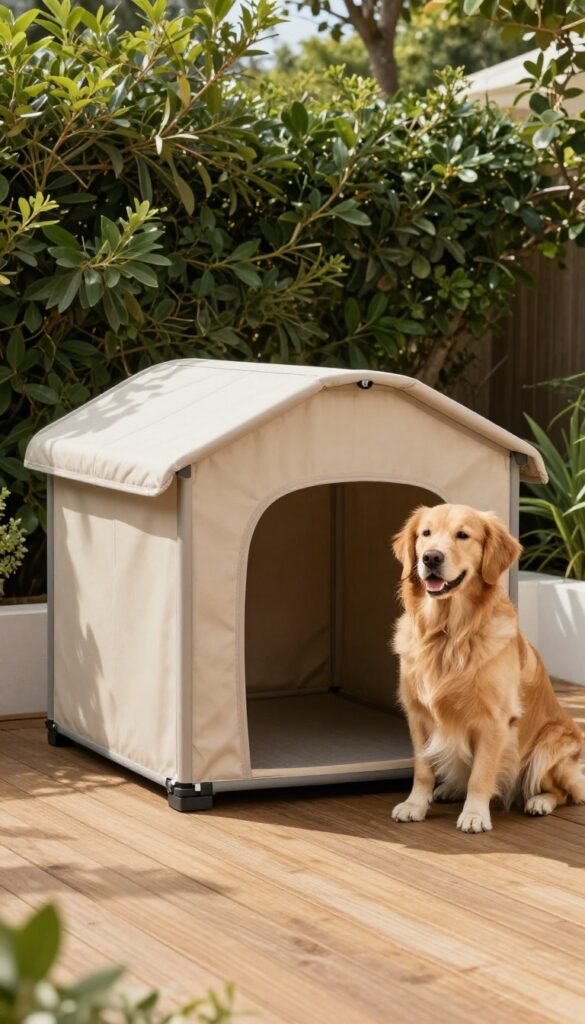
Not every yard has a permanent spot that works year-round. Maybe the sun shifts, or you rent and can't install anything permanent. That's where a portable dog house comes in.
These lightweight shelters let you move your pup's house wherever it's needed most—under a tree for summer shade, against a wall for winter wind protection, or onto the patio for easy access.
Most portable models are made from durable plastic or treated fabric, so they stay weather-resistant without being heavy. They're also simple to clean—just hose them down or wipe them out when things get muddy. For dog owners who like options, this is an easy way to keep your pup comfortable without committing to one location.
People appreciate the no-fuss setup and the ability to adapt as seasons change or as your dog's preferences evolve. It's a practical choice that puts control back in your hands.
Why It Works
Portability means you can respond to weather changes instantly—move the house into shade when it's hot, block wind in winter, or keep it close to the back door during rainy days. The lightweight design also makes it easy to bring along on camping trips or store away when not in use.
Best For
Renters who can't build permanent structures, owners with small yards where sun and shade patterns shift, and anyone who wants flexibility without sacrificing durability.
Practical Tip
Choose a model with a removable roof or door flap for easy cleaning and ventilation. Place it on a patio stone or wooden platform to keep it stable and off wet grass. In windy areas, use stakes or sandbags (if the design allows) to prevent tipping.
6. 6. Dog House with a Built-In Cooling System
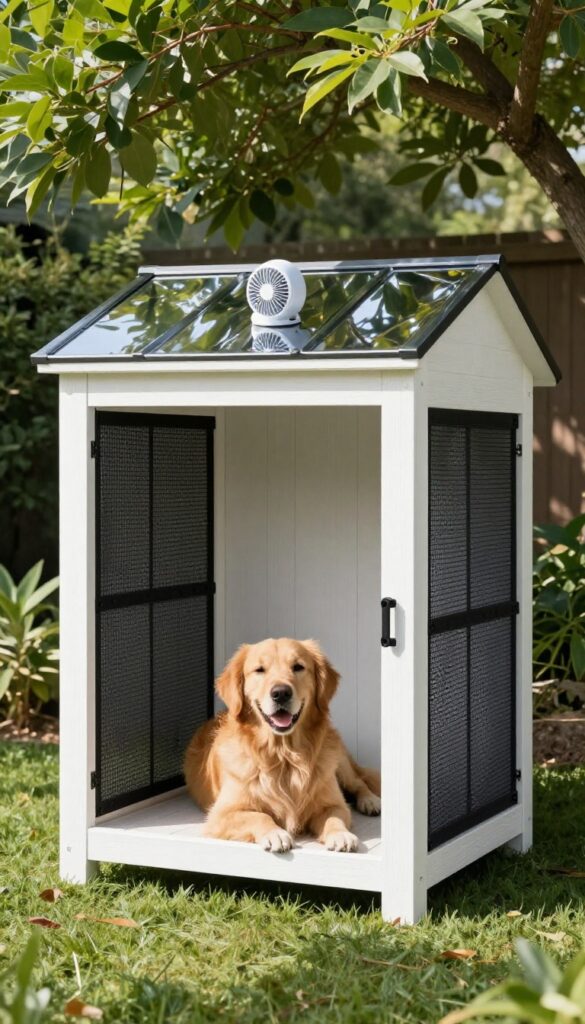
When summer heat hits, a standard dog house can turn into an oven. That's where a cooling system comes in—features like battery-operated fans, reflective roofs, or even evaporative cooling pads help keep the interior comfortable. These setups are a lifesaver for thick-coated breeds or dogs living in hot climates.
Best of all, many options are simple to install and don't require major construction.
Why It Works
Dogs can overheat quickly in enclosed spaces, especially during peak summer months. A built-in cooling system actively lowers the temperature inside the house, making it a safer and more inviting spot for your pup to relax. Fans improve air circulation, while reflective materials deflect sunlight—together, they create a noticeably cooler environment.
Best For
This idea is perfect for owners of double-coated breeds like Huskies, Golden Retrievers, or German Shepherds who struggle in warm weather. It's also ideal for homes in regions with long, hot summers or yards that get full sun exposure for most of the day.
Practical Tip
Position the dog house in a shaded area if possible—under a tree or beside a fence—to reduce the workload on the cooling system. Use a solar-powered fan to keep electricity costs low and avoid extension cords that could be a tripping hazard. Check and clean the fan blades regularly to maintain airflow.
Budget-Friendly Option
For a budget-friendly alternative, try adding self-adhesive reflective window film to the roof and walls of an existing dog house. Pair it with a rechargeable clip-on fan mounted near the entrance—this combination can cut indoor temperatures by several degrees without breaking the bank.
7. 7. Two-Story Dog House for Active Pups
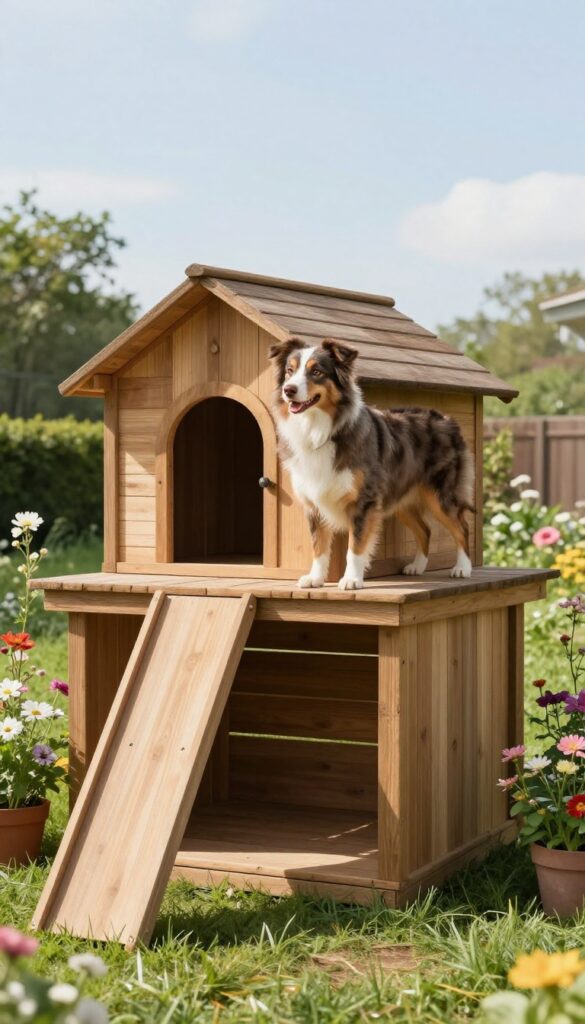
Some dogs love to be up high, watching everything that moves. A two-story dog house gives them a raised platform or loft where they can keep an eye on their kingdom, then retreat downstairs for a nap.
This design works especially well for energetic breeds that need mental stimulation. The lookout spot satisfies their instinct to survey, while the enclosed lower level offers a cozy den. It's like a tiny backyard clubhouse for your pup.
Why It Works
The vertical layout gives your dog two distinct zones: one for observation and one for rest. This separation helps active dogs settle down because they can burn off some curiosity by watching the yard before heading inside. The raised platform also keeps the sleeping area off the damp ground, improving insulation and airflow.
Best For
Energetic breeds like Australian Shepherds, Border Collies, Jack Russell Terriers, or any dog that loves to perch on furniture or follow activity from a window. Also great for homes with fenced yards where dogs spend supervised time outside and enjoy a vantage point.
Practical Tip
Place the dog house near a fence or garden edge so the loft overlooks open space rather than a wall. Add a soft outdoor mat on the platform for comfort, and ensure the ramp or stairs have good traction—use adhesive grip strips if needed. Clean the upper level regularly to prevent dirt buildup.
8. 8. Dog House with a Fenced Run Attachment
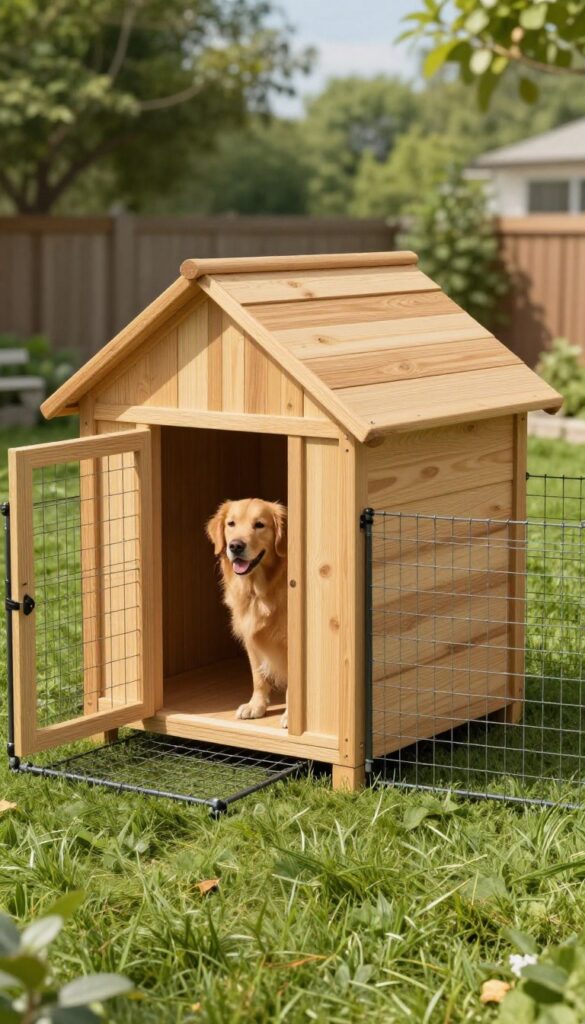
Give your dog the freedom to roam safely with a house that connects directly to a fenced run. This setup combines a cozy shelter with an enclosed outdoor area, letting your pup enjoy fresh air without wandering off. It's a smart solution for dogs that need more space than a standard house provides.
The attached run gives them room to stretch their legs, play, or sunbathe while staying protected. You get peace of mind knowing they're secure, and your dog gets the independence they crave.
This idea works especially well if you don't have a fully fenced yard or want to create a dedicated dog zone away from flower beds and garden areas.
Why It Works
Dogs naturally want to move between resting and exploring. A connected run satisfies that need without constant supervision. The house offers shade and warmth, while the run provides exercise and mental stimulation—all in one contained space.
Best For
Active dogs that love being outdoors but need boundaries, like herding breeds or high-energy retrievers. Also great for owners with unfenced yards or those who want to protect specific areas of their property.
Practical Tip
Use wire mesh or chain link for the run so your dog can see out—it reduces anxiety and boredom. Make sure the run is at least 6 feet long for small dogs and 10+ feet for larger breeds. Add a locking gate for easy access during cleaning.
Budget-Friendly Option
Skip the custom build and buy a prefab dog house kit paired with a modular pet fence panel system. Many hardware stores sell affordable panels that attach directly to the house opening.
9. 9. Weatherproof Dog House with Heavy-Duty Materials
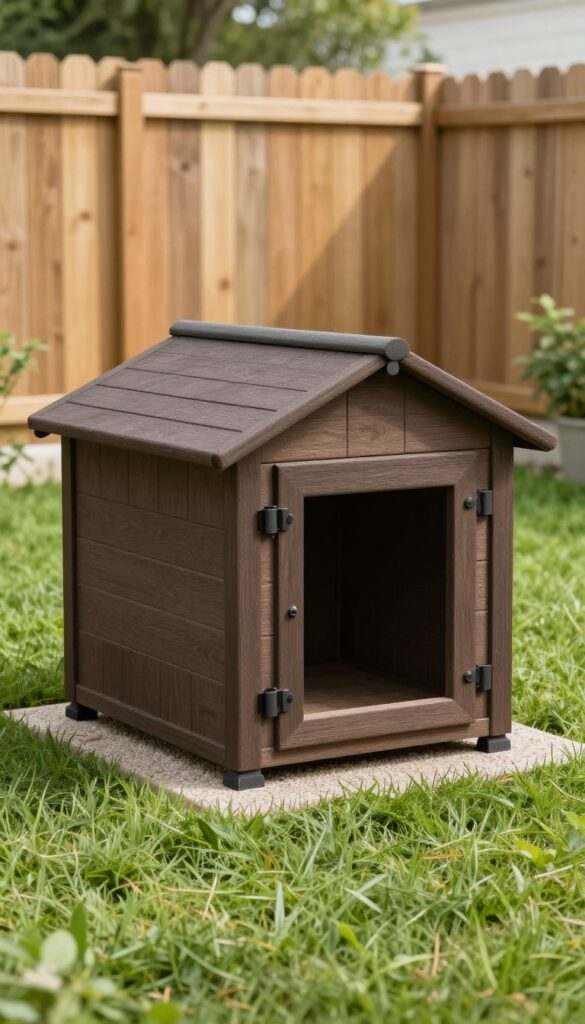
Built from rot-resistant wood or recycled plastic, these houses withstand rain, snow, and sun without warping or fading. They're a favorite for owners who want a set-it-and-forget-it outdoor shelter that stays looking good year after year.
Low maintenance is the big draw here. No sealing or painting needed, just an occasional hose-down to keep it clean. Your dog gets a dry, comfortable spot that holds up against whatever the weather throws at it.
Why It Works
The heavy-duty materials resist moisture, pests, and UV damage so the house doesn't degrade over time. This means less worry about leaks in a storm or splinters from rotting wood. Your dog stays dry and safe, and you don't have to replace the house every couple of seasons.
Best For
Perfect for dogs that live outdoors full-time or spend long hours in the yard. Also great for owners in rainy climates or areas with harsh winters who want a durable shelter without constant upkeep.
Practical Tip
Place it on a slight gravel or paver base to keep the bottom off wet ground and improve drainage. Add a heavy-duty flap door to block drafts while letting your dog come and go freely.
FAQ
What size dog house does my dog need?
Your dog should be able to stand up, turn around, and lie down comfortably. Measure your dog's height and length, then add a few inches for space.
Should I insulate my dog's outdoor house?
Yes, if you live in an area with extreme temperatures. Insulation helps keep the interior cooler in summer and warmer in winter.
Can I leave my dog in an outdoor house overnight?
It depends on the weather and your dog's breed. Always provide fresh water and check that the house is safe and comfortable. Bring your dog inside during severe conditions.
How do I clean an outdoor dog house?
Remove bedding and sweep out debris. Use a pet-safe cleaner to wipe down surfaces. Let it dry completely before adding fresh bedding.
What material is best for a dog house?
Cedar and plastic are popular choices. Cedar resists insects and rot, while plastic is easy to clean and lightweight. Avoid pressure-treated wood that may contain chemicals.
Conclusion
Your dog's outdoor house should be a retreat, not just a shelter. Pick the idea that matches your yard size, climate, and your pup's habits.
A well-placed dog house keeps them comfortable and gives you peace of mind. Start with one upgrade this weekend—your dog will thank you.

I’m Pallab Kishore, the owner of Little Pets Realm — an animal lover and pet care enthusiast sharing easy tips, healthy recipes, and honest advice to help every small pet live a happy, healthy, tail-wagging life.