
If your yard is constantly battered by wind, a standard dog house won't cut it. Your pup needs a shelter that stays put and blocks drafts, not one that rattles or tips over.
These 11 outdoor dog house DIY projects are designed specifically for windy yards, with features like low profiles, anchored bases, and wind-baffled entries. Each build uses practical materials and smart design to keep your dog comfortable and secure, no matter how strong the gusts get.
Whether you're working with salvaged pallets or heavy-duty barrels, there's a project here that will stand up to the weather and give your furry friend a cozy retreat.
1. The Low-Profile Windbreaker
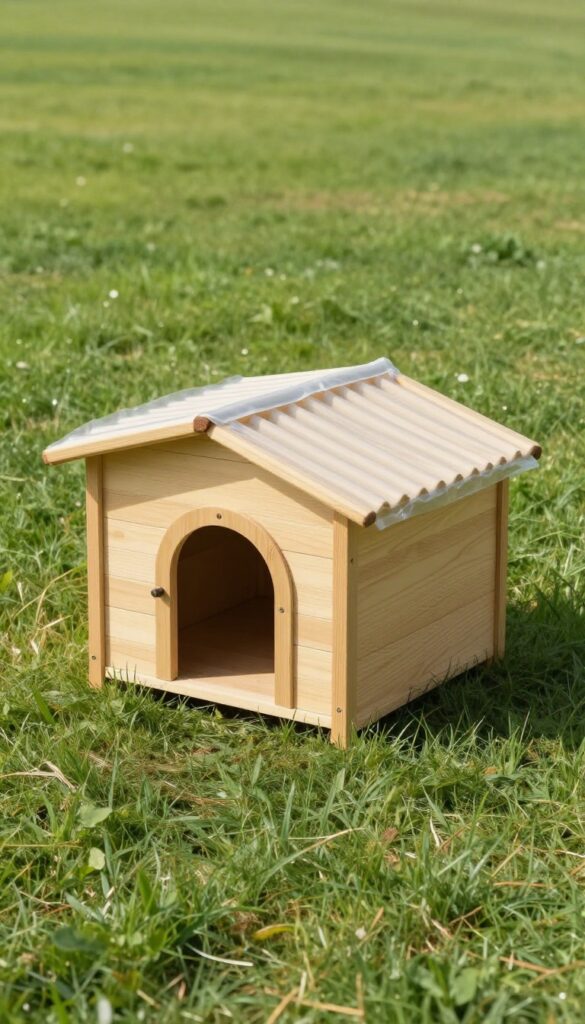
A low-profile dog house sits close to the ground with a gently sloped roof that wind slides right over. This design keeps the interior stable and reduces the rocking or rattling that tall structures suffer in strong gusts. It's a smart, simple solution for yards where wind is a constant challenge.
Why It Works
The low height and sloped roof minimize the surface area that wind can push against. By hugging the ground, the house stays anchored and the interior stays draft-free. The angled roof also sheds rain and debris, keeping the entry dry.
Best For
This design is ideal for small to medium breeds that don't need a tall interior. It works well in open yards or coastal areas where wind is relentless. Dogs that prefer snug, den-like spaces will love the cozy, low-ceiling feel.
Practical Tip
Use pressure-treated plywood for the base and roof to resist moisture. Add a wind flap over the door made from heavy-duty vinyl or a rubber mat. Secure the house to the ground with auger stakes or screw-in ground anchors for extra stability.
Budget-Friendly Option
Instead of plywood, repurpose an old wooden pallet for the base. Use scrap metal or corrugated plastic for the roof. A salvaged welcome mat works perfectly as a wind flap.
2. The Anchored A-Frame
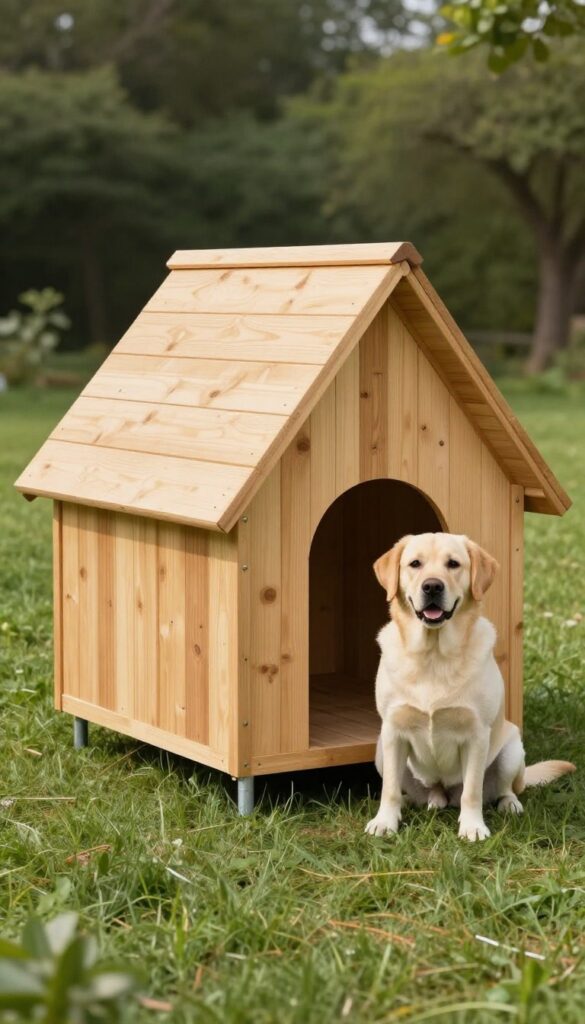
An A-frame dog house cuts through the wind like a boat hull through water. Its steep sides send gusts up and over, while the low entrance keeps drafts out. Dog owners love this design because it's sturdy, simple to build, and looks great in any yard.
Plus, the triangular shape sheds rain and snow easily, making it a year-round option.
Why It Works
The A-frame's angled walls deflect wind instead of catching it, reducing stress on the structure. Adding ground anchors or screw-in stakes at the base prevents tipping even in strong gusts. Heavy-duty materials like pressure-treated plywood or cedar ensure the house stays put and lasts for years.
Best For
This build is ideal for medium to large dogs that need a roomy shelter, like Labs, Shepherds, or Huskies. It's also perfect for yards with open exposure where wind has a clear path, such as coastal or prairie properties.
Practical Tip
Seal all wood edges with exterior-grade caulk before painting or staining to prevent moisture wicking. Use a marine-grade varnish on the exterior for extra weather resistance. Add a removable floor panel for easy cleaning—just lift it out and hose it down.
Budget-Friendly Option
If pressure-treated lumber is out of budget, use exterior-grade plywood with a thick coat of outdoor paint. For anchors, you can hammer rebar stakes into the ground and attach them to the house with metal brackets instead of buying commercial ground anchors.
3. The Insulated Igloo Knockoff
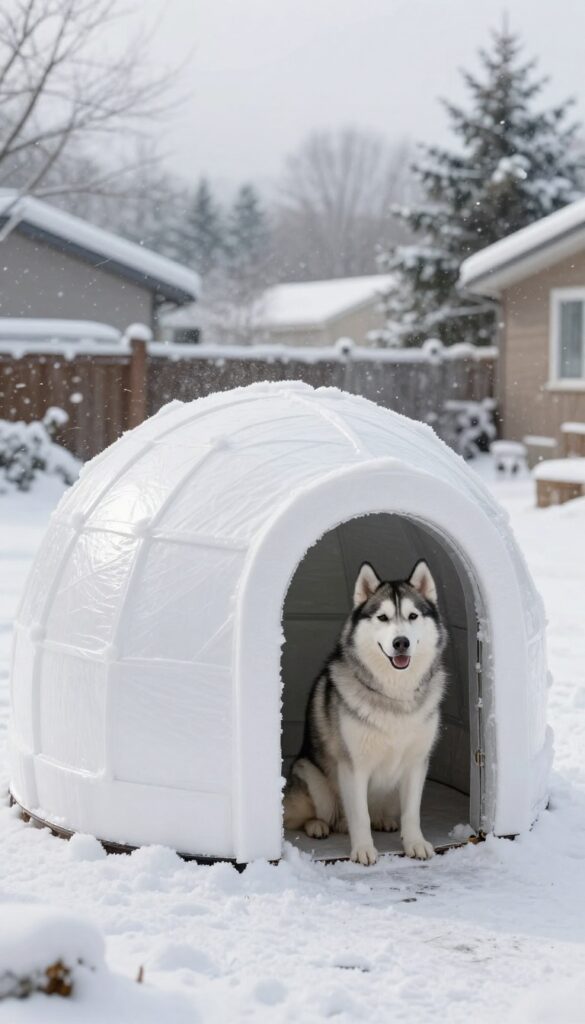
Think of a classic igloo, but built for your pup instead of people. This DIY dog house uses rigid foam insulation boards shaped into a dome, then covered with a weatherproof outer shell like fiberglass resin or heavy-duty tarp material. The rounded form is naturally aerodynamic, so wind just slides around it instead of pushing against flat walls.
Owners love how warm and quiet it stays inside, even when the gusts are howling outside.
Why It Works
The igloo shape is one of the most wind-resistant structures around. Its smooth curve deflects wind from all directions, and the foam core provides excellent insulation. That means your dog stays cozy without extra bedding getting blown around, and the house won't budge even in strong gusts.
Best For
This build is perfect for medium to large dogs who love curling up in a den-like space. It's especially great for windy, cold climates where keeping warmth inside is just as important as blocking drafts. Dogs that tend to be anxious about noise also benefit from the sound-dampening foam walls.
Practical Tip
To keep the foam from getting chewed or scratched, apply a layer of exterior-grade fiberglass or a pet-safe epoxy coating. Make sure the entrance is low and small to reduce wind entry, and add a removable foam floor pad that you can take out for cleaning. Anchor the base with screw-in ground stakes or heavy cinder blocks placed inside.
Budget-Friendly Option
Instead of fiberglass resin, you can use a heavy-duty vinyl tarp stretched tight over the foam dome and secured with outdoor adhesive or staples. This cuts costs significantly and is easier to replace if damaged.
4. The Wind-Baffled Entryway
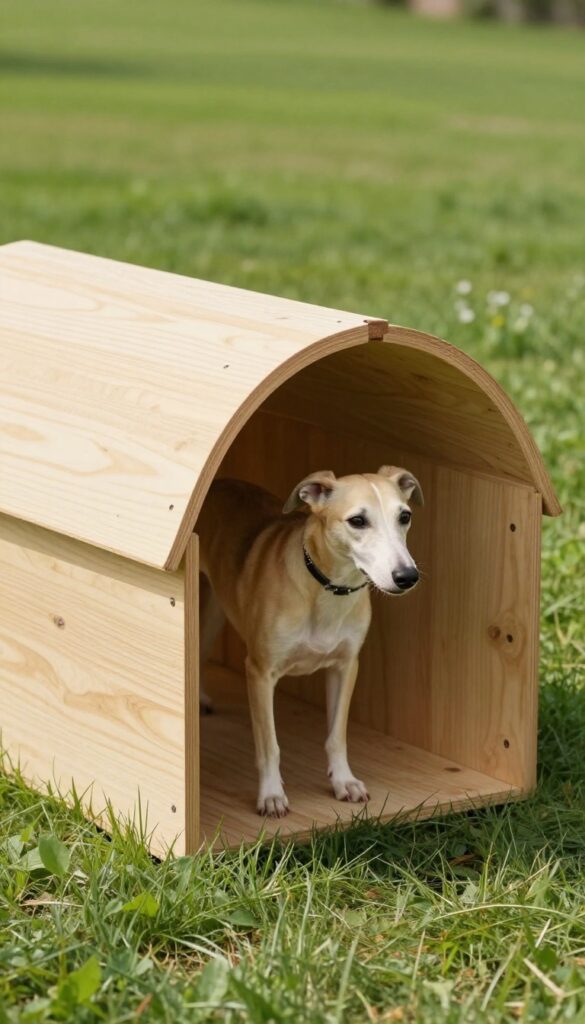
Drafts sneaking into the dog house can make even the sturdiest shelter feel chilly. A wind baffle or small entry tunnel blocks gusts at the door, so the main chamber stays warm and calm. This simple add-on works with nearly any dog house design and is a game-changer for windy yards.
Why It Works
By creating a small vestibule or L-shaped entry, you force wind to change direction before it can reach your dog. This cuts down on airflow inside and keeps bedding dry. It also gives your pup a sheltered spot to peek out without getting blasted by cold air.
Best For
Dogs that love to nap inside but need quick access to the yard. Great for breeds with short coats or thin fur, like Greyhounds or Chihuahuas. Also ideal for yards with strong prevailing winds that blow straight at the dog house door.
Practical Tip
Use exterior-grade plywood or leftover lumber to frame the tunnel. Make the baffle at least 12 inches deep so it stops wind effectively. Paint or seal all wood to resist moisture, and add a small drain hole if water pools in the entryway.
Budget-Friendly Option
Instead of building a full wood tunnel, hang a heavy-duty vinyl strip curtain or a thick flap of rubber matting over the door. Cut the strips a few inches longer than the opening so they overlap and block drafts.
5. The Elevated Deck House
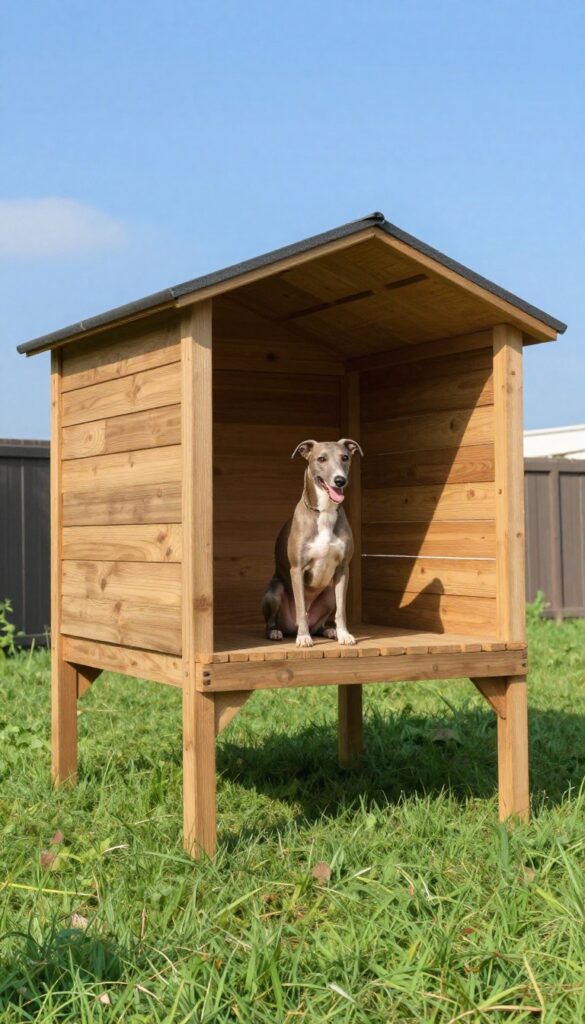
Wind can whip right under a standard dog house, turning it into an icebox in winter and a dust bowl in summer. The Elevated Deck House solves this by raising the shelter on a sturdy platform, so air flows beneath instead of through the interior.
A wrap-around skirting made from weatherproof material blocks gusts from below, keeping your pup dry and cozy. This design also keeps the floor off damp ground, reducing rot and making it easier to clean out bedding.
Dog owners love this build because it combines wind protection with better drainage and airflow. Plus, the raised platform gives your dog a small deck to lounge on when the weather is mild.
Why It Works
Elevation prevents cold ground from seeping into the dog house and stops wind from tunneling underneath. The skirting acts as a windbreak, while the open platform allows air to circulate without creating a draft inside. This keeps the interior temperature more stable year-round.
Best For
This is ideal for yards with persistent crosswinds or damp soil, especially for breeds that feel the cold easily, like Greyhounds, Chihuahuas, or older dogs. It also works well for owners who want a dog house that doubles as a small outdoor perch.
Practical Tip
Use pressure-treated lumber for the platform to resist moisture. Attach removable skirting panels with Velcro or snaps so you can take them off for cleaning or swap them for mesh panels in summer. Add a non-slip mat on the deck portion for traction.
Budget-Friendly Option
Skip the lumber and use a heavy-duty plastic pallet as the base. Cover the sides with corrugated plastic or vinyl skirting from a hardware store. This keeps costs low while still providing elevation and wind protection.
6. The Lean-To Shelter
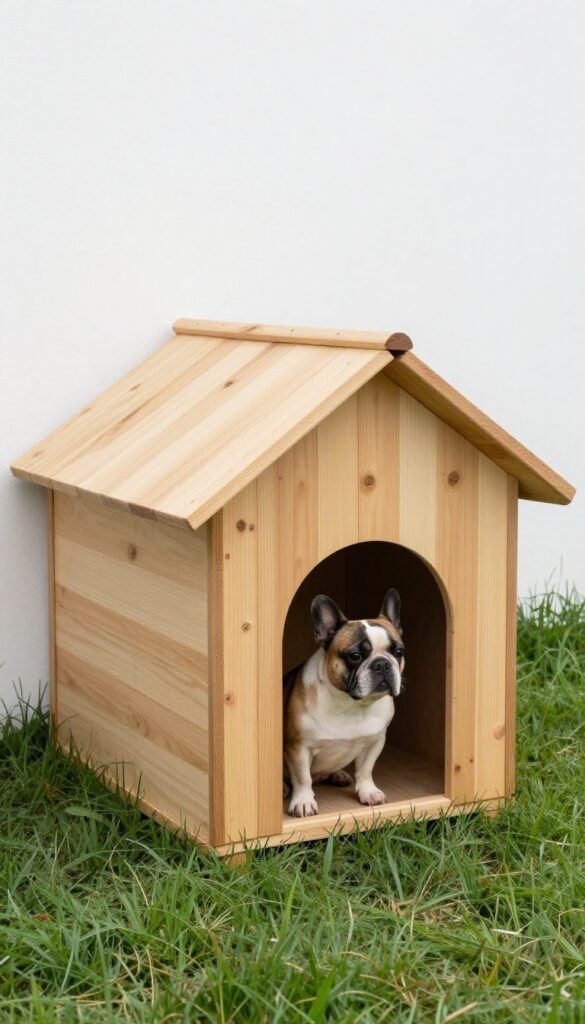
Leaning a dog house against your home or garage wall turns the existing structure into a natural windbreak. This design saves yard space and blocks gusts from at least one side. It's a smart option for narrow side yards or patios where a standalone house would feel cramped.
Why It Works
By attaching the dog house directly to a solid wall, you eliminate the need for a fourth wall and roof panel, which cuts material costs and reduces wind exposure. The wall acts as a massive barrier, stopping drafts from sneaking in from that side. Plus, the lean-to shape sheds rain and snow away from the entrance.
Best For
This project is ideal for small yards, side alleys, or covered patios where space is tight. It works well for single dogs that are calm around the house and don't dig or scratch at walls. Breeds that prefer being close to their humans, like French Bulldogs or Cavalier King Charles Spaniels, will appreciate the cozy, sheltered feel.
Practical Tip
Use pressure-treated lumber for the base and roof to resist moisture from both rain and ground contact. Leave a 1-inch gap between the dog house wall and your home's siding to allow air circulation and prevent moisture buildup. Add a removable roof panel for easy cleaning and seasonal bedding swaps.
Budget-Friendly Option
Instead of buying new plywood, repurpose an old wooden pallet for the roof and side panels. Just make sure the pallet is heat-treated (stamped with HT) rather than chemically treated. Sand down rough edges and seal with a pet-safe outdoor stain to extend its life.
7. The Pallet Windbreak House
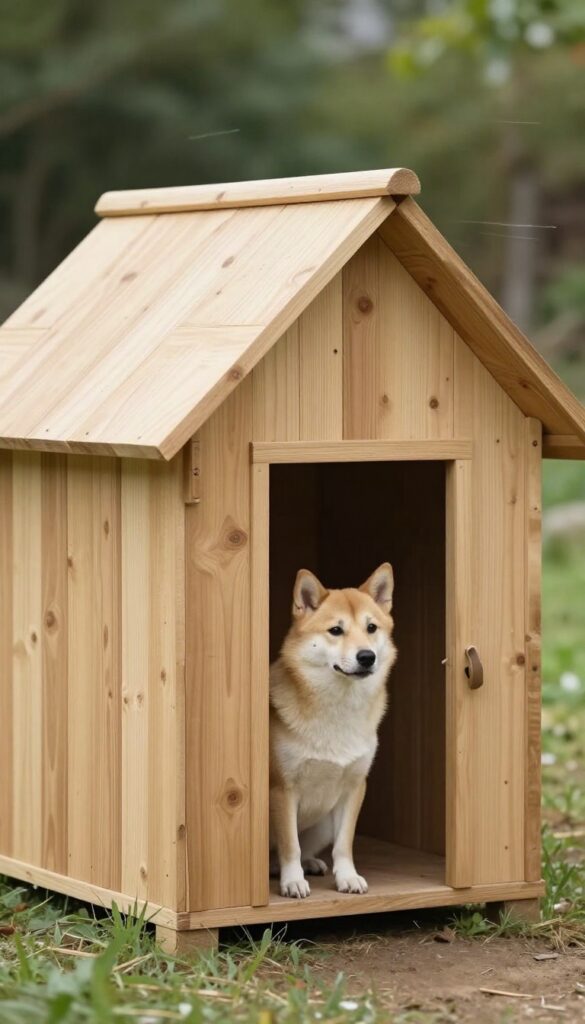
Pallets are everywhere, and for good reason. They're cheap, sturdy, and surprisingly easy to transform into a dog house that handles wind like a champ. By adding side panels that act as windbreaks, you create a cozy, protected spot for your pup without spending much.
This project feels rugged and natural, perfect for yards that see a lot of weather.
Why It Works
The built-in side windbreaks deflect gusts away from the entrance, so your dog can come and go without getting blasted. Pallets also have natural gaps that allow airflow without creating a draft, keeping the interior comfortable. The heavy wood construction adds weight, so the house won't budge even in strong winds.
Best For
This is ideal for DIYers on a budget who want a solid, no-fuss shelter. It's great for medium to large dogs that need a bit more headroom, and it fits well in rustic or farmhouse-style yards. If you have access to free pallets, this project is a win-win.
Practical Tip
Sand down any rough edges or splinters before assembling to protect your dog's paws. Seal the wood with a pet-safe outdoor stain or paint to extend its life. For extra comfort, add a removable cushion or cedar shavings inside for warmth and odor control.
Budget-Friendly Option
If pallets are hard to find, use leftover lumber from other projects or reclaimed wood from old fences. You can also substitute with plywood sheets cut to size, though that will cost a bit more.
8. The Heavy-Duty Plastic Barrel House
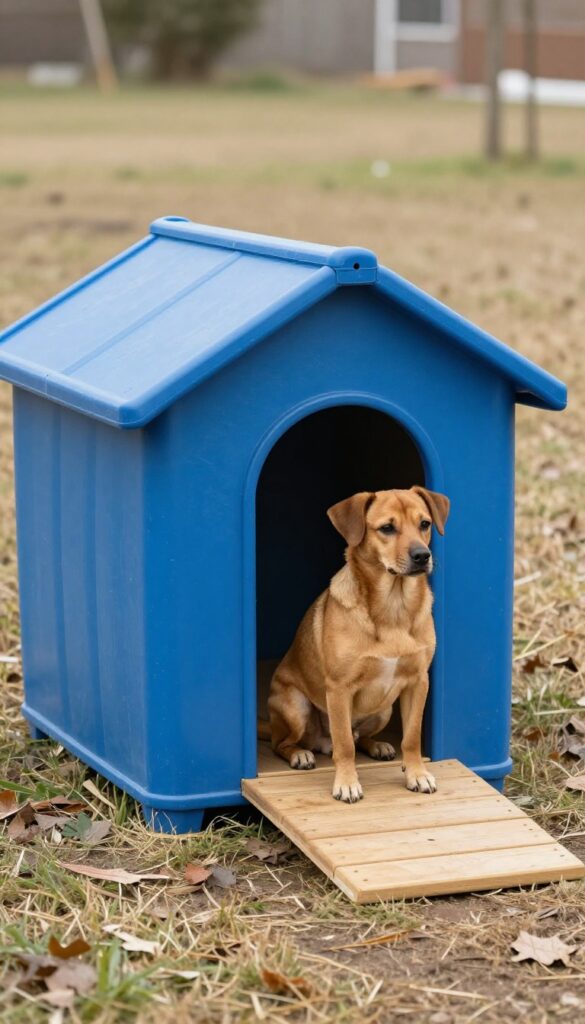
A large plastic barrel, the kind used for storing bulk liquids, can become an incredibly sturdy dog house with a few modifications. Cut a door opening, add some insulation, and you have a round shelter that naturally deflects wind from every angle. Dog owners love this project because it's affordable, durable, and surprisingly easy to clean.
Why It Works
The curved shape of the barrel causes wind to flow around it rather than pushing against a flat wall, reducing stress on the structure. Plastic is also weatherproof and won't rot or splinter like wood. With proper insulation, the interior stays warm in winter and cool in summer.
Best For
This dog house is ideal for medium to large breeds that need a sturdy, low-maintenance shelter. It's especially great for dogs that spend a lot of time outdoors in windy or rainy climates, and for owners who want a project that can be completed in a weekend.
Practical Tip
Use a food-grade barrel to avoid any chemical residues. Cut the door high enough to keep out drafts, and add a flap or wind baffle inside. For insulation, line the interior with rigid foam board and secure it with adhesive.
Paint the outside with a non-toxic exterior paint to match your yard.
Budget-Friendly Option
If you can't find a free barrel, check local farms or Craigslist. Many are sold for under $20. You can also use a heavy-duty plastic trash can as a smaller, budget-friendly alternative.
9. The Stone-Faced Wind Shelter
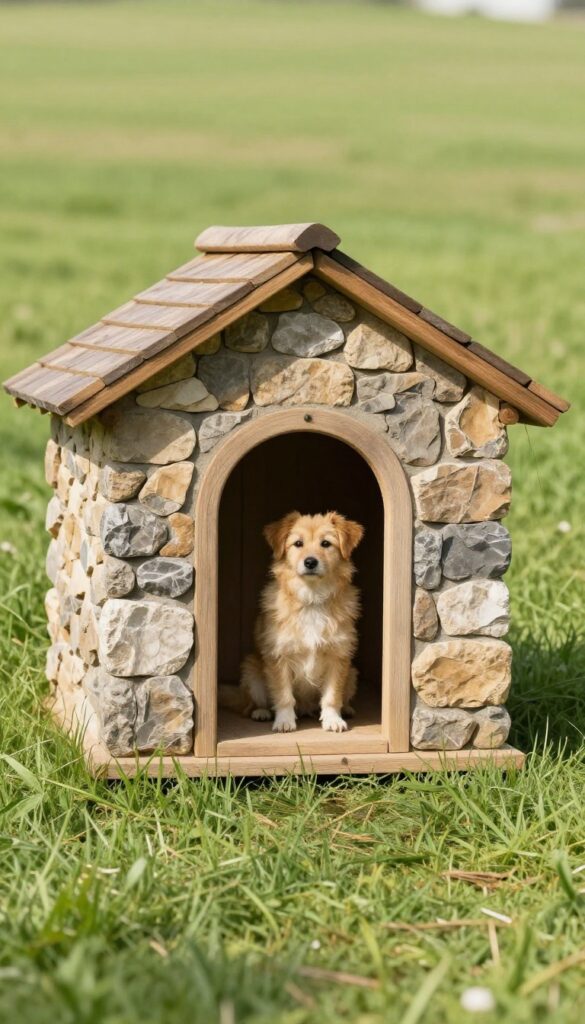
Wind can make a dog house feel like a wind tunnel. A stone or brick facade on the windward side breaks up gusts and keeps the interior calm. It also adds thermal mass, so the house stays cooler in summer and warmer in winter.
Plus, the natural look blends right into your yard.
Why It Works
Stone and brick are heavy and dense. They absorb and store heat, then release it slowly, which helps regulate temperature inside the dog house. The rough surface also disrupts wind flow, preventing drafts from sneaking in through gaps or seams.
Best For
This design is ideal for medium to large dogs that spend a lot of time outdoors, especially in regions with strong prevailing winds. It's also great for owners who want a permanent, low-maintenance shelter that doubles as a landscape feature.
Practical Tip
Use real stone or brick veneer for best results. Apply it to the exterior of a sturdy plywood or OSB dog house, making sure the facade is securely attached. Seal the stone with a weatherproofing spray to prevent moisture damage.
Budget-Friendly Option
If real stone is too pricey, use concrete pavers or flagstone remnants. You can also simulate the look with textured siding panels that mimic stone, which are lighter and easier to install.
10. The Portable Windbreak Box
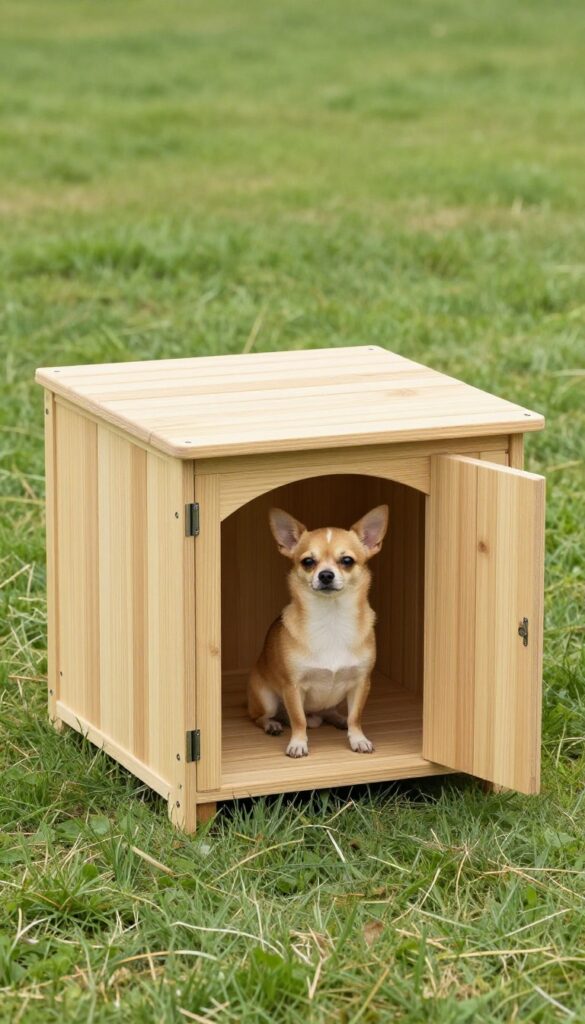
Not every windy yard is a permanent setup, and that is exactly where this design shines. The portable windbreak box is a lightweight dog house that breaks down or folds flat, making it easy to move or store. It uses removable panels that attach with simple hardware, so you can set up a cozy, draft-free spot wherever you go.
This project is all about flexibility. Whether you are camping, renting, or just want the option to rearrange your yard, this house adapts. The windbreak panels slide into channels or attach with clips, letting you add or remove them depending on the weather.
It is a smart, no-fuss solution for dog owners who need shelter that travels.
Why It Works
The key is the removable windbreak panels. They block gusts from all sides without making the house feel stuffy, and since they are lightweight, the whole structure stays stable without heavy anchoring. The design also keeps the interior protected from drafts while still allowing airflow on calmer days.
Best For
This is ideal for active dog owners who camp, travel, or move frequently. It also works great for renters who cannot install permanent structures. Breeds that are sensitive to wind, like Chihuahuas or Greyhounds, will appreciate the flexible protection.
Practical Tip
Use marine-grade plywood or exterior-grade plywood for the panels and frame, and treat all wood with a waterproof sealant. Add rubber feet to the bottom to prevent slipping on grass or decks. For easy storage, label each panel with its position so reassembly is quick.
Budget-Friendly Option
Instead of plywood, you can use corrugated plastic sheets (like coroplast) for the panels—they are cheaper, lighter, and still block wind. Use heavy-duty zip ties or bungee cords to attach them to a basic wooden frame.
11. The Double-Wall Insulated House
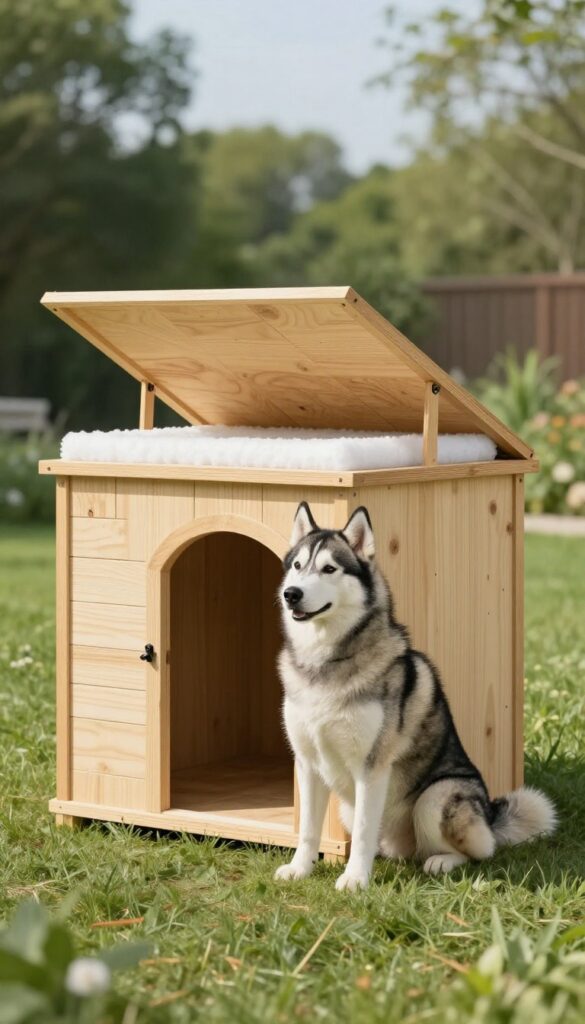
When the wind howls, a single layer of wood just isn't enough. This double-wall design creates an air gap that stops cold drafts in their tracks. Think of it as a thermos for your dog—warm in winter, cool in summer.
Builders love how this method locks out wind without needing fancy materials.
Why It Works
The air gap between the two walls acts as a buffer, preventing wind from penetrating the interior. The rigid foam adds another layer of insulation, so your dog's body heat stays inside. Even in gusty conditions, the interior remains calm and draft-free.
Best For
This house is ideal for medium to large breeds that need extra warmth, like Huskies, Shepherds, or any short-haired dog in cold climates. It's also perfect for yards that face open fields or coastal winds.
Practical Tip
Seal all seams with exterior-grade caulk before painting. Use marine-grade plywood for the outer wall to resist moisture. Add a hinged roof for easy cleaning—your dog will appreciate a fresh, dry interior.
Budget-Friendly Option
Instead of rigid foam boards, use recycled denim insulation or even multiple layers of cardboard sandwiched between the walls. It's not as efficient, but it's nearly free and still cuts wind significantly.
FAQ
What is the best material for a wind-resistant dog house?
Pressure-treated wood or heavy-duty plastic are top choices. They resist rot and warping, and their weight helps keep the house stable in strong winds.
How do I anchor a dog house to the ground?
Use ground anchors or auger-style stakes that screw into the soil. Attach them to the house frame with heavy-duty straps or brackets for a secure hold.
Should I insulate a dog house for windy climates?
Yes, insulation is key. Use foam boards or reflective insulation to keep the interior warm and block drafts. Make sure to seal all gaps and joints.
Can I build a wind-resistant dog house on a budget?
Absolutely. Repurposed pallets, plastic barrels, or scrap wood can be turned into effective wind shelters. Focus on sturdy construction and proper placement.
Where should I place a dog house in a windy yard?
Position it against a fence, wall, or dense shrubbery to create a natural windbreak. Avoid open, exposed areas and face the entrance away from prevailing winds.
Conclusion
Windy yards don't have to mean a chilly, uncomfortable dog house. Focus on sturdy construction, wind-blocking features, and a cozy interior to keep your pup safe and warm.
Pick a design that matches your DIY skills and your dog's needs, then add soft bedding and a windproof door flap. Your furry friend will have a secure, weather-resistant retreat they'll love curling up in.

I’m Pallab Kishore, the owner of Little Pets Realm — an animal lover and pet care enthusiast sharing easy tips, healthy recipes, and honest advice to help every small pet live a happy, healthy, tail-wagging life.