
A good dog treat gift does two jobs at once: it makes the dog lose its mind with joy and makes the owner genuinely grateful. That's the payoff you're after when the holidays roll around and the gift list keeps growing.
The right pick depends on the dog, the budget, and how much effort you want to put in. This list covers 13 solid options, from quick stocking stuffers to homemade batches and long-lasting chews.
Each one comes with a note on who it suits best, so you can grab something and move on with your shopping.
1. Long-Lasting Chews That Keep Pups Busy
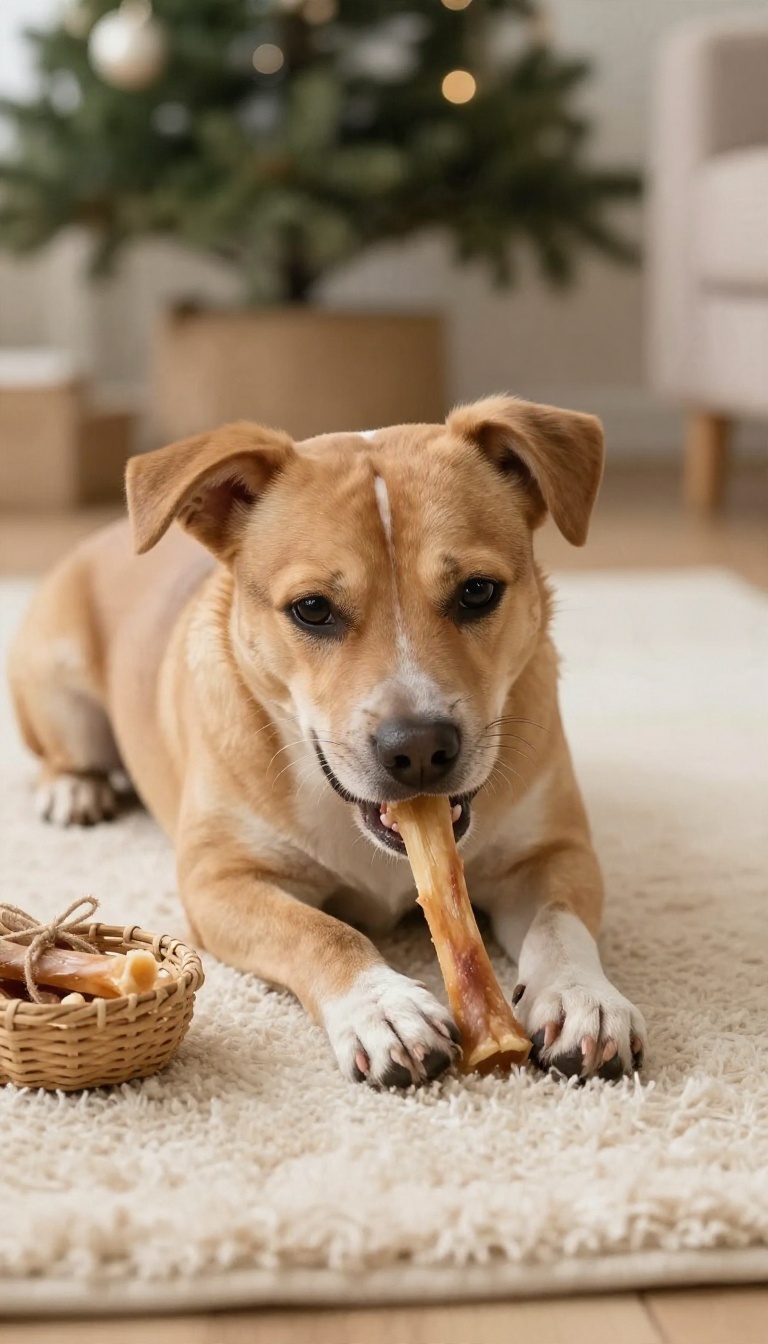
Some dogs destroy a plush toy in under four minutes. For those pups, a chew that actually lasts is the gift that keeps on giving, both for the dog and for the person who no longer has to referee a bored animal all afternoon. Long-lasting chews pull double duty as a holiday present.
They give dogs hours of quiet, satisfying work, and they hand busy owners a reliable way to keep teeth busy and furniture safe. Here's what to look for, plus a few standouts worth wrapping up.
Chews land in a sweet spot that few treats hit. They count as a gift, they count as entertainment, and they count as something the owner would have bought anyway. That combination makes them an easy win when you're shopping for a dog you don't know well.
The key is matching the chew to the chewer. A heavy-duty antler alternative is wasted on a tiny senior dog, and a soft collagen stick disappears in minutes with a determined power chewer.
Why Chews Beat Ordinary Treats
A biscuit lasts about eight seconds. A good chew lasts an hour, sometimes several. That gap is the whole reason chews make such a practical gift.
They also scratch a real behavioral itch. Chewing calms dogs, helps with teething, and gives a restless pup a job to do. Owners notice the difference fast, especially on rainy days or during holiday chaos when the house is full of people.
And unlike a squeaky toy that gets shredded by New Year's, a durable chew keeps earning its keep for weeks.
Bully Sticks And Collagen Sticks
Bully sticks are the classic choice for a reason. They're fully digestible, dogs love them, and a thick one can keep a moderate chewer busy for a solid stretch. Collagen sticks are the friendlier cousin.
They're softer than a traditional bully stick, easier on sensitive stomachs, and they come in sizes that suit small dogs and puppies. They don't last quite as long, but they're a smart pick for older dogs or first-time chewers. Look for single-ingredient options with no added junk.
A simple ingredient list is a good sign, and it makes the gift easier to explain to a cautious owner.
Antler Alternatives Worth Trying
Real antlers last forever, which is both the appeal and the problem. They're rock hard, and some vets worry about cracked teeth in aggressive chewers. Antler alternatives solve that.
Look for split or softened versions, or chews made from nylon and rubber blends designed to give just enough. They hold up to serious chomping without the dental risk. These make a great gift for the owner of a big, bored dog.
Pair one with a note about supervised chewing, and you've covered the practical side without overstepping.
Sizing And Safety Basics
Match the chew to the dog's size and chewing style. Too small and it's a choking hazard, too big and the dog loses interest. Always mention supervision.
Even the toughest chew isn't a babysitter, and owners appreciate the heads-up. Swap out any chew that gets small enough to swallow whole. A quick note on the tag or gift card goes a long way.
It shows you thought about the dog, not just the checkout line.
2. Freeze-Dried Single-Ingredient Treats
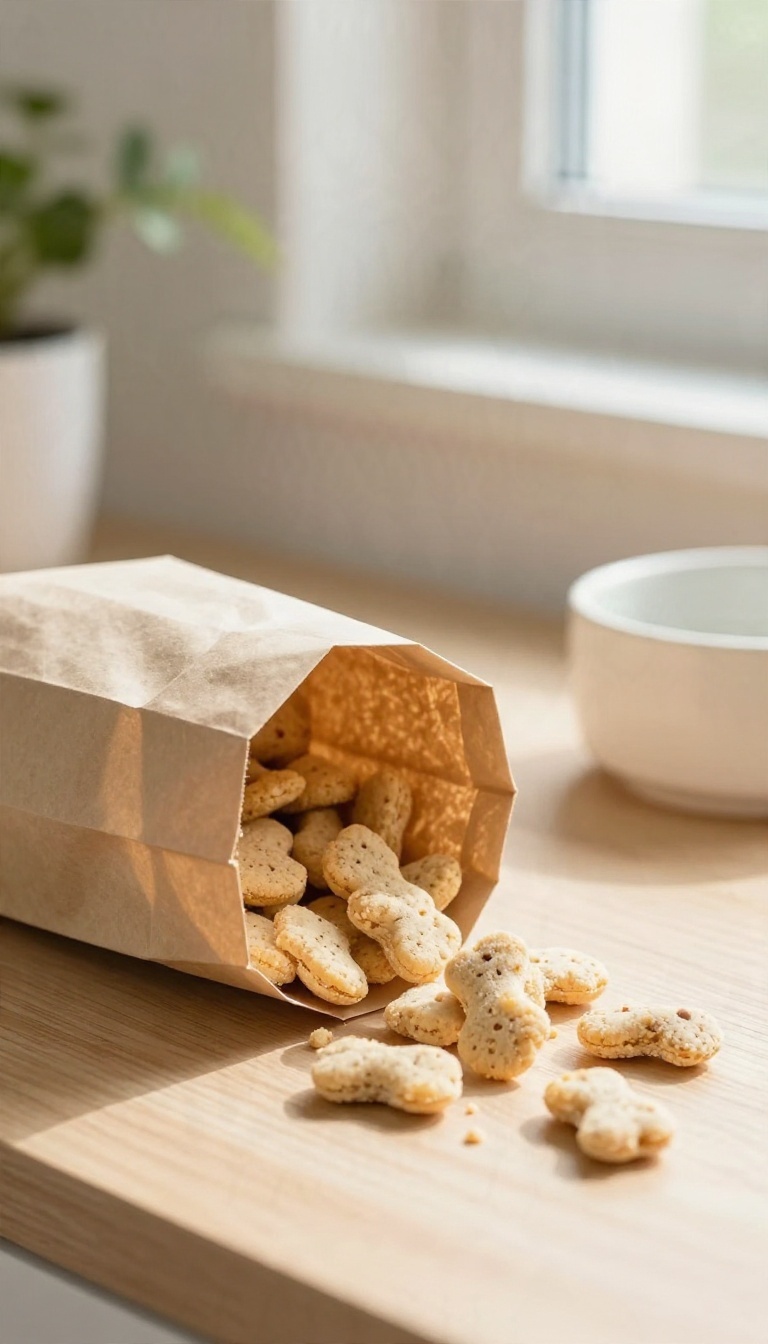
Freeze-dried single-ingredient treats are about as simple as it gets: one protein, nothing else. A bag of freeze-dried liver or salmon delivers a big flavor punch without a long ingredient list to decode. That combo makes them a smart gift for the picky eater, the sensitive stomach, or the owner who reads every label before buying anything for their dog.
The freeze-drying process pulls moisture out while locking in the smell and taste dogs go wild for. It also means these treats stay shelf-stable without a pile of preservatives, so you can toss a bag in a gift basket and not worry about it going bad. For a holiday gift, that low-maintenance angle is a real selling point.
Why Picky Eaters Usually Say Yes
Some dogs turn their nose up at anything that looks like a standard biscuit. Freeze-dried meat treats tend to break through that wall because the aroma is intense and the texture is light and crumbly. Liver and salmon are the two crowd-pleasers here, and most dogs that ignore other treats will still sit pretty for a piece of either one.
They also work as a high-value reward for training or for coaxing a nervous dog through a vet visit. If you're gifting to someone whose dog is famously fussy, this is the low-risk pick that tends to land.
A Gentle Option For Sensitive Stomachs
Dogs with sensitive digestion often react to treats loaded with fillers, grains, or artificial additives. A single-ingredient freeze-dried treat strips that down to one thing, which makes it easier to figure out what works and what doesn't. Owners dealing with an itchy or gassy dog usually appreciate anything that keeps the ingredient list short.
That said, rich organ meats like liver are potent, so it's worth suggesting small portions at first. A little goes a long way, and the bag lasts longer than you'd expect.
What Cautious Owners Actually Want
For the owner who reads every label, a treat with one ingredient and nothing to hide is an easy yes. Freeze-dried options from reputable brands list their sourcing clearly, and that transparency matters more than flashy packaging. Pair a bag with a simple note about where the protein comes from and you've got a gift that feels thoughtful rather than random.
It also travels well. Toss a bag in a stocking or a travel kit and it holds up without refrigeration, which makes it a practical add-on to any holiday gift.
3. A Holiday-Themed Cookie Tin
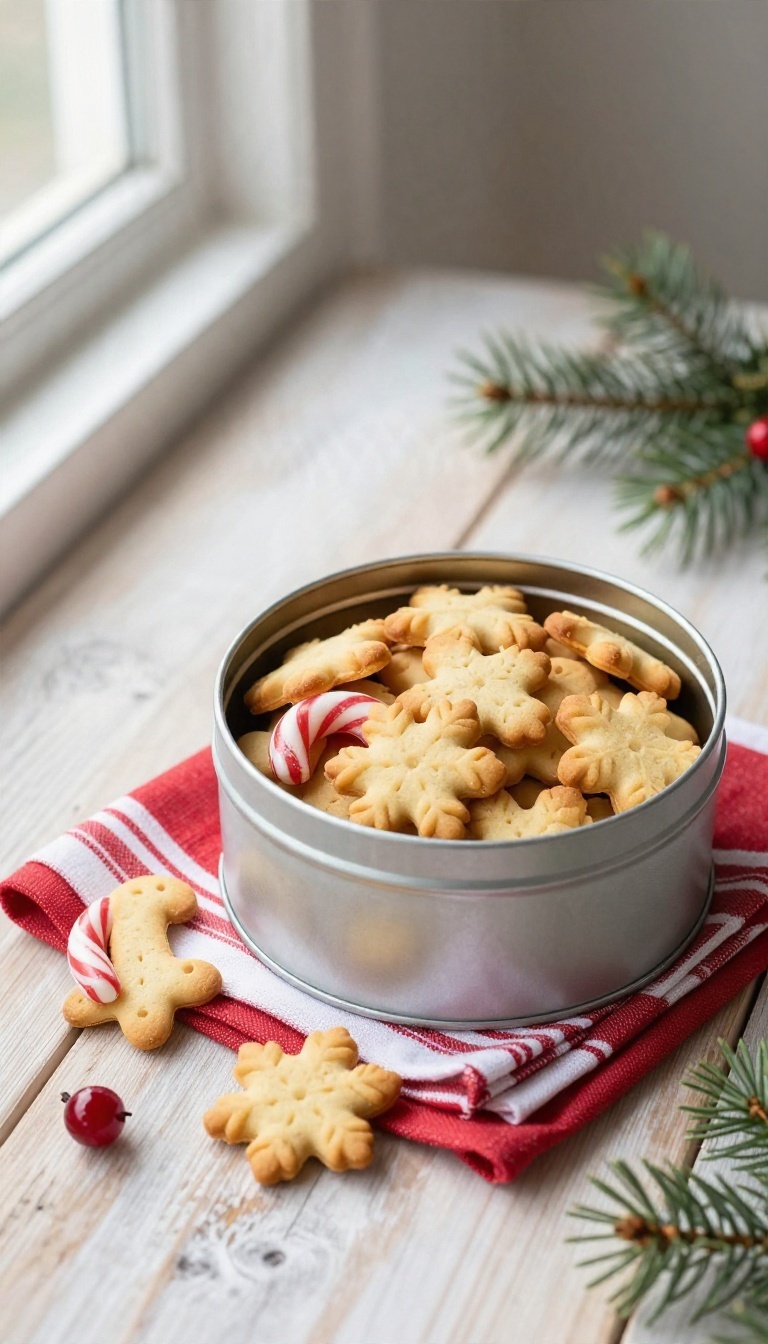
A tin of dog biscuits shaped like snowflakes and candy canes feels like a present before anyone even opens it. The container does half the work, which makes this one of the easiest wins on your list. It suits neighbors, coworkers, and those casual dog-loving friends you want to acknowledge without overthinking it.
Festive-shaped biscuits in a reusable tin hit a sweet spot between thoughtful and practical. You're not just handing over a bag of treats; you're giving something that looks put-together and has a second life as storage. That matters when you're buying for people you like but don't know intimately.
The biscuits themselves don't need to be fancy. A simple peanut butter or pumpkin recipe cut into holiday shapes works fine, and most dogs won't inspect the edges. What sells the gift is the presentation and the fact that the treats are clearly for the dog, not a generic human cookie tin in disguise.
Why The Tin Does The Heavy Lifting
A reusable tin signals effort without requiring much. It keeps the biscuits from crumbling in a gift bag and gives the recipient something to keep or repurpose. For neighbors and coworkers, that small upgrade makes the gift feel considered rather than last-minute.
Who It Works Best For
This one shines for people you see regularly but don't exchange big gifts with: the neighbor with the golden retriever, the coworker who brings their dog to the office, the friend whose pup is always at the door. It's also a safe bet when you know the dog but not the owner's treat preferences, since you can keep the recipe simple and universal.
Keeping It Simple And Safe
Stick to dog-safe ingredients and skip anything with chocolate, raisins, or xylitol. If you're buying instead of baking, choose a reputable brand and transfer the biscuits into the tin with a small note about ingredients. A quick label with the dog's name and the treat type adds a personal touch without much work.
4. Soft Training Treats in a Gift Bundle
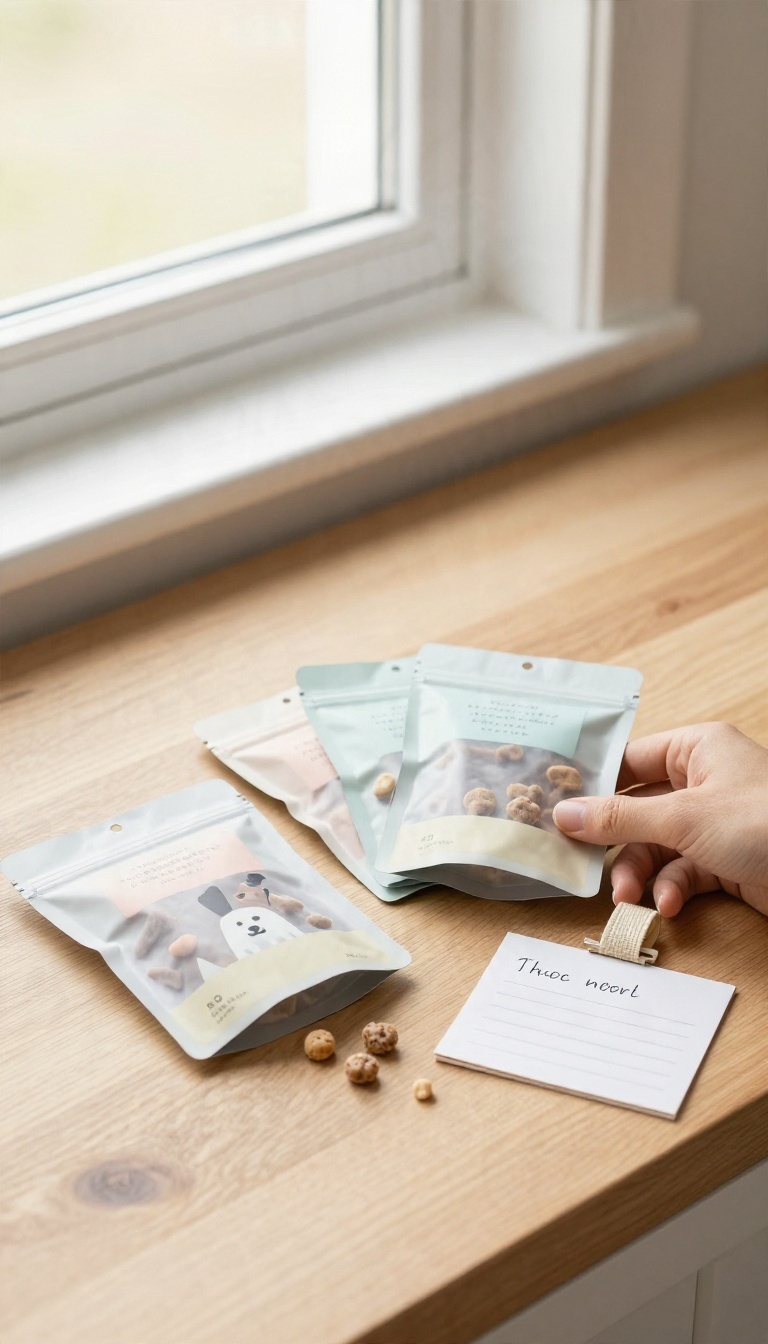
Puppy training runs on tiny, stinky rewards. Soft treats that break into pea-sized pieces keep lessons moving without overfeeding, and a bundle of them makes a practical gift for anyone raising a new dog. Pair a few pouches with a treat bag and you've got a present that gets used every single day.
New puppy owners burn through treats fast. Between potty training, basic cues, and socialization outings, a single pouch can vanish in a week. A bundle solves that problem before it starts, and it shows you thought about the messy reality of life with a puppy rather than just grabbing the first cute box on the shelf.
Why Soft And Smelly Wins
Training treats need to be high-value, and soft, smelly options beat crunchy biscuits almost every time. They're easy to chew quickly, so the dog doesn't lose focus mid-reward, and the strong scent grabs attention in distracting places like the park or a busy sidewalk. Small pieces also mean you can reward often without blowing the calorie budget.
What To Put In The Bundle
Pick two or three different proteins so the puppy doesn't get bored, and look for pouches that are resealable. A small treat bag that clips to your waist or pocket rounds out the gift nicely. Toss in a short note with a few training tips, and you've turned a simple bundle into something personal and useful.
Who It Suits Best
This one lands well for first-time puppy owners, foster families, or anyone who just brought home a rescue. It's also a smart pick for the person who already has every toy and gadget. Skip it for senior dogs on strict diets or households with food allergies, unless you know the treat ingredients work for them.
5. Dental Chews for Cleaner Teeth
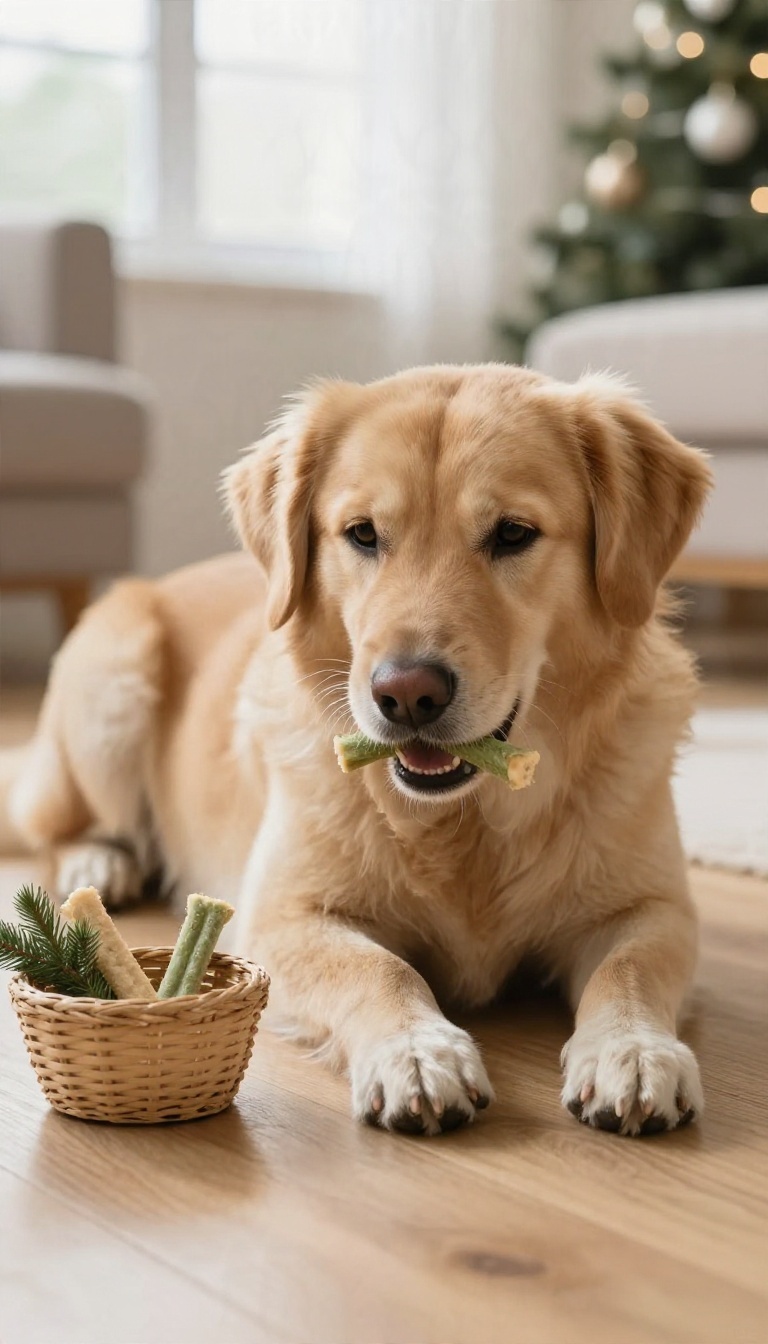
Dental chews rarely get the squeal of excitement that a squeaky toy earns, but they might be the most appreciated gift on this list. They do real work. A dog gnaws for a few minutes, scrubs away some plaque, and the owner gets a small break from worrying about dog breath and costly cleanings.
That makes them a smart pick for the practical gift-giver. You're not just handing over a snack, you're handing over a tiny hygiene habit that fits into the daily routine. Bonus: most dogs treat them like a special event anyway.
The trick is picking a chew that actually helps rather than one that just tastes good and disappears in seconds. A little label reading goes a long way here, and it takes less time than picking out a card.
Look For The Vohc Seal
The Veterinary Oral Health Council reviews dental products and stamps the ones that meet its standards for reducing plaque and tartar. That seal on the package is your shortcut to knowing the chew does what it claims. Plenty of treats call themselves "dental" without any backing.
The VOHC seal separates the proven ones from the marketing. If you spot it, you can hand the bag over with confidence.
Match The Chew To The Dog
Size matters more than most people think. A chew that's too small becomes a choking risk, and one that's too big just gets ignored or half-eaten. Check the weight range on the package and aim for the middle of it.
Also think about the dog's chewing style. Aggressive chewers plow through soft chews in seconds, so a firmer texture lasts longer and cleans better. Older dogs or small breeds often do better with something softer on the jaws.
Skip The Hard Stuff
Really hard chews like antlers, hooves, and bones can crack teeth, and a cracked tooth means a vet bill that dwarfs the price of any gift. Dental chews made for the job are designed to flex and scrub instead of shatter. If you're unsure, ask the owner what their vet recommends.
Most are happy to share, and it saves you from guessing.
6. Homemade Treat Jar With a Recipe Card
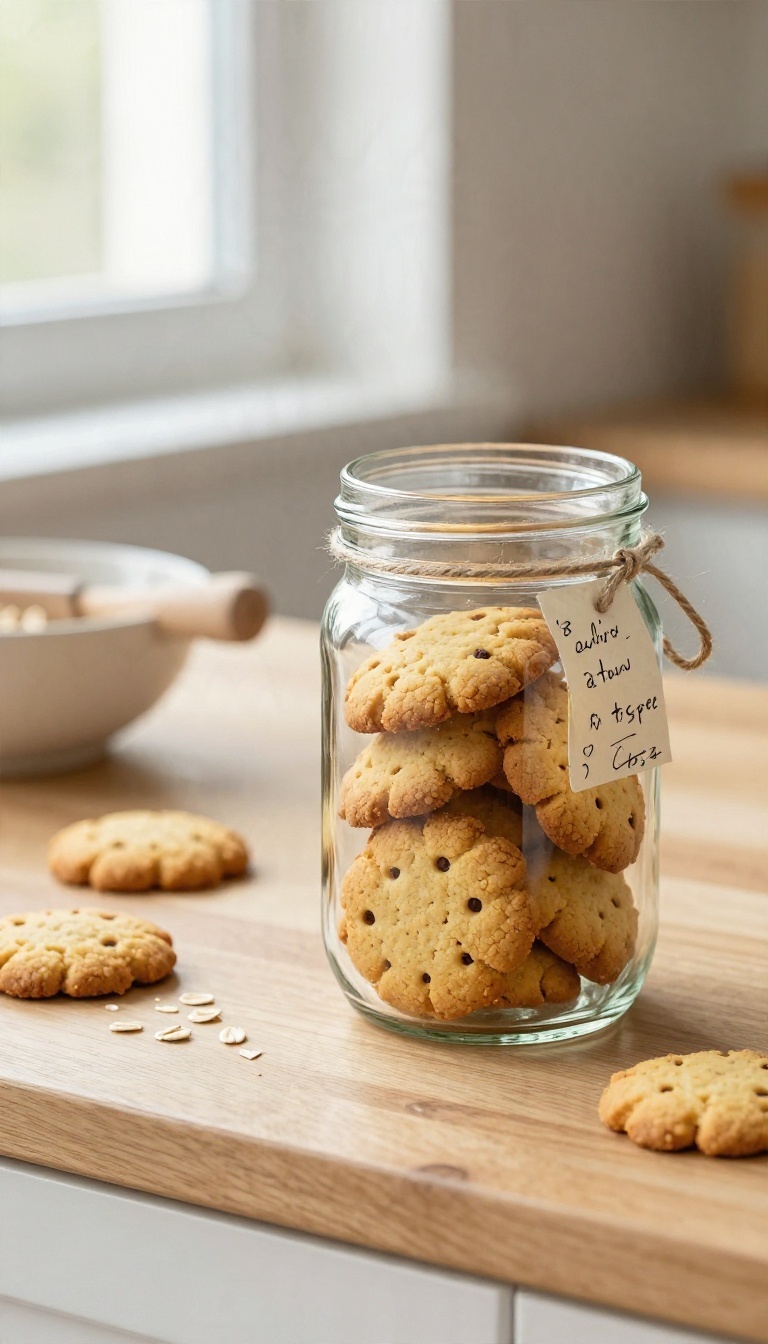
A jar of homemade dog cookies with a recipe card tied to the lid says something a store-bought bag can't: you actually made this. It's the kind of gift that lands well with dog owners because it's personal, useful, and doesn't come with a big price tag. A batch of simple cookies costs a few dollars in ingredients, and the jar does most of the presentation work for you.
The whole thing comes together in an afternoon, and you don't need special equipment beyond a mixing bowl, a rolling pin, and a baking sheet. Pick a simple recipe, bake a batch, let the cookies cool completely, then pack them into a clean jar. Tie on a handwritten recipe card so the owner can make them again, and you've got a gift that keeps giving long after the holidays.
What makes this idea work is the personal touch without the pressure. Nobody expects professional-level baking here. A slightly uneven batch of dog cookies in a nice jar still reads as thoughtful, and the recipe card turns it into something the owner can actually use.
Keep The Recipe Simple
Go for a basic dog cookie recipe with a short ingredient list: whole wheat flour, oats, an egg, and something like peanut butter or pumpkin puree. Skip anything with chocolate, raisins, xylitol, onions, or macadamia nuts, since those are all bad news for dogs. A three- or four-ingredient recipe is easier to bake, easier to write on a card, and easier for the recipient to trust.
Stick to ingredients you'd feel fine eating yourself, and you're on the right track.
Pack It So It Looks Like A Gift
Use a clean glass jar with a tight lid, or a mason jar if you have one on hand. Layer the cookies neatly, tuck a small piece of parchment or tissue on top, and tie a ribbon or twine around the neck of the jar. The recipe card can hang from the ribbon with a small hole punched in the corner.
Write it by hand if your handwriting is decent, or print it on a card and keep it short: ingredients on one side, quick steps on the other.
Make It Personal Without Much Effort
Add the dog's name to the jar label or the recipe card, and note whether the cookies are crunchy or soft. A quick line like "Made for Biscuit, hope he approves" goes a long way. If you're gifting to several dogs, bake one big batch and split it across smaller jars.
Same effort, more gifts, and everyone gets the same homemade touch.
7. A Treat Subscription Box
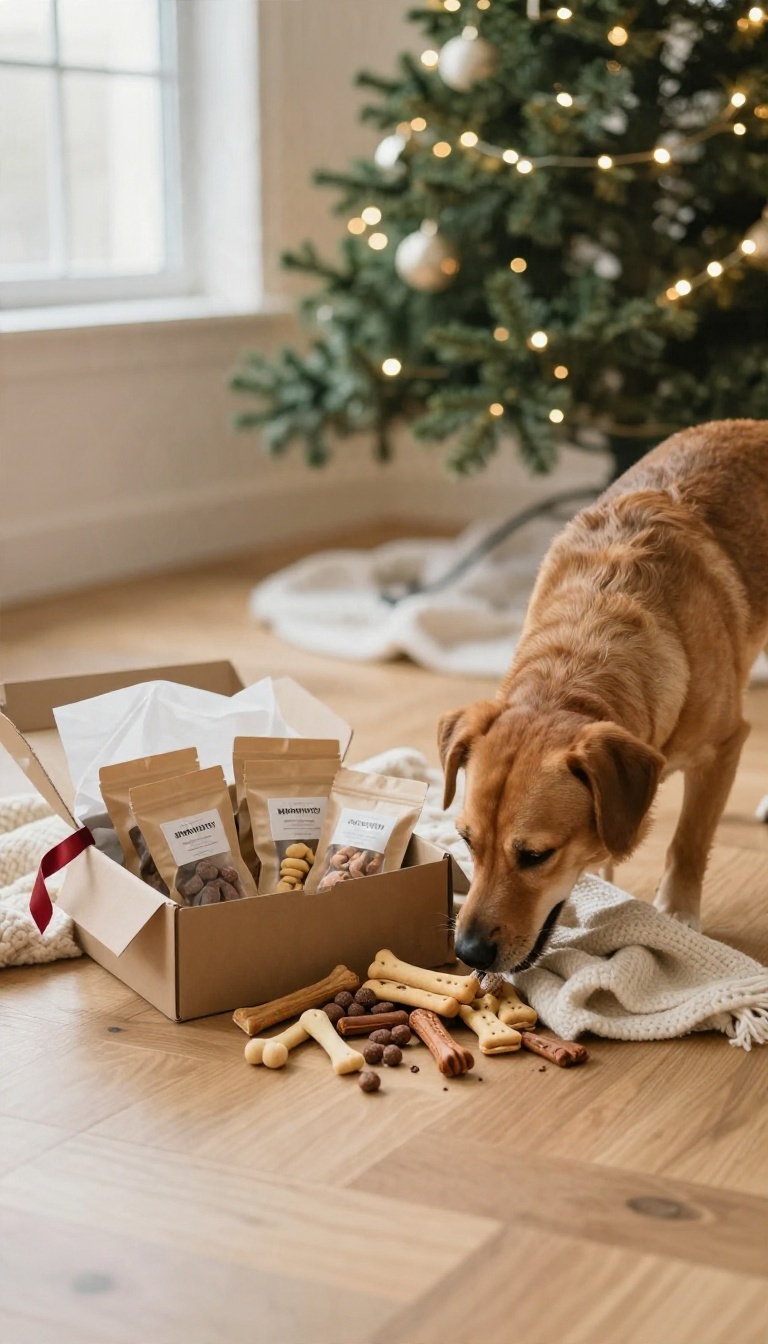
A treat subscription box turns one gift into a year of tail wags. Every month, a new package shows up with treats the dog hasn't tried yet, which keeps the excitement fresh long after the holidays. It's a smart pick for the person who already has enough toys and the dog who lives for snack time.
The best subscription boxes let you customize for size and allergies, so you're not stuck with a year of tiny biscuits for a Great Dane or chicken treats for a sensitive pup. Most services ask for your dog's weight and any ingredient restrictions when you sign up, and some even let you pause or skip a month if treats pile up. Look for boxes that offer a mix of textures—soft chews, crunchy biscuits, and maybe a chew stick—so the dog gets variety, not just the same thing in different shapes.
And check whether shipping is included; a low monthly price can sneak up once you add delivery.
Match The Box To The Dog
Size matters more than you'd think. A box built for a Chihuahua will feel like a tease to a Labrador, and a big-dog box can overwhelm a small pup. Many services offer small, medium, and large plans, so pick the one that fits the dog's weight range.
If you're gifting to someone else's dog, ask the owner for a quick weight check—or go with a box that lets the recipient set the size after they redeem the gift.
Handle Allergies Up Front
Food sensitivities are common, so don't gloss over them. Look for boxes that let you exclude proteins like chicken or beef, or that focus on limited-ingredient treats. Some services specialize in hypoallergenic options, which is a lifesaver for dogs with itchy skin or upset stomachs.
If you're unsure, choose a box with a satisfaction guarantee or the ability to swap treats after the first delivery.
Make It A Gift They Can Open
Since the first box might arrive after the holidays, give the recipient something to unwrap. Print a certificate or card that explains the subscription and how to customize it. That way, the surprise lands on time, and the dog still gets a year of goodies.
Bonus: it's a gift that doesn't collect dust in a closet.
8. Puzzle Toys That Dispense Treats
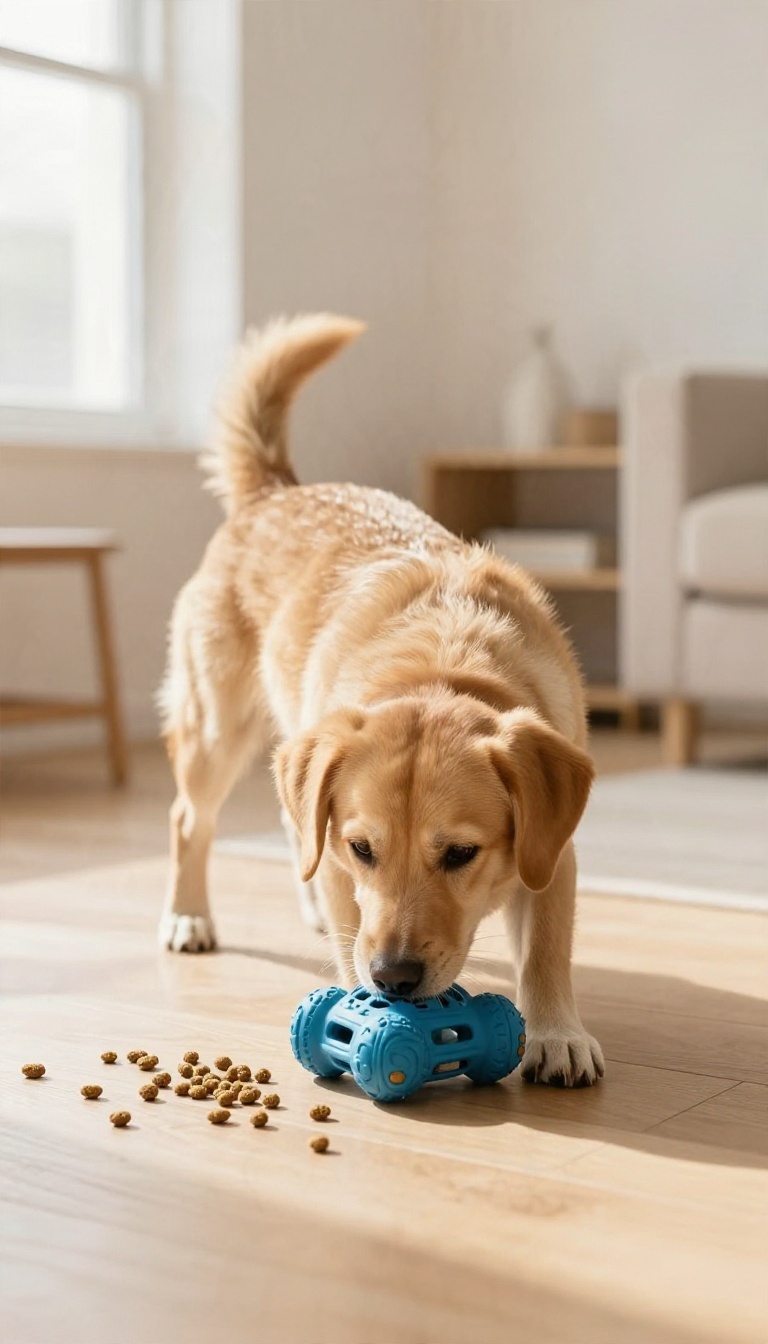
Some dogs treat a bowl of kibble like a pit stop and a couch cushion like a chew toy. For those dogs, a puzzle toy that drops treats as they work is the gift that keeps giving long after the wrapping paper is gone. These toys turn snack time into a job, which is exactly what a bored, high-energy dog wants.
The treats keep them motivated, and the problem-solving burns off the kind of energy that usually ends up shredded across your living room. They also make great gifts because they solve a real problem for the owner. Less boredom chewing, fewer destroyed shoes, and a dog that naps hard afterward.
Treat-dispensing puzzles come in a few flavors, from simple wobble toys to multi-step slider boards. You don't need to overthink it. Match the difficulty to the dog and pick something sturdy enough to survive a serious chewer.
The best ones adjust as the dog gets smarter, so the gift keeps working after the first week. That's what separates a toy they'll actually use from one that gathers dust under the sofa.
Start With A Wobble Toy
A weighted wobble toy is the easiest entry point. You drop kibble or small treats inside, and the dog nudges it around until food falls out. It's simple enough that most dogs figure it out in minutes, which builds confidence fast.
These work well for dogs new to puzzles or owners who don't want a toy with a dozen moving parts. Look for one with a rubber base so it doesn't slide across the floor or wake up the whole house.
Level Up With Sliders And Flaps
Once a dog has the wobble toy figured out, a puzzle board with sliders, flaps, and drawers gives them more to chew on mentally. These toys ask the dog to nose open compartments and dig out hidden treats, which keeps a smart dog busy for a good stretch. Check the difficulty rating before you buy.
A level-two or level-three puzzle suits most adult dogs, while a puppy or an easily frustrated dog does better starting lower and working up.
Pick For The Power Chewer
Some dogs solve puzzles by destroying them. If the gift is for a dog that treats every toy like a challenge to be dismantled, go for hard plastic or heavy rubber designs built to take a beating. Skip anything with thin plastic flaps or small loose pieces that can be swallowed.
A tough, simple dispenser beats a fancy puzzle that ends up in pieces by day two.
Make It A Gift Bundle
Pair a puzzle toy with a bag of small, low-calorie treats so the owner can start using it right away. Small treats work better than big ones because they fit through the openings and keep the dog working instead of giving up. You can also add a second puzzle at a different difficulty level.
That way the dog has an easy win and a real challenge, and the owner gets a gift that stays useful for months.
9. Gourmet Jerky for the Picky Eater
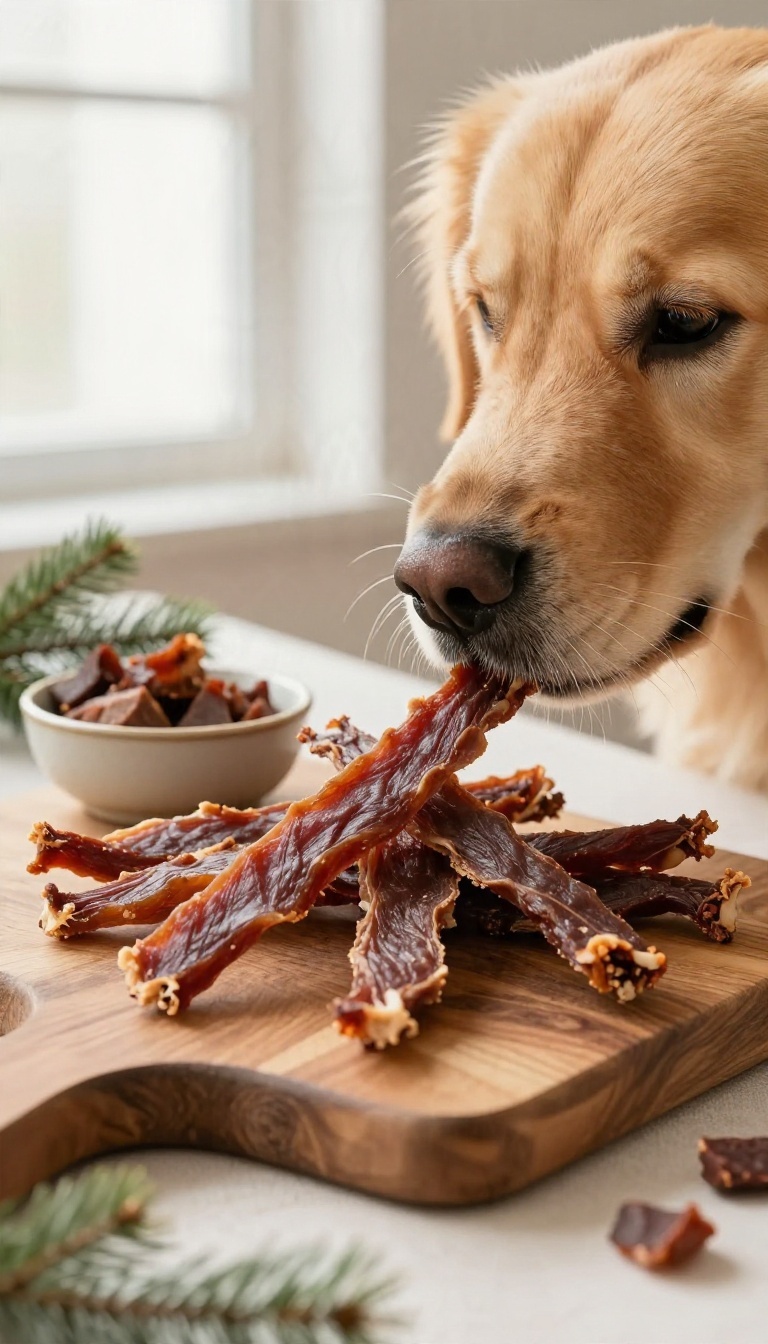
Some dogs act like chicken is a personal insult. They sniff, sneer, and walk away from the bowl like you've served them a plate of broccoli. For those refined palates, gourmet jerky made from duck, venison, or rabbit can be the holiday gift that finally earns a tail wag.
It's a step up from the usual suspects, and picky eaters tend to notice the difference.
Premium jerky isn't just about swapping proteins—it's about quality and presentation. These treats often come in sleek packaging and use single-source meats, which makes them feel special. But the real win is finding a flavor your dog will actually get excited about.
Duck and venison bring a gamey richness that many dogs find irresistible, while rabbit offers a lean, mild taste that even sensitive stomachs can handle. Just remember to check where the meat comes from; sourcing matters for safety and freshness.
Duck, Venison, Or Rabbit?
Each protein has its own appeal. Duck is rich and fatty, which makes it a high-value reward for training or spoiling. Venison is lean and slightly sweet, often a hit with dogs who turn their nose up at poultry.
Rabbit is mild and easy to digest, a good choice for seniors or dogs with sensitive systems. Try a variety pack if you're unsure which one will win them over.
Why Sourcing Matters
Not all jerky is created equal. Look for treats made with meat from trusted regions and without unnecessary fillers or preservatives. Brands that disclose their sources and use gentle drying methods tend to preserve more nutrients and flavor.
A little research goes a long way—your dog's sensitive palate (and stomach) will thank you.
Presentation Counts
Gourmet jerky often comes in gift-worthy packaging, like a wooden box or a resealable tin. That makes it an easy standalone gift or a nice addition to a larger treat basket. Pair it with a festive bow and you've got a present that looks as good as it tastes.
10. A Stocking Stuffer Treat Sampler
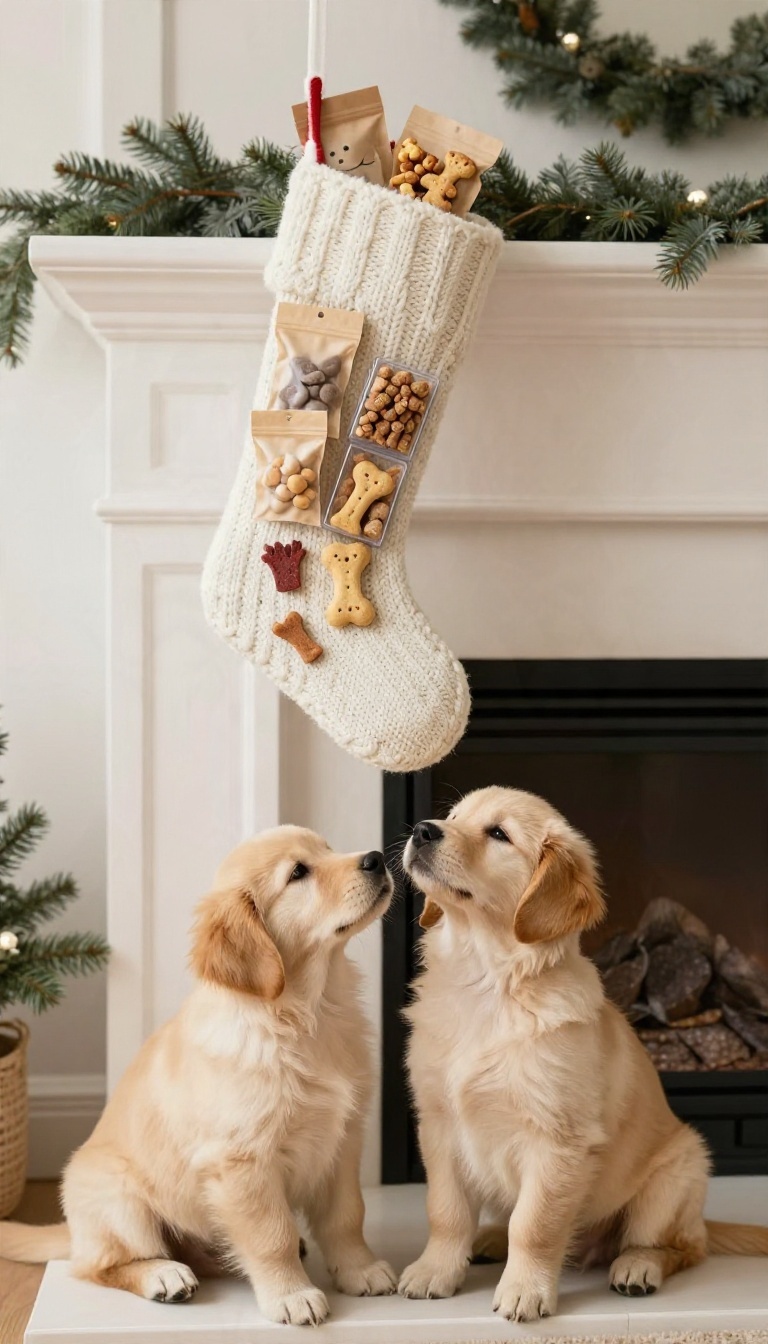
A sampler pack solves the "I want to get something but don't want to commit to a giant bag" problem. It's a low-risk way to let a dog try new proteins and textures, and it fits neatly into a stocking without hogging space. Plus, if the dog turns out to be picky, you haven't wasted money on a bulk purchase.
Sampler packs come in all shapes and sizes, from tiny pouches of training treats to variety boxes with a dozen different chews. The best ones include a mix of soft and crunchy textures, so there's something for every mood. They also make great add-ons when you're already buying a bigger gift and want to round it out.
Why A Sampler Makes Sense
Dogs get bored with the same flavor day after day, and owners appreciate not having to store a giant bag of treats that might go stale. A sampler lets you test-drive brands and recipes without the commitment. It's also a smart way to discover allergies or preferences before investing in a full-size bag.
What To Look For In A Good Sampler
Check the ingredient list for recognizable proteins and avoid artificial colors or preservatives. Look for a mix of treat types—soft training bites, crunchy biscuits, and maybe a chew or two. Size matters too: small treats work better for training, while larger ones suit leisurely snacking.
And if the dog has known allergies, make sure the sampler caters to those needs.
How To Present It
Toss the sampler in a stocking for a fun surprise, or pair it with a new toy or leash for a more substantial gift. You can also split the pack into small gift bags for multiple dogs on your list. Add a handwritten note with the dog's name for a personal touch.
11. Frozen Treat Maker Kit
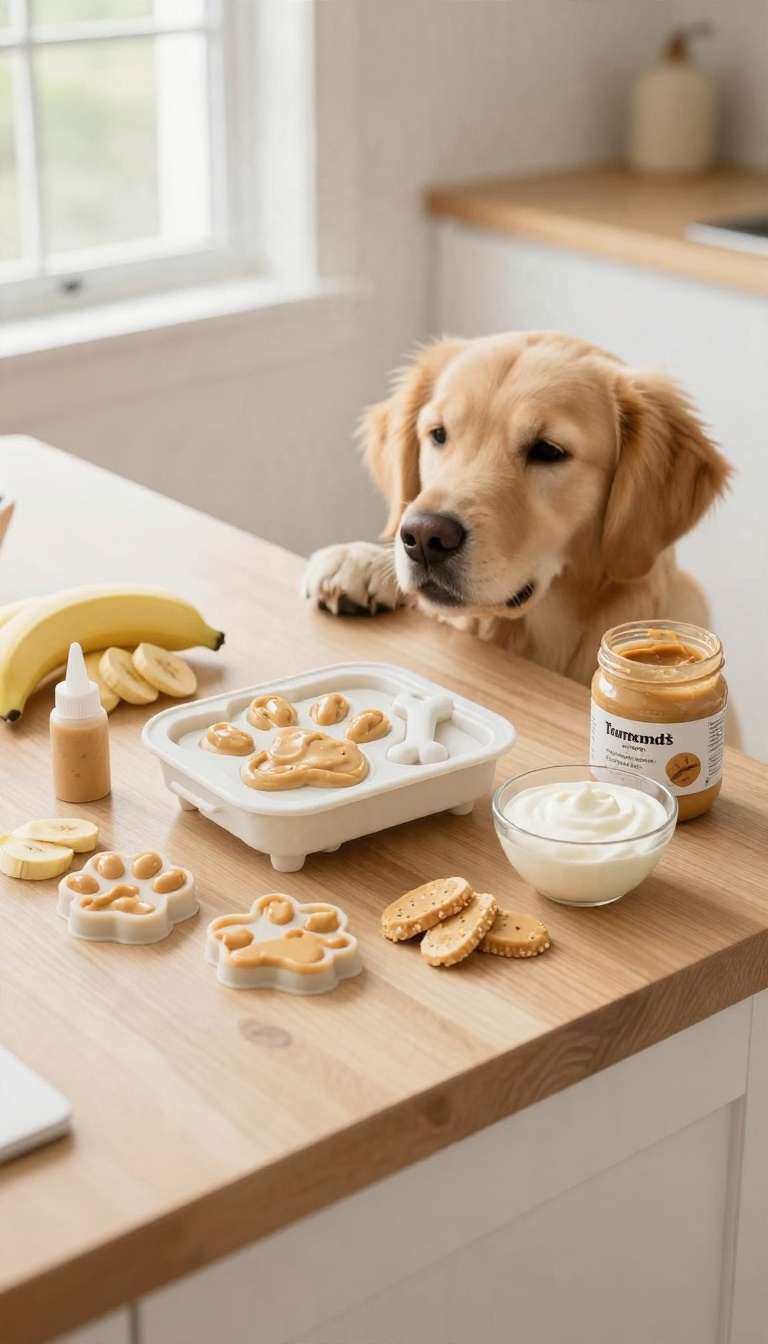
For dogs who think peanut butter is a food group and yogurt is a special occasion, a frozen treat maker kit hits the spot. It's a gift that keeps giving—literally—because you can whip up batch after batch of dog-friendly frozen snacks. Plus, it's a fun activity for owners who like a little DIY in their dog care.
These kits usually include silicone molds in fun shapes and a mix or recipe guide for making frozen treats. The molds are often paw print, bone, or heart-shaped, and they're designed to pop out easily. You can fill them with a simple blend of peanut butter, yogurt, and maybe a little banana or pumpkin.
Freeze, pop, and serve. Dogs love the cold crunch, especially in warmer months.
What's In A Kit
Most kits come with two or more silicone molds, a recipe booklet, and sometimes a mix like a peanut butter or yogurt base. Some include a squeezy bottle for easy filling. Look for molds that are dishwasher-safe and made from food-grade silicone.
A kit with a variety of shapes adds a bit of fun, but even a basic set works great.
Who It's For
This gift suits owners who enjoy making things for their dogs, or anyone with a dog that goes crazy for peanut butter or yogurt. It's also a smart pick for summer birthdays or hot-climate holidays. If the dog has a sensitive stomach, check the recipe ingredients or opt for a kit with simple, limited-ingredient mixes.
Tips For Gifting
Pair the kit with a jar of dog-safe peanut butter or a container of plain yogurt to make it a complete gift. Add a note with a favorite recipe or a bag of carob chips for a dog-friendly twist. If you're shipping it, make sure the molds are packed securely to avoid cracks.
12. Treats for Senior Dogs With Sensitive Teeth
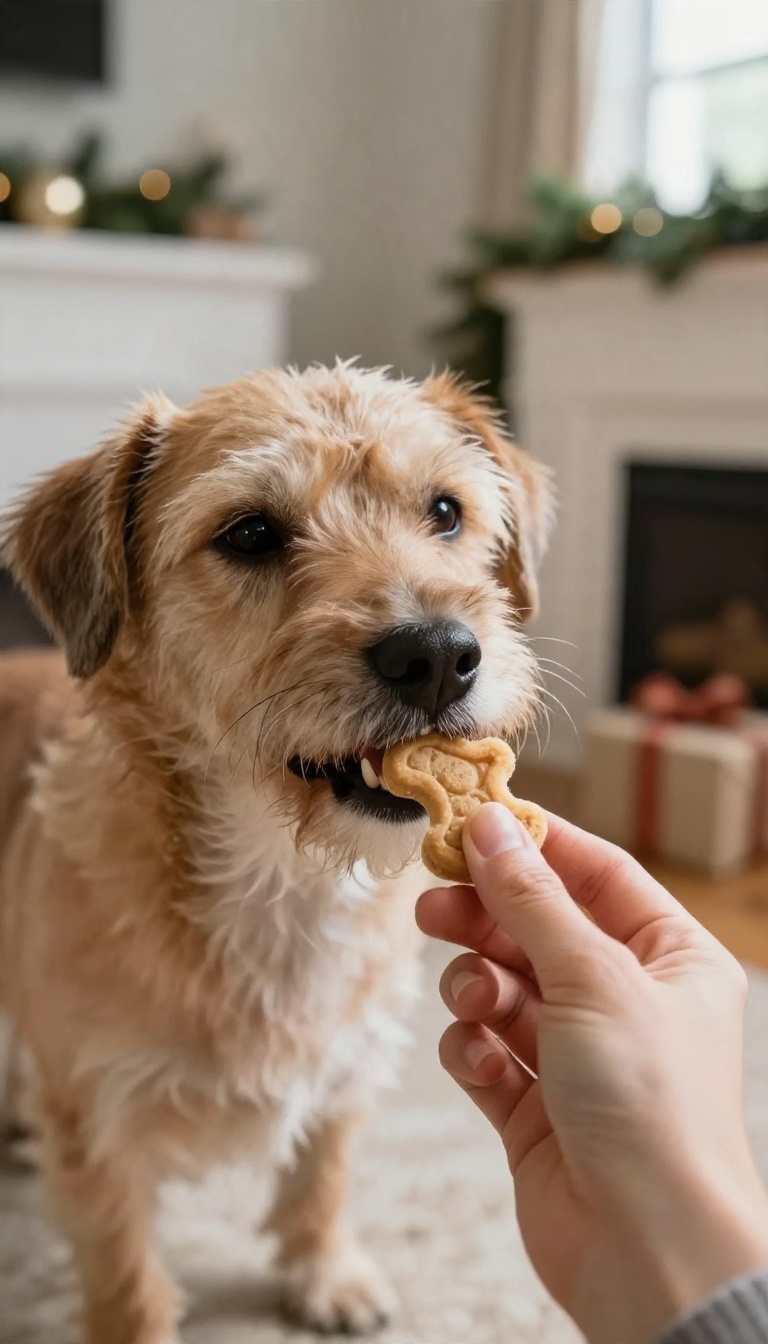
Older dogs still want the thrill of a treat, but hard biscuits and rock-solid chews can turn snack time into a dental exam. Senior jaws get worn down, gums recede, and a few teeth might already be missing. Soft treats keep the fun intact without the wincing.
Texture matters more than most people realize. A crunchy biscuit that a young Lab inhales can be genuinely painful for a twelve-year-old terrier with a loose molar. Soft, pliable treats let senior dogs chew comfortably and swallow safely, which also cuts down on the awkward moment where they drop the treat and stare at it sadly.
Look for treats that bend easily between your fingers. If you have to snap it, it's probably too firm for a dog with sensitive teeth. Also check the ingredient list for anything overly sticky, since gummy textures can cling to remaining teeth and cause more trouble than they're worth.
Why Soft Texture Wins
Aging dogs often deal with gum disease, worn enamel, or missing teeth, and hard treats can make all three worse. Soft treats require less biting force, so your dog gets the reward without the discomfort. They're also easier for dogs who gulp rather than chew, which reduces choking risk.
What To Check On The Label
Prioritize limited ingredients and real meat as the first item. Skip anything with artificial colors or hard rawhide-style binders. Grain-free isn't automatically better, but easy-to-digest proteins like chicken, salmon, or turkey tend to sit well with older stomachs.
Small, bite-sized pieces also help dogs who tire out mid-chew.
Gift-worthy Picks
Soft-baked training treats, freeze-dried meat bites, and gently dehydrated fish squares all work well. A small gift box with a few varieties lets the owner figure out what their senior dog actually likes. Pair it with a note about checking with their vet if the dog has specific dental issues, and you've got a thoughtful, practical gift.
13. A Custom Treat Box With the Dog's Name
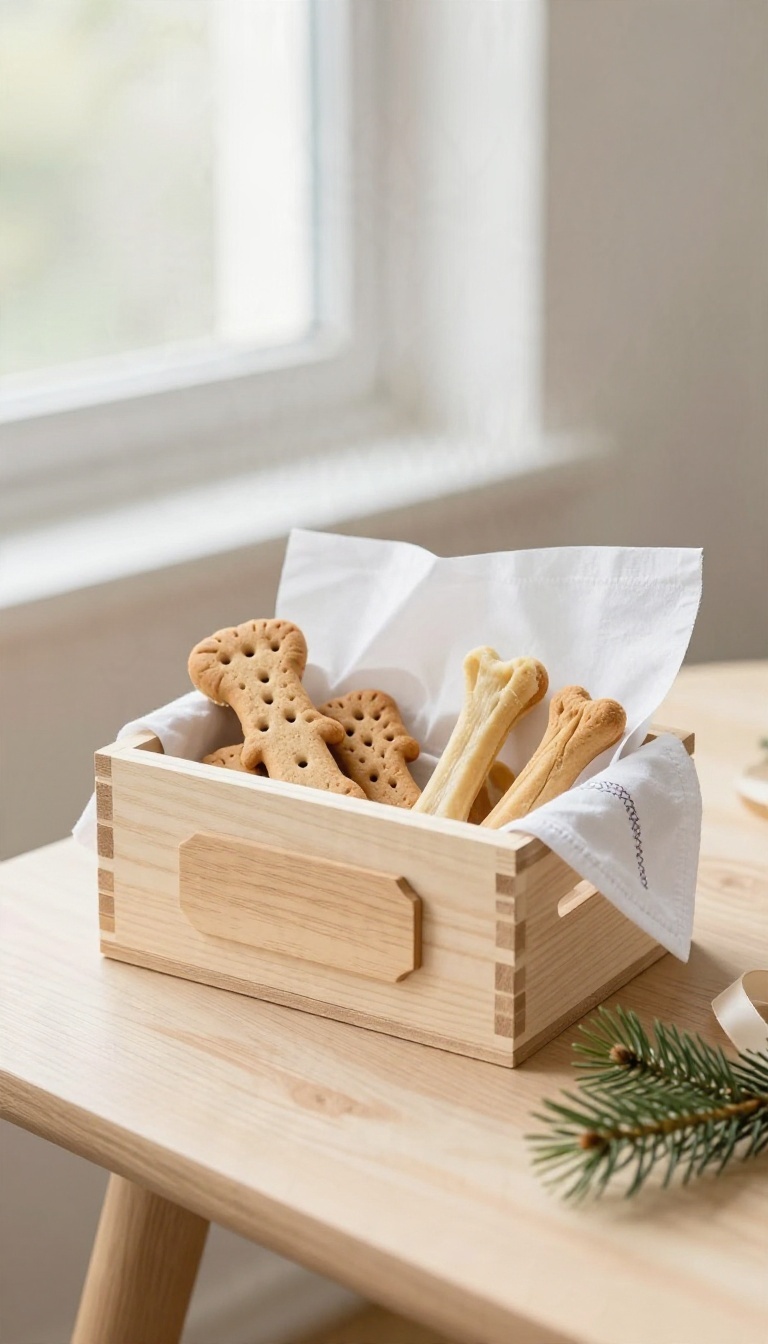
Personalization turns a nice gift into one that clearly belongs to one specific dog. A treat box or bandana with the pup's name on it does exactly that, and it costs less than you'd expect. It also solves the awkward moment when a gift could technically go to any dog on the block.
The trick is pairing the personal touch with treats the dog will actually eat. A cute box full of biscuits nobody wants is just decoration. Get both parts right and this becomes one of the most memorable gifts on your list.
Personalized treat boxes come in a few flavors, from simple wooden crates with an engraved nameplate to fabric pouches with embroidered lettering. Many small shops on Etsy and at local craft fairs build these to order, which means you can pick the name, the treat type, and sometimes the color. If you'd rather assemble it yourself, buy a plain wooden or tin box, add a name decal, and fill it with a bag of good biscuits.
That route gives you full control over what goes inside, which matters if the dog has allergies or a sensitive stomach.
What To Put Inside
Stick to treats you'd feel good about giving your own dog. A small bag of high-quality biscuits, a couple of dental chews, and maybe one special item like a bully stick or a freeze-dried liver bite make a solid mix. Keep the size of the box in mind.
A dozen treats in a big crate looks sparse, so either size the box to the treats or add a folded bandana to fill the space. Tissue paper works too, and it makes the unboxing feel like a gift rather than a delivery.
The Bandana Add-on
A bandana with the dog's name stitched or printed on it pairs naturally with the treat box. It's useful, it photographs well, and owners tend to keep them long after the treats are gone. Measure the dog's neck if you can, or ask the owner.
Most bandanas come in small, medium, and large, and a too-tight fit on a big dog is a common miss. Rolled edges and snap closures hold up better than a plain triangle of fabric.
Ordering And Timing
Custom items take time, so order at least two to three weeks before you need the gift. Personalized shops often have holiday cutoffs, and missing one means paying for rush shipping or settling for a generic box. Double-check the spelling of the dog's name before you hit buy.
It sounds obvious, but a misspelled name on an engraved box can't be fixed, and no one wants to explain that one.
FAQ
Are dog treats a good holiday gift?
Yes, as long as you pick something suited to the dog's size, diet, and chewing habits. Treats are practical, easy to wrap, and almost always welcome.
How do I choose treats for a dog with allergies?
Stick to single-ingredient or limited-ingredient treats and check the label for common triggers like chicken, wheat, or dairy. When in doubt, ask the owner first.
What's a good treat gift for a puppy?
Soft training treats in small pieces work best, ideally bundled with a treat pouch. Avoid hard chews until the puppy's adult teeth come in.
Should I give homemade treats as a gift?
They work well if you package them nicely and include the recipe. Keep them simple and skip ingredients like chocolate, raisins, and xylitol.
How much should I spend on a dog treat gift?
A small sampler or single bag can cost just a few dollars, while subscription boxes and gift bundles run higher. Match the spend to your relationship with the owner.
Conclusion
Thirteen options means you can shop for your dog and knock out a few gifts for the dog people on your list at the same time. Grab one or two that fit your budget and your pup's chewing style, then wrap them up before the holiday rush hits. A good treat gift doesn't need to be fancy.
It needs to be safe, tasty, and something your dog actually gets excited about. Start there, and the rest is easy.