
Last updated on April 26th, 2026 at 03:04 pm
Your dog's house door does more than just cover an entrance—it sets the tone for comfort, style, and everyday ease. A drafty flap or a flimsy panel can turn a cozy den into a chilly spot, while the right door keeps your pup snug and your home looking sharp.
From magnetic flaps that block wind to custom paint jobs that match your siding, these eight ideas are designed for real dog owners who want practical upgrades without sacrificing aesthetics.
Each option targets a specific need: weather protection, easy access, or a polished look that blends with your yard.
1. Magnetic Weather Flap for Draft Protection
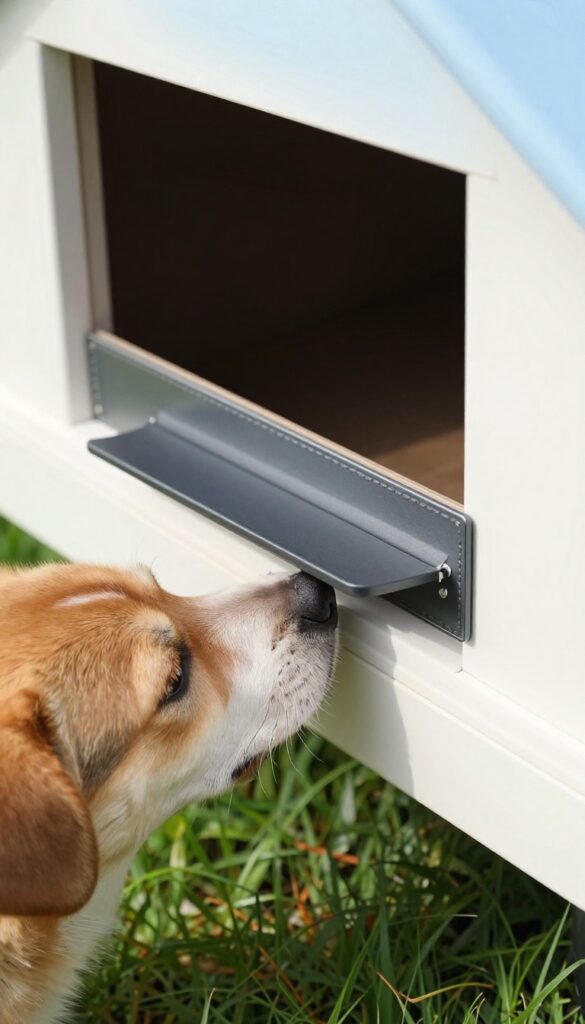
A magnetic flap door seals tightly against wind and rain, keeping the interior cozy. It's easy for dogs to push through and snaps back into place automatically.
This design uses strong magnets embedded in the flap to create a weather-resistant seal. No more chilly drafts sneaking into your pup's house on cold nights.
Dog owners love how quiet and effortless these flaps are—no loud slamming, just a gentle magnetic closure that works every time.
Why It Works
The magnetic seal blocks airflow much better than standard flaps, which means your dog stays warmer in winter and cooler in summer. The self-closing action also keeps out pests like flies or leaves.
Best For
Ideal for outdoor dog houses in windy or rainy climates, especially for breeds that feel the cold like Chihuahuas or Greyhounds. Also great for indoor crates near drafty windows.
Practical Tip
Measure your dog's height and width before buying—the flap should be big enough for easy passage but not oversized. Install the flap so it hangs straight and check magnets occasionally for debris buildup.
Budget-Friendly Option
If you're handy, make your own by sewing neodymium magnets into a heavy-duty canvas flap. Use adhesive magnetic strips as a no-sew option for under $15.
2. Arched Wooden Door for Classic Charm
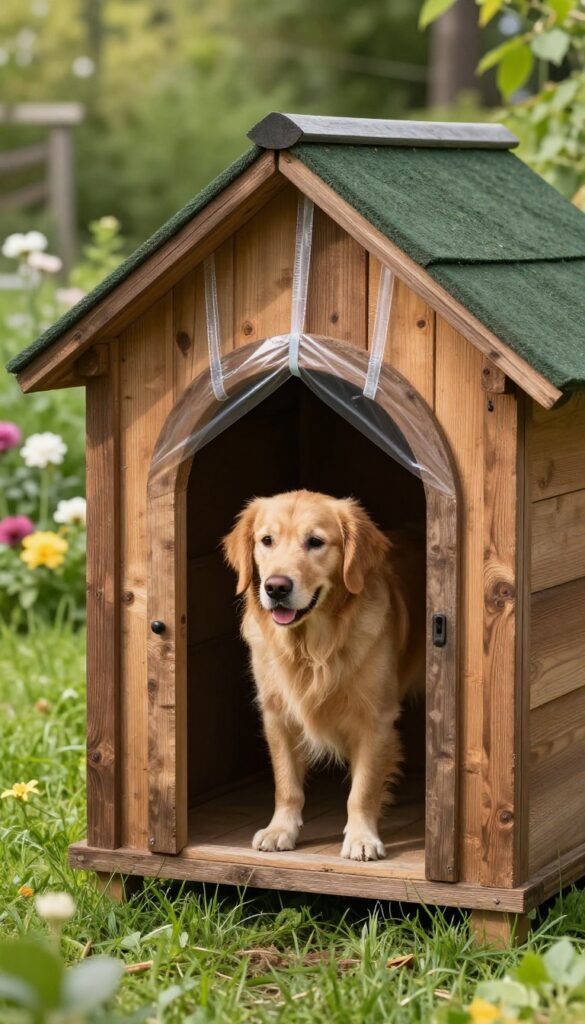
An arched cutout gives a traditional, cottage-like feel that stands out from standard square doors. Pair it with a clear vinyl strip curtain to keep weather out while maintaining the look. This design works beautifully in gardens or yards with a rustic or farmhouse aesthetic.
Why It Works
The arch shape naturally sheds rain and snow, reducing wear on the door edges. The vinyl strips add insulation and block drafts without obscuring your dog's view, so they still feel connected to the outdoors.
Best For
Homes with a cottage, farmhouse, or traditional style where you want the dog house to complement the landscape rather than hide it. Great for medium to large breeds that are comfortable stepping through a slightly taller opening.
Practical Tip
Use exterior-grade plywood and seal the arch edge with waterproof trim to prevent splintering. Apply a UV-resistant stain or paint that matches your home's exterior for a cohesive look. Clean the vinyl strips regularly with mild soap to keep them clear.
3. Sliding Panel Door for Easy Access Control
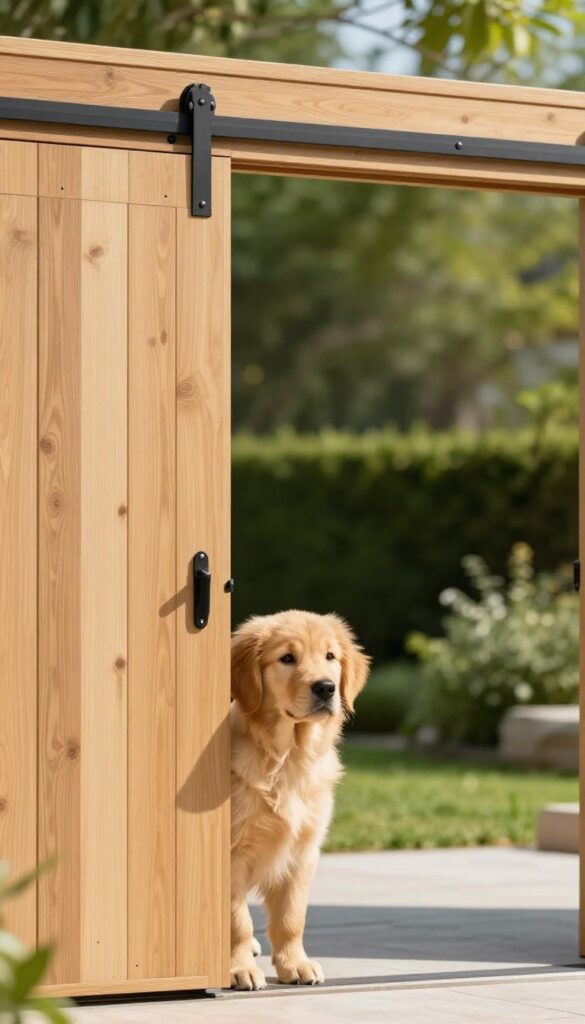
A sliding panel door works like a horizontal barn door, gliding smoothly to open or close the entrance from outside. This design gives you full control over when your dog can come and go—great for locking them in during storms or keeping them out when you need to secure the house. It's a simple upgrade that adds convenience and peace of mind.
Why It Works
Sliding doors are sturdy and seal well against weather, unlike flimsy flaps that can blow open. The sliding mechanism is easy for you to operate with one hand, and it stays put once closed, so no drafts sneak in. For dogs, it's a familiar push-and-go motion that most pick up quickly.
Best For
This idea suits owners who want quick access control without bending down or fumbling with latches. It's especially handy for homes with multiple dogs, where you might need to separate them temporarily, or for dogs that tend to dash out the moment you open a traditional door.
Practical Tip
Mount the sliding track high enough so the panel clears your dog's head when open. Use a weather-stripped bottom seal to block wind and rain. For safety, add a simple lock on the inside so your dog can't push it open from the outside.
4. Insulated Flap for Extreme Weather
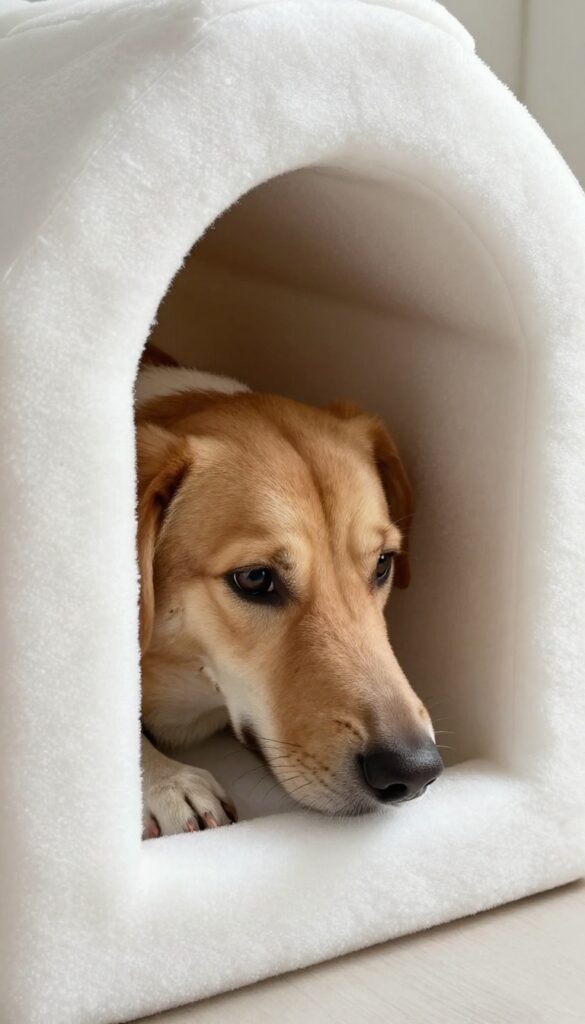
When temperatures drop or the sun beats down hard, a standard flap lets too much outside air sneak in. An insulated flap uses thick, foam-filled material to create a barrier that keeps your dog house cozy no matter the season. It's a simple upgrade that makes a big difference in comfort, especially for dogs who spend time outdoors.
Why It Works
The dense foam core blocks drafts and reduces heat transfer, so the inside stays warmer in winter and cooler in summer. This means your dog enjoys a stable environment without relying on extra heating or cooling, which also saves energy.
Best For
Owners in regions with harsh winters or scorching summers, and dogs that use their house regularly throughout the year. Breeds with short coats or seniors that feel temperature changes more quickly will benefit the most.
Practical Tip
Look for flaps with a magnetic closure or weighted bottom to ensure they seal tightly after your dog passes through. Install the flap so it overlaps the opening by at least an inch on all sides for maximum insulation.
Budget-Friendly Option
If a full insulated flap is out of budget, add a heavy-duty vinyl strip curtain over the existing door opening. It won't seal as tightly but still cuts down on drafts significantly.
5. Dutch Door with Top and Bottom Sections
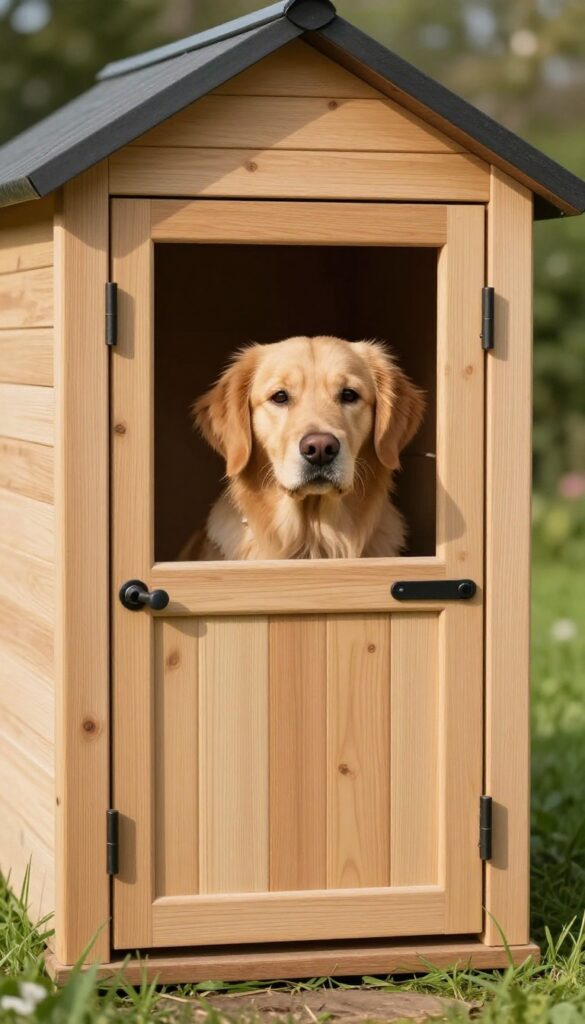
A Dutch door splits into two independent halves, giving you flexibility that a standard door can't match. You can open just the top to let in fresh air and sunshine while keeping your pup safely contained below. It's a smart choice for dogs who love to poke their nose outside without bolting out the moment the door cracks.
This classic design adds instant charm to any dog house or mudroom entry. The two sections operate separately, so you can close only the lower half when your dog needs to settle down or open both when it's time for full access.
Why It Works
The split design gives you control over airflow and visibility without sacrificing security. Your dog gets a window to the world, and you get peace of mind knowing they can't dart out. It also helps regulate temperature by letting hot air escape through the top while the bottom stays closed against drafts.
Best For
Best for curious dogs who like to watch the yard or greet visitors from their house. Great for warm climates where ventilation is key, and for owners who want a stylish entry that also prevents escapes.
Practical Tip
Paint the top and bottom sections in contrasting colors or use a dark shade on the lower half to hide dirt and paw prints. Add a sturdy latch on each section so you can lock them independently—your dog will learn quickly which side opens and which stays put.
6. Clear Vinyl Strip Curtain for Visibility
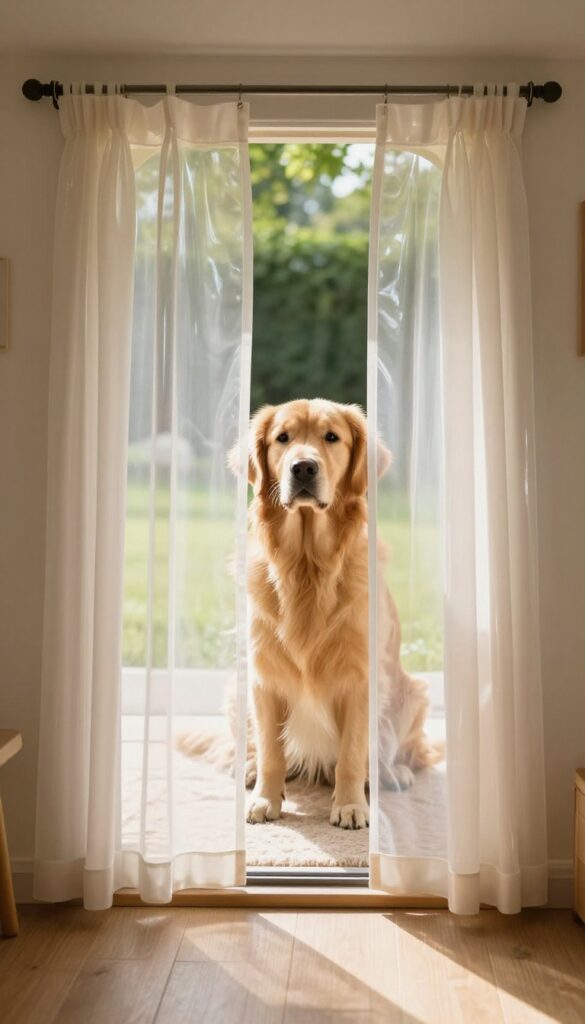
Ever watch your dog pause at the door, unsure if they really want to go out? A clear vinyl strip curtain solves that hesitation by letting them see exactly what's waiting on the other side before they push through. The overlapping strips part easily as your pup walks in or out, then fall right back into place to keep the weather out.
This setup is especially handy for dogs who are a little nervous about dark or enclosed spaces. Instead of shoving through a solid flap, they get a clear view of the yard, making them more confident about coming and going on their own.
The strips are flexible enough that even small dogs can push through without getting stuck, and if one strip gets damaged or dirty, you can replace just that piece instead of the whole curtain.
Why It Works
The clear strips let natural light into the dog house while still blocking drafts and insects. Your pup can peek outside before deciding to go out, which reduces anxiety and makes them more likely to use the door on their own.
Best For
Best for anxious or hesitant dogs who dislike solid flaps, and for owners who want a low-maintenance option that's easy to clean and replace. Works great in mild climates where extreme cold isn't an issue.
Practical Tip
Hang the curtain so the strips overlap by at least an inch to prevent air gaps. Use a tension rod or a lightweight curtain rod mounted inside the doorway—no tools required if you pick a pressure-fit option.
7. Custom Painted Door to Match Your Home
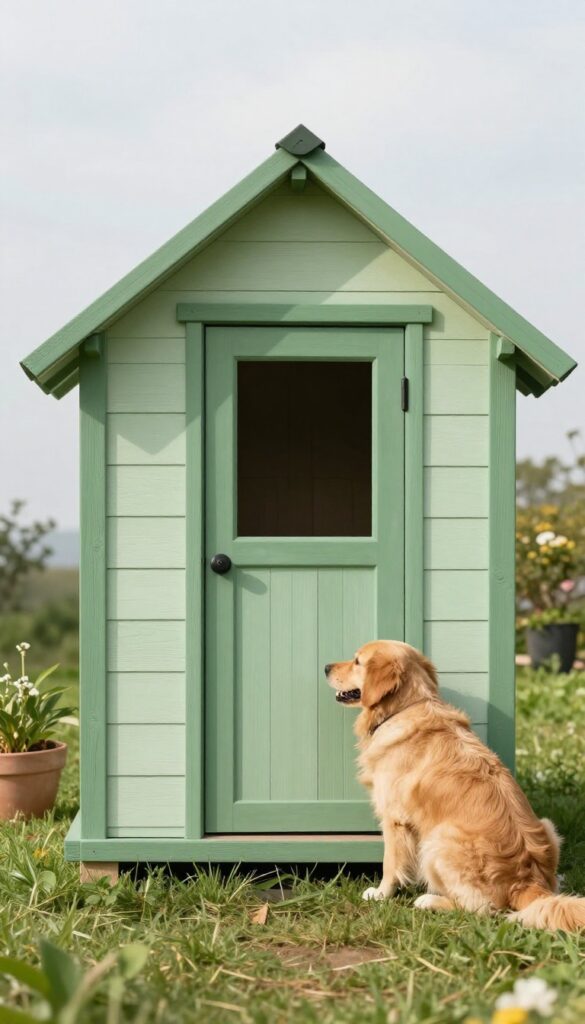
A custom painted door lets your dog house blend right into your yard or fence instead of sticking out like an afterthought. By coordinating the door frame and flap with your house trim or siding, you get a cohesive look that feels intentional.
This approach works because it turns a purely functional element into a design detail. You can match existing colors or go with a subtle accent that ties the dog house to your outdoor decor without screaming for attention.
Dog owners love this idea because it feels personal and polished. It’s a simple weekend project that makes a big visual difference, and it shows you put thought into every part of your pup’s space.
Why It Works
Painting the door and frame creates visual harmony between the dog house and your home’s exterior. It minimizes the cluttered look that mismatched colors can cause, especially in small yards where every detail stands out.
Best For
Best for homeowners who care about curb appeal and want their dog house to feel like a natural part of the landscape. Also great for renters who can paint removable panels to match a fence or deck without permanent changes.
Practical Tip
Use pet-safe, water-based paint that’s low in VOCs and let it cure fully before letting your dog use the door. Add a decorative trim piece around the frame for a more finished look—just sand any sharp edges to keep splinters away from noses.
Budget-Friendly Option
Skip specialty paints and use leftover exterior house paint if it’s low-VOC and fully cured. You can also repurpose an old wooden picture frame as trim by cutting it to size and painting it to match.
8. Automatic Sensor Door for High-Tech Convenience
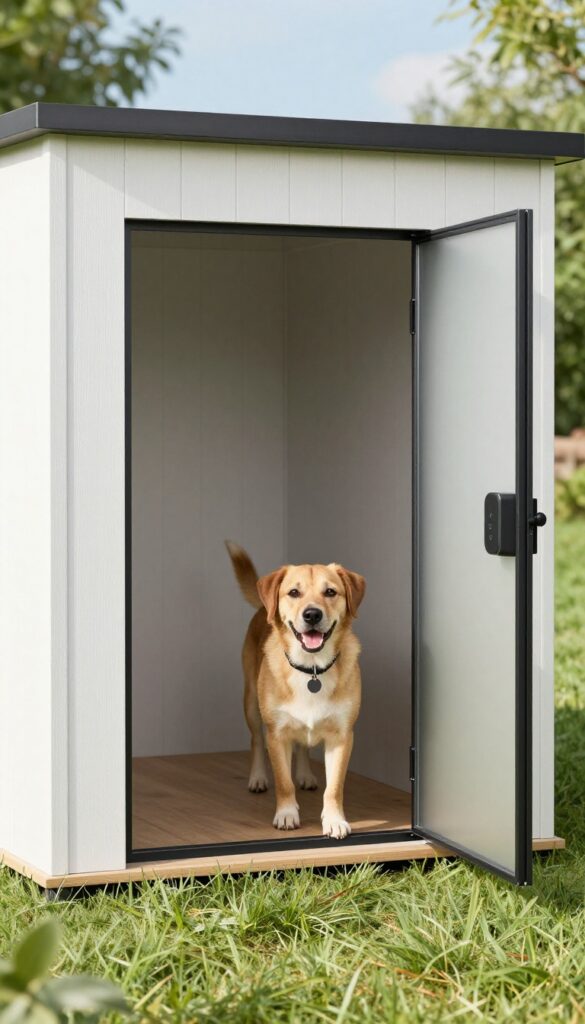
Imagine your dog coming and going without you ever lifting a finger. An automatic sensor door uses a collar tag to detect your pup and swings open only for them, then closes securely behind. It's like a smart garage door for your dog house, blending convenience with energy efficiency.
These doors are a game-changer for busy owners who want to give their dog freedom without worrying about drafts or unwanted critters sneaking in. The sensor ensures only your tagged pet gets access, so you can relax knowing the door stays sealed when not in use.
Many owners love how quiet and seamless the operation is—no more noisy flaps or stuck panels. Plus, the automatic close helps maintain your dog house's interior temperature, keeping it cozy in winter and cool in summer.
Why It Works
The sensor technology eliminates manual effort and prevents energy loss. Your dog approaches, the door opens, and it closes right after they pass through—no drafts, no forgotten flaps. It's especially handy during bad weather when you don't want to run outside every time your pup needs out.
Best For
Tech-savvy owners with active dogs who go in and out frequently. Great for homes with multiple dogs where you want selective access, or for owners who work long hours and want to give their dog independence without compromising comfort.
Practical Tip
Install the sensor at the right height for your dog's collar tag—usually just above the door frame. Test the sensitivity so it doesn't trigger on passing wildlife or leaves. Keep the sensor lens clean for reliable operation, especially in muddy or snowy conditions.
FAQ
What is the best material for a dog house door?
Wood is classic and durable, but vinyl and plastic flaps are easier to clean and more weather-resistant. For insulation, choose a thick flap with a magnetic seal.
How do I measure my dog for a door opening?
Measure your dog's height at the shoulder and add 2–3 inches for clearance. Width should be about 2 inches wider than your dog's chest.
Can I install a dog door in an existing dog house?
Yes. Cut an opening with a jigsaw, sand the edges, and attach a pre-made flap kit or build a custom frame. Seal around the edges to prevent drafts.
How do I keep the dog house door from sticking?
Use a lightweight flap material and ensure the frame is square. Apply a silicone lubricant to hinges or tracks if needed. Trim any excess material that drags.
Are automatic dog doors safe for outdoor dog houses?
Yes, but choose a model with a locking mechanism and weatherproofing. Ensure the sensor works reliably in rain or snow, and test the battery life regularly.
Conclusion
Choosing the right door for your dog's house can make a big difference in their comfort and your peace of mind. Whether you go with a flap, a sliding panel, or a custom cutout, focus on what works best for your pup's size and habits.
Start with one upgrade this weekend—your dog will appreciate the cozy retreat, and you'll love how it ties everything together.

I’m Pallab Kishore, the owner of Little Pets Realm — an animal lover and pet care enthusiast sharing easy tips, healthy recipes, and honest advice to help every small pet live a happy, healthy, tail-wagging life.