
Last updated on April 26th, 2026 at 03:04 pm
Your dog's house is more than a shelter—it's a statement. The right color can make it stand out in your yard while keeping your pup cool, cozy, and safe.
From playful brights to earthy tones that blend with nature, these nine paint ideas are practical, durable, and dog-friendly. Each one uses pet-safe finishes and weather-resistant paints, so you can focus on style without compromising comfort.
Ready to give your dog's house a personality boost? Let's find the perfect shade for your furry friend.
1. 1. Classic White with a Twist
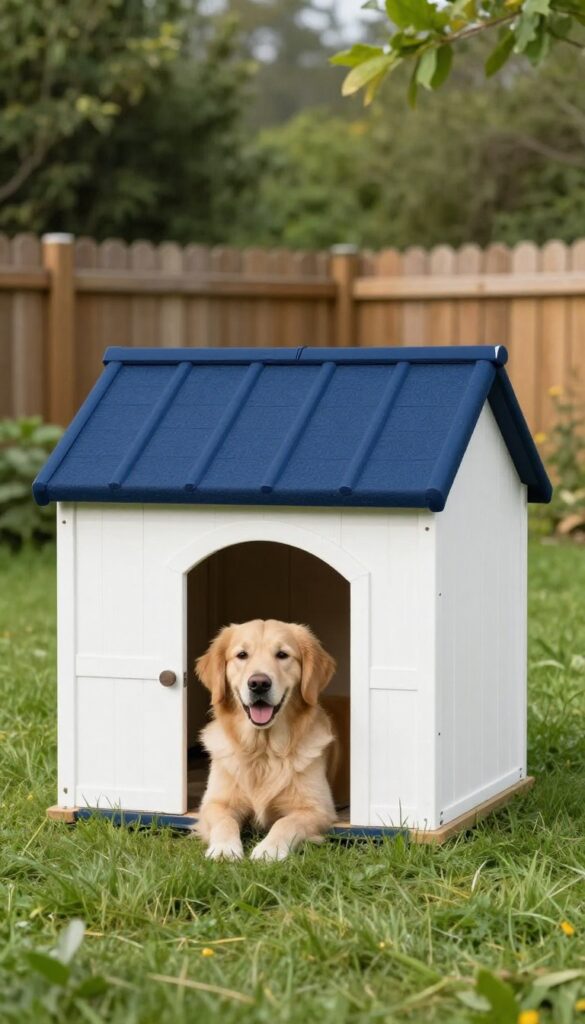
White dog houses have a clean, timeless look that never goes out of style. They reflect sunlight to keep the interior cooler on hot days, which is a big plus for your pup. Adding a twist—like a bold trim color or a painted roof—turns this simple choice into something eye-catching.
Why It Works
White paint bounces heat away, so the dog house stays several degrees cooler inside than darker colors. That means your dog stays more comfortable during summer naps. Plus, white makes the house pop against green grass or a wooden fence.
Best For
This works great for dogs who spend time outside in sunny climates, especially breeds prone to overheating like Bulldogs or Huskies. It also fits modern or minimalist yards where you want a clean, fresh look.
Practical Tip
Use exterior-grade, non-toxic paint with UV protection to prevent yellowing. Paint the roof a contrasting color like navy or red for visual interest. Make sure ventilation holes are not covered by paint and that the house has proper airflow.
Budget-Friendly Option
Skip the fancy trim and just paint the roof a different color using leftover paint from another project. Even a simple white house with a black roof looks sharp and costs almost nothing extra.
2. 2. Earthy Green for Camouflage
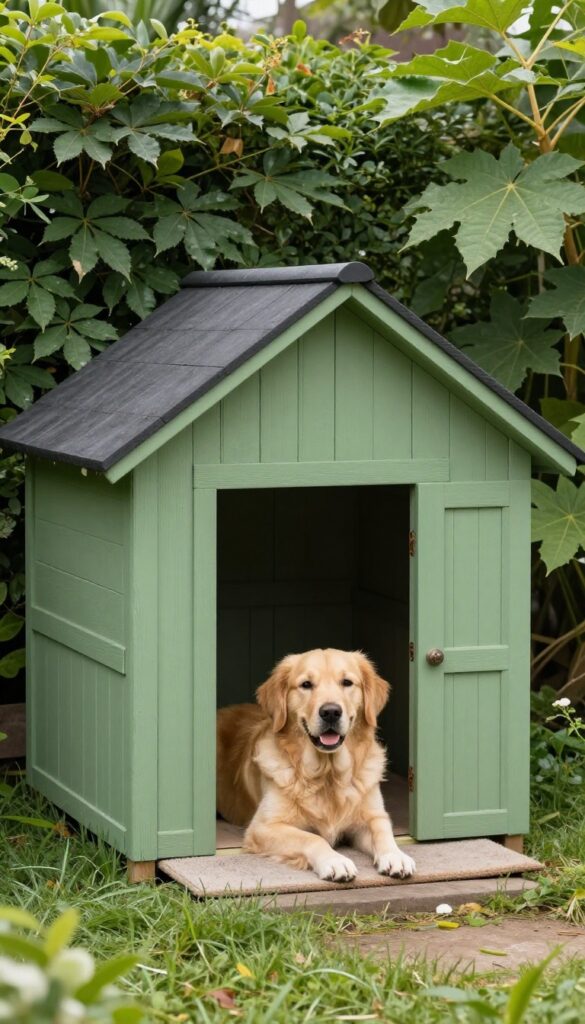
A muted sage or olive green dog house blends seamlessly into gardens or natural landscapes, creating a calm and cohesive look. This earthy tone is not only visually appealing but also practical—it hides dirt and mud well, so your pup’s house stays looking fresh longer. The soft green hue is naturally calming for dogs, making it a great choice for anxious or outdoor-loving pups.
Why It Works
Green mimics the colors of foliage and grass, helping the dog house disappear into its surroundings rather than sticking out like a sore thumb. It’s also a low-maintenance color that doesn’t show paw prints, splashes, or dust as easily as lighter shades.
Best For
This color is ideal for dog owners with lush yards, garden-focused landscaping, or homes near wooded areas. It’s especially good for breeds that spend a lot of time outdoors, like Labradors, Golden Retrievers, or Border Collies.
Practical Tip
Pair the green walls with a darker roof—like charcoal or deep brown—to absorb heat during cooler months and create a grounded look. Use pet-safe, weather-resistant exterior paint and apply at least two coats for durability. Add a small welcome mat in a neutral tone to keep dirt from tracking inside.
Budget-Friendly Option
Can’t find the perfect green paint? Look for mistinted cans at hardware stores—they often have sage or olive hues at a discount. Or use exterior-grade chalk paint in a mossy shade; it’s affordable and easy to touch up.
3. 3. Sky Blue for a Calming Vibe
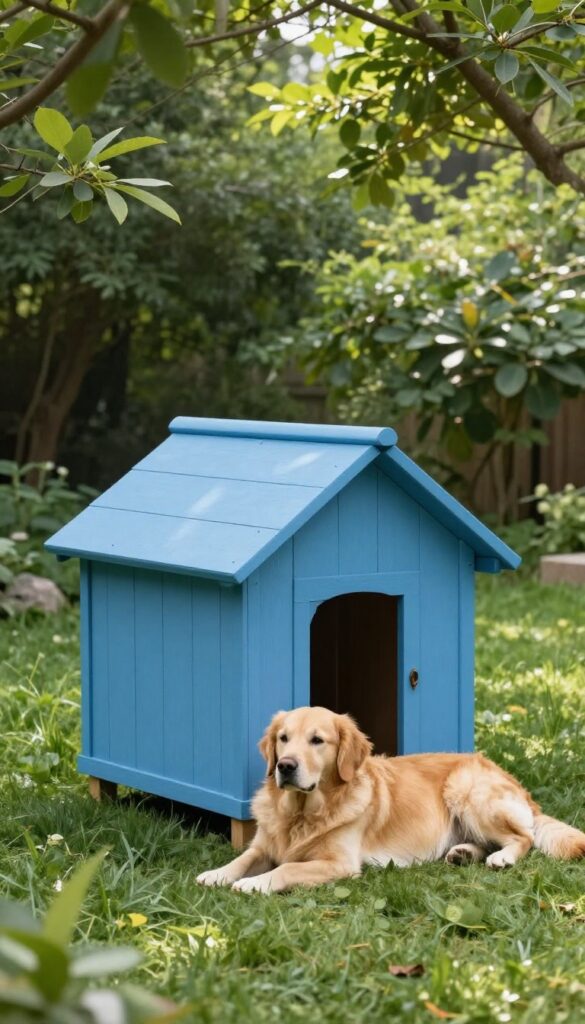
Soft blue tones aren't just easy on the eyes—they're scientifically known to reduce stress in dogs. A sky blue dog house brings a sense of peace to your yard, making it a go-to spot for anxious pups. It's a gentle color that stands out without shouting, giving your dog's space a serene, inviting feel.
Why It Works
Blue is a naturally calming color for many animals, including dogs. It helps lower heart rate and creates a relaxing environment, which is especially beneficial for nervous or high-strung breeds. Plus, lighter shades reflect heat better than dark colors, keeping the interior cooler in summer.
Best For
This color is perfect for anxious or easily stressed dogs, such as rescue pups or those with separation anxiety. It also suits homes with busy yards where you want the dog house to blend into the landscape without clashing.
Practical Tip
Use a matte exterior paint to avoid harsh glare that can bother your dog's eyes. Place the house in a shaded area—under a tree or beside a fence—to prevent the light blue from fading too quickly and to keep the interior temperature comfortable.
Budget-Friendly Option
If custom paint is out of budget, look for pre-colored vinyl or plastic dog houses in light blue. Many affordable models come in this shade and are UV-resistant, saving you time and money on painting.
4. 4. Warm Terracotta for Durability
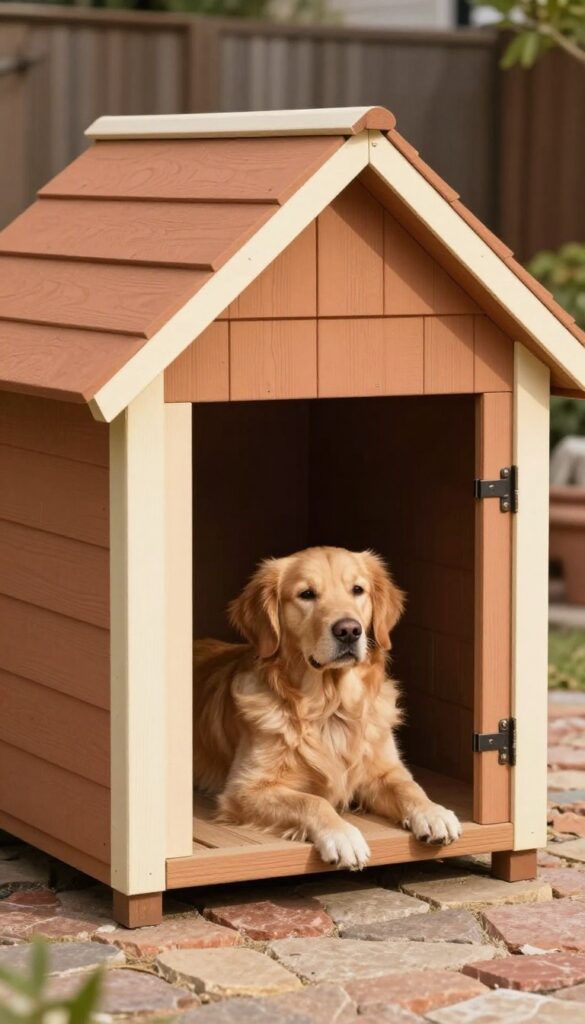
Terracotta brings a natural, earthy warmth that feels right at home in almost any yard. This rich clay tone hides scratches and paw prints better than lighter colors, so the dog house stays looking fresh between cleanings. It's a practical choice that doesn't sacrifice style.
Why It Works
The warm pigment mimics natural clay, which means minor wear and tear blends right in. A quality pet-safe, UV-resistant topcoat locks in the color and prevents fading from sun exposure, making it a low-maintenance option for busy dog owners.
Best For
Terracotta suits medium to large breeds that spend a lot of time outdoors and might scratch or bump against the house. It also complements yards with brick, stone, or desert landscaping beautifully.
Practical Tip
Pair terracotta with cream or beige trim for a clean contrast. Use a matte finish to keep the natural look and avoid glare. Reapply the UV-resistant sealant once a year to maintain durability.
Budget-Friendly Option
Skip expensive paint brands and use a high-quality exterior latex paint in a terracotta shade mixed with a masonry additive for extra grip. You'll get similar durability at half the cost.
5. 5. Bright Yellow for Visibility
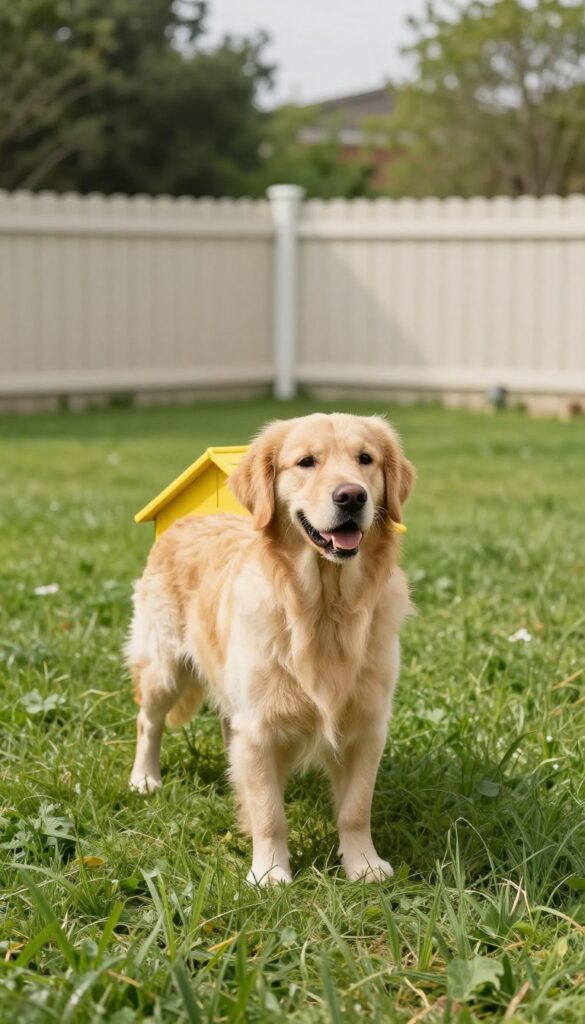
Yellow is the color of sunshine and happiness, and it brings that same energy to your dog's house. A bright yellow dog house is impossible to miss, which is actually a huge plus for senior dogs or pups with vision problems. The high contrast helps them find their way home easily, especially in low light or cluttered yards.
This shade also adds a playful pop of color that stands out against green grass or neutral fences. It's cheerful without being overwhelming, and it works well with modern or whimsical yard themes. Plus, yellow is known to boost mood—both yours and your dog's.
Why It Works
Visibility is the main advantage here. Dogs with declining eyesight or cognitive issues can struggle to locate their house, leading to confusion or anxiety. A bright yellow exterior creates a clear landmark they can spot from across the yard.
The color also reflects heat moderately, keeping the interior cooler than dark shades while still being vibrant.
Best For
Senior dogs, blind dogs, or any pup who might need a little extra help navigating their outdoor space. It's also great for large yards where the dog house might otherwise blend into the background.
Practical Tip
Use a matte or eggshell low-VOC paint—glossy finishes can create harsh glare that bothers sensitive eyes. Pair the yellow with white trim for a crisp look, or add a dark roof to ground the brightness. Always let the paint cure fully before letting your dog inside.
6. 6. Charcoal Gray for Modern Appeal
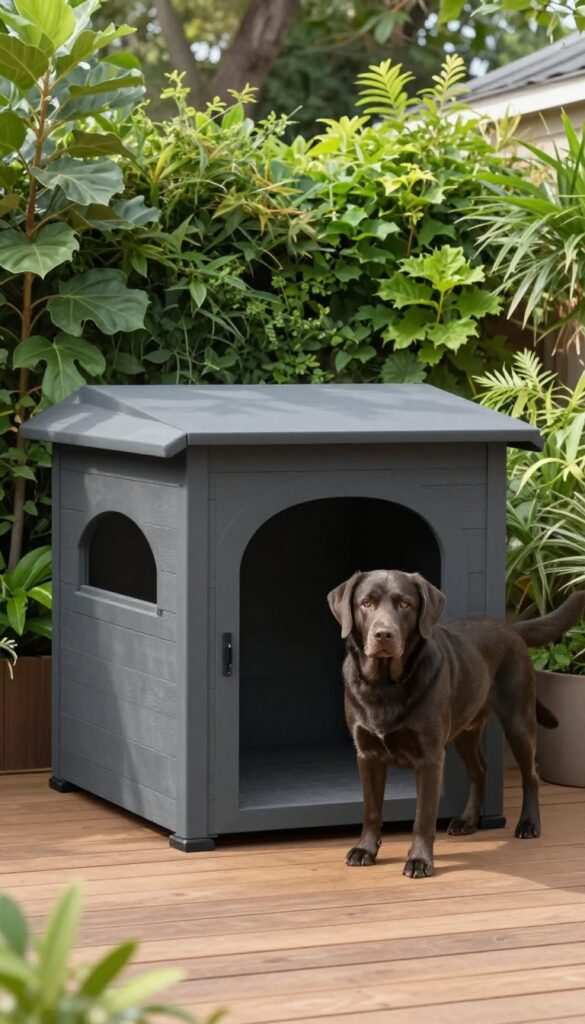
Charcoal gray dog houses bring a sleek, modern edge to any yard. This dark neutral feels sophisticated without being flashy, and it pairs well with almost any landscape—from minimalist decks to lush gardens. The matte finish gives it a soft, contemporary look that stands out in a subtle way.
Gray is naturally forgiving when it comes to dirt and paw prints, so you won't be scrubbing it every week. And because it's not a loud color, it lets your dog's personality shine. It's a favorite among owners who want something stylish but low-maintenance.
Why It Works
Dark gray hides dust, mud, and fur better than lighter shades, so the house stays looking clean longer. The color also absorbs heat, which can be a bonus in cooler months but needs attention in summer. A matte non-toxic paint adds durability and keeps the surface safe for chewing or leaning.
Best For
This shade works great for medium to large breeds like Labradors, Boxers, or German Shepherds whose houses see heavy use. It's ideal for modern or minimalist backyards where you want the house to blend rather than pop. Also suits urban yards or patio setups where style matters.
Practical Tip
Place the charcoal house in a shaded spot to avoid overheating on sunny days, or add a reflective roof coating to deflect some heat. Use a weatherproof matte exterior paint labeled pet-safe and apply two coats for best coverage. A lighter-colored door trim or cushion can break up the darkness.
7. 7. Soft Pink for a Playful Touch
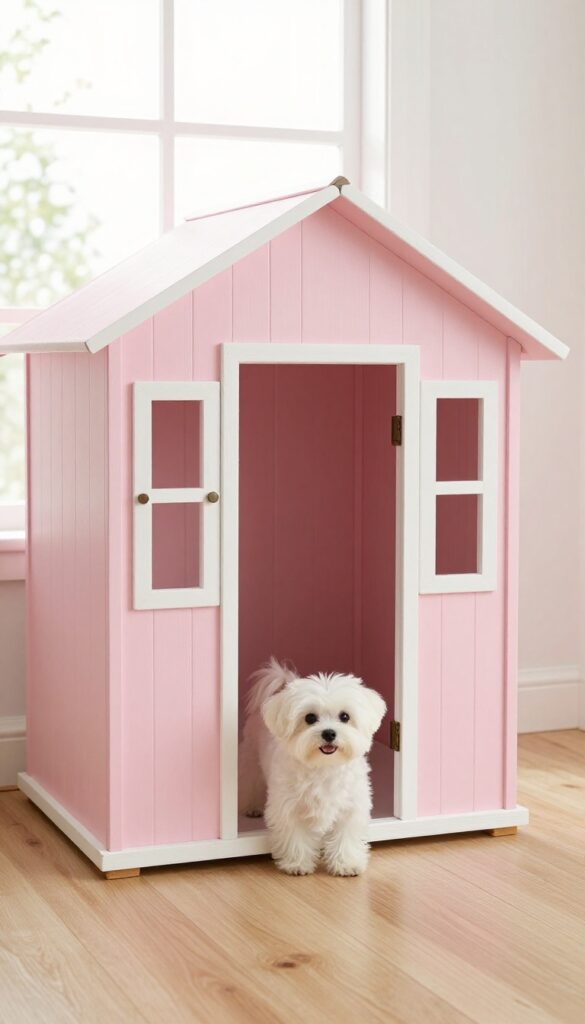
A muted blush or dusty rose adds a whimsical feel without being overwhelming. It's a great choice for small breeds or indoor dog houses. Pair with white trim for a clean look.
Soft pink brings a gentle, cheerful vibe that stands out without shouting. Many dog owners love how it adds personality while still feeling calm and cozy.
Why It Works
Pink tones are surprisingly calming for dogs, especially when used in muted shades. The soft hue doesn't reflect harsh sunlight, keeping the interior cooler in warm weather. It also hides minor dirt better than pure white.
Best For
This color is perfect for small or toy breeds like Chihuahuas, Pomeranians, or Maltese living indoors or on covered patios. It's also a hit with owners who want a feminine or playful look without going overboard.
Practical Tip
Use a matte finish exterior paint to avoid glare and keep the house looking soft. Add white trim around the door and windows for contrast. If placing outdoors, ensure the paint is non-toxic and weatherproof.
Budget-Friendly Option
Can't paint? Look for peel-and-stick vinyl decals in blush pink to accent the roof or door. They're easy to apply and remove, and cost under $20.
8. 8. Natural Wood Stain for Timelessness
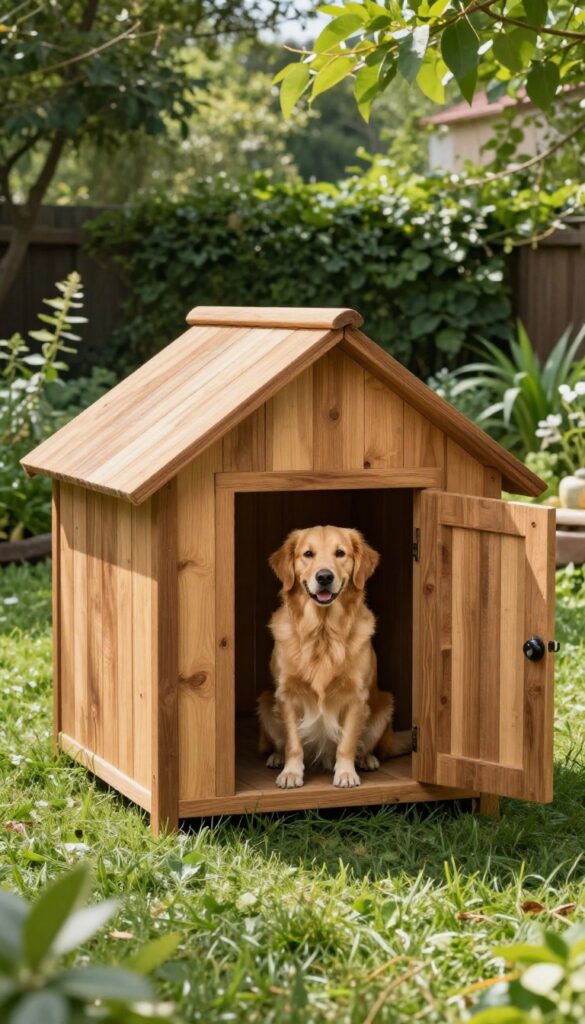
Sometimes the best color is no color at all. A natural wood stain lets the beauty of the grain shine through, giving your dog's house a classic, earthy look that never goes out of style. It blends effortlessly with any backyard setting, from rustic to modern, and feels right at home among trees, gardens, or patios.
Unlike paint, stain soaks into the wood rather than sitting on top, which means it won't chip or peel over time. This makes it a low-maintenance option that still protects against moisture and sun damage. Plus, it's easy to refresh—just apply a new coat annually to keep it looking fresh.
Dog owners love this approach because it feels natural and understated. Your pup gets a cozy retreat that doesn't scream for attention but still stands out in a subtle, sophisticated way.
Why It Works
Wood stain enhances the natural texture and warmth of the wood while providing durable protection against rain, snow, and UV rays. Because it penetrates deep into the fibers, it resists cracking and peeling far better than paint. Reapplication is simple—just clean and re-coat once a year—so you spend less time maintaining and more time enjoying your yard with your dog.
Best For
This finish is perfect for wooden dog houses in outdoor settings where you want a seamless look. It works especially well for yards with lots of greenery, decking, or fencing made from natural wood. Owners who prefer an organic aesthetic or have a dog that loves to rub against surfaces will appreciate how easily scratches blend in without showing obvious damage.
Practical Tip
Choose a semi-transparent stain so the wood grain remains visible. Apply two thin coats with a brush or roller for even coverage. Make sure the stain is labeled pet-safe and non-toxic once dry—some contain VOCs that can irritate sensitive noses.
Let the house cure fully (usually 24–48 hours) before letting your dog inside.
9. 9. Two-Tone Design for Personality
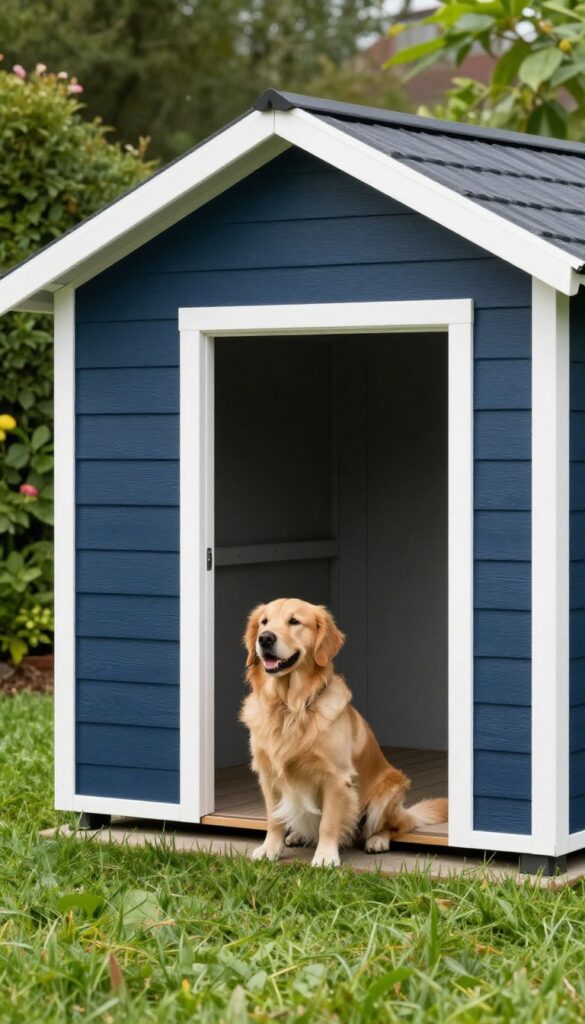
Two-tone color schemes let you mix and match shades for a custom look that reflects your dog's personality. Pairing a darker base with a lighter roof not only adds visual interest but also serves a practical purpose—the light roof reflects sunlight, keeping the interior cooler, while the darker walls hide dirt and scuffs from everyday use. It's an easy way to create a dog house that feels unique and thoughtfully designed.
Why It Works
Combining two complementary colors, like navy and white or teal and cream, gives the dog house a polished, custom appearance without requiring artistic skill. The contrast draws the eye, making the house a focal point in your yard. Plus, the functional benefits—heat reflection on the roof and stain resistance on the walls—mean less maintenance and a more comfortable space for your pup.
Best For
This style is perfect for dog owners who want a standout look that still blends with their home's exterior. It works well for active dogs that tend to dirty their house quickly, as the darker walls camouflage messes. Great for any breed, especially larger dogs that need extra ventilation in warmer climates.
Practical Tip
Use a satin or semi-gloss pet-safe paint for easy cleaning—wipe down walls with a damp cloth to remove mud or drool. Keep the interior a neutral tone like beige or light gray to prevent visual overstimulation for your dog. Add a matching trim color around doors or windows to tie the two tones together neatly.
FAQ
What type of paint is safe for a dog house?
Use only non-toxic, water-based, low-VOC or zero-VOC paints labeled for exterior use. Avoid oil-based paints and lead-based products. Let the paint cure fully before letting your dog inside.
Should I paint the inside of the dog house?
It's best to leave the interior unpainted or use a non-toxic sealant. Dogs may chew or scratch the walls, and paint chips can be harmful. Focus on the exterior for color.
How often should I repaint the dog house?
Every 1 to 3 years, depending on weather exposure and wear. Check for peeling, fading, or damage annually. Use a UV-resistant paint to extend the life of the color.
Can dark colors make the dog house too hot?
Yes, dark colors absorb more heat. If you choose a dark shade, place the house in a shaded area, add a reflective roof, or use a lighter color on the roof to reduce heat buildup.
What's the best finish for a dog house?
A matte or satin finish is ideal. Glossy finishes can create glare and show scratches more easily. Matte finishes hide imperfections and are less likely to peel.
Conclusion
Your dog's outdoor house should be a cozy retreat that reflects their personality and your style. Pick a color that suits your yard and your pup's preferences—whether it's a bold blue or a soft sage.
Start with one project this weekend, and watch your dog fall in love with their new colorful hideaway.

I’m Pallab Kishore, the owner of Little Pets Realm — an animal lover and pet care enthusiast sharing easy tips, healthy recipes, and honest advice to help every small pet live a happy, healthy, tail-wagging life.