
Last updated on April 26th, 2026 at 03:04 pm
Building a dog house that looks like it belongs in your yard doesn’t have to break the bank. With a little creativity, you can repurpose old furniture or use budget materials to create a stylish, functional space your pup will love. These nine ideas focus on clever designs that blend in seamlessly while keeping your dog comfortable and safe.
Each option prioritizes practicality—think easy cleaning, good ventilation, and durable construction. From upcycled side tables to under-deck dens, these projects work for various yard sizes and skill levels.
Many double as outdoor furniture or storage, saving space and adding value. Your dog’s house can be both a cozy retreat and a design win.
1. Repurposed Side Table Dog House
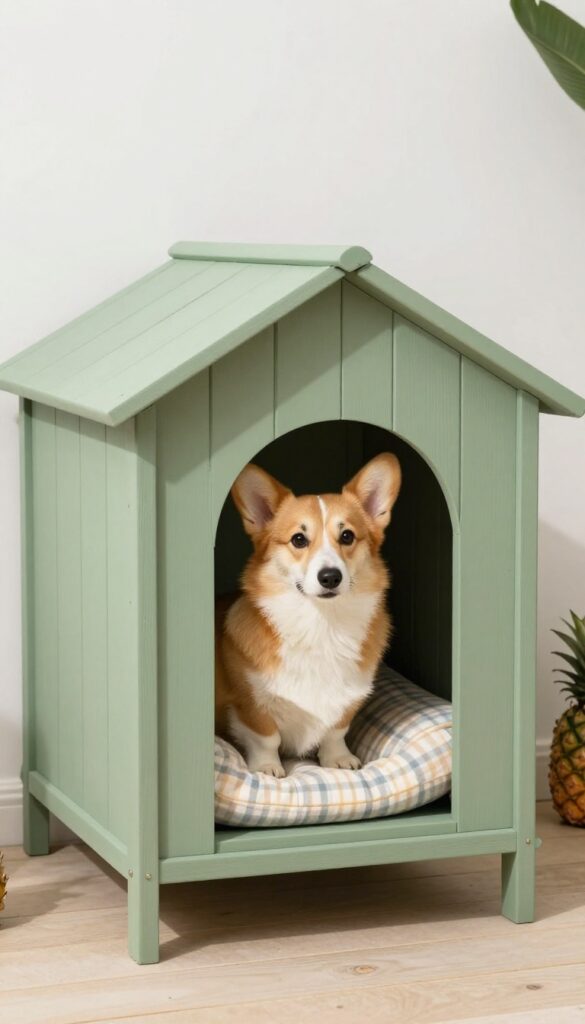
That old wooden side table gathering dust in the garage? With a bit of DIY, it can become a charming dog house that looks right at home on your patio or deck. By removing the lower shelf and adding a small roof, you create a cozy hideaway that blends with your outdoor furniture.
It’s a budget-friendly project that works especially well for small to medium dogs, and the best part is that it doesn’t scream ‘dog house’—it just looks like part of the setup.
Why It Works
Side tables already have the right proportions for a compact dog house. The enclosed space feels safe and den-like for your pup, while the raised design keeps them off damp ground. Plus, the wood construction is easy to paint or stain to match your existing outdoor decor.
Best For
This idea is perfect for small to medium breeds like French Bulldogs, Beagles, or Corgis. It fits nicely on a covered patio or under an eave, making it great for homeowners who want a discreet dog house that doesn’t dominate the yard.
Practical Tip
Seal the wood with a weatherproof stain or paint before assembly to protect against rain and sun. Add a removable cushion inside for comfort—use an outdoor fabric that resists mildew. Ensure the opening is positioned away from prevailing winds so drafts don’t bother your pup.
2. Built-In Bench Dog House
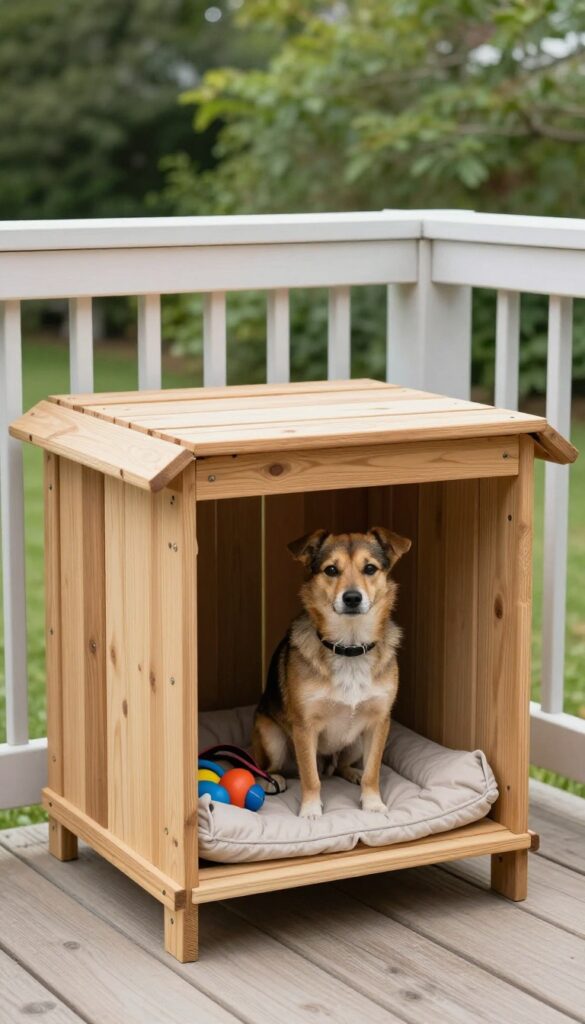
Imagine a backyard bench that doubles as your dog’s private retreat. That’s the magic of a built-in bench dog house. This clever design tucks a cozy kennel under the seat, so your pup gets a shaded hideaway while you get extra seating and storage.
It feels less like a dog house and more like part of the deck or patio.
Why It Works
Because it serves multiple purposes without taking up extra space. The bench provides a spot for you to sit and relax, while the enclosed area underneath gives your dog a secure, weather-protected den. Hinged seat lids lift to reveal storage for toys, leashes, or outdoor cushions, keeping everything tidy.
Best For
Dog owners who want a seamless look in their yard, especially those with limited space who need furniture that multitasks. Works well for small to medium breeds that enjoy curling up in a cozy nook.
Practical Tip
Use weather-resistant wood like cedar or pressure-treated pine, and seal it with pet-safe outdoor stain or paint. Make sure the opening is large enough for your dog to enter comfortably but not so big that rain blows in. Add a soft cushion inside for comfort and removable bedding for easy washing.
Budget-Friendly Option
If building from scratch feels daunting, repurpose an old sturdy bench or table by adding walls and a door underneath. You can often find cheap wooden benches at thrift stores or garage sales.
3. Pallet Dog House With Green Roof
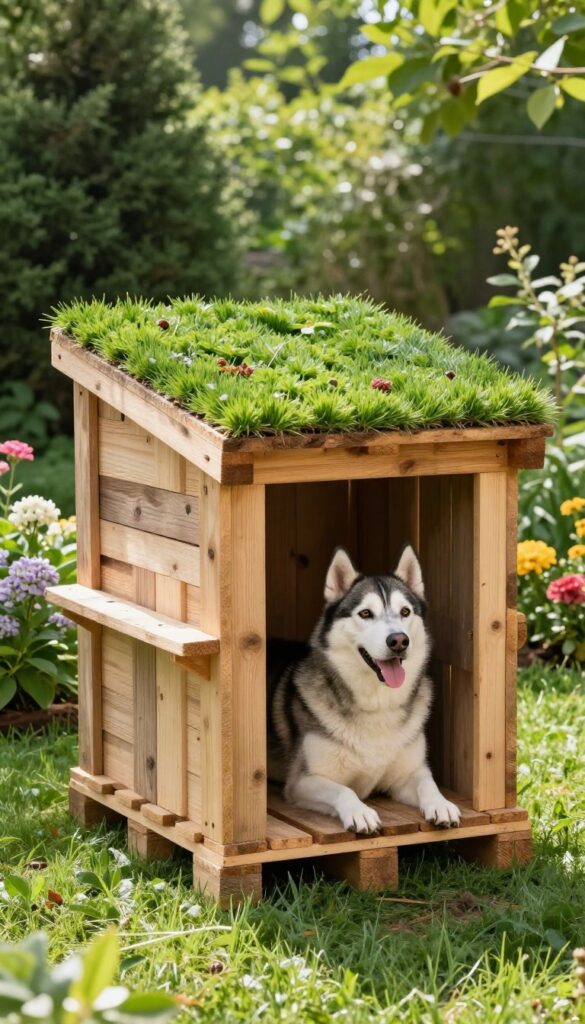
Reclaimed pallets and a living roof turn a basic dog house into an eco-friendly garden feature. The green roof—planted with sedum or grass—adds natural insulation and helps the structure blend into the landscape. It’s a weekend project that gives your pup a cool, quiet retreat while boosting your yard’s curb appeal.
Why It Works
The thick soil and plants on top keep the interior cooler in summer and warmer in winter, reducing stress on your dog. Pallets are free or cheap, making this one of the most budget-friendly builds that still looks intentional and polished.
Best For
This idea suits eco-conscious owners with medium to large yards who enjoy DIY projects. It works well for dogs that spend time outdoors but need shelter from heat or cold—especially breeds prone to overheating like huskies or bulldogs.
Practical Tip
Line the interior with removable plywood panels for easy cleaning, and seal all wood with pet-safe outdoor paint or stain to prevent splinters. Choose low-maintenance sedum for the roof; it needs little water and stays green all season.
4. Matching Shed Dog House
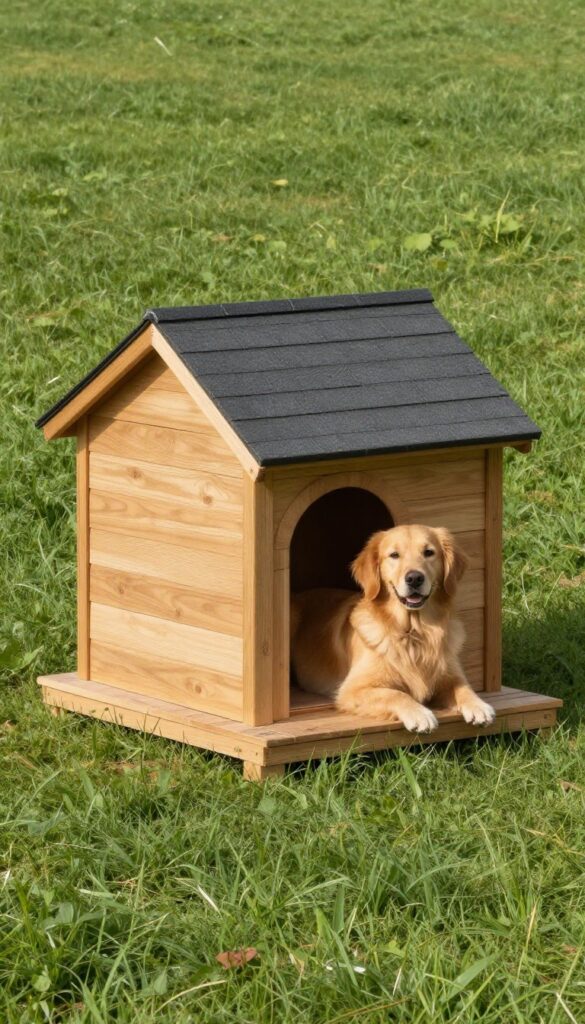
If you have a backyard shed or tool storage, why not give your dog a matching mini version? This idea uses the same siding and roof color as your existing structure, so the dog house blends right in. It feels intentional and polished, not like an afterthought.
A small porch adds extra charm and gives your pup a place to lounge outside the door. The cohesive look ties the whole yard together while giving your dog their own private space.
Why It Works
Matching the dog house to an existing shed creates visual harmony in your yard. It looks like it was always part of the plan, not a random addition. Plus, using similar materials means it will weather and age the same way, keeping everything consistent over time.
Best For
This works great if you already have a shed or outdoor storage building. It’s ideal for medium to large yards where the shed is a focal point. Dogs that enjoy being near their people while still having their own spot will love the attached porch.
Practical Tip
Use the exact same paint or stain color as your shed for the dog house walls and trim. Match the roof material—if you use asphalt shingles on the shed, do mini shingles on the dog house. Add a small welcome mat or name sign for personality without breaking the theme.
5. Under-Deck Dog Den
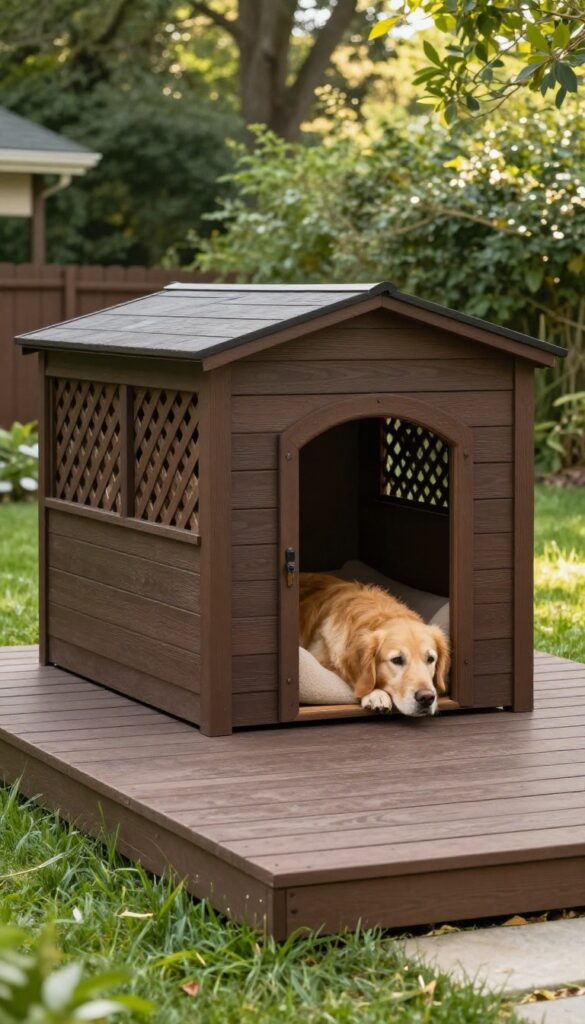
That unused space beneath your deck is prime real estate for a hidden dog house. By enclosing it with lattice or siding and adding a small door, you create a weather-protected retreat that feels like part of the original structure. It’s a smart way to repurpose dead space without cluttering your yard.
Dogs love having a cozy cave-like spot to nap and watch the yard from safety. An under-deck den stays cooler in summer and warmer in winter than standalone houses, thanks to the thermal mass of the ground above. Plus, it keeps your dog sheltered from rain, snow, and direct sun.
Owners appreciate how seamlessly it blends in—no bulky dog house competing with your landscaping. You can paint the siding to match your deck or house for a truly built-in look.
Why It Works
The ground above provides natural insulation, making the den comfortable year-round. It also keeps the structure out of sight, preserving your yard’s aesthetic. The enclosed space protects against wind and precipitation better than most freestanding houses.
Best For
Homes with raised decks that have at least 18 inches of clearance underneath. Ideal for medium to large dogs who enjoy burrowing into covered spaces. Also great for multi-dog households since you can make the den spacious enough for two beds.
Practical Tip
Use removable lattice panels or hinged sections for easy access to clean or retrieve toys. Add a waterproof outdoor mat at the entrance to trap mud and moisture. For ventilation, cut small screened windows near the top of the enclosure—dogs love a view.
6. Stone-Faced Dog House
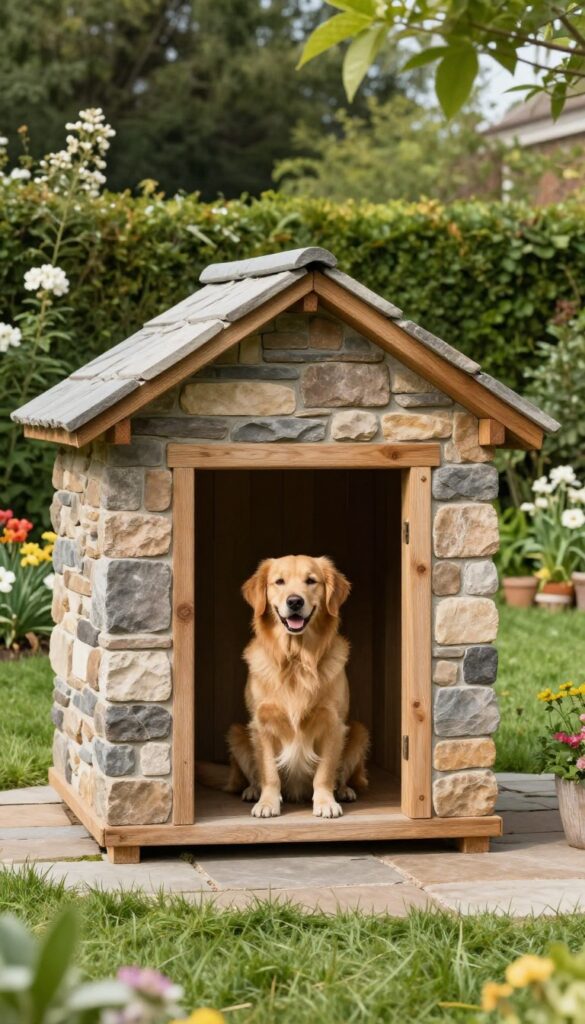
A stone facade turns a simple wooden dog house into a permanent-looking feature that blends with your landscaping. The textured surface adds visual weight and durability, making the structure feel like a natural part of the yard rather than an afterthought.
This approach works especially well if you already have stone patios, retaining walls, or garden borders. The dog house becomes a cohesive element that ties the outdoor space together while giving your pup a weather-resistant retreat.
Why It Works
Stone veneer is tough—it stands up to rain, sun, and temperature swings without rotting or fading. The added insulation helps keep the interior cooler in summer and warmer in winter, making it more comfortable for your dog year-round.
Best For
Best for homeowners with existing stone landscaping who want a seamless look. It’s also great for larger yards where the dog house needs to hold its own as a permanent structure.
Practical Tip
Use thin stone veneer panels (available at home improvement stores) over plywood or OSB. Apply a waterproof membrane underneath to prevent moisture damage. Leave a small gap at the bottom for airflow and clean out debris regularly from between the stones.
Budget-Friendly Option
If real stone is too pricey, try faux stone panels made from polyurethane—they’re lightweight, easy to cut, and still give that high-end look without the heavy cost.
7. Crate-Inspired Indoor-Outdoor House
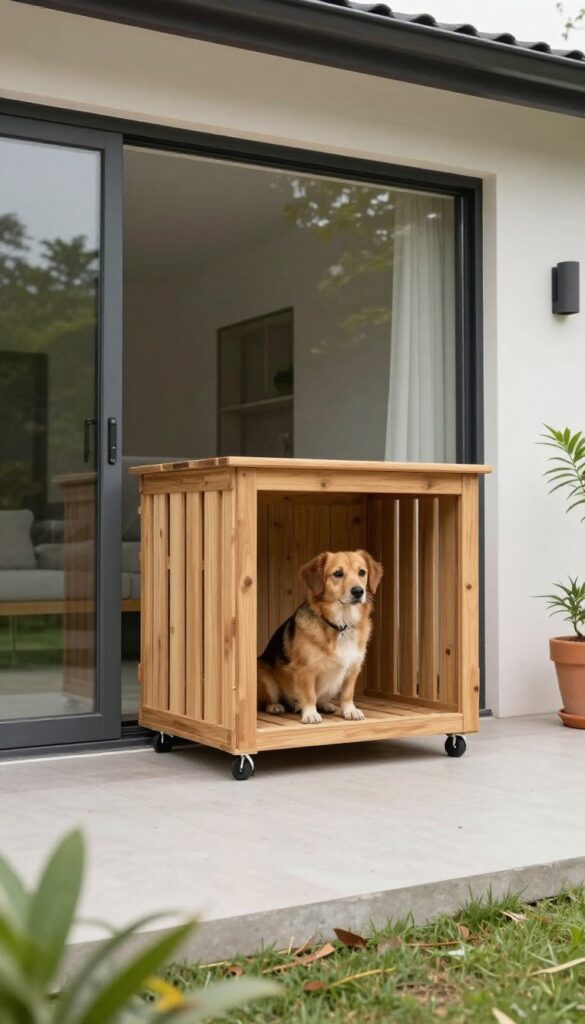
A wooden crate is one of those classic pieces that somehow looks right anywhere—rustic farmhouse, modern minimalist, or cozy cottage. By designing a dog house that mimics a large crate with slatted sides, you get a structure that feels intentional and built-in rather than an afterthought.
Placing it near a back door means your dog can use it as both an indoor crate and an outdoor shelter. The slats allow airflow and visibility, so your pup feels connected to what’s going on around them. Add casters to the base, and you can roll it out of the way for cleaning or rearranging—a game changer for small yards or patios.
Why It Works
The open slatted design provides excellent ventilation in summer while still offering a sense of security. Because it’s on wheels, you can easily move it from indoors to outdoors depending on the weather or your dog’s preference. It also doubles as a stylish piece of furniture that doesn’t scream ‘dog house.’
Best For
This design suits dogs who like to be near their people—whether inside or out—and owners who want flexibility. It works especially well for smaller breeds or medium dogs that are comfortable in a crate-style space. Great for renters or anyone who wants a movable setup.
Practical Tip
Use untreated pine or cedar for the frame and slats; stain or seal with a pet-safe finish. Attach heavy-duty casters with locks so the house stays put when needed. Add a washable cushion or mat inside for comfort, and consider a waterproof roof panel if it will spend time outdoors.
Budget-Friendly Option
Instead of building from scratch, repurpose an old wooden crate or wine box (large enough for your dog) by adding casters and a hinged roof. You can often find them at flea markets or online for under $40.
8. A-Frame Dog House With Porch
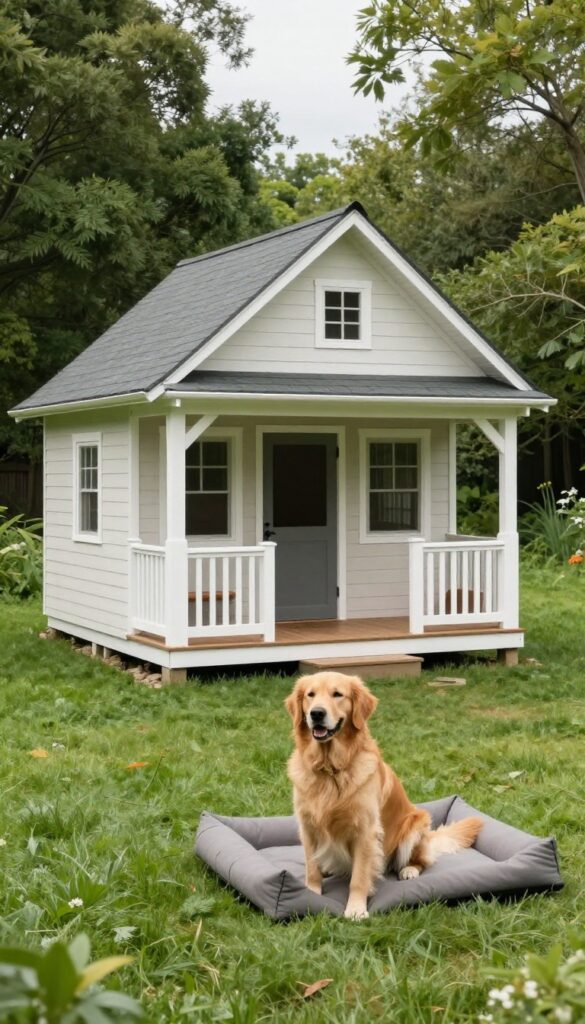
An A-frame dog house with a small porch combines classic charm with practical design. The steep roof sheds rain and snow easily, so you won’t have to worry about leaks or water pooling. Adding a covered porch gives your dog a shaded spot to lounge outdoors while staying close to their house.
Why It Works
The A-frame shape is naturally sturdy and weather-resistant, making it a long-lasting option for outdoor use. The porch extends the usable space, giving your dog a place to relax outside the main shelter, which is great for dogs that like to be near you but need their own zone.
Best For
Best for medium to large dogs that enjoy spending time outside in varying weather, and for owners who want a dog house with classic curb appeal. It works well in yards with traditional or rustic landscaping.
Practical Tip
Paint the A-frame to match your home’s trim or siding so it blends in seamlessly. Use exterior-grade paint and sealant to protect against moisture. Add a soft outdoor dog bed on the porch for extra comfort.
Budget-Friendly Option
Build the frame from salvaged wood pallets or reclaimed lumber to keep costs low. You can also use corrugated metal roofing sheets instead of shingles for a modern, budget-friendly twist.
9. Repurposed Nightstand Dog House
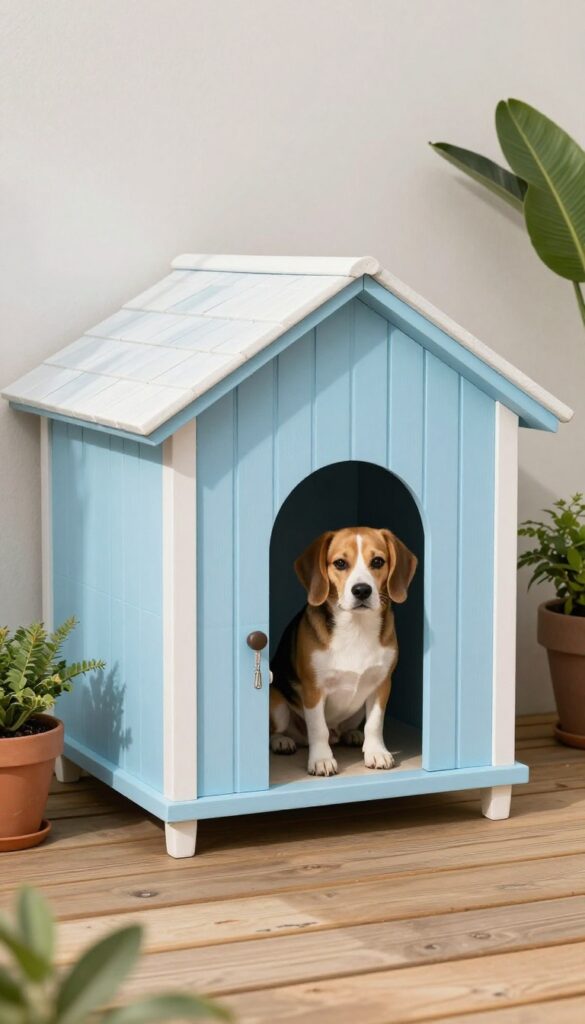
An old nightstand or dresser can become the coziest little dog den you’ve ever seen. By removing the drawers and cutting an arched doorway into the front, you instantly create a sheltered spot that’s off the ground and full of charm. The existing legs provide airflow underneath, and the leftover drawer space turns into handy storage for leashes, treats, or toys.
It’s a clever way to give your dog a private retreat while keeping your yard looking tidy and intentional.
Why It Works
The elevated design keeps your pup dry and cool in warm weather, and the solid wood construction holds up well outdoors with a coat of sealant. Plus, those extra drawers mean you can stash all the dog gear right next to the house—no more running inside for a toy or a bag of treats.
Best For
This idea shines for small to medium breeds like French Bulldogs, Beagles, or Corgis who love a snug cave-like space. It’s also perfect for renters or homeowners with limited yard space since the footprint is compact and the piece doubles as functional outdoor furniture.
Practical Tip
Paint or stain your nightstand to match your existing patio furniture or fence for a seamless look. Add a waterproof roof made from scrap plywood or shingles to protect against rain, and line the interior with a washable cushion or outdoor rug for easy cleanup.
Budget-Friendly Option
No old nightstand on hand? Check thrift stores, garage sales, or Facebook Marketplace for solid wood pieces under $20. Even a beat-up dresser can be transformed with some sanding and a fresh coat of paint—just make sure it’s sturdy enough to last through the seasons.
FAQ
What is the best material for a built-in dog house?
Cedar and pressure-treated pine are durable and weather-resistant. For a built-in look, match the material to your existing deck or siding.
How do I insulate a dog house for winter?
Use foam board insulation inside the walls and a waterproof outer layer. Add a heated bed or straw bedding for extra warmth.
Can I build a dog house that matches my house?
Yes, use the same siding, paint color, and roof shingles as your home. Miniature versions of your house’s architectural details create a seamless look.
How big should a dog house be for my dog?
The house should be just big enough for your dog to stand up, turn around, and lie down comfortably. Too much space makes it harder to retain body heat.
What is the best way to keep a dog house cool in summer?
Elevate the house for airflow, add a reflective roof coating, and place it in a shaded area. A small fan or ventilation vents also help.
Conclusion
Your dog’s outdoor retreat doesn’t need to look like an afterthought. Start with a design that blends into your yard, then add simple comforts like a soft bed or shade cover. Your pup will love having a spot that feels like part of the family space.
Small upgrades make a big difference in how often they use it. Pick one idea that fits your budget and yard size—you’ll both enjoy the result.

I’m Pallab Kishore, the owner of Little Pets Realm — an animal lover and pet care enthusiast sharing easy tips, healthy recipes, and honest advice to help every small pet live a happy, healthy, tail-wagging life.