
Ever feel like grooming your dog turns into a messy, stressful ordeal? You're not alone—many pet owners struggle with finding a calm, efficient routine.
This guide offers 16 practical tips to transform grooming into a smoother, happier experience for both you and your furry friend. From setting up a dedicated corner to choosing the right tools, each idea tackles a common challenge dog owners face.
We'll cover everything from nail trimming to bath time, focusing on comfort and safety without breaking the bank. Whether you live in an apartment or a house, these straightforward steps help create a functional space that keeps your dog clean and content.
1. Set Up a Dedicated Grooming Corner
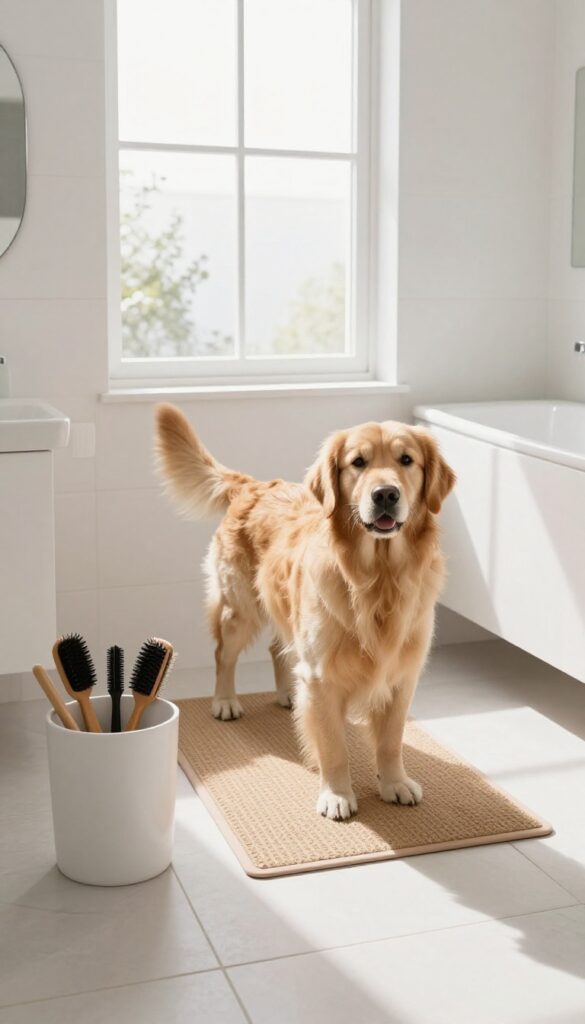
Creating a specific spot for grooming can make the whole process feel less chaotic. It gives your dog a consistent place to get brushed or bathed, which helps them relax over time. Owners appreciate how this simple setup keeps hair and water from spreading all over the house.
Why It Works
A dedicated corner reduces stress by providing a predictable environment. Your dog learns what to expect there, making grooming sessions smoother and quicker for everyone involved.
Best For
This idea works well for dog owners in apartments or small homes where space is limited. It's especially helpful for breeds that shed a lot or need frequent baths, like Golden Retrievers or Poodles.
Practical Tip
Pick a spot with easy-to-clean floors, such as tile or vinyl, and keep essentials like towels and brushes nearby in a bin. Add a non-slip mat to prevent slips during bath time, ensuring your dog feels secure.
2. Invest in a Non-Slip Mat
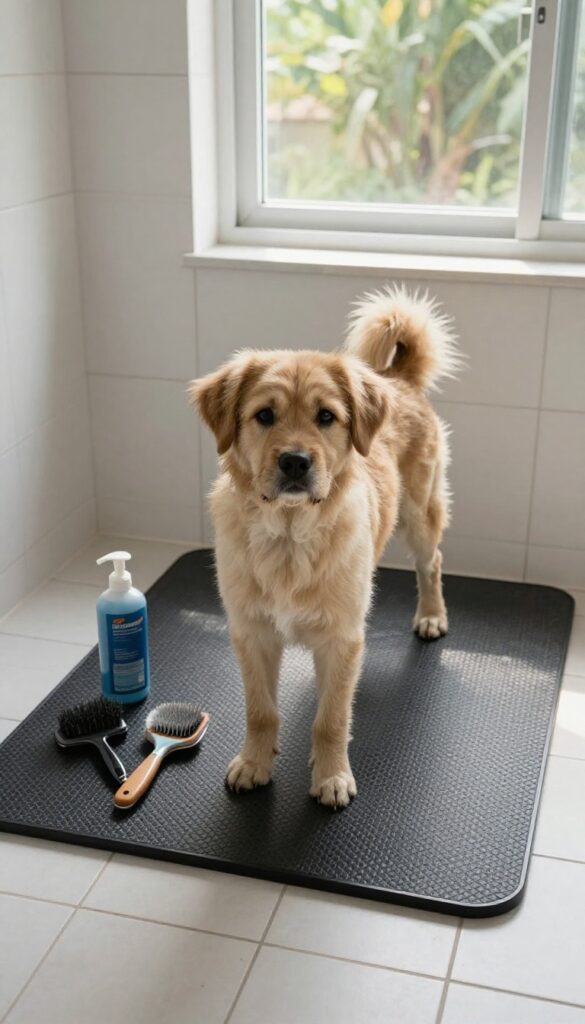
A simple rubber or textured mat can make grooming sessions much smoother for both you and your dog. It gives your pup a stable surface to stand on, reducing slips and helping them feel more at ease. Many owners find this small addition cuts down on stress and keeps the area tidier.
Why It Works
Dogs often get anxious when they feel unsteady, especially during baths or nail trims. A non-slip mat provides traction, so they're less likely to slide around or panic. This stability makes grooming quicker and safer, as your dog stays put without constant repositioning.
Best For
This tip is great for any dog owner, but it's especially helpful for larger breeds or older dogs who might struggle with balance. It works well in apartments or homes where grooming happens on slick floors like tile or hardwood.
Practical Tip
Place the mat in a dedicated grooming corner near your supplies for easy access. Choose one that's easy to clean—just rinse it off after use—and consider a size that fits your dog comfortably without taking up too much space.
Budget-Friendly Option
If you're on a tight budget, an old yoga mat or a rubber-backed bathmat can work as a temporary fix. Just make sure it's non-slip and washable to keep things hygienic.
3. Use the Right Brush for Your Dog's Coat
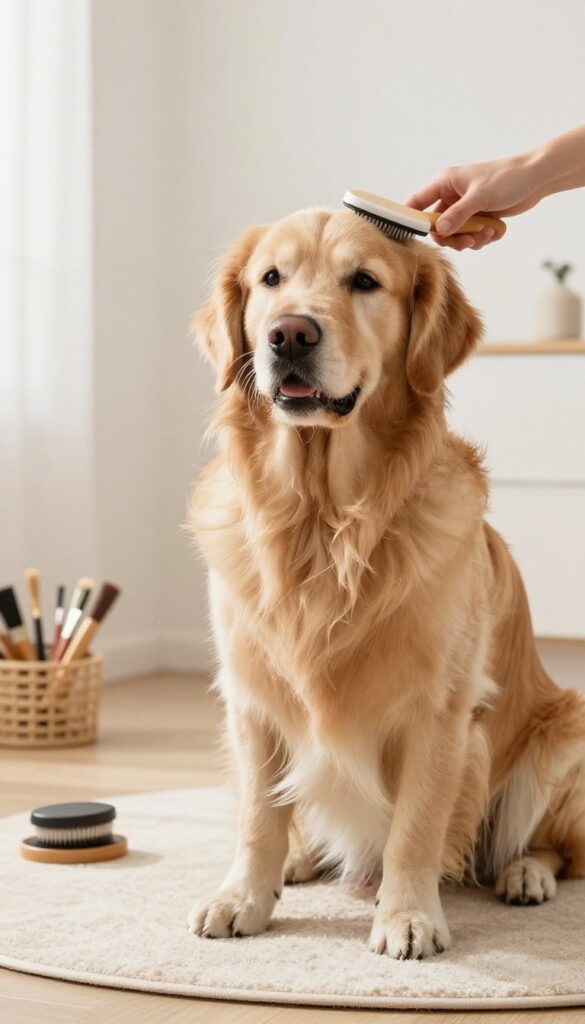
Picking the perfect brush for your dog's fur type can turn grooming from a chore into a breeze. It's all about matching the tool to their coat, which helps prevent tangles and keeps shedding under control. Dog owners love this tip because it makes brushing sessions quicker and more comfortable for everyone involved.
Why It Works
Using the right brush removes loose hair and dirt effectively without irritating your dog's skin. For example, a slicker brush gently detangles long coats, while a bristle brush polishes short fur to reduce shedding around your home. This targeted approach means less time spent cleaning up and more time enjoying a happy, well-groomed pup.
Best For
This idea fits any dog owner dealing with shedding or matting issues, especially those with breeds like Golden Retrievers or Poodles. It works well in apartments or houses where keeping fur off furniture is a priority, and it's great for busy households looking to streamline their grooming routine.
Practical Tip
Store brushes in a small basket or hook near your grooming area to keep them handy and organized. Before each use, check for any sharp edges or debris that could scratch your dog, and clean brushes regularly with warm water to maintain hygiene. A comfortable mat on the floor can help your dog feel secure during brushing sessions.
4. Keep Nail Trimming Stress-Free
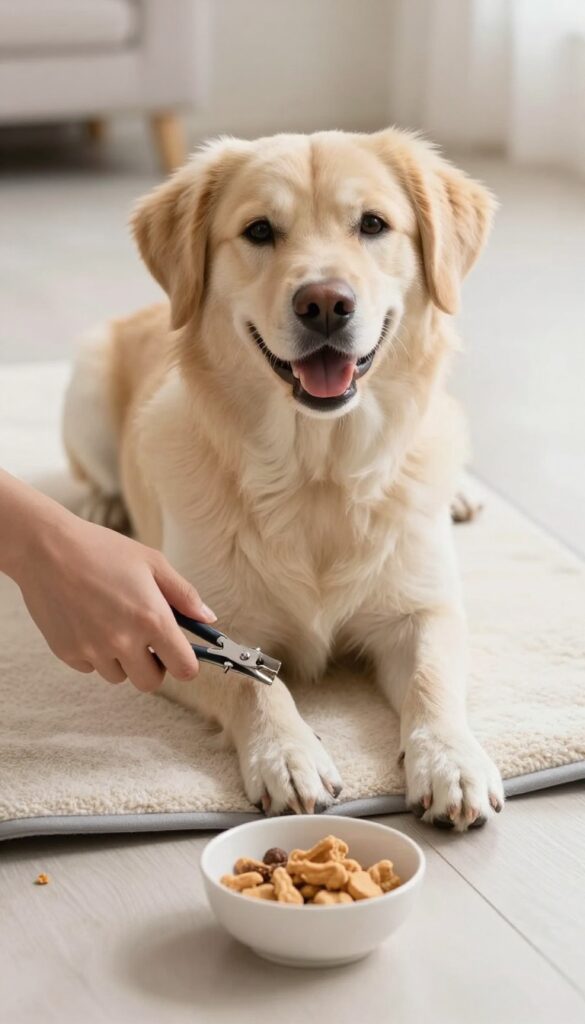
Nail trimming doesn't have to be a battle. By introducing clippers slowly and keeping sessions short, you can turn it into a calm routine your dog actually tolerates. Many owners find that regular, gentle trims with plenty of rewards make the whole experience smoother for everyone involved.
Why It Works
This approach works because it builds trust over time. Dogs feel less anxious when they know what to expect, and small, frequent trims prevent overcutting and discomfort. Pairing the process with treats reinforces positive behavior, making future sessions easier.
Best For
This tip is ideal for dogs who get nervous during grooming or have dark nails where the quick is hard to see. It's great for busy households where quick, low-stress care fits into daily life, whether in apartments or homes with limited space.
Practical Tip
Set up a quiet spot with good lighting and a non-slip mat to keep your dog steady. Keep clippers and treats within easy reach, and trim after exercise when your dog is relaxed. Clean up clippings promptly to avoid mess and check nails weekly to maintain a routine.
Budget-Friendly Option
If you don't have fancy clippers, a basic pair from a pet store works fine—just ensure they're sharp and clean. Use homemade treats or kibble instead of expensive rewards, and repurpose an old towel as a mat for stability.
5. Create a Calm Bath Time Routine
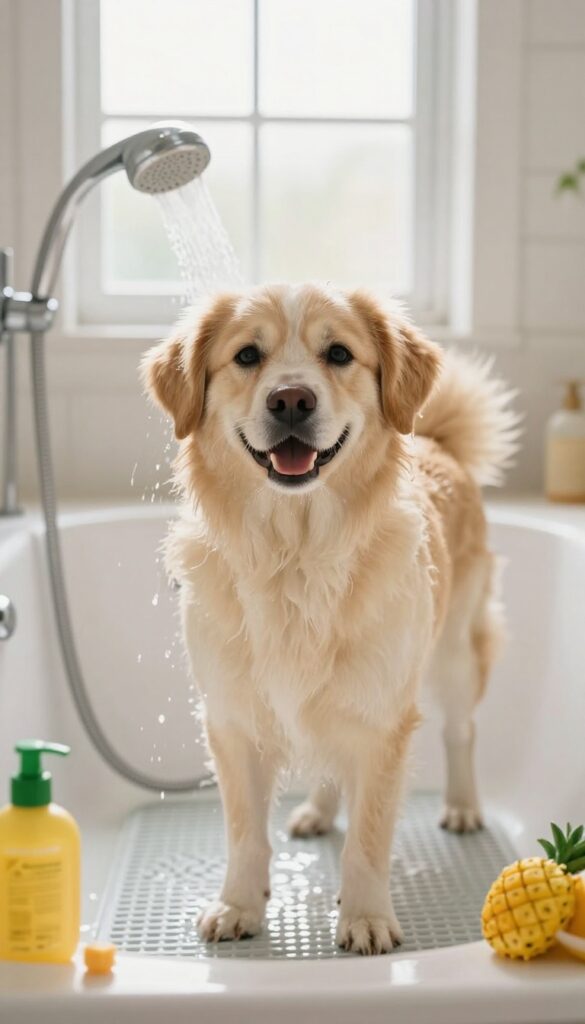
Bath time can be a breeze with a little planning. By setting up a consistent routine, you help your dog know what to expect, turning a potential struggle into a relaxing moment. Many owners find that this approach reduces stress for both them and their pup, making grooming feel more like bonding than a chore.
Why It Works
A calm routine works because dogs thrive on predictability. When you use lukewarm water and gentle handling, it soothes their nerves and prevents sudden reactions. This makes the whole process smoother and safer for everyone involved.
Best For
This idea fits any dog owner dealing with bath-time anxiety, especially those with nervous or energetic breeds. It's great for apartments or homes where space is limited, as it focuses on simple steps rather than fancy setups.
Practical Tip
Start by placing a non-slip mat in the tub or shower to keep your dog steady. Use dog-safe shampoo and rinse thoroughly to avoid skin irritation. Keep treats nearby to reward calm behavior throughout the bath.
6. Store Grooming Tools Neatly
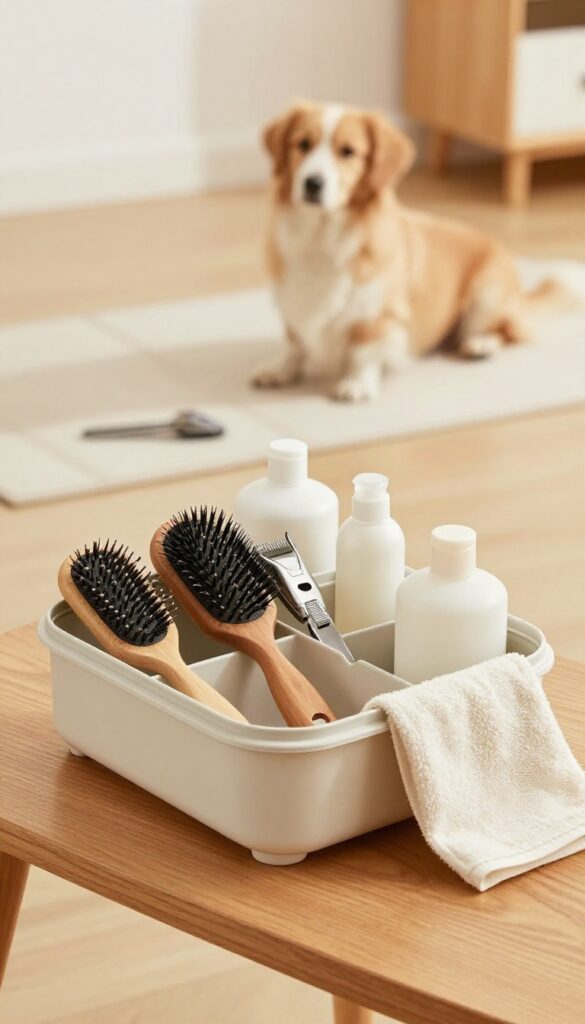
Ever find yourself scrambling for a brush or clipper in the middle of grooming? Keeping your tools organized in a caddy or drawer can save you time and reduce stress. It’s a simple habit that makes everything more accessible, so you can focus on your dog instead of searching through clutter.
Many owners love how it keeps their space tidy and ready for quick touch-ups.
Why It Works
This setup works because it prevents tools from getting lost or damaged, ensuring they’re always clean and ready to use. A designated spot means less mess and faster grooming sessions, which helps keep your dog calm and cooperative.
Best For
This idea fits well for busy households or small spaces like apartments, where storage is limited. It’s especially handy for multi-dog homes or owners with long-haired breeds that need frequent grooming.
Practical Tip
Use a portable caddy with compartments to separate brushes, clippers, and shampoos—place it near your grooming area for easy reach. Consider adding hooks for leashes or towels to keep everything in one spot without clutter.
Budget-Friendly Option
If a caddy isn’t in the budget, repurpose an old shoebox or kitchen drawer organizer. Label sections with tape to keep items sorted, and it works just as effectively for staying tidy.
7. Brush Teeth for Better Health
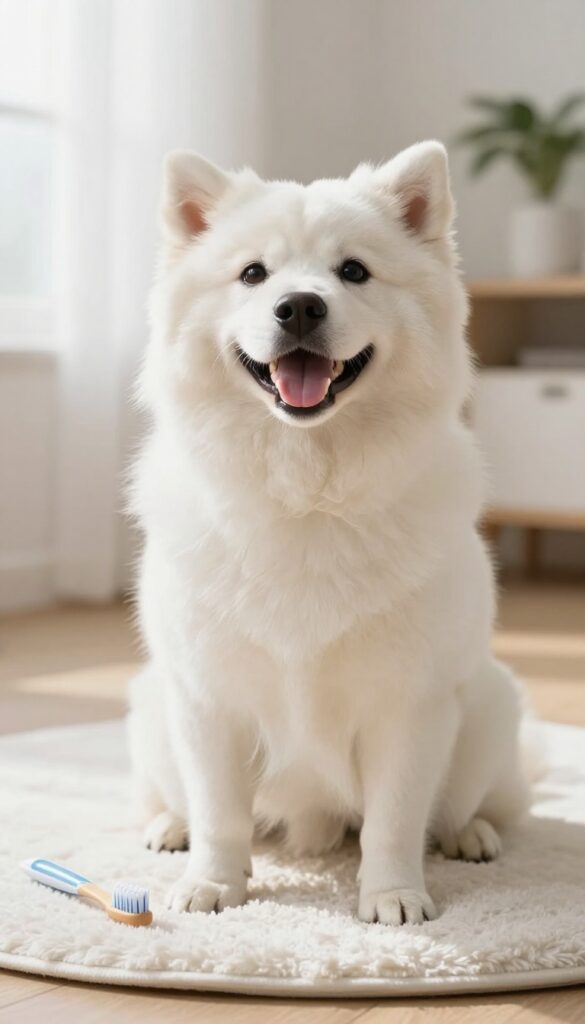
Dental care often gets overlooked in the daily rush, but brushing your dog's teeth can be a game-changer for their overall well-being. It's not just about fresh breath—regular brushing helps prevent plaque buildup and reduces the risk of gum disease, making your pup more comfortable and healthier. Many owners find that adding this simple step to their routine strengthens the bond with their dog while keeping vet visits for dental issues at bay.
Why It Works
Brushing removes food particles and bacteria before they harden into tartar, which can lead to painful infections and tooth loss. By making it a habit, you're proactively protecting your dog's mouth without needing frequent professional cleanings.
Best For
This tip suits all dogs, especially breeds prone to dental problems like small dogs or those with crowded teeth. It's ideal for owners in any living situation who want to invest a few minutes in preventive care.
Practical Tip
Set up a calm spot with a soft mat where your dog feels secure. Use a dog-specific toothpaste in a flavor they enjoy and a gentle brush designed for pets—start slow with short sessions to build comfort and always reward with praise or a treat afterward.
Budget-Friendly Option
If a special dog toothbrush isn't handy, try a finger brush or even a soft cloth wrapped around your finger with toothpaste. Just avoid human products, as they can be harmful to dogs.
8. Check Ears Regularly for Cleanliness
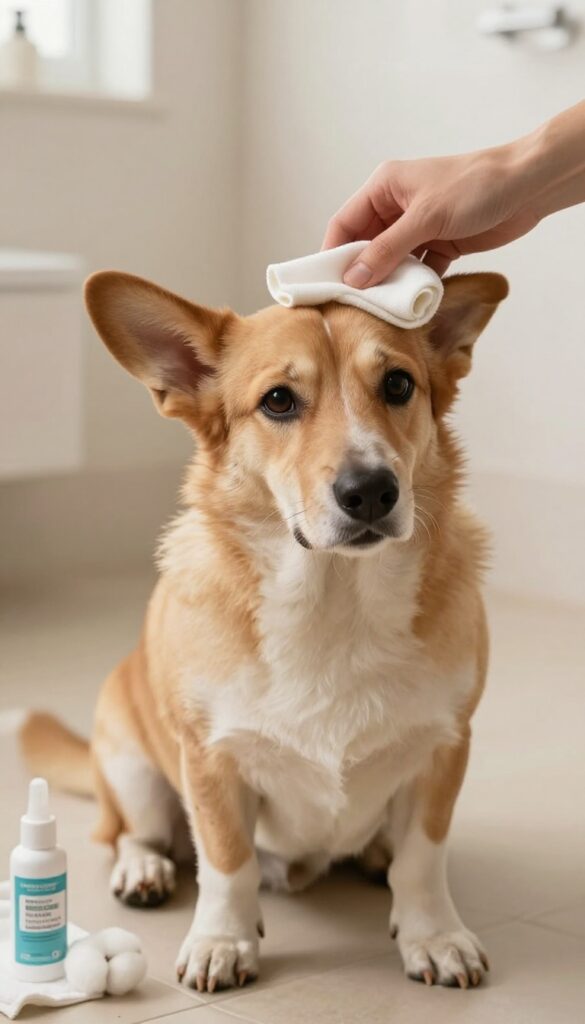
Ear care is a simple habit that can prevent big problems down the line. By wiping your dog's ears gently with a damp cloth or vet-approved solution, you remove dirt and wax buildup before it leads to discomfort or infections. Many owners find this quick step keeps their pup happier and avoids costly vet visits.
Why It Works
Regular ear cleaning helps maintain airflow and reduces moisture, which lowers the risk of bacterial or yeast infections. It also lets you spot early signs of issues like redness or odor, so you can address them promptly.
Best For
This tip is great for dogs with floppy ears like Basset Hounds or Cocker Spaniels, as they trap more moisture. It also suits active dogs who love outdoor adventures, since dirt and debris can easily get inside their ears.
Practical Tip
Set up a small grooming kit with cotton balls, a gentle ear cleaner, and treats in a bathroom drawer or crate area. Make it part of your weekly routine after baths or walks to keep your dog comfortable and accustomed to the process.
Budget-Friendly Option
If you don't have a vet-approved solution, use a soft cloth dampened with warm water—just avoid cotton swabs that can push debris deeper. Always check with your vet for affordable product recommendations if needed.
9. Trim Paw Hair to Prevent Mats
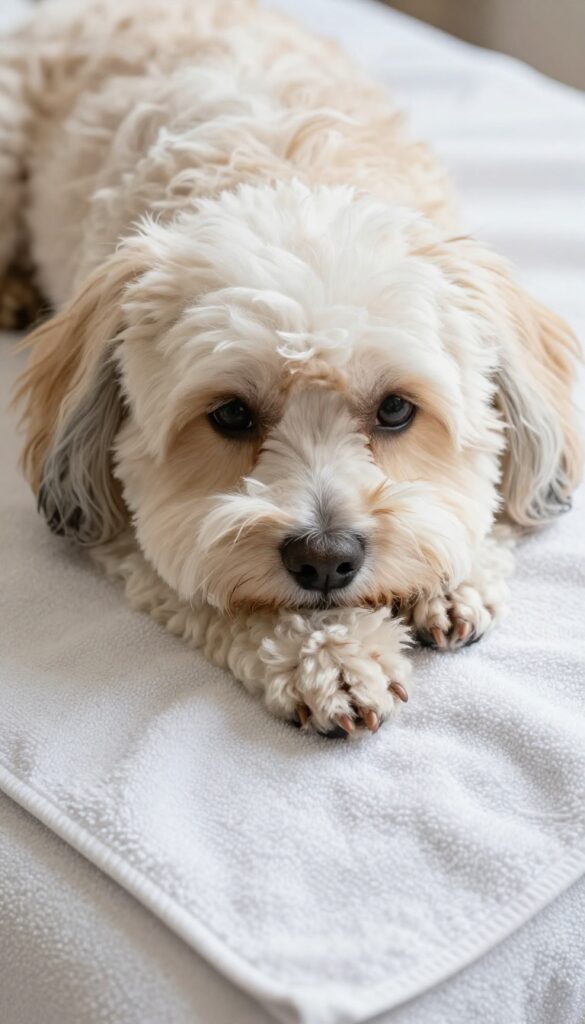
Those fluffy paws might look adorable, but they can quickly turn into a magnet for dirt and tangles. Trimming the hair between your dog's paw pads is a simple step that keeps their feet cleaner and more comfortable. It's one of those small grooming tasks that makes a big difference in how your dog feels on walks.
Why It Works
Excess hair between the pads traps mud, snow, and debris, which can lead to mats and irritation. By keeping this area neat, you reduce the risk of discomfort and make it easier for your dog to grip surfaces. It also helps prevent dirt from being tracked all over your home.
Best For
This tip is especially useful for long-haired breeds like Shih Tzus or Poodles, or any dog that spends a lot of time outdoors. It's great for owners in areas with varied weather, as it minimizes mess from rain or snow. Even apartment dogs benefit from cleaner paws after city strolls.
Practical Tip
Use blunt-tipped scissors for safety and work when your dog is calm, like after a walk. Gently spread the toes and trim just the hair that extends beyond the pads, avoiding the skin. Keep a towel handy to wipe away any loose hairs afterward.
Budget-Friendly Option
If you don't have grooming scissors, small safety scissors from a first-aid kit can work in a pinch. Just ensure they're clean and sharp to avoid pulling on the hair. Regular trims every few weeks are more effective than waiting for mats to form.
10. Use a De-Shedding Tool Seasonally
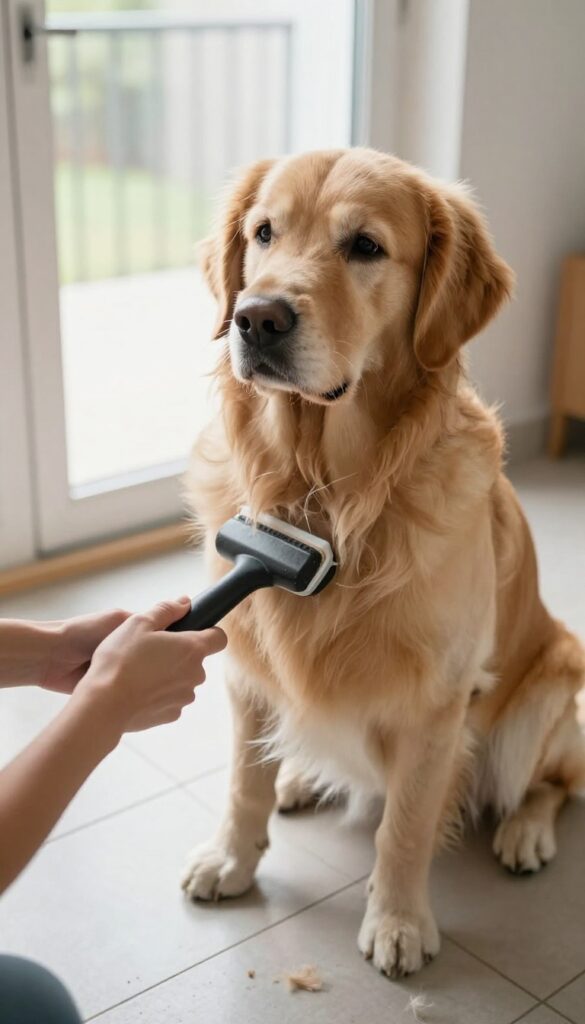
Shedding season can turn your home into a fur-covered mess, but a de-shedding tool is a simple fix that keeps things under control. It's all about timing—using it during those heavy shedding periods helps you stay ahead of the fur buildup. Dog owners love how it reduces cleanup time and keeps their pets more comfortable by removing loose undercoat before it mats or causes overheating.
Why It Works
De-shedding tools are designed to reach deep into your dog's coat to pull out loose undercoat without damaging the top layer. This not only cuts down on shedding around the house but also improves air circulation to your dog's skin, helping them stay cooler and less itchy. Regular use during peak seasons means less fur on furniture and fewer allergy triggers for sensitive family members.
Best For
This tip is perfect for medium to long-haired breeds like Golden Retrievers, Huskies, or German Shepherds that shed heavily in spring and fall. It's also great for apartment dwellers or anyone with limited space who wants to minimize fur accumulation without constant vacuuming. If your dog tends to get hot or uncomfortable during warm months, seasonal de-shedding can make a big difference in their comfort.
Practical Tip
Set up a grooming spot near a door or on an easy-to-clean surface like a tile floor or mat to catch the loose fur as you work. Use gentle, firm strokes in the direction of hair growth, starting from the neck and moving toward the tail, and take breaks if your dog seems restless. After each session, wipe down the tool with a damp cloth and store it in a dry place to keep it ready for next time.
Budget-Friendly Option
If you're on a tight budget, a basic slicker brush or even a rubber grooming mitt can help manage shedding effectively. Look for affordable options at pet stores or online—they might not be as specialized, but they'll still reduce loose fur with regular use. Just focus on consistency rather than fancy features to keep costs down while maintaining your dog's coat.
11. Keep Grooming Sessions Short and Sweet
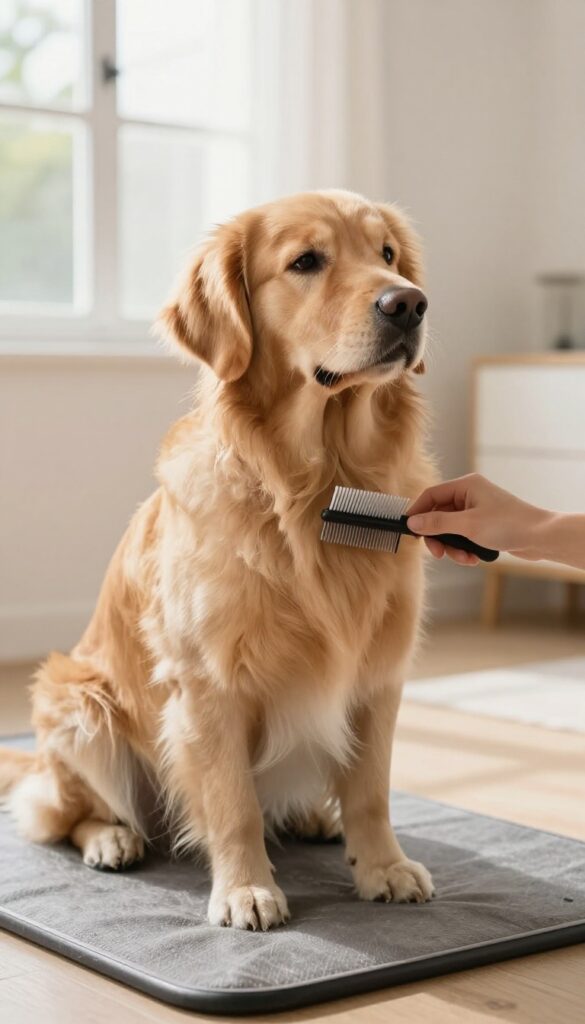
Dogs have short attention spans, just like us when we're stuck in a boring task. By capping grooming at 10-15 minutes, you prevent your pup from getting restless or stressed, making the whole process smoother for both of you. It's a simple trick that turns grooming from a chore into a quick, positive routine everyone can enjoy.
Why It Works
Short sessions keep your dog engaged and cooperative, reducing anxiety and building trust over time. You'll notice fewer struggles and more tail wags, leading to better results without the frustration.
Best For
This approach is perfect for busy households or dogs who are easily distracted or nervous during grooming. It works well for all breeds, especially high-energy pups or those new to regular care.
Practical Tip
Set up a cozy spot with non-slip mats and keep tools within reach to maximize your limited time. End each session with a treat or playtime to reinforce good behavior and leave your dog looking forward to the next one.
12. Choose Dog-Safe Shampoos and Conditioners
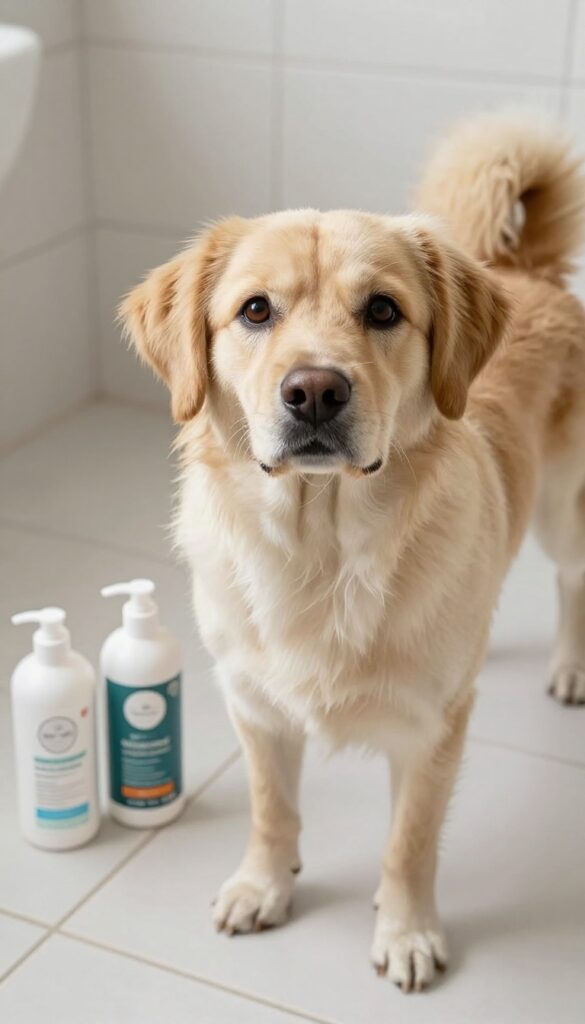
Picking the right shampoo and conditioner for your dog isn't just about getting them clean—it's about keeping their skin happy and their coat looking its best. Many pet owners grab whatever's on sale, but human products can strip natural oils or cause irritation. Sticking with formulas made specifically for dogs ensures a gentle, effective wash that leaves your pup feeling fresh without any discomfort.
Dogs have different pH levels and skin sensitivities than we do, so using products designed for them helps prevent dryness, itching, or allergic reactions. It's a small choice that makes bath time safer and more pleasant, leading to a healthier, shinier coat that's easier to maintain between grooms.
Why It Works
Dog-safe shampoos and conditioners are formulated to match a dog's skin pH and coat needs, reducing the risk of irritation while cleaning thoroughly. They often include ingredients like oatmeal or aloe to soothe skin and add moisture, which helps maintain a natural shine and prevents flakiness.
Best For
This tip is ideal for all dog owners, especially those with breeds prone to sensitive skin or allergies. It works well in any living situation—apartments or houses—and suits dogs of all ages, from puppies with delicate coats to seniors needing extra care.
Practical Tip
Keep your dog's grooming products in a waterproof caddy or basket near the bathing area for easy access. Store them away from heat and direct sunlight to preserve their effectiveness, and always do a patch test on a small area of your dog's skin before full use to check for any adverse reactions.
Budget-Friendly Option
If you're on a tight budget, look for multi-purpose shampoos that combine cleansing and conditioning in one bottle. You can also buy in bulk or during sales at pet stores, or consider DIY options like diluted baby shampoo (check with your vet first) as a temporary alternative for non-sensitive dogs.
13. Dry Your Dog Thoroughly After Baths
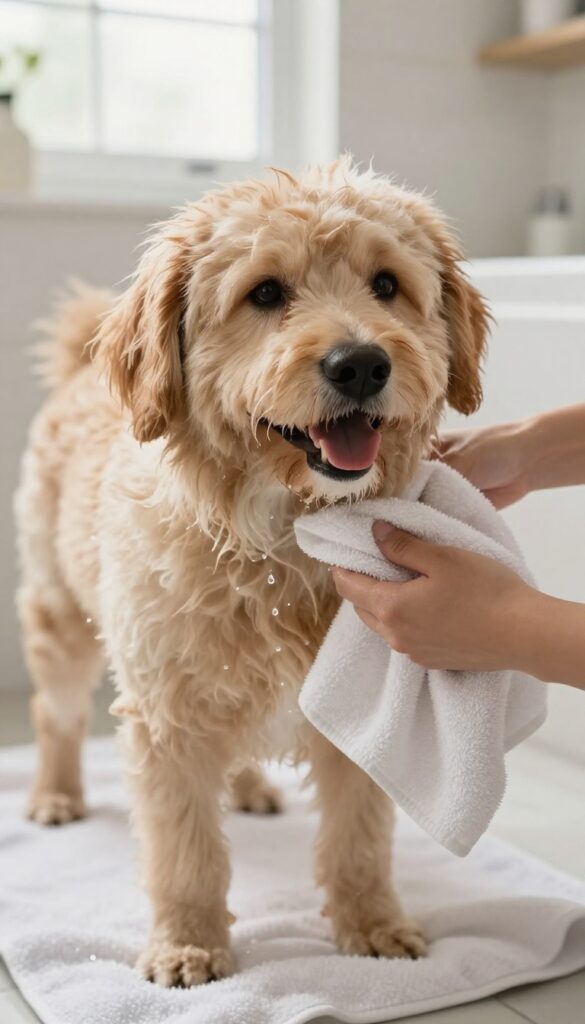
After a good bath, your dog might shake off some water, but that's rarely enough to get them truly dry. Leaving moisture trapped in their coat can lead to chills or skin irritations, especially in cooler weather or for dogs with thick fur. Taking a few extra minutes to dry them properly ensures they stay comfortable and healthy, making bath time a positive end-to-end experience.
Why It Works
Thorough drying removes excess moisture that can cause dampness-related issues like matting, odor, or fungal growth. It helps regulate your dog's body temperature and prevents them from getting cold, which is key for their overall well-being after a wash.
Best For
This tip is ideal for all dog owners, particularly those with long-haired breeds, puppies, or senior dogs who are more sensitive to temperature changes. It's also great for homes in humid climates or during winter months when drying naturally takes longer.
Practical Tip
Use a soft, absorbent towel to gently pat and rub your dog's coat, starting from the head and working down to avoid tangles. For faster results, consider a low-heat pet dryer on a gentle setting, keeping it moving to prevent overheating any one spot—always test the heat on your own skin first.
Budget-Friendly Option
If you don't have a pet dryer, a regular hair dryer on the cool or lowest heat setting can work in a pinch. Just hold it farther away and use it briefly to avoid startling your dog. Alternatively, extra towels or even an old cotton t-shirt can absorb moisture effectively.
14. Inspect for Fleas and Ticks During Grooming
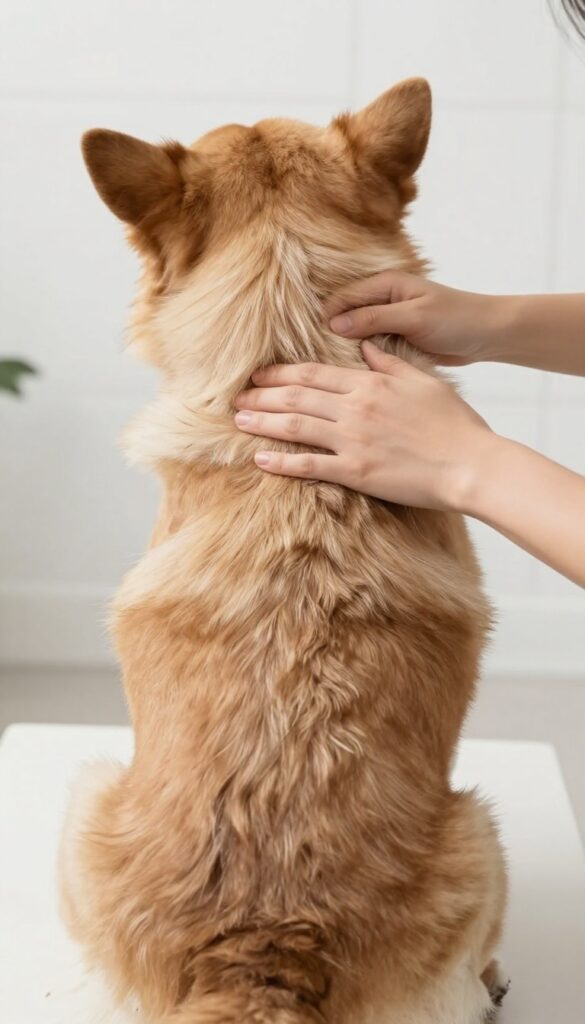
Grooming time is your perfect chance to give your dog a quick health check-up without any extra fuss. As you brush or bathe them, take a moment to scan their skin and fur for any unwelcome visitors like fleas or ticks. Catching these pests early means you can deal with them before they become a bigger problem, keeping your dog comfortable and your home pest-free.
Why It Works
Regular inspections during grooming help you spot fleas and ticks when they're easier to remove, preventing infestations that can lead to itching, infections, or diseases. It turns a routine task into proactive care, saving you time and stress down the line.
Best For
This tip is great for all dog owners, especially those with active pets who spend time outdoors or in areas where pests are common. It's a must-do for breeds with thick coats where pests can hide easily.
Practical Tip
Use a fine-toothed comb or your fingers to gently part the fur while grooming, focusing on warm areas like behind the ears, under the collar, and around the tail. Keep a small container of soapy water nearby to dispose of any ticks safely if you find them.
15. Make Grooming a Positive Experience with Treats
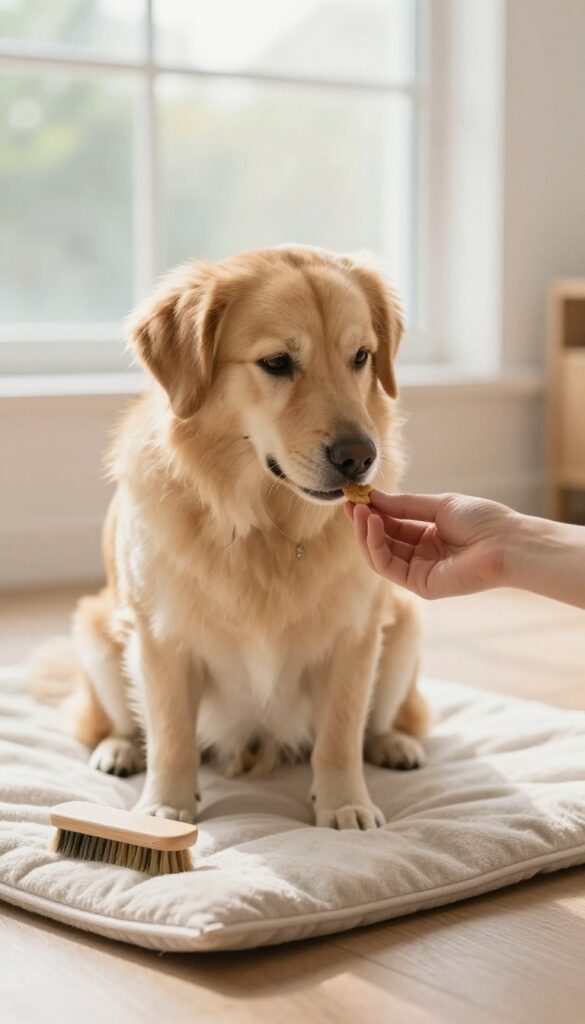
Turning grooming into a treat-filled game changes everything for your dog. Instead of dreading the brush or nail clippers, they start to see it as a chance for tasty rewards. This simple shift builds trust and makes the whole process smoother and more enjoyable for both of you.
Why It Works
Dogs learn by association, so pairing grooming actions with small treats creates positive memories. It reduces anxiety and encourages cooperation, turning a chore into a bonding moment that reinforces good behavior.
Best For
This tip works well for dogs who are nervous or resistant during grooming, especially puppies learning the routine. It's great for any living situation, from apartments to houses, where you want to keep sessions calm and stress-free.
Practical Tip
Keep treats handy in a small bowl or pouch near your grooming area. Use them immediately after each step, like brushing a section or trimming a nail, to reward calm behavior. Choose soft, easy-to-eat treats to avoid distractions and maintain focus.
Budget-Friendly Option
If you're watching costs, use bits of their regular kibble or homemade snacks like small pieces of cooked chicken. The key is consistency and timing, not fancy treats—just make sure they're safe and appealing to your dog.
16. Adapt Grooming for Different Breeds
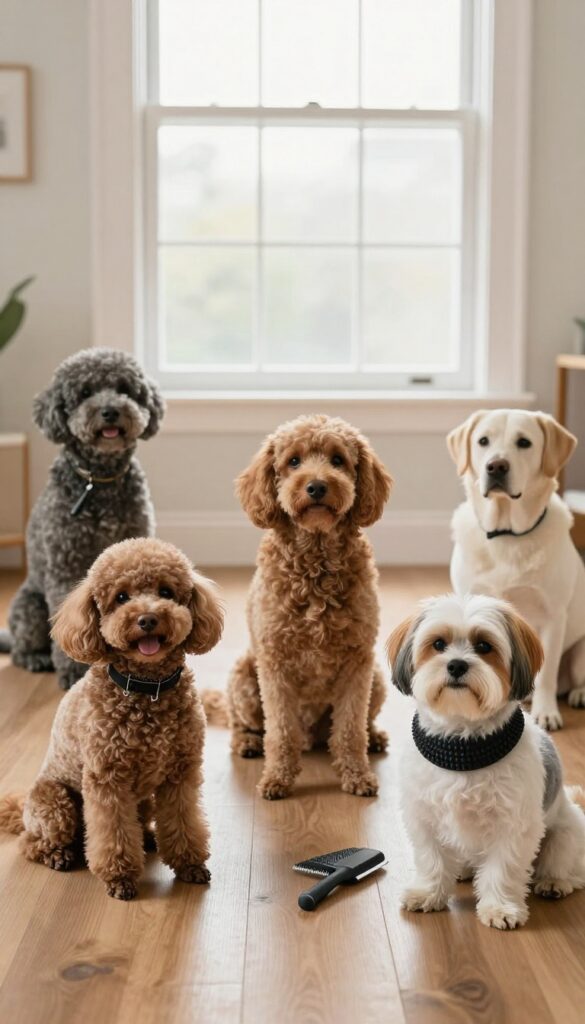
Every dog has a unique coat and grooming needs, so a one-size-fits-all approach often leads to frustration. By tailoring your routine to your dog's breed, you can make grooming quicker and more effective, reducing stress for both of you. This simple adjustment helps ensure your dog stays comfortable and healthy without extra effort.
Why It Works
Breed-specific grooming addresses the natural traits of your dog's coat, like shedding patterns or skin sensitivity. It prevents common issues like matting in long-haired breeds or dryness in short-haired ones, keeping your dog cleaner and happier with less work over time.
Best For
This tip is ideal for owners of multiple breeds or those new to dog care who want to avoid guesswork. It suits any living situation, from apartments to houses, as it focuses on adapting tools and frequency rather than space.
Practical Tip
Set up a grooming kit with breed-appropriate tools, such as a slicker brush for poodles or a rubber mitt for short-haired dogs. Keep it in an accessible spot like a bathroom shelf to make quick touch-ups easy and consistent.
Budget-Friendly Option
Instead of buying specialized brushes for every breed, opt for a versatile grooming glove that works on most coat types. Use gentle human shampoo as a temporary alternative if you run out of dog-specific products, but avoid it long-term to prevent skin irritation.
FAQ
How often should I groom my dog at home?
It depends on your dog's breed and coat type, but aim for brushing a few times a week and bathing every 4-6 weeks, with nail trims as needed.
What if my dog hates being groomed?
Start with short, gentle sessions, use plenty of treats and praise, and gradually increase time to help them get comfortable.
Can I use human shampoo on my dog?
No, human shampoo can irritate your dog's skin; always use products specifically designed for dogs to keep their coat healthy.
How do I prevent mats in my dog's fur?
Brush regularly with the right tool for your dog's coat, and trim long hair around problem areas like behind the ears and under the legs.
What essential grooming tools do I need?
Start with a brush suited to your dog's coat, nail clippers, dog-safe shampoo, a non-slip mat, and towels for drying.
Conclusion
So there you have it—sixteen grooming tips to keep your dog cleaner and happier with less fuss. Start by picking one or two that fit your routine, like brushing regularly or using the right shampoo. Small changes can make a big difference in how smooth grooming feels for both of you.
Remember, grooming isn't just about looks; it's a chance to check in on your dog's health and strengthen your bond. Keep it simple, stay consistent, and enjoy those moments of care. Your pup will thank you with wagging tails and a fresh, comfortable coat.

I’m Pallab Kishore, the owner of Little Pets Realm — an animal lover and pet care enthusiast sharing easy tips, healthy recipes, and honest advice to help every small pet live a happy, healthy, tail-wagging life.