
Metal dog houses are built to last through rain, snow, and sun without rotting or warping. Unlike wood, they resist pests and need minimal upkeep, making them ideal for tough outdoor spaces.
The key is choosing the right material and design for your dog's safety and comfort. From galvanized steel A-frames to insulated aluminum shelters, these 12 metal dog house ideas cover a range of budgets and climates.
Some feature removable roofs for easy cleaning, while others include ventilation ridges or heated floor pads for extreme weather. Each option prioritizes durability and your pup's well-being.
1. Galvanized Steel A-Frame Dog House
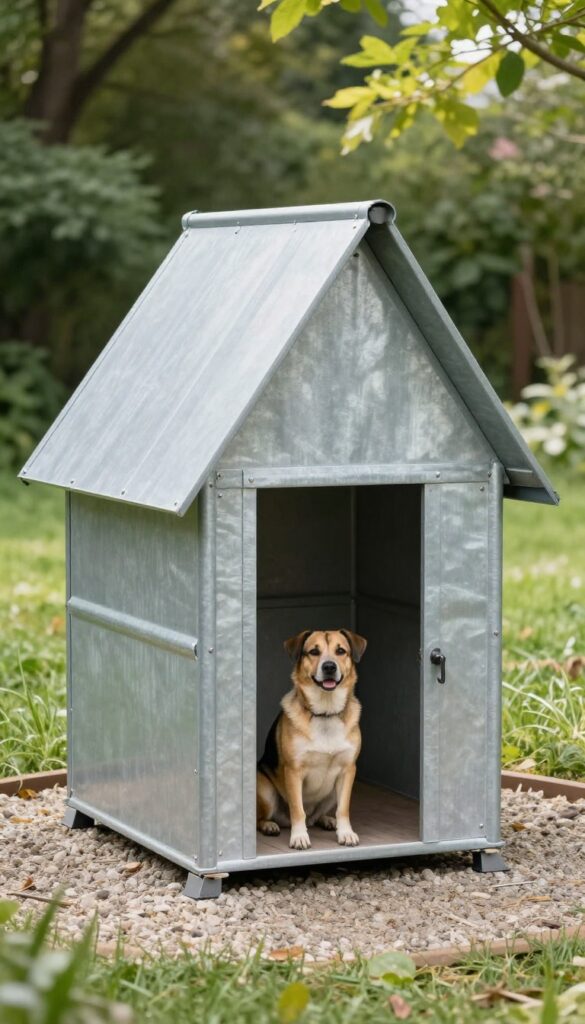
The A-frame silhouette isn't just for cabins—it's a smart choice for a metal dog house. Galvanized steel construction resists rust and reflects sunlight, keeping the interior cooler in summer. The steep sloped roof sheds rain and snow effortlessly, so you won't have to worry about leaks or moisture buildup.
Why It Works
Galvanized steel is tough enough to handle rough weather and rough dogs. The A-frame design naturally channels water away, and the raised floor option adds insulation and drainage. It's a low-maintenance setup that stays dry and comfortable year-round.
Best For
This works great for active dogs who spend a lot of time outdoors, especially in rainy or snowy climates. It's also a solid pick for owners who want a durable, no-fuss shelter that doesn't need constant painting or sealing.
Practical Tip
Add a removable elevated floor made from plastic or treated wood to keep your dog off cold or wet ground. Place the house on a slight gravel or paver base to improve drainage and prevent rust at the bottom edges.
Budget-Friendly Option
If the galvanized steel model is out of reach, look for a corrugated metal A-frame with a powder-coated finish. It costs less and still offers good rust resistance for milder climates.
2. Insulated Metal Dog House with Foam Panels
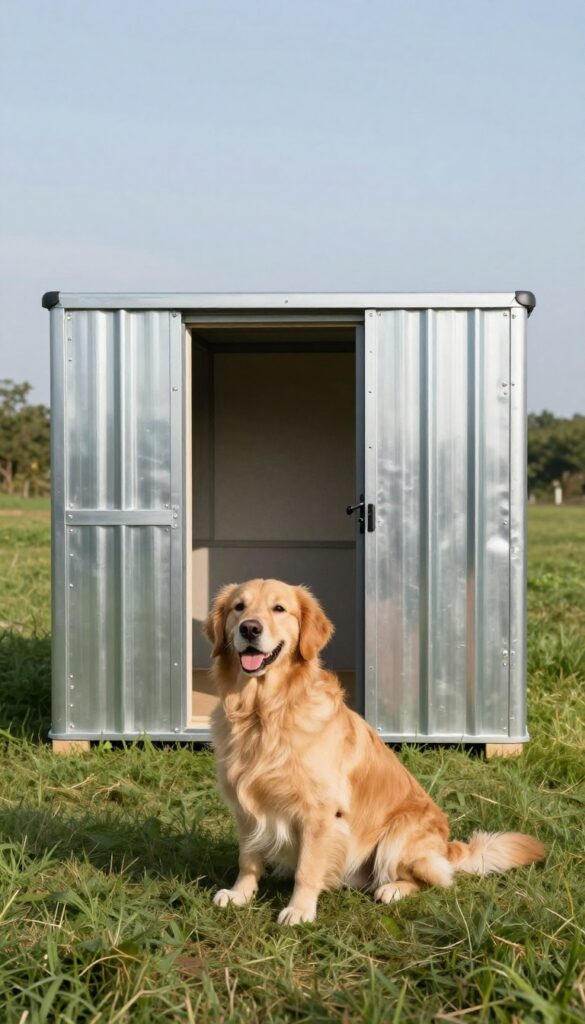
Metal alone can turn a dog house into an oven in summer or a freezer in winter. Adding foam insulation between the metal panels changes everything. This design keeps the interior temperature stable, so your dog stays comfortable no matter what the weather throws at you.
It's a simple upgrade that makes metal housing work in extreme climates.
Why It Works
The foam layer acts as a thermal barrier, slowing down heat transfer. In summer, it reflects heat away; in winter, it traps your dog's body warmth inside. Many models use closed-cell spray foam or rigid board insulation sandwiched between galvanized steel skins.
This construction is durable, moisture-resistant, and doesn't settle over time like fiberglass.
Best For
This is ideal for dogs that live outdoors full-time or spend long hours outside. It's especially useful for northern climates with harsh winters or southern areas with scorching summers. Breeds with short coats or senior dogs that struggle with temperature regulation will benefit the most.
Practical Tip
Place the dog house in a shaded spot during summer and out of direct wind in winter. Add a self-warming bed or a heated pad for extra coziness on cold nights. Check the insulation seal around seams each season to make sure moisture hasn't gotten in.
Budget-Friendly Option
If buying a pre-insulated model is too pricey, you can retrofit an existing metal dog house. Purchase rigid foam panels from a hardware store, cut them to fit the walls and roof, and secure them with construction adhesive. Cover the foam with a thin sheet of plywood or plastic to prevent chewing.
3. Elevated Metal Dog House on Skids
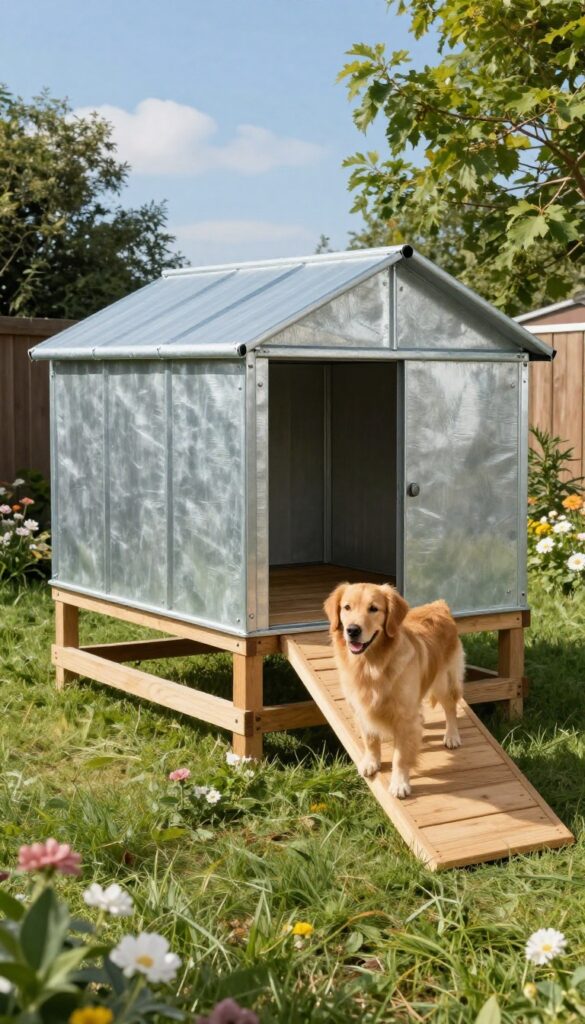
An elevated metal dog house mounted on skids combines the durability of metal with the practicality of a mobile structure. The raised floor keeps moisture, mud, and pests away, while the skids allow you to slide the house around your yard. This setup is a favorite among owners who value cleanliness and flexibility.
Why It Works
The raised design prevents ground moisture from seeping in, reducing mold and rust risks. The skids make it easy to shift the house to follow shade or keep it out of wind, and the gap underneath improves air circulation, keeping your dog cooler in summer.
Best For
Ideal for dogs that spend time in the yard, especially in damp or low-lying areas. Great for owners who want a movable shelter that won't trap moisture or attract burrowing pests.
Practical Tip
Use wooden skids treated with outdoor sealant or metal skids to avoid rot. Add a removable ramp for older or small dogs, and place a washable mat inside for easy cleaning.
Budget-Friendly Option
If pre-made skid houses are too pricey, build your own skid frame from pressure-treated lumber and mount a budget metal dog house on top using bolts or brackets.
4. Powder-Coated Aluminum Dog House
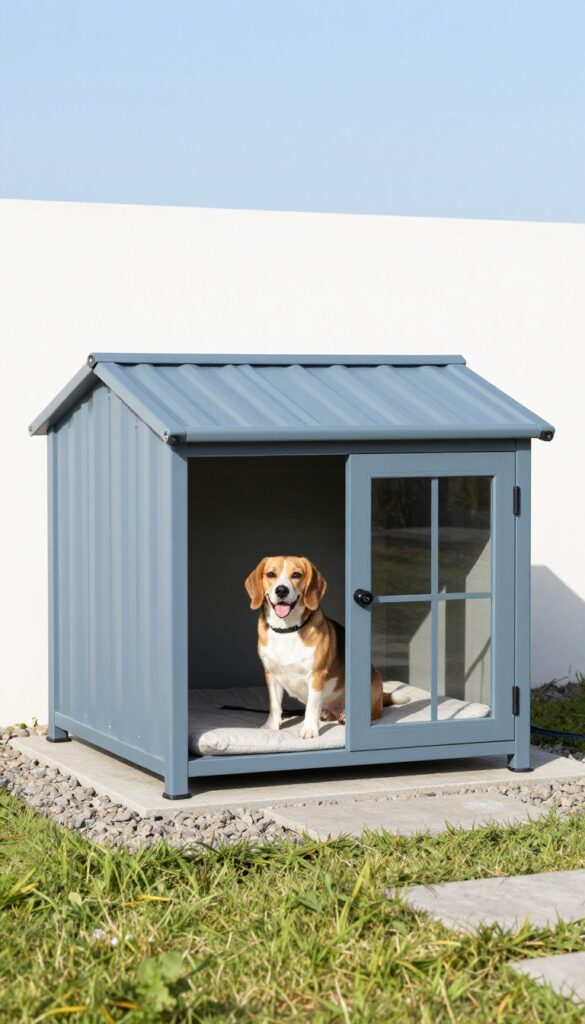
Aluminum dog houses with a powder-coated finish combine lightweight portability with serious weather resistance. The baked-on coating protects against scratches and UV rays, keeping the house looking fresh for years. Plus, the smooth surface makes hosing off mud or fur a breeze.
Why It Works
Aluminum won't rust even in humid or coastal climates, so you can leave it outside without worry. The powder coating adds a durable color layer that resists chipping and fading, while the metal stays cool to the touch under shade. It's dent-resistant too, so an excited pup won't leave permanent marks.
Best For
This is a great fit for medium breeds like Beagles or Corgis that need a sturdy but movable house. It also works well for renters who want a lightweight shelter that can be relocated easily. Dogs that love to dig or scratch won't damage the metal surface.
Practical Tip
Place the house on a concrete or gravel pad to keep it level and allow airflow underneath. Add a washable cushion or cedar bedding inside for warmth and comfort. Check the powder coating annually for any chips and touch up with matching spray paint to prevent corrosion.
Budget-Friendly Option
If a fully powder-coated model is out of budget, look for a raw aluminum dog house and apply a DIY automotive-grade clear coat. It's cheaper and still provides good corrosion resistance.
5. Metal Dog House with Removable Roof
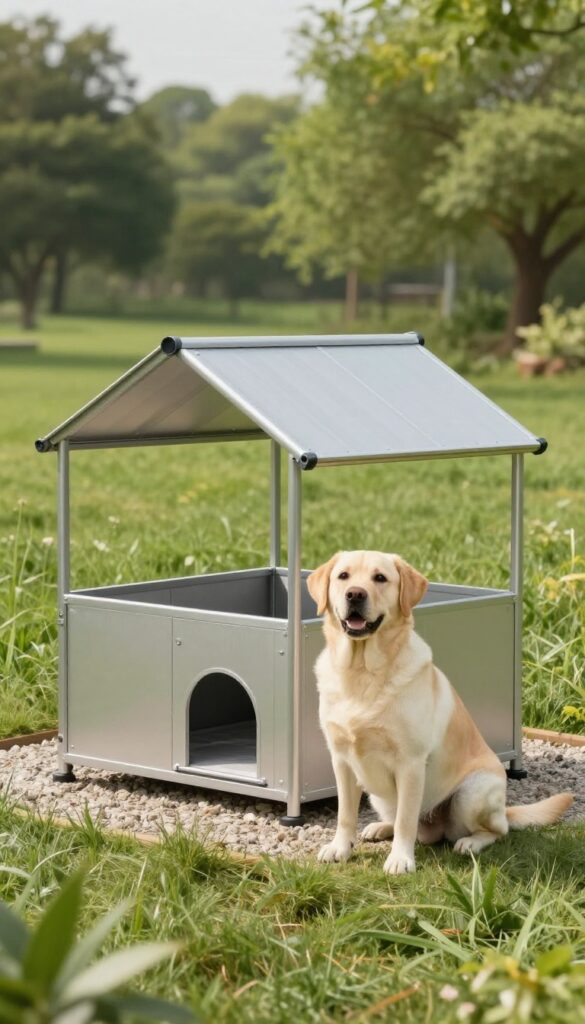
Cleaning a dog house can be a hassle, especially when you have to crawl inside to scrub the corners. A metal dog house with a removable roof solves that problem by giving you full access to the interior. You can lift off the top to hose down the inside or swap out bedding without any awkward bending.
Many models use secure latches or hinges to keep the roof firmly attached during storms, so you get both convenience and safety.
Why It Works
A removable roof makes deep cleaning quick and thorough. Food crumbs, dirt, and hair can build up fast, and a sealed metal house can trap odors if not cleaned regularly. With the roof off, you can sweep, scrub, and disinfect every surface easily.
This design also lets you check for rust or damage inside the seams, helping you maintain the house longer.
Best For
This style is perfect for owners who live in wet or muddy climates where the dog house gets dirty often. It's also great for large breeds that need a bigger house—cleaning a spacious interior without a removable roof would be nearly impossible. If you have a dog that loves to drag in dirt or chew on bedding, this feature will save you time.
Practical Tip
When setting up, place the dog house on a slight slope or use a gravel base so water runs away from the entrance. For extra comfort, add a raised floor mat or a washable bed that you can remove when the roof is off. Check the latches every season to make sure they haven't rusted or loosened, especially if you live near saltwater or in freezing temperatures.
Budget-Friendly Option
If a pre-made removable roof model is too pricey, look for a standard metal dog house with a pitched roof and add your own hinges. You can buy heavy-duty gate hinges from a hardware store and attach them to the roof and back wall. Use a latch on the front to secure it.
This DIY fix costs under $20 and works just as well.
6. Corrugated Metal Dog House with Wood Frame
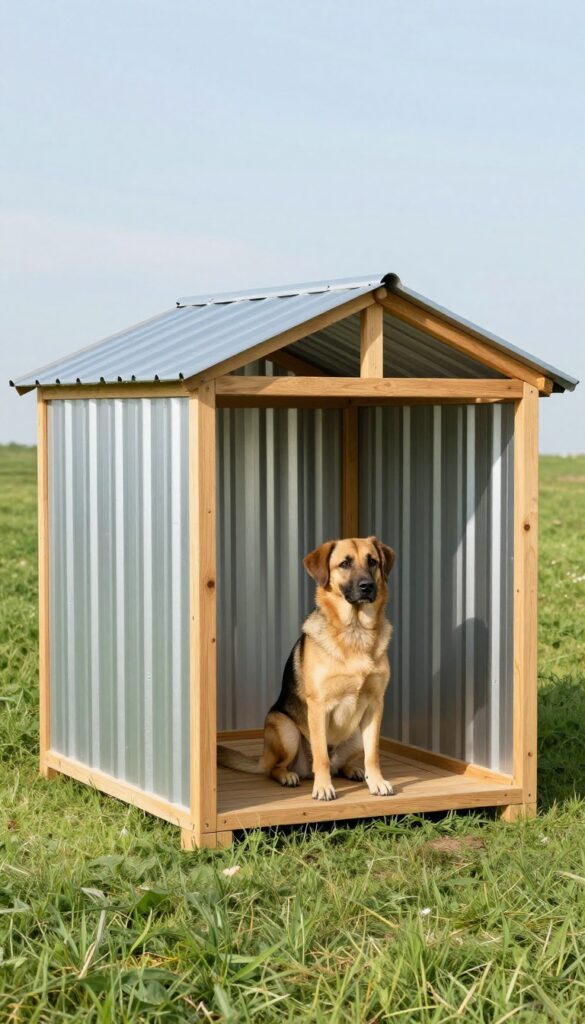
A wooden frame wrapped in corrugated metal panels gives you the best of both worlds. The metal exterior sheds rain and snow like a champ, while the wood interior helps regulate temperature. It's a rugged, farmhouse-style look that holds up in harsh weather.
This design is surprisingly easy to build yourself with basic tools. The metal panels attach directly to the wood frame, and you can customize the size to fit your dog perfectly. Plus, the wood frame adds structural strength that all-metal houses sometimes lack.
Dog owners love how this combo handles extreme temperatures. The metal reflects heat in summer, and the wood provides a buffer against cold winds. Add some insulation between the panels and frame, and you've got a year-round shelter.
Why It Works
Corrugated metal is waterproof, fire-resistant, and nearly indestructible. Paired with a pressure-treated wood frame, the house stays sturdy even in high winds or heavy snow. The wood also prevents the metal from sweating inside, reducing condensation that can make your dog damp.
Best For
This is a great fit for medium to large dogs like Labradors, German Shepherds, or Huskies. It works well in rainy or snowy climates where moisture is a constant problem. Also ideal for owners who want a durable house that blends with rustic or farmhouse outdoor decor.
Practical Tip
Seal all wood with a non-toxic, water-resistant stain or paint before attaching the metal. Use galvanized screws with rubber washers to prevent leaks. Add a hinged roof for easy access when cleaning out bedding or checking on your pup.
Budget-Friendly Option
If new corrugated metal is too pricey, look for used roofing panels at salvage yards or habitat stores. You can also use leftover panels from a fencing project. Just check for sharp edges and sand them down before assembly.
7. Metal Dog House with Ventilation Ridge
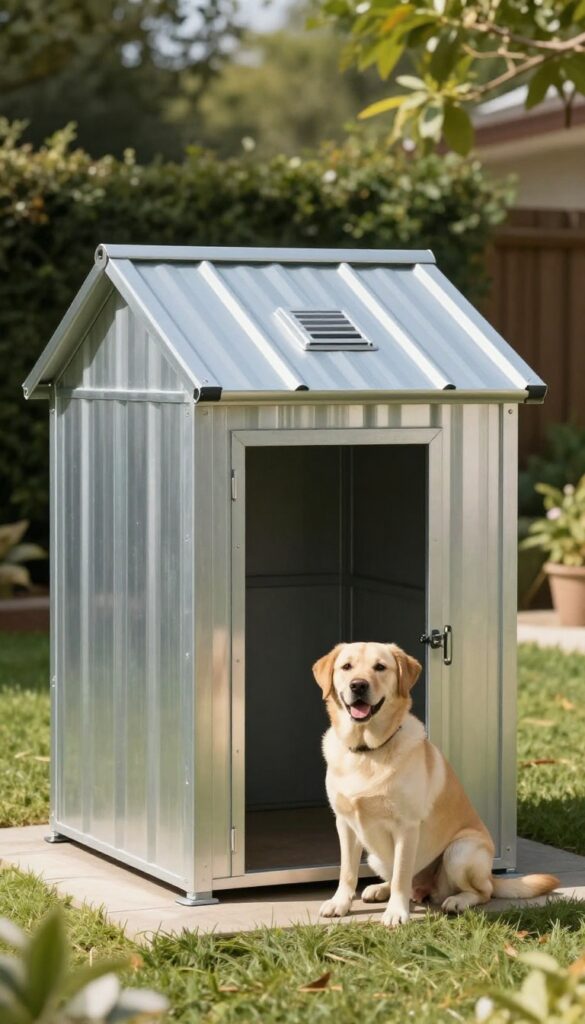
Hot air naturally rises, and a ridge vent along the roof peak gives it a clear escape route. This simple design keeps the interior noticeably cooler during summer without needing electricity or fans. Dog owners love it because it's low-maintenance and highly effective.
Why It Works
The ridge vent creates passive airflow—warm air exits through the peak while cooler air is drawn in through lower openings. This constant air exchange prevents heat buildup, making the dog house more comfortable on hot days. It's a durable, no-moving-parts solution that never fails.
Best For
This works great for dogs who spend time outdoors in warm climates, especially breeds prone to overheating like Bulldogs, Pugs, or Huskies. It's also ideal for yards that get full sun but lack shade options, since the vent helps compensate for direct heat.
Practical Tip
Place the dog house in a shaded spot under a tree or awning to boost cooling. Pair the ridge vent with a raised floor for even better airflow underneath. Clean the vent periodically to remove debris or spider webs that could block air movement.
Budget-Friendly Option
If a pre-made metal house with ridge vent is too pricey, you can add a ridge vent to an existing metal dog house. DIY ridge vent kits are available online and install with basic tools. Just make sure the roof is sloped enough for proper airflow.
8. Heavy-Duty Steel Dog Kennel with Metal Roof
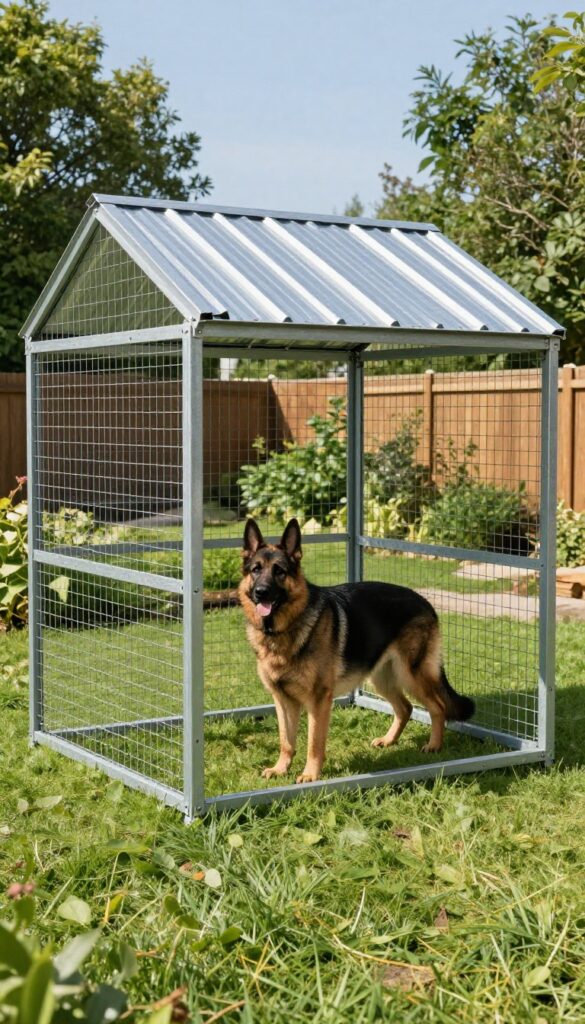
Sometimes a standalone dog house isn't enough. A full kennel run with a metal roof gives your dog both a sheltered spot and room to move around. The metal roof keeps the interior dry and shaded, while the enclosed run offers security and freedom.
These setups are popular with owners who have active dogs that need more than a small box. They're also great for multi-dog households where each pup needs their own space. The heavy-duty steel frame and coated wire panels stand up to chewing, scratching, and weather.
You can find pre-made kits or build one yourself using metal roofing panels and galvanized steel wire. Either way, the result is a long-lasting, low-maintenance outdoor enclosure that feels more like a mini yard than a cage.
Why It Works
The metal roof is the star here. It reflects heat in summer and sheds rain and snow easily, keeping the kennel interior comfortable year-round. The coated wire panels resist rust and corrosion, so you won't have to replace them after a few seasons.
Plus, the open wire design allows airflow, which helps prevent moisture buildup and keeps smells from lingering.
Best For
This setup is ideal for high-energy breeds like Huskies, German Shepherds, or Labs that need room to stretch and play. It also works well for owners who want a secure outdoor space for their dog while they're at work or doing yard chores. If you have multiple dogs, a larger kennel with a metal roof can give each dog their own zone.
Practical Tip
Choose coated wire panels with a small mesh size (2×4 inches or smaller) to prevent paws from slipping through. Add a concrete or gravel base for drainage and easy cleaning. Place the kennel in a spot with partial shade to keep the metal roof from getting too hot, or add a shade cloth over part of the run for extra cooling.
Budget-Friendly Option
If a full kennel is out of budget, consider building a simple frame using pressure-treated lumber and attaching corrugated metal roofing panels. Use chain-link fencing panels instead of coated wire to cut costs. You can often find used metal roofing at salvage yards for a fraction of the price.
9. Metal Dog House with Sunshade Overhang
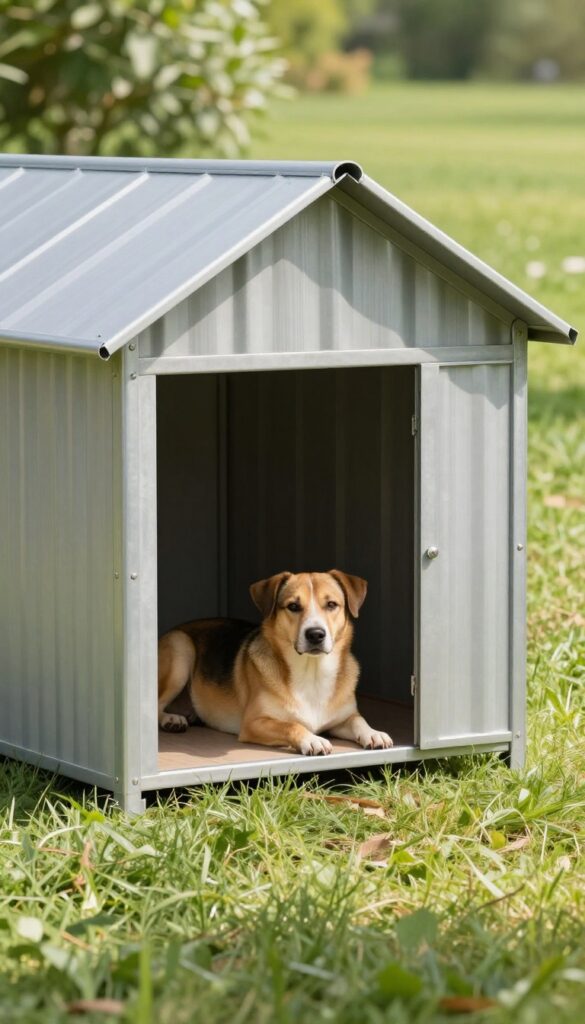
An extended roof or awning creates a shaded porch area where your dog can lounge outside without baking in direct sun. This design also helps keep rain and snow away from the entrance, so the interior stays drier. It's a simple upgrade that adds serious comfort to any metal dog house.
Why It Works
Dogs love being outside with you, but too much sun can lead to overheating or sunburn, especially for short-haired or light-colored breeds. The overhang provides a cool, shaded spot just outside the door, encouraging your pup to enjoy fresh air safely. Plus, it protects the doorway from driving rain, reducing moisture tracked inside.
Best For
This design is perfect for dogs that spend lots of time in the yard during sunny or rainy weather. It's also great for owners who want their dog to have a comfortable outdoor hangout without being cooped up inside all day.
Practical Tip
Position the dog house so the overhang faces north or east to maximize shade during the hottest part of the day. If you live in a windy area, add a side panel or windbreak to block gusts while still letting air flow through.
Budget-Friendly Option
If you already have a metal dog house, you can DIY an overhang using a piece of corrugated metal or a sturdy outdoor fabric awning. Attach it with brackets or hinges so you can adjust the angle seasonally.
10. Portable Metal Dog House with Handles
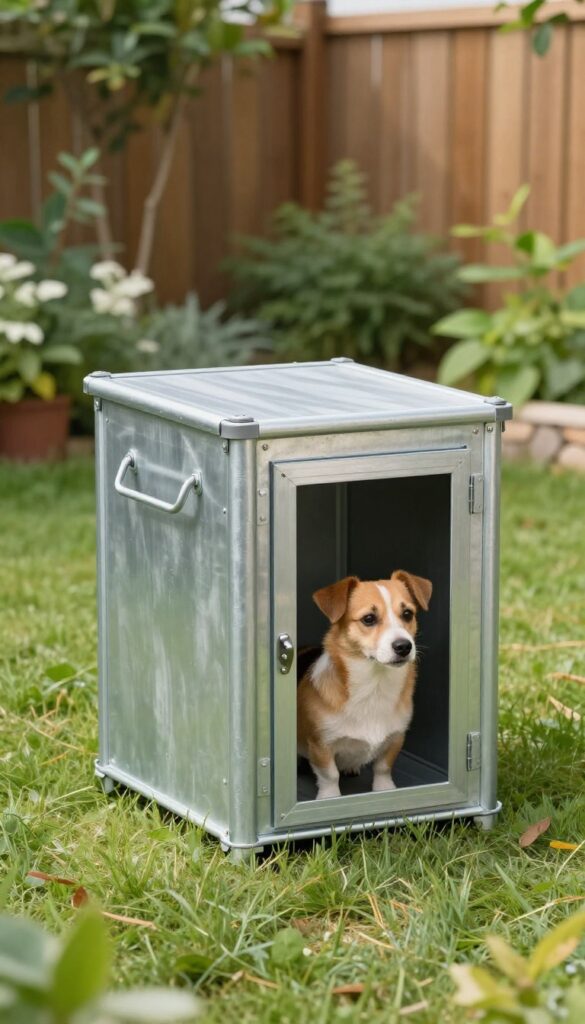
Imagine being able to pick up your dog's house and move it wherever you need—that's the beauty of a portable metal dog house with handles. These lightweight structures are designed for flexibility, whether you're camping, traveling, or just rearranging your yard. They often come with built-in handles or wheels, making them easy to relocate without any heavy lifting.
Durability isn't sacrificed for portability. These houses are still made from tough materials like aluminum or galvanized steel, so they hold up against weather and wear. The key is finding one that balances weight with sturdiness, ensuring it stays put when needed but moves effortlessly when you want.
Dog owners love the convenience of being able to reposition the house to follow shade or shelter their pup during different seasons. It's a practical solution for anyone who wants a flexible outdoor space for their dog without committing to a permanent structure.
Why It Works
A portable metal dog house works because it combines the toughness of metal with the convenience of mobility. The handles or wheels allow you to shift it from a sunny spot in summer to a sheltered corner in winter, keeping your dog comfortable year-round. Proper ventilation and a secure door ensure safety, while the lightweight frame makes setup a breeze.
Best For
This idea is perfect for active dog owners who travel frequently with their pets, camp, or spend time in different outdoor spaces. It's also great for renters or people with small yards who need to move the house around for landscaping or cleaning. Small to medium breeds benefit most from the lightweight design, though some models can accommodate larger dogs.
Practical Tip
Place the portable house on a flat, stable surface to prevent tipping, especially if your dog likes to lean against the walls. Add a non-slip mat underneath to keep it from sliding on grass or gravel. For extra comfort, use a weatherproof bed inside and check the door latch regularly to ensure it stays secure during moves.
Budget-Friendly Option
If a pre-made portable metal house is out of budget, consider a heavy-duty plastic kennel with carrying handles as a cheaper alternative. It won't be as durable as metal, but it offers similar portability and can be used indoors or outdoors.
11. Metal Dog House with Heated Floor Pad
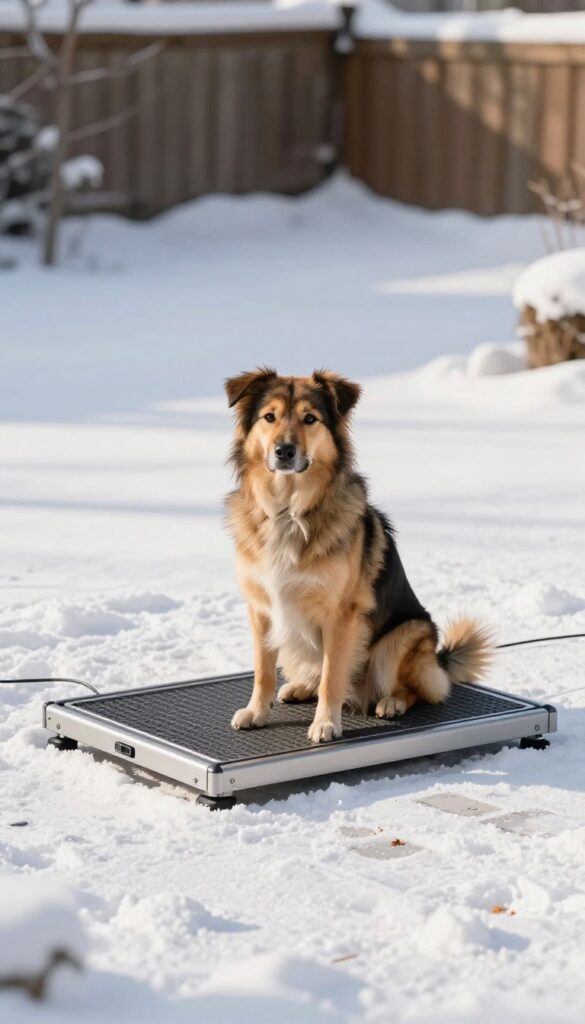
When the temperature drops, a standard dog house might not cut it. A metal house with a built-in heated floor pad or space for a heating pad keeps your pup warm and cozy in cold climates.
The heating element is typically installed beneath a durable, chew-resistant floor, and a thermostat regulates the temperature to prevent overheating. This setup ensures your dog stays comfortable without the risk of burns or electrical hazards.
Why It Works
Dogs lose a lot of heat through the ground, so a heated floor directly addresses that. The metal shell protects from wind and moisture, while the warmth radiates upward, creating a snug microclimate inside. It's an energy-efficient way to keep your dog safe in freezing weather.
Best For
This is perfect for northern climates with harsh winters, especially for short-haired or small breeds that feel the cold more. It's also great for senior dogs with arthritis who need extra warmth to ease joint stiffness.
Practical Tip
Place the house on a level, dry area and elevate it slightly with pavers or a platform to prevent moisture from seeping in. Use a waterproof outdoor-rated heating pad with an automatic shutoff, and check the cord regularly for damage. Clean the floor pad with a damp cloth as needed.
Budget-Friendly Option
If a built-in heated floor is out of budget, buy a self-warming pad or a microwavable heating pad that stays warm for hours. You can also add a heated dog bed inside a standard metal house for a similar effect at a fraction of the cost.
12. Custom Metal Dog House with Your Dog's Name
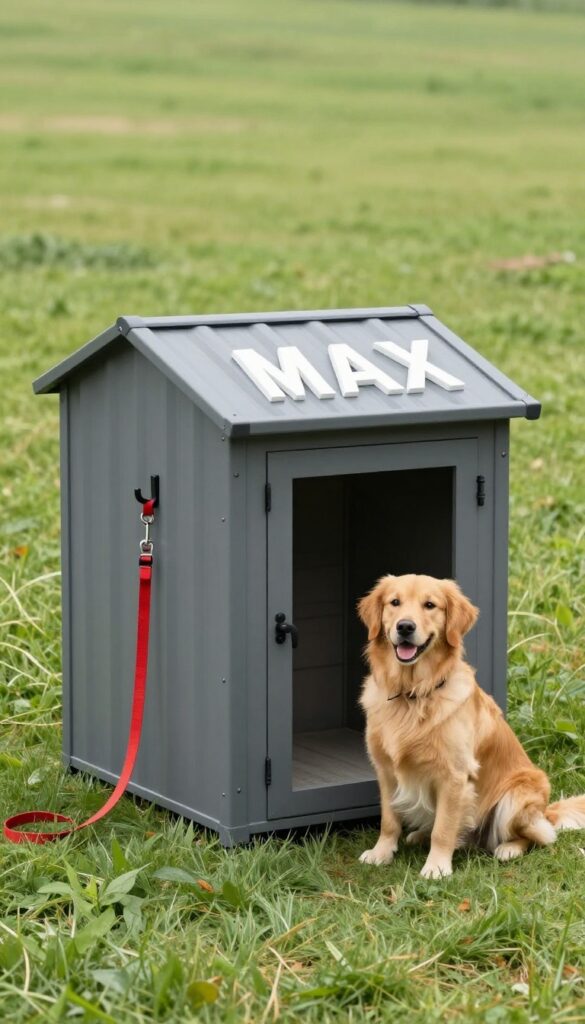
Adding your dog's name to a metal dog house turns a practical shelter into a personal retreat. Laser-cut lettering or custom paint makes it clear this space belongs to your pup. It's a simple upgrade that adds charm without sacrificing durability.
Why It Works
Customization makes the dog house feel like a deliberate part of your yard, not just a box. Laser-cut metal lettering won't fade or peel like stickers, and powder coating protects the design from rust and scratches. Your dog gets a sturdy, weatherproof home that stands out.
Best For
Dog owners who want a unique, personalized outdoor space for their pet. Great for families with one dog or multiple dogs where each needs their own labeled house. Also works well for kennels or breeding setups where identification is useful.
Practical Tip
Choose a bold, simple font that's easy to read from a distance. Place the name on the front above the door or on the side panel. Opt for a contrasting color—like white letters on a dark gray house—to make it pop.
Budget-Friendly Option
If a custom laser-cut house is too pricey, order stick-on metal letters from a hardware store and apply them yourself. Use outdoor-grade adhesive and seal the edges with clear silicone for lasting results.
FAQ
Are metal dog houses safe in hot weather?
Yes, if they have proper ventilation, insulation, and shade. Look for models with ridge vents, raised floors, and a light-colored finish to reflect heat. Always provide fresh water.
Can metal dog houses rust?
Some can, but galvanized steel, aluminum, and powder-coated options resist rust. Regular maintenance like repainting scratches helps extend the life.
How do I clean a metal dog house?
Use a mild soap and water solution. Rinse thoroughly and dry. Avoid abrasive cleaners that can damage the coating.
Removable roofs make cleaning easier.
What size metal dog house does my dog need?
Measure your dog from nose to tail and from floor to shoulder. Add a few inches for comfort. The house should be tall enough for your dog to stand and turn around.
Can I insulate a metal dog house myself?
Yes. Use foam board insulation or reflective barriers. Ensure the insulation is covered to prevent chewing.
Leave gaps for ventilation to avoid moisture buildup.
Conclusion
A metal dog house can be a smart, durable choice for tough outdoor spaces. Focus on insulation, ventilation, and a raised floor to keep your pup comfortable year-round.
Pick a style that fits your yard and your dog's size, then add a cozy bed inside. Your furry friend will have a safe, long-lasting retreat that stands up to the elements.

I’m Pallab Kishore, the owner of Little Pets Realm — an animal lover and pet care enthusiast sharing easy tips, healthy recipes, and honest advice to help every small pet live a happy, healthy, tail-wagging life.