
Building a dog house for a large breed means thinking beyond the basic box. You need enough room for your dog to stand, turn around, and stretch out comfortably, plus features that handle weather and wear.
These 12 spacious designs range from classic A-frames with extra headroom to modern modular setups, each offering practical solutions for big dogs.
Whether your priority is insulation, portability, or a built-in run, there's a plan here that fits your yard and your pup's needs.
1. The Classic A-Frame with Extra Headroom
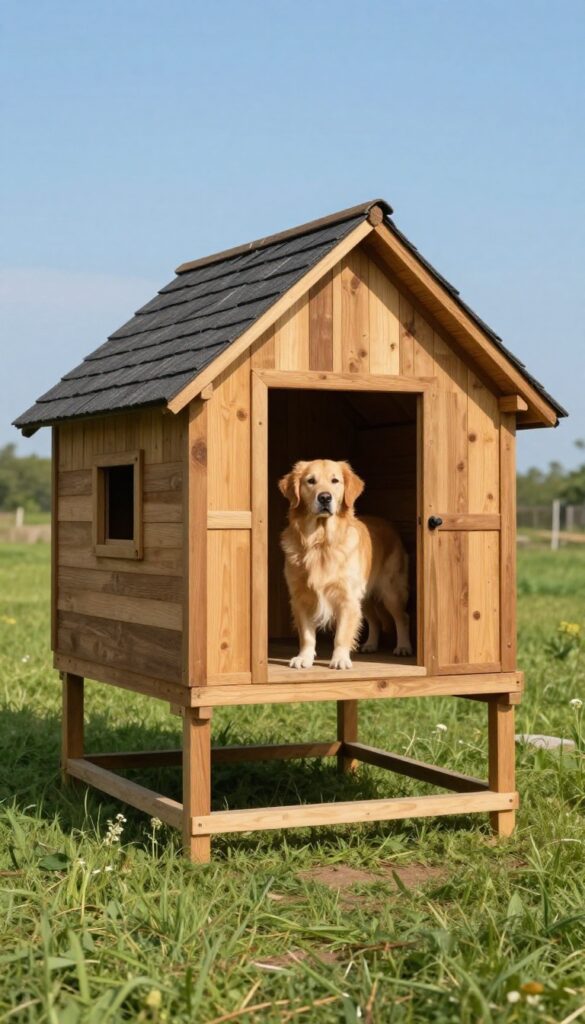
The A-frame design has been a go-to for decades, but standard plans often leave large breeds crouching. By extending the wall height and widening the base, this version gives your dog room to stand tall without bumping its head. The steep roof sheds rain and snow quickly, and the elevated floor keeps the interior dry even during wet weather.
Why It Works
Large dogs need vertical space to stand and turn around comfortably. Extra headroom prevents that cramped feeling, while the sloped roof directs moisture away from the entrance. The raised floor also improves airflow underneath, reducing dampness and extending the life of the structure.
Best For
Ideal for large breeds like Golden Retrievers, German Shepherds, or Labradors that spend time outdoors in rainy or snowy climates. Works well in yards where you want a traditional look with modern comfort.
Practical Tip
Paint or stain the exterior with a weather-resistant finish in a neutral color like dark green or gray to help it blend into the landscape. Add a flap over the door opening to block drafts – a heavy vinyl strip works great and is easy to clean.
Budget-Friendly Option
Save money by using exterior-grade plywood instead of cedar for the walls, and repurpose old pallets for the elevated floor base. Just make sure all wood is smooth and free of splinters before assembly.
2. Insulated Barn-Style Dog House
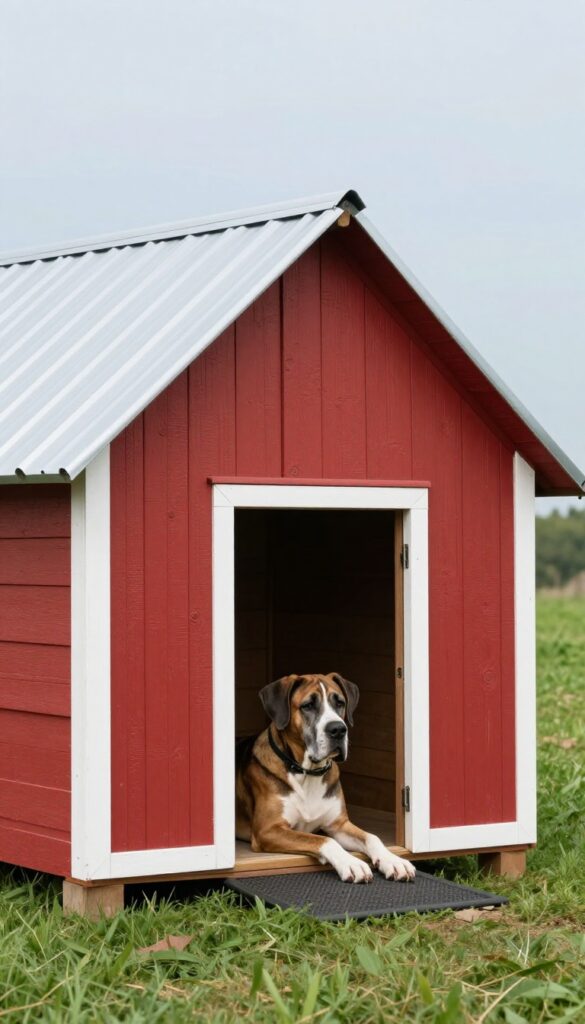
Barn-style dog houses bring a timeless look to your backyard while offering serious weather protection. The pitched roof and sturdy build mimic a miniature barn, giving your large breed a cozy retreat that stands up to wind and rain. Thick insulation in the walls and roof keeps the interior warm in winter and cooler in summer, so your dog stays comfortable year-round.
Why It Works
The offset door placement reduces drafts, which is a game-changer for cold climates. A removable roof panel makes cleaning simple—just lift it off to sweep out fur and dirt. The spacious interior gives big dogs like Great Danes or Saint Bernards enough room to stretch out without feeling cramped.
Best For
This plan is ideal for owners in colder regions who want a sturdy, energy-efficient shelter. It also suits multi-dog households where one large house can accommodate two medium-large dogs comfortably.
Practical Tip
Paint the exterior with weather-resistant stain in a classic red or white barn finish. Add a thick rubber mat inside for insulation and easy cleanup, and place the house on gravel or pavers to prevent moisture seepage from below.
Budget-Friendly Option
Save money by using recycled denim insulation instead of spray foam—it's eco-friendly and equally effective. You can also repurpose old pallets for the base frame if you're handy.
3. Portable Dog House on Wheels
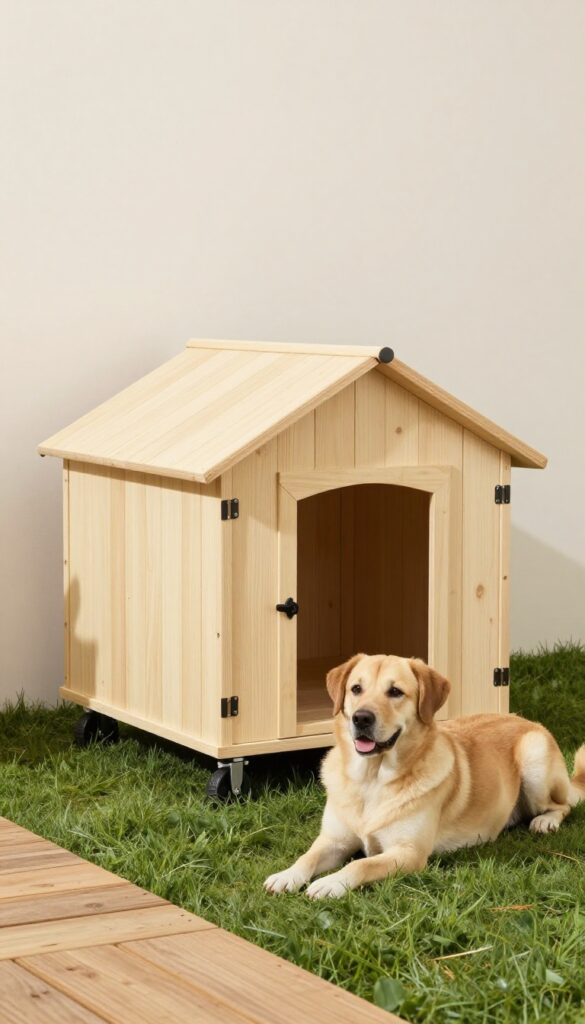
Not every yard has a permanent spot for a dog house, and sometimes you want the flexibility to move things around. A portable dog house on wheels solves that problem without sacrificing comfort or durability. This design lets you shift your pup’s shelter from sun to shade, or tuck it away during storms, all while keeping it stable when parked.
Why It Works
Heavy-duty casters make relocation effortless, even on grass or gravel. The locking mechanism keeps the house from rolling when your dog is inside or during windy weather. Lightweight but sturdy construction (usually plywood with a weatherproof finish) means it can handle daily use without feeling flimsy.
Best For
Dog owners who like to rearrange their outdoor space, people with small yards that need multi-use areas, or anyone who wants to bring the dog house onto a deck or patio temporarily. Also great for renters who might need to take the house with them.
Practical Tip
Add a rubber mat underneath when the house is parked—it prevents the wheels from sinking into soft ground and gives extra insulation. Check the casters every few months for dirt buildup and give them a quick spray of lubricant if they start squeaking.
4. Two-Story Dog House with a Viewing Deck
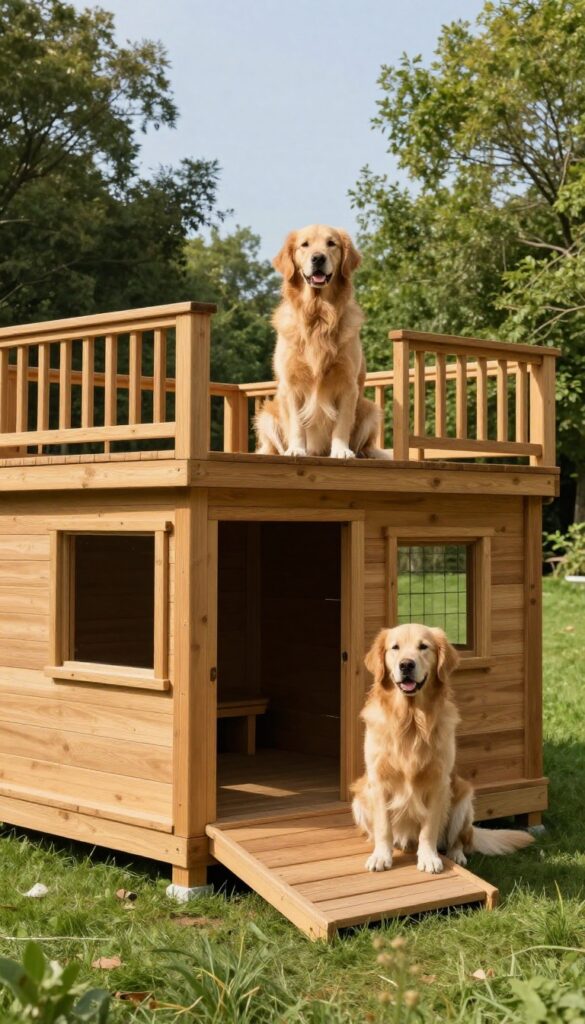
Imagine your large dog having its own private lookout. This two-story design features a cozy enclosed lower level for sleeping and an upper deck for lounging, connected by a gentle ramp. It's a fun way to give your pup extra space and a vantage point over the yard.
Why It Works
Large breeds love having options—a quiet den to curl up in and an elevated spot to survey their domain. The ramp is easier on joints than stairs, making it suitable for older dogs or those with hip issues. The deck also keeps them off damp ground and provides shade underneath.
Best For
Active large breeds like Labrador Retrievers, Golden Retrievers, or German Shepherds who enjoy being outdoors and watching over their territory. Best for homes with a fenced yard where the dog can safely access the deck without escaping.
Practical Tip
Use exterior-grade plywood and pressure-treated lumber for durability. Paint the deck with non-slip coating to prevent slips when wet. Add a weatherproof flap door on the lower level to keep drafts out, and consider installing a small roof overhang to shield the deck from rain.
5. Modern Minimalist Dog House
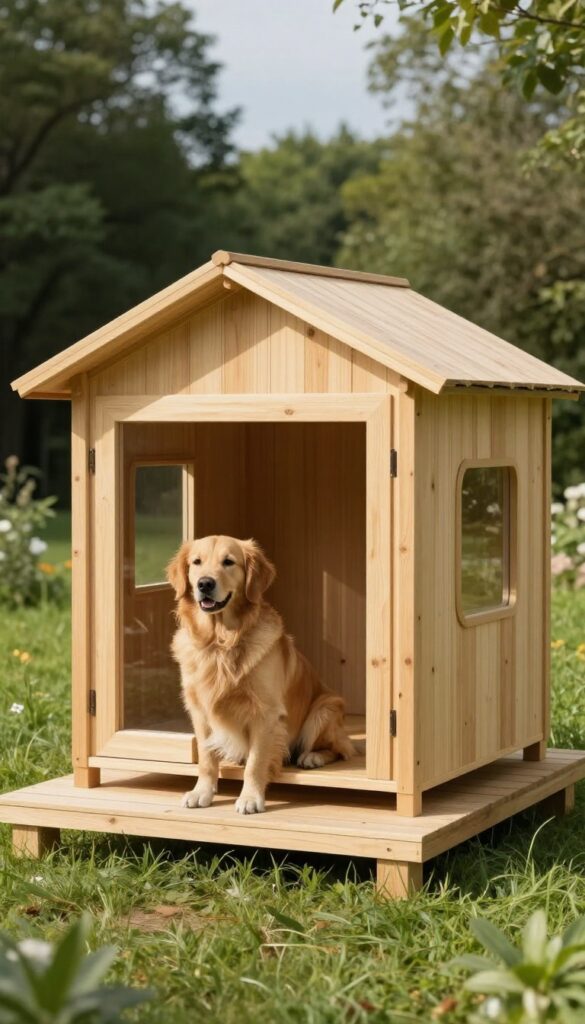
Sleek and simple, the modern minimalist dog house proves that less can be more—especially when your large breed needs a clean, uncluttered space to call their own. With its flat roof, clean lines, and natural materials, this design blends right into contemporary backyards while giving your pup plenty of room to stretch out.
Large windows allow for cross ventilation on warm days, and the raised floor keeps things dry. It’s a straightforward build that focuses on comfort and style without extra frills.
Why It Works
The combination of plywood and cedar provides excellent durability against weather and wear. The flat roof is easy to maintain and can double as a perch for sunbathing if reinforced. Large windows not only look good but also prevent stuffiness, which is key for big dogs that generate more body heat.
Best For
This design is ideal for modern homes with minimalist landscaping or urban yards where aesthetics matter. Great for owners who want a dog house that doesn’t scream “dog house” but still offers real comfort for large breeds like Labradors, Goldens, or Ridgebacks.
Practical Tip
Add a weatherproof outdoor rug at the entrance to catch muddy paws. Use a low-profile dog bed inside to keep the clean look going. If your yard is sunny, consider adding a small awning over the window side to create shade without blocking airflow.
Budget-Friendly Option
Swap cedar siding for exterior-grade plywood painted with a neutral tone to cut costs significantly. You can also use reclaimed wood from pallets if you’re handy with sanding and sealing.
6. Log Cabin Style Dog House
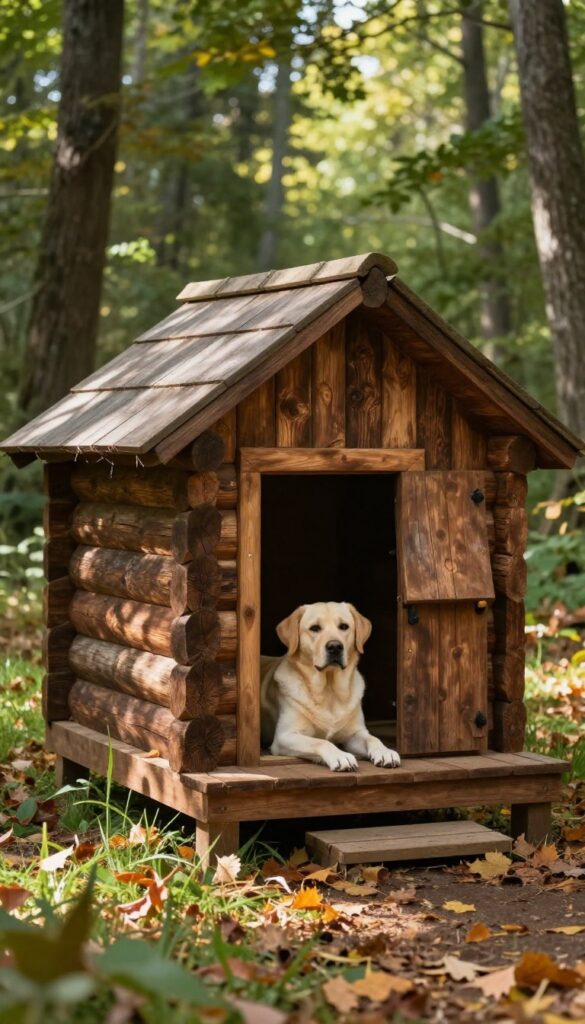
Rustic charm meets practical durability with a log cabin style dog house. Made from real logs or log siding, this design blends naturally into wooded yards and gives your large breed a cozy retreat. The thick walls offer excellent insulation, keeping the interior cooler in summer and warmer in winter, while the front porch provides a shaded spot to lounge.
Why It Works
Logs naturally insulate better than standard plywood, helping regulate temperature year-round. The sturdy construction holds up to rough weather and enthusiastic dogs, and the hinged roof makes cleaning out bedding or debris simple.
Best For
This design suits large breeds that enjoy spending time outdoors, like Labrador Retrievers, Golden Retrievers, or Bernese Mountain Dogs. It’s ideal for homes with wooded or rustic landscapes where the house can complement the setting.
Practical Tip
Place the dog house on a slightly raised platform of gravel or pavers to prevent moisture wicking from the ground. Add a weatherproof flap over the door to block drafts, and use cedar shavings or straw inside for extra insulation and odor control.
Budget-Friendly Option
If real logs are too pricey, use log-look vinyl siding over a plywood frame. It mimics the appearance at a lower cost while still offering good weather resistance.
7. Dog House with Built-In Storage
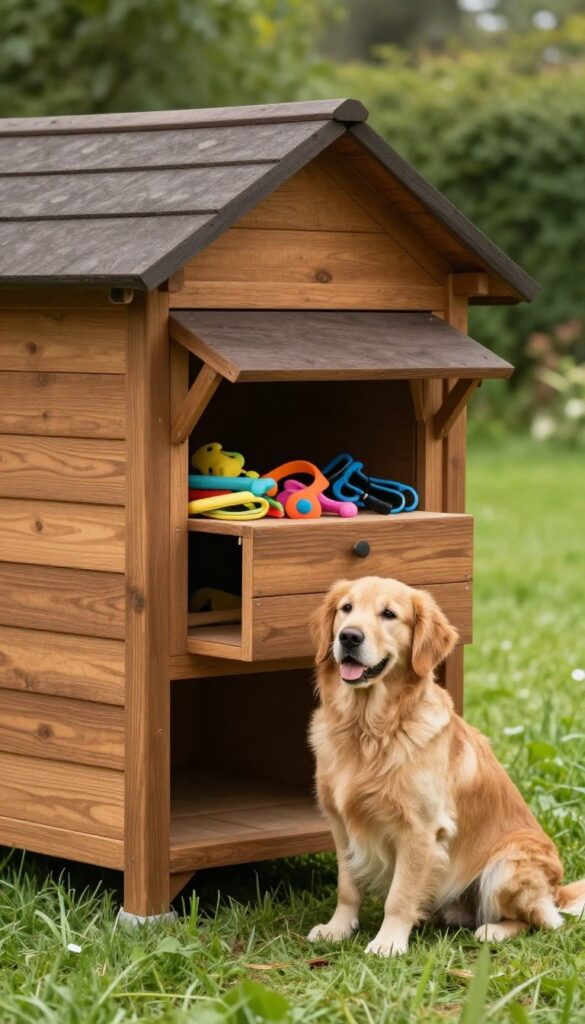
A dog house that doubles as a storage unit is a game changer for keeping your yard tidy. This plan adds a side compartment for toys, leashes, and food bags, so everything your dog needs stays close at hand. The main living area is spacious and insulated, with a removable divider that lets you shrink the space for smaller pups or create separate zones.
Why It Works
Built-in storage eliminates the need for extra bins or trips to the garage. The insulated walls keep your dog comfortable in hot or cold weather, while the removable divider adds flexibility as your puppy grows or if you have multiple dogs sharing the house.
Best For
Best for owners with limited yard storage who want a clean, organized setup. Ideal for large breeds like Labradors, Golden Retrievers, or German Shepherds that need plenty of room to stretch out.
Practical Tip
Paint the storage compartment a different color to make it pop, or match it to your house trim. Use weatherproof latches to keep the lid secure during storms. Line the interior with washable bedding for easy cleanup.
8. Elevated Dog House with Ramp
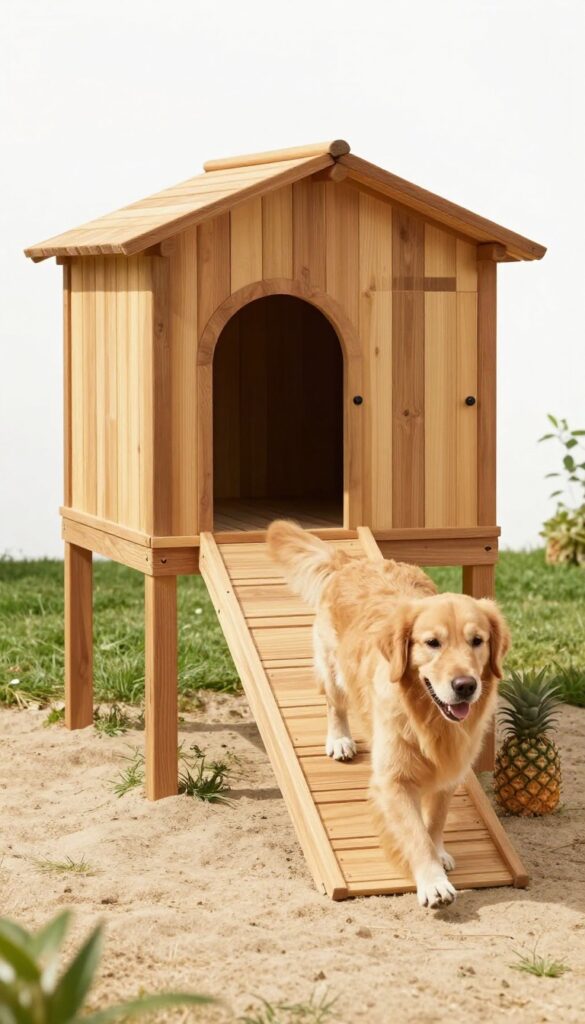
An elevated dog house sits on sturdy legs, raising the sleeping area off the ground. A gentle ramp leads up to the door, making it easy for dogs with joint issues to enter and exit. This design keeps the floor cool in summer and dry during wet weather, while the ramp's traction strips ensure safe footing.
Why It Works
Elevating the dog house improves airflow underneath, preventing moisture buildup and keeping the interior drier and more comfortable. The ramp reduces strain on hips and knees, which is especially helpful for older dogs or breeds prone to arthritis. Plus, the raised design deters pests and provides a shaded spot underneath that your dog can also enjoy.
Best For
This setup is perfect for large breed seniors like Golden Retrievers or German Shepherds who struggle with steps. It's also great for any dog living in a damp climate or on uneven ground where a standard dog house might get wet or unstable.
Practical Tip
Make sure the ramp has a gentle slope—no steeper than a 1:3 rise-to-run ratio—and add outdoor carpet or adhesive traction strips for grip. Place the house on level ground and consider adding a weatherproof flap over the door to block drafts.
9. Dog House with Attached Run
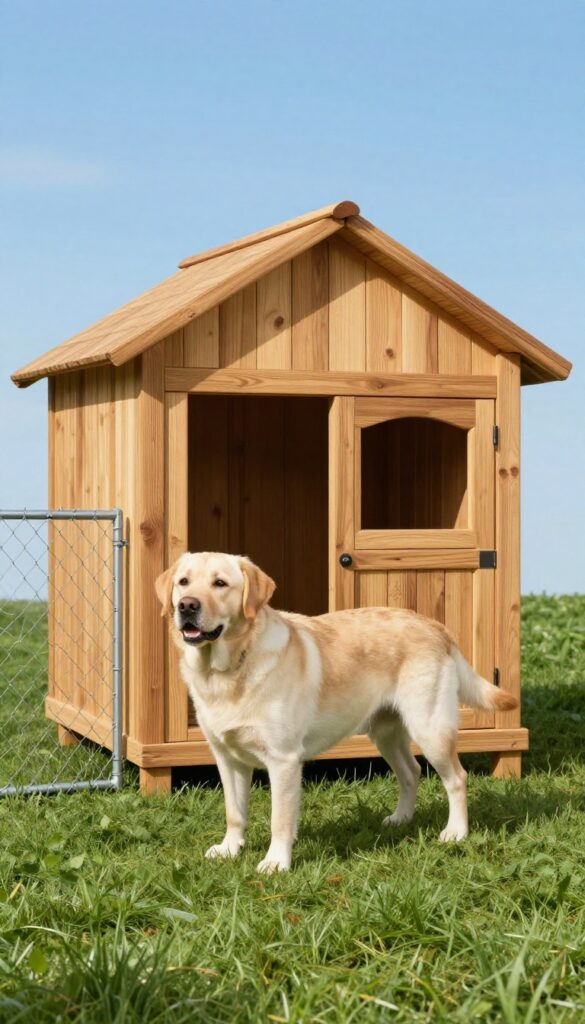
Some dogs need more than just a cozy bed—they want room to roam right outside their door. A dog house with an attached run gives your large breed both a sheltered spot to sleep and a secure area to stretch their legs, play, or just enjoy the fresh air. The run is typically made from chain link or welded wire, and the house connects to it via a dog door, so your pup can come and go as they please.
This setup is ideal for dogs that spend time outdoors while you're away or busy. It keeps them safe from wandering while still offering freedom of movement. Plus, it's a great way to give your dog their own little territory without fencing off the whole yard.
Why It Works
The combined design solves two problems at once: providing shelter and exercise space in one compact footprint. Your dog can choose to nap inside or patrol the run, which reduces boredom and destructive behavior. The dog door ensures they never feel trapped, and the run gives them a designated potty area if needed.
Best For
Best for active large breeds like Labrador Retrievers, German Shepherds, or Siberian Huskies that need daily exercise but also enjoy lounging. It's also perfect for owners who want to contain their dog while protecting garden beds or pools.
Practical Tip
Place the run on a slight slope or add gravel underneath for drainage—muddy paws are no fun. Use heavy-duty wire mesh and secure the frame with ground stakes to prevent digging out. A shade cloth over part of the run adds extra protection from harsh sun.
Budget-Friendly Option
Instead of buying a prefab kit, build the run yourself using pressure-treated lumber and welded wire panels from a hardware store. You can often find used chain link fencing materials online for cheap.
10. Geodesic Dome Dog House
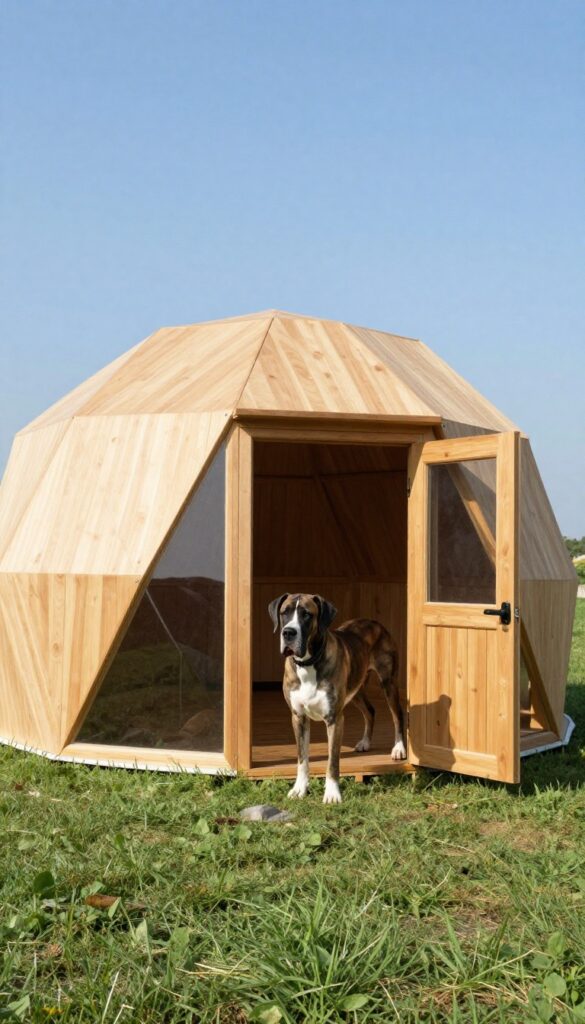
A geodesic dome dog house brings a futuristic look to your backyard, but it's not just about style. The triangular framework makes it incredibly sturdy, able to withstand strong winds and heavy snow without collapsing.
Inside, the dome shape creates a surprisingly roomy interior with a high ceiling, so large breeds can stand and turn easily. Many owners love how the design naturally sheds rain and debris, keeping the entryway cleaner.
If you want something that stands out from traditional boxy dog houses while offering serious durability, this is a fun and functional choice.
Why It Works
The geodesic structure distributes stress evenly across all panels, making it one of the strongest shapes for a dog house. It resists wind uplift and snow load better than flat-roofed designs, so you can place it in exposed areas without worry.
Best For
Great for large breeds that need extra headroom, like Great Danes or Irish Wolfhounds. Also perfect for windy or snowy climates where a standard dog house might get damaged.
Practical Tip
Insulate the panels with rigid foam board between the plywood layers before sealing. Use exterior-grade paint or stain on all surfaces to prevent moisture damage. For easy cleaning, make at least one panel removable or hinged so you can reach inside.
11. Dog House with Green Roof
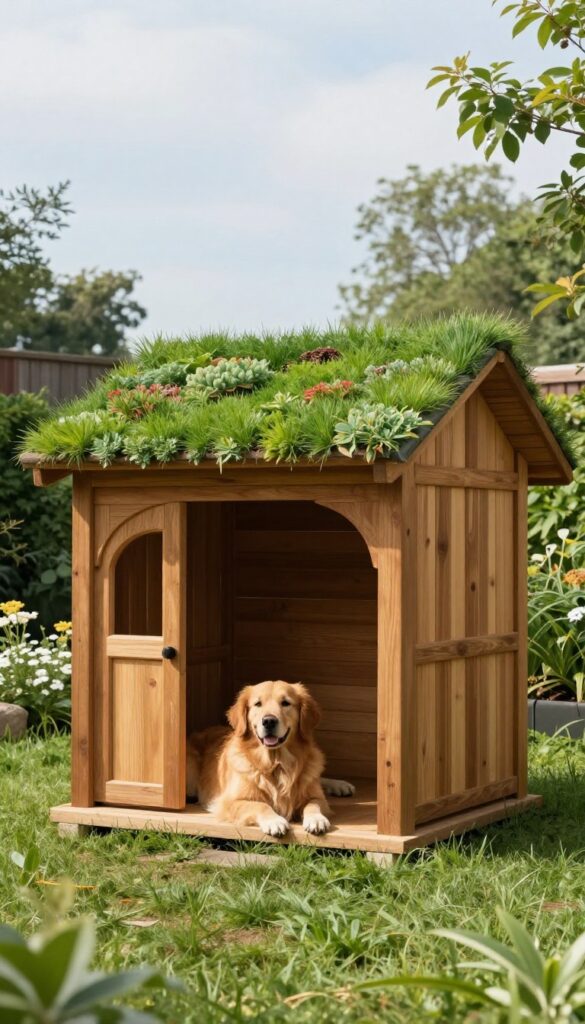
A green roof dog house brings a slice of nature right into your backyard. The roof is planted with hardy sedum or grass, creating a living cover that insulates the interior and blends the structure into your landscape. It's a smart, eco-friendly choice that also manages stormwater runoff naturally.
This design isn't just about looks—it keeps the inside cooler in summer and warmer in winter thanks to the added insulation layer. Plus, the vegetation attracts pollinators and gives your yard a lush, finished feel.
Dog owners love how this plan turns a functional item into a garden feature. It's a conversation starter that also provides your large breed with a comfortable, well-regulated shelter.
Why It Works
The green roof acts as natural insulation, reducing temperature swings inside the dog house. The plants absorb rainwater, so you avoid muddy puddles around the base. Weather-resistant materials like cedar or treated plywood ensure longevity, while the roof membrane protects against leaks.
Best For
Ideal for eco-conscious owners with large breeds like Labradors, Golden Retrievers, or German Shepherds who spend time outdoors. It fits best in yards where you want the dog house to complement garden aesthetics rather than stand out as an eyesore.
Practical Tip
Choose low-maintenance sedum varieties that thrive in your climate—they need minimal watering once established. Install a drip tray or drainage layer under the soil to prevent water damage to the roof structure. Make sure the roof frame is reinforced to handle the extra weight of wet soil and plants.
12. Customizable Modular Dog House
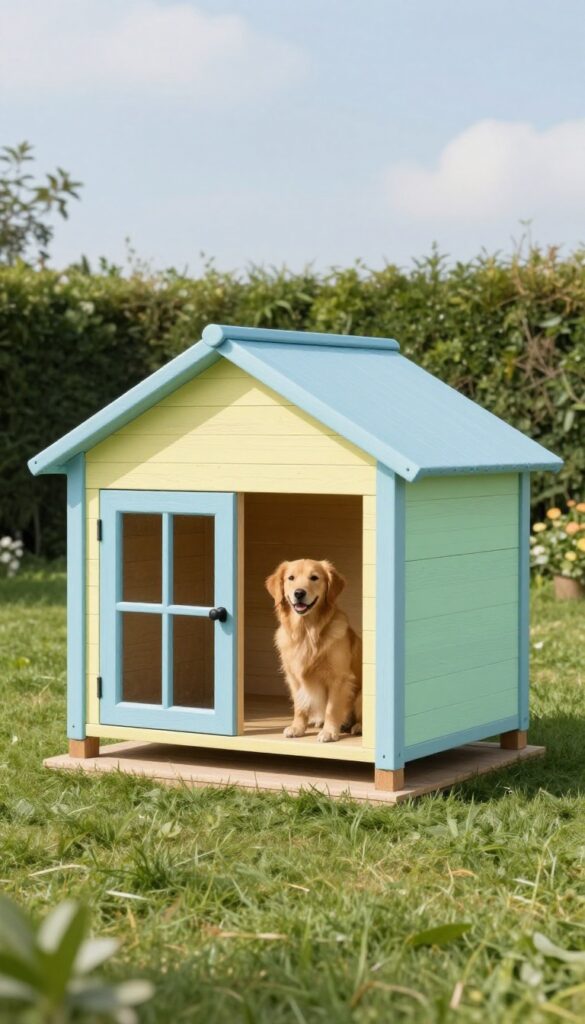
Imagine a dog house that grows with your pup—that's the beauty of a modular design. You build it in sections that can be rearranged, expanded, or even moved to a new spot in the yard. It's perfect for owners who want flexibility without committing to a permanent structure.
Why It Works
Modular construction means you can start with a basic single-room house and later add a second story, a covered porch, or extra insulation panels. This adaptability is ideal for puppies that will get bigger or if you move to a different home. Plus, if one section gets damaged, you can replace just that part instead of the whole house.
Best For
Best for owners who like to DIY and want a project they can expand over time. It's also great for multi-dog households where you might need to reconfigure space as dogs' relationships change.
Practical Tip
Use weatherproof connectors and seal all joints with silicone caulk to prevent drafts and moisture. Consider painting each module a different color so it's easy to identify parts during assembly. Add interlocking floor panels that can be removed for cleaning.
Budget-Friendly Option
Save money by using repurposed materials like old pallets or fence boards for the modules. You can find free plans online that use standard lumber sizes to minimize waste.
FAQ
What size should a large dog house be?
The house should be at least 1.5 times your dog's length from nose to tail, and tall enough for them to stand and turn around. For a Great Dane, that means roughly 4 feet wide, 5 feet deep, and 4 feet tall.
What is the best material for a large dog house?
Pressure-treated wood or cedar is durable and rot-resistant. Plywood is a budget-friendly option, but make sure it's exterior-grade. Avoid materials that can splinter or overheat in the sun.
Do large dog houses need insulation?
Yes, especially if your dog spends time outdoors in extreme temperatures. Insulate the walls, floor, and roof with foam board or reflective insulation. Make sure to provide ventilation to prevent moisture buildup.
How do I keep the dog house clean?
Choose a design with a removable roof or a hinged panel for easy access. Use washable bedding and sweep or vacuum regularly. Treat the interior with a pet-safe sealant to resist odors and stains.
Can I build a large dog house myself?
Absolutely. Many plans are designed for intermediate DIYers with basic tools. Start with a simple design if you're new to building.
Always follow safety guidelines and use weather-resistant materials.
Conclusion
Choosing the right dog house plan means balancing your dog's needs with your building skills and yard space. Each of these 12 designs offers something unique, from insulation to portability. Take your time to pick the one that fits your lifestyle and your dog's personality.
A well-built dog house is more than a shelter—it's a retreat your large breed will love for years. Start planning, gather your materials, and enjoy the process of creating a cozy space for your furry friend.

I’m Pallab Kishore, the owner of Little Pets Realm — an animal lover and pet care enthusiast sharing easy tips, healthy recipes, and honest advice to help every small pet live a happy, healthy, tail-wagging life.