
Building your own dog house doesn't require advanced carpentry skills or a big budget. With a few basic tools and some creativity, you can create a cozy retreat your pup will love.
These 11 beginner-friendly projects use common materials like plywood, pallets, and storage bins—each one designed for durability and easy cleanup. From a classic A-frame that sheds rain to a portable pop-up tent for travel, there's an option for every space and lifestyle.
Whether you have a small apartment balcony or a sprawling backyard, these DIY dog houses are practical, affordable, and fun to build. Ready to give your furry friend a custom hangout?
1. The Classic Plywood A-Frame
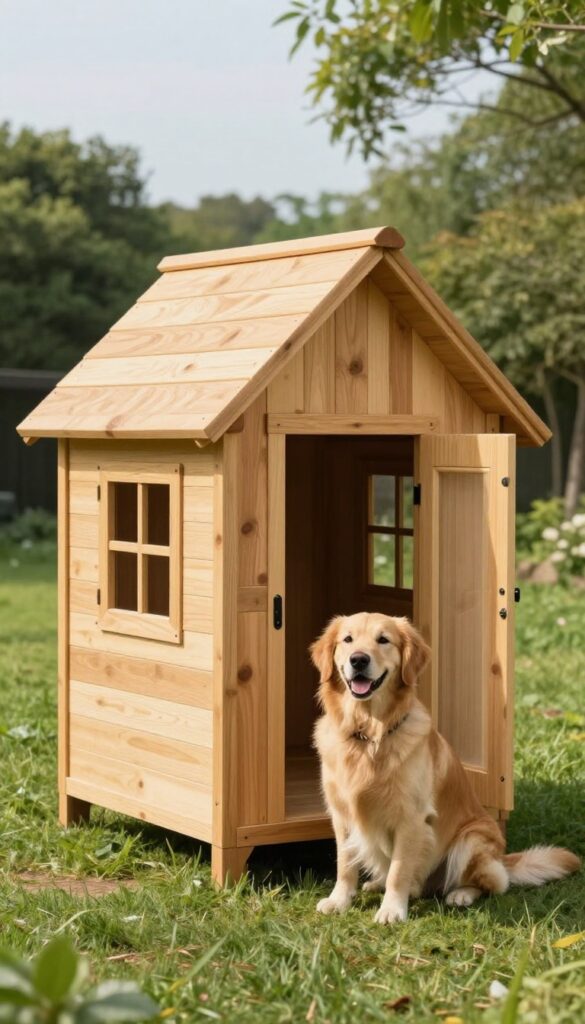
Some designs never go out of style, and the A-frame dog house is proof. Its sloped roof sheds rain and snow easily, making it a reliable choice for outdoor use. Builders love how straightforward the angles are—no complex cuts, just a solid shelter that lasts for years.
Why It Works
The A-frame shape is naturally sturdy and uses gravity to keep the interior dry. With just one sheet of plywood and basic 2×4 framing, you get a weatherproof home that stands up to wind and moisture. The open floor plan also gives your dog plenty of room to stretch out.
Best For
Medium to large breeds like Labradors, Golden Retrievers, or German Shepherds who need a roomy, durable outdoor house. It's also great for backyards with exposed weather, since the roof handles rain and snow without leaking.
Practical Tip
Seal the plywood with exterior-grade paint or stain before assembly to prevent warping. Add a hinged roof panel for easy cleaning—just flip it up to sweep out dirt or bedding. For extra warmth, attach a flap door made of heavy vinyl.
Budget-Friendly Option
Use pressure-treated plywood for the floor and bottom edges to resist rot. Skip the paint and use a clear wood sealer instead—it's cheaper and still protects against moisture.
2. Upcycled Pallet Dog House
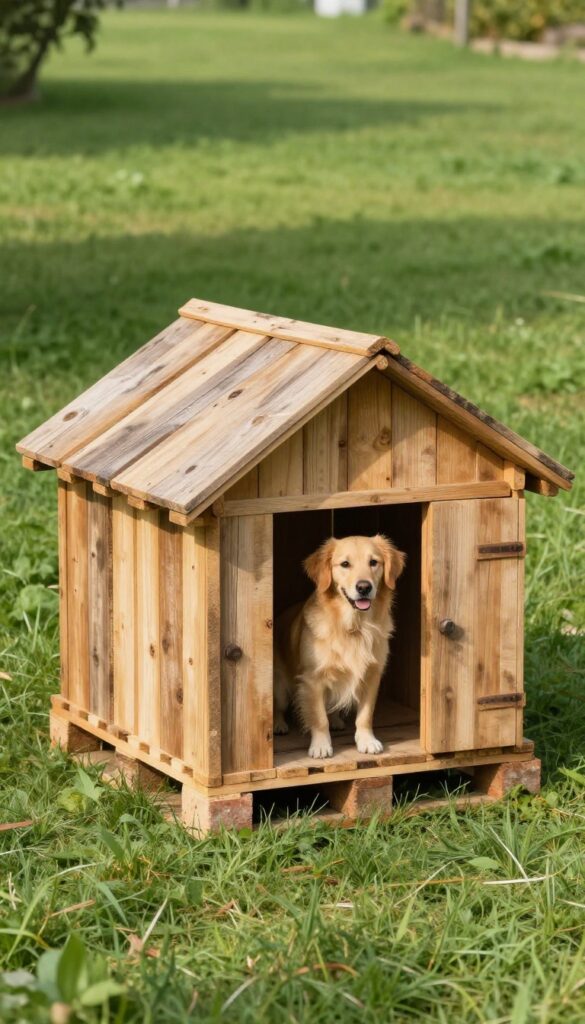
Free wooden pallets are everywhere, and with a little effort, they can become a charming, rustic dog house. This project is perfect for beginners because you don't need to buy expensive lumber—just source some pallets, a hammer, and a saw. The result is a sturdy, eco-friendly shelter that looks right at home in any backyard.
Why It Works
Pallets are built to handle heavy loads, so they're naturally durable. When you disassemble them and sand down the rough edges, you get solid planks that can be reassembled into a weather-resistant dog house. The gaps between boards also provide natural ventilation, keeping your dog cool in summer.
Best For
This dog house is ideal for medium to large breeds like Labradors, Golden Retrievers, or mixed breeds that need a sturdy, spacious shelter. It works best in backyards with a rustic or farmhouse aesthetic, but with a coat of paint, it can fit into any outdoor space.
Practical Tip
Seal the wood with a pet-safe, waterproof stain or paint to protect against rain and moisture. Add a hinged roof for easy cleaning, and place the house on a few bricks or pavers to keep it off damp ground. Line the inside with a washable dog bed or cedar shavings for comfort.
Budget-Friendly Option
If you don't have access to free pallets, check local hardware stores for scrap wood or cull lumber at a discount. You can also use reclaimed fencing or old deck boards for a similar look.
3. Portable Pop‑Up Tent House
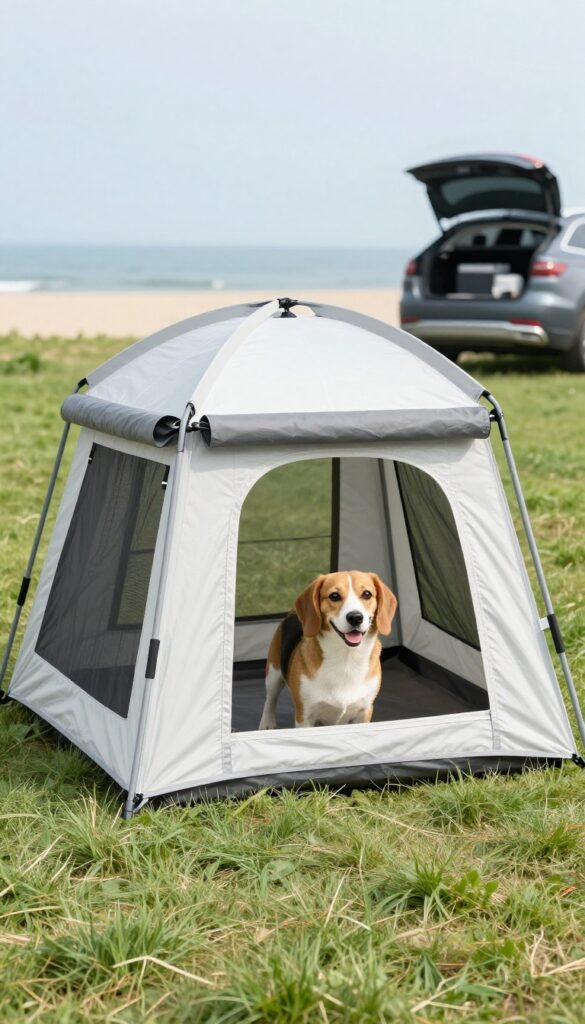
Imagine a dog house that folds up flat and stows in the car trunk. That’s the beauty of a portable pop‑up tent house. You sew a lightweight shell from waterproof fabric, use PVC pipes as the frame, and you’ve got a cozy den that goes anywhere.
Perfect for camping trips, beach days, or just moving from room to room inside. It’s also a breeze to clean—just hose it off or toss the fabric in the wash.
Why It Works
Dogs love enclosed, den‑like spaces, and a pop‑up tent gives them that security without the weight of wood. The PVC frame is easy to assemble and disassemble, and the fabric shell keeps rain and sun at bay. Plus, when not in use, it stores in a small bag—no garage clutter.
Best For
Best for active dog owners who travel or camp often. Also great for apartment dwellers who need a temporary indoor hideaway that doesn’t take up permanent floor space. Works for small to medium breeds up to about 50 pounds.
Practical Tip
Use ripstop nylon or heavy‑duty polyester for durability. Sew in a mesh window for ventilation and a roll‑up door flap. Add a removable, washable floor pad for extra comfort.
Label each PVC joint with a marker so reassembly is quick.
Budget-Friendly Option
Skip the sewing and repurpose a kids’ play tent from a thrift store. Cut a door opening if needed, and reinforce the seams with fabric glue. You can often find them for under $10.
4. Repurposed Plastic Storage Bin
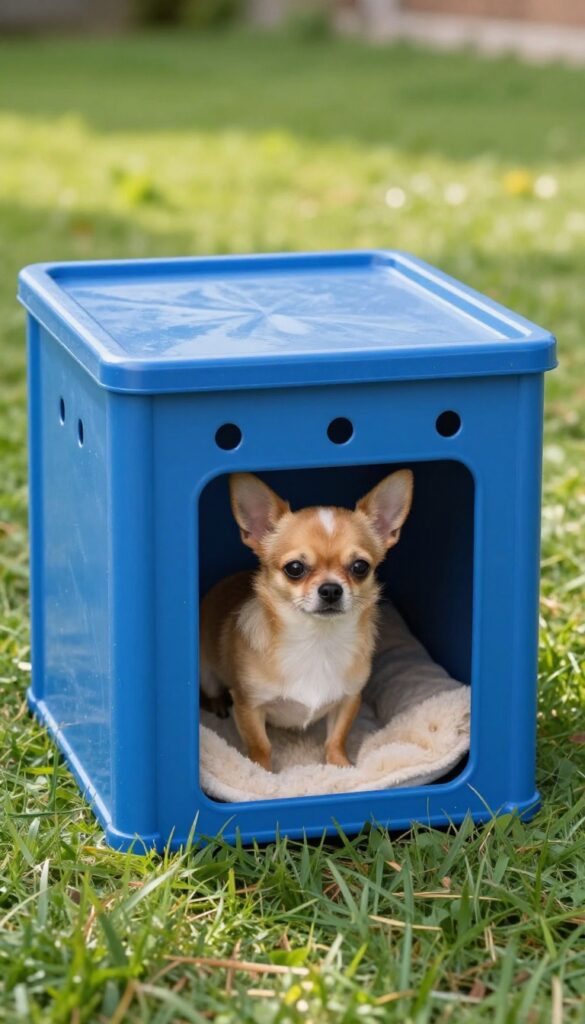
A large plastic storage tote can become a surprisingly functional dog house in under an hour. The material is naturally waterproof and easy to wipe clean, making it ideal for outdoor use or messy pups. Plus, it costs next to nothing if you already have a bin lying around.
Why It Works
Plastic bins are lightweight, durable, and resist moisture, mold, and chewing better than cardboard or thin wood. Cutting a door and adding ventilation holes is straightforward with a jigsaw or utility knife, and the smooth surface won't splinter.
Best For
Small breeds like Chihuahuas, Yorkies, or puppies under 20 pounds. It also works great as a temporary shelter for travel, camping, or outdoor events where you need a quick, portable dog house.
Practical Tip
Line the floor with a washable crate mat or fleece bed for comfort. Drill multiple ventilation holes on the sides near the top to prevent stuffiness. Keep the lid removable for easy cleaning, and avoid using bins with sharp edges from cut holes.
Budget-Friendly Option
If you don't have a storage bin, check thrift stores or garage sales for a used one—often under $5. You can also repurpose a large plastic pet carrier or a broken cooler.
5. Simple Wooden Crate House
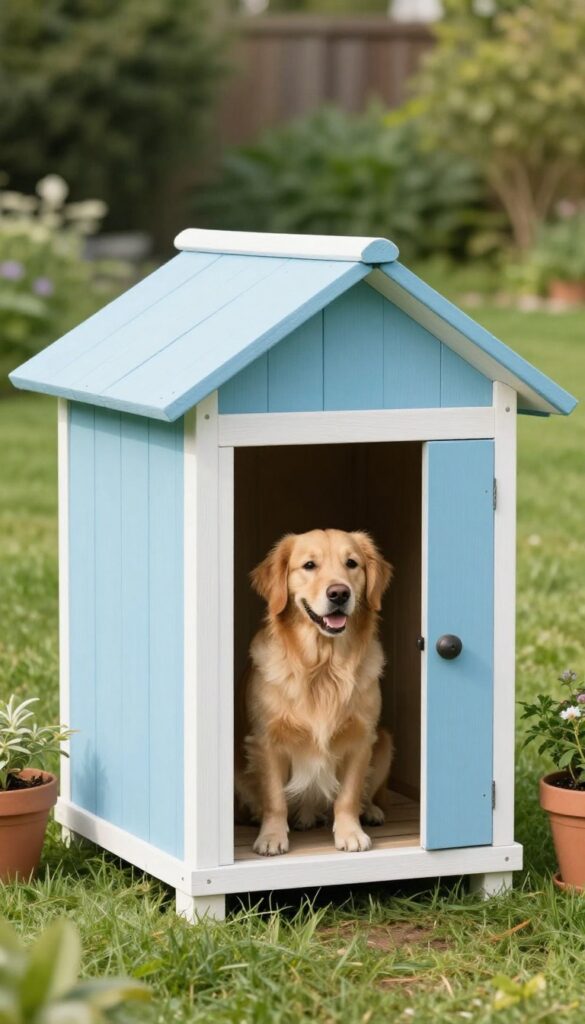
A basic wooden crate can become a sturdy, charming dog house with just a few modifications. Start with a large wooden crate or build a simple box from pine boards, then add a sloped roof to keep rain out. This project is straightforward, budget-friendly, and easy to customize for your dog's size.
Why It Works
Wooden crates are naturally strong and provide good insulation, making them comfortable in mild weather. The simple box shape is easy to build, even for beginners, and the sloped roof prevents water pooling. Plus, you can paint or stain it to match your outdoor decor.
Best For
This house is perfect for medium to large dogs who need a solid, weather-resistant shelter. It works well in backyards or on patios, especially in climates with occasional rain. Great for owners who want a classic, durable look without complex construction.
Practical Tip
Add a weatherproof sealant to protect the wood from moisture and extend its life. For extra comfort, place a removable cushion or blanket inside, and elevate the floor slightly on blocks to prevent dampness. Use outdoor-grade paint or stain for a polished finish.
Budget-Friendly Option
If you want to save money, look for a used wooden crate at a flea market or online marketplace. You can often find one for under $10 and just need to add a roof and a coat of paint.
6. Insulated Foam Board House
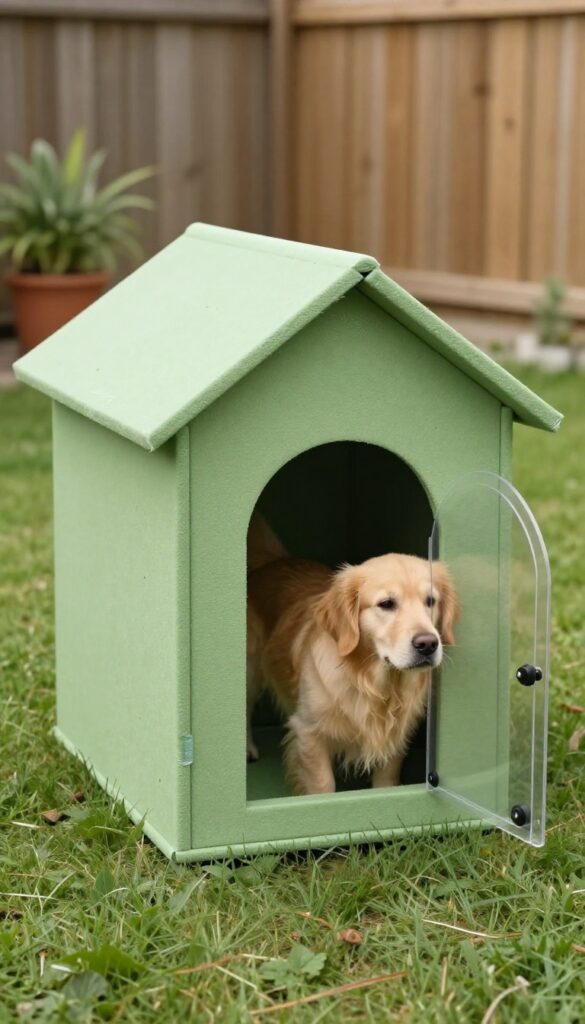
Rigid foam insulation boards aren't just for basements—they make a surprisingly sturdy and warm dog house. This project is lightweight, easy to cut with a utility knife, and comes together with construction adhesive. The foam naturally traps heat, so your dog stays cozy even on chilly nights.
Plus, you can wrap it in fabric or paint the exterior for a finished look that matches your yard.
Why It Works
Foam board is an excellent insulator, keeping the interior warmer in winter and cooler in summer. It's also waterproof when sealed, and the lightweight material makes it easy to move around. The smooth surface is simple to wipe clean, and the assembly requires no power tools—just adhesive and a sharp blade.
Best For
This house is perfect for cold-climate dogs who need extra warmth, or for pet owners who want a portable shelter they can easily reposition. It's also great for renters or anyone looking for a low-cost, low-skill project that can be completed in an afternoon.
Practical Tip
Seal all edges with waterproof tape or exterior-grade paint to prevent moisture damage. Add a soft, washable bed inside and consider a flap door to block drafts. For ventilation, cut a small vent near the top and cover it with mesh.
Budget-Friendly Option
If foam boards are too pricey, use salvaged rigid insulation from construction sites or buy a damaged sheet at a discount. You can also substitute with corrugated plastic (coroplast) for a lighter, cheaper option, though it won't insulate as well.
7. Pallet and Tarp Hybrid
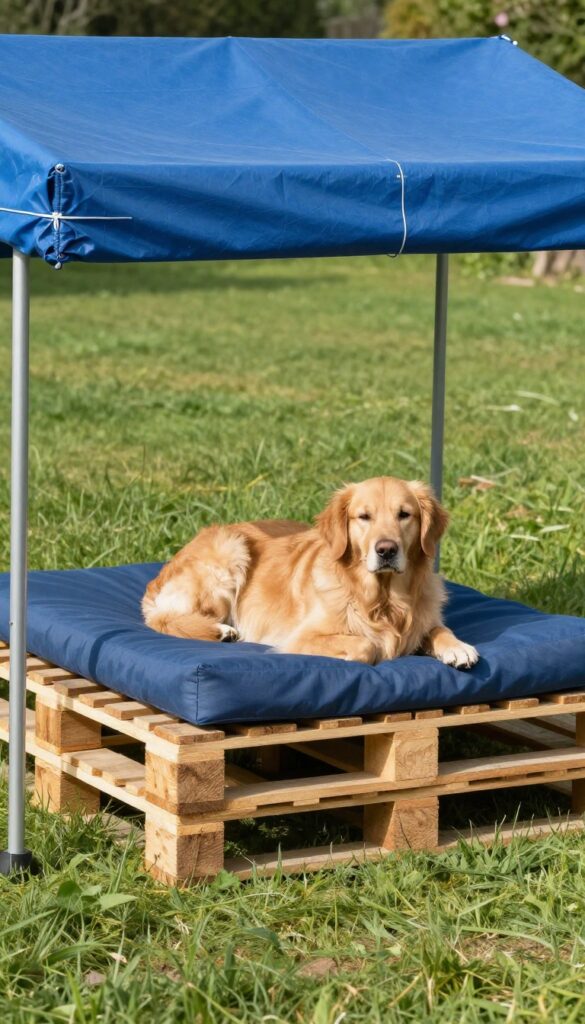
Not every dog house needs to be a permanent structure. A pallet base with a tarp roof gives you a weather-resistant shelter that can be set up in minutes and taken down just as fast. The open design keeps air moving on warm days, while the tarp sheds rain and provides shade.
Dog owners love how affordable and adaptable this setup is—perfect for camping trips, beach days, or as a temporary spot in the yard.
Why It Works
Pallets elevate the floor off the ground, keeping your dog dry and away from damp soil. The tarp roof is easy to tension with grommets and bungee cords, so it won't sag or collect water. You can adjust the height and angle to suit your dog's size and the weather conditions.
Best For
This hybrid works great for medium to large dogs who need a quick shelter during outdoor adventures or seasonal use. It's also a smart choice for renters or anyone who wants a dog house that doesn't require a permanent commitment.
Practical Tip
Sand down any rough edges on the pallet to prevent splinters, and consider adding a cushion or outdoor mat on top for comfort. Use UV-resistant tarps to extend the life of the roof, and stake the pallet down if you're in a windy area.
Budget-Friendly Option
If you don't have a pallet, you can use a wooden shipping crate or even a sturdy plastic milk crate as the base. For the tarp, an old shower curtain or heavy-duty trash bag works in a pinch.
8. Elevated Deck House
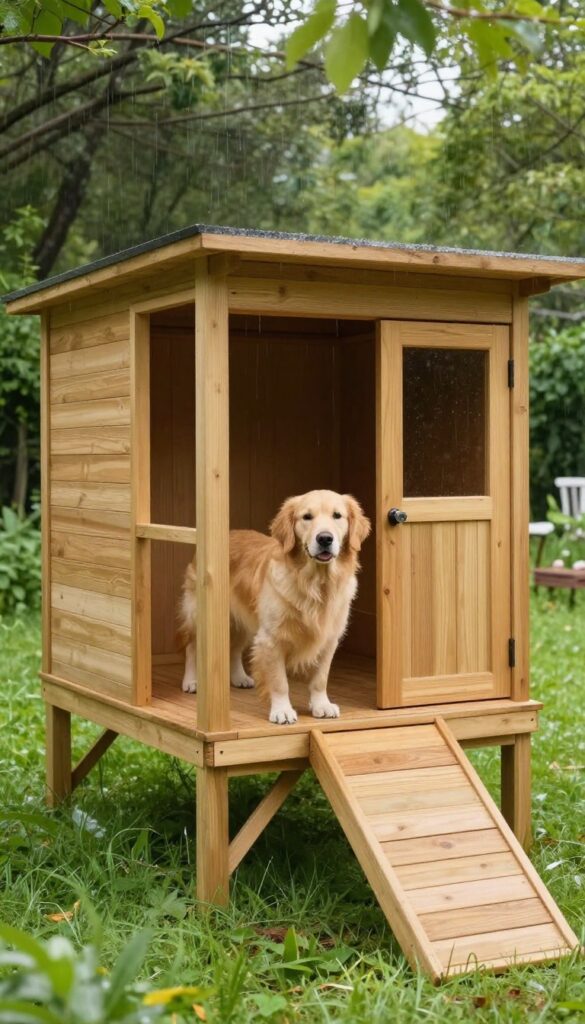
If your yard gets damp after rain or snow, a traditional dog house on the ground can quickly become a soggy, uncomfortable mess. An elevated deck house solves that by lifting your pup off the wet ground, keeping them dry and cozy. It also boosts airflow underneath, which helps regulate temperature in both summer and winter.
This design is sturdy, easy to build, and gives your dog a private perch to survey their kingdom.
Why It Works
Raising the house off the ground prevents moisture from seeping in and reduces contact with cold or hot surfaces. The open space underneath allows air to circulate, which cuts down on humidity and keeps the interior fresher. Plus, the added height makes your dog feel secure and gives them a vantage point to watch the yard.
Best For
This project is ideal for outdoor dogs who spend a lot of time in the yard, especially in areas with rain, snow, or damp grass. It's also great for larger breeds that need extra floor space and appreciate a little elevation. If you have a sloped or uneven yard, the adjustable legs can help level the house.
Practical Tip
Use pressure‑treated lumber for the frame and legs to resist rot and insects. Attach a ramp with small cross strips for traction so your dog can easily climb up, even in wet weather. Paint or stain the exterior with a pet‑safe finish, and add a weatherproof flap over the door to block drafts.
Budget-Friendly Option
Save money by using salvaged wood from pallets or old deck boards, as long as they're untreated and splinter‑free. You can also skip the paint and just seal the wood with a clear, pet‑safe waterproofing oil.
9. Recycled Barrel Dog House
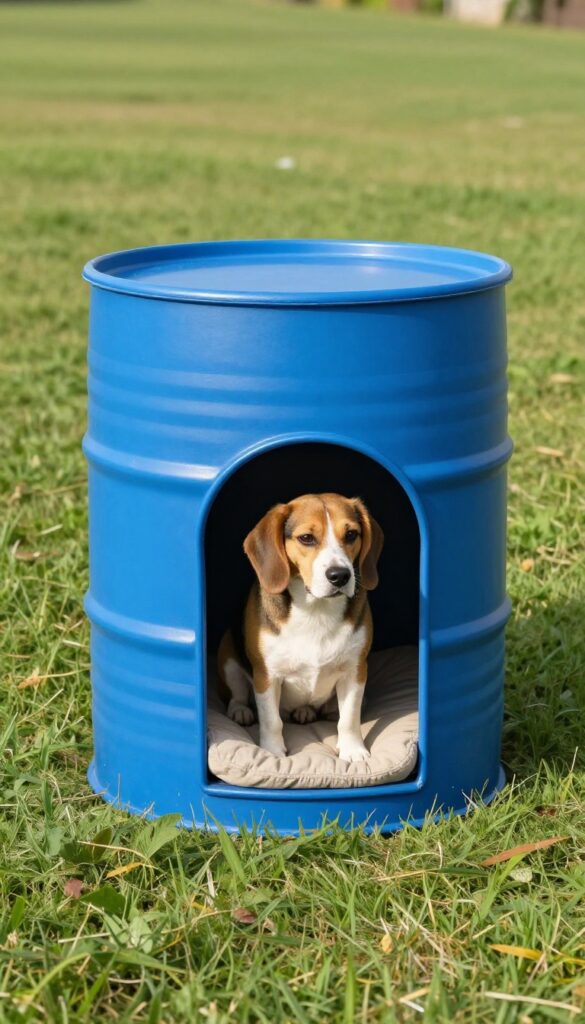
A large plastic or metal barrel can be transformed into a unique, round dog house that feels like a cozy den. The curved shape naturally shelters your pup from wind and rain, making it a practical option for outdoor use. Plus, repurposing a barrel is eco-friendly and budget-conscious.
Why It Works
The barrel's sturdy, weather-resistant material stands up to the elements without rotting or warping. Its compact footprint fits neatly in a corner of the yard, and the round interior creates a snug, den-like space that many dogs find comforting.
Best For
Medium‑sized dogs who love curling up in tight spaces. Breeds like Beagles, Corgis, or French Bulldogs thrive in this cozy setup. It's also ideal for renters who want a durable, semi‑permanent dog house that can be moved easily.
Practical Tip
Cut a door opening large enough for your dog to enter comfortably, then sand or file all cut edges to prevent injuries. Add a weatherproof cushion or a folded blanket inside for softness. Paint the exterior with non‑toxic outdoor paint to match your yard decor.
Budget-Friendly Option
Check local classifieds or recycling centers for used food‑grade barrels—they're often free or very cheap. If you can't find a barrel, a large plastic storage tote turned upside down with a door cut out works similarly.
10. Fold‑Flat Travel House
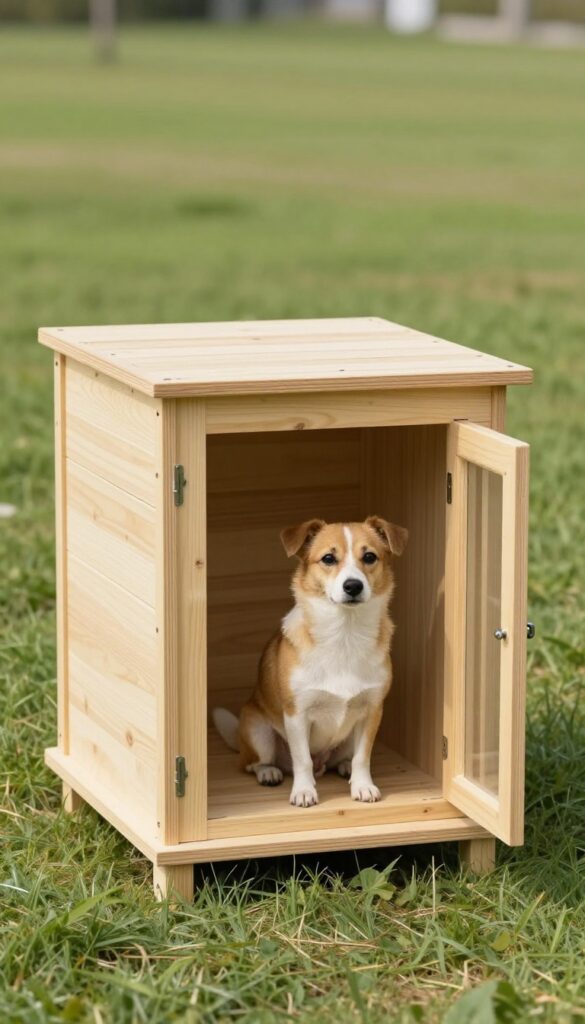
A dog house that folds flat is a game-changer for pet parents on the go. This collapsible wooden design uses simple hinges so you can set it up in seconds and break it down just as fast. It's lightweight enough to toss in the trunk and sturdy enough to feel like a real home away from home.
Whether you're heading to the beach or visiting relatives, your pup gets a familiar spot to relax in unfamiliar places.
Why It Works
The folding mechanism makes storage and transport effortless—no more bulky crates taking up half your cargo space. With a weatherproof finish and a slightly raised floor, it stays dry even on damp ground. Plus, the wood construction offers better insulation than most soft-sided travel crates, keeping your dog comfortable in changing temperatures.
Best For
This project is perfect for frequent travelers, camping enthusiasts, or anyone who visits friends and family with their dog. It's also great for apartment dwellers who need a dog house that can be tucked away when not in use. Small to medium breeds will feel most at home here.
Practical Tip
Use exterior-grade plywood and marine varnish to protect against rain and humidity. Add a removable cushion or a washable mat inside for extra comfort. If the house wobbles on uneven ground, attach small rubber feet to the bottom corners for stability.
Budget-Friendly Option
Instead of plywood, repurpose an old wooden pallet by disassembling it and cutting the planks to size. You'll save money and give the project a rustic look. Just sand everything smooth to avoid splinters.
11. Minimalist Modern Cube
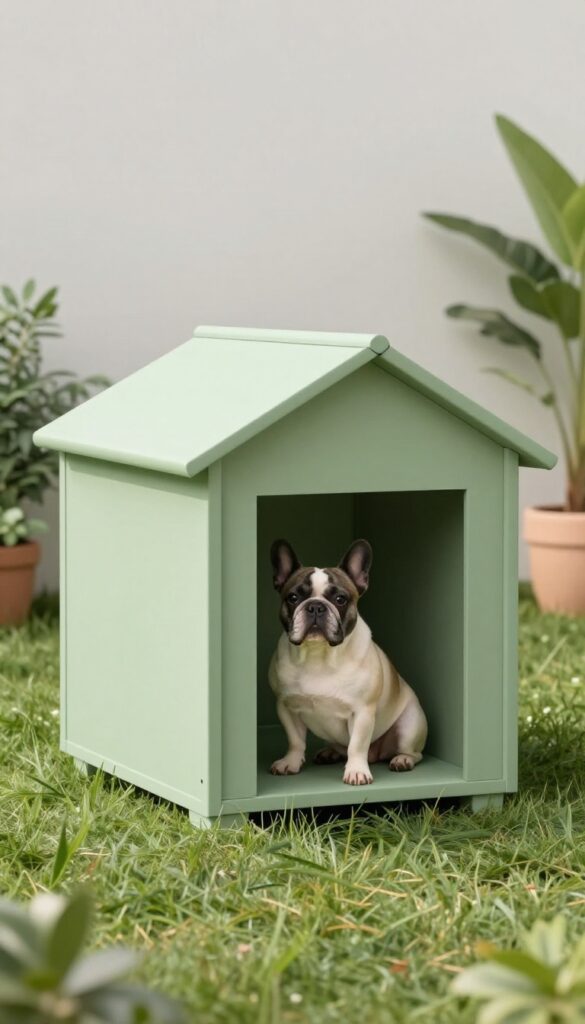
A clean, cube-shaped dog house brings a contemporary feel to any yard. This design uses plywood and simple joinery for a sleek look that fits small spaces. The flat roof with a slight overhang adds a modern edge while keeping rain away from the entrance.
Why It Works
The simple geometry makes this project approachable for beginners. Plywood is easy to cut and assemble, and the flat roof provides a stable surface that can double as a small deck or perch. The minimalist design also means fewer nooks for dirt to collect, making cleanup quick.
Best For
This dog house is ideal for small to medium breeds like French Bulldogs, Corgis, or Beagles. It fits well on patios, balconies, or compact yards where a traditional A-frame might overwhelm the space.
Practical Tip
Paint the exterior in a matte charcoal or sage green for a modern look. Use exterior-grade paint and seal the plywood edges to prevent moisture damage. Add a removable cushion inside for comfort and easy washing.
Budget-Friendly Option
Replace plywood with reclaimed wood pallets for a more budget-friendly option. Disassemble pallets, sand the boards, and assemble the cube using the same basic joinery. Just make sure the wood is untreated and safe for dogs.
FAQ
What is the easiest DIY dog house for a complete beginner?
The repurposed plastic storage bin is the easiest. You only need a utility knife, a marker, and a bin. Cut a door, add ventilation, and line it with a bed.
No power tools required.
How do I make a DIY dog house waterproof?
Use exterior‑grade paint or sealant on wood, and add a sloped roof with overhangs. For plastic or foam houses, ensure all seams are sealed with waterproof tape or caulk.
What size should my DIY dog house be?
Measure your dog from nose to tail and from floor to shoulder. The house should be about 25% larger than your dog’s dimensions so they can stand, turn, and lie down comfortably.
Can I build a dog house without power tools?
Yes. The pop‑up tent house and the storage bin house require no power tools. For wood projects, you can ask a hardware store to cut the lumber for you, then assemble with a screwdriver.
How do I keep my dog’s house warm in winter?
Add insulation (foam board or straw), elevate the floor off the ground, and use a flap over the door. The insulated foam board house is specifically designed for cold weather.
Conclusion
Building your own dog house is a rewarding project that gives your pup a cozy retreat while saving you money. Start with a simple design, use weather-resistant materials, and add soft bedding for comfort.
Your dog will love having a space that's truly theirs, and you'll love the sense of accomplishment. So grab your tools, pick a plan, and get building—your furry friend is waiting!

I’m Pallab Kishore, the owner of Little Pets Realm — an animal lover and pet care enthusiast sharing easy tips, healthy recipes, and honest advice to help every small pet live a happy, healthy, tail-wagging life.