
Summer heat can be tough on dogs, especially those who love spending time outdoors. A dog house with AC isn't a luxury—it's a way to keep your pup safe and comfortable when temperatures climb.
Whether you have a small backyard or a spacious patio, there's a cooling solution that fits your space and budget. These seven ideas range from simple portable units to fully insulated builds, so you can find the right match for your dog's needs.
No matter which you choose, your furry friend will thank you for a cool retreat on hot days.
1. Portable AC Unit in a Standard Dog House
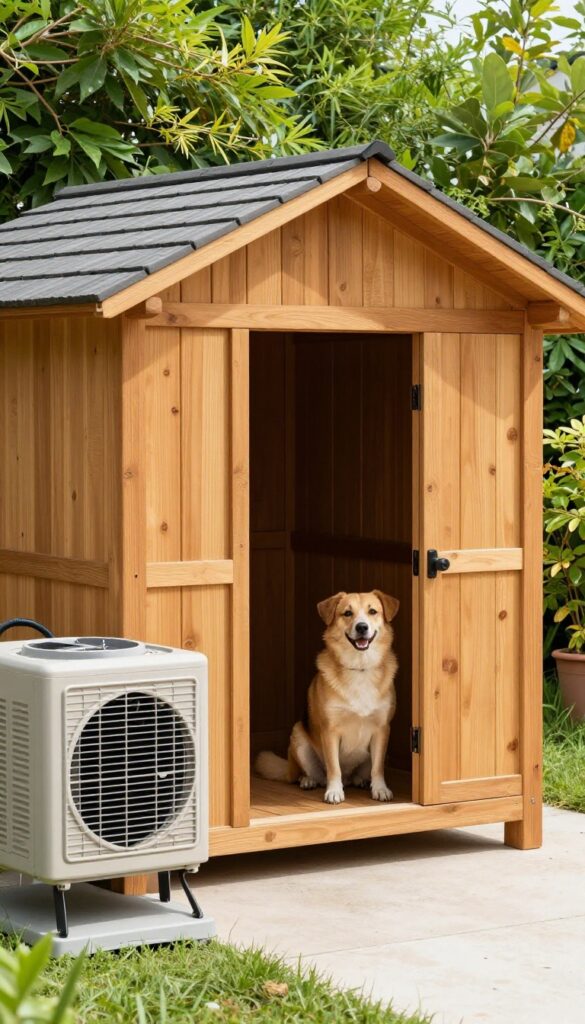
A portable air conditioner can turn a basic wooden dog house into a cool oasis. Simply place the unit near or inside the house and run the exhaust hose outside to vent hot air. It's a flexible solution that doesn't require permanent installation, making it a favorite among DIY dog owners.
Why It Works
Portable ACs are powerful enough to cool medium to large dog houses effectively. They offer adjustable temperature control, so you can set the perfect comfort level for your pup. Plus, many models come with wheels, making them easy to move around as needed.
Best For
This setup is ideal for medium to large dog houses in backyards or patios. It works well for owners who want strong cooling without committing to a built-in system. Great for dogs that spend extended time outdoors during peak heat.
Practical Tip
Secure the exhaust hose with weatherproof tape or a custom vent cover to prevent hot air from leaking back in. Place the AC unit on a flat, shaded surface to improve efficiency. Clean the filter regularly to maintain airflow and cooling power.
Budget-Friendly Option
Look for refurbished or off-brand portable AC units—they often cost half the price of big-name models. You can also repurpose a small window AC unit by building a simple plywood frame around it to fit the dog house entrance.
2. Window AC Unit Built Into a Custom Dog House
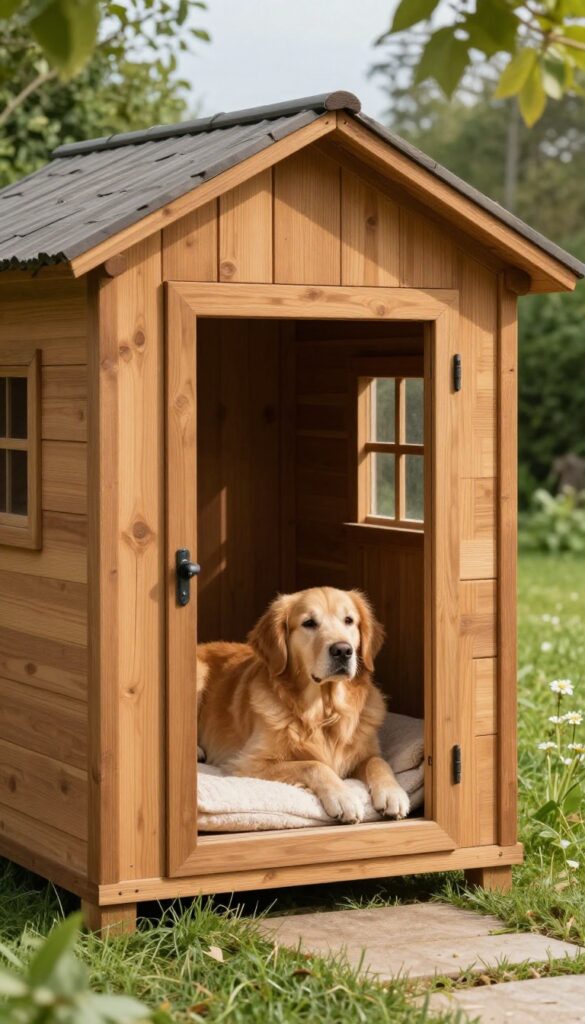
If you're handy with tools and want a long-lasting cooling solution, this idea is for you. By cutting a precise opening in the side of a dog house and installing a small window AC unit, you create a climate-controlled haven. Seal every gap with weatherstripping or foam to prevent cool air from escaping.
This setup feels like a mini home for your pup—and it works just as well.
Why It Works
A window AC unit provides powerful, consistent cooling that can handle even the hottest days. Unlike portable units, it's built into the structure, so there's no hose or exhaust to worry about. The sealed installation keeps the cool air inside and the heat out, making it ideal for larger breeds that need more space to stretch out.
Best For
This is perfect for large breeds like Great Danes, Golden Retrievers, or Huskies who need extra room and reliable cooling. It also suits owners with a permanent outdoor dog setup who want a low-maintenance system that runs season after season.
Practical Tip
Choose an AC unit that matches the size of your dog house—too big will waste energy, too small won't cool enough. Mount it securely so it can't be knocked loose, and add a small ramp or step inside if the floor is high. Clean the filter weekly during summer to keep airflow strong.
3. Evaporative Cooler for Dry Climates
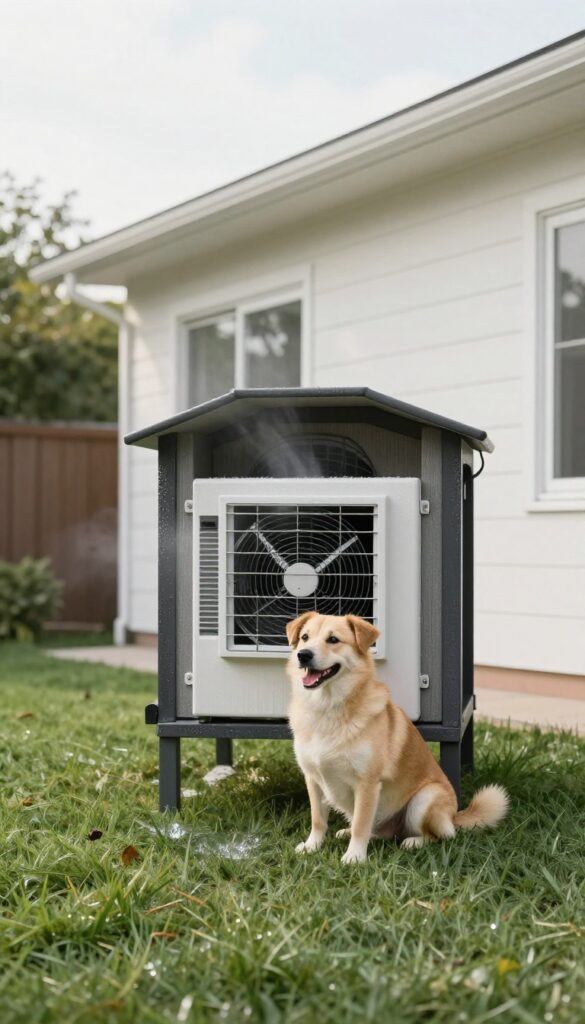
When the air is dry, an evaporative cooler—sometimes called a swamp cooler—can be a game-changer for your dog's outdoor space. Instead of relying on refrigerated air, it uses a fan to pull warm air through water-soaked pads, releasing cool, moist air. It's a low-energy way to create a refreshing breeze, and many pet owners love how quiet and simple these units are.
Why It Works
Evaporative cooling works best in low-humidity areas because it adds moisture as it cools. That gentle, damp breeze can help your dog regulate their temperature without the shock of icy AC air. Plus, it uses less electricity than traditional air conditioners, so you can run it longer without worrying about your bill.
Best For
This option is perfect for dog owners living in arid or semi-arid climates—places like the Southwest, Mountain West, or dry inland valleys. It's also great for dogs who spend several hours a day in a backyard kennel or covered patio area.
Practical Tip
Position the cooler near the dog house entrance or attach it to a side vent so the cool air flows inside. Make sure the water reservoir is easy to refill and clean every few days to prevent mold or mineral buildup. A mesh guard over the intake keeps curious noses safe.
4. Insulated Dog House With a Cooling Pad
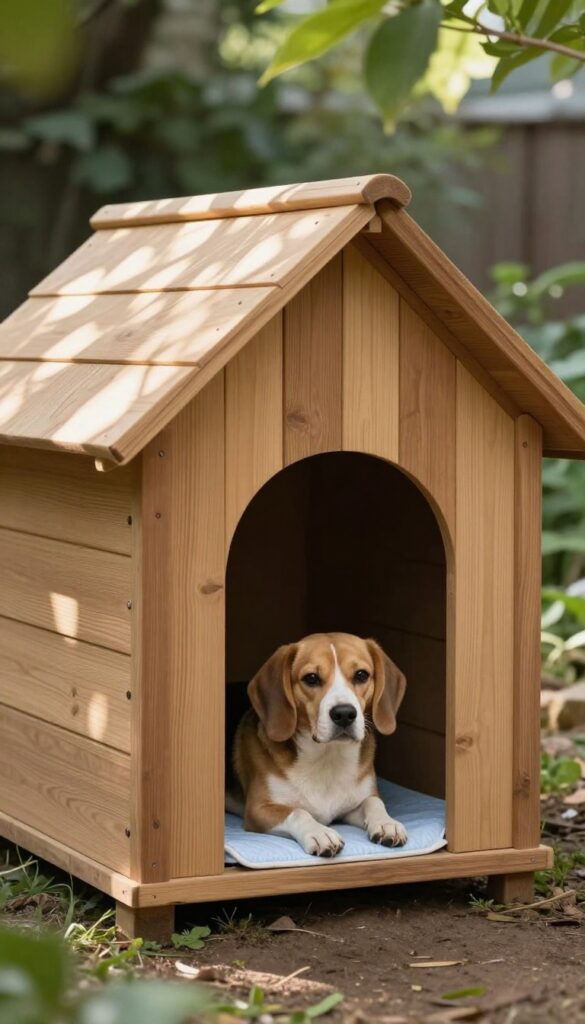
Not all cooling solutions need electricity. An insulated dog house paired with a self-cooling gel pad or water-cooled mat keeps things simple and effective. The insulation helps maintain a steady interior temperature, while the pad gives your dog direct relief from the heat.
It's a low-maintenance setup that works quietly in the background.
Why It Works
Insulation slows down heat transfer, so the dog house stays cooler for longer even when the sun is beating down. The cooling pad absorbs your dog's body heat and dissipates it without needing power. Together, they create a comfortable microclimate that doesn't rely on fans or compressors.
Best For
This combo is ideal for small to medium dogs who don't generate excessive body heat. It also suits owners who want a low-energy, no-fuss solution for shaded backyards or patios. Breeds like Beagles, Corgis, and French Bulldogs will appreciate the steady cool surface.
Practical Tip
Place the cooling pad on top of a breathable fabric cover to protect it from dirt and wear. Check the pad's surface regularly for punctures or leaks, especially if your dog likes to scratch before lying down. Wash removable covers weekly during hot weather to keep things fresh.
Budget-Friendly Option
If a premium cooling pad is out of budget, try a simple ceramic tile wrapped in a towel. Tiles stay naturally cool and cost just a few dollars. Replace the towel when it gets damp or dirty.
5. Solar-Powered AC for Off-Grid Setups
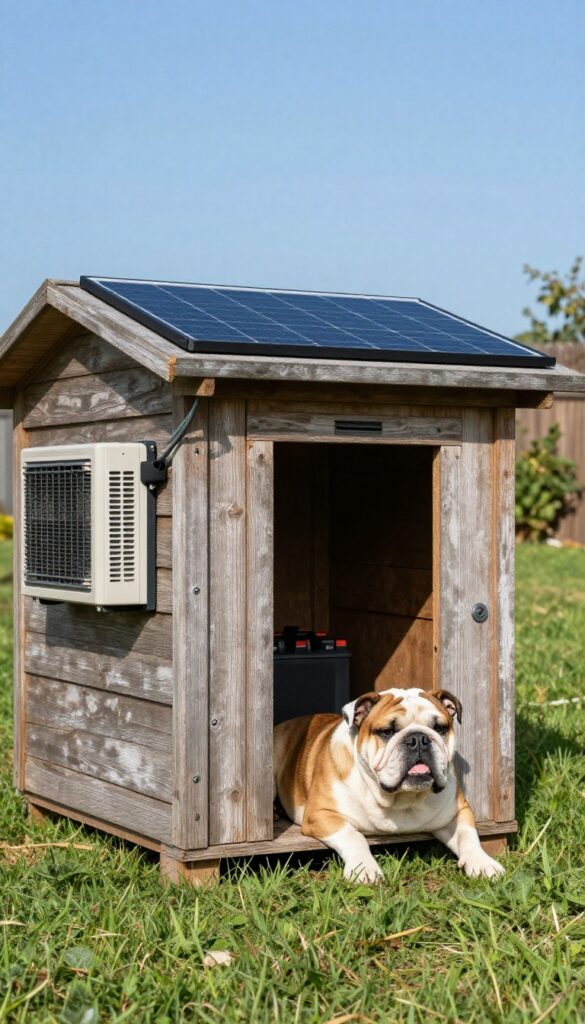
A solar panel system can power a small DC air conditioner or fan, making it perfect for backyards without electrical access. Pair with a battery bank for nighttime use. Eco-friendly and quiet, it's great for remote dog houses.
Why It Works
Solar panels convert sunlight into electricity, running the AC unit without wiring to your home. The battery bank stores extra power so cooling continues after sunset. This setup keeps the dog house comfortable even during heatwaves, and it reduces your electricity bill.
Best For
Dog owners with a sunny yard or rural property where running extension cords is impractical. Ideal for breeds that need consistent cool air, like Bulldogs or Huskies, and for those who want a sustainable solution.
Practical Tip
Mount the solar panel on an adjustable bracket to catch maximum sun throughout the day. Use a charge controller to prevent battery overcharging. Place the AC unit near one wall and seal any gaps to keep cool air inside.
Budget-Friendly Option
If a full AC system is too expensive, start with a solar-powered fan and a small battery pack. It won't cool as much but still improves airflow on hot days.
6. DIY Dog House With a Swamp Cooler
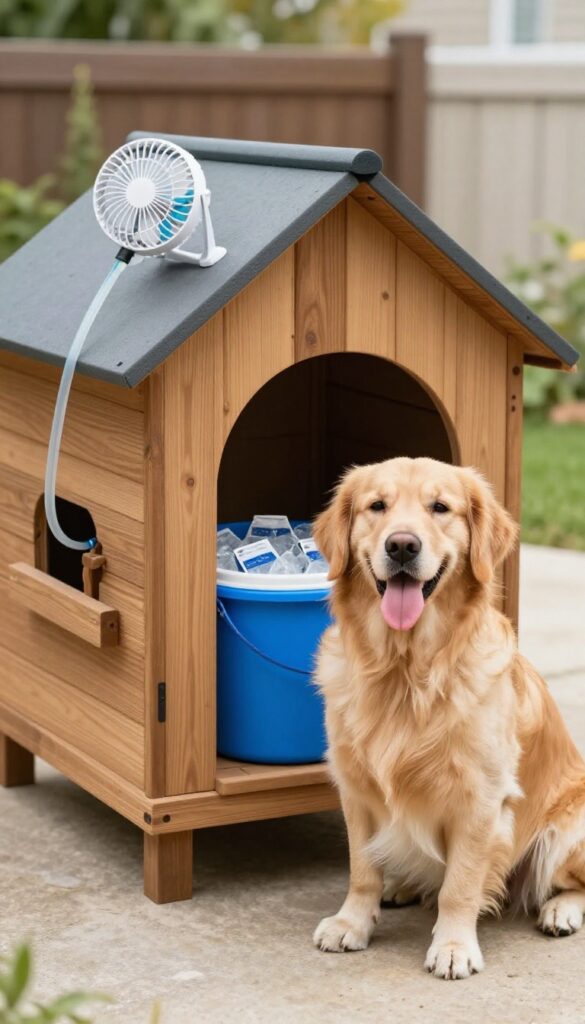
Building your own swamp cooler for the dog house is a fun weekend project that can make a big difference in dry climates. You don't need fancy equipment—just a bucket, a small fan, and some ice packs or frozen water bottles. By cutting a hole in the side of the dog house and positioning the cooler to blow cool air in, you can lower the interior temperature by several degrees without spending much money.
Why It Works
Swamp coolers use evaporation to cool air naturally. In dry heat, they're surprisingly effective because the air can absorb more moisture. The fan pulls air over the ice or cold water, and that cooled air gets directed into the dog house.
It's not as powerful as an AC unit, but it's quiet, low-energy, and perfect for keeping your pup comfortable on hot afternoons.
Best For
This DIY solution is ideal for dogs who spend time outdoors in dry, arid climates like the Southwest or inland areas. It works best for medium to large dog houses with good ventilation. If your dog has thick fur or is prone to overheating, this budget-friendly hack can offer real relief without breaking the bank.
Practical Tip
Make sure to position the cooler so it blows air into an elevated entrance or side vent—not directly at your dog's sleeping spot. Use a low-noise fan to avoid startling your pup. Replace ice packs every few hours on very hot days, and clean the bucket regularly to prevent mold or bacteria buildup.
7. Elevated Dog House With Under-Floor Cooling
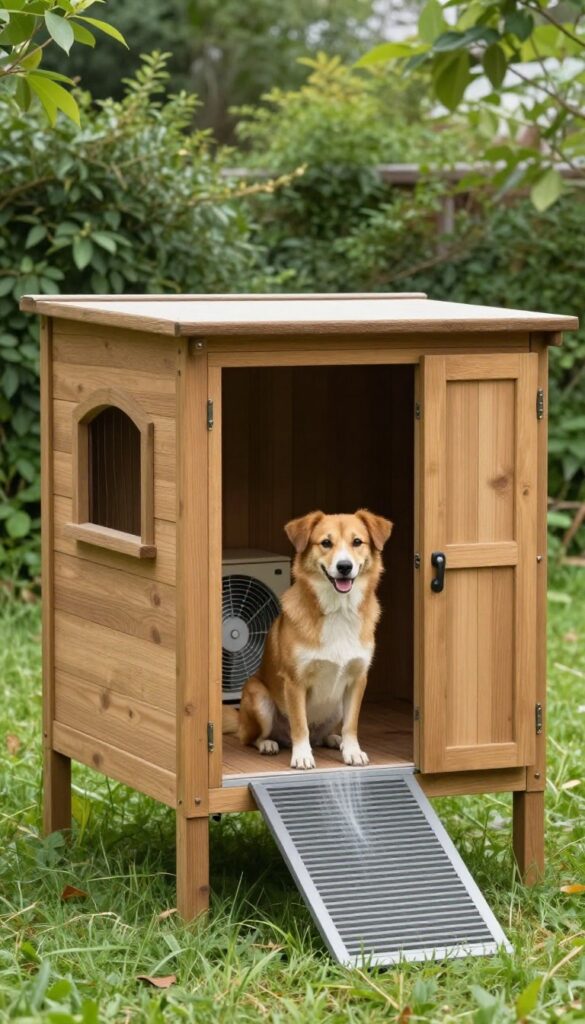
Raising your dog's house off the ground does more than just protect it from moisture—it creates a natural air gap that can be turned into a cooling system. By adding a fan or AC vent underneath, cool air flows up through a grate into the sleeping area. It's a clever setup that works especially well in humid climates where still air feels stifling.
Why It Works
The elevation allows air to circulate beneath the dog house, preventing heat from building up in the floor. When you direct cooled air from a fan or small AC unit through an under-floor grate, it rises naturally and keeps your dog comfortable without blasting them directly.
Best For
Humid climates where airflow is more important than dry cooling, and for dogs that prefer sleeping on a raised surface. Also great for yards with uneven ground or occasional rain, since the elevated design keeps the interior dry.
Practical Tip
Use a metal or heavy-duty plastic grate for the floor so it supports your dog's weight and allows air to pass through easily. Place the fan or AC unit in a weatherproof enclosure underneath, and consider adding a ramp or steps for easy access.
Budget-Friendly Option
If you don't want to install an AC unit, use a battery-powered clip-on fan aimed at the underside of the grate. It won't cool as much, but it will improve airflow significantly on hot days.
FAQ
What size AC unit do I need for a dog house?
For a small dog house (under 10 sq ft), a 5,000 BTU unit is usually enough. For larger houses, go with 8,000–10,000 BTU. Always measure the interior volume and consider your climate.
Can I use a regular window AC in a dog house?
Yes, but you'll need to build a secure cutout and seal it well. Make sure the unit is safely mounted and the exhaust is vented outside. A small window AC works great for medium to large dog houses.
Are evaporative coolers safe for dogs?
Yes, they use only water and a fan. Keep the unit clean to prevent mold. They work best in dry climates and can lower the temperature by 10–15°F without electricity spikes.
How do I keep the dog house cool without electricity?
Use reflective roofing, insulation, and shade. Add a cooling pad or frozen water bottles wrapped in towels. Position the house in a shaded area and ensure good ventilation.
Is a solar-powered AC system expensive?
Initial costs can be higher, but they save on electricity long-term. A basic setup with a 100W panel and a small DC AC unit can cost around $300–$500. It's ideal for off-grid locations.
Conclusion
A dog house with AC is a game-changer for hot summer days. Your pup stays cool and comfortable, even when the temperature climbs.
Pick the option that fits your space and budget—whether it's a portable unit or a built-in system. Your furry friend will thank you with happy naps and tail wags all season long.

I’m Pallab Kishore, the owner of Little Pets Realm — an animal lover and pet care enthusiast sharing easy tips, healthy recipes, and honest advice to help every small pet live a happy, healthy, tail-wagging life.