
Building a dog house doesn't have to be a weekend-long headache. With the right plan, you can create a cozy, durable shelter in just a few hours. Whether you're a seasoned woodworker or a first-time builder, these 12 dog house plans are designed to make the process straightforward and rewarding.
Each plan focuses on practicality and your dog's comfort, using materials that are easy to find and work with. From simple A-frames to elevated designs with porches, there's an option for every yard size and budget.
Skip the guesswork and dive into a plan that fits your skills and your pup's needs. Your dog will thank you with wagging tails and happy naps.
1. The Classic A-Frame Dog House
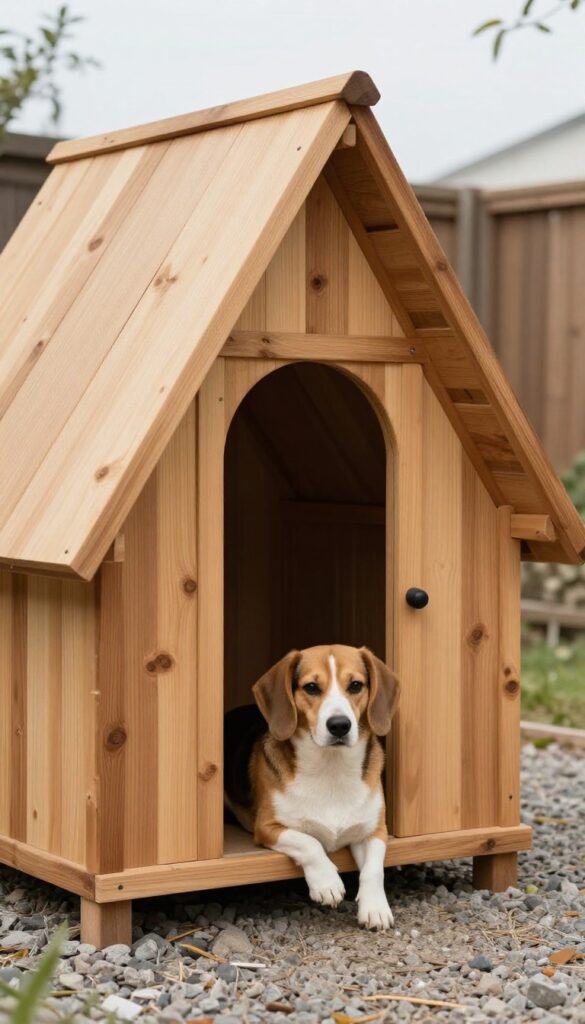
Few designs are as instantly recognizable as the A-frame dog house. Its steeply sloped roof isn't just for looks—it naturally sheds rain, snow, and debris, keeping the interior dry. You can build one in an afternoon with basic tools and materials like plywood and cedar.
That straightforward construction makes it a favorite among DIYers who want something reliable without complicated cuts.
Why It Works
The angled roof prevents water from pooling, so you won't deal with leaks or rot. The triangular shape also creates a cozy den-like space that many dogs instinctively love. Plus, the open front allows for easy entry and good airflow on warm days.
Best For
Small to medium breeds like Beagles, Corgis, and French Bulldogs. It's also great for temperate climates where snow or rain is common but temperatures rarely dip extreme. If your yard has limited space, the compact footprint fits nicely in corners or along fences.
Practical Tip
Add a weatherproof flap door to block wind and give your pup extra privacy. Use exterior-grade paint or stain to protect the wood from moisture. Place the house on a slight gravel bed or concrete pavers to keep it off damp ground and prevent warping.
Budget-Friendly Option
Skip pressure-treated lumber for the base—use recycled pallet wood if you have access to clean, untreated pallets. Sand it well and seal with a non-toxic waterproofing treatment. This cuts costs significantly while still giving a sturdy result.
2. The Elevated Platform House
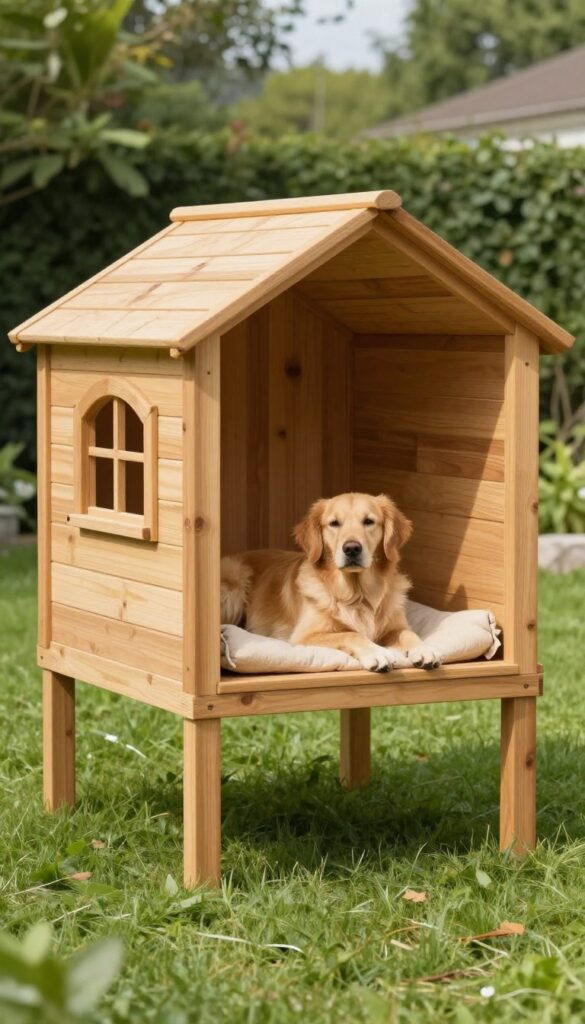
Getting your dog off the cold, damp ground is a game changer. The elevated platform house does exactly that, lifting the sleeping area a few inches above the earth. It's a simple design that makes a big difference in comfort and cleanliness.
Why It Works
Air circulates freely underneath, keeping the house cooler in summer and drier during wet weather. Moisture from rain or morning dew won't seep into the bedding, so your dog stays warm and dry. Plus, it's easier to clean out dirt and debris that would otherwise collect on the floor.
Best For
This plan is perfect for warmer climates where heat and humidity are concerns. It's also great for areas with heavy dew or occasional flooding. Older dogs or small breeds benefit from a ramp or low step, making it accessible without jumping.
Practical Tip
Add a soft, washable outdoor bed on top of the platform for extra cushioning. Use exterior-grade plywood and seal all edges to prevent moisture damage. If you build a ramp, cover it with outdoor carpet for traction.
3. The Insulated All-Season Shelter
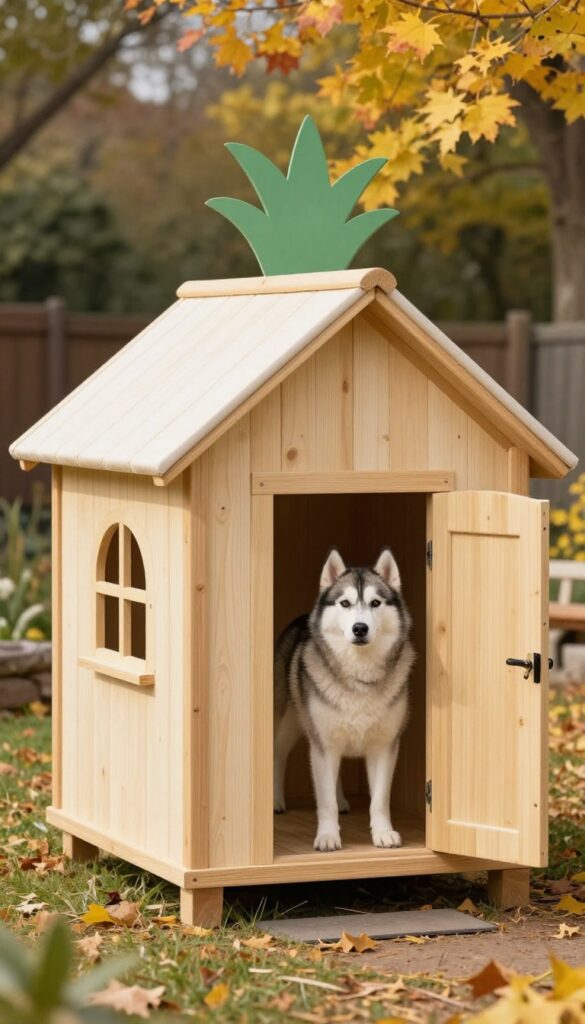
When the weather turns extreme, your pup needs a place that stays comfortable year-round. An insulated dog house does exactly that—keeping heat in during winter and blocking summer sun. Foam board insulation between the walls and a weatherproof exterior create a stable interior temperature.
Add a flap door to stop drafts, and you have a shelter that works in rain, snow, or heat.
Why It Works
The foam board insulation acts as a thermal barrier, so your dog's body heat keeps the space warm in cold months and reflects heat away in summer. A weatherproof exterior (like treated plywood or vinyl siding) prevents moisture damage, while the flap door stops wind and rain from getting inside. This combo keeps the interior dry and comfortable no matter the season.
Best For
This plan is ideal for dogs that spend several hours outdoors daily—especially breeds like Huskies, Malamutes, or Great Pyrenees that thrive in cooler climates but also need protection from harsh sun. It's also great for owners in regions with four distinct seasons who want a single shelter that handles it all.
Practical Tip
Paint the exterior with light colors to reflect sunlight in summer and dark colors to absorb warmth in winter. Use marine-grade or outdoor-rated materials for durability. Ensure the flap door is heavy enough to block drafts but light enough for your dog to push through easily—test with your dog before final installation.
Budget-Friendly Option
If foam board insulation is too pricey, try using reflective bubble insulation (like Reflectix) or even recycled denim insulation. Both are cheaper and still offer decent thermal resistance. You can also skip the flap door initially and use a heavy piece of fabric weighted at the bottom as a temporary draft stopper.
4. The Portable Pop-Up House
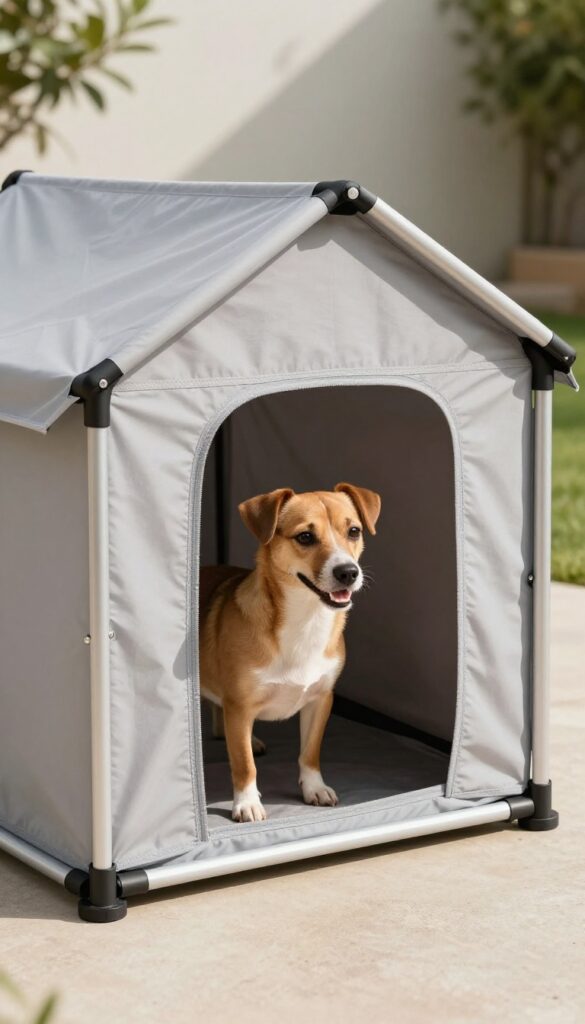
Not every dog house needs to be a permanent structure. Sometimes you want a shelter that can travel with you—whether that's to the campground, the beach, or just a sunny spot in the backyard. The portable pop-up dog house is lightweight, collapsible, and sets up in minutes.
It's perfect for on-the-go families who don't want to leave their pup without a shady retreat.
Why It Works
This design uses fabric stretched over a PVC pipe frame, so the whole thing weighs just a few pounds and folds flat for storage. Assembly takes about as long as setting up a small tent—no tools required. The breathable fabric keeps air moving, which helps your dog stay cool on warm days.
Best For
Travelers, campers, and anyone who needs a temporary outdoor shelter for mild weather. It's also great for apartment dwellers who want an easy-to-store option for balcony or patio use. Best suited for small to medium dogs under 40 pounds.
Practical Tip
Anchor the house with stakes or sandbags if there's any breeze—the light frame can tip over in gusty conditions. Always provide fresh water nearby and supervise your dog while they use it, especially in direct sun. For extra comfort, toss in a familiar blanket or their travel bed.
5. The Pallet Dog House
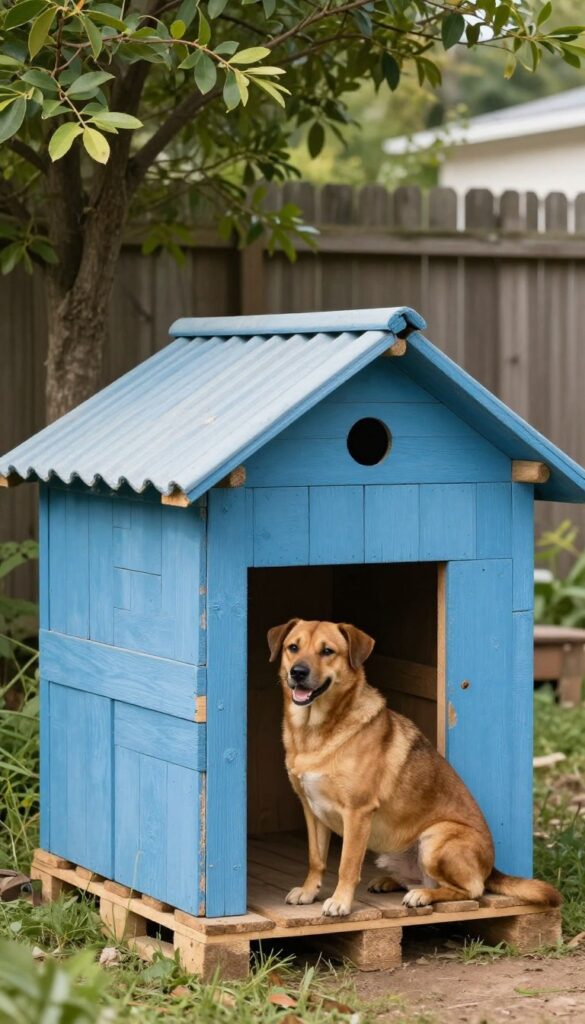
Repurposing wooden pallets into a dog house is both earth-friendly and wallet-friendly. You'll find free pallets behind warehouses or on classifieds, making this one of the most budget-friendly builds around. With a little sanding and some non-toxic paint, you can create a rustic shelter that looks great and costs next to nothing.
Why It Works
Pallets are built tough to carry heavy loads, so they naturally hold up against weather and wear. By using reclaimed wood, you're also reducing waste and giving your dog a one-of-a-kind home. The slatted design allows for natural ventilation when placed correctly, keeping the interior airy and fresh.
Best For
This plan is perfect for DIYers on a tight budget who enjoy weekend projects. It works well for medium to large dogs that need a sturdy, ground-level house. If you have access to free pallets and basic tools, you can complete this build in a single afternoon.
Practical Tip
Always sand down splinter-prone edges and seal the wood with a non-toxic outdoor paint or stain. Add a weatherproof roof panel (like corrugated plastic) to prevent leaks. For extra comfort, place a removable cedar plank floor inside to keep your pup off the cold ground.
6. The Modern Minimalist House
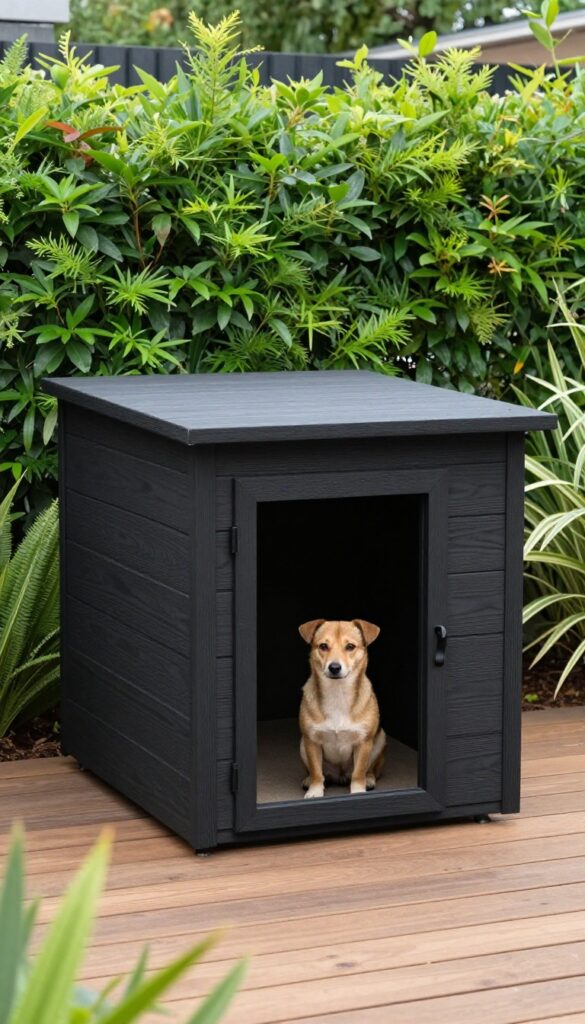
Clean lines and a flat roof give this dog house a sleek, contemporary look that blends right into modern landscaping. It's proof that functional pet shelters can also be design-forward. This plan skips the frills and focuses on crisp geometry and simple materials, making it a quick build for anyone comfortable with basic woodworking.
Why It Works
The flat roof provides a solid surface for rain runoff when slightly pitched, and the open interior is easy to clean. Exterior-grade plywood resists weather, while a stain finish protects the wood without needing paint touch-ups. A removable cushion inside adds comfort and can be washed regularly.
Best For
This house suits design-conscious owners with modern homes or minimalist yards. It's ideal for small to medium dogs who enjoy a cozy, den-like space without extra bulk. Perfect for patios, decks, or clean-lined backyards where aesthetics matter.
Practical Tip
Use a dark exterior stain like charcoal or walnut for a sophisticated look that hides dirt. Add a simple overhang or drip edge to keep rain from seeping under the roof. Place the house on gravel or pavers to prevent moisture wicking from the ground.
Budget-Friendly Option
Instead of buying new plywood, check local salvage yards for exterior-grade sheets at a discount. You can also repurpose an old cabinet or bookshelf by adding a roof and door opening—just ensure it's weatherproofed.
7. The Two-Story Dog House
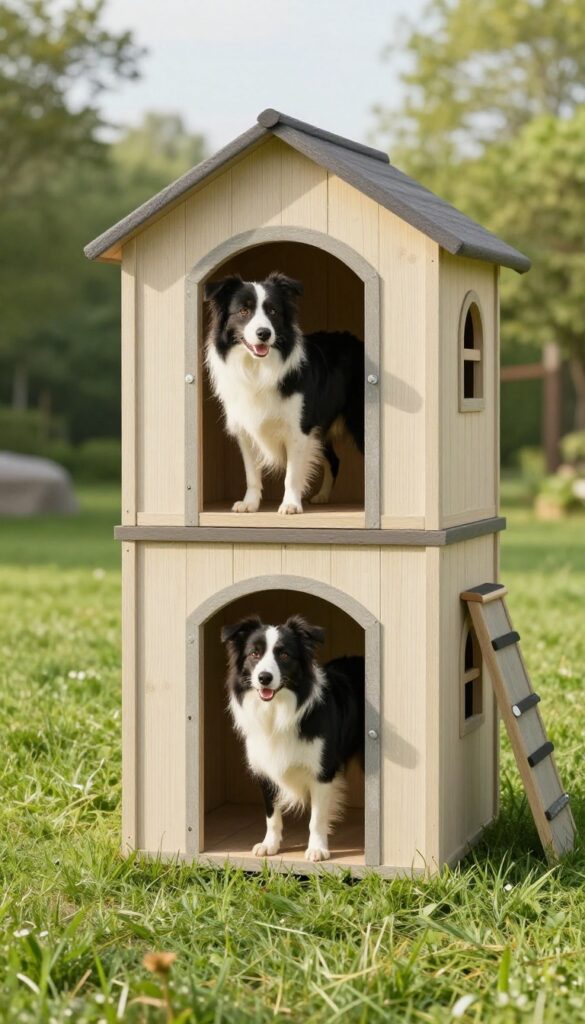
For dogs who love to climb and explore, a two-story dog house adds a whole new level of fun. This design features a sleeping loft on top and a cozy hangout space on the ground floor, giving your pup separate zones for lounging and snoozing. It's a playful upgrade that turns a basic shelter into an adventure spot.
Why It Works
Active dogs often want more than just a place to sleep—they want a space to perch and watch the world. The loft gives them that elevated vantage point, while the lower level stays cool and shaded. Plus, the vertical layout saves yard space compared to two separate structures.
Best For
Best for medium to large breeds that are agile and curious, like Border Collies, Australian Shepherds, or terriers. It also suits multi-dog households where one pup might want quiet time upstairs while the other hangs out below.
Practical Tip
Make sure the ramp or stairs have good traction with non-slip strips or carpet remnants. The upper floor needs secure railings to prevent falls, especially for smaller dogs. Add ventilation windows on both levels so air circulates freely.
Budget-Friendly Option
Instead of buying new lumber, check salvage yards for reclaimed wood or old pallets. You can also use exterior-grade plywood for the loft floor to cut costs without sacrificing durability.
8. The Porch Addition House
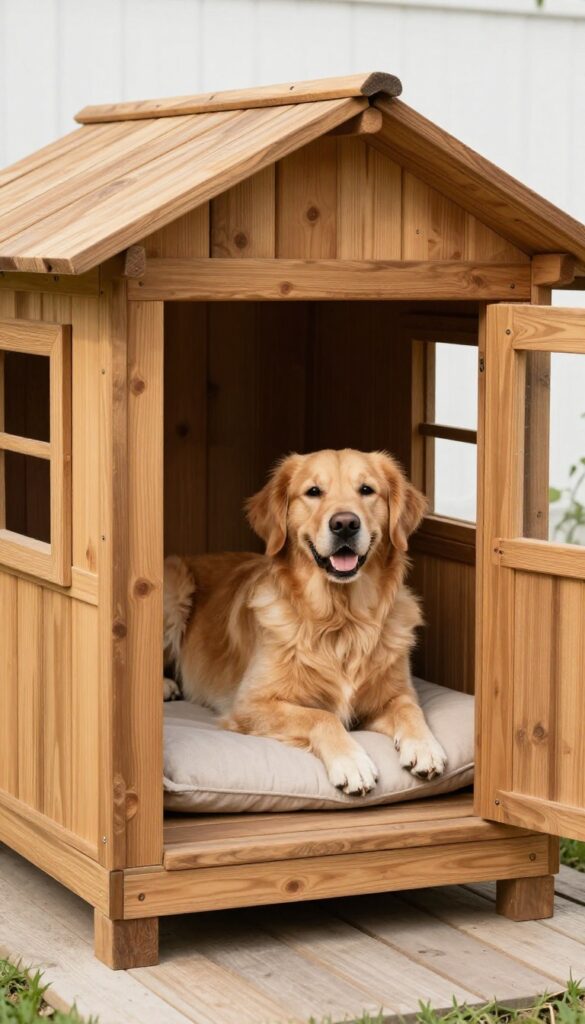
A small covered porch turns a basic dog house into a hangout spot. Your pup can lounge outside while still feeling like they're part of the action. This design is easy to build and even easier to customize with a removable roof for quick cleaning or ventilation.
Why It Works
Dogs love being near their people, and the porch gives them a shaded place to relax while staying close. The covered area also keeps rain and sun off the entrance, so the interior stays dry and comfortable.
Best For
Social dogs that want to keep an eye on the yard or family activities. It's also great for breeds that enjoy outdoor lounging, like Labs, Golden Retrievers, or mixed breeds that like a little fresh air without full exposure.
Practical Tip
Paint or stain the porch floor with non-toxic, weather-resistant outdoor paint to make cleanup easy. Add a soft outdoor cushion or cot on the porch for extra comfort—just remove it during wet weather to keep it from getting moldy.
9. The Barn-Style Dog House
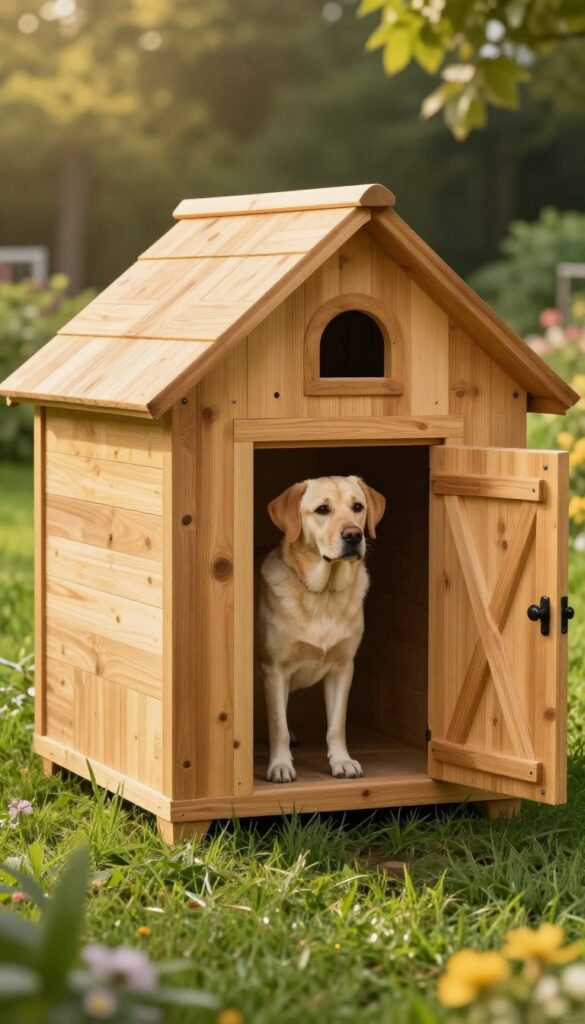
Picture a mini barn in your backyard—complete with a gambrel roof and charming Dutch doors. This design blends rustic appeal with smart functionality, giving your dog a cozy retreat that also looks great.
The upper door can stay open for fresh air while the lower half keeps your pup safely contained. It's a practical twist on classic farmhouse style that both you and your dog will love.
Why It Works
The gambrel roof creates extra headroom inside, so larger dogs can stand and turn comfortably. The Dutch door setup lets you control airflow and visibility without letting your dog bolt out—perfect for supervised outdoor time.
Best For
This plan suits medium to large breeds like Labradors, Golden Retrievers, or German Shepherds. It's ideal for homeowners who want a dog house that doubles as an attractive yard feature, especially in rural or suburban settings.
Practical Tip
Use cedar or pine for a natural, weather-resistant finish. Seal the wood with a pet-safe waterproofer to protect against rain and snow. Place the house on a slight gravel bed to prevent moisture buildup underneath.
Budget-Friendly Option
If cedar is out of budget, pressure-treated plywood works well and is more affordable. You can paint it with non-toxic exterior paint in a barn-red or classic white for the same rustic vibe.
10. The Heated Dog House
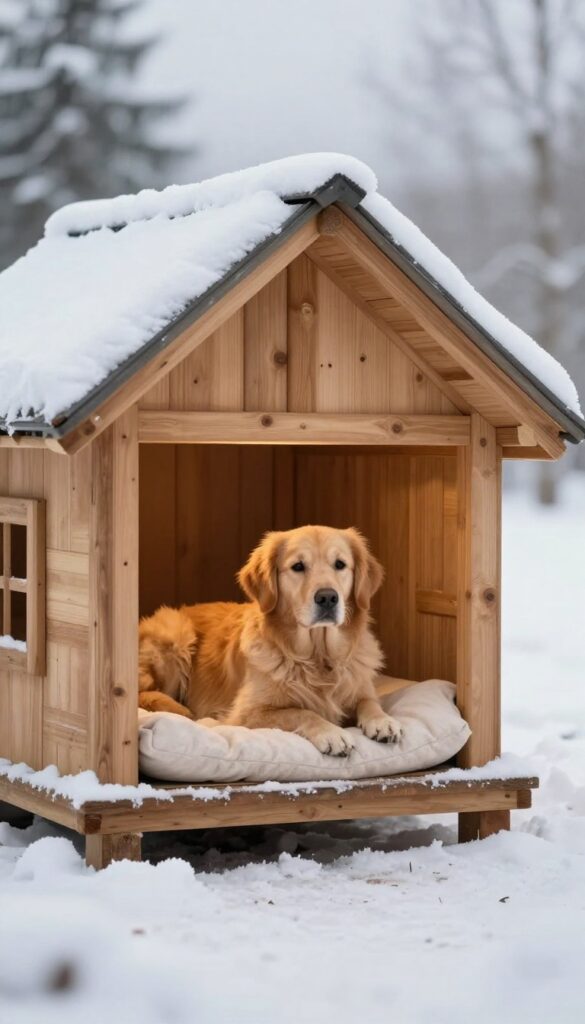
When winter hits, a standard dog house might not cut it. A heated dog house keeps your pup warm and cozy even in freezing temperatures, making it a game-changer for cold climates. It's all about adding a safe heat source and proper insulation so your dog stays comfortable without you worrying about drafts or frost.
Why It Works
A built-in heating pad or ceramic heat lamp provides consistent warmth that your dog can snuggle up to. Combined with extra insulation in the walls and floor, the heat stays inside while the cold stays out. Pet-safe wiring and waterproof components ensure safety even if your dog scratches or spills water.
Best For
This is ideal for dogs in northern regions with harsh winters, especially short-haired breeds like Chihuahuas, Greyhounds, or Dobermans that feel the cold more. It's also great for senior dogs with arthritis who need extra warmth to soothe their joints.
Practical Tip
Place the heating pad under a thick, washable bed to avoid direct contact burns. Use a thermostat to regulate temperature automatically, and check all cords regularly for wear. Elevate the house slightly off the ground to prevent moisture from seeping in.
Budget-Friendly Option
Instead of buying a specialty heated house, you can retrofit an existing dog house with a self-warming pad (no electricity needed) or a microwavable heat pack inside a durable cover. This keeps costs down while still adding warmth.
11. The Multi-Dog House
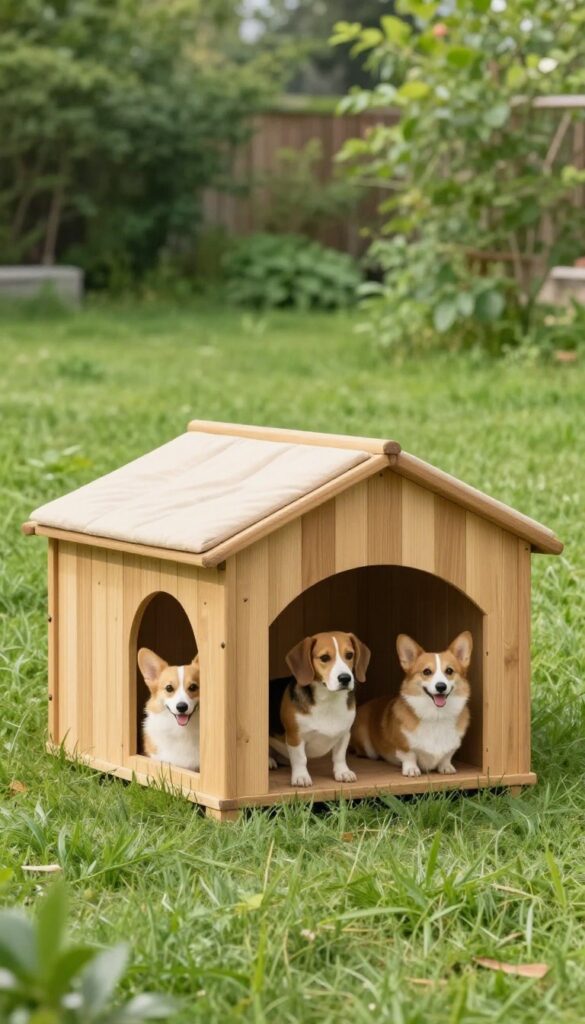
If you've got two or three small to medium dogs that love to be together, a multi-dog house is a smart solution. It gives each pup their own sleeping nook while sharing a common entryway, so they can snuggle up or have alone time as they please. This design cuts down on competition for space and keeps everyone comfortable without needing separate houses.
Why It Works
Dogs are pack animals and often prefer to be near each other, but they also appreciate personal space. Separate sleeping areas reduce squabbles over territory and give each dog a cozy den. The shared entry keeps the structure compact and easier to build than multiple single houses.
Best For
Households with two or three small to medium dogs (like Beagles, Corgis, or Shih Tzus) that get along well. It's also ideal for owners with limited yard space who want to accommodate multiple pups in one efficient structure.
Practical Tip
Use pressure-treated lumber for the frame and exterior to withstand weather and roughhousing. Add removable dividers inside so you can adjust the layout as your pack grows or changes. Make sure each sleeping area has its own ventilation hole near the top to prevent stuffiness.
Budget-Friendly Option
Instead of buying expensive cedar siding, use exterior-grade plywood and seal it with a non-toxic waterproof paint. You can also repurpose an old wooden crate or large pallet for the base to save money.
12. The Upcycled Furniture House
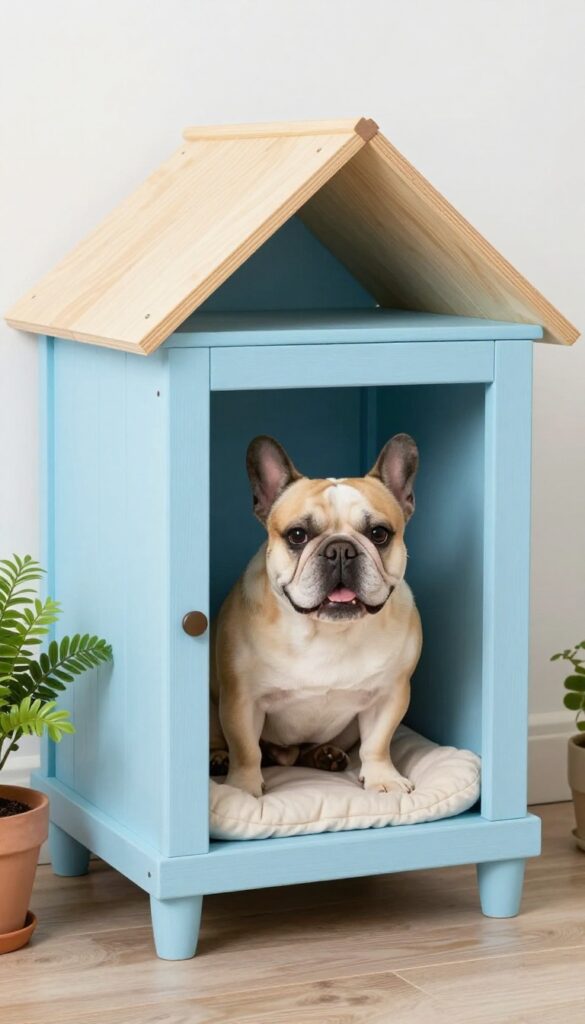
Give an old nightstand, dresser, or cabinet a second life as a charming dog house. By removing drawers, adding a roof, and painting with pet-safe paint, you can create a one-of-a-kind shelter that's both eco-friendly and budget-friendly. This upcycled approach turns trash into treasure while giving your pup a cozy retreat.
Why It Works
Upcycled furniture already has a sturdy frame and weather-resistant surfaces, so you skip the heavy construction. The enclosed sides provide insulation and privacy, while the open front lets your dog come and go easily. Plus, the built-in shelves or compartments can double as storage for toys or bedding.
Best For
This plan is perfect for crafty owners on a tight budget who enjoy DIY projects. It works well for small to medium breeds like French Bulldogs, Beagles, or Corgis that don't need a massive space. Apartment dwellers with a balcony or small yard will also appreciate the compact footprint.
Practical Tip
Sand all surfaces thoroughly and apply two coats of non-toxic, pet-safe paint or sealant to protect against weather. Add a slanted roof made from plywood or leftover shingles to shed rain. For extra comfort, place a washable cushion inside and elevate the house on bricks to prevent moisture from seeping in.
FAQ
What is the easiest dog house plan for beginners?
The Classic A-Frame is the easiest for beginners. It requires basic cuts and simple assembly, and you can build it in a few hours with just a saw, drill, and hammer.
How do I insulate a dog house for winter?
Use foam board insulation between the walls and a weatherproof exterior. Add a flap door to block drafts and raise the floor off the ground to prevent cold transfer.
Can I build a dog house without power tools?
Yes, the Pallet Dog House and Upcycled Furniture House can be built with hand tools like a saw, hammer, and screwdriver. Pre-cut lumber from a hardware store also helps.
What size should a dog house be for my breed?
The house should be about 25% larger than your dog's length from nose to tail. Height should allow your dog to stand and turn around comfortably. Measure your dog before starting.
How do I make a dog house waterproof?
Use exterior-grade plywood, seal all seams with caulk, and apply a waterproof stain or paint. Ensure the roof overhangs the walls to keep rain out, and elevate the floor slightly.
Conclusion
Building a dog house is a rewarding project that gives your pup a safe, comfortable spot to call their own. Whether you choose a simple A-frame or a heated shelter, the key is matching the design to your dog's needs and your skill level.
Take your time, use quality materials, and don't forget to add personal touches like a cozy bed or your dog's name. Your furry friend will love having a space that's just for them, and you'll enjoy the satisfaction of a job well done.

I’m Pallab Kishore, the owner of Little Pets Realm — an animal lover and pet care enthusiast sharing easy tips, healthy recipes, and honest advice to help every small pet live a happy, healthy, tail-wagging life.