
An anxious dog doesn't need a magic fix—just the right kind of mental workout. These nine enrichment ideas turn everyday moments into calming challenges, from snuffle mats that tap into foraging instincts to frozen Kongs that soothe and occupy.
Each activity is designed for home use, using items you likely already have. Whether your pup is noise-sensitive or just needs a focus shift, these practical games help build confidence and reduce stress without expensive gear.
A calm dog starts with a busy brain, and these ideas deliver that in simple, repeatable ways.
1. Snuffle Mats for Foraging Fun
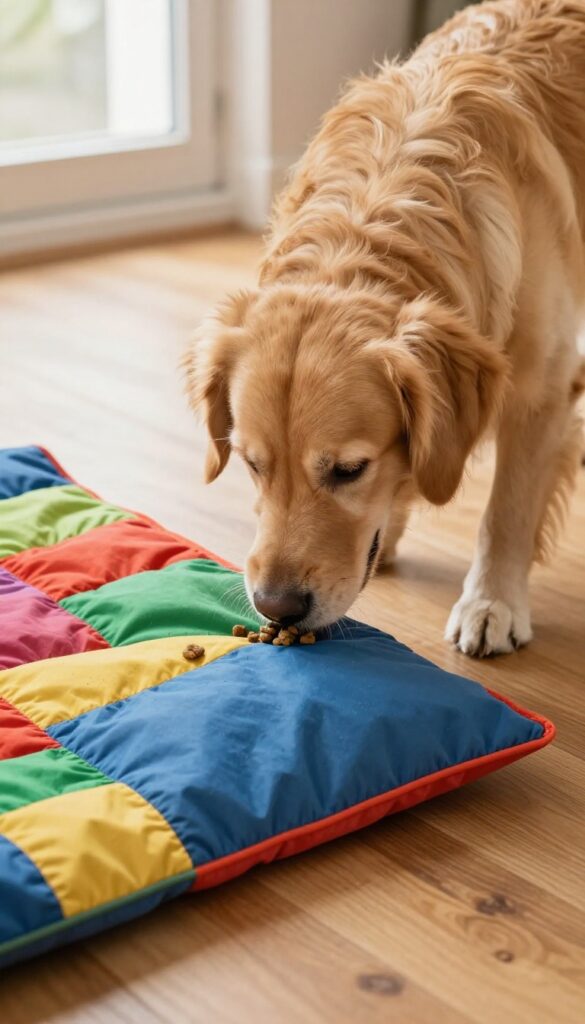
A snuffle mat is like a puzzle feeder made from strips of fabric. You hide kibble or treats in the folds, and your dog uses their nose to sniff them out. This simple activity taps into natural foraging instincts, which can be incredibly calming for an anxious pup.
It's a low-key, indoor-friendly game that works for dogs of all ages and sizes.
Why It Works
Snuffle mats engage a dog's strongest sense—smell. The act of sniffing and searching releases dopamine, a feel-good chemical that counteracts stress hormones. This mental workout tires them out faster than physical exercise, leaving them relaxed and content.
Best For
This is perfect for dogs that are noise-sensitive, nervous in new environments, or have mild separation anxiety. It's also great for apartment living, rainy days, or when you need a quiet, self-soothing activity.
Practical Tip
Start with high-value treats to encourage exploration. Place the mat on a non-slip surface or inside a crate for comfort. Wash it regularly in a garment bag on a gentle cycle to keep it clean and odor-free.
Budget-Friendly Option
You can DIY a snuffle mat using a rubber sink mat or a piece of cardboard with holes. Cut fleece strips and knot them through the holes for a homemade version that works just as well.
2. Frozen Kongs for Lasting Engagement
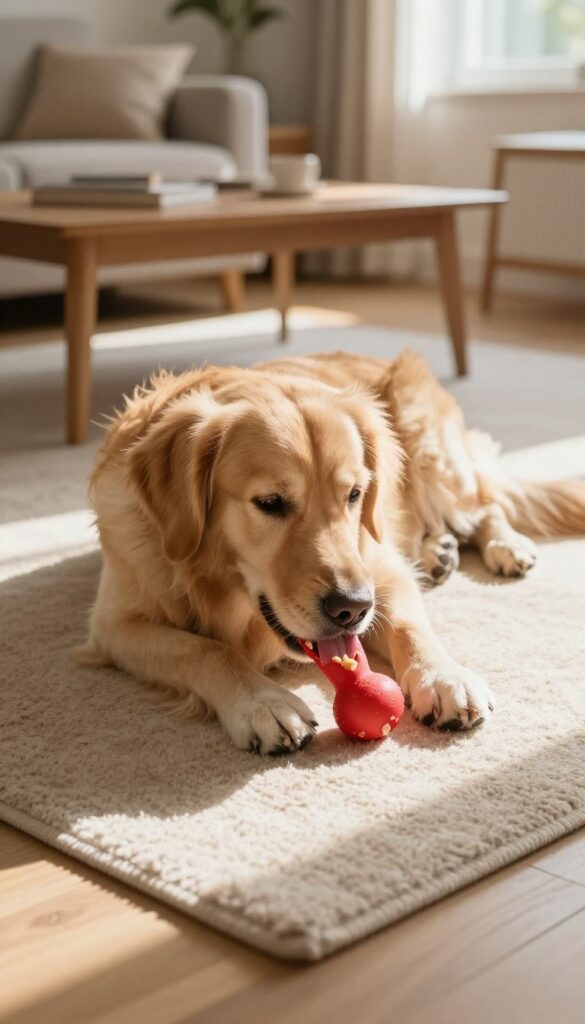
When your dog needs a long, calming activity, a frozen Kong is hard to beat. Stuff one with wet food, peanut butter, or yogurt, then pop it in the freezer. The challenge of licking and working for the reward keeps anxious dogs occupied for 30 minutes or more, making it perfect for crate time or when you need a break.
Why It Works
The freezing process extends the time it takes to get the food out, turning a quick snack into a mental workout. Licking is a naturally soothing behavior for dogs—it releases endorphins that help lower stress. Plus, the puzzle aspect keeps their brain busy, distracting them from whatever is causing anxiety.
Best For
This idea works well for dogs that struggle with separation anxiety, need help settling in their crate, or get nervous during storms or fireworks. It's also great for high-energy pups who need a focused activity to wind down after exercise.
Practical Tip
Use a Kong that's appropriately sized for your dog—too small and they'll finish too fast; too large and it may be frustrating. Freeze them upright in a muffin tin to keep the stuffing from spilling out. Always supervise the first few uses to make sure your dog chews safely, not swallowing big chunks.
Budget-Friendly Option
If you don't have a Kong, try freezing wet food or yogurt inside a sturdy plastic food container with a small hole cut in the lid. You can also use a silicone muffin cup as a mold, then pop the frozen puck into a treat-dispensing toy.
3. DIY Puzzle Boxes from Cardboard
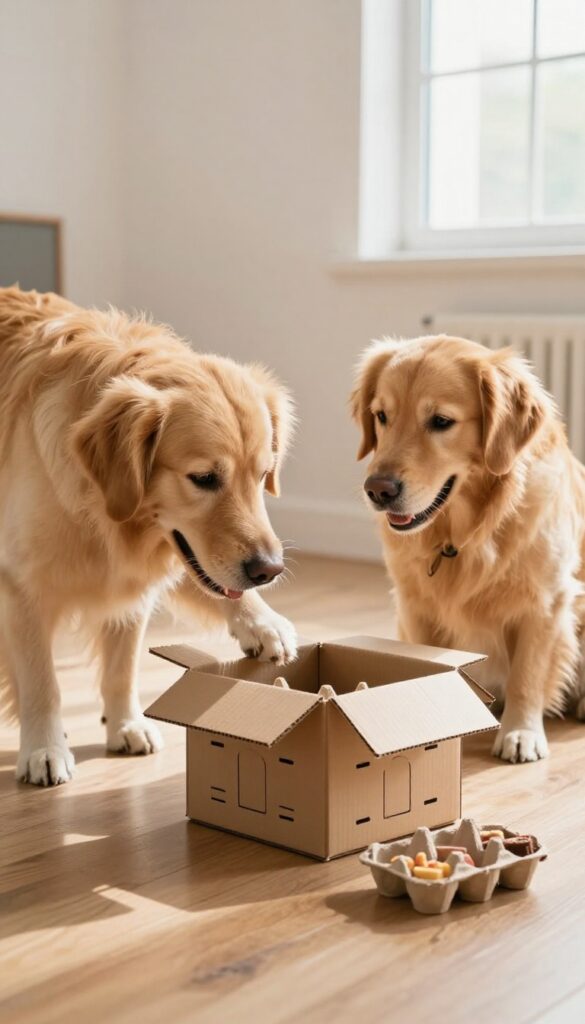
Cardboard boxes aren't just for shipping—they're a goldmine for dog enrichment. A few boxes, some egg cartons, or toilet paper rolls can become a challenging puzzle that keeps your dog busy for minutes or even hours. The best part?
You probably have everything you need in your recycling bin right now.
These puzzles tap into your dog's natural problem-solving instincts. By hiding treats inside and letting your dog figure out how to get them, you're giving their brain a real workout. It's cheap, recyclable, and mentally stimulating—a win for both of you.
Why It Works
Anxious dogs often need a task to focus on, and puzzle boxes provide exactly that. The act of sniffing, pawing, and tearing into cardboard releases endorphins and reduces stress. It's a healthy outlet for nervous energy that also builds confidence when your dog succeeds.
Best For
This idea is perfect for dogs who enjoy using their nose and paws—think terriers, hounds, and herding breeds. It's also great for apartment dwellers since it's quiet and doesn't require much space. Just make sure your dog isn't a heavy chewer who might swallow cardboard pieces.
Practical Tip
Start simple: place a few treats in a small box, close the flaps, and let your dog discover how to open it. As they get better, add more boxes nested inside each other or use egg cartons with treats tucked into each cup. Always supervise the first few times to ensure your dog doesn't eat the cardboard.
Budget-Friendly Option
No cardboard? Use an old muffin tin and cover each cup with a tennis ball. It's a similar puzzle concept that costs nothing if you already have the items.
4. Scent Work Games Indoors
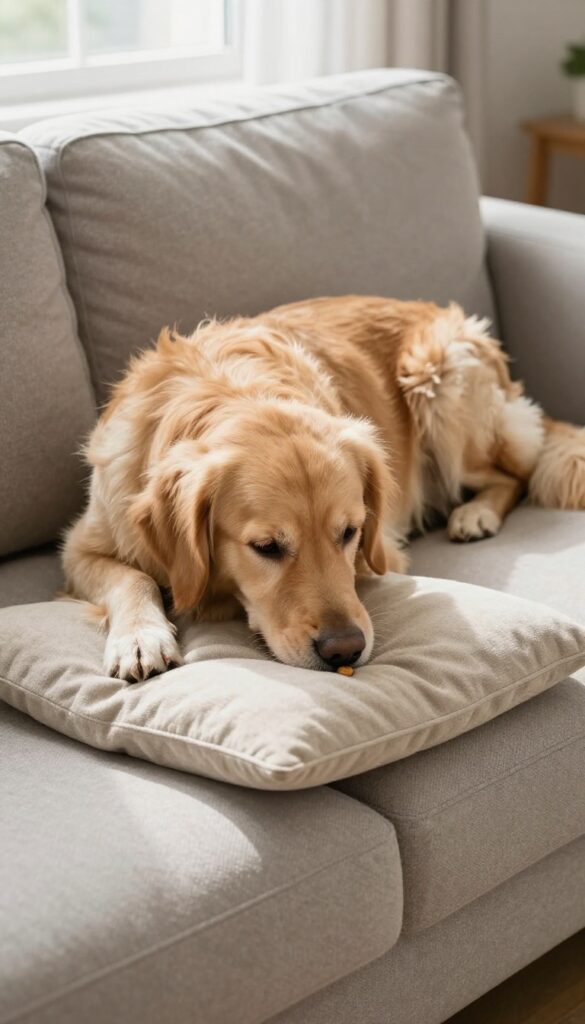
Dogs experience the world through their noses, so putting that superpower to work is a natural stress reliever. Scent work games involve hiding treats or favorite toys around the house and letting your dog use their nose to track them down. It taps into their innate foraging instincts, giving them a job to focus on that builds confidence and burns mental energy.
Start with easy hides in plain sight, then gradually increase the challenge by tucking items under cushions or behind furniture. Most dogs pick up the game quickly, and the sense of accomplishment is a huge confidence booster.
Why It Works
Nose work engages a dog's brain in a way that physical exercise alone can't. The focused sniffing lowers heart rate and releases calming endorphins, making it especially effective for anxious dogs. It also teaches them to problem-solve independently, which reduces reliance on you for constant reassurance.
Best For
Scent work is ideal for noise-sensitive dogs who can't handle outdoor walks, apartment dwellers with limited space, and shy or fearful pups who need a low-pressure confidence-building activity. It works well for all breeds, especially hounds, terriers, and herding dogs that love using their noses.
Practical Tip
Use high-value, smelly treats like freeze-dried liver or cheese to keep your dog motivated. Start in one room with visible treats, then progress to hiding them under blankets or inside cardboard tubes. Always supervise to prevent ingestion of non-food items, and rotate hiding spots to keep the game fresh.
Budget-Friendly Option
You don't need any special equipment—just treats and your home. For a no-cost upgrade, crumple paper towels or use empty toilet paper rolls to create simple puzzle containers. Rotate these with store-bought snuffle mats or muffin tin games for variety.
5. Trick Training for Focus
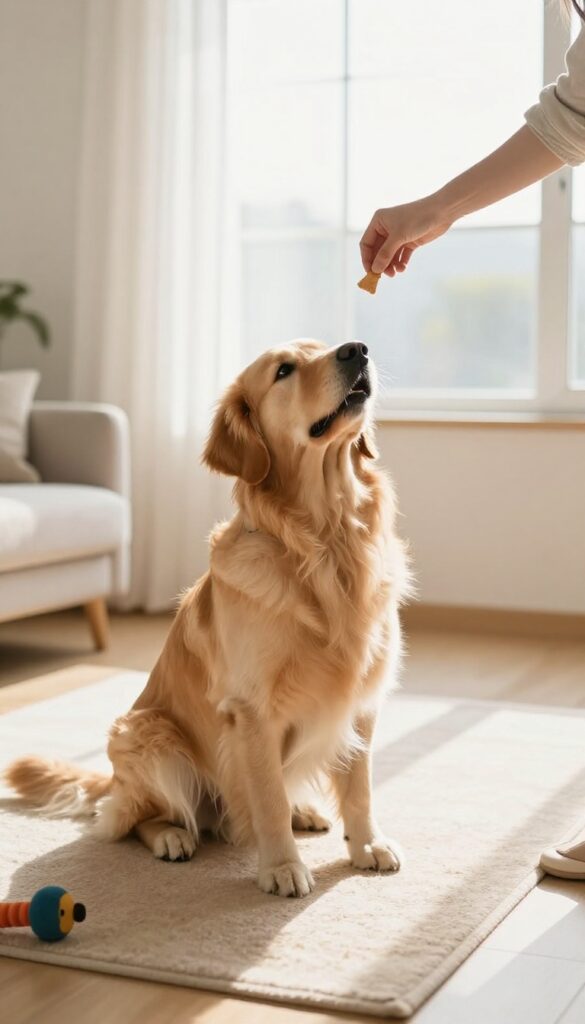
Trick training isn't just for show—it's a powerful way to channel anxious energy into something positive. Teaching your dog simple tricks like 'spin', 'touch', or 'play dead' redirects their mind from stressors to learning. Short 5-minute sessions build focus and strengthen your bond, all while keeping things positive with treats and praise.
Why It Works
Learning new behaviors requires concentration, which naturally shifts your dog's attention away from anxiety triggers. The mental effort of figuring out what you want them to do releases feel-good endorphins, reducing stress. Plus, the consistent positive reinforcement builds confidence over time.
Best For
Trick training is perfect for dogs who are easily distracted by noise or movement, or for those who need a structured activity to calm down. It works well in any home setting—apartment or house—and is especially helpful for high-energy breeds that need mental stimulation.
Practical Tip
Keep sessions short and sweet—no more than 5 minutes at a time, a few times a day. Use high-value treats like small pieces of chicken or cheese to maintain motivation. End each session with a trick your dog already knows to finish on a success note.
Budget-Friendly Option
No need for special equipment. Use everyday items like a sticky note for 'target' training or a paper towel tube for 'roll over'. Any small, soft treat will work—just break them into pea-sized pieces.
6. Interactive Treat-Dispensing Toys
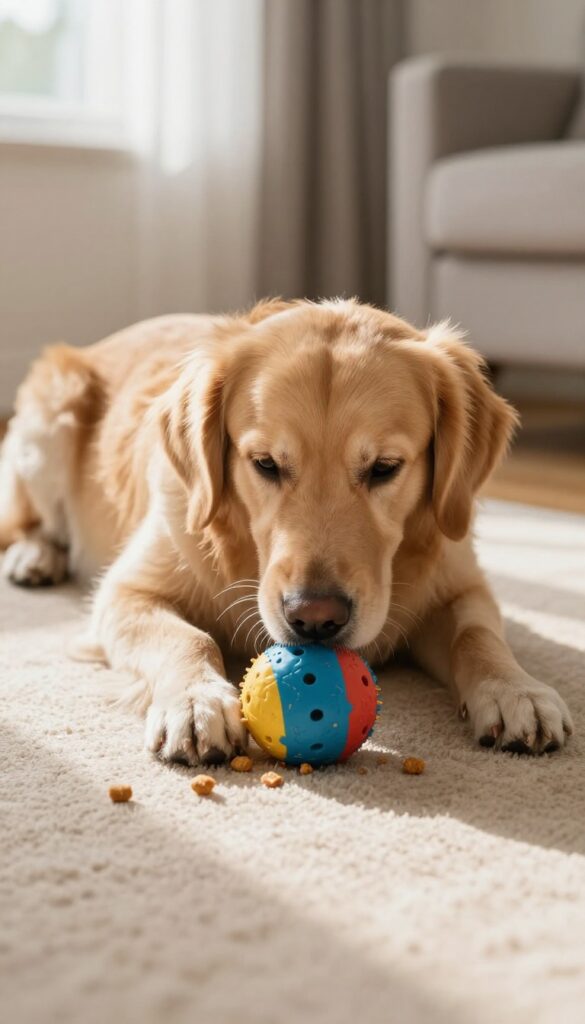
These toys are a brilliant way to keep your dog's brain busy while rewarding them for effort. As your pup nudges, rolls, or bats the toy around, treats fall out unpredictably, turning playtime into a satisfying puzzle. Many owners notice their anxious dog settles faster when given one of these during stressful moments like thunderstorms or vet visits.
The best part? They work in almost any home setup, from apartments to houses, and require no special skills to use.
Why It Works
An anxious dog often needs a focused task to shift their attention away from triggers. Interactive toys demand problem-solving and persistence, which naturally lowers stress by engaging the brain in a positive, repetitive activity. The random treat delivery also taps into natural foraging instincts, giving your dog a sense of control and accomplishment.
Best For
These toys are ideal for dogs who need calming during specific stressful events, such as fireworks, separation anxiety, or car rides. They also suit high-energy pups that benefit from slow, mental work rather than constant physical exercise. Any breed or size can enjoy them, just choose a toy with appropriate difficulty level.
Practical Tip
Start with an easy setting to build confidence, then gradually make it harder as your dog gets the hang of it. Use soft, low-calorie treats or kibble to avoid overfeeding. Clean the toy regularly according to the manufacturer's instructions—most are dishwasher-safe on the top rack.
Always supervise first play sessions to ensure your dog doesn't chew off pieces.
Budget-Friendly Option
You can make a simple DIY version by poking holes in a clean plastic bottle or a toilet paper roll, then filling it with treats. Just remove any labels and ensure no sharp edges. This works surprisingly well and costs nothing.
7. Calming Chews and Lick Mats
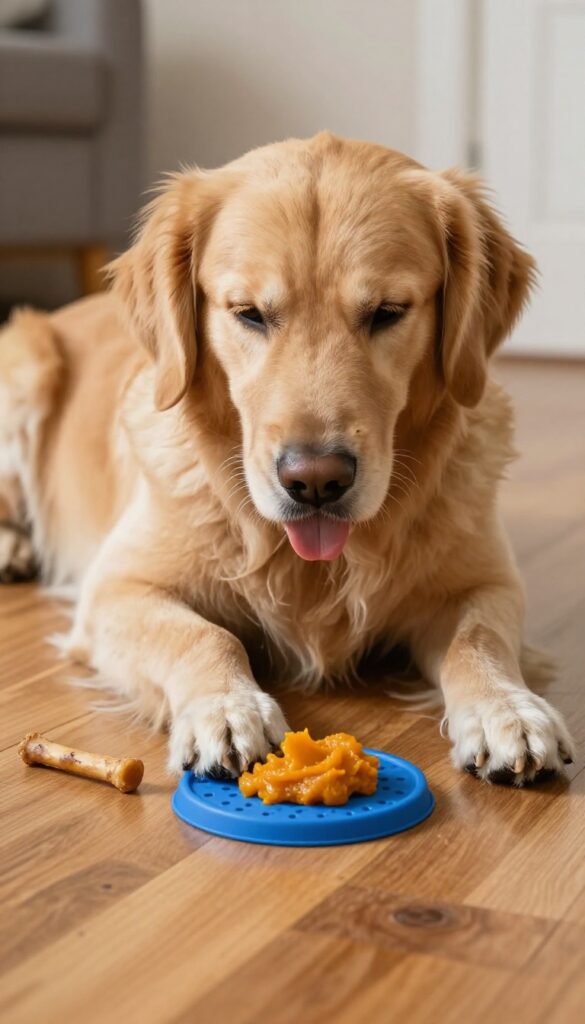
Some dogs unwind best when their mouth is busy. Lick mats spread with soft food trigger a natural calming response through repetitive licking, while chews provide a focused outlet for nervous energy. Together, they create a powerful relaxation ritual that works in just minutes.
Freeze the mat for a longer challenge that keeps your pup occupied while you take a breather. Pair it with a calming chew for double the soothing effect—perfect for stormy afternoons or quiet evenings.
Why It Works
Licking releases endorphins that help dogs self-soothe, much like a weighted blanket for humans. The repetitive motion lowers heart rate and shifts focus away from stressors. Adding a chew extends the calming window and satisfies the natural urge to gnaw.
Best For
Dogs who pace, whine, or pant when anxious—especially those that already enjoy licking or chewing. Great for noise-sensitive pups during fireworks or thunderstorms, and for dogs that need help settling after high-energy play.
Practical Tip
Spread a thin layer of plain yogurt, pumpkin puree, or peanut butter (xylitol-free) onto the mat, then freeze for 20–30 minutes. Use a silicone mat with suction cups to keep it in place on the floor or crate wall. Wash with warm soapy water after each use to prevent bacteria buildup.
Budget-Friendly Option
A silicone muffin tin works as a DIY lick mat—fill each cup with a dollop of yogurt or pumpkin, freeze, and pop out the frozen treats. For chews, try a bully stick or beef trachea instead of pricey calming chews.
8. Obstacle Course in Your Living Room
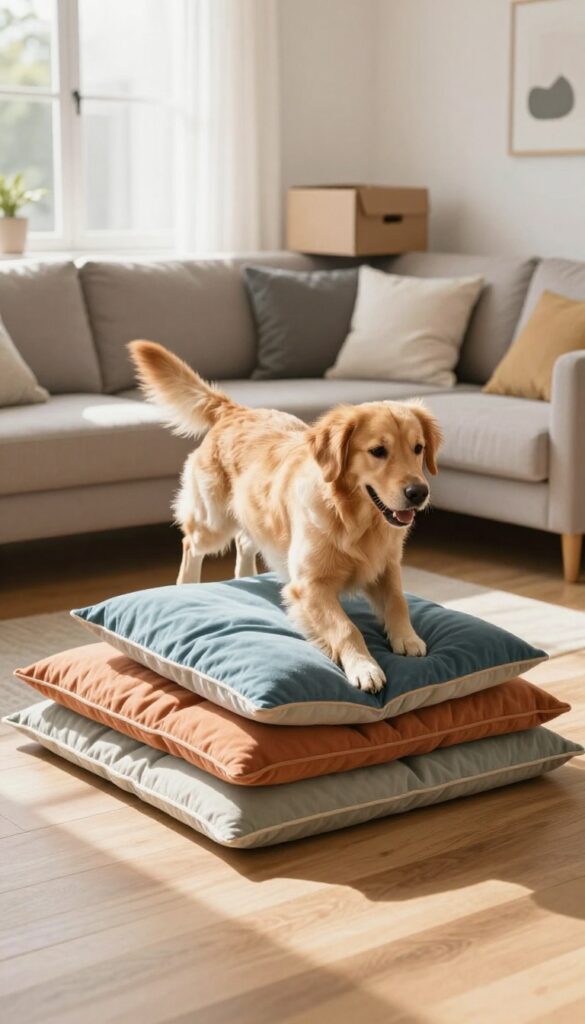
Turn your living room into a mini agility course using everyday furniture and household items. Pillows become hurdles, chairs become tunnels, and blankets create caves to navigate. This activity gets your dog moving and thinking, which is a powerful combo for burning off anxious energy.
It's also a fantastic confidence builder as they learn to conquer each new challenge.
Why It Works
An anxious dog often has pent-up energy and a need for focus. An obstacle course demands both physical coordination and mental problem-solving, which redirects nervous energy into a fun, goal-oriented task. Successfully completing each obstacle builds self-assurance, and the physical exertion helps release calming endorphins.
Best For
Best for dogs who are moderately active and enjoy a bit of a challenge. It works well in homes with a bit of open floor space, like a living room or a hallway. Great for herding breeds, terriers, or any dog that thrives on having a job to do.
Practical Tip
Start simple with just two or three obstacles, like a pillow jump and a chair tunnel. Use non-slip mats under pillows to prevent sliding, and always supervise to ensure your dog doesn't knock into furniture edges. Keep sessions short—5 to 10 minutes—and end on a positive note with lots of praise.
Budget-Friendly Option
No need for expensive agility gear. Use couch cushions, cardboard boxes, broomsticks balanced on low stools, and even a hula hoop as a jump. A simple blanket draped over two chairs makes a perfect tunnel.
9. Music or Audiobooks for Dogs
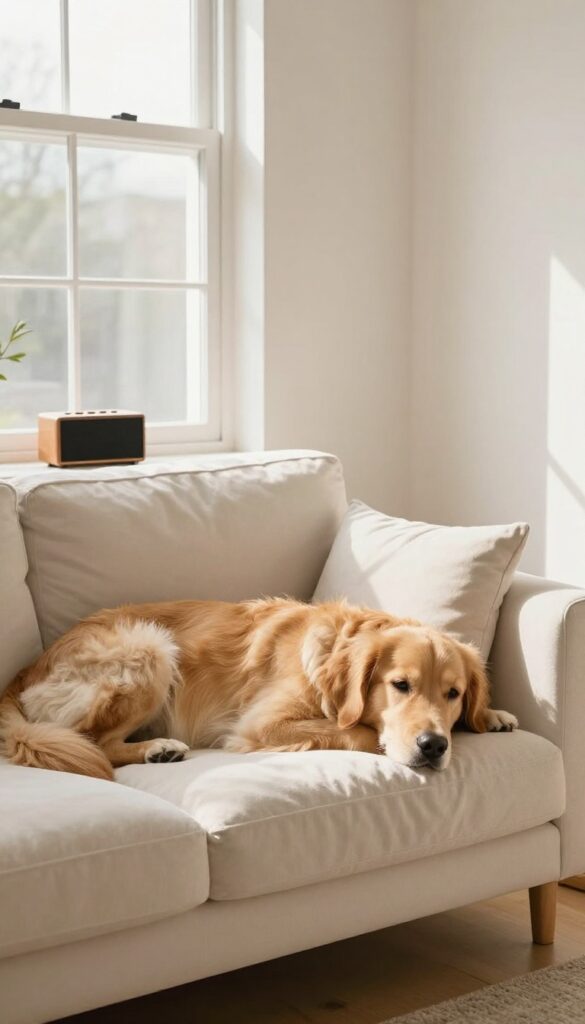
Sound can be a powerful tool for calming an anxious pup. Specially composed music or even audiobooks designed for dogs can mask scary noises and create a soothing atmosphere. Many owners find that playing these during thunderstorms or when leaving the house helps their dog settle faster.
It's a simple, hands-off enrichment that pairs well with a cozy den space.
Why It Works
Anxious dogs often react to unexpected or loud sounds. Calming music uses rhythms and frequencies that mimic a relaxed heartbeat, while audiobooks provide steady, predictable noise. This helps drown out triggers and signals safety, allowing the nervous system to downshift.
Best For
Dogs who are noise-sensitive, struggle with separation anxiety, or need help settling after play. It's also great for apartment dogs who hear street sounds or dogs recovering from a stressful event.
Practical Tip
Set up a small speaker near your dog's bed or crate, but keep volume low—dogs have sensitive hearing. Create a 'sound den' by draping a blanket over the crate or using a covered bed to amplify the cozy feeling. Start with short sessions during calm times so your dog associates the music with relaxation.
Budget-Friendly Option
You don't need special gear. Free playlists of classical or reggae music work well, or try a white noise app on an old phone. Even a fan can provide steady, comforting sound at no cost.
FAQ
How long should I do mental enrichment with my anxious dog each day?
Start with 10–15 minutes daily and adjust based on your dog's interest. Short, frequent sessions are more effective than long ones.
Can mental enrichment replace exercise for anxious dogs?
No, but it complements physical exercise. Mental stimulation tires dogs out differently and can reduce anxiety without over-exertion.
What if my dog gets frustrated with a puzzle?
Start with easy puzzles and gradually increase difficulty. Always supervise and help if needed to keep it positive.
Are there any safety concerns with DIY enrichment toys?
Avoid small parts that could be swallowed. Use dog-safe materials and supervise to prevent destruction or ingestion.
How do I know if my dog is benefiting from mental enrichment?
Look for signs of relaxation like yawning, licking, or settling down. Reduced destructive behavior and calmer demeanor are good indicators.
Conclusion
Mental enrichment doesn't have to be complicated or expensive. These nine ideas are simple ways to help your anxious dog feel calmer and more engaged at home. Start with one or two that fit your dog's personality and see what works best.
Your pup will appreciate the extra effort, and you'll love seeing them relax and enjoy themselves. A little creativity goes a long way toward a happier, more confident dog.

I’m Pallab Kishore, the owner of Little Pets Realm — an animal lover and pet care enthusiast sharing easy tips, healthy recipes, and honest advice to help every small pet live a happy, healthy, tail-wagging life.