
Every dog deserves a cozy spot that fits their size, but finding the right dog house often means settling for one-size-fits-all designs. Whether you have a tiny Chihuahua or a massive Great Dane, the wrong proportions can make your pup uncomfortable or leave the house unused.
These 10 dog house plans are tailored to different breeds, climates, and spaces, so you can build or buy exactly what your dog needs. From compact A-frames for small breeds to extra-wide models for giants, each idea tackles a specific challenge like insulation, portability, or heat management.
You'll find practical options for hot climates, cold winters, travel, and even multi-dog households. No fluff—just real solutions that help your dog feel at home outdoors.
1. Compact A-Frame for Small Breeds
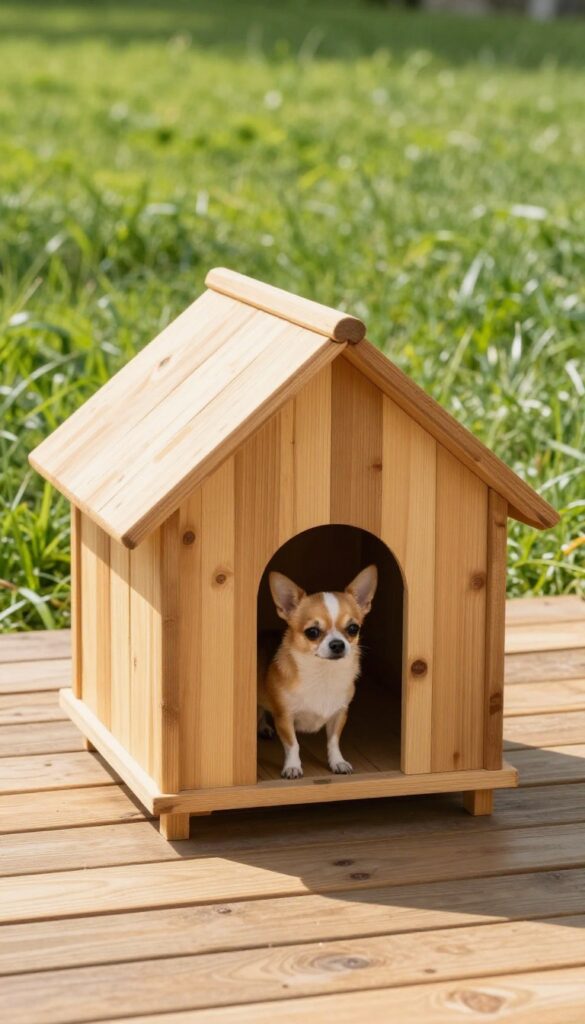
Tiny dogs need tiny houses that feel snug and secure. This compact A-frame design is built low to the ground with a steep roof, so little pups can curl up inside without drafts. Owners love how easy it is to build with just a few sheets of plywood, and it takes up almost no space on a patio or balcony.
Why It Works
The low ceiling traps body heat, making it cozy for small breeds that lose warmth quickly. The sloped roof sheds rain and snow instantly, keeping the interior dry even during storms.
Best For
Ideal for Chihuahuas, Yorkies, Pomeranians, and other toy breeds under 15 pounds. Perfect for apartment dwellers or anyone with limited outdoor space who still wants a dedicated dog house.
Practical Tip
Place the A-frame on a raised platform or pallet to prevent moisture from seeping in through the floor. Add a small removable cushion inside for extra comfort, and seal all edges with waterproof caulk to extend its life.
Budget-Friendly Option
Skip expensive cedar and use exterior-grade plywood instead. You can also repurpose an old wooden crate by cutting it into an A-shape—just sand rough edges and paint with non-toxic outdoor paint.
2. Insulated Box Style for Medium Dogs
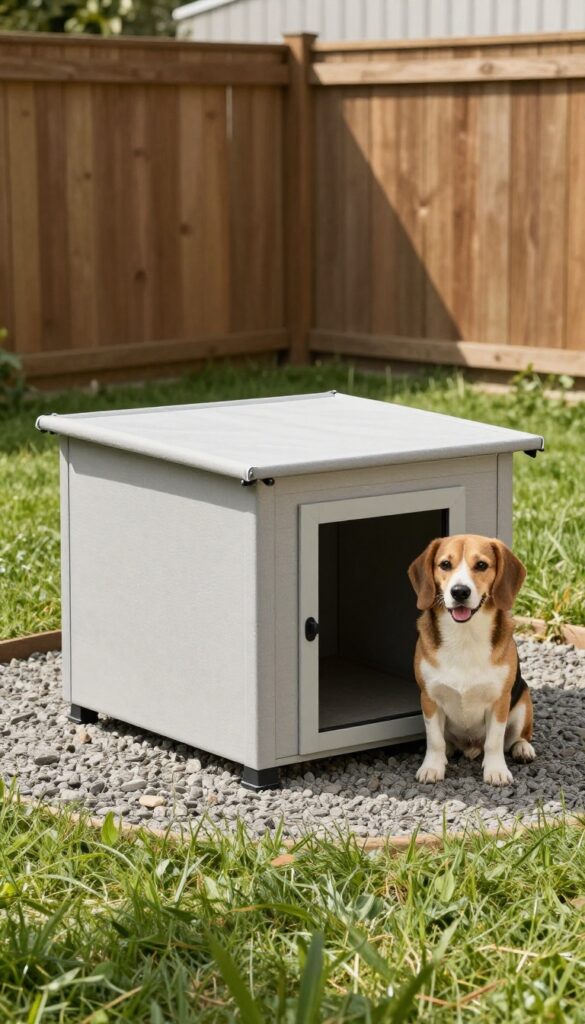
Medium-sized dogs like Beagles, Corgis, and Bulldogs need a sturdy house that handles both hot summers and chilly winters. The insulated box style delivers exactly that with its simple, functional design. Dog owners love how this plan uses foam insulation sandwiched between plywood walls to keep temperatures stable year-round.
Why It Works
The foam insulation acts as a thermal barrier, keeping the interior cooler in summer and warmer in winter. The offset door blocks direct wind from entering, while the removable roof makes cleaning a breeze. This combination of insulation and thoughtful details ensures your dog stays comfortable in almost any weather.
Best For
This plan is ideal for medium breeds such as Beagles, Corgis, Bulldogs, and similar dogs weighing between 25 and 50 pounds. It works great for backyards in climates with distinct seasons, where temperature swings are common.
Practical Tip
Place the dog house on a slightly raised platform or gravel bed to prevent moisture from seeping in through the floor. Check the foam insulation yearly for any gaps or damage, and replace if needed to maintain efficiency. A small flap over the door opening adds extra wind protection.
Budget-Friendly Option
Instead of buying pre-cut plywood sheets, ask your local hardware store for offcuts or damaged sheets at a discount. You can also use rigid foam board from leftover construction projects if available.
3. Elevated Platform for Hot Climates
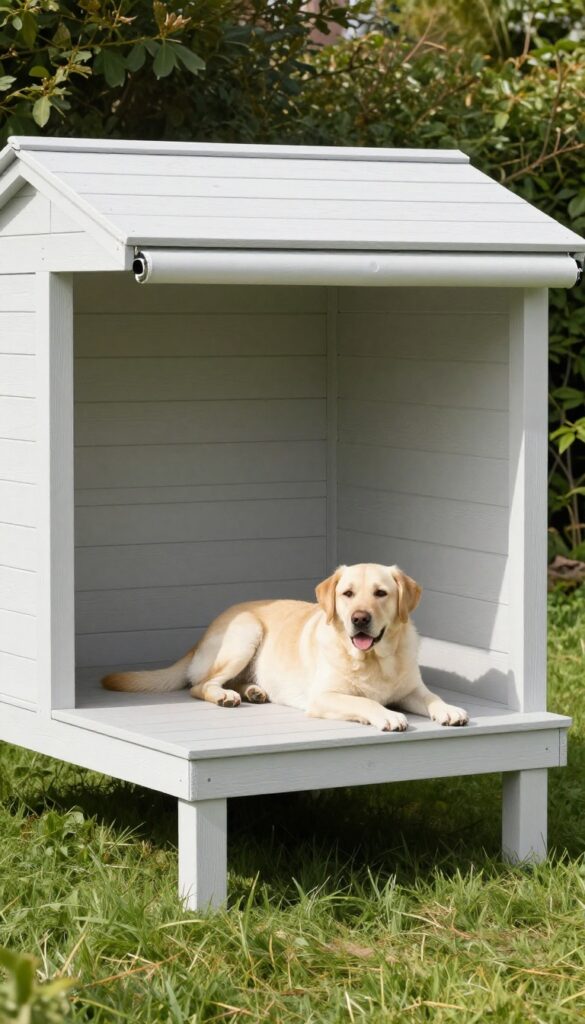
When the mercury rises, a standard dog house can turn into an oven. An elevated platform design lifts your pup off the hot ground and lets air flow underneath, keeping things cooler naturally. The wide porch gives them a shaded spot to lounge while still being outside.
Why It Works
Raising the floor creates a gap for breezes to pass through, which helps dissipate heat. The open design also means less trapped warm air, and using light-colored paint reflects sunlight instead of absorbing it. A shade flap over the entrance blocks direct sun from the interior.
Best For
Medium to large breeds like Labs, Golden Retrievers, and Boxers that love spending time outdoors in warm climates. Also great for dogs with thick coats who struggle to cool down in typical enclosed houses.
Practical Tip
Build the platform at least 6 inches off the ground using pressure-treated lumber to resist moisture. Paint with a light, UV-reflective color like white or pale gray. Add a removable canvas flap over the door that you can roll up on cooler days.
Budget-Friendly Option
Instead of buying a prefab elevated house, build your own using a wooden pallet as the base. Sand it smooth, add a small roof panel, and attach legs made from 4×4 posts. You can finish it for under $50.
4. Two-Story Cabin for Large Active Dogs
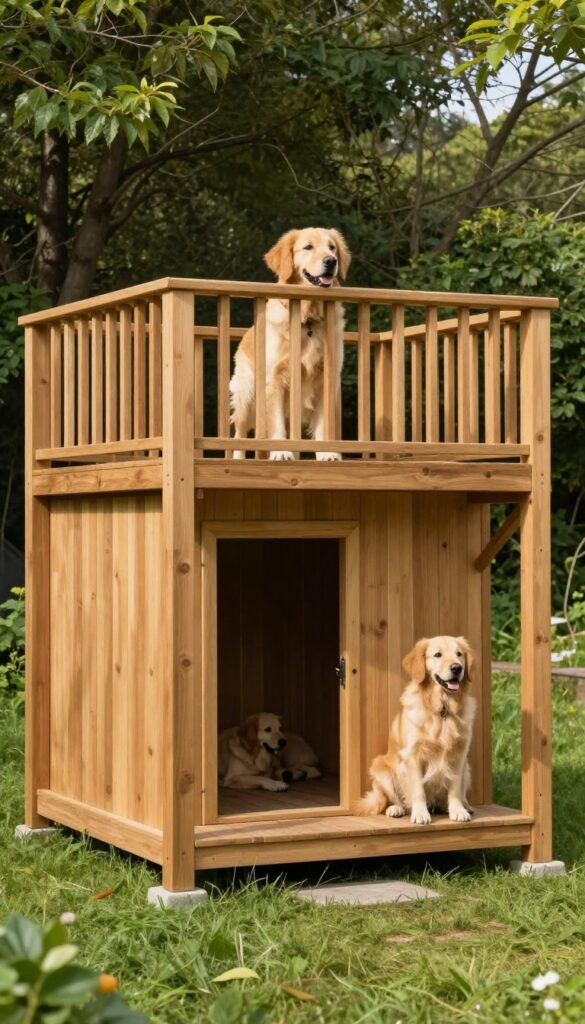
Large, energetic breeds like Huskies and Retrievers love having options when they’re outdoors. A two-story cabin gives them a sheltered ground-level den for napping and an elevated deck for surveying their kingdom. This design keeps them entertained and comfortable without taking up extra yard space.
Why It Works
The lower level stays cool in summer and warm in winter, while the upper deck satisfies your dog’s natural instinct to perch. The sturdy 2×4 frame and hinged roof make cleaning easy, and the raised floor prevents moisture buildup.
Best For
Active large breeds such as Siberian Huskies, German Shepherds, Golden Retrievers, and Labrador Retrievers. It’s also great for multi-dog households where one dog likes to lounge while the other keeps watch.
Practical Tip
Place the cabin on a slight incline so rainwater drains away from the lower entrance. Add a weatherproof flap over the door to block drafts, and use non-toxic stain or paint to protect the wood from rot.
Budget-Friendly Option
If building from scratch feels daunting, look for pre-built elevated dog houses with a rooftop platform. Some models come with a removable upper deck that you can attach yourself.
5. Portable Pop-Up for Travel
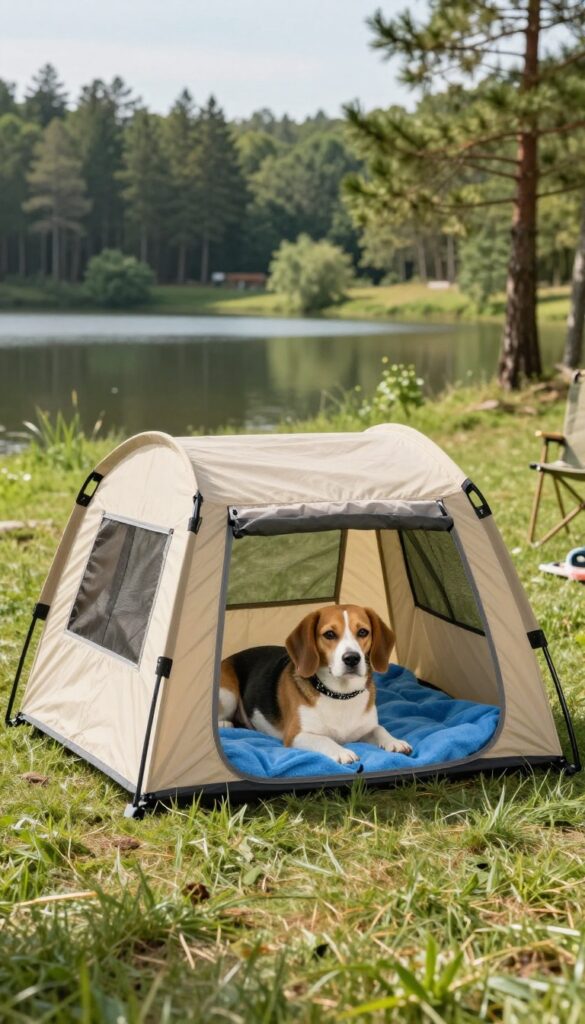
Some dogs love being outdoors just as much as their owners do. A portable pop-up dog house makes it easy to bring a familiar shelter along on camping trips, beach days, or lake outings. These lightweight houses fold flat for storage and set up in minutes, giving your pup a shady, comfortable spot wherever you go.
Why It Works
Waterproof canvas and PVC poles keep the structure sturdy yet light—usually under five pounds. The elevated floor keeps your dog off damp ground, and mesh windows provide ventilation without letting bugs in. It's a practical way to give your dog a safe retreat when you're away from home.
Best For
Small to medium dogs under 40 pounds, especially breeds that enjoy outdoor adventures like Terriers, Beagles, or Cocker Spaniels. Also ideal for owners who camp, hike, or spend weekends at the lake and want a compact shelter that won't take up trunk space.
Practical Tip
Set up the pop-up on level ground and stake it down if it's windy. Place a familiar blanket or bed inside so your dog recognizes the scent. After each trip, shake out dirt and let it air dry before packing to prevent mildew.
6. Extra-Wide for Giant Breeds
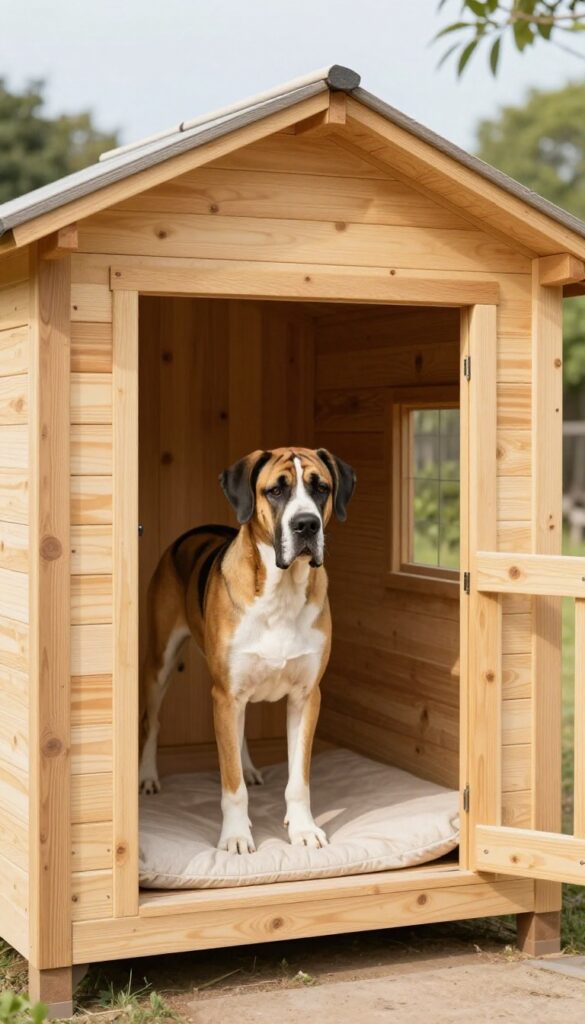
Giant breeds need space to stretch out, and standard dog houses just don't cut it. This plan uses 4×8 plywood sheets to create a roomy interior with a wide doorway that even a Great Dane can enter comfortably. Reinforced corners and a sloped roof add durability for years of use.
Why It Works
The spacious interior allows giant dogs to turn around and lie down without feeling cramped. A thick cushion provides joint support, which is crucial for breeds prone to hip dysplasia. The sloped roof sheds rain and snow, keeping the interior dry.
Best For
Great Danes, Mastiffs, Saint Bernards, and any giant breed that needs extra floor space. Also great for owners with large yards who want a permanent outdoor shelter.
Practical Tip
Place the house on a level, slightly elevated spot to prevent moisture from seeping in. Add a heavy-duty foam mattress or orthopedic bed inside for comfort. Check the door height—your dog should be able to walk in without ducking too much.
7. Lean-To Against a Fence for Space Savers
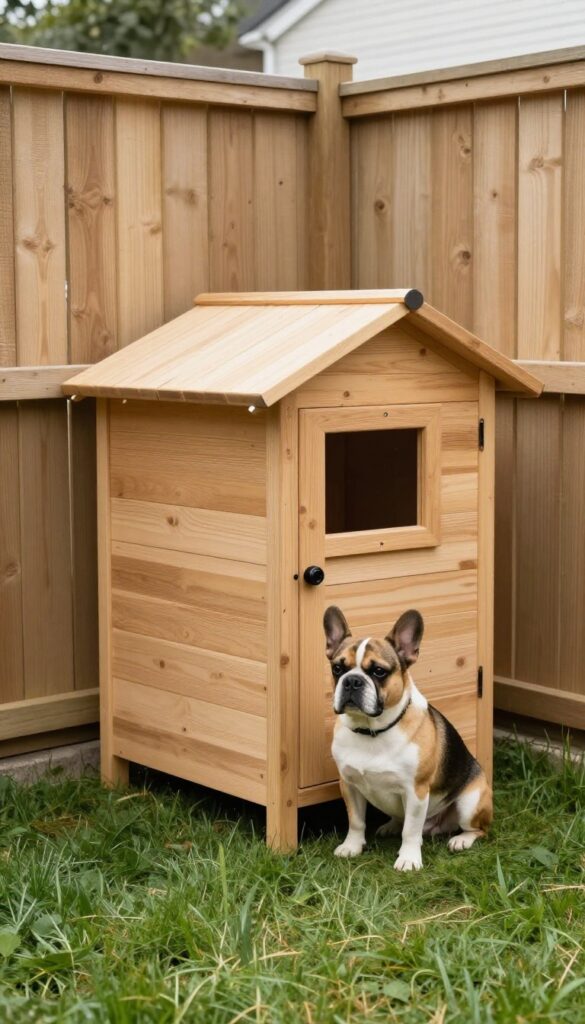
Short on square footage? A lean-to dog house attaches directly to an existing fence or wall, turning unused vertical space into a cozy den. The single-slope roof channels rainwater away from the entrance, keeping the interior dry.
This design is a smart solution for narrow side yards, balconies, or any tight spot where a traditional standalone house won't fit.
Why It Works
By using the fence as one wall, you cut material costs and floor space to nearly half of a regular dog house. The angled roof also sheds rain and snow efficiently, so water never pools on top. Plus, the open front gives your dog easy access while still providing shelter from wind and sun.
Best For
Small to medium dogs like French Bulldogs, Cocker Spaniels, or Beagles that don't need a huge footprint. Ideal for apartment dwellers with balconies or homeowners with narrow side yards who want a permanent but compact shelter.
Practical Tip
Make sure the lean-to is securely fastened to the fence with weatherproof brackets to prevent tipping during storms. Add a small flap door if your dog prefers privacy or if you live in a windy area. For easy cleaning, hinge the roof so you can lift it up and sweep out debris.
Budget-Friendly Option
If buying pre-made isn't in your budget, build your own using plywood and 2x4s—the simple geometry makes it one of the easiest DIY projects. You can also repurpose an old wooden crate by cutting one side open and attaching it to the fence.
8. Heated Dog House for Cold Winters
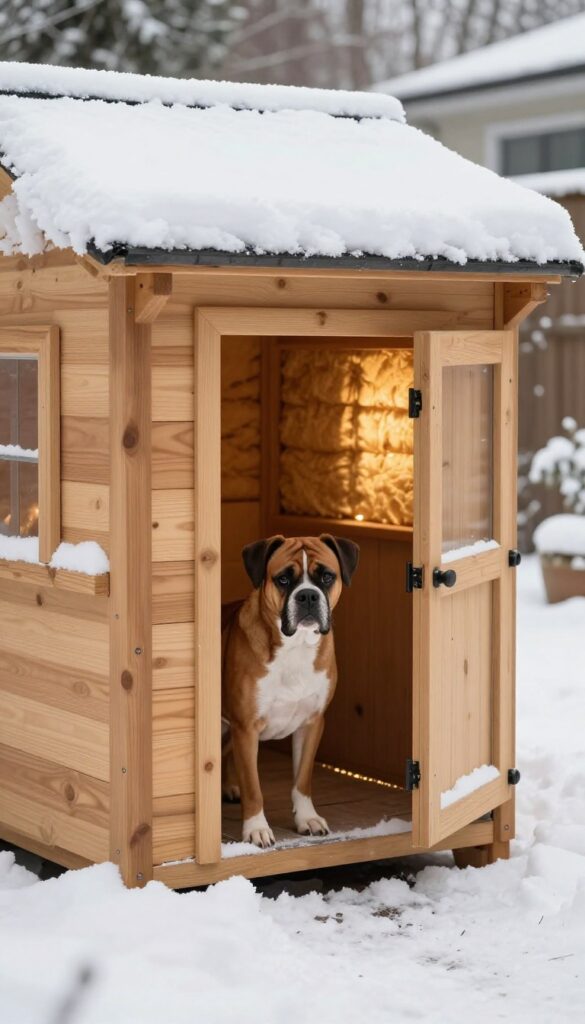
Short-haired breeds like Boxers and Dobermans feel the cold fast, especially when temperatures drop below freezing. A heated dog house keeps them cozy without needing to bring them indoors full-time. This plan adds a low-voltage heated floor pad and thick insulation to maintain a steady warmth, plus a vinyl flap over the door to block drafts.
It's a practical upgrade that turns a standard shelter into a winter retreat.
Why It Works
The heated floor pad provides gentle warmth from below, which dogs naturally seek out in cold weather. Combined with heavy insulation in the walls and roof, the interior stays significantly warmer than outside air. The vinyl door flap prevents wind and snow from entering while still allowing your dog easy access.
Best For
This plan is ideal for short-haired or thin-coated breeds like Boxers, Dobermans, Greyhounds, or Pit Bulls living in regions with harsh winters. It also works well for senior dogs or those with arthritis who need extra warmth to stay comfortable outdoors.
Practical Tip
Install the heated pad inside a waterproof liner or sealed tray to protect it from moisture and accidents. Use a thermometer with an auto shut-off feature to prevent overheating. Make sure the electrical box is weatherproof and placed high enough to avoid snow buildup.
Budget-Friendly Option
Save money by using rigid foam insulation boards instead of spray foam, and choose a basic low-voltage heating mat (around $30–$50) rather than a premium brand. You can also skip the vinyl flap initially and add it later if needed.
9. Multi-Dog House for Pairs
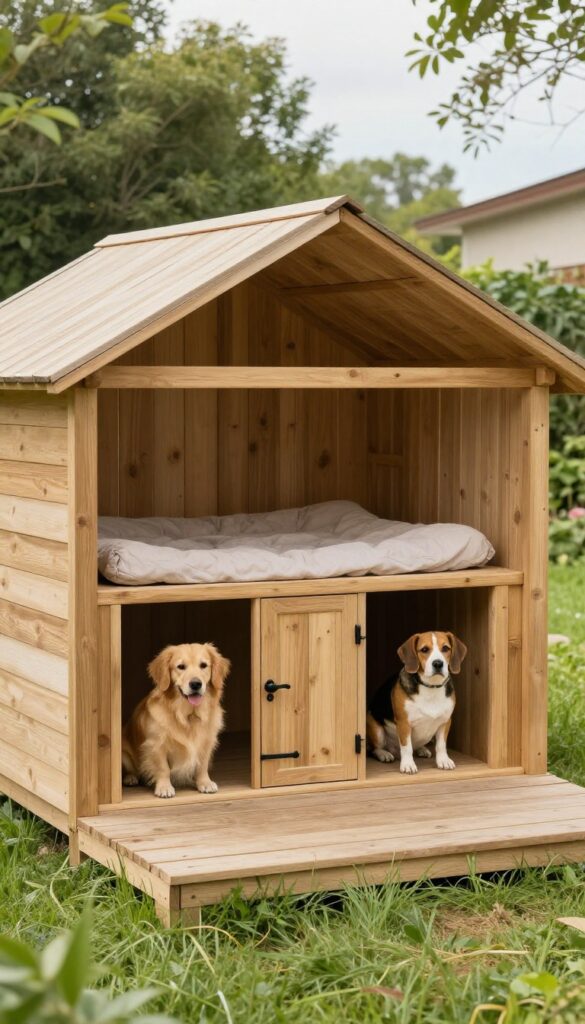
Living with two dogs means double the love and double the need for personal space. A multi-dog house solves the classic problem of one dog hogging the bed or guarding the entrance. This design gives each pup their own sleeping cubby while sharing a covered porch, so they can be close without stepping on each other's toes.
Why It Works
Separate cubbies with individual doors reduce resource guarding and give each dog a safe retreat. The shared porch keeps them together when they want company. Removable dividers make cleaning a breeze—just lift them out to sweep or hose down the interior.
Best For
Households with two small to medium dogs that already get along but appreciate having their own space. Great for siblings, bonded pairs, or dogs that like to nap separately but play together.
Practical Tip
Place the house in a quiet corner of the yard where both dogs can see the door without feeling trapped. Add a soft bed in each cubby and a durable outdoor mat on the porch. Check dividers regularly for chew damage and replace if needed.
10. Modern Minimalist for Design Lovers
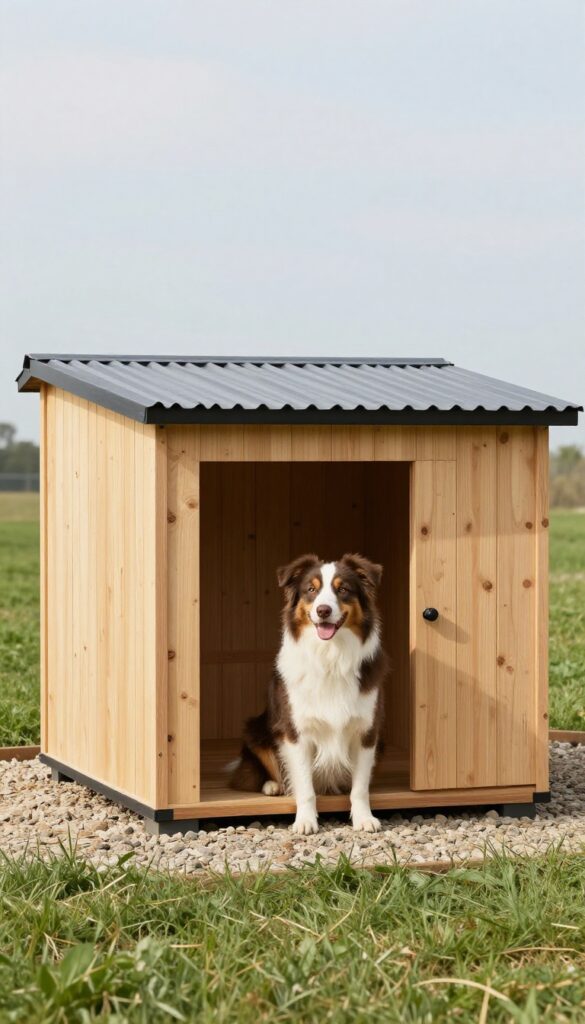
Clean lines and natural materials make this dog house a standout in any modern backyard. The flat roof and cedar siding give it a sleek, architectural look that complements contemporary outdoor spaces. It's proof that a dog house can be both functional and stylish.
Why It Works
The lift-off roof makes cleaning a breeze—just pop it off to wipe down the interior panels. Cedar naturally resists moisture and insects, while the corrugated metal roof sheds rain and snow. The elevated floor keeps your dog dry and cool.
Best For
Medium-sized dogs like Australian Shepherds, Border Collies, or Corgis who need a sturdy, weather-resistant shelter. Perfect for design-conscious owners who want their backyard to look cohesive.
Practical Tip
Place the dog house on a gravel or decking base to prevent mud splashes. Add a matching cedar step if your dog is older or has short legs. Use outdoor-grade varnish to maintain the wood's color.
Budget-Friendly Option
Replace cedar with pressure-treated pine and paint it with exterior latex for a lower-cost version. Use asphalt shingles instead of corrugated metal for the roof.
FAQ
What size dog house does my dog need?
Measure your dog from nose to tail and from floor to shoulder. The house should be about 6 inches longer than your dog and 4 inches taller. The door should be 3/4 of your dog's shoulder height.
Should I insulate my dog house?
If you live in an area with extreme temperatures, yes. Insulation helps keep the house cool in summer and warm in winter. Use foam board or reflective insulation, and make sure it's covered so your dog can't chew it.
Can I build a dog house without power tools?
Yes, many plans use hand tools like a saw, hammer, and screwdriver. Look for simple designs with pre-cut lumber or kits. A basic A-frame or lean-to can be built with just a few tools.
How do I keep the dog house clean?
Choose a design with a removable roof or a hinged top for easy access. Use washable bedding and sweep out debris regularly. Some plans include a removable floor tray for quick cleaning.
What's the best material for a dog house?
Cedar and pine are popular because they resist rot and insects. Plywood is affordable and easy to work with. Avoid pressure-treated wood for the interior, as chemicals can be harmful.
Exterior-grade paint or stain protects the wood.
Conclusion
Picking the right dog house comes down to your pup's size and your yard's setup. Measure your dog first, then match the plan to their habits—some love a cozy cave, others prefer an open porch. Start with one design that fits your skill level and space.
A weekend of building gives your dog a comfortable retreat they'll use for years. That tail wag says it all.

I’m Pallab Kishore, the owner of Little Pets Realm — an animal lover and pet care enthusiast sharing easy tips, healthy recipes, and honest advice to help every small pet live a happy, healthy, tail-wagging life.