
A clean kennel isn't just about appearances—it's about your dog's health and your sanity. Commercial setups can get pricey, but you don't need to spend a fortune to keep things tidy. With a few smart choices, you can create a space that's easy to maintain and comfortable for your pup.
Start with materials that resist odors and wipe clean quickly. Then think about airflow and drainage to prevent moisture buildup. These small upgrades make a big difference in daily cleaning routines.
Whether you're setting up a single crate or a full kennel room, these ideas focus on practicality and budget. Let's dive into ten ways to build a cleaner, happier space for your dog.
1. Use Epoxy or Sealed Concrete Flooring
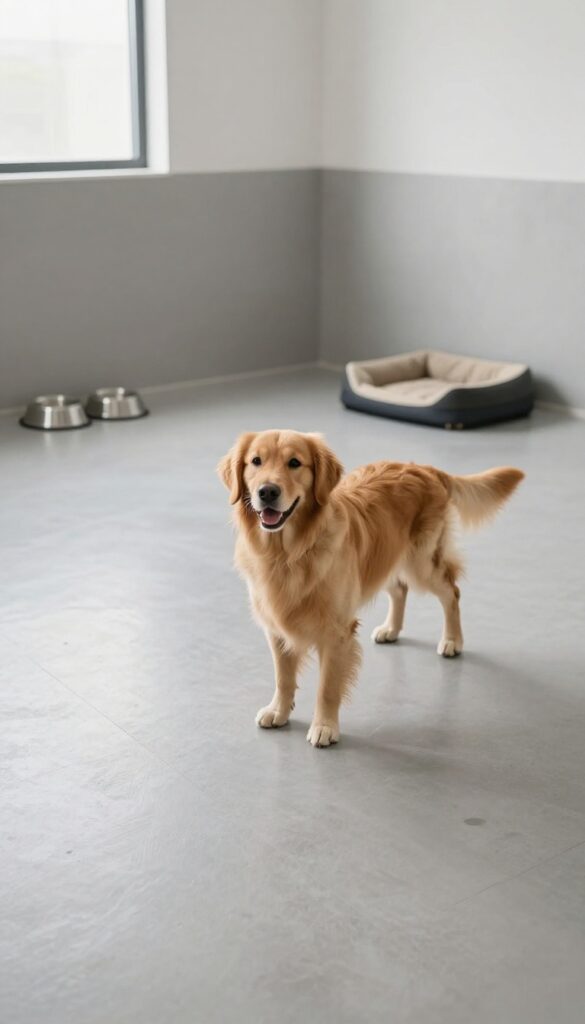
Ditch the porous flooring that traps odors and bacteria. Epoxy or sealed concrete creates a non-porous surface that resists stains and wipes clean in seconds. It's a favorite among owners who want durability without sacrificing hygiene.
Why It Works
These floors seal out moisture, so pee, spills, and mud don't soak in. A quick mop or hose down removes messes without lingering smells. The hard surface also stands up to scratching from excited paws and heavy kennel use.
Best For
Perfect for indoor kennels, mudrooms, or garage setups where dogs come in dirty or wet. Works great for multiple-dog households or high-traffic areas that need frequent cleaning.
Practical Tip
Add a textured finish or anti-slip additive to prevent slipping, especially for older dogs or puppies. Use a floor drain or slight slope toward a drain for easy rinsing.
Budget-Friendly Option
If epoxy is out of budget, use heavy-duty garage floor paint with a clear sealant. It won't last as long but gives similar easy-clean benefits for less money.
2. Install Removable Tray Systems for Easy Waste Management
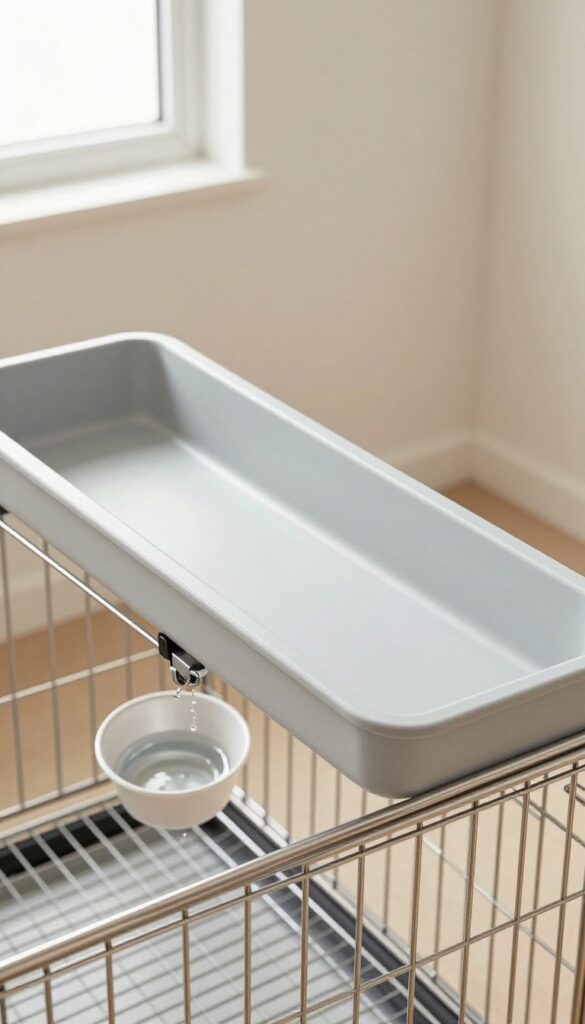
Messy kennel floors are a thing of the past with removable tray systems. These trays sit under crates or in runs, catching everything from spilled water to accidents. You just slide them out, hose them off, and slide them back in—no heavy lifting or scrubbing corners.
It's a simple upgrade that saves hours of cleaning time each week.
Why It Works
Removable trays create a barrier between waste and the kennel floor, preventing stains and odors from setting in. Raised edges contain spills, and smooth surfaces wipe clean in seconds. This system also reduces the need for deep disinfecting since you can clean trays separately from the main structure.
Best For
Perfect for multi-dog households, breeders, or anyone using wire crates. Works great in both indoor kennel rooms and outdoor runs where quick cleanup is a priority. Also ideal for puppies or senior dogs who may have more accidents.
Practical Tip
Choose trays with at least 1-inch raised edges to catch splashes. For wire crates, measure the interior base and order a custom-fit plastic or metal tray. Place a washable pee pad under the tray for extra absorption, especially for puppies or dogs with incontinence issues.
Budget-Friendly Option
DIY a tray using a shallow plastic storage bin or boot tray from a dollar store. Cut it to size if needed, or use a standard baking sheet with raised sides for small crates. Just ensure it's non-toxic and easy to sanitize.
3. Choose Stainless Steel or Heavy-Duty Plastic Crates
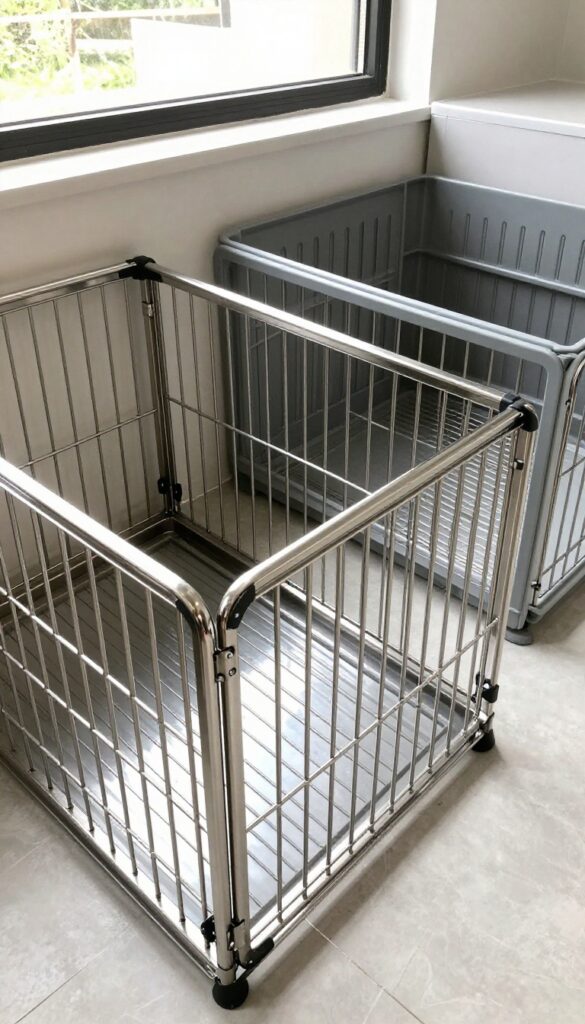
Not all crates are created equal when it comes to cleanliness. Porous materials like wood or wire can trap odors and bacteria, making them harder to keep fresh. Stainless steel and heavy-duty plastic are game changers for a low-maintenance kennel.
These non-porous surfaces don't absorb smells or stains, so a simple wipe-down keeps them looking and smelling clean. They also stand up to chewing and scratching, which means fewer replacements over time.
Dog owners love how easy these crates are to sanitize—perfect for multi-dog households or anyone who wants a truly hygienic setup.
Why It Works
Stainless steel and heavy-duty plastic resist moisture and bacteria growth because they're non-porous. Unlike wire crates, they don't have crevices where dirt hides. A quick spray with pet-safe cleaner and a wipe is all it takes to keep them spotless.
Best For
These crates are ideal for dogs who are heavy chewers or scratch at their crate. They also work well for owners who want a durable, long-lasting option that won't absorb odors—great for multi-dog homes or kennels in warmer climates.
Practical Tip
Place a washable crate mat or bed inside for comfort, but choose one with a waterproof bottom. For easier cleaning, remove the bed and hose down the crate outdoors. Make sure the crate has proper ventilation, especially with plastic models.
Budget-Friendly Option
If new stainless steel crates are out of budget, look for used ones at vet clinics or animal shelters that are upgrading. Heavy-duty plastic crates are often more affordable and can be found secondhand online.
4. Add a Dedicated Grooming Station with Washable Surfaces
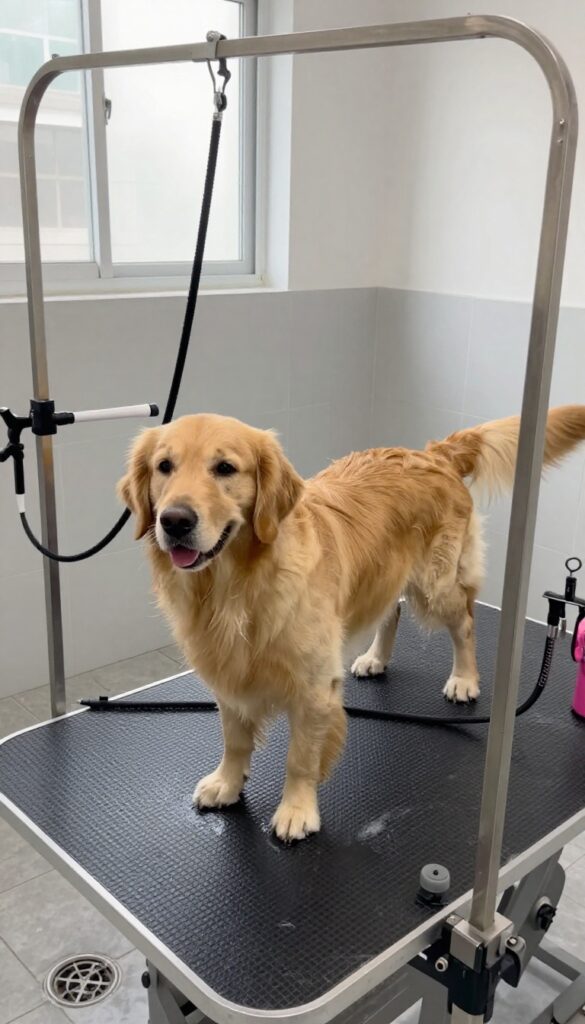
Grooming can be one of the messiest parts of dog care, especially in a kennel where fur, dirt, and water spread fast. A dedicated grooming station with washable surfaces solves that by keeping all the cleanup contained to one easy-to-rinse spot. It's a practical upgrade that saves time and keeps the rest of the kennel cleaner.
Why It Works
A washable mat or tile floor with a drain lets you spray down the area after each grooming session without worrying about water damage or lingering odors. A handheld sprayer makes rinsing fur and soap off surfaces quick and efficient, so you're not scrubbing by hand.
Best For
This setup is ideal for owners of double-coated or heavy-shedding breeds like Huskies, Golden Retrievers, or German Shepherds, and for anyone who grooms multiple dogs regularly. It also works well in kennels with limited space, since the station can be a compact corner.
Practical Tip
Use a commercial-grade washable mat or interlocking tile that can handle heavy use and is easy to remove for deep cleaning. Position the station near a floor drain if possible, and mount the handheld sprayer on a retractable hose to keep it tidy when not in use.
Budget-Friendly Option
If you're on a tight budget, use a large plastic kiddie pool or a washable vinyl rug as a temporary grooming zone. Pair it with a cheap handheld shower attachment connected to a nearby faucet for a low-cost alternative.
5. Incorporate a Sloped Floor for Drainage
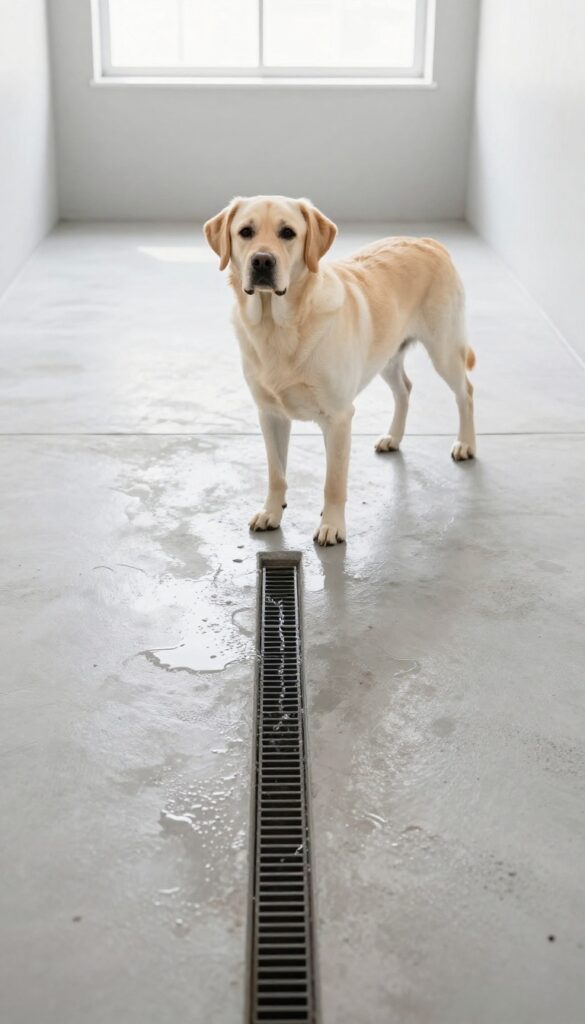
Standing water in a kennel is more than a nuisance—it's a breeding ground for bacteria and odors. A sloped floor directs water toward a drain, keeping the surface dry and clean. This simple design choice cuts down on scrubbing and drying time, making your cleaning routine much faster.
Why It Works
When you hose down or mop the kennel, water naturally flows to the lowest point instead of pooling in corners. This prevents moisture from seeping into seams or crevices where germs thrive. A well-drained floor stays drier, reducing the risk of skin infections and keeping the space fresher.
Best For
This setup is ideal for outdoor kennels, mudrooms, or any high-moisture area where you frequently wash down the floor. It's especially helpful for owners of large breeds that create more mess or for multi-dog households where cleaning happens often.
Practical Tip
Pour a concrete floor with a gentle slope of about 1/8 inch per foot toward a center or corner drain. Add a fine broom finish for traction—dogs can slip on smooth wet concrete. If you're retrofitting, use self-leveling compound to create the slope over an existing slab.
Budget-Friendly Option
If pouring concrete isn't in the budget, use heavy-duty rubber stall mats on a slightly angled plywood subfloor. The mats allow water to run underneath to a drain or collection point. Just lift and rinse them occasionally to prevent mildew.
6. Use Wall-Mounted Feeding Stations to Reduce Spills
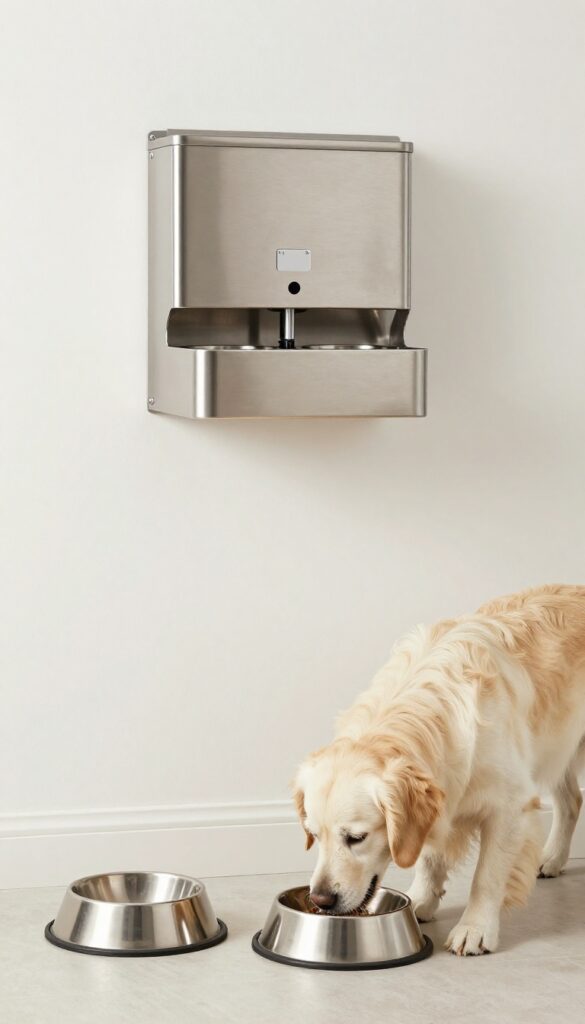
Traditional bowls on the floor are an invitation for your dog to push them around, splashing water and scattering kibble everywhere. Wall-mounted feeding stations solve this by keeping bowls securely in place, so mealtime stays tidy. They also elevate the bowls to a comfortable height, which can reduce strain on your dog's neck and joints.
Why It Works
By mounting bowls to the wall, you eliminate the chance of them being tipped over during excited eating or drinking. The elevated design also makes it easier to sweep or mop the floor underneath, and many models have removable bowls that are dishwasher-safe for effortless cleaning.
Best For
This setup is ideal for messy eaters, large breeds that tend to push bowls around, and kennels with limited floor space. It's also great for multi-dog households where feeding stations need to stay separated and clean.
Practical Tip
Install the station at a height where your dog's mouth is level with the bowls—typically just below shoulder height. Use stainless steel or ceramic bowls for easy cleaning and to prevent chewing damage. Make sure the mounting hardware is secure and can support the weight of full bowls.
Budget-Friendly Option
If you're on a tight budget, you can DIY a wall-mounted station using a sturdy shelf bracket and a couple of heavy-duty hooks to hang bowls. Just ensure the bowls are securely attached and easy to remove for washing.
7. Install Exhaust Fans or Ventilation Systems
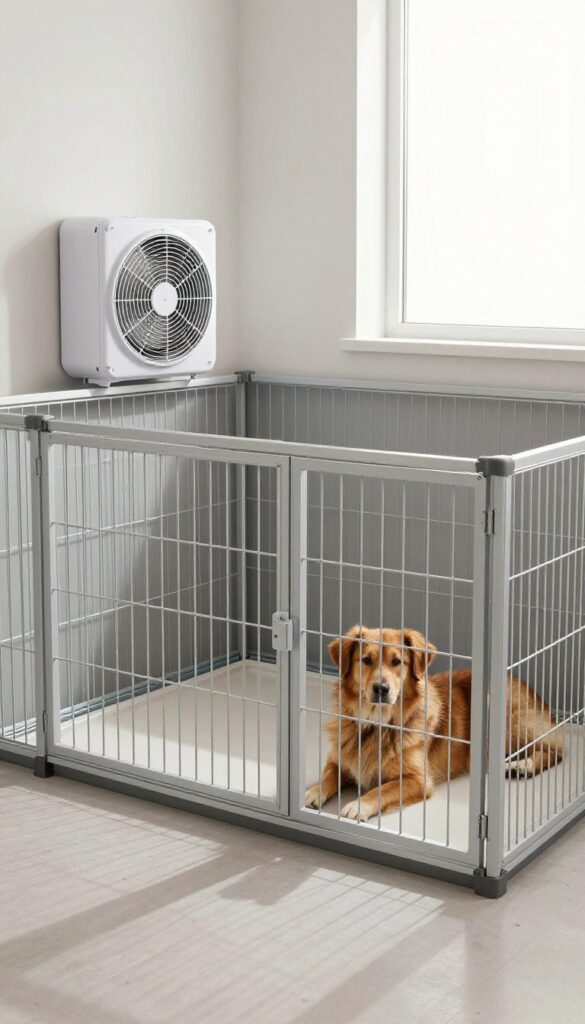
Stale air in a kennel doesn't just smell bad—it can actually harm your dog's respiratory health. Proper ventilation keeps ammonia levels from urine low and helps surfaces dry faster, cutting down on bacteria and mold. An exhaust fan or simple ventilation system makes a huge difference in air quality without much effort.
Why It Works
Dogs produce a lot of moisture and odor through breathing, drool, and waste. Exhaust fans pull out humid, smelly air and bring in fresh air, which lowers humidity and dries out kennel surfaces. This discourages bacteria and mold growth, reduces ammonia buildup, and keeps the space healthier for both dogs and humans.
Best For
Any indoor kennel setup, especially in basements, garages, or rooms with limited windows. It's also great for multi-dog households where urine and dander accumulate faster.
Practical Tip
Install a wall-mounted exhaust fan near the ceiling opposite the main entry. For small spaces, a simple window fan works. Make sure the fan is out of reach of dogs and use a cover if needed to prevent chewing.
Clean the fan blades regularly to keep airflow strong.
Budget-Friendly Option
If a permanent fan isn't in the budget, a portable air purifier with a carbon filter can help reduce odors and particles. Place it near the kennel area and change filters every few months.
8. Choose Washable, Antimicrobial Bedding
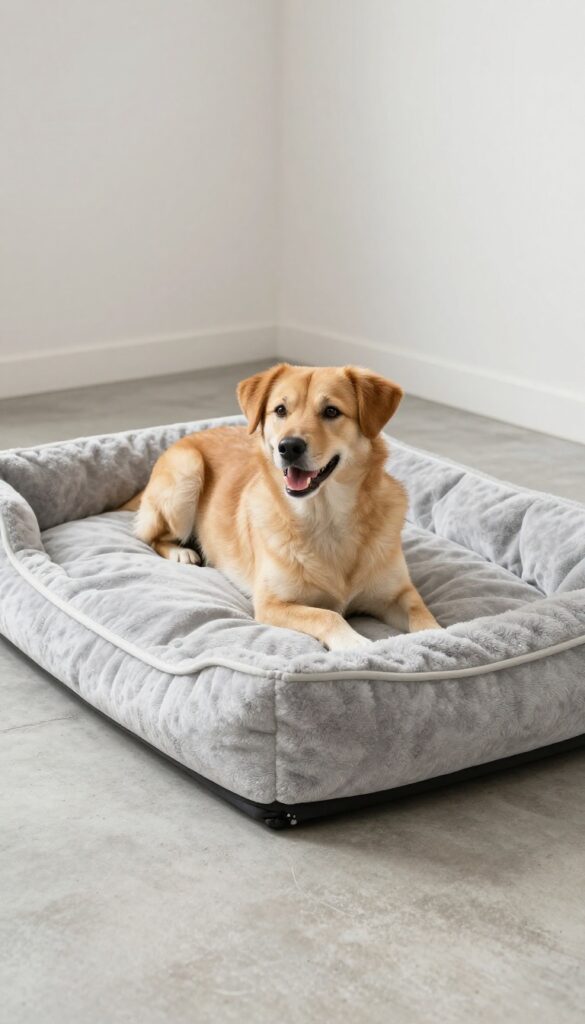
Your dog's bed takes the brunt of daily dirt, drool, and dander. Standard bedding traps odors and bacteria, making the kennel smell stale no matter how often you clean. Washable, antimicrobial bedding solves this by resisting germs and surviving frequent machine washes.
These beds stay fresher between cleanings and are much easier to maintain. Many options use materials like polyester fleece or waterproof covers that wipe down easily. It's a simple swap that makes a huge difference in kennel hygiene.
Why It Works
Antimicrobial fabrics actively inhibit bacterial growth, which means fewer odors and less allergen buildup. When you can toss the entire bed in the washing machine, you're more likely to keep it clean. This cuts down on scrubbing and harsh chemical cleaners, making your routine faster and healthier for your dog.
Best For
Any dog that spends significant time in a kennel, especially heavy shedders, droolers, or dogs with allergies. It's also ideal for high-traffic kennels or homes with multiple dogs where bedding gets dirty quickly.
Practical Tip
Look for beds with removable, machine-washable covers and a waterproof liner. Crib mattresses with fitted sheets are a durable, affordable option—just add a waterproof mattress protector underneath for extra protection. Wash bedding weekly in hot water with a pet-safe detergent to keep it fresh.
Budget-Friendly Option
If you're on a tight budget, use a thick fleece blanket that can be washed frequently. Layer it over a cheap yoga mat or crib mattress for cushioning. Fleece dries fast and resists odors better than cotton.
9. Set Up a Cleaning Station with Storage for Supplies
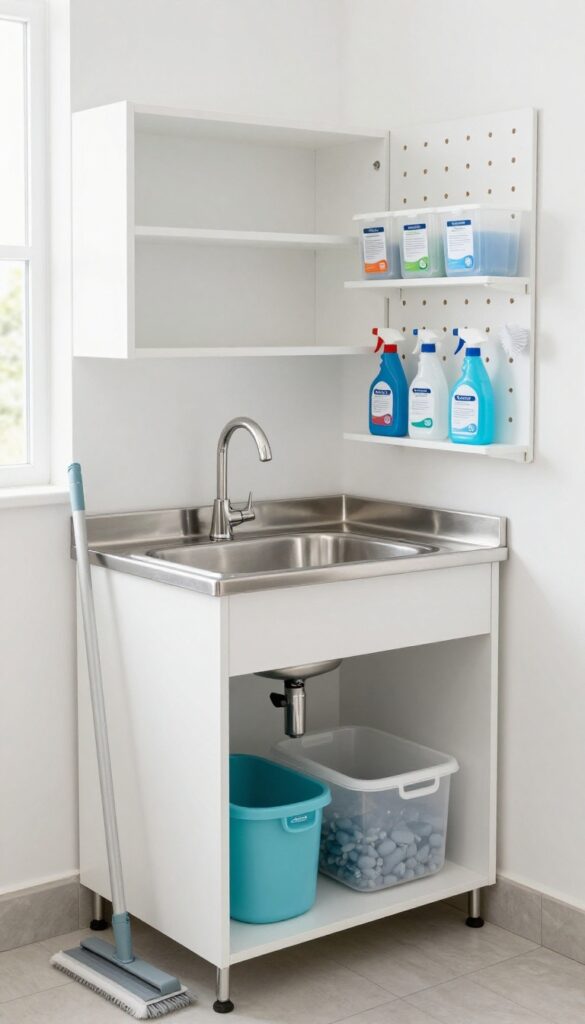
A cleaning station takes the hassle out of daily kennel upkeep. Having a dedicated spot with a utility sink and organized storage means you can grab what you need and get the job done fast. It turns a chore into a quick routine that keeps the space fresh and healthy for your dog.
Think of it like a command center for cleanliness. With mops, buckets, and disinfectants all in one place, you won't waste time hunting for supplies. This setup encourages regular cleaning because everything is easy to access and put away.
Why It Works
A dedicated cleaning station streamlines your workflow. When supplies are organized and within reach, you're more likely to clean consistently, which prevents dirt buildup and odors. The utility sink makes rinsing mops and buckets simple, keeping dirty water out of your household sinks.
Best For
This idea fits any kennel setup, from a single crate in your home to a multi-dog facility. It's especially useful for high-traffic areas where daily cleaning is a must, like whelping rooms or doggy daycare spaces.
Practical Tip
Install wall-mounted cabinets or shelves above the sink to store cleaning products safely out of your dog's reach. Use clear bins or labeled containers for quick identification. A drip tray under the mop or bucket keeps the floor dry and prevents slipping hazards.
Budget-Friendly Option
If a utility sink isn't in the budget, use a large plastic tub as a portable washing station. Mount a simple pegboard on the wall to hang mops, brushes, and spray bottles. A small rolling cart can hold your most-used supplies and be tucked away when not needed.
10. Use Modular Kennel Panels for Flexible Layouts
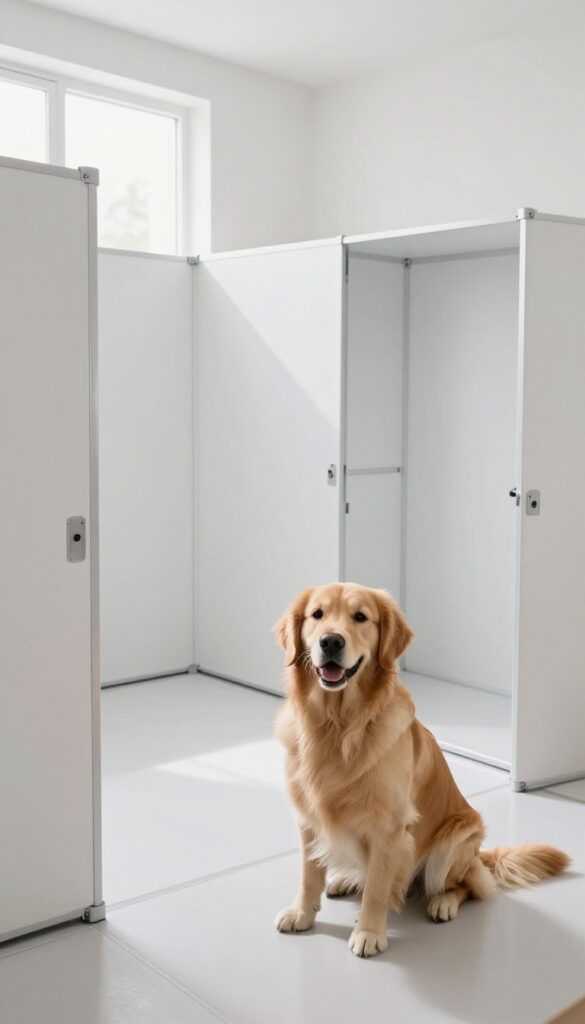
Modular kennel panels give you total control over your dog's space. Instead of being stuck with one fixed layout, you can rearrange panels to fit different areas or needs. This flexibility also makes cleaning much easier—you can move panels to access every nook and cranny, and the smooth surfaces wipe down in seconds.
Why It Works
Because you can reconfigure the layout, you're never left with hard-to-reach corners where dirt and grime build up. The panels are typically made from coated metal or plastic, which resist odors and are simple to hose off or wipe clean. Plus, when you need to deep clean, you can disassemble the entire setup and scrub each piece individually.
Best For
Perfect for dog owners who may need to expand their kennel as their dog grows or who move homes frequently. It's also great for multi-dog households where you might want to separate dogs temporarily or create a larger group space.
Practical Tip
Start with a basic square or rectangle layout, then add extra panels to create a run or attach a sheltered area. Use panels with doors or gates for easy access. Make sure all connections are secure to prevent wobbling, and consider adding a rubber mat underneath for extra grip and easier cleanup.
Budget-Friendly Option
If you're on a tight budget, look for used modular panels on online marketplaces. You can also build your own using heavy-duty wire shelving units and zip ties, though this may not be as durable or easy to clean.
FAQ
What is the easiest flooring to clean in a dog kennel?
Epoxy or sealed concrete is the easiest to clean because it's non-porous and can be hosed down. It resists stains and odors, and a simple mop or pressure washer keeps it spotless.
How often should I clean a commercial dog kennel?
Daily spot cleaning is essential, with a deep clean at least once a week. High-traffic areas or kennels housing multiple dogs may need more frequent sanitation to prevent odor and bacteria buildup.
Are plastic or stainless steel crates better for cleanliness?
Both are good, but stainless steel is more durable and easier to sanitize with high-heat cleaning. Heavy-duty plastic is lighter and still non-porous, making it a budget-friendly alternative.
What type of bedding is best for a kennel?
Washable, antimicrobial bedding like polyester fleece or crib mattresses with waterproof covers are ideal. They can be laundered frequently and resist bacteria, keeping the kennel fresh.
How can I reduce odors in my dog kennel?
Good ventilation, regular cleaning of all surfaces, and using enzymatic cleaners help neutralize odors. Also, consider adding an air purifier with a HEPA filter to capture dander and smells.
Conclusion
Building a cleaner kennel doesn't have to be complicated or expensive. By focusing on materials that are easy to clean and designing for efficiency, you can create a space that both you and your dog will love.
Start with one or two of these ideas and see how they improve your daily routine. Your dog will appreciate the fresh, comfortable environment, and you'll spend less time scrubbing and more time enjoying your pup.

I’m Pallab Kishore, the owner of Little Pets Realm — an animal lover and pet care enthusiast sharing easy tips, healthy recipes, and honest advice to help every small pet live a happy, healthy, tail-wagging life.