
Your backyard should be a safe place for both your kids and your dog. But without a proper kennel, things can get messy—or even dangerous.
A well-designed dog kennel gives your pup a cozy retreat and keeps them out of trouble when you're not watching. Whether you have a large yard or a small patch of grass, the right kennel setup makes all the difference.
From simple DIY builds to stylish prefab options, these ideas focus on safety, comfort, and ease of use. Let's look at ten backyard dog kennel ideas that work for real families and real dogs.
1. Shade-First Kennel with a Canopy Roof
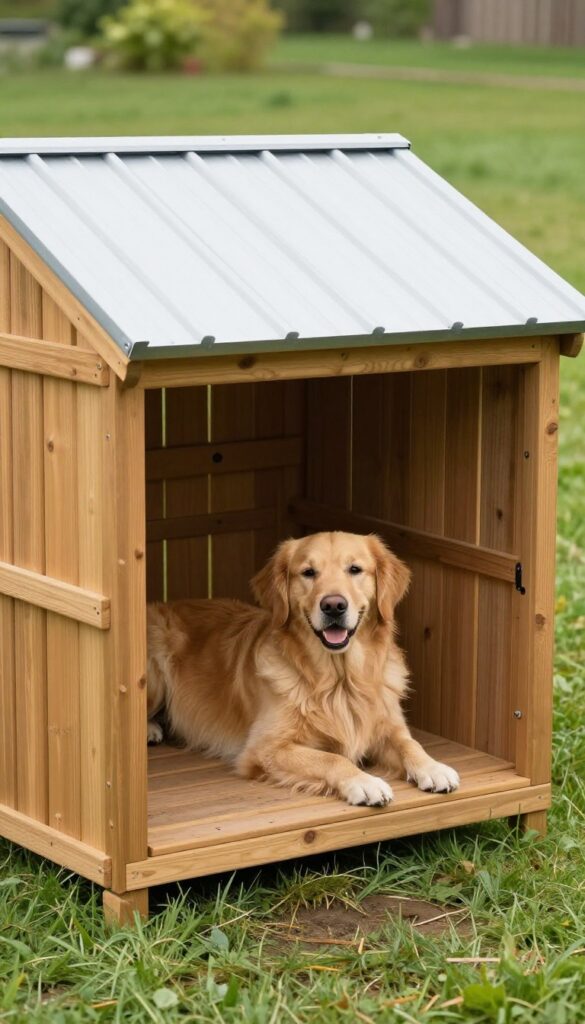
A kennel that prioritizes shade keeps your dog comfortable even on hot days. By adding a solid roof or heavy-duty shade cloth, you create a cool retreat that protects from sun and rain. This design is simple to build and works well in most backyards.
Why It Works
Dogs can overheat quickly without proper shade. A canopy roof blocks direct sunlight and keeps the interior temperature lower. Raised beds underneath improve airflow, so your pup stays cool and dry.
Best For
This kennel is perfect for sunny climates where dogs spend time outdoors during the day. It works well for breeds prone to overheating, like Bulldogs, Pugs, or Huskies, and families who want a low-maintenance, safe space.
Practical Tip
Choose a solid metal or polycarbonate roof for durability, or use a UV-resistant shade cloth for a lighter option. Make sure the roof is angled slightly so rainwater runs off. Add a raised platform bed to keep your dog off hot concrete.
Budget-Friendly Option
Instead of buying a prefab canopy, stretch a heavy-duty tarp over a wooden frame. Secure it with bungee cords so you can adjust or remove it easily. This costs under $50 and works just as well.
2. Portable Exercise Pen for Flexible Yard Use
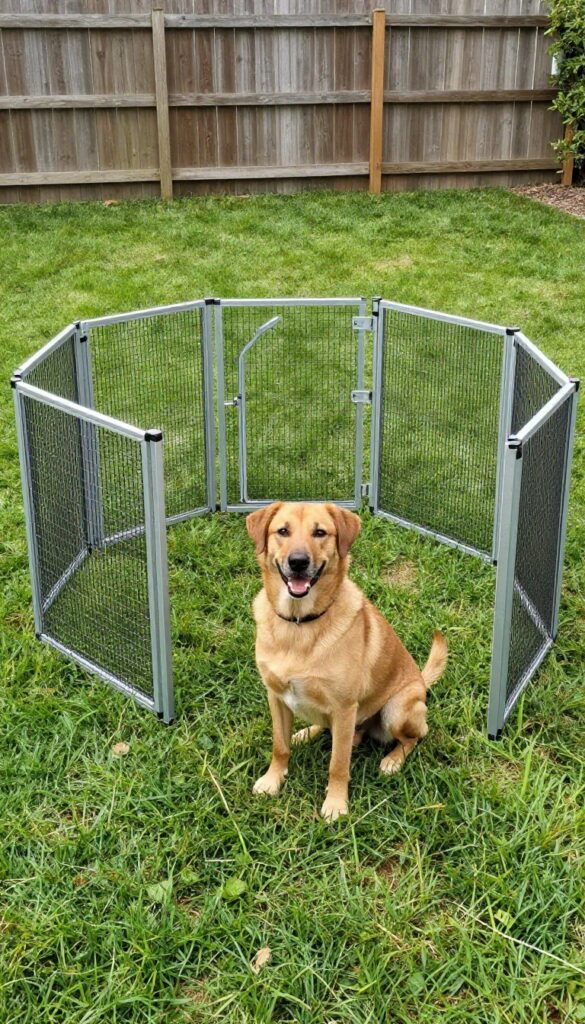
Not every yard needs a permanent kennel. A lightweight metal or plastic exercise pen lets you set up a secure space wherever it's needed. You can move it around to give different patches of grass a break, which keeps your yard healthier.
Renters especially love this option because it leaves no trace when you take it down.
Why It Works
Portable pens are quick to set up and take down, making them ideal for changing needs. They create a safe boundary without digging or permanent installation. Ground stakes keep them firmly in place, even for energetic dogs.
Best For
Best for renters, families who rotate yard use, or owners of small to medium dogs that don't jump high. Also great for temporary containment during outdoor gatherings or when you need to protect a specific garden area.
Practical Tip
Choose a pen with a door or a removable panel for easy access. Place it on a flat, well-drained spot and use ground stakes or sandbags for extra stability. Add a shade cloth over part of the pen on sunny days to keep your dog cool.
Budget-Friendly Option
Skip the expensive brand and buy a basic 8-panel metal pen from a big-box store. You can often find used ones on marketplace sites for half the price. Just check for rust or sharp edges before buying.
3. Built-In Corner Kennel with Privacy Panels
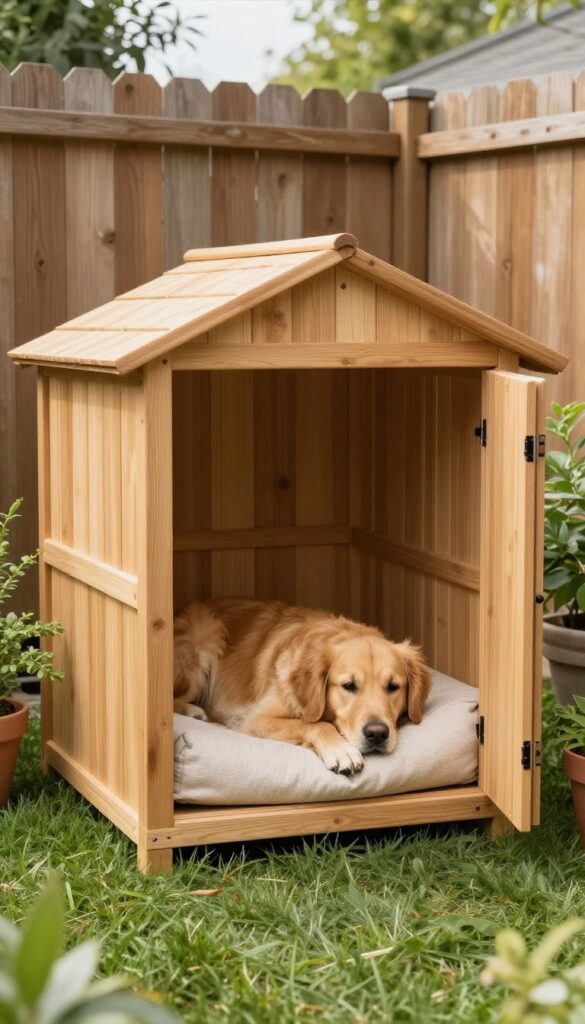
Corners often go unused in backyards, but they're actually prime real estate for a dog kennel. A built-in corner kennel uses space efficiently and feels less intrusive than a standalone structure. Adding solid privacy panels on two sides gives your dog a secure, den-like atmosphere while blocking wind and reducing visual distractions.
Why It Works
Dogs naturally seek out cozy, enclosed spaces to feel safe. The solid sides of this kennel mimic a den, which can help anxious dogs relax. Plus, the corner placement keeps the kennel out of high-traffic areas, so your dog can retreat without being underfoot.
Best For
This setup is ideal for medium to large breeds that enjoy having their own space. It works great in yards with an unused corner near the house or fence, and it's especially helpful for dogs who get nervous around neighborhood activity.
Practical Tip
Use weatherproof materials like treated wood or composite panels for the sides. Add a hinged gate in the front for easy access, and consider a removable roof section to make cleaning simpler. A coat of exterior paint in a neutral tone blends with your fence.
Budget-Friendly Option
Instead of buying pre-made privacy panels, repurpose old fence pickets or plywood sheets from a hardware store. You can also use lattice panels covered with shade cloth for a more affordable option that still provides privacy.
4. Dog Run Along a Fence Line
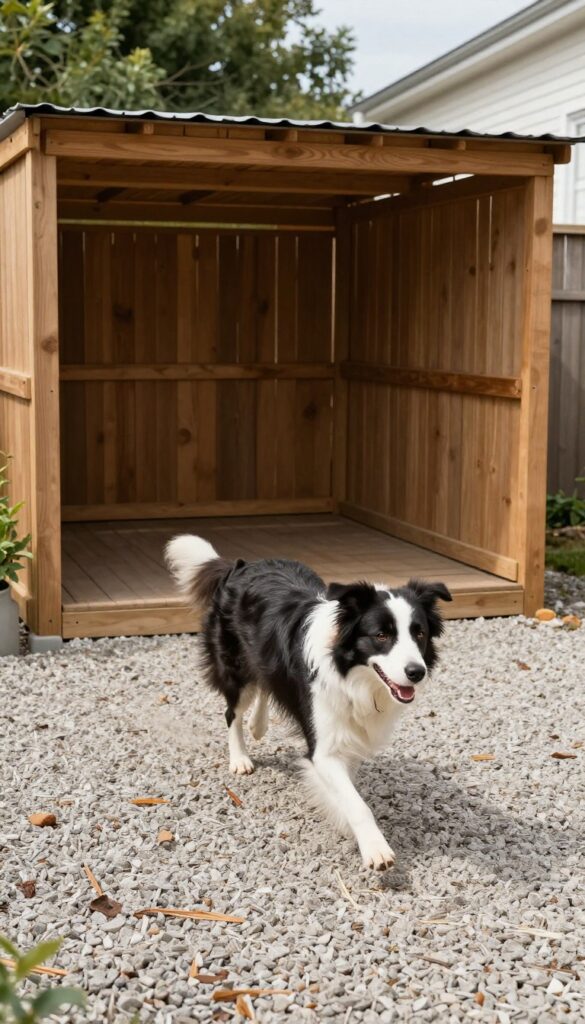
A narrow strip of yard along the fence often goes wasted. Turning it into a dedicated dog run gives your pup a straightaway for sprints without eating up your whole backyard. This setup works especially well for active dogs who need to burn energy in a confined space.
The run can be as simple as sectioning off a 4-foot-wide corridor with sturdy fencing and adding a gate for easy access.
Why It Works
Dogs naturally love to run along fence lines, so this design works with their instincts. The long, narrow shape maximizes exercise space in a small footprint, and using an existing fence cuts down on materials and cost. Coated chain link or welded wire keeps the run secure and visible, so you can watch your dog play from the house.
Best For
Best for high-energy breeds like border collies, huskies, or terriers that need room to run but don't require a huge square area. Also great for narrow side yards or L-shaped lots where a traditional kennel won't fit.
Practical Tip
Install a shade cloth or canopy over one end of the run to create a cool resting spot. Place a durable dog house or elevated bed there so your pup can relax after zooming. Use a gravel or artificial turf base for easy drainage and cleanup.
Budget-Friendly Option
Instead of buying a prefab dog run kit, build your own using T-posts and welded wire fencing. You can often find used fence panels on marketplace sites for a fraction of the cost.
5. Elevated Deck Kennel for Small Yards
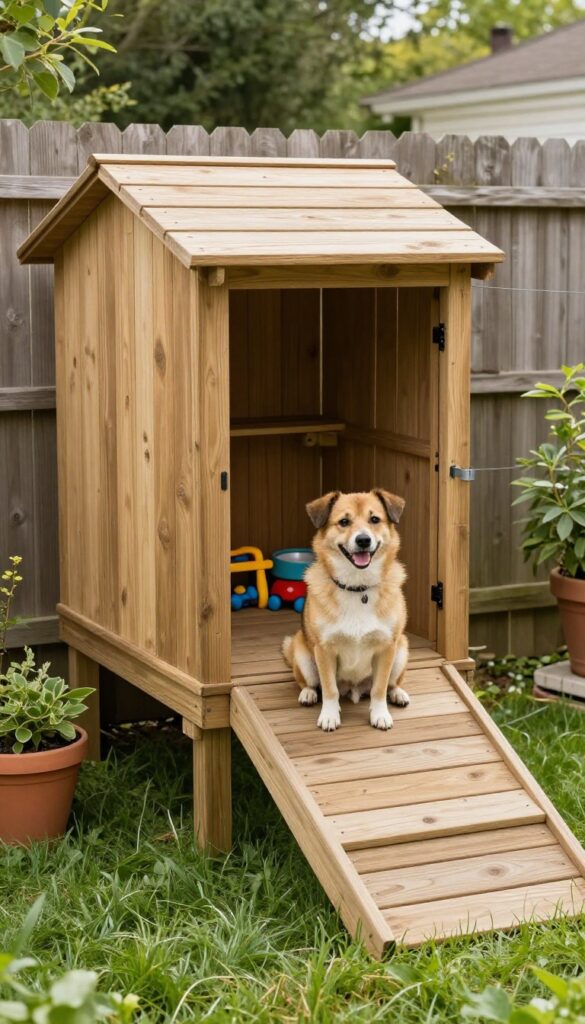
When your yard is tight on space, going vertical is a smart move. An elevated deck kennel lifts your dog off the damp ground, making the most of every square foot. This setup works especially well on sloped lots or small patios where a traditional kennel just doesn't fit.
By raising the kennel, you also create a dry, airy spot that stays cooler in summer and cleaner year-round. Plus, the open space underneath can double as storage for toys, tools, or even a shaded hideaway.
Why It Works
Elevating the kennel keeps your dog away from moisture, mud, and pests. The raised platform allows air to circulate underneath, which helps regulate temperature and prevents the kennel from getting stuffy. A simple ramp makes it easy for dogs of all ages to climb up, and adding a small roof gives protection from rain and sun.
Best For
This idea is ideal for small backyards, narrow side yards, or sloped lots where flat ground is limited. It's also great for owners of small to medium breeds, senior dogs who need joint-friendly surfaces, or anyone who wants a clean, low-maintenance kennel area.
Practical Tip
Use composite decking or treated wood for the platform to resist rot and splinters. Make sure the ramp has a non-slip surface—add traction strips or a textured paint. Position the kennel near a fence or wall for a sense of security, and anchor it well to prevent tipping.
Budget-Friendly Option
Instead of building a full deck, repurpose a sturdy wooden pallet as the base. Sand it smooth, seal it with pet-safe outdoor paint, and add a DIY ramp from a scrap board. It's a budget-friendly way to get the same elevated effect.
6. Multi-Dog Kennel with Separate Compartments
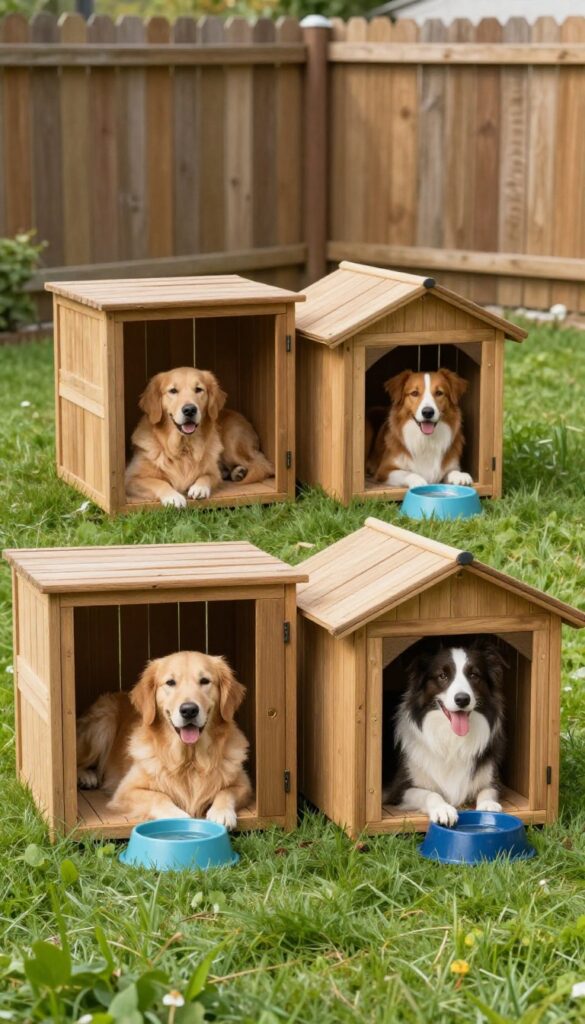
Living with multiple dogs can be rewarding, but it also comes with challenges—especially when it comes to sharing space. A divided kennel gives each pup their own private area, reducing tension and letting them relax without competition.
Each side has its own shelter and water bowl, so there's no fighting over resources. A shared central wall keeps the footprint compact, making this a smart choice for yards that need to accommodate more than one dog without taking up extra space.
Why It Works
Dogs are naturally territorial, and even littermates can squabble over food, water, or resting spots. Separate compartments eliminate those triggers, giving each dog a clear sense of ownership. The central wall also provides structural stability, so the kennel feels sturdy and secure.
Best For
This setup is ideal for homes with two or more dogs that don't always get along perfectly. It's also great for multi-dog households where one dog is older or more anxious and needs a quiet zone away from a playful younger pup.
Practical Tip
Place the water bowls on opposite sides of the central wall to prevent splashing into the other compartment. Use removable dividers if you want the option to open up the space later. Adding a small roof overhang on each side keeps rain out and gives extra shade.
Budget-Friendly Option
Instead of building a permanent divided kennel, try using two large wire crates placed back-to-back. Secure them together with zip ties or brackets, and add a weatherproof cover over both. It's a quick, affordable way to test if separate compartments work for your dogs.
7. DIY Pallet Kennel on a Budget
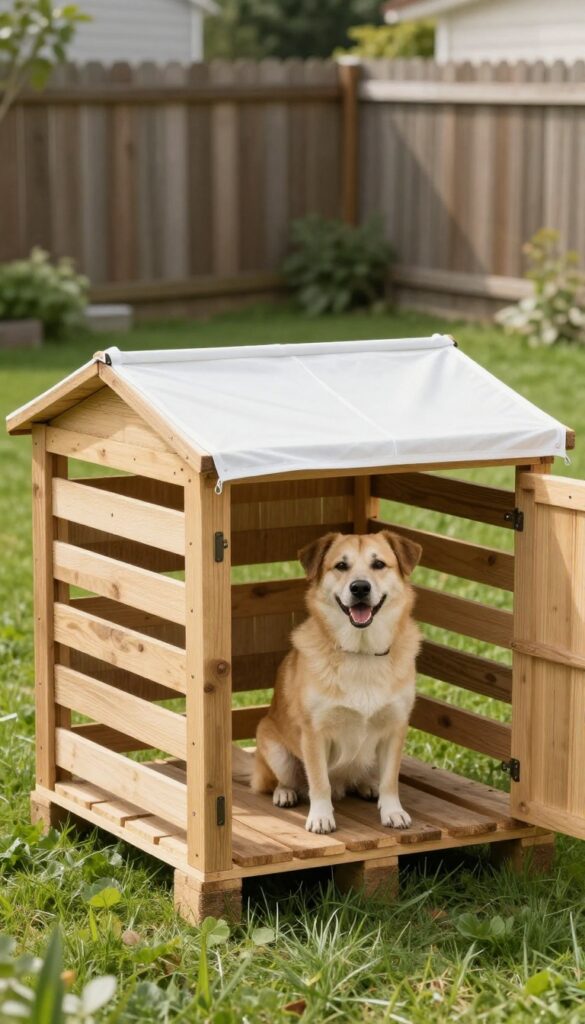
Building a kennel from wooden pallets is one of the most affordable ways to give your dog a dedicated outdoor space. The rustic look fits naturally into most backyards, and you can customize the size to match your yard and dog. With a little sanding and the right sealant, you can turn free or cheap pallets into a sturdy, safe kennel that lasts.
Why It Works
Pallets are widely available at little or no cost, making this an ideal project if you're handy and want to save money. The open slat design provides good airflow and visibility, so your dog can see out while staying contained. Plus, the wood is easy to cut and assemble, letting you build exactly the size and shape you need.
Best For
Perfect for budget-conscious dog owners who enjoy DIY projects and have a medium to large yard. Works well for medium to large breeds that need a roomy kennel, but can be scaled down for smaller dogs. Not ideal for heavy chewers unless you reinforce the wood with metal edging.
Practical Tip
Sand all surfaces thoroughly to remove splinters, then apply a pet-safe, non-toxic sealant or paint to protect against weather. Add a hinged roof for easy access to clean the inside, and consider attaching a waterproof cover or tarp over part of the roof for shade. Use galvanized screws to prevent rust.
Budget-Friendly Option
If you can't find free pallets, check local hardware stores for cull lumber—discounted wood with minor imperfections that's perfect for this project.
8. Kennel with Built-In Storage for Toys and Gear
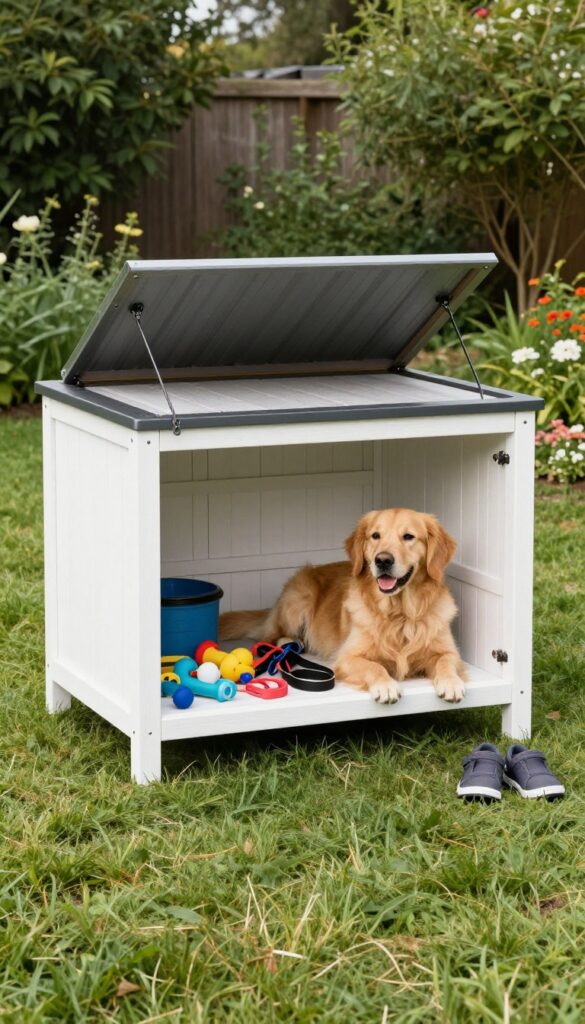
A kennel that pulls double duty as a storage unit is a game-changer for busy dog owners. Instead of tripping over leashes or hunting for a poop bag, you tuck everything into a weatherproof compartment attached right to the kennel. Many designs feature a bench-style lid so you can sit and supervise while your dog lounges inside.
Why It Works
It keeps all your dog gear organized and within arm's reach, so you spend less time searching and more time playing. The sealed storage protects toys and treats from rain and sun, and the bench top gives you a convenient spot to sit while your dog enjoys the yard. Plus, it reduces clutter around the yard, making the space safer for kids and pets.
Best For
This setup is ideal for dog owners who want a tidy, functional backyard without sacrificing style. It works great for small to medium yards where every square foot counts, and for families who frequently use the kennel area as a hangout spot.
Practical Tip
Choose a kennel with a lid that opens on gas struts so it stays up safely while you grab items. Add a small outdoor cushion on the bench for comfort, but make sure it's removable and washable. For easy cleanup, line the storage compartment with a removable plastic bin.
Budget-Friendly Option
If a pre-built combo is out of your budget, mount a weatherproof deck box next to an existing kennel. Attach a wooden bench top to the box for the same seating-and-storage effect at a fraction of the cost.
9. Heavy-Duty Welded Wire Kennel for Diggers
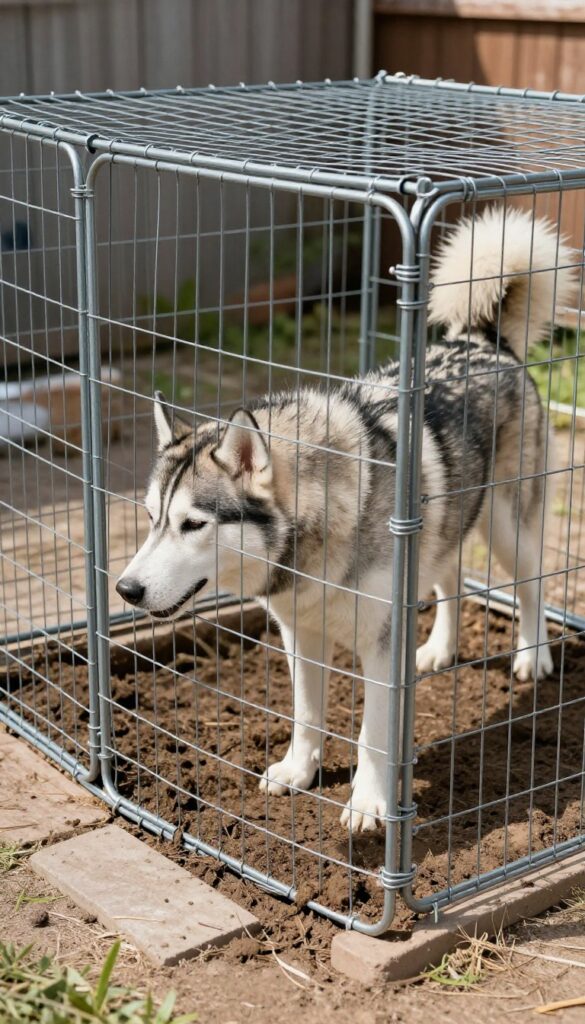
Some dogs treat digging like a full-time job. If your pup can tunnel under a fence in minutes, a standard kennel won't cut it. A heavy-duty welded wire kennel with buried mesh stops escape artists cold and gives you real peace of mind.
Why It Works
Welded wire mesh is far stronger than chain link, and burying it a foot underground creates a physical barrier that diggers can't get past. Adding a concrete or paver base eliminates any soft spots where they might try to start a new hole. Strong latches and a padlock add another layer of security.
Best For
This kennel is ideal for determined diggers like Huskies, Terriers, and Dachshunds. It also works great for owners who need a secure, low-maintenance outdoor space and don't want to worry about constant repairs or escape attempts.
Practical Tip
Use 10-gauge or thicker welded wire with openings no larger than 2×4 inches. Bury the mesh at least 12 inches deep and extend it outward horizontally a few inches to discourage tunneling. For the base, pour a concrete slab or lay interlocking pavers over a compacted gravel bed.
Budget-Friendly Option
Skip the concrete and use heavy-duty landscape fabric topped with several inches of crushed stone or pea gravel. It's cheaper and still makes digging tough, though you may need to refresh the stone over time.
10. A-Frame Kennel with a Sand Pit
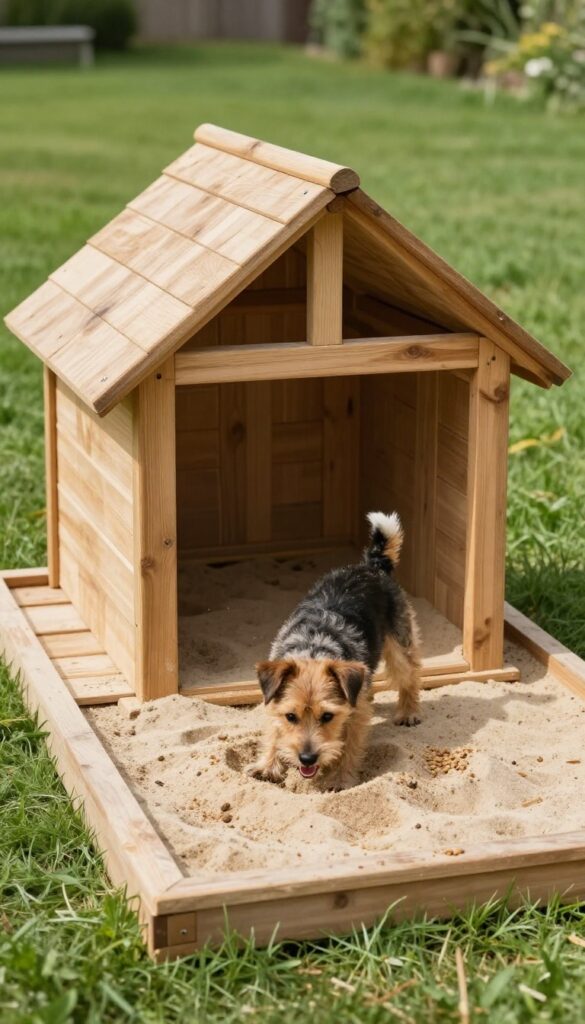
An A-frame kennel brings a classic camping vibe to your backyard while giving your dog a cool, shaded spot to hang out. The steep roof deflects sun and rain, and the open sides keep air flowing. Add a sand pit at the base, and you've got a built-in digging zone that saves your flower beds.
Why It Works
Dogs naturally love to dig—it's instinctual and helps them self-regulate temperature. By providing a designated sand pit, you redirect that behavior to a controlled area. The A-frame's shade keeps the sand cooler than concrete or grass, making it a comfortable summer retreat.
Best For
Dig-happy breeds like terriers, dachshunds, and huskies, or any dog that enjoys burrowing. Also great for families with small yards where you need to protect landscaping from enthusiastic paws.
Practical Tip
Use pea gravel or play sand—both are easy to hose down and dry quickly. Build a low wooden border around the pit to keep sand contained. Place the A-frame over the pit so the entire area stays shaded; your dog will naturally gravitate there for naps and play.
Budget-Friendly Option
Skip the lumber and use an old wooden pallet as the base for the A-frame frame. Cover it with leftover canvas or a heavy tarp for a low-cost, weatherproof roof.
FAQ
What size should a backyard dog kennel be?
A kennel should be at least three times your dog's length and width so they can stand, turn, and lie down comfortably. For active dogs, add extra space for movement.
Can I build a dog kennel on grass?
Yes, but grass can get muddy and worn. Consider using gravel, concrete, or artificial turf as a base. If you keep grass, rotate the kennel location regularly.
How do I keep my dog cool in a backyard kennel?
Provide shade, ventilation, and fresh water. Use a canopy, misting system, or cooling mat. Avoid metal roofs that trap heat.
Place the kennel in a naturally shaded area.
What is the best material for a dog kennel floor?
Concrete is durable and easy to clean, but can be hard on joints. Add rubber mats or straw. Gravel drains well but needs a weed barrier.
Artificial turf is soft but requires rinsing.
How do I prevent my dog from escaping the kennel?
Use heavy-duty materials like welded wire or chain link. Bury the fence at least 12 inches underground. Secure all latches with padlocks or carabiners.
Check for gaps regularly.
Conclusion
Your dog's kennel should feel like a safe retreat, not just a backyard box. Pick the design that best fits your yard size, climate, and your pup's personality.
A little planning now means fewer headaches later and more happy tail wags every day. Start with one idea that excites you and build from there—your dog will thank you.

I’m Pallab Kishore, the owner of Little Pets Realm — an animal lover and pet care enthusiast sharing easy tips, healthy recipes, and honest advice to help every small pet live a happy, healthy, tail-wagging life.