
Summer heat can be tough on dogs, especially those who love spending time outdoors. An air conditioned dog house isn't a luxury—it's a smart way to keep your pup safe and comfortable when temperatures climb.
Whether you have a small breed that overheats easily or a large dog that refuses to come inside, a cool retreat makes all the difference. These 10 ideas range from simple add-ons to full builds, so you can find something that fits your space and budget.
Let's explore options that prioritize your dog's comfort without complicating your routine.
1. Portable AC Unit with Insulated Dog House
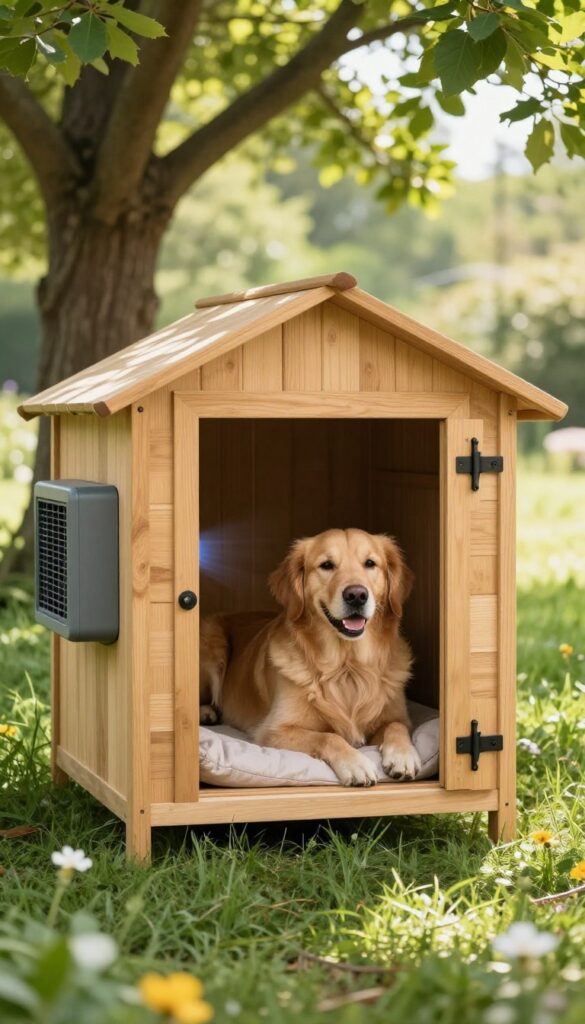
Pairing a small portable air conditioner with an insulated dog house gives you precise control over your pup's indoor temperature. This combo turns a standard dog house into a climate-controlled retreat, perfect for scorching afternoons.
Why It Works
A portable AC unit delivers consistent cool air, while insulation—like foam panels or reflective barriers—keeps that cold air trapped inside. Together, they create a comfortable microclimate even when outdoor temps soar.
Best For
Medium to large dog houses that have enough space for the AC unit and airflow. Great for owners who want adjustable cooling without a permanent installation.
Practical Tip
Seal all gaps around doors and windows with weatherstripping, and add rigid foam insulation to walls and ceiling. Position the AC unit so it blows directly into the sleeping area, but keep the exhaust hose vented outside.
Budget-Friendly Option
If a new portable AC is out of reach, look for a used unit or try a high-output swamp cooler designed for small spaces—just make sure humidity isn't too high in your area.
2. Window AC Unit Built into a Custom Dog House
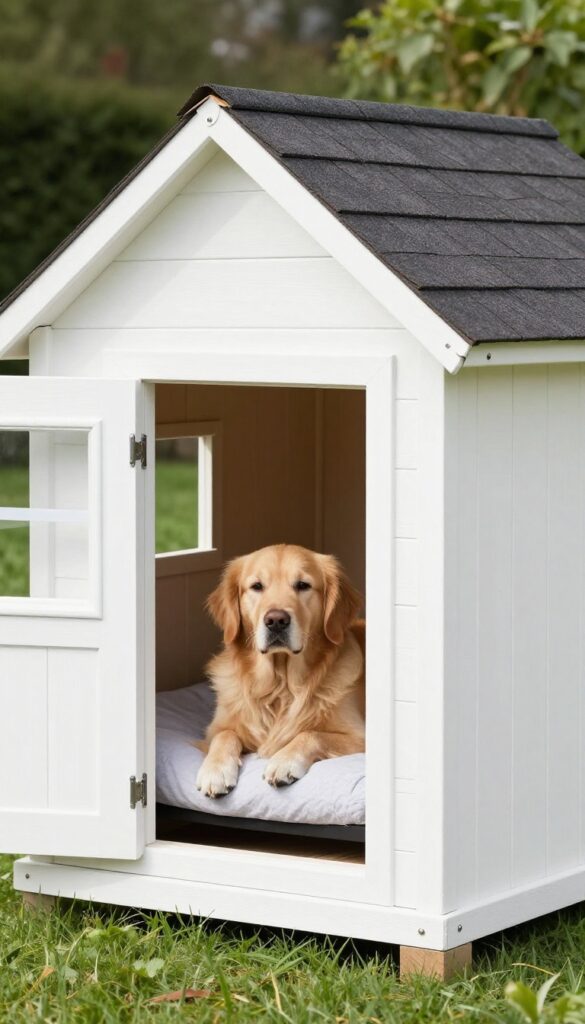
For a serious cooling solution, consider building or modifying a dog house to fit a small window air conditioner. This setup turns the dog house into a truly climate-controlled retreat, perfect for scorching summer days. By framing a cutout and securing the unit safely, you get powerful, consistent cooling that portable fans just can't match.
Why It Works
A window AC unit delivers real refrigeration, not just air movement. It can lower the interior temperature by 10–15 degrees even on the hottest afternoons. The insulated walls of the dog house help hold that cool air inside, so your dog enjoys a steady, comfortable environment without the unit running nonstop.
Best For
This idea works best for dedicated outdoor setups where you have access to an outdoor electrical outlet and don't need to move the dog house regularly. It's ideal for medium to large breeds that need extra cooling power, like Bulldogs, Pugs, or senior dogs who struggle with heat.
Practical Tip
Measure your AC unit before cutting any holes—leave a snug fit and seal gaps with weatherstripping or foam tape to prevent hot air from leaking in. Install a drip tray or small drain hole to handle condensation, and always use a GFCI-protected extension cord rated for outdoor use.
Budget-Friendly Option
If buying a new window AC feels pricey, check Facebook Marketplace or Craigslist for used units under $50. A small 5,000 BTU model is plenty for most dog houses. You can also repurpose an old window unit from your home if you've recently upgraded.
3. Evaporative Cooler for Dry Climates
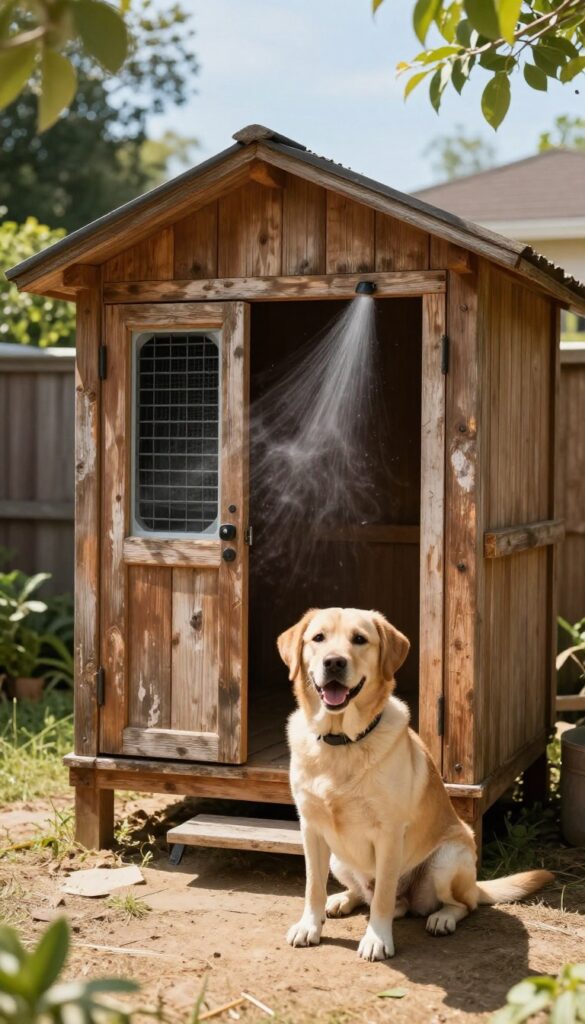
Swamp coolers aren't just for your garage—they work great in dog houses too, especially if you live somewhere dry. These units pull warm air through water-moistened pads and push out cool, humidified air. It's a low-energy way to drop the temperature without sealing the house up tight.
Dogs that prefer fresh air over recirculated cold love this setup because it keeps air moving naturally. Plus, you don't need a perfectly insulated space, which makes installation simpler. Many pet-specific evaporative coolers are compact and easy to attach to existing dog houses.
Why It Works
Evaporative cooling relies on water evaporation, which is most effective in low-humidity climates. The process can lower the air temperature by 15 to 30 degrees Fahrenheit, creating a noticeably cooler interior. Because the unit constantly draws in fresh air, it also prevents stale odors and keeps the space feeling open.
Best For
This option is ideal for dog owners in arid regions like the Southwest or Mountain West. It suits dogs that spend several hours outside during hot afternoons, especially breeds prone to overheating but comfortable with moderate humidity, such as Labrador Retrievers or Australian Shepherds.
Practical Tip
Place the evaporative cooler on the shady side of the dog house to maximize efficiency. Use a model with a timer or thermostat so it runs only when needed. Clean the pads regularly—about once every two weeks during heavy use—to prevent mineral buildup and maintain airflow.
4. Cooling Dog House with Reflective Roof and Fan
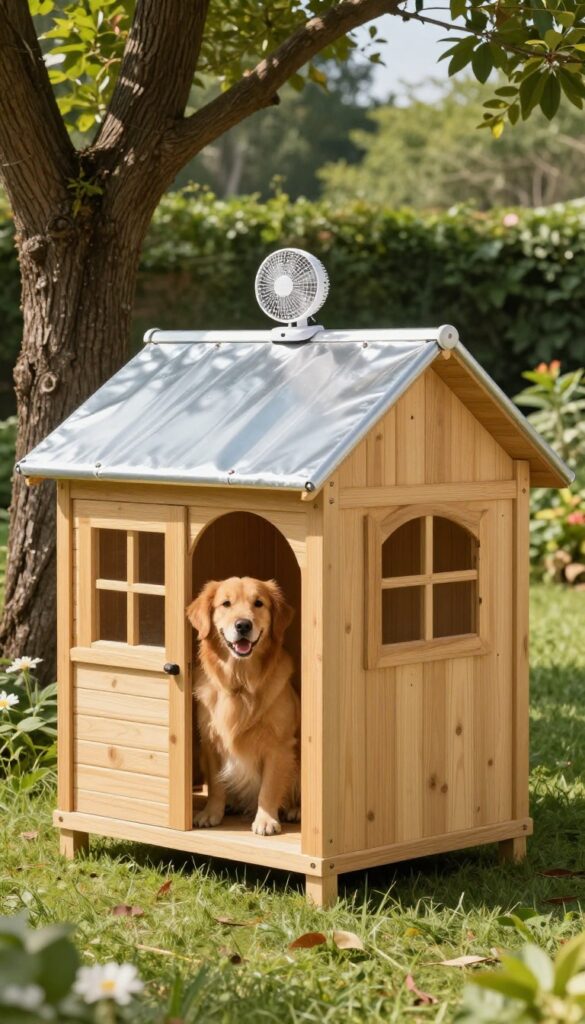
A reflective roof coating bounces sunlight away, while a battery-powered fan pushes hot air out. This combo keeps the interior noticeably cooler without needing electricity from your home.
It's one of the simplest cooling upgrades you can make. You don't need to be handy or spend much money—just a coat of reflective paint and a clip-on fan can drop the temperature inside by several degrees.
Dog owners love this idea because it's low-effort and works immediately. No construction, no wiring, just immediate relief for your pup on hot days.
Why It Works
Reflective paint reduces heat absorption by up to 40%, and the fan creates airflow that prevents hot air from stagnating. Together, they tackle both radiant heat and trapped warmth, making the interior feel like a shaded spot even in direct sun.
Best For
This setup is perfect for dogs that spend time in a stationary dog house during the day, especially breeds like Bulldogs, Pugs, or other flat-faced dogs that struggle in heat. It also suits owners who want a quick, no-drill solution for mild summer climates.
Practical Tip
Position the fan so it blows outward near the top of the dog house to exhaust rising hot air. For safety, use a fan with enclosed blades and secure it with zip ties so your dog can't knock it loose. Check batteries daily during heat waves.
Budget-Friendly Option
Skip the reflective paint and use a white tarp or reflective emergency blanket draped over the roof instead. Secure it with bungee cords. This costs under $10 and still reduces heat gain significantly.
5. DIY Cooler Box Dog House with Ice Packs
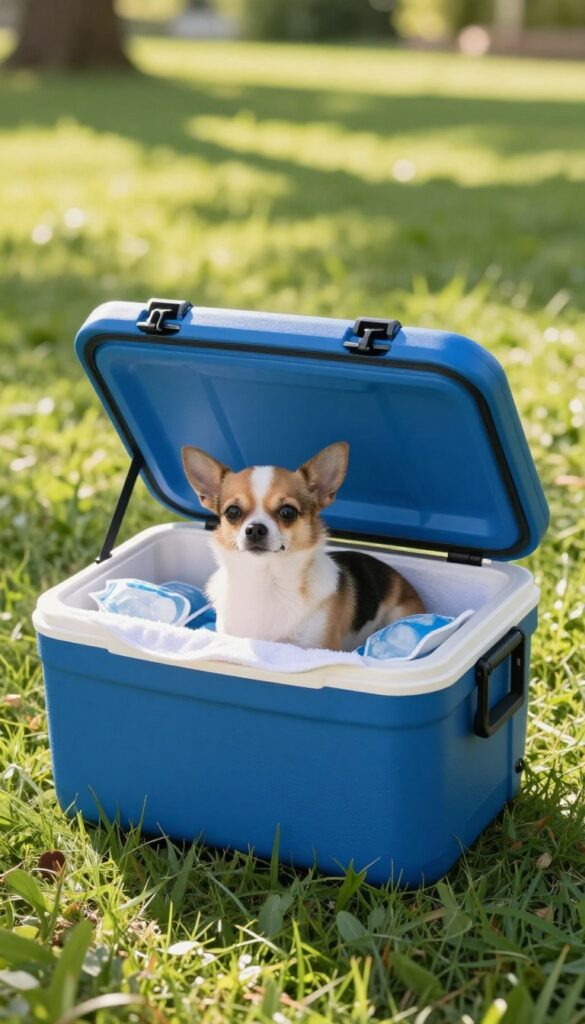
Ever thought about turning an old cooler into a chill hangout for your pup? This DIY idea repurposes a large insulated cooler or box into a portable dog house that stays cool with removable ice packs. It's simple, affordable, and works like a mini air conditioner without any electricity.
Why It Works
Coolers are built to hold cold temperatures, so they naturally keep the inside cool when you add frozen packs. The thick insulation traps the cool air, creating a comfortable microclimate for your dog even on hot days.
Best For
Small breeds like Chihuahuas, French Bulldogs, or puppies that need short-term relief during heat waves. Also great for camping trips or outdoor events where you want a temporary cool spot.
Practical Tip
Line the bottom with a washable pet bed or thick towel for comfort. Use reusable gel ice packs wrapped in cloth to avoid direct contact with your dog's skin. Swap them out every few hours for continuous cooling.
Budget-Friendly Option
Skip expensive pet-specific coolers and use an old camping cooler from your garage. If you don't have one, check thrift stores or yard sales—often under $10.
6. Underground Dog House with Natural Cooling
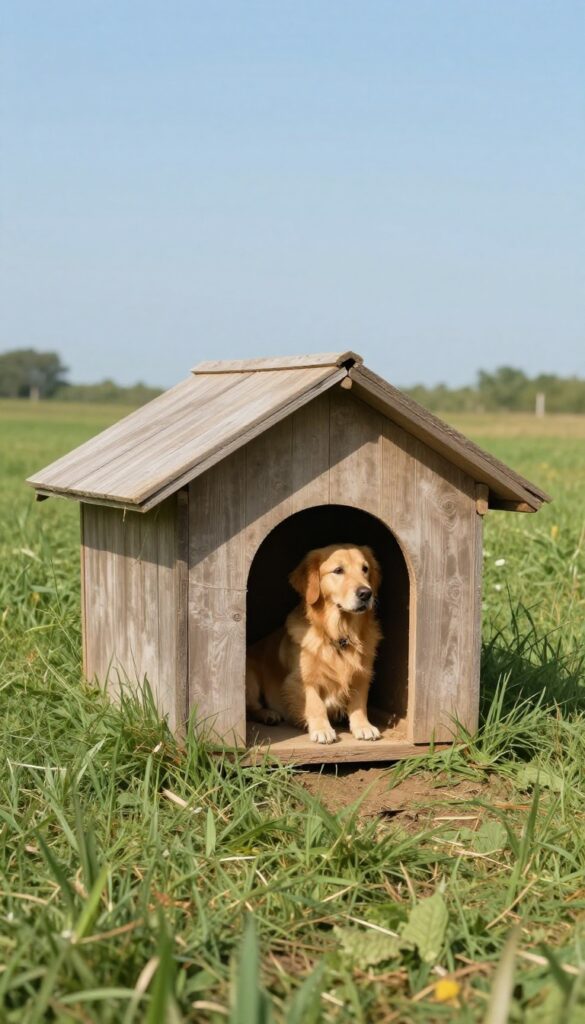
Going underground might sound extreme, but a partially buried dog house taps into the earth’s natural cooling power. The ground stays consistently cooler than the air in summer, so your pup gets a chill retreat without any electricity. It’s a bit of a project up front, but once it’s set up, you get passive cooling that works day and night.
Why It Works
Soil acts as a natural insulator—just a few feet down, temperatures stay around 50–60°F even on scorching days. By burying the lower half of the dog house, you create a cool microclimate inside. Add some ventilation to prevent stuffiness, and your dog stays comfortable without fans or AC units.
Best For
This setup is ideal for large yards with good drainage and for dogs that spend most of the day outside. It’s especially useful for thick-coated breeds like Huskies or Golden Retrievers that struggle with heat but love being outdoors. If you have a small yard or high water table, this might be tricky.
Practical Tip
Dig the hole about 2 feet deep and line it with gravel for drainage before placing the house. Use pressure-treated wood or concrete board to resist moisture and rot. Make sure the entrance is above ground and add a small ventilation pipe (like a PVC elbow) at the back to let hot air escape.
Budget-Friendly Option
Skip expensive digging equipment—rent an auger or use a shovel if you’re up for some elbow grease. Instead of buying new lumber, look for reclaimed wood pallets (avoid treated ones) to build the walls. You can also use leftover insulation from home projects to line the interior.
7. Solar-Powered AC Dog House
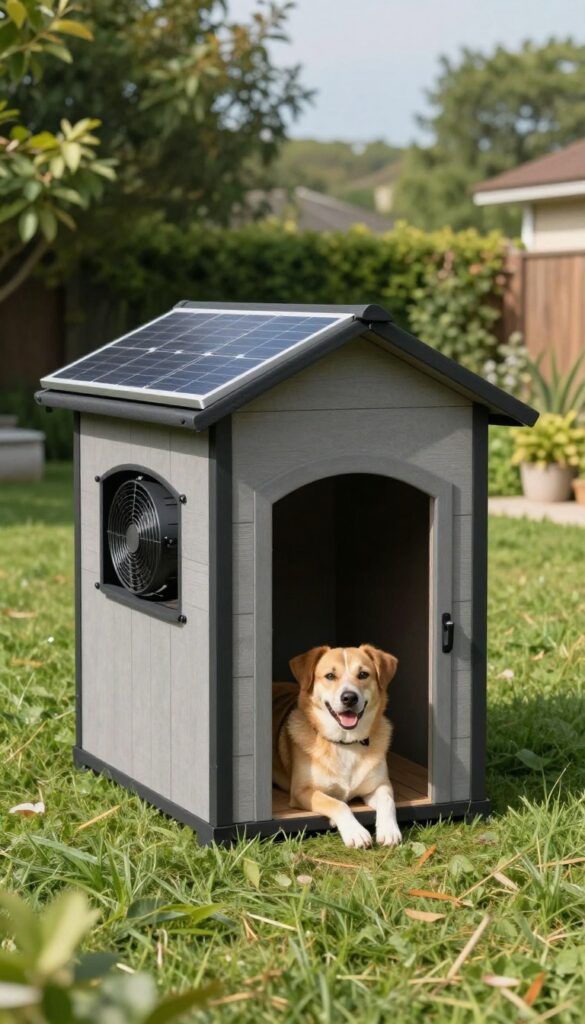
Harness the sun to keep your pup cool without spiking your electric bill. A solar-powered AC dog house uses a small solar panel to run a DC air conditioner or fan, making it perfect for yards without easy access to power. It’s a sustainable setup that works quietly in the background, so your dog stays comfortable while you save money.
Why It Works
Solar panels convert sunlight into electricity, which powers a compact DC air conditioner or high-efficiency fan. Pairing the panel with a battery bank means cooling continues even on cloudy days or at night. This setup eliminates wiring costs and reduces ongoing energy expenses, all while providing reliable temperature control for your dog.
Best For
Best for off-grid yards, remote kennels, or anyone looking to lower their carbon pawprint. Ideal for owners who want a self-contained cooling solution without running extension cords or hiring an electrician.
Practical Tip
Mount the solar panel at a south-facing angle (in the Northern Hemisphere) for maximum sun exposure. Use a charge controller to prevent battery overcharging, and place the battery bank in a weatherproof box near the dog house. Clean the panel occasionally to keep it efficient.
Budget-Friendly Option
Skip the full AC and use a solar-powered ventilation fan instead. It costs less and still moves hot air out, keeping the interior cooler without the higher price tag of an air conditioner.
8. Insulated Dog House with Frozen Water Bottles
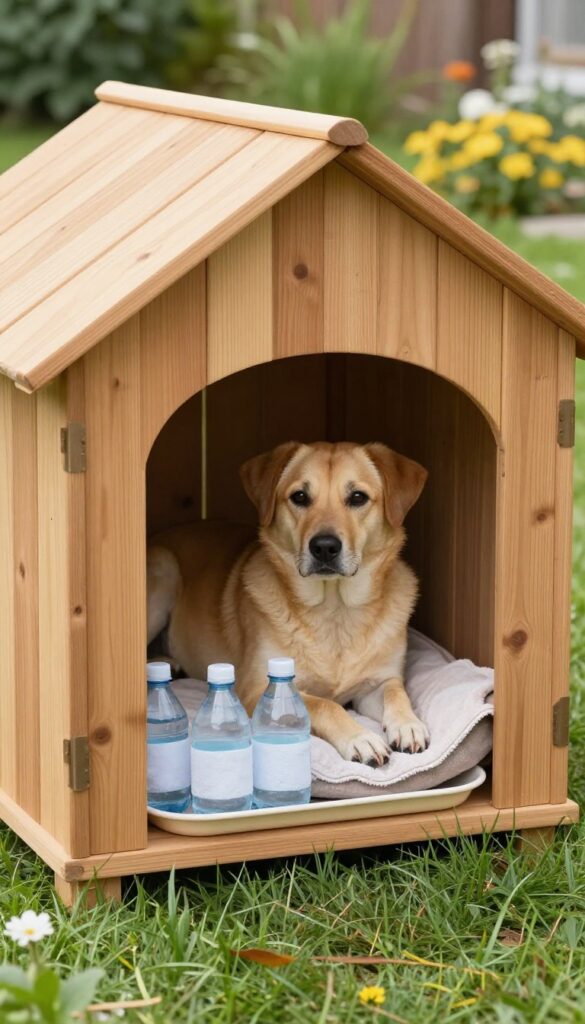
Frozen water bottles are one of the simplest ways to add spot cooling without electricity. You just freeze a few bottles, place them in a holder inside an insulated dog house, and let your dog lie next to them for relief. Swap the bottles every few hours—it's low-effort and effective.
Why It Works
The frozen bottles act like personal ice packs, absorbing heat from your dog's body as they rest nearby. The insulation keeps the cool air inside longer, so the bottles stay effective for hours. It's a passive cooling method that requires no power or installation.
Best For
This idea works great for dogs that are comfortable in their dog house but need extra cooling during peak heat. It's especially useful for small to medium breeds that don't overheat too quickly, or as a backup on days when fans or AC units aren't enough.
Practical Tip
Wrap each frozen bottle in a thin towel or sock to prevent direct contact with your dog's skin—this avoids frostbite risk and makes it more comfortable. Place the bottles in a shallow tray or container so they don't roll around, and swap them out every 4–6 hours for consistent cooling.
9. Shade Structure with Misting System Over Dog House
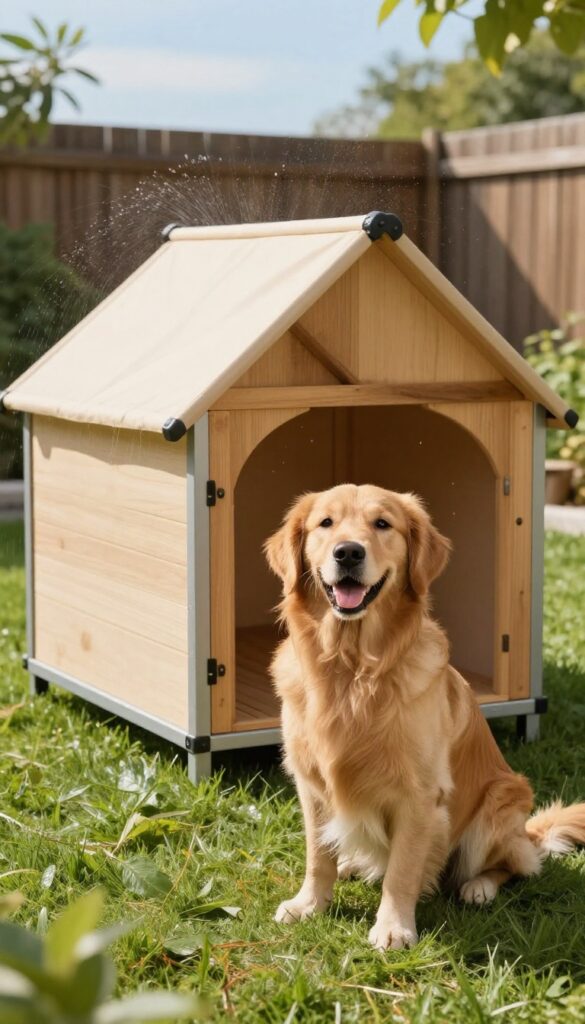
Adding a shade canopy with a misting system takes cooling to the next level. The canopy blocks direct sunlight, while fine water mist lowers the air temperature around the dog house by up to 20°F. It's a simple setup that turns a hot spot into a refreshing retreat.
Dog owners love this combo because it works passively without electricity. You just need a frame, shade cloth, and a garden hose misting kit. The evaporation does the cooling naturally, making it ideal for dry climates.
Why It Works
Misting relies on evaporation: as tiny water droplets evaporate, they pull heat from the surrounding air. Combined with shade, your dog house stays cooler without complex wiring or moving parts. It's effective, low-maintenance, and safe for pups.
Best For
This setup shines in dry heat areas like the Southwest or mountain regions where humidity is low. It's great for dogs that spend most of the day outside—especially breeds like Huskies, Labs, and Shepherds who enjoy lounging in the yard.
Practical Tip
Position the misting line along the canopy edge so it mists over the roof and entrance, not directly into the house interior. Use a timer or manual valve to run it during peak heat hours only. Clean nozzles monthly to prevent clogging from hard water minerals.
Budget-Friendly Option
If you're on a tight budget, skip the store-bought misting kit and use an old garden sprayer set to a fine mist. Just mount it above the dog house and spray manually when needed. Not as hands-free but still effective.
10. Pre-Built Air Conditioned Dog House Kit
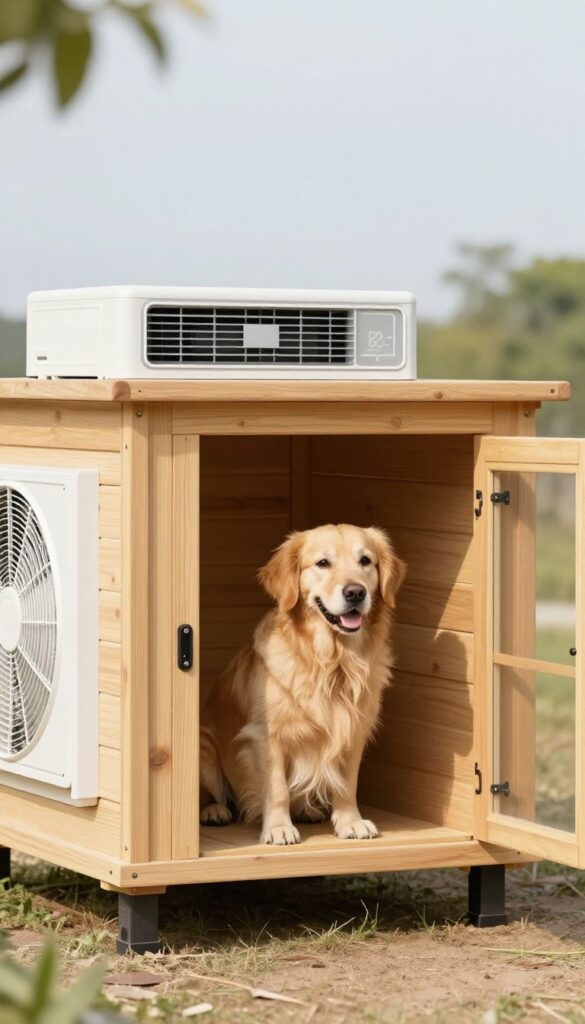
Sometimes the easiest solution is the best one. Pre-built air conditioned dog house kits come ready to assemble with a built-in cooling unit, insulation, and ventilation already figured out. You get a complete package that just needs to be set up and plugged in.
These kits take the guesswork out of keeping your dog cool. Many include thermostat controls so the temperature stays consistent, and the insulation helps maintain that cool air even on scorching days. It's a turnkey solution for dog owners who want reliability without a DIY project.
Dog parents love these kits because they save time and reduce worry. Instead of sourcing materials and hoping your design works, you get a tested product that's built for safety and comfort right out of the box.
Why It Works
The AC unit is integrated into the structure, so there's no need for separate installation or ductwork. Insulated walls and proper ventilation keep the cool air inside while blocking heat from outside. Thermostats automatically regulate temperature, preventing overcooling or energy waste.
Best For
Dog owners who prefer a hassle-free setup and want guaranteed performance. It's ideal for medium to large breeds that need consistent cooling during hot summers. Also great for people with limited DIY skills or time to build something from scratch.
Practical Tip
Place the dog house in a shaded area to reduce the workload on the AC unit. Make sure the electrical cord is protected with a weatherproof cover or conduit if running across grass. Clean the air filter monthly during heavy use to maintain efficiency.
FAQ
Is it safe to leave an air conditioner running in a dog house all day?
Yes, if you use a pet-safe unit with proper ventilation and secure wiring. Choose models with automatic shutoff and avoid extension cords. Always check the temperature regularly.
Can I use a regular window AC in a dog house?
Yes, but you must secure it properly and seal gaps to prevent leaks. Build a frame that holds the unit firmly and use weatherstripping. Ensure the drain hole is accessible.
How do I keep the dog house cool without electricity?
Use reflective roofing, shade, and frozen water bottles. Burying the house partially or adding a fan powered by solar can also help. Focus on insulation and airflow.
Will my dog actually use an air conditioned dog house?
Most dogs will seek out a cool spot when hot. Introduce the house gradually with treats and familiar bedding. Make sure the temperature is comfortable, not freezing.
Conclusion
Keeping your dog cool in summer doesn't have to be complicated or expensive. Whether you choose a portable AC unit, a DIY cooler box, or a simple fan setup, the key is to prioritize your dog's safety and comfort. Test the temperature inside before letting your pup settle in, and always provide fresh water nearby.
With one of these air conditioned dog house ideas, your furry friend can enjoy the outdoors without overheating. A cool dog is a happy dog—and you'll have peace of mind knowing they're protected from the heat.

I’m Pallab Kishore, the owner of Little Pets Realm — an animal lover and pet care enthusiast sharing easy tips, healthy recipes, and honest advice to help every small pet live a happy, healthy, tail-wagging life.