Nothing beats the feeling of sunlight streaming through spotless windows. But achieving that crystal-clear finish often feels like a battle against streaks, smudges, and stubborn grime. The good news?
You don't need expensive products or professional help to get brilliant results. These 15 window cleaning tricks are designed to save you time and frustration. Each one targets a specific problem, from hard water stains to lint-free drying.
You'll see the difference immediately—brighter rooms, clearer views, and a sense of accomplishment. Let's dive into the methods that actually work. No fluff, just practical steps that turn cloudy windows into sparkling showcases.
1. Use Vinegar and Dish Soap for a Streak-Free Base
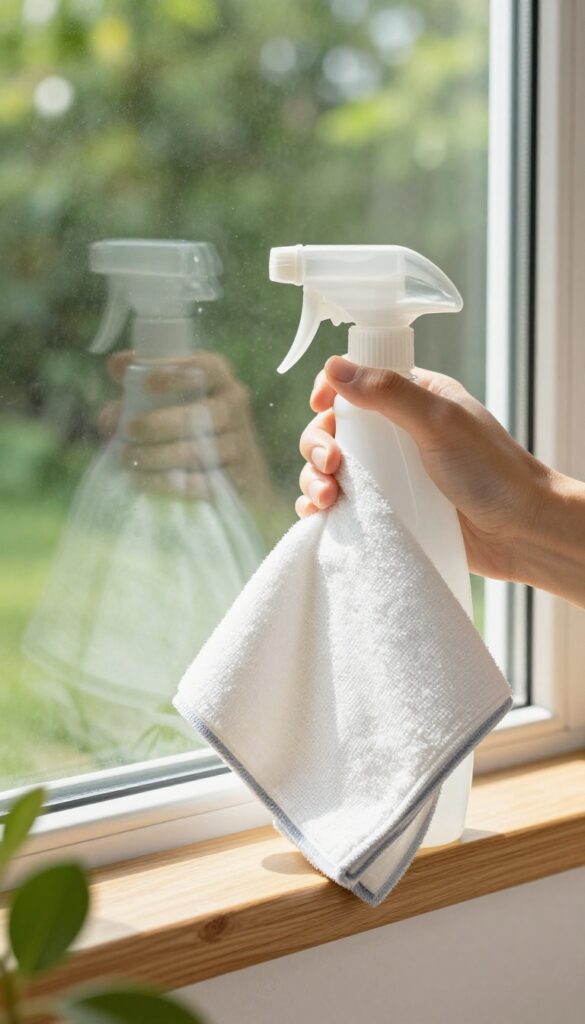
The secret to streak-free windows is simpler than you think. A homemade mix of vinegar, water, and dish soap cuts through grease and grime without leaving behind any residue. It's cheap, non-toxic, and works better than many store-bought sprays.
Start with a clean spray bottle. Combine equal parts white vinegar and warm water, then add just one drop of liquid dish soap. Shake gently to mix.
The vinegar dissolves mineral deposits and grease, while the soap helps the solution cling to the glass. Avoid using too much soap—excess suds can leave streaks. Spray the solution onto the window, then wipe with a microfiber cloth or squeegee for a flawless finish.
Why This Combo Works So Well
Vinegar is acidic, which breaks down alkaline residues like hard water spots and soap scum. Dish soap reduces surface tension, allowing the solution to spread evenly. Together, they create a cleaning action that lifts dirt without harsh chemicals.
Mistakes To Avoid
Don't use too much soap—one drop is plenty. More soap means more residue, which leads to streaks. Also, avoid using hot water; warm is fine.
Hot water can cause the vinegar to evaporate too quickly, leaving streaks behind.
Best Tools For Application
A microfiber cloth is ideal for wiping because it traps dirt and doesn't leave lint. For large windows, a squeegee gives the most professional results. Use a separate cloth to dry the edges after squeegeeing.
2. Apply a Microfiber Cloth in a Zigzag Pattern
You've probably been wiping windows in circles or up-and-down your whole life. That's exactly what leaves those annoying streaks behind. A simple change in motion makes all the difference.
The zigzag pattern—moving the cloth in an S-shape across the glass—prevents streaks by ensuring you don't redeposit dirt. Microfiber cloths are ideal because they trap grime and absorb moisture without leaving lint. Start at the top corner and work your way down, overlapping each pass slightly.
Flip the cloth frequently to keep a clean surface against the glass. Finish with a dry section of the cloth to buff away any remaining moisture.
Why Zigzag Beats Circles
Circular motions tend to spread dirt around and create a cloudy film. The zigzag pattern pushes debris off the edge of the glass, so you're not just moving it from one spot to another. It also helps you cover the entire pane evenly without missing patches.
Choosing The Right Microfiber
Not all microfiber cloths are created equal. Look for a blend of 80% polyester and 20% polyamide with a high GSM (grams per square meter) for maximum absorbency. Avoid cloths with rough edges that can scratch the glass.
Wash them separately without fabric softener to maintain their effectiveness.
Step-by-step Zigzag Technique
Start at the top left corner. Wipe horizontally to the right, then angle down and left in a smooth S-curve. Continue this pattern across the entire window.
After each full pass, flip the cloth to a dry section. For large windows, use a squeegee first to remove bulk water, then follow with the microfiber zigzag for a streak-free finish.
3. Squeegee with a Sharp Blade for Professional Results
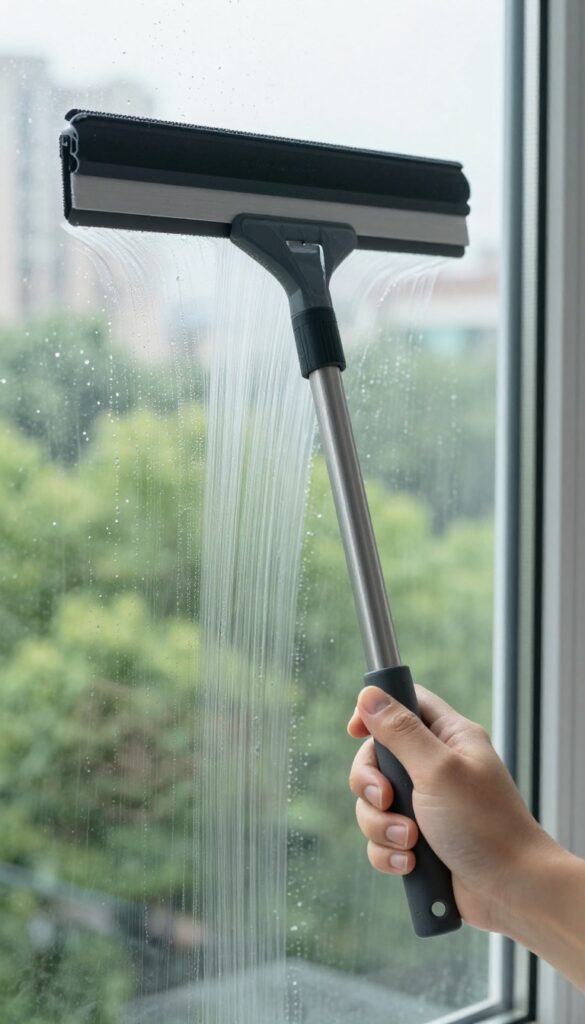
A squeegee is the ultimate tool for a streak-free shine, but only if you use it correctly. The key lies in the blade condition and your technique. A dull or nicked blade will leave streaks and require extra passes, defeating the purpose.
Start by washing your window with a mild soap solution and a soft sponge or microfiber cloth. Then, wet the squeegee blade by dipping it in clean water. Position the squeegee at the top corner of the window, and pull it down in one smooth, continuous stroke.
After each pass, wipe the blade dry with a clean, lint-free cloth. This prevents water from dripping onto the already-cleaned area. Overlap each stroke slightly to avoid missing spots.
For large windows, work from top to bottom, and use a horizontal stroke at the bottom to catch any drips.
Why Blade Sharpness Matters
A sharp blade glides smoothly, pushing water off without leaving streaks. Replace your squeegee blade regularly or sharpen it with fine-grit sandpaper if it's a metal blade. A damaged blade will skip and smear, forcing you to re-clean sections.
Perfect Your Pulling Technique
Hold the squeegee at a slight angle (about 30 degrees) to the glass. Pull steadily and without stopping. If you pause, a line will form.
Practice on a small window first to get the feel. Consistency is more important than speed.
Tackle Edges And Corners
After squeegeeing, use a microfiber cloth to dry the edges and corners where water collects. This prevents drips and mineral deposits. A small detailing squeegee can also help for tight spots.
4. Remove Hard Water Stains with Lemon Juice
Hard water stains are those stubborn white spots that refuse to budge with regular glass cleaner. They form when mineral-rich water evaporates and leaves calcium deposits behind. Lemon juice cuts through that buildup naturally, saving you from harsh chemicals and elbow grease.
Grab a fresh lemon and cut it in half. Rub the cut side directly onto the stained glass, squeezing gently to release juice. Let it sit for five minutes—the citric acid goes to work dissolving the minerals.
Rinse thoroughly with water and dry with a microfiber cloth. For extra-stubborn spots, dip the lemon half in salt or baking soda before rubbing. This method works wonders on shower doors, windows near sprinklers, and glass tabletops.
Why Lemon Juice Works
Citric acid is a mild chelating agent. It binds to calcium and magnesium ions in hard water deposits, making them soluble so they rinse away easily. Unlike abrasive cleaners, it won't scratch glass or damage window frames.
Best Application Tips
Work in small sections to keep the juice from drying before you rinse. Use a spray bottle with water to wet the area first if the stains are thick. For vertical windows, apply lemon juice with a sponge or cloth to control drips.
When To Avoid This Method
Don't use lemon juice on windows with cracked glass, damaged seals, or painted frames—the acid can worsen the damage. Also avoid it on tinted windows, as it may affect the film. Test on a hidden spot first.
5. Tackle Stubborn Paint Splatters with a Razor Blade
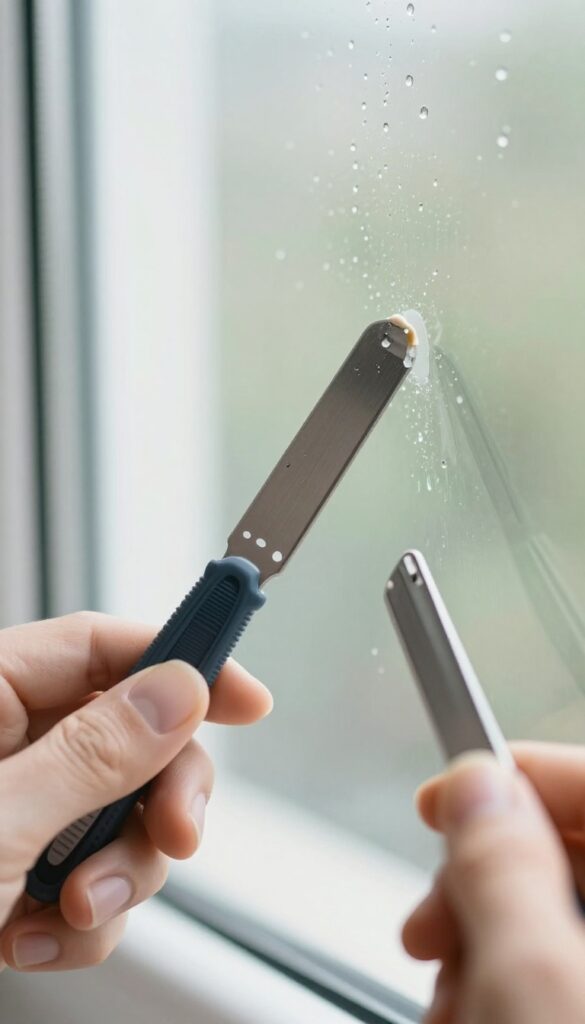
Paint splatters on windows can feel permanent, but they're actually one of the easiest messes to fix. Whether you're cleaning up after a DIY project or dealing with old drips from a previous owner, a simple razor blade does the job without damaging the glass. The key is technique and keeping the surface lubricated to avoid scratches.
Start by wetting the window with a mix of water and a few drops of dish soap. Hold a new, sharp razor blade at a 45-degree angle to the glass. Gently push the blade under the paint spot, using short, controlled strokes.
Keep the blade flat against the glass—never dig in with the corner. Rinse the area frequently to remove loosened paint and debris. Wipe the blade clean after each pass.
This method works on dried latex, acrylic, and even some oil-based paints. For extra stubborn spots, let the soapy water sit for a minute to soften the paint. Always use a fresh blade; a dull one can skip and scratch.
Why Wet Glass Matters
Water acts as a lubricant, reducing friction between the blade and glass. This prevents micro-scratches that can fog the window over time. It also helps float away paint particles so they don't get dragged across the surface.
Never dry-scrape—that's how permanent damage happens.
Choosing The Right Blade
Use a single-edge razor blade designed for scraping glass, not a utility knife. These are thinner and sharper, with a consistent edge. Replace the blade after each window or sooner if it feels rough.
A clean, sharp blade is your best friend here.
After Scraping: Clean And Protect
Once the paint is gone, wash the window with your usual glass cleaner to remove any residue. Inspect the glass for missed spots or scratches. If you see a scratch, you can try a glass polish, but prevention is better.
Store your blades safely away from kids and pets.
6. Clean Window Screens with a Lint Roller
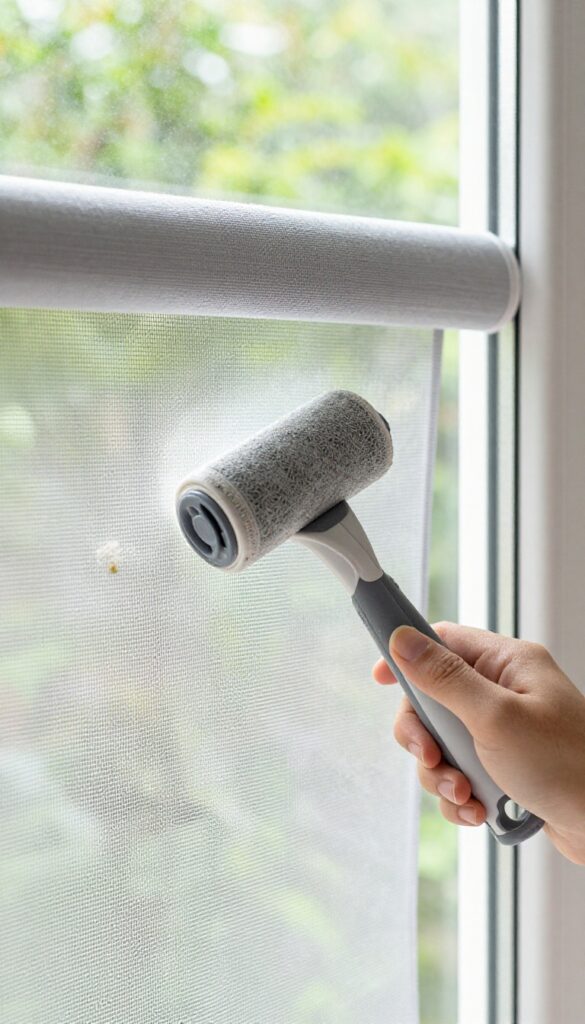
Window screens trap dust, pollen, and grime that can make your windows look dull even after cleaning the glass. A lint roller is a quick fix for surface debris, but screens need deeper cleaning too. Here's how to tackle both without damaging the mesh.
Quick Dust Pickup
Roll a lint roller over both sides of the screen to grab loose dust, pet hair, and pollen. This works great for regular maintenance between deep cleans. Replace the adhesive sheet when it loses stickiness.
Deep Clean With A Hose
For embedded dirt, remove the screen and lay it flat on a driveway or patio. Spray with a garden hose from the inside out to push debris through. Use a soft brush and mild soap for stubborn spots, then rinse thoroughly.
Drying And Reinstalling
Shake off excess water and let the screen dry completely before putting it back. Installing a wet screen can trap moisture against the frame, leading to mold or rust. Patience here pays off.
7. Dry with Black and White Newspaper
After washing your windows, the drying step can make or break the final result. Most cloths leave lint or tiny fibers that create streaks. But there's a classic trick that professionals swear by: using black and white newspaper.
The ink on newspaper pages acts as a mild abrasive, polishing the glass as you dry. Plus, newspaper is highly absorbent and lint-free. Just be sure to avoid the colored sections, as those inks can transfer stains.
Why Newspaper Works So Well
The secret is in the printing ink. It contains a fine carbon-based powder that gives the paper a slightly rough texture. When you buff the glass, this texture gently polishes away any remaining residue or water spots.
At the same time, newspaper fibers are short and rigid, so they don't leave behind lint or fuzz like cotton cloths.
How To Use It Correctly
Start with clean, damp windows after washing. Crumple a sheet of black-and-white newspaper into a loose ball. Wipe the glass in a consistent direction—horizontal on one side, vertical on the other—so you can spot any missed streaks.
Work quickly before the glass dries completely. Replace the sheet once it becomes too wet or dirty.
Avoid Colored Pages At All Costs
Color newspaper sections use different inks that are not water-soluble and can smear or stain the glass. They also lack the mild abrasive quality of black ink. Stick strictly to the black-and-white pages for best results.
If you're unsure, test a small corner of the glass first.
8. Use a Coffee Filter for Lint-Free Shine
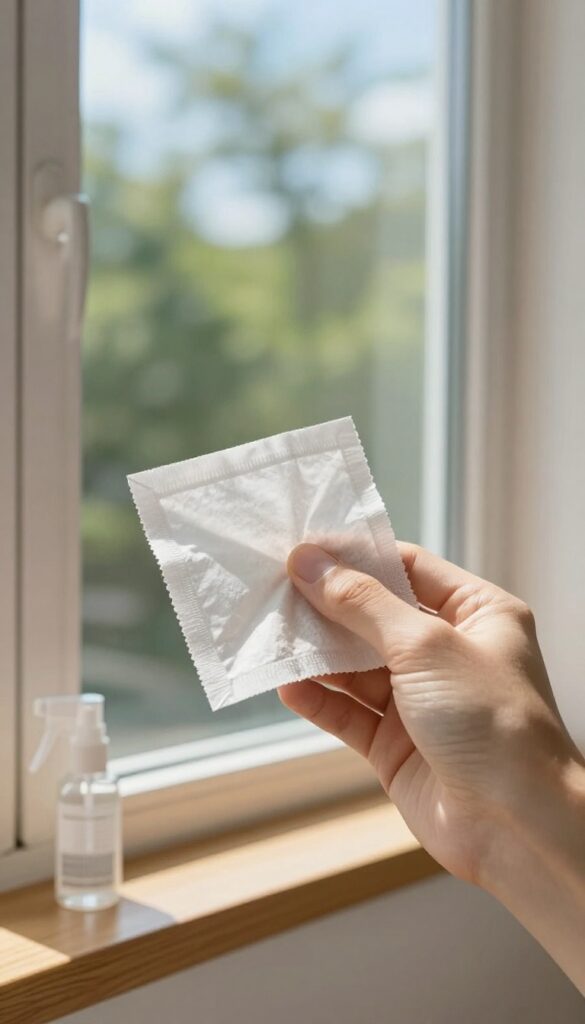
You've washed and rinsed your windows, but the final drying step can ruin everything if you use the wrong cloth. Paper towels leave lint, and old rags might carry dust or grease. A coffee filter solves this problem perfectly.
It's lint-free, super absorbent, and cheap enough to toss after one use.
Coffee filters are designed to trap fine particles without shedding fibers. That makes them ideal for the final buffing pass on glass. They also have just the right texture to grab leftover moisture without scratching.
Keep a stack near your cleaning supplies for quick touch-ups.
Why Coffee Filters Work
Coffee filters are made from bonded fibers that won't leave lint behind. They absorb water quickly and evenly, so you don't get those annoying tiny streaks. Plus, they're disposable—no worrying about washing or storing dirty rags.
How To Use Them
After washing and squeegeeing your window, take a dry coffee filter and fold it into a small square. Wipe the edges and corners where water tends to pool. Then use a fresh filter to buff the entire pane in a circular motion.
You'll see the glass turn crystal clear.
Pro Tips For Best Results
Use one filter per window to avoid transferring dirt. If you're cleaning multiple windows, keep a handful ready. For stubborn smudges, dampen the filter slightly with distilled water before buffing.
This lifts residues without adding lint.
9. Prevent Fogging with a Potato
Foggy windows are annoying, especially in the kitchen or bathroom after a hot shower. You might think you need a special spray, but a raw potato works surprisingly well. The starch in the potato creates a thin, invisible layer that stops condensation from forming.
It's a cheap, chemical-free trick that actually delivers.
Why This Works
Potatoes are packed with natural starch. When you rub a cut potato on glass, the starch leaves a microscopic film. This film breaks the surface tension of water droplets, so moisture slides right off instead of beading up and fogging the view.
It's the same principle behind commercial anti-fog products, but without the cost or chemicals.
How To Apply It
Cut a raw potato in half. Rub the cut side firmly over the clean, dry glass. Cover the entire surface evenly.
Let it dry for a minute or two—you'll see a faint haze. Then buff it off with a clean, dry microfiber cloth until the glass is clear. That's it.
The anti-fog barrier is set.
When To Reapply
The potato treatment lasts for a few days to a week, depending on humidity and how often the glass gets touched. You'll know it's time to reapply when fog starts forming again. It's perfect for bathroom mirrors, kitchen windows, and even car windshields in damp weather.
10. Reach High Windows with a Mop and Pillowcase
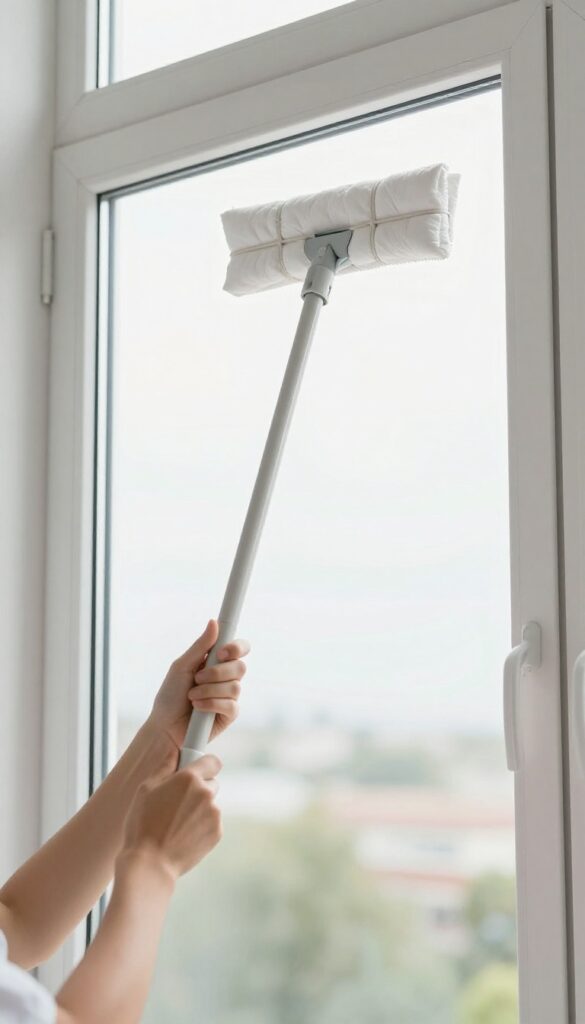
High windows can be a real pain to clean—ladders feel wobbly and stretching with a spray bottle often leads to drips running down your arm. A simple DIY tool made from a mop and a pillowcase solves this problem without any special equipment. You'll clean those hard-to-reach panes safely from the ground, and the results will surprise you.
This hack works because a pillowcase or microfiber cloth traps dirt and moisture better than a standard mop head. The rubber band keeps everything secure, so you won't have fabric slipping mid-swipe. Plus, the long handle gives you leverage to apply even pressure across the glass, reducing streaks.
What You'll Need
Grab a clean, dry mop with a removable head (a flat microfiber mop works best). You'll also need a soft, lint-free pillowcase or a large microfiber cloth, and a couple of thick rubber bands. That's it—no buckets of soapy water required if you're just doing a quick clean.
Step-by-step Setup
Remove the mop head and lay the pillowcase flat on the floor. Place the mop head in the center, then fold the pillowcase over it like a burrito. Secure the fabric tightly with rubber bands at the base of the mop head.
Make sure there's no loose fabric that could flop around while you're cleaning.
Cleaning Technique
Lightly mist your window with a vinegar-water solution or a streak-free glass cleaner. Starting at the top, use a gentle S‑pattern motion to wipe the glass. The pillowcase will absorb dirt and moisture without leaving lint.
For stubborn spots, apply a little more pressure—the mop handle gives you control.
Drying And Finishing
After washing, swap the damp pillowcase for a dry one to buff the glass. Use the same S‑pattern to remove any remaining moisture. You'll get a streak-free shine without having to climb a ladder.
When you're done, just toss the pillowcase in the wash—it's reusable.
11. Remove Sticky Residue with Rubbing Alcohol
Sticker residue, tape marks, and adhesive goo can make your windows look messy even after a thorough cleaning. You might be tempted to scrape them off with a razor, but that risks scratching the glass. Rubbing alcohol offers a simple, chemical-free solution that dissolves sticky messes in seconds.
Dab a cloth with isopropyl alcohol and rub the residue gently. The alcohol breaks down the adhesive bonds, allowing you to wipe it away without damaging the glass. This trick works on stickers, price tags, and even old tape that has baked on in the sun.
Why Rubbing Alcohol Works
Isopropyl alcohol is a solvent that dissolves many types of adhesives. Unlike harsh chemicals, it evaporates quickly and leaves no residue. It's also safe for most window surfaces, including tinted glass and frames, as long as you test it first on an inconspicuous area.
How To Apply It Safely
Pour a small amount of rubbing alcohol onto a soft cloth or cotton ball. Rub the sticky area in a circular motion. For stubborn residue, let the alcohol sit for 30 seconds before wiping.
Avoid using abrasive scrubbers that could scratch the glass.
What To Do With Stubborn Stickers
If the residue is thick or old, saturate a paper towel with alcohol and press it against the sticker for a minute. The alcohol will soak through and loosen the adhesive. Then peel or scrape gently with a plastic scraper.
Finish by wiping the area clean with a dry cloth.
12. Clean Window Tracks with a Toothbrush
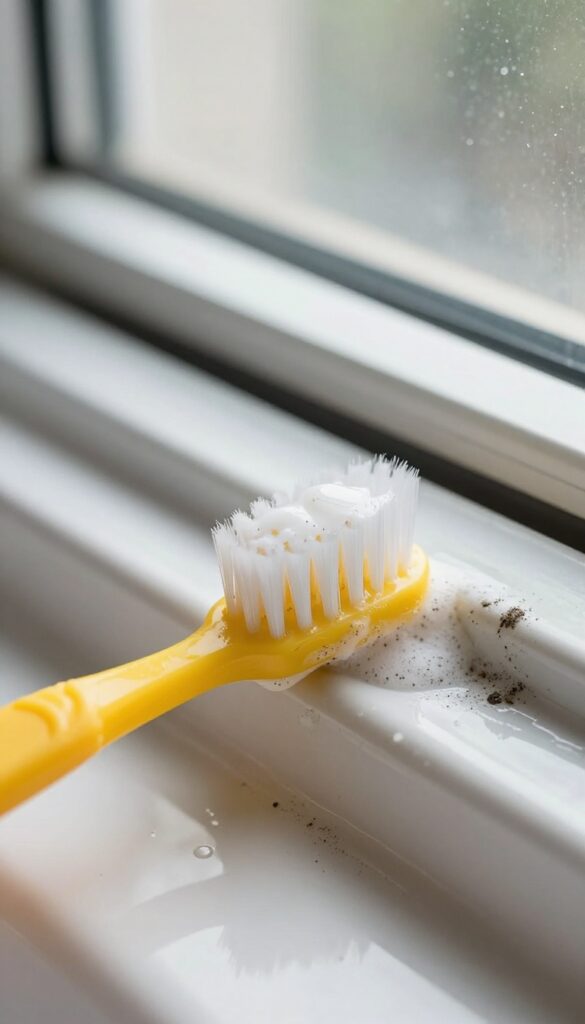
Window tracks are magnets for dust, dirt, and grime. Even if your glass is spotless, those dirty grooves ruin the clean look. A simple toothbrush can scrub them out in minutes.
Grab an old toothbrush and dip it in warm, soapy water. Scrub along the track grooves to loosen built-up debris. Use a damp cloth to wipe away the soapy residue, then vacuum up any remaining dirt with a crevice tool.
Your windows will slide smoothly and look much cleaner.
Why Tracks Get So Grimy
Window tracks collect dust, pollen, and even mold over time. Because they're narrow and hard to reach, regular cleaning often skips them. That buildup can cause windows to stick or look unsightly.
Best Tools For The Job
A stiff-bristled toothbrush works best for scrubbing. For extra stubborn grime, try a small brush with angled bristles. You can also use a cotton swab for tight corners.
Step-by-step Cleaning
Start by vacuuming loose dirt. Then dip your toothbrush in soapy water and scrub the tracks. Wipe with a damp cloth, then dry with a microfiber towel.
Finish by vacuuming again to remove any leftover particles.
13. Use a Squeegee for Quick Car Window Cleaning
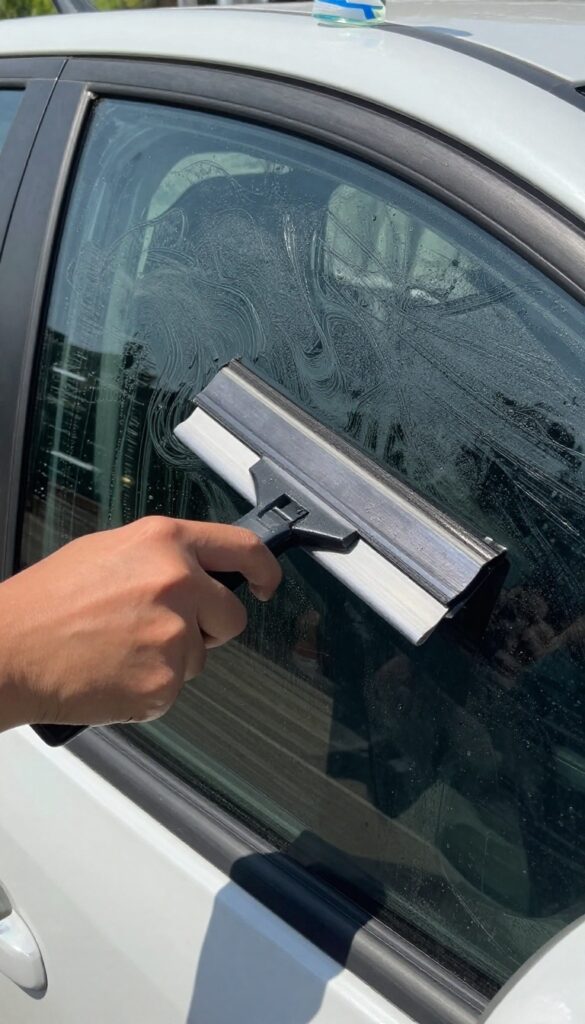
Car windows collect grime from the road, bugs, and exhaust fumes, making them harder to clean than house windows. A squeegee is the secret to a fast, streak-free finish without spending money on automated car washes. This method works great for both exterior and interior glass, though you'll need to adjust your approach for the inside.
Exterior: Vinegar Solution And Squeegee
Mix equal parts white vinegar and water in a spray bottle. Mist the window generously, then use a squeegee in a single, continuous motion from top to bottom. Wipe the blade with a clean cloth after each pass to prevent streaks.
This cuts through road film and leaves the glass sparkling.
Interior: Microfiber Cloth Only
Never use a squeegee inside your car—it can leave streaks and push dirt into the dashboard crevices. Instead, spray the same vinegar solution onto a microfiber cloth (not directly on the glass) and wipe in a circular motion, then buff dry with a second clean microfiber cloth. This avoids overspray on your upholstery and electronics.
Pro Tip For Stubborn Spots
For tree sap or bird droppings, let the vinegar solution sit for a minute before wiping. If that doesn't work, use a dab of rubbing alcohol on a cloth, then follow up with the vinegar spray and squeegee for the exterior.
14. Add Cornstarch to Your Cleaning Solution
Cornstarch isn't just for thickening sauces—it's a secret ingredient for streak-free windows. Mixed into your cleaning solution, it acts as a gentle abrasive that polishes glass to a brilliant shine without scratching. This trick works especially well on windows with light mineral deposits or stubborn water spots.
To use this method, combine 1 tablespoon of cornstarch with 1 cup of white vinegar and 1 cup of warm water in a spray bottle. Shake well until the cornstarch dissolves completely. Spray the solution onto the window, then wipe with a microfiber cloth or squeegee.
The cornstarch helps lift grime and leaves a protective layer that repels dirt.
Why Cornstarch Works
Cornstarch particles are fine enough to polish glass without scratching, yet abrasive enough to break down dried-on residue. It also helps suspend dirt particles so they don't redeposit on the glass as you wipe.
Best Uses For Cornstarch Solution
This mixture is ideal for windows with light hard water stains, haze, or smudges from cooking grease. It's also safe for tinted windows and car glass, but avoid using it on frosted or etched glass.
Pro Tips For Best Results
Always shake the bottle before each use, as cornstarch settles quickly. Use a clean, lint-free cloth to avoid streaks. For extra shine, buff the glass with a dry microfiber cloth after cleaning.
15. Schedule Cleaning on a Cloudy Day
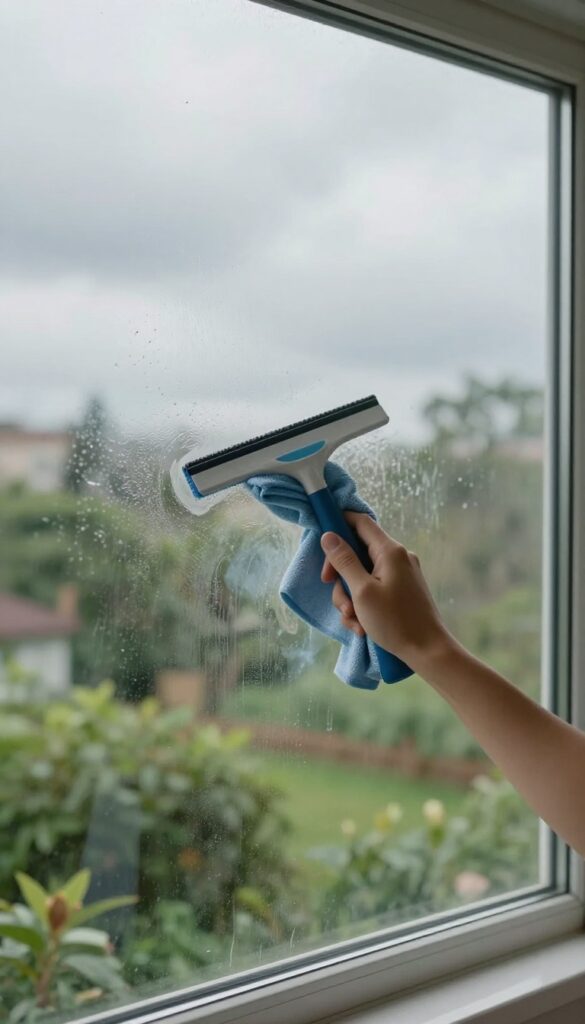
Timing matters more than you might think when it comes to window cleaning. Bright sunlight might seem like a good idea, but it actually works against you by drying the cleaning solution too fast. That rapid evaporation leaves behind streaks and residue that ruin all your hard work.
The best time to clean windows is on an overcast day or when the windows are in shade. Cloudy skies give you a longer working window, allowing you to wipe off the solution before it dries. If you must clean on a sunny day, work on the north-facing side of your house or wait until late afternoon when the sun is lower.
Why Sunlight Causes Streaks
When you spray cleaning solution on a warm window, the water evaporates quickly, leaving behind the cleaning agents and any dirt that was lifted. These dried residues appear as cloudy streaks. By cleaning in cooler, shaded conditions, you give the solution time to do its job and allow for a proper wipe.
How To Check The Forecast
Before you start, glance at the weather forecast. Look for days with high cloud cover and low wind. Avoid cleaning right before rain, as raindrops can spot windows.
A calm, overcast morning is ideal—cool temperatures and high humidity slow evaporation.
Work In Sections For Best Results
Even on cloudy days, work in manageable sections, especially for large windows. Wash and dry one pane at a time before moving to the next. This prevents any part of the window from drying before you can buff it.
Use a squeegee or microfiber cloth for a streak-free finish.
FAQ
What is the best homemade window cleaner?
A mixture of equal parts white vinegar and warm water with a drop of dish soap works great for most windows. It cuts grease and leaves a streak-free shine.
How do I prevent streaks when cleaning windows?
Use a squeegee or microfiber cloth in a zigzag pattern. Avoid cleaning in direct sunlight, as quick drying causes streaks.
Can I use newspaper to clean windows?
Yes, black and white newspaper is excellent for buffing windows dry. The ink acts as a mild abrasive that polishes glass without lint.
How do I remove hard water stains from windows?
Rub a cut lemon directly on the stains, let sit for 5 minutes, then rinse. For tougher stains, use a vinegar-soaked cloth.
What is the best tool for cleaning high windows?
A microfiber cloth or pillowcase wrapped around a clean mop head works well. Use a squeegee with an extension pole for larger windows.
Conclusion
Your windows don't have to be a constant battle. With these tricks, you'll spend less time scrubbing and more time enjoying the view. Start with the method that fits your biggest pain point and build from there.
Clean windows change how a room feels. They let in more light, make spaces look bigger, and lift your mood every time you glance outside. Pick one tip today and see the difference for yourself.