You've scrubbed, you've sprayed, you've wiped—but those streaks still mock you from across the room. The culprit isn't your technique; it's the cleaner itself.
Store-bought formulas often leave behind residue that catches the light just wrong, making your hard work look like a smeary mess. The fix is simpler than you think: mix your own solution using everyday ingredients that cut grease and evaporate cleanly.
These 11 window cleaning blends are budget-friendly, easy to whip up, and designed for one thing only—glass so clear it practically disappears.
1. Classic Vinegar and Water
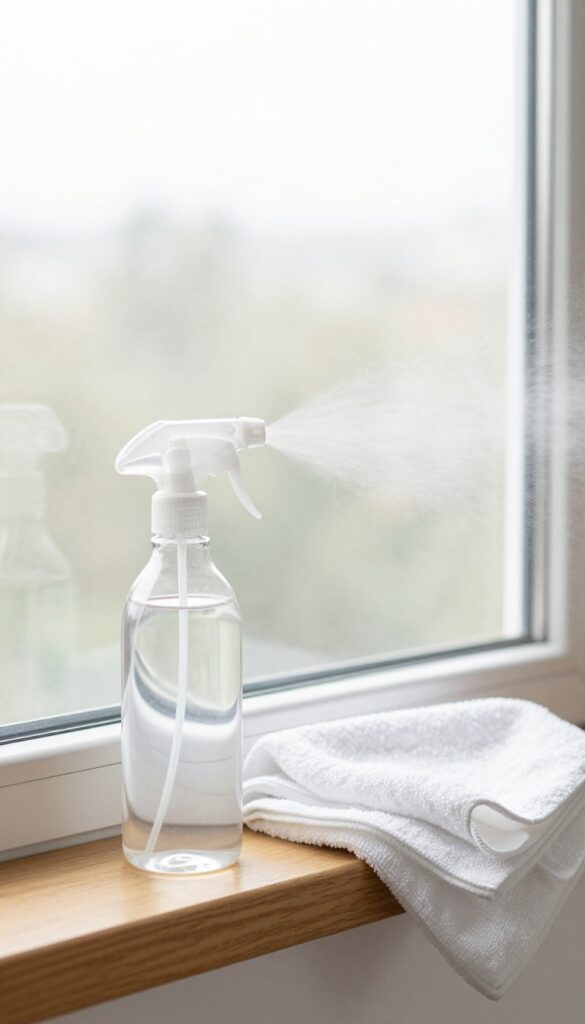
Simple, cheap, and incredibly effective—this is the blend that professional cleaners swear by. There's a reason it's been the go-to for generations: vinegar cuts through grime, grease, and hard water spots without leaving behind the hazy film that many commercial sprays do. The secret is in the acidity, which breaks down dirt on contact and evaporates quickly, so you're not left wiping away residue.
To make this solution, combine equal parts distilled white vinegar and warm water in a clean spray bottle. Warm water helps the vinegar work faster and prevents shocking cold glass, which can cause streaking. Shake gently to mix, then spray onto your window—don't soak it, just a light mist.
Wipe with a microfiber cloth or a squeegee for a flawless finish. Avoid paper towels; they leave lint. This blend is safe for most glass surfaces, but skip it on tinted windows or natural stone sills, as the acid can cause damage over time.
Why It Works So Well
The acetic acid in vinegar is a natural degreaser and disinfectant. It dissolves the bonds between dirt and glass, making it easy to wipe away. Unlike ammonia-based cleaners, vinegar doesn't leave a toxic residue, and it's safe around kids and pets.
The fast evaporation rate means fewer streaks—especially if you work in small sections and buff immediately.
Pro Tips For Best Results
Use distilled water if your tap water is hard; minerals in tap water can leave spots. Warm the vinegar slightly (not boiling) to boost cleaning power. For extra stubborn grime, add a drop of dish soap—just one, or you'll get suds that are hard to rinse.
Always label your bottle and keep it out of direct sunlight, as vinegar can degrade plastic over time.
When Not To Use It
Avoid this blend on windows with manufacturer coatings, like low-E glass, because vinegar can etch the surface. Also skip it on marble, granite, or other porous stone window sills—the acid will dull the finish. For those surfaces, stick to a mild soap-and-water solution instead.
2. Rubbing Alcohol for Fast Drying
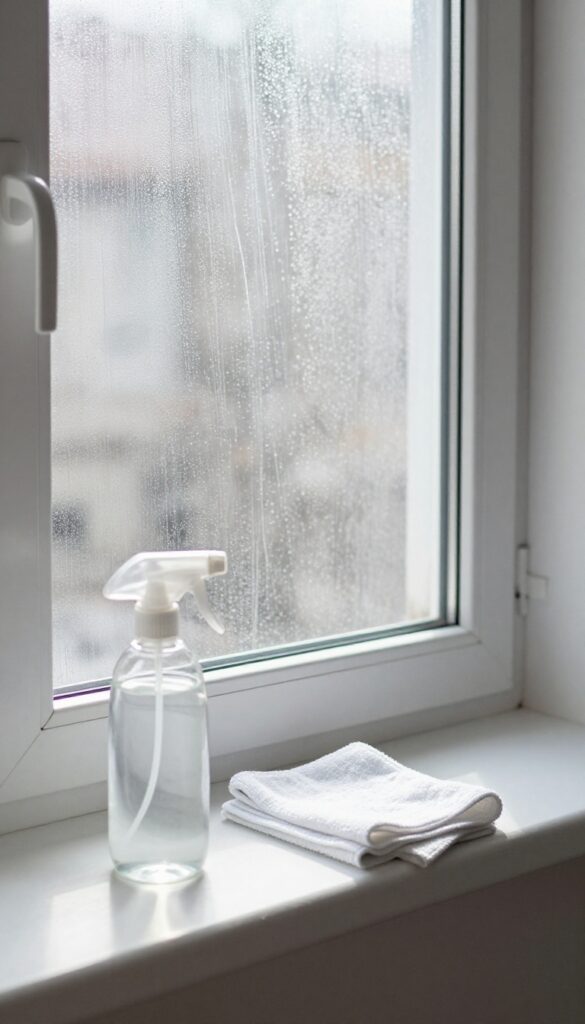
Humidity is the enemy of streak-free windows. On damp days, even the best vinegar solutions can leave behind water spots as they slowly evaporate. Rubbing alcohol changes the game by speeding up drying time dramatically, so moisture doesn't have a chance to settle and leave marks.
This three-ingredient blend is a powerhouse for quick, flawless results. The alcohol content lowers the surface tension of water, making it sheet off glass instead of beading up, which reduces streaks. Plus, it cuts through grime and grease without leaving any residue behind.
The Perfect Ratio
Mix 1 cup of rubbing alcohol (isopropyl, 70% or higher) with 1 cup of distilled water and 1 tablespoon of white vinegar. Shake gently in a spray bottle. The alcohol does the heavy lifting for fast evaporation, while the vinegar tackles hard water spots and film.
Best Uses And Tips
This blend works wonders on interior windows, especially in kitchens and bathrooms where humidity is high. Use a microfiber cloth or a squeegee for best results. Avoid using on tinted windows—alcohol can damage the tint over time.
When To Skip This Blend
If you have acrylic or plexiglass windows, skip the alcohol—it can cause crazing (fine cracks). Stick to a mild soap-and-water solution for those surfaces.
3. Dish Soap and Water for Greasy Windows
Kitchen windows take a beating—grease, cooking fumes, and sticky fingerprints build up fast. A drop of mild dish soap in warm water cuts through that grime like nothing else, leaving glass clean and clear. The trick is using just a tiny amount and following up with a plain water rinse to avoid soapy residue.
For kitchen windows coated in cooking grease, this simple blend outperforms many store-bought sprays. Mix one drop of mild dish soap per gallon of warm water—too much soap creates streaks. Dip a microfiber cloth or sponge, wash the glass, then immediately rinse with a second cloth dampened with plain water.
Finish with a squeegee for a streak-free shine. Avoid using this on cold windows; warm water works best.
Why It Works On Grease
Dish soap is designed to break down fats and oils, making it perfect for kitchen windows. The surfactants in the soap lift grease particles so they rinse away easily, rather than smearing across the glass.
Squeegee Technique For Best Results
After washing and rinsing, use a squeegee in a single top-to-bottom stroke. Wipe the blade clean with a dry cloth between each pass. This prevents soapy water from dripping onto already-clean glass and leaving streaks.
When To Skip This Blend
Avoid dish soap on windows in direct sunlight or on very hot glass—it dries too quickly and leaves residue. Also, skip it on tinted windows or those with special coatings, as soap can dull the finish over time.
4. Cornstarch for Extra Shine
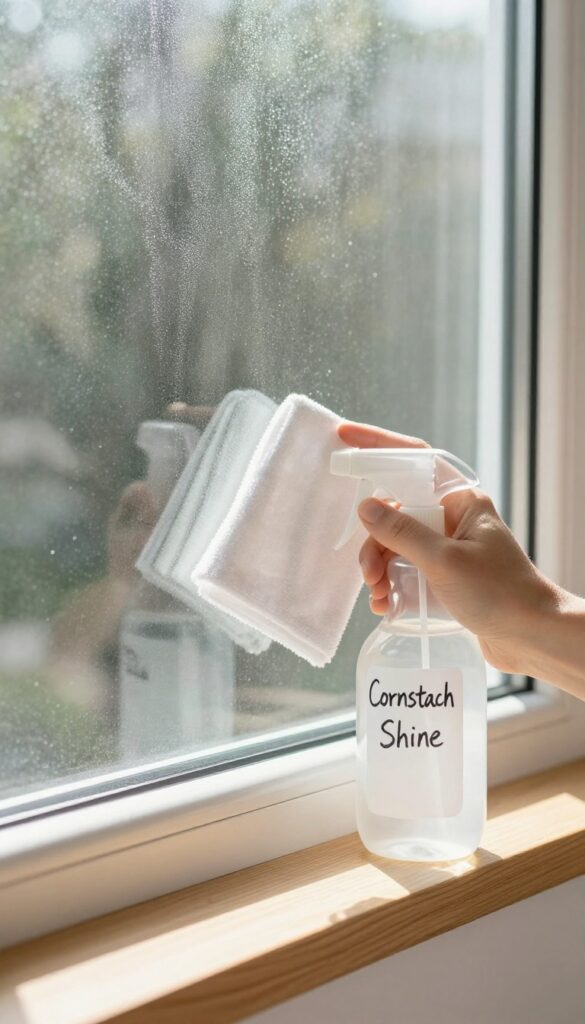
Cornstarch might seem like an odd addition to a window cleaner, but it works wonders. The fine powder acts as a gentle abrasive that polishes the glass as you wipe, filling in tiny scratches and leaving a mirror-like finish. Combined with vinegar and alcohol, this blend cuts through grime while the cornstarch buffs away any remaining dullness.
This recipe is perfect for windows that look clean but lack that final sparkle. The cornstarch adds a subtle polishing action that standard cleaners miss, making it ideal for older windows or glass with light etching. It's also great for mirrors and glass tabletops where you want a flawless reflection.
How To Mix It
Combine 2 tablespoons of cornstarch with 1/4 cup of white vinegar, 1/4 cup of rubbing alcohol, and 2 cups of warm water in a spray bottle. Shake well until the cornstarch is fully dissolved—this is important to avoid clumps. The alcohol speeds up drying, while the vinegar cuts grease.
Application Tips
Shake the bottle before each use since the cornstarch can settle. Spray the solution onto the glass, then wipe with a microfiber cloth using a circular motion to work the polish in. Follow up with a vertical or horizontal stroke to avoid streaks.
For best results, use a clean, dry cloth for the final buff.
When To Use This Blend
This blend shines on windows that see a lot of sun, where every imperfection is amplified. It's also excellent for glass doors and shower enclosures where water spots and soap scum have left a hazy film. Avoid using it on tinted windows, as the abrasive action might damage the tint over time.
5. Lemon Juice for Natural Degreasing
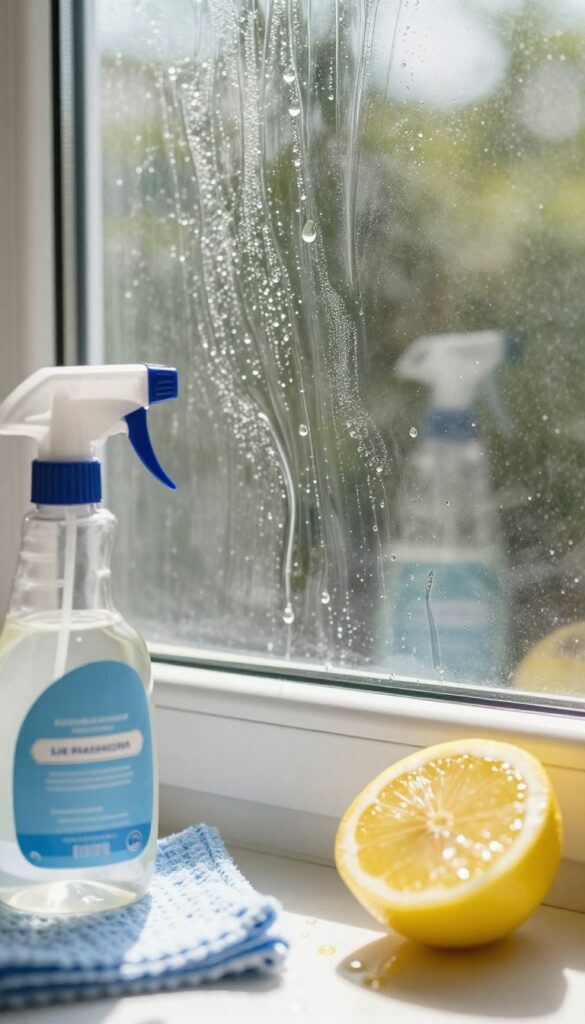
Lemon juice isn't just for lemonade—it's a powerhouse for cutting through kitchen grease and grime on windows. When mixed with water and a splash of vinegar, it creates a solution that cleans deeply without leaving streaks or a harsh chemical smell. The natural acidity breaks down sticky residues while the fresh citrus scent lingers, making your windows sparkle and your kitchen smell amazing.
This blend is especially effective on windows near stoves or cooking areas where grease tends to accumulate. The lemon juice works as a natural degreaser, lifting oily film that regular cleaners might leave behind. Plus, it's gentle enough for regular use without damaging glass or frames.
Why Lemon Works So Well
Lemon juice contains citric acid, which dissolves grease and mineral deposits without harsh chemicals. It's also a natural antibacterial, so you're not just cleaning—you're sanitizing. The acidity helps break down stubborn spots while being safe for the environment.
How To Mix And Use
In a spray bottle, combine 2 tablespoons of fresh or bottled lemon juice with 2 cups of warm water and 1 tablespoon of white vinegar. Shake gently to mix. Spray onto the glass, let it sit for 30 seconds, then wipe with a microfiber cloth using horizontal strokes on one side and vertical on the other to spot streaks.
Best Spots For This Blend
Use this solution on kitchen windows, sliding glass doors near the patio (where grease from barbecues can settle), and bathroom windows where soap scum builds up. Avoid using it on tinted windows or those with protective coatings, as the acid might damage them over time.
6. Baby Shampoo for Gentle Cleaning
Tinted windows and delicate glass need a softer touch. Harsh chemicals can damage special coatings or leave behind streaks that are even harder to remove. That's where baby shampoo comes in—it's mild, effective, and safe for almost any glass surface.
Why Baby Shampoo Works
Tear-free baby shampoo is formulated to be gentle on sensitive skin, which means it's also gentle on glass. It cuts through dirt and grime without stripping away protective coatings or leaving a residue. The low-foaming formula rinses cleanly, so you get a streak-free shine every time.
How To Mix And Use
Combine 1 tablespoon of baby shampoo with 2 cups of warm water in a spray bottle. Shake gently to mix. Spray onto the glass and wipe with a microfiber cloth or squeegee.
For best results, use a second dry cloth to buff away any remaining moisture.
When To Reach For This Blend
This solution is ideal for tinted windows, stained glass, or any glass with a special coating. It's also a great choice for cleaning windows in homes with babies or pets, since it's non-toxic and free of harsh fumes. Use it for routine cleaning or after a rain shower to keep your glass looking pristine.
7. Hydrogen Peroxide for Stubborn Stains
Hard water spots and bird droppings can feel like they're permanently etched into the glass. But hydrogen peroxide, that gentle antiseptic sitting in your medicine cabinet, is surprisingly effective at dissolving these tough deposits without harsh scrubbing. It works by oxidizing the minerals and organic matter, making them easy to wipe away.
Mix equal parts hydrogen peroxide (3% solution) and water in a spray bottle. Shake gently to combine. Spray directly onto the stained areas and let it sit for 30 seconds to a minute.
For heavy buildup, you can apply it with a soft cloth and let it dwell a bit longer. Then wipe with a clean microfiber cloth, and rinse the glass with plain water to remove any peroxide residue. Follow up with a dry cloth for a streak-free finish.
Why It Works So Well
Hydrogen peroxide is a mild acid that breaks down calcium and mineral deposits found in hard water spots. It also reacts with organic compounds in bird droppings, loosening them from the glass surface. Unlike vinegar, it doesn't leave a strong smell and rinses cleanly.
Best Practices For Safety
Always test on a small hidden area first, especially on tinted or treated glass. Avoid mixing hydrogen peroxide with bleach or ammonia. Wear gloves if you have sensitive skin, and keep it away from fabrics or carpets, as it can cause bleaching.
When To Skip This Method
If your windows have a hydrophobic coating or are very old, hydrogen peroxide may be too harsh. In those cases, stick to milder solutions like dish soap and water. Also, do not use on mirrors with silver backing, as it can damage the reflective layer.
8. White Vinegar and Baking Soda Paste
When grime has baked onto your windows, a simple spray won't cut it. That's where a thick paste of white vinegar and baking soda comes in. It's like a gentle scrub that lifts caked-on dirt without scratching the glass.
For windows that have seen better days—think kitchen grease splatters, dried-on mud, or stubborn bug residue—this paste is your go-to. It's easy to make and surprisingly effective.
How To Make The Paste
In a small bowl, mix three parts baking soda with one part white vinegar. It will fizz, so let it settle for a minute. You want a spreadable consistency, like toothpaste.
Add more baking soda if it's too runny.
Application Tips
Using a soft, lint-free cloth, apply the paste directly onto the grimy spots. Gently rub in a circular motion, letting the paste sit for about a minute. Then wipe it off with a damp cloth.
The Final Rinse
After removing the paste, spray the window with a 50/50 vinegar-water solution and wipe with a clean microfiber cloth. This step ensures no residue is left behind, giving you that streak-free shine.
9. Club Soda for a Quick Fix
Sometimes the simplest solution is sitting right in your fridge. Club soda isn't just for mixing drinks—it's a surprisingly effective window cleaner that can rescue you when you've run out of vinegar or commercial sprays. The carbonation lifts dirt and grime, while the minerals help prevent those annoying streaks.
Pour club soda into a spray bottle and use it straight. No diluting, no mixing. Spritz it on your glass, wipe with a microfiber cloth, and watch the dirt disappear.
The bubbles do the heavy lifting, and the minerals leave a clean finish. It's perfect for a quick touch-up or when you need a streak-free shine in a pinch.
Why Carbonation Works
The bubbles in club soda act like tiny scrubbers, loosening dirt and grease without any scrubbing effort. As the bubbles pop, they lift particles away from the glass surface, making it easier to wipe clean. This is especially handy for windows with light dust or fingerprints.
The Mineral Magic
Club soda contains minerals like sodium bicarbonate and potassium sulfate, which help prevent streaks by reducing water spots. Unlike tap water, which can leave mineral deposits, club soda evaporates cleanly, leaving glass crystal clear. Just make sure you're using plain club soda, not flavored or sweetened varieties.
Best Uses And Tips
Club soda works best on lightly soiled windows. For heavy grime, you might need a stronger cleaner first. Always use a lint-free microfiber cloth—paper towels can leave fuzz.
And if you have hard water, club soda can be a game-changer because it won't add more minerals to the glass.
10. Ammonia-Free Glass Cleaner
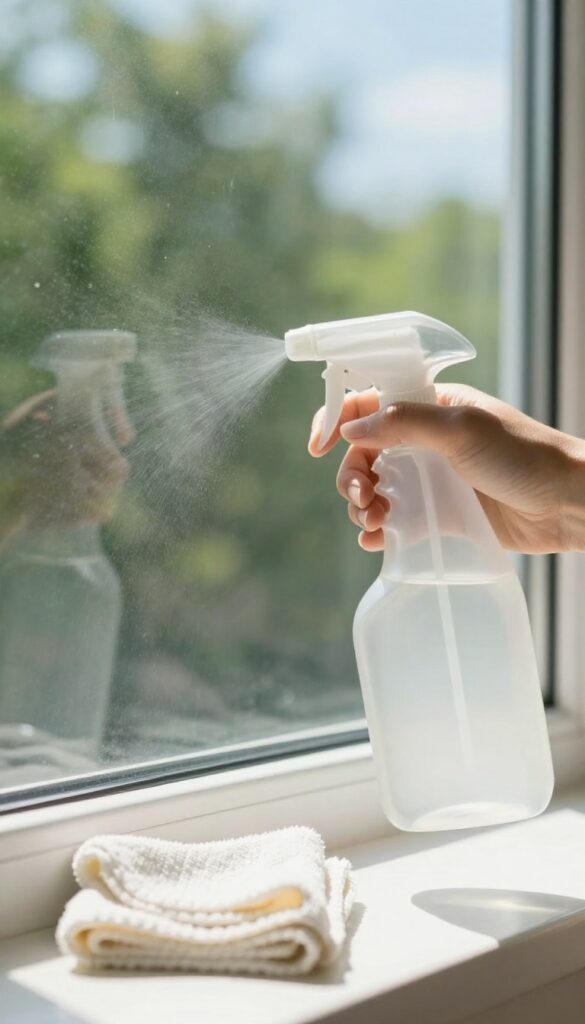
If you're sensitive to strong chemical smells or just prefer a gentler approach, this ammonia-free blend is your new best friend. It uses rubbing alcohol and vinegar to cut through grime, while a touch of cornstarch helps buff away any lingering residue. The result?
Crystal-clear glass without the harsh fumes.
Why Skip Ammonia?
Ammonia is effective but can be irritating to the lungs and eyes, especially in enclosed spaces. It can also damage certain coatings on tinted windows or screens. This recipe gives you the same streak-free shine without the downsides.
The Cornstarch Trick
Cornstarch might seem like an odd addition, but it acts as a mild abrasive that helps lift stubborn dirt and prevents streaking. It also gives the solution a bit of body, so it clings to vertical surfaces longer for better cleaning.
Best Uses
This cleaner works wonders on interior windows, mirrors, and glass tabletops. Avoid using it on car windows with tinted film, as the vinegar can degrade the adhesive over time. For daily touch-ups, a quick spritz and a microfiber cloth are all you need.
11. Essential Oils for Scent and Shine
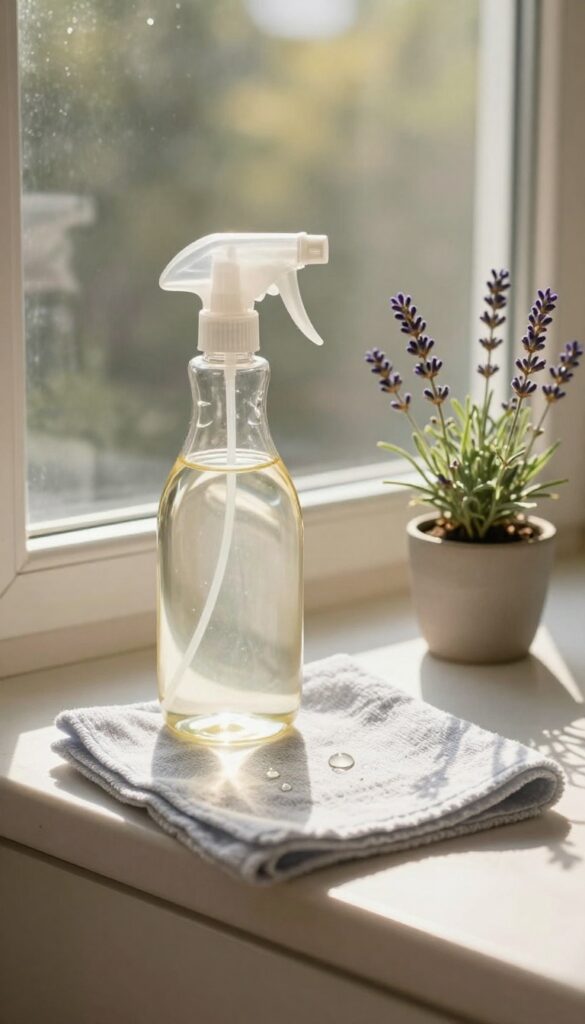
A few drops of essential oil can turn a basic window cleaner into something you actually look forward to using. Beyond the pleasant aroma, oils like lavender or tea tree have natural grease-cutting properties that help break down grime. They also leave a subtle shine without the sticky residue that some commercial fragrances leave behind.
Essential oils not only make your cleaner smell great but also boost its cleaning power. Their natural solvents help dissolve oily fingerprints and kitchen grease, while their antibacterial properties add an extra layer of cleanliness. Plus, you can customize the scent to match your mood or season.
Why Essential Oils Work
Essential oils are concentrated plant extracts that contain compounds like limonene (in citrus oils) and terpinen-4-ol (in tea tree oil). These compounds act as natural degreasers and antimicrobials, making them ideal for cutting through window grime. When added to a vinegar-water base, they help the solution evaporate more quickly, reducing streaks.
Best Oils For Windows
Lavender oil is a top choice for its calming scent and mild grease-cutting ability. Tea tree oil is more potent and works well on stubborn spots, but its strong smell may not suit everyone. Lemon or orange oil adds a fresh citrus scent and extra degreasing power.
Start with 10 drops per 16-ounce spray bottle and adjust to your preference.
How To Mix And Use
Fill a spray bottle with equal parts white vinegar and water, then add 10 drops of your chosen essential oil. Shake well before each use. Spray onto the glass and wipe with a microfiber cloth in a circular motion, then buff dry for a streak-free finish.
Avoid using oils near tinted windows, as some may damage the film.
FAQ
Can I use regular dish soap instead of a specific brand?
Yes, any mild dish soap works, but avoid those with moisturizers or bleach. A tiny drop is enough—too much creates foam that leaves streaks.
Why does my homemade cleaner leave streaks?
Streaks often come from using too much product or not drying quickly enough. Wipe with a microfiber cloth or use a squeegee, and work in the shade to slow evaporation.
Is vinegar safe for all window types?
Vinegar is safe for standard glass, but avoid it on tinted windows or those with special coatings, as it can damage them over time. Use a mild soap or baby shampoo instead.
How do I store homemade window cleaner?
Store in a labeled spray bottle in a cool, dark place. Most blends last 2-3 months. Shake before each use, as ingredients like cornstarch may settle.
Can I use newspaper instead of a cloth?
Yes, newspaper is lint-free and works well for a streak-free finish. However, the ink can transfer to your hands and frames, so many prefer microfiber cloths.
Conclusion
Streak-free windows don't require expensive commercial sprays or endless trial and error. With these 11 blends, you can mix up a solution using stuff you probably already have at home and get crystal-clear results every time. Start with the simplest recipe—just vinegar and water—then experiment with the others to find your favorite.
Your windows will thank you, and so will your wallet. Pick one, grab a squeegee, and enjoy the view.