
Your washing machine works hard, but it needs a little TLC to stay fresh and efficient. Over time, detergent residue, hard water minerals, and mildew can build up inside, leading to musty odors and even poor performance. The good news?
You don't need expensive products or professional help. These 13 drum fixes use everyday household items like vinegar, baking soda, and citric acid to deep clean every nook and cranny. From simple maintenance to tackling stubborn grime, each tip is practical and budget-friendly.
Ready to give your washer a fresh start? Let's dive in.
1. Run a Hot Vinegar Cycle
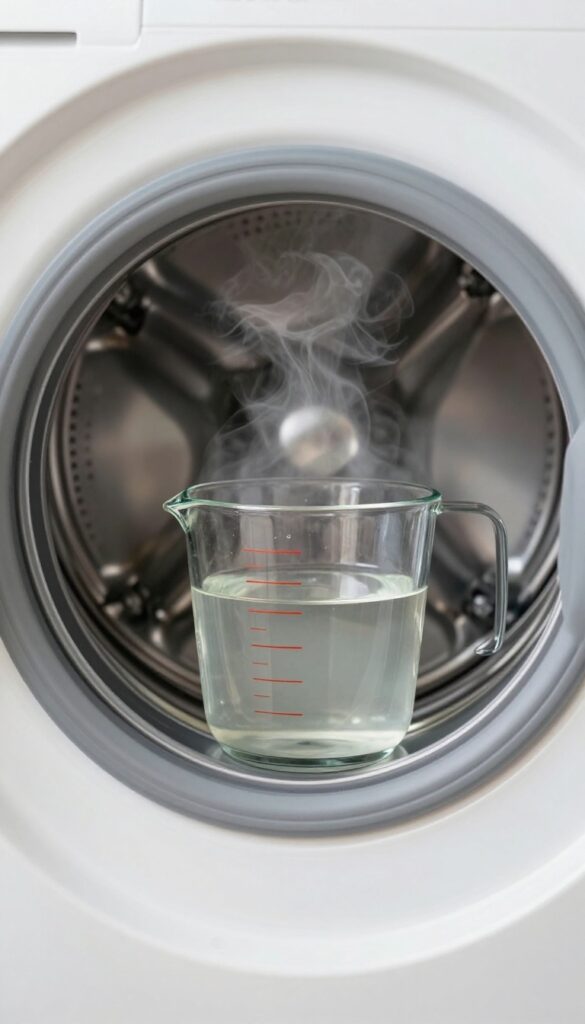
White vinegar is a powerhouse cleaner that tackles soap scum, hard water deposits, and lingering odors without harsh chemicals. A hot cycle with vinegar reaches every part of the drum, dissolving buildup that regular washes leave behind. This simple fix is safe for both front-loaders and top-loaders, and it costs pennies per use.
Pour two cups of white vinegar directly into the detergent dispenser or the drum (if your machine has no dispenser). Then run the hottest, longest cycle your washer offers—typically the “heavy duty” or “sanitary” setting. The heat activates the vinegar, helping it break down residue and kill bacteria.
After the cycle finishes, wipe the rubber gasket and door seal with a dry cloth to remove any loosened grime.
Why Vinegar Works So Well
Vinegar is mildly acidic, which makes it effective at dissolving alkaline mineral deposits and soap scum. Unlike bleach, it doesn’t produce harsh fumes, and it’s safe for septic systems. The acetic acid in vinegar also neutralizes odors by altering the pH balance where bacteria thrive.
When To Run A Vinegar Cycle
Aim to do this once a month to prevent buildup before it becomes a problem. If you notice a musty smell or see residue on your clothes, run an extra vinegar cycle right away. For machines in hard-water areas, monthly vinegar treatments can significantly extend the life of internal components.
Tips For Best Results
Use plain white vinegar—avoid apple cider or flavored varieties, as they can leave sticky residues. If your machine has a self-clean cycle, use that setting with the vinegar. Always leave the door open after the cycle to let the drum dry completely, preventing mold from returning.
2. Baking Soda Scrub for Stubborn Grime
Sometimes a simple rinse just won't cut it. When you notice a ring of grime around the drum or a slimy film on the gasket, it's time to bring out the baking soda. This gentle abrasive works wonders on stuck-on dirt without scratching surfaces.
Plus, it's a natural deodorizer that leaves your machine smelling fresh.
Baking soda is a mild abrasive that can scrub away stubborn deposits without damaging the drum or seals. When mixed with water to form a paste, it clings to vertical surfaces and penetrates grime. Letting it sit for 15 minutes allows the baking soda to break down residue before you rinse it away.
This method is especially effective for tackling the rubber gasket where mold likes to hide.
Mixing The Perfect Paste
Start with 1/4 cup of baking soda in a small bowl. Add water a tablespoon at a time, stirring until you get a thick, spreadable paste. It should be similar to toothpaste—not too runny, not too dry.
If you need more, just double the recipe. This paste is strong enough to lift grime but gentle on your machine's components.
Scrubbing Technique
Use an old toothbrush or a soft sponge to apply the paste. Focus on the drum's interior, the rubber gasket, and the door seal. Pay extra attention to crevices where dirt accumulates.
Scrub in circular motions, applying light pressure. For the gasket, pull it back gently to reach hidden areas. Rinse your brush often to avoid spreading grime.
Let It Sit And Rinse
After scrubbing, let the baking soda paste sit for 15 minutes. This dwell time helps dissolve stubborn residues. Then close the door and run a hot rinse cycle—no detergent needed.
The hot water will wash away the paste and any loosened dirt. Once done, wipe the drum and gasket with a dry cloth to prevent moisture buildup.
3. Use Citric Acid for Hard Water Buildup
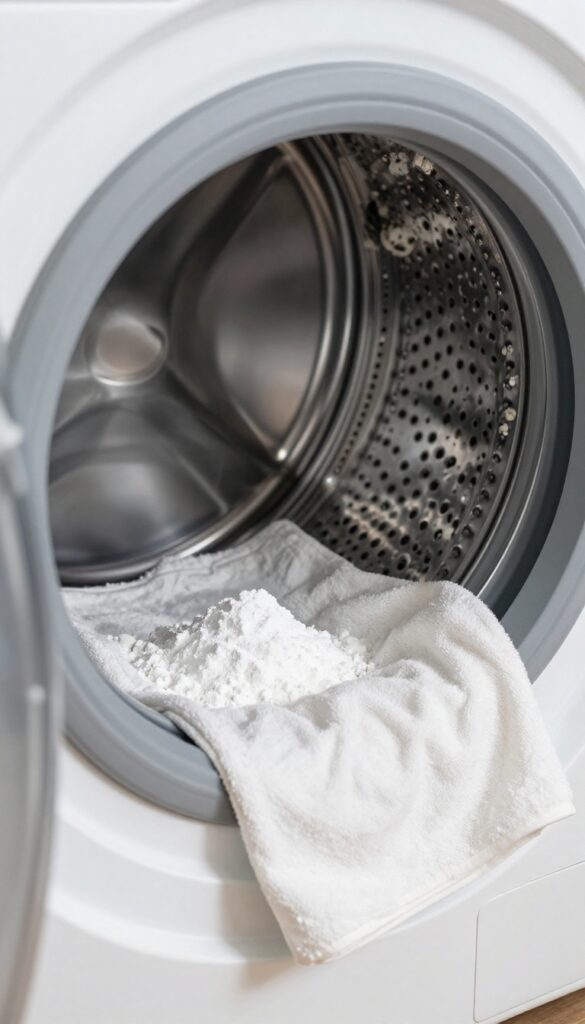
If you live in an area with hard water, you know the struggle of white, crusty deposits on your fixtures and appliances. Your washing machine is no exception. Over time, calcium and magnesium buildup can clog internal parts and reduce efficiency.
That's where citric acid comes in—it's a natural descaler that works wonders on mineral deposits.
Citric acid is more effective than vinegar for breaking down hard water scale because it has a higher acidity level. It dissolves the minerals without the strong smell of vinegar. Plus, it's gentle on rubber seals and hoses when used correctly.
Why Citric Acid Beats Vinegar
While vinegar is a common household cleaner, citric acid is a stronger chelating agent. It binds to minerals like calcium and magnesium, pulling them away from surfaces. This makes it ideal for deep cleaning in hard water areas.
It also leaves no lingering odor, unlike vinegar.
How To Use Citric Acid In Your Washer
Start by measuring 1/2 cup of citric acid powder. Pour it directly into the detergent dispenser or into the drum. Then run a hot water cycle (the longest one available).
If your machine has a cleaning cycle, use that. After the cycle finishes, wipe down the drum and door seal to remove any loosened residue.
How Often To Do This
For best results, perform a citric acid clean every three months. If you have very hard water, you might need to do it monthly. Regular use helps prevent buildup and keeps your machine running smoothly.
4. Bleach Sanitizing for Deep Clean
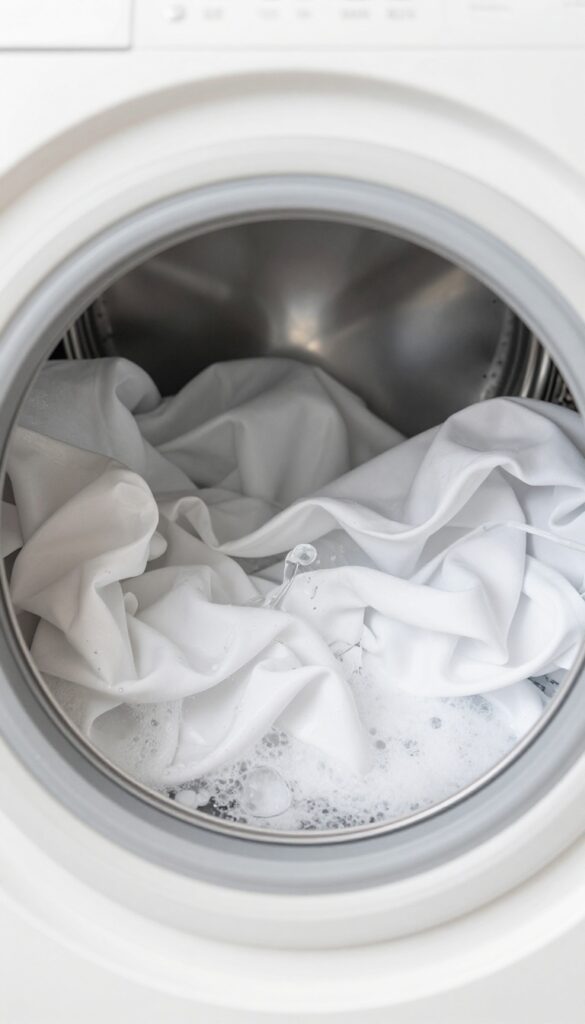
When your washer starts smelling funky or you've just dealt with a load of heavily soiled laundry, it's time to bring out the big guns: bleach. A bleach cycle kills mold, mildew, and bacteria lurking in hard-to-reach places. But use it sparingly—too much can damage rubber seals and gaskets over time.
Bleach is a powerful sanitizer that nukes germs and whitens the drum. It's especially effective after washing cloth diapers, pet bedding, or workout gear. The key is to use it correctly and not overdo it.
How To Run A Bleach Cycle
Pour one cup of liquid chlorine bleach into the bleach dispenser—never directly onto clothes or the drum. Then run a hot water cycle (the hottest setting your machine has). The bleach will circulate, killing bacteria and breaking down organic residue.
After the cycle finishes, wipe the door seal dry and leave the door open to air out.
When To Use Bleach Vs. Other Cleaners
Bleach is best for deep sanitizing, not regular maintenance. Use it every 3 to 6 months or after washing something particularly germy. For routine freshening, stick with vinegar or baking soda.
Bleach can degrade rubber parts, so don't make it a monthly habit.
Safety Tips For Bleach Cleaning
Never mix bleach with ammonia or vinegar—that creates toxic chlorine gas. Always ensure the room is ventilated. If your machine has a stainless steel drum, bleach is safe; for plastic drums, check the manual first.
And always run an extra rinse cycle if you smell bleach afterward.
5. Clean the Gasket and Door Seal
The rubber gasket around your washing machine door is a prime spot for mold, mildew, and grime. Moisture gets trapped in those folds, creating a breeding ground for funky smells and even black spots. Ignoring it can lead to unpleasant odors that transfer to your clothes, so giving this area some attention is key to a truly fresh machine.
What You'll Need
Grab a few simple supplies: white vinegar or bleach, a microfiber cloth or old towel, an old toothbrush or small scrub brush, and maybe a pair of gloves. Vinegar is great for everyday cleaning and deodorizing, while bleach handles tougher mold and mildew. Choose based on how dirty your gasket looks.
Step-by-step Cleaning
Start by dipping your cloth in a 50/50 mix of water and vinegar (or water and bleach if you prefer). Wipe down the entire rubber seal, paying special attention to the inner folds. Pull back the gasket gently to expose hidden areas—you'll be surprised how much hair, lint, and gunk can collect there.
Use the toothbrush to scrub any stubborn spots, then wipe away the loosened debris with a damp cloth.
Prevent Future Build-up
After cleaning, leave the door open for a few hours to let the gasket dry completely. This simple habit prevents moisture from sitting in the folds and discourages mold from coming back. You can also wipe the seal dry after each wash to keep it fresh longer.
A quick once-over with a dry cloth takes just seconds but makes a big difference.
6. Remove and Soak the Dispenser Drawer
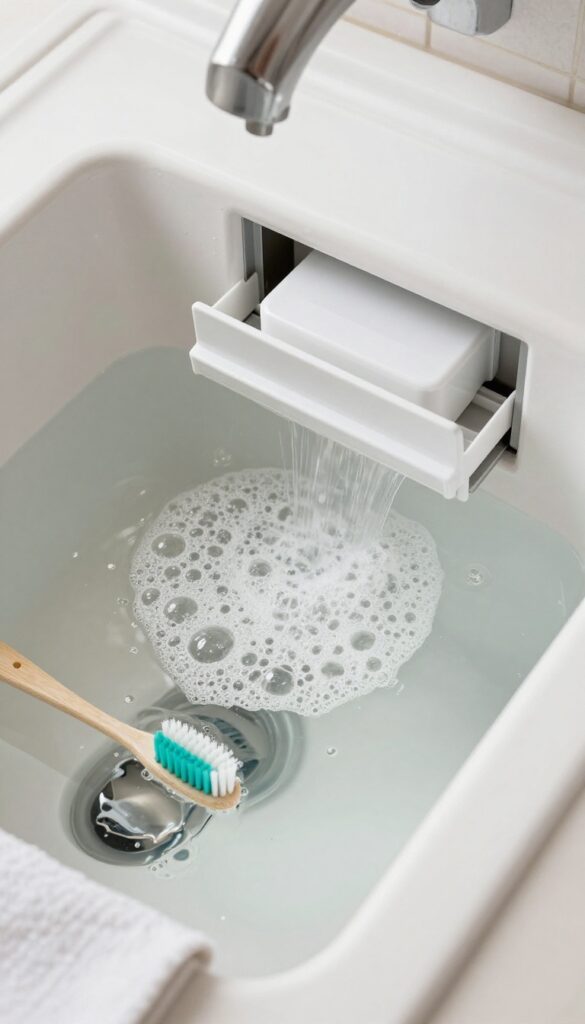
That little drawer where you pour detergent and fabric softener? It's a hidden hotspot for gunk. Over time, residue builds up, clogs the dispensing holes, and even invites mold.
Fortunately, cleaning it is one of the easiest fixes on this list.
Start by pulling the drawer all the way out. Most models have a small release tab or button you press to remove it completely. Once it's out, you'll likely see a slimy layer of old detergent and softener.
Don't be grossed out—it's totally normal. Fill a sink or bucket with hot water and add either a cup of white vinegar or a few tablespoons of baking soda. Drop the drawer in and let it soak for at least 30 minutes.
After soaking, grab an old toothbrush and scrub every nook and cranny, especially the dispenser slots and the underside. Rinse thoroughly with hot water, dry with a clean cloth, and slide it back in. While the drawer is out, wipe down the compartment inside the washer with a damp cloth to remove any residue there too.
Why Soaking Works Best
Hot water alone won't dissolve the sticky buildup. Vinegar's acidity breaks down mineral deposits and soap scum, while baking soda's mild abrasiveness helps lift grime without scratching plastic. The soak softens everything, making scrubbing effortless.
Don't Forget The Dispenser Holes
Those tiny holes where detergent flows through are easy to overlook. Use a pipe cleaner or a straightened paper clip to gently poke through each hole. This clears any clogs and ensures your detergent dispenses evenly in future loads.
Prevent Future Gunk
Make it a habit to leave the drawer slightly open after each wash so air can circulate and moisture dries out. Wipe down the drawer and compartment monthly with a dry cloth. This simple routine keeps mold and residue from building up again.
7. Run a Self-Clean Cycle (If Available)
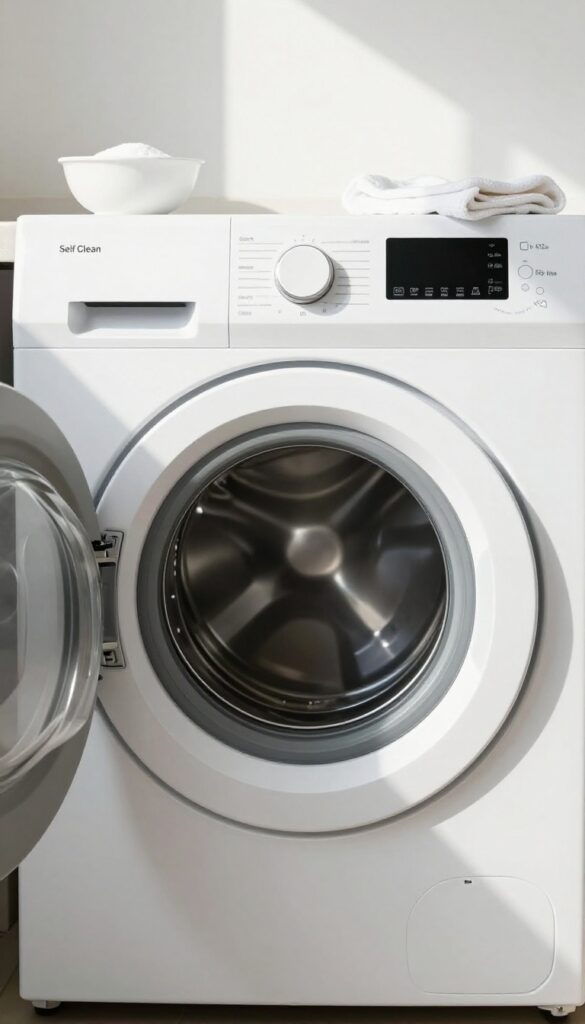
If your machine has a self-clean cycle, you're in luck. This built-in feature is designed to flush out residue and bacteria without any guesswork. It's the easiest fix on this list—just press a button and let the washer do the work.
Modern washers often include a dedicated self-clean or tub-clean cycle that runs at a high temperature and extra-long rinse. This cycle is specifically engineered to remove buildup that regular washes miss. Using it monthly can prevent odors and keep your machine running efficiently.
Check Your Manual First
Not all self-clean cycles are the same. Some require a special cleaning tablet, while others just need hot water. Your owner's manual will tell you exactly what to do.
If you've lost the manual, search online using your model number.
Use The Right Cleaner
Many manufacturers recommend using their own cleaning tablets or a generic washing machine cleaner. Avoid using bleach or vinegar unless the manual says it's okay—some machines have parts that can be damaged by harsh chemicals.
Run It Regularly
For best results, run the self-clean cycle once a month. If you have hard water or do lots of heavy loads, you might need to do it more often. Set a reminder on your phone so you don't forget.
8. Use Affresh or a Commercial Washer Cleaner
Sometimes you need a little extra muscle that household staples just can't provide. That's where commercial washer cleaners like Affresh come in. These tablets are specifically designed to dissolve buildup, deodorize, and protect your machine's internal components.
They're especially handy if you've been dealing with persistent odors or if you're prepping for a deep clean after a long stretch of neglect.
Using a commercial cleaner is about as easy as it gets. Just drop a tablet into the drum (not the detergent drawer), select a clean cycle or the hottest, longest cycle your machine offers, and let it run. The effervescent formula works through the wash and rinse phases to break down residue in places you can't reach.
For best results, use one tablet every month or two, depending on how often you run loads.
Why Choose A Commercial Cleaner?
Affresh and similar products are formulated to be safe for all machine types, including HE models. They target the specific gunk that builds up from modern detergents and fabric softeners—things like calcium deposits, soap scum, and oily residues. Unlike bleach or vinegar, they won't damage rubber seals or metal parts over time.
How Often Should You Use It?
For most households, once a month is plenty. If you have hard water or do a lot of laundry, you might bump it up to every three weeks. On the flip side, if you only wash a few loads per week, every two months could suffice.
The key is to stay consistent—treat it like a routine maintenance task, not an emergency fix.
What About The Cost?
A pack of six Affresh tablets runs around $10–$12, which breaks down to about $2 per use. That's a small price for keeping your machine running efficiently and avoiding musty-smelling clothes. Plus, it's cheaper than a service call or buying a new washer.
9. Clean the Drain Pump Filter
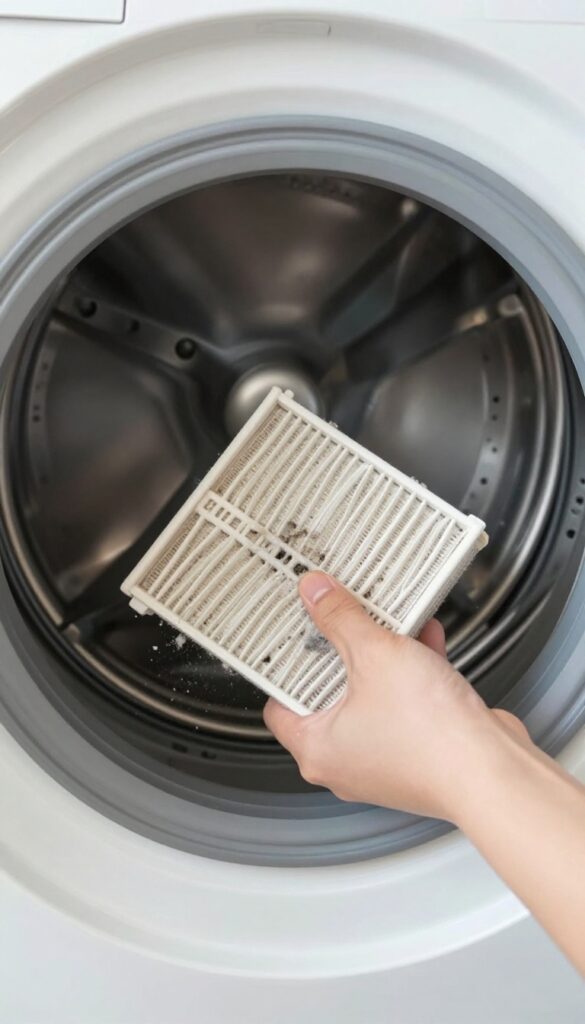
Many people forget that their washing machine has a drain pump filter that catches lint, coins, and other small items. When this filter gets clogged, it can cause drainage problems and foul odors. Cleaning it is easier than you might think.
Locate the filter at the bottom front of the machine, usually behind a small access panel. Place a towel or shallow pan underneath to catch any water that may spill. Unscrew the filter cap and pull out the filter.
Remove any debris like lint, hair, coins, or buttons. Rinse the filter under warm water until clean. Check the filter housing for any remaining gunk and wipe it out with a cloth.
Reinsert the filter and screw the cap back on securely. Do this every few months to keep your washer draining smoothly and smelling fresh.
Where To Find The Filter
On most front-loading washers, the drain pump filter is located at the bottom front corner behind a small square or round panel. Top-loaders with a filter usually have it inside the drum near the bottom or behind a panel. Check your owner's manual if you're unsure.
What You'll Need
You'll need a towel or shallow pan to catch water, a screwdriver or coin to open the panel, and your hands to remove debris. No special tools required.
Step-by-step Cleaning
First, unplug the washer for safety. Open the access panel, place the towel underneath, and slowly unscrew the filter cap. Remove the filter and pick out any visible debris.
Rinse it under running water. Wipe the inside of the filter housing with a cloth. Reinsert the filter, tighten the cap, and close the panel.
10. Wipe Down the Drum with Hydrogen Peroxide
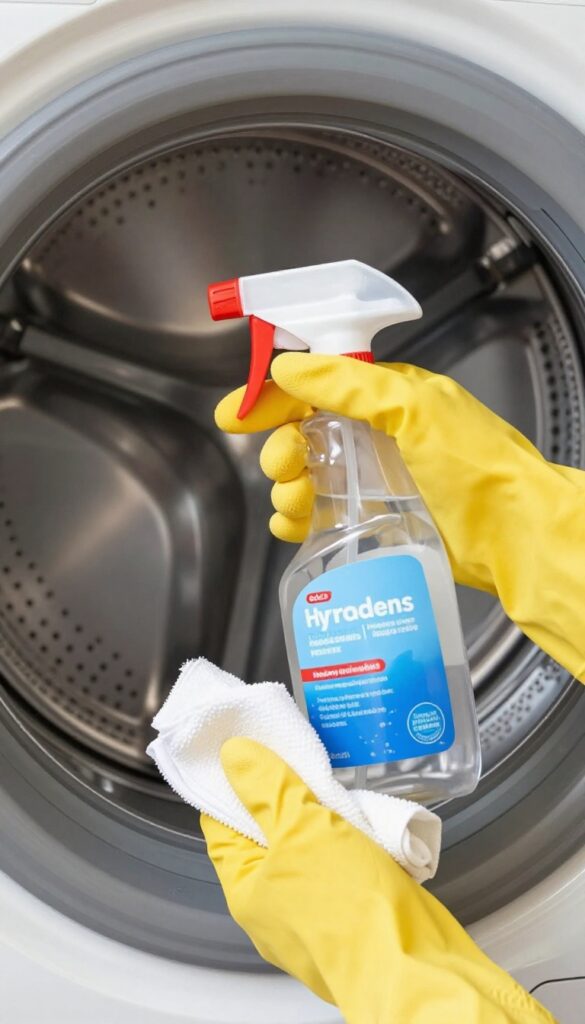
Hydrogen peroxide isn't just for first aid kits—it's a fantastic cleaner for your washing machine drum. A 3% solution works as a mild bleach that disinfects and whitens without the harsh fumes of chlorine bleach. It's especially good for tackling lingering bacteria and brightening the drum's surface.
This method is simple and quick. You don't need to run a cycle or let anything soak. Just spray a clean cloth with hydrogen peroxide and wipe down the entire interior of the drum.
Pay extra attention to any visible stains or discoloration. The peroxide will fizz slightly on contact with organic matter, which is normal and helps lift dirt. After wiping, let the drum air dry with the door open.
This treatment is safe for all machine types and leaves no chemical residue.
Why Hydrogen Peroxide Works
Hydrogen peroxide breaks down into water and oxygen, making it an eco-friendly disinfectant. It kills mold spores, bacteria, and viruses without leaving a strong smell. Unlike vinegar, it won't affect rubber seals over time, and unlike bleach, it won't produce toxic fumes when mixed with other cleaners.
It's also a mild whitening agent, so it helps restore the drum's original brightness.
How To Apply It Safely
Always use 3% hydrogen peroxide straight from the bottle—no need to dilute. Wear gloves if you have sensitive skin, and avoid spraying directly onto electronic panels or the door seal. Use a microfiber cloth for best results.
For extra grime, you can spray the drum directly, let it sit for 5 minutes, then wipe. Rinsing isn't necessary, but you can run a quick rinse cycle if you prefer.
When To Use This Method
This is a great quick fix between deeper cleans. Use it monthly to keep odors at bay or after washing heavily soiled items like diapers or pet bedding. It's also perfect for a fresh start after a vinegar or baking soda clean, as it neutralizes any remaining smell.
Just don't mix hydrogen peroxide with vinegar or bleach—use it separately.
11. Leave the Door Open After Each Use
It's a small habit that makes a big difference. After you unload your laundry, prop the washer door open for a few hours or until the drum is completely dry. This lets moisture escape instead of getting trapped inside, where it becomes a breeding ground for mold and mildew.
A quick air-out is one of the easiest ways to keep your machine smelling fresh between deep cleans.
Moisture is the enemy of a fresh washing machine. When you shut the door right after a cycle, the dark, damp environment inside becomes perfect for mold and mildew growth. Over time, this leads to musty odors that can transfer to your clothes.
By simply leaving the door ajar, you allow air to circulate and the drum to dry out completely. It's a zero-effort habit that prevents buildup and keeps your machine running smoothly.
Why Moisture Matters
The rubber gasket around the door is especially prone to trapping water. If it stays wet, black mold can form in the crevices. Leaving the door open helps the gasket dry out too, extending its life and preventing stains.
How Long To Leave It Open
A few hours is usually enough, but if you have a front-loader, consider leaving it cracked overnight. In humid climates, you might need to wipe the gasket with a dry cloth first. Just make sure pets or kids can't get inside—some machines have a child lock feature you can use.
Bonus Tip For Top-loaders
Top-loading machines benefit from leaving the lid up as well. It allows the inner tub and agitator to dry. If your lid is heavy, prop it with something sturdy to keep it open.
The same principle applies: air circulation prevents odors.
12. Use Less Detergent to Prevent Buildup
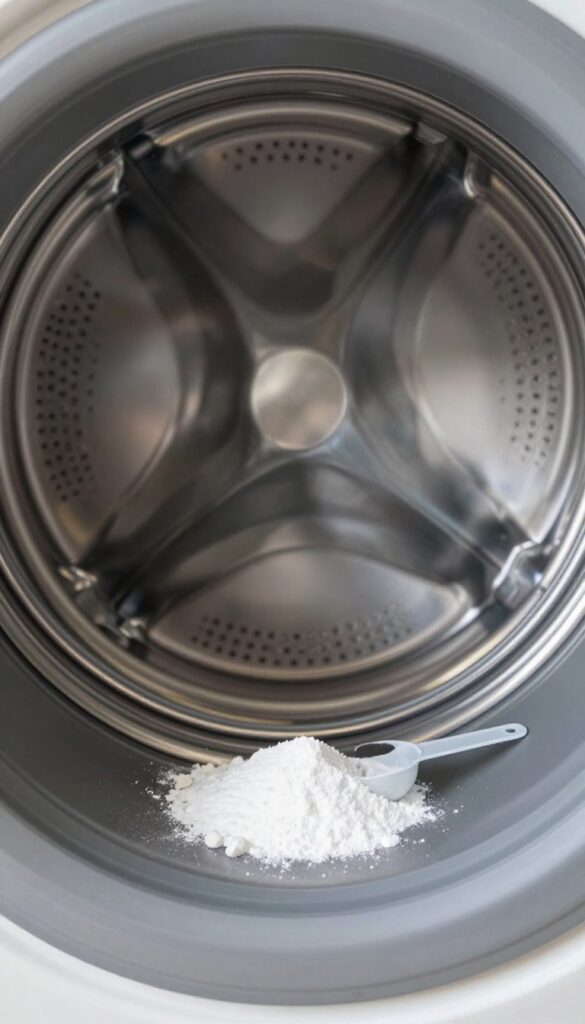
It's tempting to pour in extra soap, thinking it'll get clothes cleaner. But too much detergent actually leaves a sticky residue inside your machine, which traps dirt and bacteria. Over time, that buildup leads to musty smells and even mold.
Switching to high-efficiency (HE) detergent is a smart first step. HE formulas produce fewer suds and rinse out more completely. Even with HE detergent, follow the manufacturer's recommended amount—often just a tablespoon or two per load.
If you have soft water, use even less. Your clothes will still come out clean, and your machine will stay fresher longer.
Why Less Is More
Excess soap doesn't just waste money—it creates a film on the drum, hoses, and seals. This film becomes a breeding ground for mildew and bacteria. Reducing detergent cuts off their food source.
How To Adjust Your Routine
Start by using half the amount you normally do. If you use pods, switch to liquid or powder so you can measure precisely. For heavily soiled loads, pre-treat stains instead of adding more detergent.
Monthly Maintenance Check
Once a month, run an empty hot cycle with a cup of white vinegar to dissolve any lingering residue. This keeps your machine fresh and confirms you're using the right detergent amount.
13. Monthly Maintenance with a Hot Water Rinse
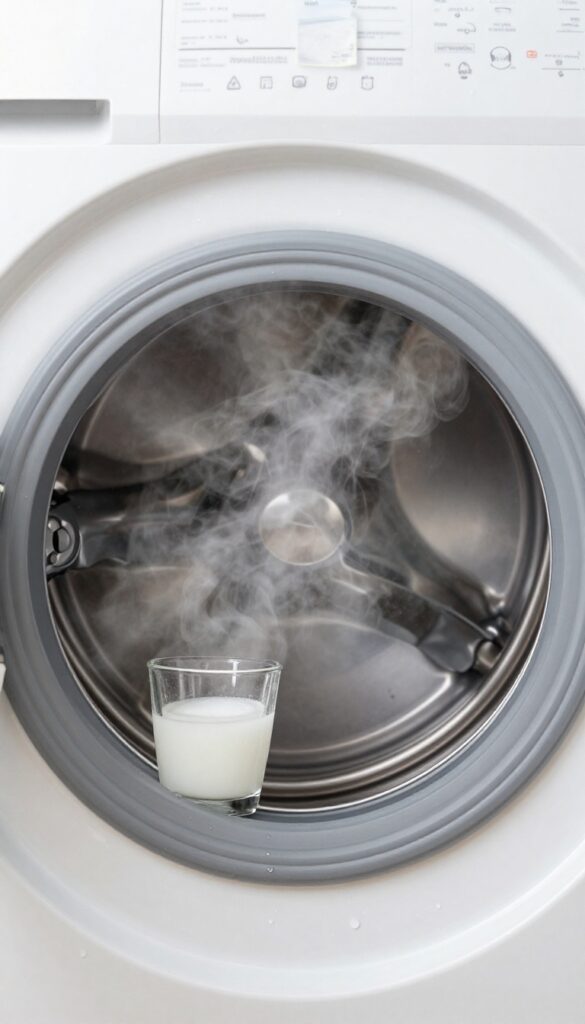
A simple monthly hot water rinse can prevent buildup before it starts. No scrubbing, no harsh chemicals—just a hot cycle that flushes away lingering residue. This habit keeps your washer smelling fresh and running smoothly.
Running a hot water cycle without detergent once a month is one of the easiest ways to maintain your washing machine. The high temperature helps dissolve and flush out soap scum, mineral deposits, and any mold spores that might be lurking. For an extra boost, add a cup of white vinegar or half a cup of baking soda directly into the drum.
Vinegar cuts through grease and deodorizes, while baking soda gently scrubs away residue. Just make sure to run an extra rinse cycle afterward if you used vinegar, to prevent any lingering scent.
Why Hot Water Works
Hot water is more effective than warm or cold at dissolving detergent residue and killing bacteria. It also helps loosen mineral deposits from hard water, which can build up over time. A monthly hot rinse is like a reset button for your machine.
Vinegar Vs. Baking Soda
Both are great, but they work differently. Vinegar is acidic, so it's excellent for breaking down soap scum and deodorizing. Baking soda is alkaline and mildly abrasive, making it ideal for tackling grime.
You can alternate between them each month, or use one that targets your specific issue.
When To Skip This Step
If your machine has rubber seals or gaskets, check the manufacturer's guidelines. Some brands warn against frequent vinegar use as it can degrade rubber over time. In that case, stick with baking soda or a commercial washer cleaner.
FAQ
How often should I clean my washing machine?
Clean the drum once a month to prevent buildup. Wipe the gasket and leave the door open after each use.
Can I use bleach and vinegar together?
No, mixing bleach and vinegar creates toxic chlorine gas. Use them in separate cycles.
Why does my washing machine smell bad?
Odors are usually caused by mold, mildew, or detergent residue. Regular cleaning and leaving the door open help.
Is it safe to clean a washing machine with citric acid?
Yes, citric acid is safe and effective for removing hard water scale. Use 1/2 cup per cycle.
What if my machine still smells after cleaning?
Check the drain pump filter and drain hose for clogs. You may need a professional inspection if the smell persists.
Conclusion
Keeping your washing machine fresh doesn't require expensive products or endless scrubbing. Just pick a few of these drum fixes to add to your regular routine, and you'll notice the difference in both smell and performance.
Your machine works hard for you, so giving it a little care every month goes a long way. Start with the easiest fix today—your next load of laundry will thank you.