You know the feeling: you finally have a free Saturday, but instead of relaxing, you're staring down a mountain of cleaning. The kitchen needs scrubbing, the bathroom is overdue, and the dust bunnies have formed a coalition. It's exhausting just thinking about it.
A solid weekly cleaning schedule changes everything.
Instead of letting chores pile up, you spread them out in small, manageable chunks. This keeps your home consistently neat without burning out your weekends. These 23 ideas are designed to fit real life.
Some are quick daily habits, others are focused zone cleans. Pick what works for your home and your energy level. The goal isn't perfection—it's a flow that feels good.
1. The 10-Minute Morning Tidy

Mornings can set the tone for your whole day, and that includes how your home feels. Instead of letting clutter accumulate, a quick 10-minute reset each morning keeps things manageable. You don't need to deep-clean—just tackle the obvious mess.
The goal is to create a clean baseline before the day's chaos begins. Focus on the areas that get the most use: the bedroom, kitchen, and living room. This small investment pays off in a calmer, more organized home.
Make The Bed First
Making your bed instantly makes the bedroom look neater. It also gives you a small sense of accomplishment first thing. This simple habit takes less than two minutes.
Clear Kitchen Counters
Put away any dishes from last night, wipe down the counters, and do a quick sweep. A clean kitchen makes breakfast and coffee feel more pleasant.
Tidy The Living Room
Fluff pillows, fold blankets, and put away any stray items like remote controls or magazines. This creates a welcoming space for the rest of the day.
2. Monday: Laundry and Linens
Mondays get a bad rap, but they're actually perfect for tackling laundry. After a weekend of relaxing or running errands, your sheets and towels are ready for a refresh. Knocking out this task early in the week prevents a mountain of clothes from taking over your weekend.
Start by stripping all beds and gathering used towels. Sort lights and darks, then load the first wash. While that runs, make the beds with fresh linens so the room feels instantly cleaner.
Fold or hang clothes as soon as the dryer stops—this small habit saves you from ironing and keeps piles from forming on the couch.
Sheet Strategy
Wash sheets on a warm or hot cycle to kill dust mites. If you have multiple bedrooms, do one load of sheets and one of towels. Rotate through all beds so everyone gets fresh linens weekly.
Fold On The Spot
Set up a folding station near the dryer—a clean counter or a folding table works great. Fold items immediately and put them away. This five-minute effort stops laundry from becoming a week-long eyesore.
Load Planning
If you have a large family, break laundry into two Monday loads: one for bedding and towels, another for clothes. Use a timer to stay on track. You'll be done before lunch if you keep moving.
3. Tuesday: Kitchen Deep Clean
Tuesday is the perfect day to give your kitchen some focused attention. After the weekend chaos, this room often needs a reset. By dedicating a solid block of time to the kitchen, you set up the rest of your week for easier meal prep and a cleaner home.
Start by clearing all countertops and putting away any stray items. Then, wipe down all appliances, including the microwave, toaster, and coffee maker. Don't forget the sink – scrub it thoroughly and shine the faucet.
Next, wipe cabinet fronts and handles, which collect grease and fingerprints. Finally, sweep or mop the floor. If you have energy left, tackle one extra task like organizing a utensil drawer or wiping down the inside of the microwave.
Work Top To Bottom
Start with upper cabinets and backsplash, then move to countertops, and finish with the floor. This prevents dust and crumbs from falling onto already-cleaned surfaces. It's a simple order that makes the whole process more efficient.
Don't Forget The Small Appliances
Your coffee maker, toaster, and microwave get daily use but often get ignored during regular wipe-downs. Give them a quick exterior clean and, if needed, run a cleaning cycle. It makes the whole kitchen feel fresher.
One Extra Task
Choose one small organizing project to complete today. It could be sorting a junk drawer, tossing expired spices, or wiping down the refrigerator shelves. These small wins add up over time and prevent big clutter buildup.
4. Wednesday: Bathroom Blitz
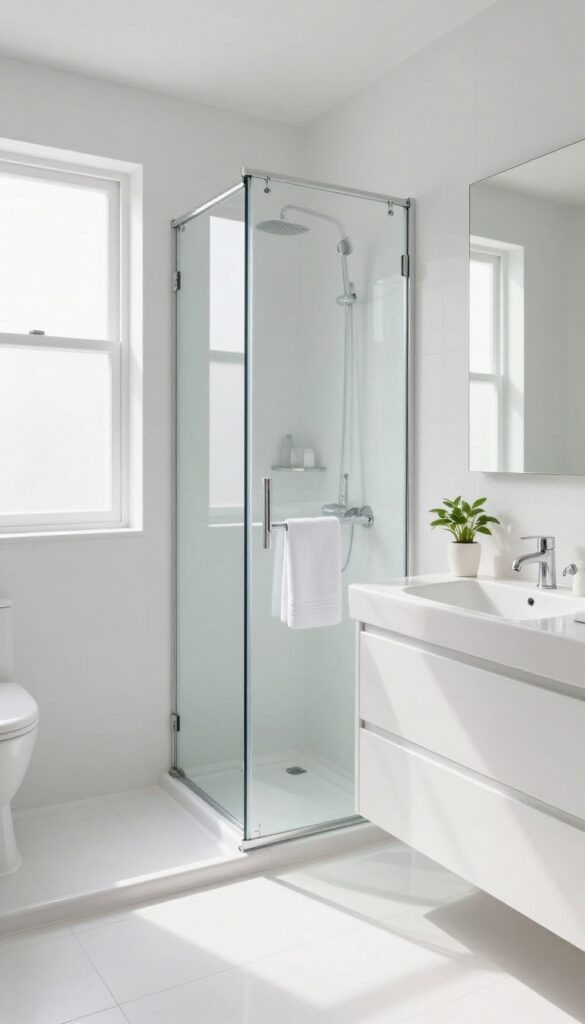
Bathrooms tend to get grimy fast, but a weekly deep-ish clean keeps them fresh without much effort. Wednesday is a great midweek reset—tackle each bathroom in about 15 minutes, and you'll avoid the dreaded Saturday scrub-a-thon. The key is consistency: a quick weekly blitz prevents buildup and makes the job feel light.
Give each bathroom a thorough clean: scrub toilet, sink, and shower, wipe mirrors, and restock toilet paper and soap. Takes about 15 minutes per bathroom.
Start With The Toilet
Spray cleaner inside the bowl and around the rim, then let it sit while you work on the sink and shower. Come back to scrub and flush. This saves time and ensures a proper clean.
Mirrors And Fixtures
Wipe mirrors with a microfiber cloth and glass cleaner. Then hit faucets, handles, and showerheads with an all-purpose spray. A quick buff makes everything sparkle.
Restock And Refresh
Check toilet paper, hand soap, and any other essentials. Refill as needed. Toss empty bottles and straighten towels.
This small step keeps the bathroom guest-ready.
5. Thursday: Dust and Vacuum
Thursday is the day to tackle airborne dust and ground-level debris before the weekend. By now, you've handled laundry, kitchen, and bathrooms, so your home is mostly tidy. A thorough dusting and vacuuming session will make everything feel fresh and polished.
Plus, it's a great way to get a little workout in.
Dust From Top To Bottom
Start high and work your way down. Use a microfiber cloth or an extendable duster on ceiling fans, light fixtures, and window sills. Then move to shelves, picture frames, and electronics.
Microfiber traps dust instead of spreading it around. Don't forget often-missed spots like the tops of door frames and baseboards.
Vacuum Carpets And Rugs
Vacuum all carpets and area rugs, going over high-traffic areas twice. Use attachments for edges and under furniture. If you have hardwood or tile, a quick sweep or vacuum on hard floor setting will pick up any dust that settled.
Empty the vacuum canister or change the bag when you're done for best performance next time.
Give Baseboards And Under Furniture Some Love
Baseboards collect dust and pet hair quickly. Wipe them down with a damp cloth or use a vacuum attachment. Then, move couches and chairs to vacuum underneath.
You'll be surprised how much debris hides there. This step makes the whole room feel cleaner instantly.
6. Friday: Living Room Refresh
Fridays are about resetting the living room so you can actually enjoy the weekend. After a busy week, this space tends to collect clutter and dust. A quick refresh makes it feel welcoming again without a full deep clean.
Focus on the surfaces you see and use most. Fluffing pillows and folding blankets instantly makes the room look tidy. Wipe down electronics like the TV remote, gaming consoles, and light switches—they gather grime fast.
Clear coffee tables and side tables of stray items, and give them a quick dust. Vacuum under couch cushions to remove crumbs and debris, and spot-clean any visible stains on upholstery or rugs. This takes about 15 minutes and leaves the room ready for a relaxing evening.
Quick Surface Reset
Start by picking up anything that doesn't belong—coasters, magazines, kids' toys. Fluff all pillows and fold throw blankets neatly. Give the coffee table and end tables a once-over with a microfiber cloth.
This alone transforms the room's look.
Electronics And High-touch Areas
Wipe down the TV remote, game controllers, and any touchscreens with a gentle cleaner. Don't forget light switch plates and door handles—they're germ magnets. A quick spray and wipe keeps things sanitary.
Cushions And Floors
Lift couch cushions and vacuum underneath to catch crumbs and pet hair. Spot-clean any stains with a fabric cleaner. Vacuum or sweep the floor, paying attention to corners and under furniture.
If you have rugs, a quick vacuum or shake keeps them fresh.
7. Saturday Morning: Zone Clean
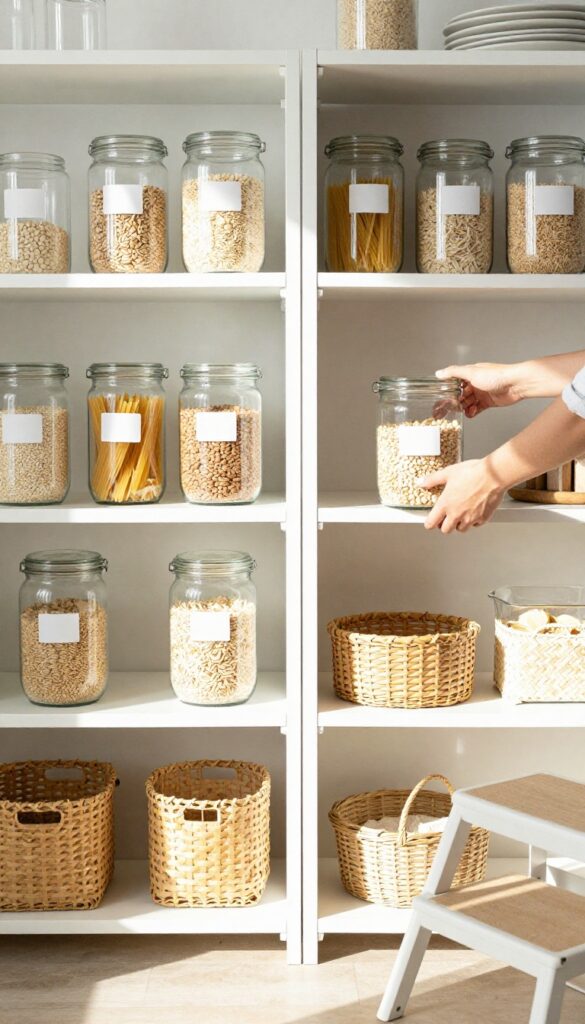
Saturdays are your chance to tackle the areas that get overlooked during the week. Instead of trying to clean everything, pick one zone that needs extra attention—like the pantry, a closet, or the garage. Spend just 30 minutes decluttering and organizing.
This focused approach prevents overwhelm and makes a big difference in how your home feels.
Zone cleaning is all about depth over breadth. By zeroing in on one area, you can actually make progress without burning out. Here's how to make it work.
Choose Your Zone
Rotate through different zones each week. One Saturday might be the pantry, the next a bedroom closet, then the garage. Keep a list so you cover everything over a month.
Don't overthink it—just pick one area that's bugging you.
Set A Timer
Thirty minutes is plenty. Set a timer and work until it goes off. This keeps you focused and prevents you from getting sidetracked.
If you finish early, great. If not, you can always come back next week.
Declutter First, Organize Second
Pull everything out, sort into keep, donate, and trash piles. Only then start organizing what's left. This two-step process ensures you're not just rearranging clutter.
Use bins, labels, or shelf dividers to keep things tidy.
Celebrate The Win
After your 30 minutes, step back and admire your work. A clean zone gives you a sense of accomplishment that carries into the rest of your weekend. Plus, it makes your daily routines easier when everything has a home.
8. Sunday: Meal Prep and Reset
Sundays often feel like the last chance to get your act together before the workweek hits. Instead of dreading Monday, use this day to set yourself up for success. A clean, organized kitchen is the cornerstone of a smooth morning, and a little meal prep goes a long way.
Start by clearing out any lingering science experiments from the fridge. Toss expired items, wipe down shelves, and give the crisper drawers a quick rinse. Then, wipe down all counters, the stovetop, and the sink.
A sparkling kitchen makes the idea of cooking breakfast or packing lunch feel way less daunting. Finally, spend 20 minutes planning your meals for the week—jot down a simple menu or just prep a few ingredients like chopped veggies or cooked grains. Future you will be grateful.
Fridge Purge And Wipe Down
Take everything out of the fridge that's obviously past its prime. Check expiration dates on condiments and leftovers. Wipe down shelves and drawers with a mild cleaner, then return the keepers in an organized way.
Group similar items together—dairy, produce, meats—so you can find stuff fast all week.
Counter Reset And Sink Shine
Clear off all counter clutter. Put away small appliances you don't use daily, like the blender or toaster. Spray the counters with a disinfectant and wipe them dry.
Scrub the sink with baking soda or a gentle cleanser, then rinse and dry. A clean sink is like a deep breath for your kitchen.
Simple Meal Prep That Actually Helps
You don't need to cook 21 meals in advance. Focus on high-impact tasks: wash and chop veggies for salads or stir-fries, cook a batch of rice or quinoa, hard-boil a few eggs, or portion out snacks like nuts and fruit. Store everything in clear containers so you can grab and go.
This small effort saves major time on busy weeknights.
9. Daily: Dishes Done Before Bed
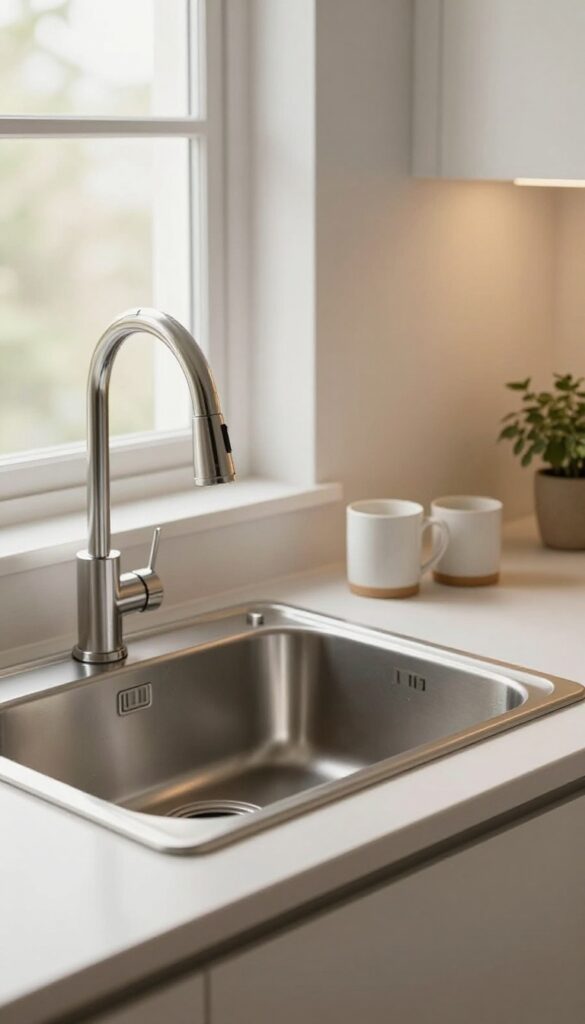
There's something about waking up to a clean kitchen that sets a positive tone for the whole day. The simple rule of finishing all dishes before you go to sleep can transform your mornings from rushed to relaxed. It's a small commitment that pays off big in peace of mind.
This habit is about more than just cleanliness—it's about closing the day with a sense of accomplishment. By making it a non-negotiable, you eliminate the dread of facing a pile of crusty plates first thing in the morning. Plus, it keeps pests away and prevents odors from building up overnight.
Make It A Family Affair
Get everyone involved by assigning a post-dinner role: one person scrapes and rinses, another loads the dishwasher, and someone wipes down counters. It becomes a quick team effort rather than a solo slog. Set a timer for 10 minutes and race to see if you can beat it.
Tackle Leftovers First
Before anyone leaves the table, pack up leftovers into containers and put them in the fridge. This clears the counter and prevents food from drying onto plates. A clean sweep of the table right after eating makes the dishwashing step feel less daunting.
End With A Clean Sink
Once dishes are done, give the sink a quick scrub and rinse. A shiny, empty sink is a visual cue that the kitchen is closed for the night. It's a small finishing touch that makes the whole room feel fresh and ready for tomorrow.
10. Daily: Quick Bathroom Wipe
Bathrooms can get grimy fast, but a daily 30-second wipe keeps them fresh without deep scrubbing. After you finish your morning or evening routine, grab a cloth and quickly wipe the sink and counter. This small habit stops toothpaste splatters and soap scum from hardening, so your bathroom stays presentable all week.
This isn't about a full bathroom clean—just a quick pass over the surfaces you use most. By making it part of your routine, you prevent buildup and reduce the need for heavy cleaning later.
What To Wipe
Focus on the sink basin, faucet handles, and countertop. If you have a mirror nearby, a quick streak-free wipe helps too. Avoid the toilet and shower—those get their own day.
Best Tools For The Job
Keep a microfiber cloth or a reusable wipe within arm's reach. A spray bottle with diluted all-purpose cleaner or a DIY vinegar solution works great. Store them under the sink so you can grab and go.
When To Do It
Right after brushing your teeth or washing your face is ideal. Tying it to an existing habit makes it automatic. If you miss a day, no big deal—just pick it up tomorrow.
11. Weekly: Trash and Recycling Round
Trash has a way of multiplying when you're not looking. A stray wrapper here, a junk mail pile there—before you know it, every room has its own little landfill. A dedicated weekly trash and recycling round stops the creep and keeps your home smelling fresh.
Pick one day—say, Thursday evening or Saturday morning—and make it trash day. Walk through every room with a bag, not just the kitchen and bathroom. Home offices, craft corners, and even the laundry room accumulate paper scraps, empty bottles, and random packaging.
Collect it all, then take it straight to the outdoor bins. No setting bags by the door to trip over later.
Don't Forget The Hidden Spots
Bathroom trash cans fill up fast with floss containers and empty shampoo bottles. Bedrooms collect receipts and tissue boxes. Even the entryway might have a small bin for mail shreddings.
Hit every single container, including the one under the sink. A quick check of each room takes five minutes total.
Recycling Prep Saves Time Later
Rinse out cans and jars as you go—no one wants sticky recycling sitting around for a week. Flatten cardboard boxes so they take up less space. If your area has separate bins for paper and plastic, sort as you collect.
This small effort on trash day means you won't have to deal with a messy recycling pile midweek.
Make It A Family Habit
Get everyone involved by assigning a room or a task. Kids can empty their own bedroom bins. A partner can handle the kitchen and garage.
Set a timer for ten minutes and race to see who finishes first. When the whole household participates, trash day becomes a quick team effort instead of one person's chore.
12. Weekly: Vacuum High-Traffic Areas
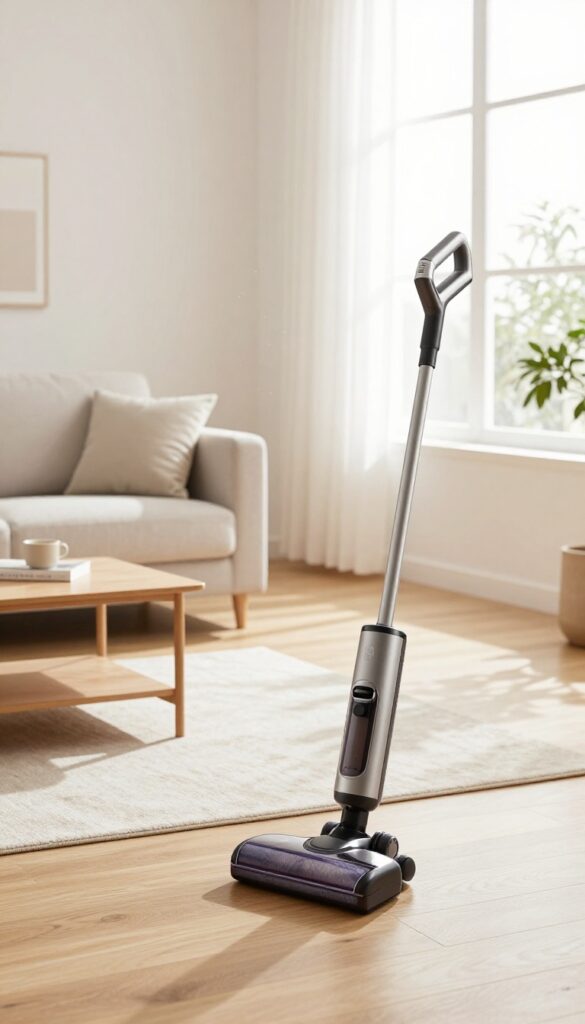
Midweek is the sweet spot for a quick vacuum of the spots that see the most action. By Wednesday or Thursday, crumbs, dust, and dirt have had a few days to accumulate, but they haven't had time to get ground into carpets or hardwood. A targeted pass through the living room, hallways, and kitchen keeps your floors looking presentable without a full-house vacuum session.
Focus on the areas where people actually walk and eat. The living room floor around the sofa and coffee table, the main hallway, and the kitchen floor near the counters and dining table. These zones collect the most debris.
A quick vacuum midweek prevents dirt from building up and makes your weekend deep clean much easier. It also keeps your home feeling fresh for unexpected visitors or just for your own peace of mind.
Why Midweek?
Waiting until the weekend means dirt has had a full week to settle in. A midweek vacuum catches crumbs and dust before they get trampled into fibers or scratched into hard floors. It's a small effort that pays off in less scrubbing later.
The Right Tools
Use a vacuum with a hard floor setting if you have tile or wood, and a brush roll for carpets. A cordless stick vacuum is perfect for a quick midweek run—it's easy to grab and takes just minutes. Keep it charged and ready to go.
Don't Forget The Edges
Crumbs love to hide along baseboards and under furniture. Take an extra 30 seconds to run the vacuum along the edges of the room and under the front of the sofa. It makes a surprising difference in how clean the room feels.
13. Weekly: Mop Hard Floors
Mopping might not be glamorous, but it's the step that makes your floors actually clean, not just dust-free. After you've vacuumed or swept, a good mop lifts stuck-on grime and leaves surfaces fresh. Focus on high-traffic areas like the kitchen and entryways—they collect the most dirt.
Choose The Right Cleaner
Not all floor cleaners are created equal. For tile and vinyl, a neutral pH cleaner works well without leaving residue. Hardwood needs a cleaner specifically designed for it—avoid vinegar or harsh chemicals that can strip the finish.
Always check the manufacturer's recommendations.
Mop Like A Pro
Start in the farthest corner and work your way toward the exit so you don't walk on wet floors. Use a microfiber mop head—it traps dirt better than cotton. Rinse it frequently in clean water to avoid spreading grime.
For stubborn spots, let the cleaner sit for a minute before mopping.
Don't Forget The Details
Pay extra attention to corners, under cabinets, and along baseboards. These spots collect dust and crumbs that get missed during quick sweeps. A flat mop with a swivel head makes it easier to reach tight spaces.
Finish by wiping down baseboards with a damp cloth for a polished look.
14. Weekly: Clean One Appliance
Appliances work hard for you, but they rarely get the attention they deserve. A monthly deep clean keeps them running efficiently and looking good. The trick is to tackle just one each week so it never feels overwhelming.
Microwave: Steam Clean In Minutes
Fill a microwave-safe bowl with water and a few lemon slices. Microwave for 5 minutes, then let it sit for 2 more. The steam loosens all the gunk, and you just wipe it away with a sponge.
No scrubbing needed.
Oven: No Harsh Fumes
Make a paste of baking soda and water, spread it inside the oven (avoid heating elements), and let it sit overnight. The next day, spray with vinegar and wipe clean. It’s non-toxic and surprisingly effective.
Dishwasher: Freshen The Filter
Remove the bottom rack and unscrew the filter. Rinse it under hot water and scrub off any debris. Then run an empty cycle with a cup of white vinegar on the top rack to deodorize and descale.
Washing Machine: Prevent Musty Smells
Run a hot cycle with two cups of white vinegar (no clothes). Follow with a second hot cycle using a half cup of baking soda. This clears out detergent buildup and keeps your machine smelling fresh.
15. Weekly: Wipe Down Light Switches and Door Handles
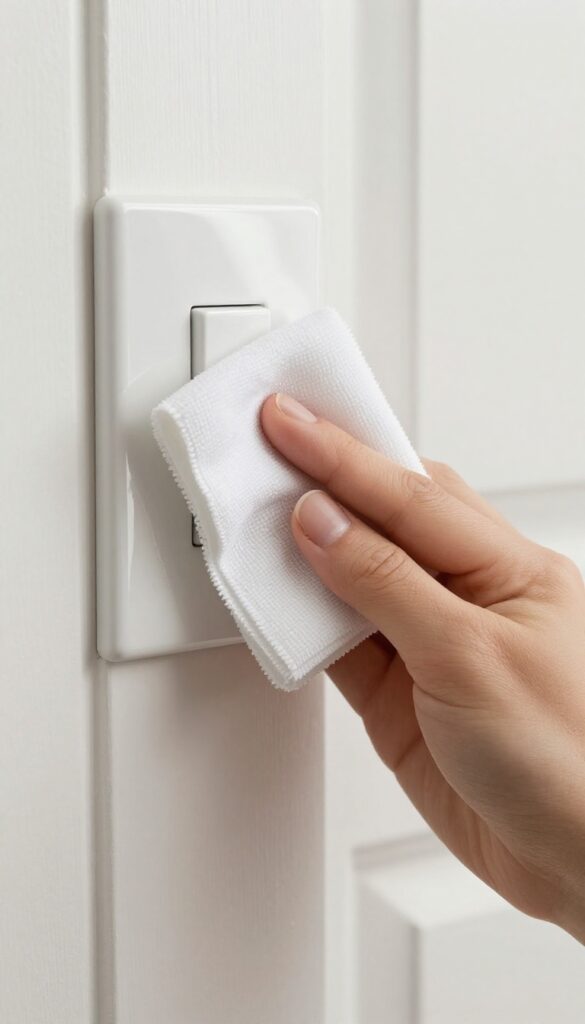
Light switches and door handles are some of the most touched surfaces in any home, yet they often get overlooked during regular cleaning. Over a week, they collect fingerprints, dust, and germs. A quick weekly wipe-down takes just a few minutes and instantly makes your home feel fresher and more cared for.
This simple habit also helps reduce the spread of colds and flu, especially during peak seasons.
Grab a disinfecting wipe or a microfiber cloth dampened with a mild soapy solution. Go through each room and wipe every light switch plate and door handle. Pay extra attention to the edges of switch plates where grime tends to build up.
For metal handles, dry them after wiping to prevent water spots. This task is quick enough to do while you're waiting for something else, like your morning coffee or laundry cycle.
Why It Matters
High-touch surfaces are hotspots for bacteria and viruses. Studies have shown that light switches and door handles can harbor more germs than a toilet seat. Regularly disinfecting them reduces the risk of illness and keeps your home feeling truly clean, not just looking clean.
How To Make It A Habit
Tie this task to an existing routine. For example, wipe down switches and handles every Sunday while you're doing a quick tidy before the week starts. Keep a pack of disinfecting wipes in a central spot, like the kitchen or living room, so you can grab them easily.
You can also use a reusable cloth and spray cleaner for a more eco-friendly approach.
Pro Tips For Best Results
Don't forget less obvious handles, like cabinet knobs, drawer pulls, and the fridge door handle. For switch plates, consider replacing old, yellowed ones with fresh white plates for an instant upgrade. If you have kids, make it a game to see who can wipe the most switches in two minutes.
16. Weekly: Organize Entryway
The entryway is the first thing you see when you walk in and the last thing you see when you leave. When it's cluttered, it sets a chaotic tone for the whole house. A quick weekly reset keeps this high-traffic zone functional and welcoming.
Each week, take 10 minutes to clear out anything that doesn't belong. Shoes pile up, coats get dumped, and mail collects on the console table. A quick sort and wipe-down makes a huge difference in how your home feels.
Clear The Clutter
Start by removing everything that isn't a daily essential. Stray shoes go back to the closet, jackets get hung up, and bags are put away. Toss any trash like receipts or old flyers.
This step alone transforms the space.
Wipe Down Surfaces
Dust and dirt accumulate fast in the entryway. Use a microfiber cloth to wipe the console table, bench, and any shelves. Don't forget the front door handle and light switch plate—they get touched constantly.
Sweep Or Vacuum The Floor
The floor in the entryway takes a beating. Sweep up dirt, sand, and debris, or vacuum if you have a rug. Pay special attention to corners and under the shoe rack.
A clean floor makes the whole area feel fresh.
Refresh The Shoe Rack
Shoe racks can become a jumbled mess. Take a moment to pair up loose shoes, arrange them neatly, and remove any that are out of season or worn out. This keeps the rack functional and prevents that avalanche effect when you grab a pair.
17. Weekly: Desk and Home Office Tidy
Your desk might not scream for attention like the kitchen or bathroom, but a cluttered workspace quietly drains your focus. When papers pile up and cords tangle, it's harder to get into a productive flow. A weekly desk tidy is a small investment that pays off in clearer thinking and less stress.
Start by clearing everything off your desk. Sort items into three piles: keep, file, or trash. Wipe down the surface with a gentle cleaner, then tackle the keyboard and monitor with a microfiber cloth.
Untangle cords and use clips or ties to keep them organized. Finally, return only what you truly need—leave the rest stored away.
Paper Purge
Go through any loose papers, sticky notes, and mail. Recycle what's outdated, file what's important, and digitize when possible. A small shredder nearby makes quick work of sensitive documents.
Cord Control
Unplug and reroute cables so they're not a mess. Use velcro straps, cable clips, or a simple binder clip to keep charging cables tidy. Label each cord with a small tag so you know what's what.
Surface Reset
Wipe down the desk, monitor, keyboard, and mouse with disinfectant wipes. Dust any shelves or nearby surfaces. A clean surface signals your brain it's time to work.
18. Weekly: Pet Area Cleanup
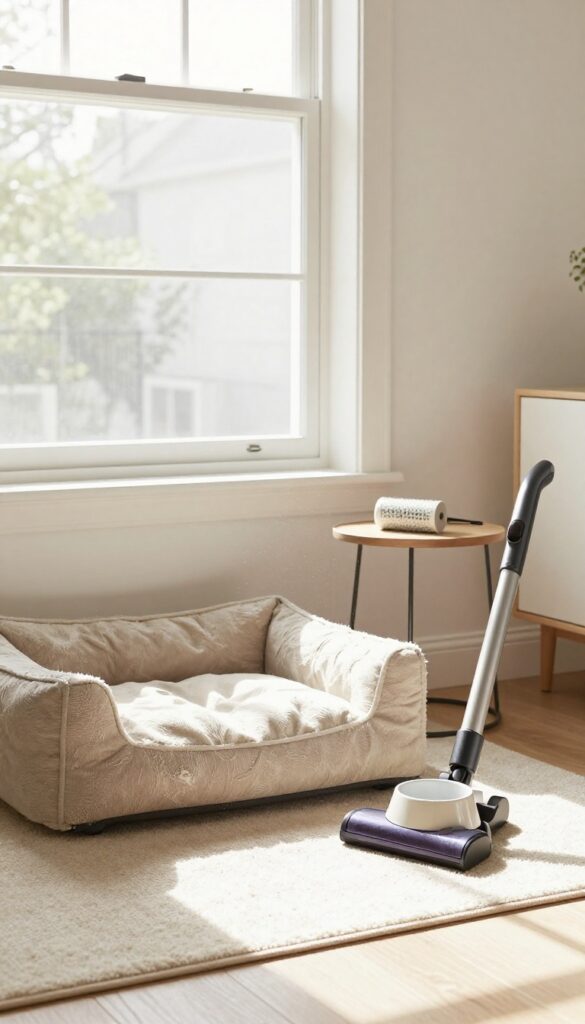
Pets bring joy, but they also bring fur, dander, and the occasional mess. A weekly pet area cleanup keeps your home fresher and your furry friends healthier. It doesn't take long, and it makes a huge difference in how your space feels and smells.
Set aside 20 minutes each week to tackle the spots your pets love most. Focus on their bedding, favorite furniture, and feeding station. This routine reduces allergens and keeps odors from building up.
Wash Pet Beds And Blankets
Pet bedding collects hair, dirt, and oils quickly. Throw all washable beds, blankets, and cushion covers in the machine on a hot cycle with pet-safe detergent. While they're washing, vacuum the area underneath to catch any stray fur or crumbs.
Vacuum Furniture And Floors
Use a vacuum with a pet hair attachment to go over couches, chairs, and carpets. Don't forget under furniture and along baseboards where fur tends to drift. A rubber squeegee or lint roller can grab stubborn hairs from upholstery.
Clean Food And Water Bowls
Wash bowls with hot, soapy water or run them through the dishwasher. Bacteria can build up quickly, especially in water bowls. Rinse and dry thoroughly before refilling to keep your pet's feeding station fresh.
19. Weekly: Check and Restock Supplies
Nothing derails a cleaning session faster than realizing you're out of all-purpose spray or trash bags. A quick weekly supply check keeps you prepared and prevents frustrating mid-task store runs. It's a five-minute habit that saves time and keeps your cleaning flow uninterrupted.
Set aside ten minutes each week—perhaps after your main cleaning session or on a designated day—to take stock of your essentials. Walk through each room and note what's running low. Keep a running shopping list on your phone or a whiteboard so you can add items as you notice them.
This small routine ensures you always have what you need when motivation strikes.
What To Check
Focus on the items you use most: all-purpose cleaner, glass cleaner, disinfectant wipes, sponges, scrub brushes, trash bags, paper towels, and toilet paper. Don't forget specialty products like bathroom cleaner, stainless steel polish, or wood cleaner if you use them regularly. Check laundry supplies too—detergent, stain remover, and dryer sheets.
Where To Keep Your List
A shared family list on a notes app works great for households. For solo living, a magnetic notepad on the fridge or a simple voice memo does the trick. The key is making it easy to add items as soon as you notice they're low, not waiting until you're out.
The One-minute Restock Habit
When you finish a cleaning session, take one minute to put away any supplies you used and note what's almost empty. This prevents clutter and ensures your caddy or cabinet is ready for next time. It's a tiny closing ritual that makes your next cleaning session smoother.
20. Weekly: Wipe Down Kitchen Backsplash and Stovetop
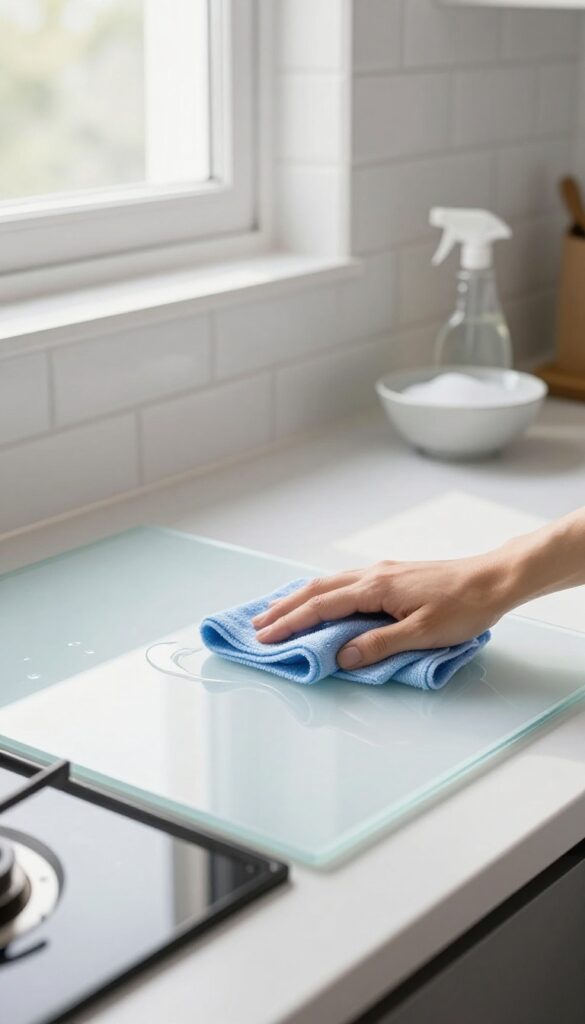
Grease and food splatters accumulate quickly, turning your kitchen surfaces into a sticky mess. A quick weekly wipe-down keeps them looking fresh and prevents buildup that's harder to remove later. This small habit makes a big difference in how clean your kitchen feels.
Use a degreaser or warm soapy water to clean the backsplash and stovetop. Focus on the area behind the stove where grease tends to splatter most. For stubborn spots, let the cleaner sit for a minute before wiping.
A microfiber cloth works great for a streak-free finish. Don't forget the knobs and handles—they collect grime too.
What You'll Need
Grab a spray bottle with a degreaser or dish soap mixed with warm water. You'll also need a microfiber cloth or sponge. For the stovetop, make sure it's cool before cleaning.
If you have a glass cooktop, use a dedicated cleaner to avoid scratches.
Step-by-step
Start by removing any loose debris from the stovetop. Spray the backsplash and stovetop with your cleaner. Let it sit for a minute to break down grease.
Wipe in a circular motion, then rinse with a damp cloth. Dry with a clean towel to prevent streaks.
Pro Tips
Clean as you cook by wiping splatters immediately—it saves time later. For tough baked-on grease, use a paste of baking soda and water. Apply it, let it sit, then scrub gently.
Always test a small area first if you're unsure about your surface.
21. Weekly: Clean Inside the Microwave
Microwaves see a lot of action, but they don't always get the attention they deserve. Food splatters and lingering smells can build up fast. A quick weekly clean keeps it fresh and functional without harsh scrubbing.
The steam-cleaning method is a game-changer. Place a microwave-safe bowl filled with water and a few lemon slices inside. Heat on high for 3 minutes.
The steam loosens stuck-on food and deodorizes naturally. Let it sit for a couple more minutes, then carefully remove the bowl. Wipe down the interior with a damp cloth or sponge.
Everything comes off easily. This takes less than 5 minutes total and leaves your microwave smelling fresh.
Why Lemon Works Best
Lemon is a natural degreaser and deodorizer. The steam carries citrus oils that cut through grease and neutralize odors. You can also use vinegar or baking soda, but lemon leaves a pleasant scent without any harsh chemical residue.
Don't Forget The Turntable
Remove the glass turntable and wash it in warm, soapy water. Wipe down the roller ring underneath. This prevents food debris from baking onto the surface and keeps the microwave spinning smoothly.
22. Weekly: Freshen Up Upholstery
Upholstered furniture sees daily use but often gets ignored during cleaning. Dust, crumbs, and pet dander settle deep into the fibers, making your couch feel less fresh. A quick weekly refresh keeps it looking good and extends its life.
Vacuum Thoroughly
Use the upholstery attachment on your vacuum to go over every surface. Pay special attention to crevices, seams, and under cushions. This removes loose dirt and allergens before they settle in.
Spot-clean Stains
Check for new spills or marks. Blot with a clean cloth and a mild upholstery cleaner. Avoid rubbing, which can push the stain deeper.
Treating stains weekly keeps them from setting.
Fluff And Rotate Cushions
Flip and rotate cushions to even out wear. Fluff them by hand to restore shape. This simple step keeps your furniture looking plump and comfortable.
Fabric Refresher Spray
Use a fabric-safe refresher or a DIY mix of water and a few drops of essential oil. Lightly mist the upholstery to neutralize odors. Let it air dry for a few minutes before sitting.
23. Weekly: Nighttime Reset Routine

The last ten minutes of your day can set the tone for the next morning. Instead of waking up to yesterday's mess, a quick nighttime reset clears the visual noise and helps you start fresh. This isn't a deep clean—it's a gentle tidy that takes almost no willpower.
What To Focus On
Target the main living areas you'll see first in the morning. Clear coffee tables, countertops, and dining surfaces. Put stray items back in their homes.
Fluff throw pillows and fold blankets. If you have pets, give pet beds a quick lint-roll or vacuum.
Set Tomorrow Up For Success
Use this time to prep for the next day. Lay out clothes, pack bags, and set the coffee maker. Write a short to-do list or check tomorrow's weather.
These small actions reduce morning friction and make your routine feel purposeful.
Make It A Habit
Pair the reset with an existing bedtime cue, like brushing your teeth or changing into pajamas. Set a timer for 10 minutes and move quickly. Over time, this micro-habit becomes automatic and keeps your home consistently tidy without extra effort.
FAQ
How do I stick to a weekly cleaning schedule?
Start small. Pick just 3-4 tasks per week and build from there. Use a checklist app or a physical planner to track progress.
Reward yourself after completing a week.
What if I miss a day?
Don't stress. Just pick up where you left off or combine tasks the next day. The schedule is a guide, not a strict rule.
Consistency over time matters more than perfection.
Can I customize these ideas for a small apartment?
Absolutely. Scale down tasks to fit your space. For example, a bathroom blitz might take 10 minutes instead of 15.
Focus on high-impact areas like the kitchen and bathroom.
How long does each cleaning task take?
Most daily tasks take 5-10 minutes. Weekly tasks range from 15-30 minutes. The whole week's cleaning adds up to about 2-3 hours total, spread out.
What's the best way to involve family members?
Assign age-appropriate tasks to each person. Use a shared chore chart and rotate tasks weekly. Make it a team effort with music or a timer for fun.
Conclusion
A weekly cleaning schedule doesn't have to be rigid or overwhelming. The best routine is one that fits your life and keeps your home feeling comfortable, not like a museum. Start with just a few ideas from this list and adjust as you go.
Over time, these small habits will create a natural flow that makes cleaning feel less like a chore and more like a rhythm. Your home will thank you, and so will your weekends.