A clean home feels like a fresh start, but keeping up with chores can quickly become overwhelming. The secret isn't more time—it's having the right checklist. A simple, well-structured list turns chaos into manageable steps, saving you mental energy and decision fatigue.
These 20 cleaning checklist ideas cover everything from daily touch-ups to seasonal deep cleans. Each one is designed to fit into real life, not a Pinterest fantasy. You'll find routines that work for busy mornings, lazy weekends, and everything in between.
Pick the ones that resonate with your current needs. Mix and match, adjust the frequency, and remember: a reset doesn't have to be perfect—it just has to be done. Let's get started.
1. The 10-Minute Morning Tidy
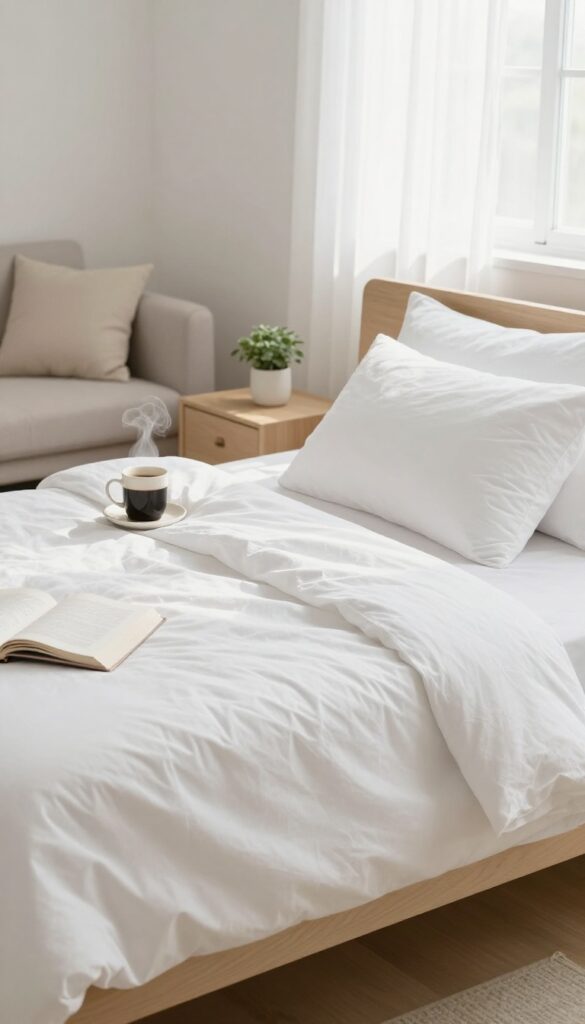
Mornings set the tone for the whole day, and a quick tidy-up can make a huge difference. You don't need an hour—just ten focused minutes can transform your space from chaotic to calm. This checklist is about creating a small win that gives you momentum, not adding another chore to your list.
The 10-Minute Morning Tidy is designed to be fast and effective, targeting the areas that matter most. Start by making your bed—it instantly makes the room look neater. Then do a quick sweep of the main living areas: toss pillows back on the couch, put away stray shoes or mail, and wipe down kitchen counters.
In the bathroom, a quick spray and wipe of the sink and mirror takes under a minute. The goal isn't deep cleaning—it's resetting the visual clutter so you start your day with a clean slate.
What To Tackle First
Focus on the spaces you see first when you wake up: your bedroom, bathroom, and kitchen. Making the bed is non-negotiable—it's the anchor of the whole routine. Then clear any visible clutter from surfaces.
A quick pass with a microfiber cloth on counters and mirrors removes toothpaste splatters and fingerprints. This three-step loop takes about five minutes and covers the high-impact zones.
Stick To A Timer
Use your phone's timer or a smart speaker to keep yourself honest. When the alarm goes off, stop—even if you're not done. The discipline of stopping prevents burnout and keeps the habit sustainable.
Over time, you'll get faster and naturally learn which tasks fit into the window. If you consistently finish early, add one more small task, like wiping down the stovetop.
Make It A Ritual, Not A Chore
Pair your tidy with something enjoyable: a podcast, your favorite playlist, or a cup of coffee waiting for you. The routine becomes automatic when it's tied to a positive cue. Keep your cleaning supplies easily accessible—a caddy with all-purpose spray and cloths under the sink saves precious seconds.
After a week, you'll wonder how you ever skipped it.
2. Evening Wind-Down Reset
The way you end your day shapes how you start the next. Instead of leaving messes for tomorrow's stressed-out self, a short evening reset clears both your space and your mind. Fifteen minutes is all it takes to create a morning that feels calm instead of chaotic.
This isn't about deep cleaning. It's about resetting the common areas and your bedroom so you wake up to order, not clutter. Think of it as closing the loop on your day so you can truly relax.
Clear The Surfaces
Walk through your living room and kitchen with a small basket or tray. Grab anything that doesn't belong: mail, remote controls, kids' toys, empty water bottles. Put each item in its home or in a designated spot to deal with tomorrow.
Wipe down counters and the coffee table with a microfiber cloth. This five-minute sweep instantly makes the room feel more spacious.
Load The Dishwasher And Wipe The Sink
A clean kitchen sink is the anchor of a peaceful morning. Load any dirty dishes into the dishwasher and start it if it's full. If you don't have a dishwasher, wash the essentials and leave the rest to soak.
Then give the sink a quick scrub with a sponge and dry it with a towel. Seeing that empty, shiny sink when you walk in for coffee feels like a small victory.
Fluff Pillows And Fold Throws
Fluffing pillows and folding blankets takes less than two minutes but changes the whole feel of a room. Straighten the cushions on your sofa, fold throws neatly over the arm, and plump up any decorative pillows. This simple act signals that the day is done and the space is ready for rest.
Set Up For Tomorrow
Take one minute to prepare for the next day. Lay out your coffee mug, fill the kettle, or set out your workout clothes. If you have a morning to-do list, place it somewhere visible.
These tiny preparations remove friction from your morning routine and make the evening reset feel purposeful.
3. The Weekly Kitchen Deep Clean
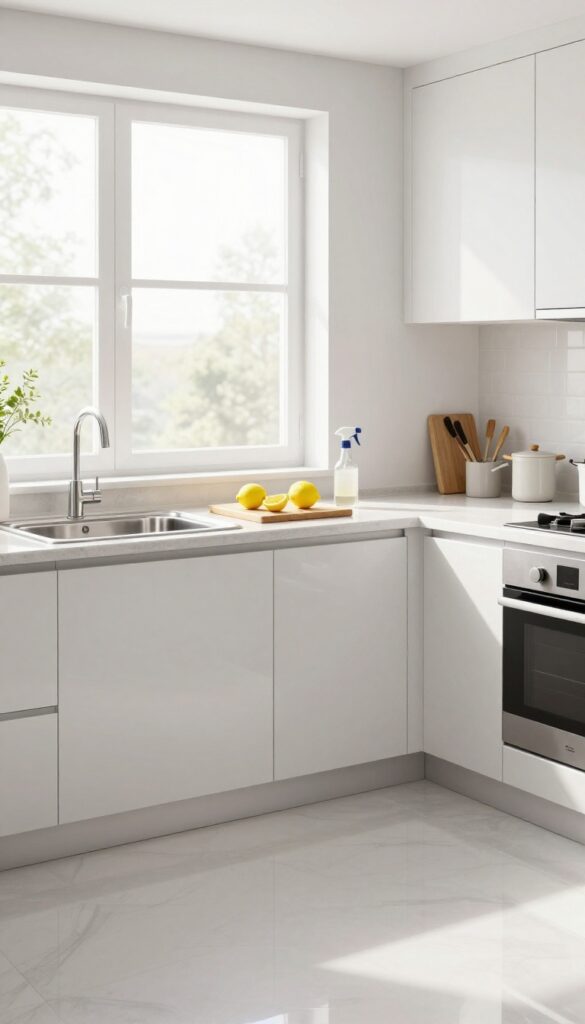
The kitchen is the heart of the home, but it also takes the most abuse. Between meal prep, spills, and daily traffic, grime builds up fast. A weekly deep clean keeps things sanitary and makes cooking feel less like a chore and more like a pleasure.
Set aside one hour each week to tackle the areas that get overlooked during daily wipe-downs. Start by clearing counters and soaking the sink with a baking soda paste. While that sits, wipe down cabinet fronts, handles, and the microwave inside and out.
Finish by mopping the floor with a disinfectant that smells good—lemon or lavender works wonders.
Sink And Counter Revival
Your sink sees more action than any other surface. Scrub it with a non-abrasive cleaner, then rinse and dry. For counters, clear everything off and spray with an all-purpose cleaner.
Pay extra attention to the area around the stove and coffee station—grease and coffee stains love to hide there.
Appliance Exterior And Interior
Don't forget the microwave, toaster, and fridge doors. A degreaser works best on stainless steel. For the microwave, heat a bowl of water with lemon slices for two minutes, then wipe the interior easily.
This simple trick loosens baked-on food and leaves a fresh scent.
Floor Finale
Sweep or vacuum first to remove crumbs and dust. Then mop with a solution that's safe for your flooring—vinegar and water for tile, a gentle cleaner for hardwood. Let it air dry while you put away cleaning supplies.
A clean floor instantly makes the whole room feel brighter.
4. Bathroom Blitz (30 Minutes)
Bathrooms can be the most dreaded room to clean, but they don't have to be. With a focused 30-minute blitz, you can tackle the toilet, shower, sink, and mirror without getting sidetracked. The key is to work smart—use a daily shower spray to prevent buildup, then commit to a weekly scrub for that sparkle.
A bathroom blitz is all about efficiency. Start by spraying the shower and toilet with cleaner, letting them sit while you wipe the mirror and sink. Then return to scrub and rinse.
This method cuts down on elbow grease and makes the whole process feel faster.
Work Top To Bottom
Start with the mirror and countertops, then move to the sink, toilet, and finally the shower or tub. This way, any drips or splashes land on surfaces you haven't cleaned yet, so you're not redoing work. Use a microfiber cloth for streak-free mirrors and a separate one for the toilet.
Daily Shower Spray Hack
After your morning shower, give the walls and door a quick spritz with a daily shower spray. This simple habit prevents soap scum and mildew from building up, so your weekly scrub is much easier. You can buy a spray or make your own with vinegar and water.
Toilet Tactics
For the toilet, pour a cup of baking soda and a cup of vinegar into the bowl, let it fizz for a few minutes, then scrub with a brush. This combo deodorizes and lifts stains without harsh chemicals. Don't forget to wipe the exterior, including the base and the flush handle.
5. Living Room Surface Sweep
The living room is where everyone gathers, so it collects dust, crumbs, and fingerprints fast. A surface sweep is a quick way to restore order without pulling out the heavy-duty cleaners. Focus on the high-touch areas first, then work your way to the edges.
Dust From Top To Bottom
Start with ceiling fans and light fixtures, then move to shelves and tabletops. Use a microfiber cloth or an extendable duster to trap particles instead of spreading them. Finish by wiping down baseboards and window sills with a damp cloth.
Vacuum Like You Mean It
Pull out couch cushions and vacuum every crevice—crumbs love hiding there. Use the crevice tool along the edges of the room and under furniture. Don't forget to vacuum or wipe down the remote controls and lamp shades.
Electronics And Screens
TVs, monitors, and gaming consoles attract static dust like a magnet. Use a dry microfiber cloth or an electronics-safe wipe to clean screens gently. For keyboards and remotes, a soft brush or compressed air works wonders.
6. Bedroom Refresh Routine
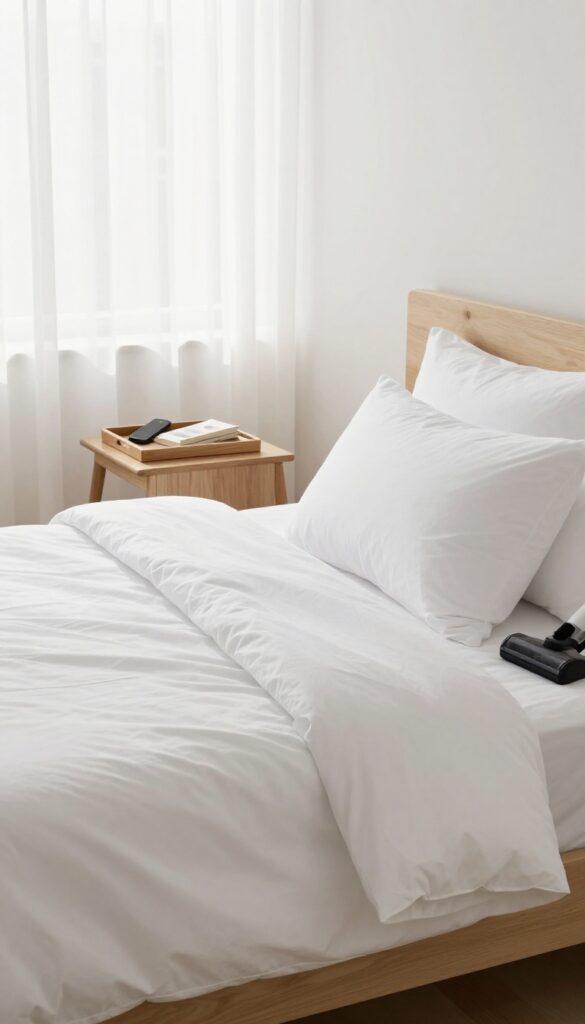
Your bedroom should be a sanctuary, but it's easy for clutter and dust to take over. A quick weekly refresh keeps the space feeling calm and inviting without a full deep clean. This routine focuses on the high-impact areas that make the biggest difference in comfort and air quality.
Strip And Refresh Bedding
Start by removing all sheets, pillowcases, and duvet covers. Give your pillows a good fluff and let the mattress air out for a few minutes while you work. Wash bedding in warm water with a gentle detergent—aim for every one to two weeks to keep allergens and dust mites at bay.
Declutter Nightstands And Surfaces
Nightstands are magnets for water glasses, books, and charging cables. Take everything off, wipe down the surface with a microfiber cloth, and only put back what you actually use nightly. A small tray or dish can corral essentials like a phone, glasses, or lip balm, keeping the look tidy.
Vacuum Under The Bed
Don't ignore the dark zone under your bed. Dust bunnies, stray socks, and even lost earrings accumulate there. Use a vacuum with a crevice tool or a flat-head attachment to reach under the frame.
If you have storage bins, pull them out and vacuum the floor underneath too. This simple step dramatically improves bedroom air quality.
7. The Laundry Cycle System
Laundry piles up faster than almost any other chore. The trick is to treat it like a cycle, not a mountain. By setting a predictable rhythm, you can keep clothes clean, folded, and put away without spending your whole weekend on it.
The core idea is simple: wash, dry, fold, and put away all in one day. That way, laundry never sits in a basket waiting to be dealt with. A hamper with dividers helps you sort lights and darks from the start, so you're not sorting through a pile later.
Pick Your Laundry Day
Choose one or two days a week for full laundry cycles. For most people, a weekend day works best. Stick to it like a mini appointment.
If you miss a day, just bump it to the next slot—no guilt.
Sort As You Go
Use a divided hamper or separate bins for lights, darks, and delicates. When you undress, toss each item into the right compartment. This small habit saves 10 minutes of sorting on laundry day.
Finish The Cycle
Once the dryer stops, fold immediately or use a folding station nearby. Put everything away right after. If you let clothes sit, they wrinkle and you lose momentum.
A complete cycle feels satisfying and keeps your room tidy.
8. Entryway and Mudroom Reset
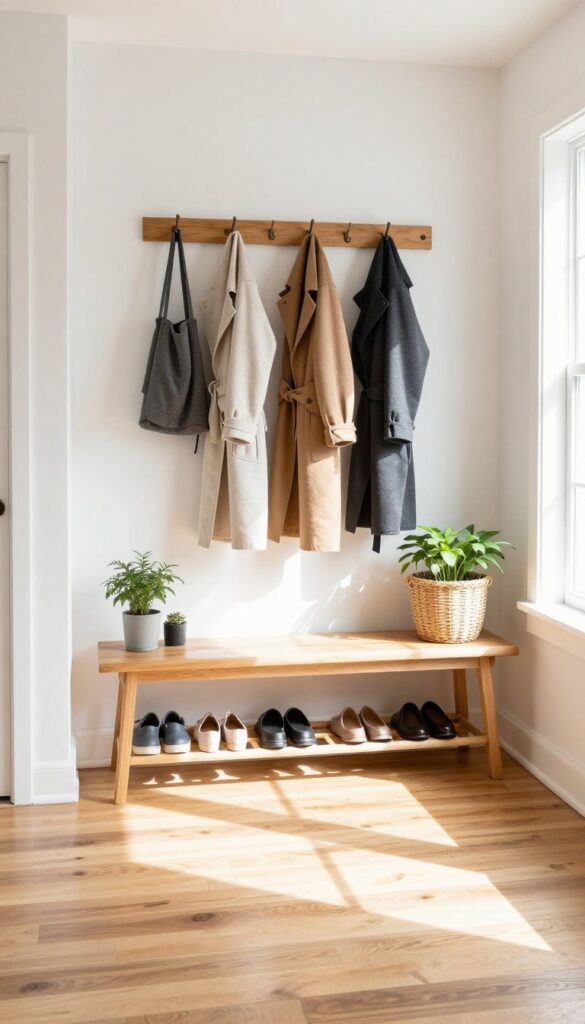
The entryway is the first thing you see when you walk in and the last thing you see when you leave. When it's cluttered, it sets a chaotic tone for the whole house. A quick reset here keeps dirt from spreading and makes coming home feel like a relief.
Clear The Floor
Start by removing everything that doesn't belong: shoes, bags, mail, and random gear. Sweep or vacuum the floor to catch dirt and debris. A clear floor instantly makes the space feel larger and more organized.
Wipe Down Surfaces
Dust and wipe down shelves, hooks, benches, and any other surfaces. Use a damp microfiber cloth to trap dust and grime. Don't forget light switches and door handles—they get touched constantly.
Organize Shoes And Outerwear
Pair up loose shoes and place them on a rack or in a bin. Hang coats and jackets that are draped over furniture or piled on hooks. Store off-season items elsewhere to keep only what's needed within reach.
Refresh With A Quick Mop
If you have tile or hardwood, give the floor a quick mop with a gentle cleaner. This removes any lingering dirt and leaves the entryway smelling fresh. Let it dry completely before putting things back.
9. Home Office Declutter
If your workspace looks like a paper bomb went off, you're not alone. A cluttered desk can drag down your focus and make even simple tasks feel harder. This checklist tackles the three biggest offenders: paper piles, grimy surfaces, and cable chaos.
Paper Triage
Sort every piece of paper into three piles: keep, shred, and recycle. Keep only what's truly necessary—tax documents, contracts, and current project notes. Shred anything with personal info.
Recycle the rest. Use a simple filing system or a scanner to go digital.
Desk Deep Clean
Clear everything off your desk. Wipe down the surface with a gentle cleaner, then tackle keyboard crumbs, monitor smudges, and mouse grime. Don't forget the underside of the desk and any drawers.
Let it dry completely before putting things back.
Cable Management
Unplug everything and label each cable with a small tag or piece of tape. Use cable ties, clips, or a sleeve to bundle them together. Route cables along the edge of your desk or behind a leg so they're out of sight.
Plug everything back in and test.
10. Pantry Organization Check
The pantry is often the most neglected room in the house. Cans get pushed to the back, bags of chips get crushed, and before you know it, you're buying duplicates of things you already have. A quick pantry reset saves money, reduces food waste, and makes meal prep way easier.
Toss The Expired And The Unloved
Pull everything out and check expiration dates. Toss anything past its prime, including spices that have lost their scent. Also get rid of half-eaten bags or jars you know you won't finish.
Be ruthless—if you haven't touched it in six months, you probably never will.
Group Like With Like
Sort items into categories: canned goods, grains, snacks, baking supplies, etc. Keep breakfast items together, and make a dedicated baking zone. Use clear bins or baskets to corral smaller items so they don't get lost.
Label shelves so everyone knows where things belong.
Wipe And Restock Essentials
With everything out, give shelves a good wipe-down. Vacuum crumbs from corners. While you're at it, check your staple ingredients—oil, flour, sugar—and add them to your shopping list if they're running low.
Restocking now means you won't run out mid-recipe later.
11. Fridge and Freezer Cleanout
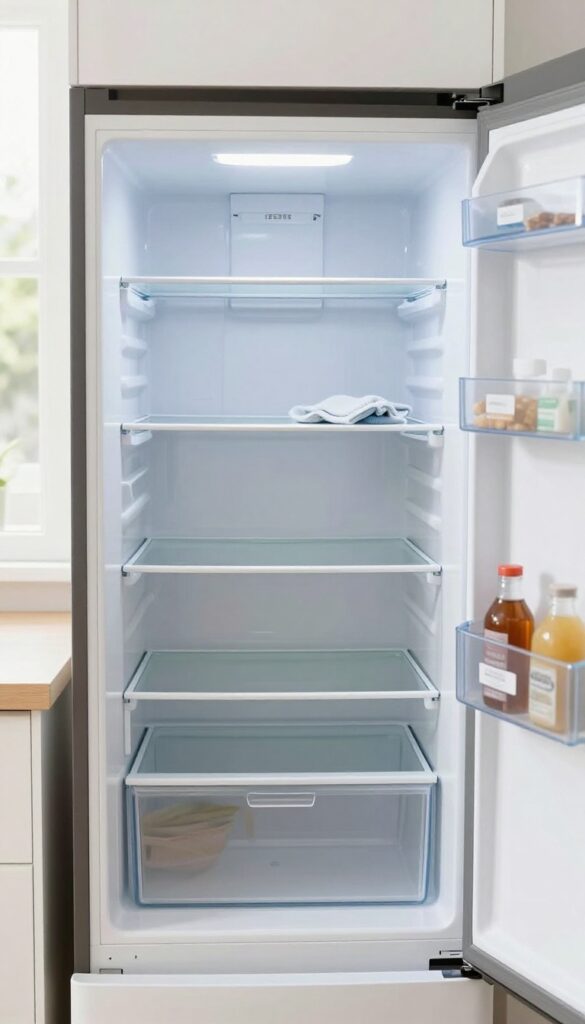
The fridge and freezer are easy to ignore until something starts smelling. A thorough cleanout not only removes expired food but also helps you see what you actually have, so you stop buying duplicates and wasting groceries. This checklist turns a dreaded task into a quick, satisfying reset.
Pull everything out and sort items into keep, toss, and questionable piles. Check expiration dates on condiments, dressings, and leftovers—if you can't remember when you cooked it, it's time to go. Wipe down all shelves, drawers, and door bins with warm soapy water or a vinegar solution.
Don't forget the rubber seals and the top of the fridge where dust collects. Once clean, group similar items together: dairy, produce, meats, and drinks. Use clear bins for small items to keep them from rolling into the abyss.
For the freezer, label and date anything you store, and do a quick inventory of frozen veggies, meats, and leftovers. Finally, make a grocery list of what you're missing—this prevents overbuying and helps you plan meals around what you already have.
Sort And Purge
Start by removing everything from the fridge and freezer. Check each item's expiration date and condition. Toss anything past its prime, including old leftovers, wilted produce, and half-used jars.
For items that are still good but you know you won't eat, consider donating unopened non-perishables to a local food bank.
Deep Clean Shelves And Drawers
Take out all removable shelves and drawers and wash them in warm, soapy water. For stuck-on spills, let them soak for a few minutes. Wipe down the interior walls and ceiling with a mild cleaner or a mix of water and baking soda.
Rinse and dry everything before putting it back.
Restock With A System
Group similar items together as you put them back. Keep raw meat on the bottom shelf to avoid drips, dairy on the middle shelf, and produce in designated drawers. Use small bins or baskets for condiments, sauces, and snacks.
In the freezer, organize by category—meats, vegetables, prepared meals—and label everything with dates.
Create A Grocery List From Gaps
As you restock, note what's missing or running low. Write down items you need for the next few days, like fresh vegetables, milk, or bread. This prevents impulse buys and helps you stick to a meal plan.
Keep the list on your phone or a magnetized notepad on the fridge.
12. The Monthly Dusting Marathon
Dust has a way of settling in places you rarely look—ceiling fans, window blinds, and the tops of tall furniture. A monthly dusting marathon targets those high-up, often-forgotten spots that collect grime over time. Using the right tools and technique makes this chore surprisingly quick and satisfying.
Set aside 30 minutes once a month to tackle dust from top to bottom. Start with ceiling fans and light fixtures, then work your way down to blinds, shelves, and baseboards. A microfiber cloth is your best friend here—it traps dust particles instead of scattering them into the air.
Ceiling Fans And Light Fixtures
Dust on fan blades can fling back into the room every time you turn them on. Use an extendable duster or a microfiber cloth wrapped around a ruler to reach blades without a ladder. For light fixtures, a quick wipe with a dry cloth removes dust that dims the glow.
Blinds And Curtain Rods
Blinds collect dust on every slat. Close them flat and wipe with a microfiber cloth or a damp sock on your hand for a faster clean. Don't forget the curtain rods—they accumulate a surprising amount of dust that can fall onto curtains below.
High Shelves And Decor
Bookshelves, mantels, and decorative ledges are dust magnets. Remove items, wipe the surface, and dust each piece before returning it. Use a microfiber cloth with a slight static charge to grab dust without pushing it around.
13. Window and Glass Cleaning
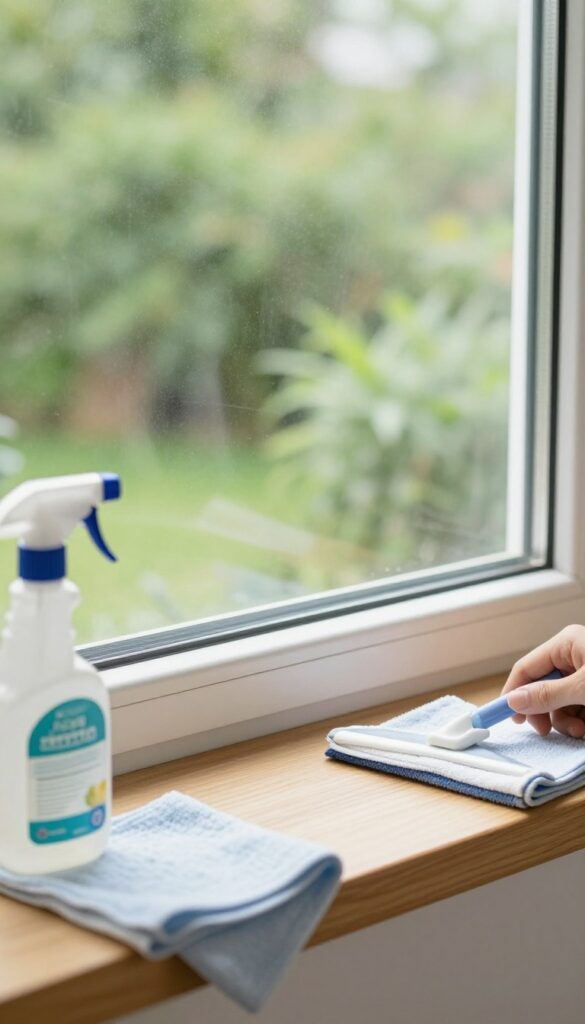
Natural light can transform a room, but grimy windows block it out. Cleaning windows and glass surfaces is one of the most satisfying tasks in a home reset—it instantly brightens your space and lifts your mood. You don't need expensive products, just a few tools and a little technique.
Start inside, then move outside. Use a microfiber cloth or a squeegee for streak-free results. Don't forget mirrors, glass tabletops, and shower doors.
A simple mix of vinegar and water works wonders, but avoid it on tinted windows.
Tools Of The Trade
A good squeegee is worth its weight in gold. Pair it with a bucket of warm water and a drop of dish soap. Microfiber cloths are great for edges and smaller panes.
For tough grime, a razor blade scraper (used carefully) can remove paint splatters or sticker residue.
Step-by-step Squeegee Method
Wet the window with your soapy solution. Starting at the top, pull the squeegee down in a straight line, wiping the blade with a cloth after each pass. Overlap strokes slightly to avoid streaks.
Finish by wiping the corners with a dry cloth.
Don't Forget The Details
Clean window tracks and sills with an old toothbrush or a vacuum attachment. For mirrors, use a lint-free cloth and a spray of glass cleaner. If you have hard water spots on glass shower doors, a paste of baking soda and vinegar can help remove them.
14. Vacuum and Mop All Floors
Floors take a beating every single day, but they're often the last thing we get to when cleaning. A quick once-over with a broom or vacuum might make things look tidy, but hidden dirt and grime stick around. Giving your floors a proper vacuum and mop session resets the entire feel of a room—and it doesn't have to take all afternoon.
Start With A Clear Path
Before you vacuum, pick up clutter from the floor—shoes, bags, pet toys, and loose items. Move small furniture like chairs or side tables to expose high-traffic areas. This step makes the actual cleaning faster and more thorough.
Vacuum With Intention
Go over carpets and rugs slowly, using overlapping strokes. Pay extra attention to edges and corners where dust bunnies hide. If you have a vacuum with attachments, use the crevice tool along baseboards and under low furniture.
For hard floors, switch to the hard floor setting or use a microfiber pad to avoid scattering debris.
Mop Like You Mean It
After vacuuming, mop hard floors with a cleaner suited to your flooring type. Use a damp—not soaking—mop to avoid water damage. Work from the farthest corner toward the door so you don't step on wet spots.
Let floors air dry fully before moving furniture back.
Don't Forget Under Furniture
Slide sofas, beds, and tables out just enough to vacuum and mop underneath. You'll be surprised how much dust and crumbs collect there. Even doing this every other cleaning cycle makes a big difference in overall freshness.
15. Upholstery and Carpet Spot Cleaning
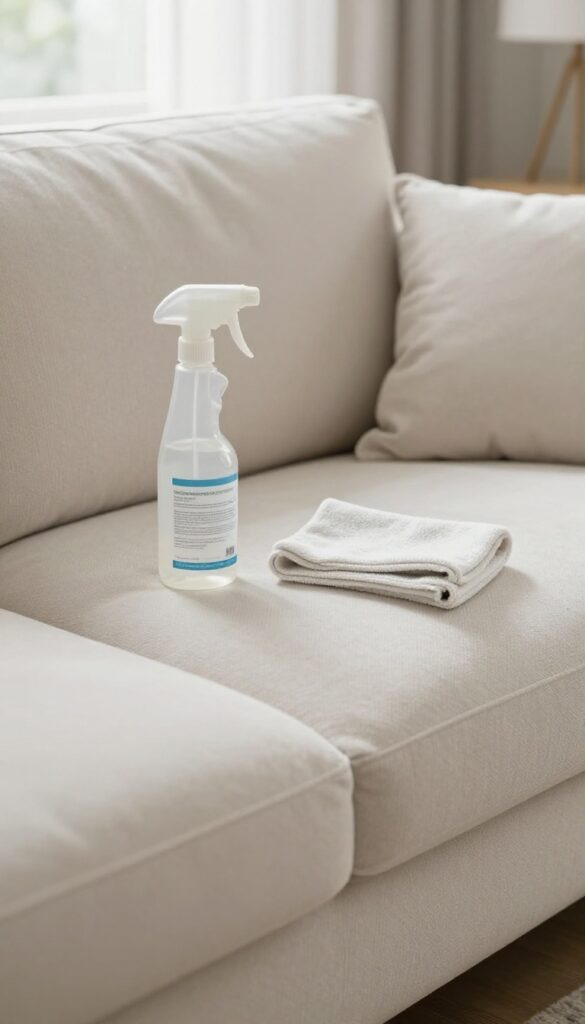
Spills and stains on your couch or carpet are inevitable, but they don't have to be permanent. Quick action and the right technique can keep your upholstery looking fresh without a deep clean every time. This checklist helps you stay on top of spots before they set in, saving you from expensive professional cleaning later.
Treat stains immediately with a gentle cleaner. Blot—don't rub—to avoid spreading the stain. For carpets, a mixture of white vinegar and water works wonders on most spills.
Always test a hidden area first. Vacuum upholstery weekly to prevent dirt from settling into fibers. Use a crevice tool to reach between cushions and along seams.
Rotate cushions monthly to distribute wear evenly. For set-in stains, a steam cleaner or upholstery attachment can refresh fabrics without harsh chemicals.
Stain Treatment Basics
Keep a stain kit handy: a spray bottle with diluted dish soap, a microfiber cloth, and a soft brush. For fresh spills, blot immediately with a dry cloth, then apply cleaner. For dried stains, scrape off residue first, then treat.
Avoid commercial stain removers with bleach or strong solvents—they can discolor fabrics.
Weekly Vacuum Routine
Vacuum upholstery and carpets weekly, even if they don't look dirty. Use a brush attachment to lift dust and pet hair. For high-traffic areas, go over them twice.
Don't forget under cushions and along baseboards—crumbs and dust accumulate there fast.
Deep Refresh Schedule
Every three months, give your upholstery a deeper clean. Use a fabric-safe upholstery shampoo or rent a steam cleaner. For carpets, sprinkle baking soda before vacuuming to neutralize odors.
In between, spot-clean as needed and fluff pillows to maintain shape.
16. Closet Edit and Organize
A cluttered closet makes getting dressed more stressful than it needs to be. By editing out what you no longer wear and organizing what remains, you'll save time and mental energy every morning. This isn't about achieving a magazine-worthy closet overnight—it's about creating a system that works for your actual life.
Start by pulling everything out and sorting into three piles: keep, donate, and toss. Be honest with yourself—if you haven't worn it in a year, it's probably time to let it go. Once you've pared down, group similar items together: all jeans in one section, tops in another, and so on.
Then invest in matching hangers to create a uniform, calming look that makes your clothes feel more intentional.
Declutter With Purpose
Set a timer for 30 minutes and work through your closet one section at a time. Ask yourself: Does this fit? Do I feel good wearing it?
Is it in good condition? If the answer is no to any of those, it goes in the donate pile. Be ruthless—you'll thank yourself later.
Categorize For Easy Access
Organize by type (shirts, pants, dresses) and then by color or season. This makes it easy to find what you need at a glance. Use shelf dividers for stacks of sweaters or jeans, and consider clear bins for accessories like scarves and belts.
Create A Uniform Look
Swap out mismatched plastic hangers for a set of slim, matching ones. Velvet or wooden hangers work well and prevent clothes from slipping. This simple change instantly makes your closet look more polished and helps your clothes hang better.
17. Digital Declutter (Yes, It Counts)
Your phone, laptop, and inbox accumulate clutter just like your countertops. Digital mess creates background stress and steals time when you're hunting for files or deleting spam. A quick digital reset can clear your head and make your devices feel new again.
Tackle three main areas: your phone's home screen, your desktop, and your email inbox. Each takes 10–15 minutes and pays off immediately.
Phone Home Screen Cleanup
Delete unused apps—if you haven't opened it in a month, it's gone. Move remaining apps into folders by category (Productivity, Social, Health). Remove widgets you never look at.
Finally, set a simple wallpaper with no text or busy patterns.
Desktop Reset
Move all files into a single folder called "To Sort" and empty the trash. Uninstall old programs you no longer use. Organize your dock or taskbar to show only essential apps.
A clean desktop reduces visual noise every time you open your laptop.
Email Inbox Zero
Unsubscribe from newsletters you never read. Archive or delete old emails in bulk using search filters (e. g. , "older than 6 months"). Create three folders: Action, Reference, and Archive.
Process remaining emails: reply, delete, or move. Aim for an empty inbox—it's surprisingly satisfying.
18. Seasonal Deep Clean: Spring or Fall
Twice a year, your home deserves a reset that goes beyond the weekly wipe-down. Seasonal deep cleans target the grime that builds up in corners, fabrics, and forgotten spaces. Spring and fall are ideal because the weather is mild enough to open windows and air things out.
This is your chance to scrub, sort, and reset before the next season arrives.
Tackle Soft Surfaces
Curtains, rugs, and upholstery trap dust, allergens, and odors over time. Wash machine-safe curtains on a gentle cycle, and steam or dry-clean the rest. Carpet shampooers can be rented for a day—focus on high-traffic areas and spots near doors.
If you have area rugs, take them outside, beat them, and give them a thorough vacuum before shampooing.
Scrub The Forgotten Edges
Baseboards, window sills, and door frames collect dust that regular cleaning misses. Use a microfiber cloth with a mild all-purpose cleaner to wipe them down. For stubborn marks, a magic eraser works wonders.
Don't forget light switches, vent covers, and the tops of ceiling fans—these are dust magnets that make a room feel dingy.
Rotate And Donate Seasonal Items
As you swap out seasonal decor, clothing, or gear, take a hard look at what you actually use. Store off-season items in clear, labeled bins so you can find them next year. Anything you haven't touched since the last seasonal switch goes into a donate pile.
This keeps your storage manageable and your home clutter-free.
19. The 'One Room Per Day' Challenge
Feeling like you need to clean the whole house in one go is a fast track to burnout. The 'One Room Per Day' challenge breaks the workload into manageable chunks, so you can give each space real attention without the overwhelm. By focusing on just one room each day for a week, you'll end up with a fully refreshed home and a lot less stress.
How To Plan Your Week
Start by listing all the rooms you want to cover—living room, kitchen, bedrooms, bathrooms, home office, and maybe a hallway or entryway. Assign one room to each day of the week, leaving a buffer day for catch-up or rest. Keep the order logical: do high-traffic areas earlier in the week when you have more energy, and save smaller spaces for later.
What A 'room Reset' Actually Looks Like
Each day, spend 30–60 minutes on that room. Start by decluttering surfaces and putting things away. Then dust, wipe down all surfaces, vacuum or sweep, and do a quick floor mop if needed.
Don't aim for perfection—just a noticeable improvement. If you finish early, tackle one extra task like organizing a drawer or wiping baseboards.
Why This Works Better Than A Marathon Clean
Spreading tasks across the week prevents physical and mental fatigue. You'll actually look forward to cleaning when it's only one room at a time. Plus, you get the satisfaction of seeing progress every day, which keeps motivation high.
By the end of the week, your entire home feels reset without the dread of a full-day clean.
20. The 5-Minute Pickup (Any Time)

Some days, the house looks like a tornado hit it, and you have exactly five minutes before the doorbell rings. That’s where the 5-minute pickup shines. Set a timer, grab a basket or bag, and race to put away as many out-of-place items as you can.
No deep cleaning, no organizing—just a quick surface reset that makes your space look instantly tidier.
Set A Timer And Go
Grab your phone and set a five-minute countdown. Start in the room where guests will see first—usually the living room or entryway. Work fast, picking up clutter like shoes, mail, remotes, and throw pillows.
The timer keeps you focused and prevents perfectionism from slowing you down.
Use A Basket For Stray Items
Keep a small basket or tote bag handy for items that belong in other rooms. Toss in things like books, toys, or chargers, and sort them later. This way, you’re not wasting precious seconds walking back and forth.
The goal is visual calm, not perfect organization.
Involve The Whole Household
If others are home, make it a game. Challenge everyone to grab five things and put them away before the timer ends. Kids love racing against the clock, and it turns a chore into a quick team effort.
You’ll be amazed how much gets done in just a few minutes.
FAQ
How often should I do a full home reset?
A full home reset works well once a season, but you can adapt based on your lifestyle. Busy households may benefit from a monthly mini-reset, while minimalists might stretch to every three months.
What's the best way to stay motivated with cleaning checklists?
Break tasks into small, timed chunks (like 10 or 15 minutes). Use a reward system, listen to music or podcasts, and track progress visually. The satisfaction of checking off items is surprisingly motivating.
Should I clean one room completely before moving to the next?
It depends on your style. Some people prefer to finish one room at a time for a sense of accomplishment. Others like to do the same task (like dusting) throughout the house.
Experiment to see what feels most efficient.
How do I create a cleaning checklist that works for my family?
Involve everyone in the process. Assign age-appropriate tasks, use a shared app or whiteboard, and set realistic expectations. Rotate chores weekly to keep things fair and fresh.
What are the most commonly overlooked areas in a cleaning routine?
Light switches, door handles, remote controls, and under furniture are often missed. Also, forget about ceiling fans, baseboards, and the tops of cabinets. Add these to your checklist for a truly thorough clean.
Conclusion
A clean home doesn't happen by accident—it happens by design. With these 20 checklist ideas, you can build a routine that fits your life, not the other way around. Start small, stay consistent, and give yourself grace on busy days.
Remember, the goal isn't perfection.
It's creating a space that feels good to live in. Pick one idea from this list and try it today. You might be surprised how much a simple reset can change your whole week.