Imagine walking into a home that feels clean and calm without spending your whole weekend scrubbing. That transformation is possible when you shift from marathon cleaning sessions to smart, sustainable routines. The secret isn't working harder—it's working smarter with habits that fit your life.
These 25 cleaning routine ideas are designed to help you maintain a tidy home with less stress and more consistency. Some take just minutes a day, while others are weekly resets that keep things from piling up.
The key is finding the mix that works for you. Whether you're a busy parent, a working professional, or someone who just wants a cleaner space without the overwhelm, these ideas will help you build a routine that sticks.
1. Start Your Day with a 10-Minute Tidy

Mornings can be chaotic, but a quick tidy-up before the day takes over makes a surprising difference. Spending just ten minutes putting things back in their place creates a calm starting point. It's not about deep cleaning—it's about resetting the space so you feel in control from the get-go.
This simple habit prevents clutter from snowballing. When you make your bed, clear counters, and corral stray items each morning, you're less likely to feel overwhelmed later. Think of it as a daily gift to your future self: a clean slate that makes the rest of the day easier to manage.
Make Your Bed First
Making the bed immediately after getting up is the anchor of this routine. It takes less than two minutes but instantly makes the bedroom look neater. Plus, it sets a productive tone for the rest of your morning tasks.
Clear Kitchen Counters
Wipe down the counters, put away any dishes from last night, and load the dishwasher if needed. A clean kitchen feels welcoming and makes breakfast prep smoother. This one step removes a major source of visual clutter.
Stray Item Roundup
Grab a basket and quickly walk through each room, tossing in anything that doesn't belong—shoes, mail, remote controls. Then take two minutes to return those items to their proper spots. This prevents piles from forming and keeps surfaces clear.
2. Adopt the One-Touch Rule
Clutter often builds up because we set things down with the intention of dealing with them later. That later rarely comes. The one-touch rule eliminates this delay by forcing a decision the moment you pick something up: put it where it belongs or toss it.
This simple mental shift stops piles from forming in the first place.
The one-touch rule is deceptively simple: when you pick up an item, you either put it away, recycle it, or trash it immediately. No setting it on the counter to deal with later. No moving it to a pile.
Just one action. This rule works because it short-circuits the procrastination loop that creates clutter. Over time, it becomes an automatic habit that keeps surfaces clear and reduces the mental load of cleaning.
Why It Works
The one-touch rule prevents the accumulation of small tasks that later feel overwhelming. Each item you handle is processed in seconds rather than stacked for a future session. This reduces decision fatigue and keeps your space tidy without extra effort.
How To Start Today
Begin with high-traffic areas like the kitchen counter or entryway table. Every time you walk by, commit to handling one item fully. After a few days, extend the rule to other rooms.
Don't worry about perfection—just aim for more one-touch moments than before.
Common Pitfalls To Avoid
The biggest mistake is making exceptions for items you think you'll use soon. If you set down the mail to read later, you've already broken the rule. Instead, create a designated spot for pending items, like a small tray, and still handle them within the same day.
3. Create a Daily 5-Minute Bathroom Wipe-Down
Bathrooms can get grimy fast, but a daily quick wipe-down stops buildup before it starts. This five-minute habit after your morning or evening routine keeps surfaces fresh and reduces the need for deep scrubbing later. It's one of those small efforts that pays off big in how clean your bathroom feels every day.
What To Wipe Down
Focus on the three high-touch areas: the counter, the mirror, and the sink. Use an all-purpose spray or a DIY vinegar solution. A microfiber cloth works best to grab dust and toothpaste splatters.
Don't forget the faucet handles—they collect grime fast.
When To Do It
Right after you brush your teeth or wash your face is perfect. The mirror is already steamed, making it easier to wipe clean. Tying it to an existing habit ensures you won't forget.
Keep a spray bottle and cloth under the sink so they're always handy.
Why It Works
Daily attention prevents soap scum, hard water spots, and toothpaste residue from hardening. That means your weekly deep clean becomes a quick once-over instead of a scrub session. Plus, a clean bathroom every morning sets a positive tone for the day.
4. Use a Timer for Quick Cleaning Sprints
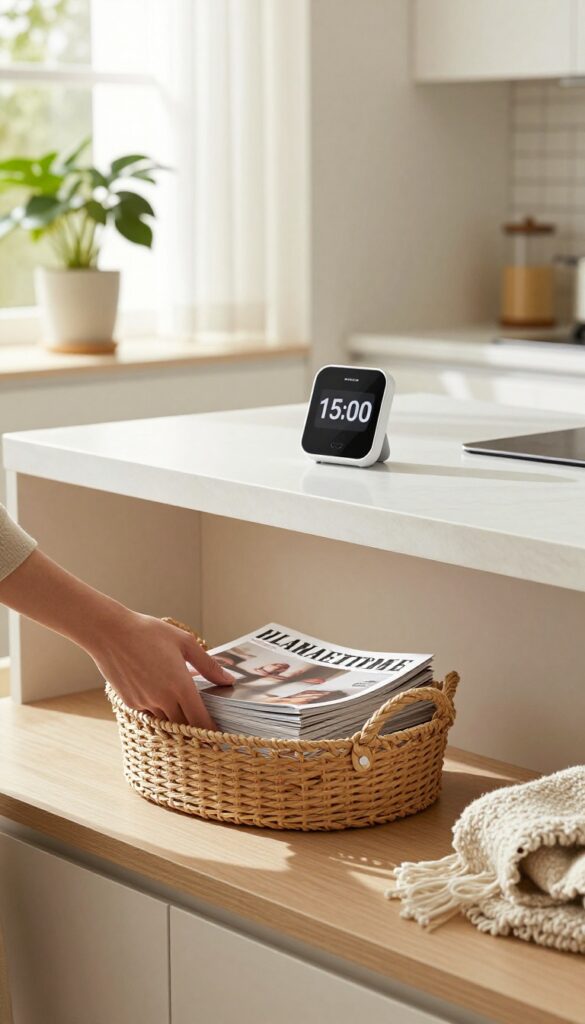
Setting a timer turns cleaning into a game. Instead of dreading a long chore, you focus on how much you can get done in a short burst. It's motivating, efficient, and surprisingly effective.
The timer method works because it creates urgency and a clear endpoint. You're less likely to get distracted or overwhelmed when you know you only have 15 minutes. Plus, the sense of accomplishment when the timer goes off can build momentum for the next sprint.
Choose Your Sprint Length
Start with 10 or 15 minutes. That's short enough to feel doable but long enough to make a dent. If you're feeling ambitious, try 20 minutes.
The key is to pick a time that feels like a challenge but not a burden.
Pick One Area Or Task
Don't try to clean the whole house. Focus on one room, one surface, or one type of clutter. For example, spend a sprint wiping down kitchen counters and appliances, or another sprint picking up toys in the living room.
This keeps you from spreading too thin.
Go All Out Until The Timer Rings
Work as fast as you can without stopping. Put away items, wipe surfaces, sweep floors—whatever fits your chosen area. Don't worry about perfection; the goal is to make visible progress.
When the timer goes off, you're done. You can always do another sprint later.
5. Implement a 'No Dirty Dishes in the Sink' Rule
There’s something about a sink full of dirty dishes that makes the whole kitchen feel chaotic. It’s often the first thing you see when you walk in, and it can set a stressful tone for the rest of your day. The fix is simple: make it a rule that no dirty dish sits in the sink overnight—or even for more than a few minutes.
This habit transforms your kitchen from a source of dread to a place of calm. When you wash or load dishes immediately after meals, you prevent the pile-up that makes cleanup feel overwhelming. Plus, a clean sink is like a reset button for the entire room.
Why It Works
Dirty dishes attract clutter. Once the sink fills up, counters get piled with pots, pans, and utensils. By tackling dishes right away, you stop the domino effect before it starts.
It also eliminates lingering odors and discourages pests.
How To Make It Stick
Start small: commit to washing all dishes after dinner for one week. If you have a dishwasher, scrape and load immediately. If you hand-wash, rinse and set them in a drying rack.
Pair the habit with a podcast or a 5-minute timer to make it feel less like a chore.
Dealing With Resistance
Some nights you’ll be tired or busy. That’s okay—just aim for the 'no sink full' rule. If you can’t wash everything, at least rinse and stack them neatly.
The goal is to avoid that overwhelming pile. Over time, it becomes automatic.
6. Designate a Landing Zone for Daily Items
Keys, mail, bags, sunglasses—these everyday essentials have a way of ending up on every surface in the house. A simple landing zone near the door catches them before they scatter. This small setup saves you from hunting for lost items and keeps clutter contained in one spot.
A landing zone is a dedicated spot—like a small table, a basket, or a wall-mounted organizer—placed right where you enter your home. The goal is to train yourself and your family to drop daily items there immediately. Over time, this habit prevents the kitchen counter or dining table from becoming a catch-all.
Keep it simple: a tray for keys and coins, a hook for bags, and a small bin for mail. That's enough to stop the spread.
Choose The Right Spot
Pick the entry point you use most—whether that's the front door, garage entrance, or mudroom. If space is tight, a wall-mounted shelf with hooks works wonders. For larger families, a small console table with drawers can handle multiple people's items.
The key is visibility and convenience: if it's out of the way, you won't use it.
Keep It Minimal
A landing zone only works if it's not overflowing. Limit each person to one hook or one small tray. Sort mail immediately—junk goes in the recycling bin, bills go in a designated spot.
Once a week, clear out anything that doesn't belong. A quick reset keeps the system functional.
Add A Catch-all For Small Items
Pens, lip balm, earbuds, loose change—these tiny things often get lost. Place a small bowl or dish in your landing zone for odds and ends. Empty it weekly into a designated drawer or container.
This prevents the landing zone from becoming a junk pile itself.
7. Do a Weekly 30-Minute Deep Clean of One Room
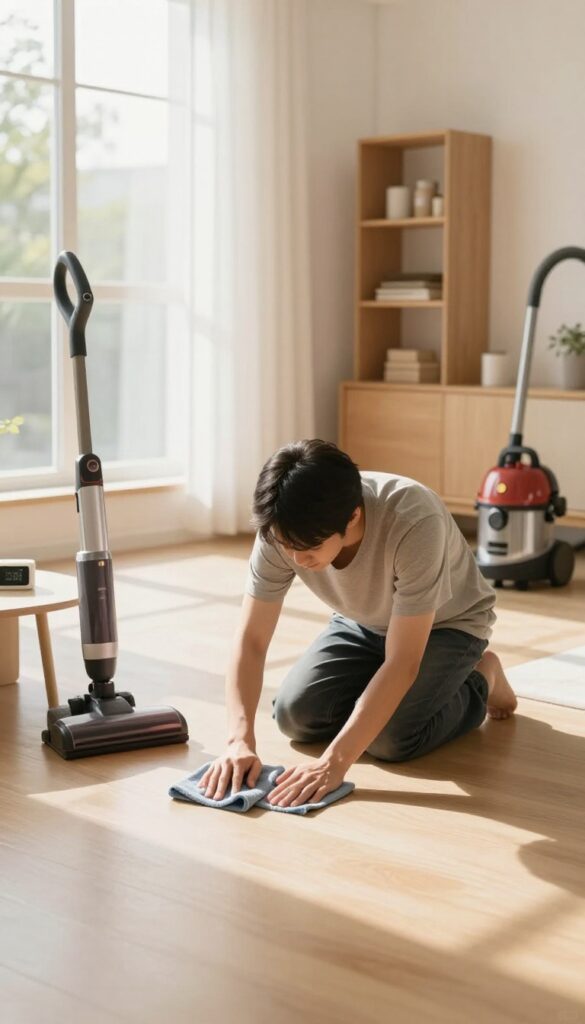
Deep cleaning doesn’t have to mean dedicating an entire Saturday to scrubbing every corner. By breaking it down into one room per week, you can tackle those overlooked spots without the burnout. Each 30-minute session focuses on the tasks that usually get skipped during daily tidying, so over time, every room gets a thorough reset.
Rotating through rooms on a weekly cycle ensures that no area gets neglected for months. Start with the room that bothers you most, then move to the next each week. The key is consistency—30 minutes is short enough to fit into a busy evening but long enough to make a visible difference.
Set a timer and work efficiently: vacuum under furniture, wipe baseboards, dust blinds, and organize one drawer or shelf. After a few weeks, you’ll have a full-house deep clean that feels effortless.
Pick A Room, Set A Timer
Choose one room each week and commit to just 30 minutes. Use a timer to stay focused and avoid getting sidetracked. Knowing you only have half an hour makes it easier to start and helps you work faster.
Focus On The Forgotten Spots
Each session, target the areas that daily cleaning misses: under sofa cushions, behind appliances, on top of ceiling fans, or inside junk drawers. Rotate these tasks so every corner gets attention over the month.
Create A Simple Rotation Schedule
Plan a four-week cycle: week one kitchen, week two living room, week three bathroom, week four bedroom. Adjust based on your home’s size. Write it on a calendar or use a reminder app to keep the habit on track.
8. Use the 'Clean as You Go' Method While Cooking
The kitchen can feel like a disaster zone after cooking, but it doesn't have to be that way. The 'clean as you go' method flips the script: you tidy up while you cook, so the mess never piles up. It's a simple shift that saves you from a dreaded post-meal cleanup marathon.
Wash As You Wait
While water boils or sauce simmers, use those few minutes to wash a few utensils or wipe down the cutting board. It's amazing how much you can get done in those short pauses. By the time the meal is ready, most of the prep mess is already gone.
Put Away Ingredients Immediately
After you measure out spices or chop vegetables, put the containers back in the fridge or pantry right away. This keeps your counter clear and prevents the chaos of hunting for ingredients later. Plus, it makes the kitchen feel organized throughout the cooking process.
Wipe Spills And Splatters On The Spot
A quick swipe with a sponge or cloth as soon as something spills prevents stains and sticky buildup. It takes seconds now but would take minutes to scrub later. Keep a damp cloth handy, and you'll be surprised how clean the stove and counters stay.
9. Schedule a Laundry Day with a System
Laundry has a way of multiplying when you don't have a plan. Instead of running a load every day or letting piles grow, pick one or two dedicated laundry days. This simple shift cuts down on decision fatigue and keeps clothes from taking over your space.
A laundry day system works because it creates a predictable rhythm. You know exactly when you'll wash, so you can sort as you go—darks, lights, delicates—and avoid last-minute scrambling. The real game-changer is folding and putting everything away immediately.
That one step prevents the dreaded chair pile and keeps your bedroom or laundry room tidy.
Pick Your Days Wisely
Choose days when you have a block of time, like Wednesday evening and Saturday morning. Stick to the same days each week so it becomes automatic. If your household is small, one day might be plenty.
Sort As You Go
Keep separate hampers or bags for lights, darks, and delicates. When you toss clothes in, they're already sorted. On laundry day, you just grab a bag and start a load—no extra work.
Fold Immediately, Not Later
Set a timer for 10 minutes after the dryer finishes. Fold straight from the warm basket and put items away right then. This habit eliminates the pile-up and makes laundry feel finished, not lingering.
10. Keep Cleaning Supplies in Every Room
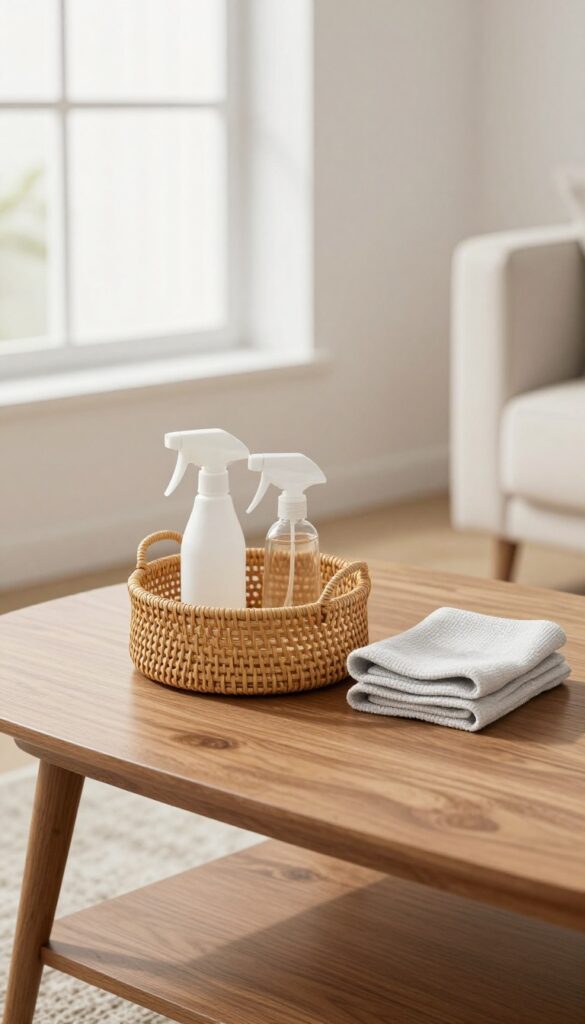
Ever find yourself spotting a spill but not bothering to wipe it up because the cleaner is in another room? That tiny friction adds up. By stashing a small caddy with wipes, spray, and a microfiber cloth in bathrooms, kitchen, and living areas, you make quick cleanups almost automatic.
Easy access means you're far more likely to tackle messes as they happen, keeping your home tidy without extra effort.
The idea is simple: remove the barrier between you and the cleaning task. When supplies are within arm's reach, a 30-second wipe-down feels effortless. This approach works especially well for high-traffic zones where crumbs, spills, and smudges appear daily.
You don't need a full arsenal—just the basics for each room. Over time, this habit prevents grime from building up, so your weekly deep cleans become quicker and less intense.
What To Put In Each Caddy
Tailor your caddy to the room. For bathrooms, include all-purpose spray, glass cleaner, toilet cleaner, and a dedicated cloth. In the kitchen, focus on a degreaser or multi-surface spray, disinfectant wipes, and a sponge or cloth.
Living areas benefit from a dusting spray, a microfiber duster, and a small trash bag for quick clutter pickup. Keep it minimal—too many items make the caddy bulky and less likely to be used.
Where To Store The Caddies
Visibility is key. Place caddies under the bathroom sink, on a kitchen counter corner, or inside an end table drawer. The goal is to see them without having to search.
Avoid storing them in closed cabinets behind other items. If you have limited space, use a small basket or a over-the-door organizer. The easier it is to grab, the more you'll use it.
Restocking Made Simple
Set a weekly or bi-weekly reminder to check and refill each caddy. Keep a small stash of extra supplies in a pantry or closet so you can top off quickly. Alternatively, use a subscription service for wipes and sprays to ensure you never run out.
A well-stocked caddy means no excuses for skipping a quick clean.
11. Declutter for 5 Minutes Before Bed
A tidy bedroom in the morning starts the night before. This quick routine prevents the morning rush from feeling chaotic and helps you wake up to a space that feels calm and ready for the day.
Spend just five minutes before you turn in walking through the main living areas—living room, kitchen, and entryway. Grab a small basket or use your hands to collect anything that doesn't belong: mail, toys, remote controls, empty cups. Put each item back in its designated spot.
That's it. You don't need to organize drawers or wipe counters; just clear the surfaces and floors of clutter. The payoff is a visually peaceful home when you wake up, which makes your morning coffee or breakfast feel more relaxing.
Over time, this habit trains everyone in the household to put things away as they go, because they know the five-minute reset is coming.
Why It Works
This routine tackles the biggest visual stressor: visible clutter. By removing it before bed, you lower your cortisol levels and create a more restful environment. Plus, starting the day with a tidy space reduces decision fatigue—you don't have to waste mental energy figuring out where to put things when you're already running late.
How To Make It Stick
Set a phone alarm for the same time each night. Keep a small basket or tray in each room to collect stray items quickly. If you live with others, invite them to join in—turn it into a five-minute family challenge.
After a week, you'll notice the habit becomes automatic.
12. Rotate Your Cleaning Tasks Weekly
Spreading deep-cleaning tasks across the year prevents burnout and keeps your home consistently fresh. Instead of cramming everything into one exhausting weekend, assign one focused project per week. Over time, every corner gets attention without the overwhelm.
Pick One Task Each Week
Create a list of deep-cleaning chores like cleaning the oven, washing windows, organizing a closet, or scrubbing grout. Each week, choose just one and complete it alongside your regular maintenance. This approach makes each task manageable and keeps your home steadily improving.
Match Tasks To Seasons
Align your weekly tasks with the season. In spring, focus on windows and screens. In fall, clean gutters and deep-clean carpets.
Winter is great for organizing closets and pantry. Seasonal rotation ensures you tackle what's most needed when it's most convenient.
Use A Simple Tracking System
Keep a checklist or a digital reminder of which tasks you've done and which are coming up. A whiteboard in the laundry room or a recurring calendar event works well. This way you never forget what's been cleaned and can rotate evenly throughout the year.
13. Use the 'Power Hour' for Big Messes
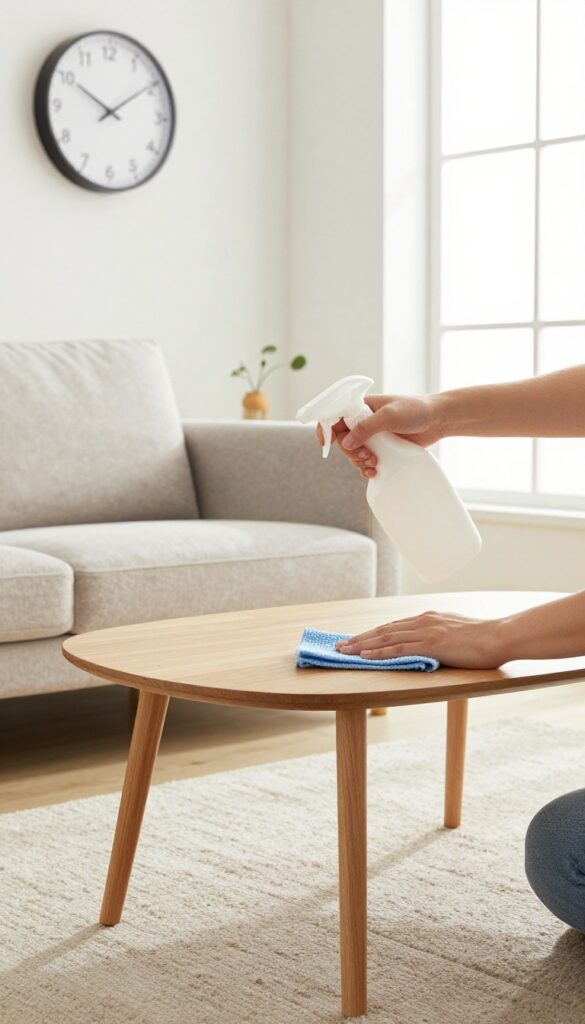
Some messes are too big for a quick 10-minute tidy. They need focused time and energy. That's where the Power Hour comes in—a dedicated 60-minute block where you tackle one major cleaning project without distractions.
It's like a workout for your home, but way more satisfying.
The Power Hour works because it has a clear start and end time. You know you only have to push hard for 60 minutes, which makes even dreaded tasks feel manageable. Pick one project per session—don't try to do the whole house in an hour.
That defeats the purpose.
Choose Your Target
Before you start, decide exactly what you'll tackle. Good candidates include scrubbing the bathroom from top to bottom, deep-cleaning the oven, washing all the windows in one room, or organizing a cluttered closet. Write it down so you don't waste time deciding mid-session.
Set The Timer And Go
Set a timer for 60 minutes and put your phone on Do Not Disturb. Gather all supplies beforehand so you're not hunting for a sponge while the clock ticks. Work at a brisk pace but don't rush so much that you miss spots.
When the timer goes off, stop—even if you're not done. You can always schedule another Power Hour.
Make It A Weekly Habit
Consistency is what makes the Power Hour effective. Block out the same time each week, like Saturday morning or Sunday afternoon. Over time, you'll rotate through all the big projects and your home will stay noticeably cleaner without the overwhelm.
14. Make Your Bed Every Morning
There's a reason why military boot camps start with bed-making. It's a small win that sets a productive tone for the day. When you make your bed, you instantly transform a messy bedroom into a more orderly space, and that visual cue can motivate you to keep other areas tidy too.
Making your bed takes less than two minutes, but the payoff lasts all day. It's the one task you can check off before you even have coffee, giving you a quick sense of accomplishment. Plus, a made bed makes the whole room look cleaner, even if other surfaces are cluttered.
The Psychological Boost
Starting the day with a completed task builds momentum. Psychologists call this the 'small wins' effect—each small success makes you more likely to tackle the next task. That made bed becomes a visual reminder that you're in control of your environment.
How To Make It Stick
Keep it simple. You don't need hospital corners or decorative pillows. Just pull up the duvet, smooth the wrinkles, and fluff the pillows.
If you struggle to remember, pair it with another habit like brushing your teeth or turning on the coffee maker.
The Ripple Effect On Your Space
A made bed anchors the room. Suddenly, stray clothes on the floor or clutter on the nightstand feel more noticeable. You'll naturally want to tidy those areas too, because the bed sets a standard.
Over time, this one habit can reduce overall bedroom mess.
15. Create a Cleaning Playlist or Podcast Routine
Pairing cleaning with something you genuinely enjoy can turn a chore into a highlight of your day. An upbeat playlist or a gripping podcast makes the time fly and keeps you moving. It's a simple trick that boosts motivation and makes tidying feel less like work.
Curate Your Cleaning Soundtrack
Build a playlist of high-energy songs that get you in the zone. Aim for tracks with a steady beat that matches your cleaning pace—upbeat pop, dance, or even classic rock work well. Update it regularly to keep it fresh and exciting.
Match Content To Task Difficulty
Reserve your favorite podcasts or audiobooks for tougher tasks like scrubbing the bathroom or mopping floors. For lighter tidying, stick with music or shorter episodes so you don't lose focus. This way, you'll look forward to the harder jobs.
Use Timed Episodes As A Timer
Let a podcast episode or a set number of songs be your cleaning timer. Commit to cleaning until the episode ends or the playlist finishes. This gives you a clear endpoint and makes it easier to start.
16. Use the 'Two-Minute Rule' for Small Tasks
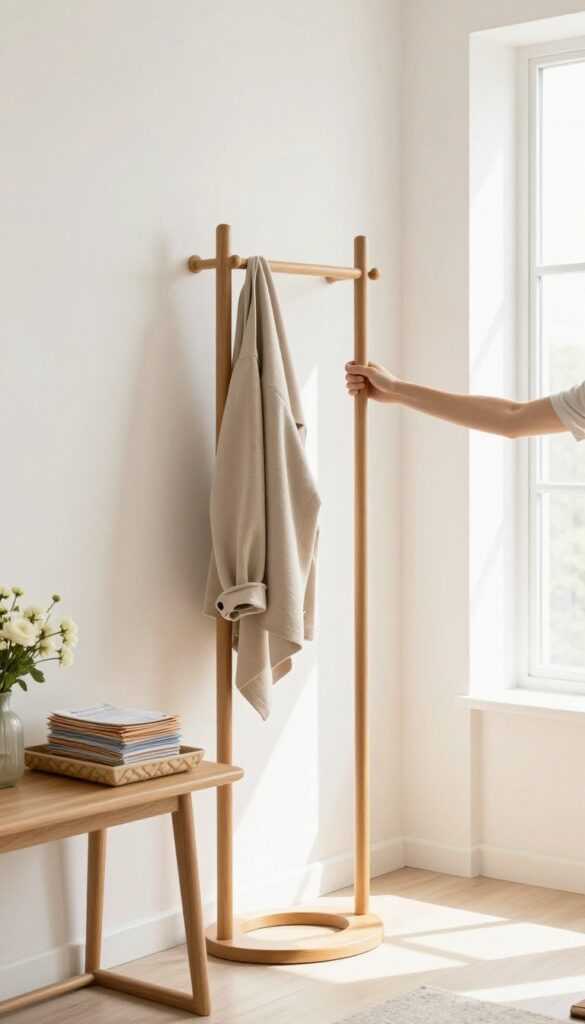
It’s the tiny messes that pile up fastest. A jacket slung over a chair, a stray envelope on the counter, a splash of toothpaste in the sink—each one takes seconds to fix, but ignoring them leads to clutter that feels overwhelming. The two-minute rule eliminates that buildup by catching tasks before they become problems.
The rule is simple: if a task takes less than two minutes, do it immediately. No adding it to a to-do list, no telling yourself you’ll get to it later. Just handle it on the spot.
This habit stops small messes from snowballing and keeps your home consistently tidy without extra effort.
Where To Apply It
Common two-minute tasks include hanging up coats, sorting mail, wiping a spill, putting a dish in the dishwasher, or fluffing a pillow. Walk through your home and notice the quick fixes you usually postpone—those are your targets.
Make It Automatic
Train yourself to pause and ask, “Can I finish this in two minutes? ” Keep a mental list of quick wins. Over time, the habit becomes automatic, and you’ll see a noticeable difference in how your home looks with minimal time investment.
Pair It With A Timer
For tasks that feel borderline, set a two-minute timer on your phone. Knowing you’re committing to just 120 seconds makes it easier to start. Often, you’ll finish before the alarm rings and feel a small sense of accomplishment.
17. Establish a Weekly Floor-Cleaning Schedule
Floors take a beating every single day. Dirt, crumbs, pet hair, and dust settle fast, making the whole space feel grimy even when surfaces are tidy. A simple weekly schedule keeps them consistently clean without turning floor care into a dreaded chore.
The key is splitting tasks across the week so nothing builds up. High-traffic areas like the kitchen, entryway, and living room need more frequent attention, while bedrooms and less-used spaces can go longer between cleanings.
Vacuum Or Sweep Twice A Week
Focus on the spots where people walk most. A quick pass with a vacuum or broom twice a week prevents dirt from grinding into carpets or scratching hard floors. If you have pets, bump it up to three times—it makes a huge difference in both cleanliness and allergens.
Mop Once A Week
Hard floors need a weekly mop to remove sticky residue and embedded grime. Use a microfiber mop with a gentle cleaner—too much water or harsh chemicals can damage finishes. For extra efficiency, mop right after vacuuming so you're not just pushing dirt around.
Don't Forget The Details
Baseboards, under furniture, and corners collect dust that regular sweeping misses. Once a month, move furniture slightly and hit those spots with a vacuum attachment or a damp cloth. It takes ten extra minutes but keeps floors looking truly clean, not just surface-level tidy.
18. Keep a 'Donate' Box in Your Closet
Clutter in your closet sneaks up on you. One day you have a neatly organized wardrobe, the next you're shoving things in just to close the door. The fix is simpler than a full closet overhaul: a single box that catches items as you outgrow or fall out of love with them.
When you notice a shirt you haven't worn in months or a pair of jeans that no longer fit, drop them straight into the box instead of shoving them back on the shelf. Once the box is full, make one trip to a donation center. That's it—no decision fatigue, no second-guessing.
This routine turns a vague intention to declutter into a frictionless habit. You never have to set aside a whole afternoon to sort through clothes. The box does the work gradually, and you only act when it's full.
It keeps your closet from becoming a black hole of unworn items and makes donating feel effortless.
Where To Place The Box
Put the box somewhere you can't ignore. The floor of your closet works, or on a low shelf if you have space. If your closet is tight, try a small bin on the top shelf or even a hanging bag on the back of the door.
The key is visibility—out of sight means out of mind.
What To Toss In
Anything that doesn't fit, is stained beyond repair, or you haven't worn in a year. Be honest: if you wouldn't buy it today, it's a candidate. Shoes, accessories, and even linens can go in too.
The rule is simple—if you hesitate when reaching for it, it probably belongs in the box.
When To Empty It
Aim to donate when the box is full, but set a maximum time limit—say, every three months. That prevents the box from becoming a permanent fixture. Mark a reminder on your calendar.
When the day comes, grab the box and go. No sorting, no reconsidering.
19. Use Baskets for Quick Clutter Control
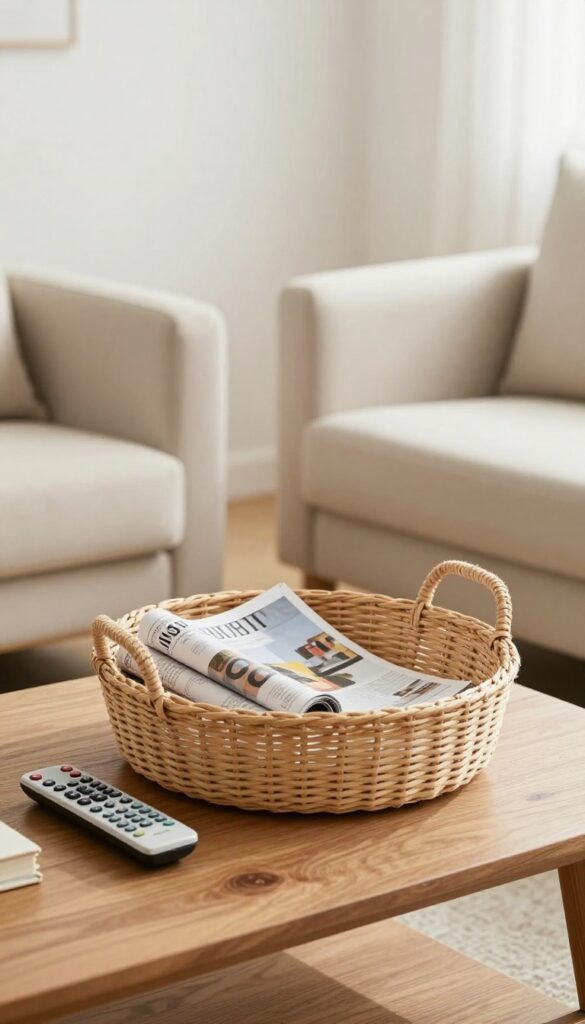
Baskets are the unsung heroes of a tidy home. They catch clutter before it spreads, turning chaos into organized bundles in seconds. The trick is placing them where messes naturally happen—by the door, on the coffee table, or in the living room corner.
Instead of fighting clutter one item at a time, let baskets do the heavy lifting. Toss in mail, toys, remote controls, or stray socks whenever you see them. Later, when you have a moment, sort through each basket and return items to their homes.
This two-step process keeps surfaces clear without demanding constant decision-making.
Strategic Basket Placement
Put a basket near the entryway for keys, wallets, and sunglasses. Another in the living room for blankets and magazines. A small one on the kitchen counter for mail and grocery lists.
The closer the basket is to where clutter appears, the more likely you’ll use it.
Sorting Made Simple
Pick one day a week to empty each basket. Sort items into three piles: put away, recycle, and relocate. This prevents baskets from becoming black holes.
A 10-minute weekly sort keeps the system working.
Style Meets Function
Choose baskets that match your decor—woven for a cozy look, wire for modern, or fabric for softness. When baskets look intentional, they blend in rather than scream “storage. ” You’ll be more inclined to use them, and guests won’t even notice the clutter hiding inside.
20. Clean Your Kitchen Appliances Weekly
Your kitchen appliances work hard for you every day, but they also collect grime, grease, and fingerprints faster than you'd think. A quick weekly wipe-down of the most-used surfaces keeps them looking fresh and prevents buildup that's harder to scrub later. This small habit takes less than 10 minutes and makes a big difference in how clean your kitchen feels.
Focus on the high-touch areas: microwave exterior and interior, toaster crumb tray, refrigerator handles, and the stovetop. Use a microfiber cloth and an all-purpose cleaner or a simple vinegar-water solution. For stainless steel, follow up with a dry cloth to avoid streaks.
Don't forget the control panels and knobs—they're germ magnets.
Microwave Magic
Wipe down the inside after any splatters. For stuck-on food, heat a bowl of water with lemon slices for 2 minutes—the steam loosens grime, making it easy to wipe away. The exterior, especially the door handle and keypad, should be cleaned weekly with a disinfectant wipe.
Toaster And Coffee Maker Care
Empty and clean the toaster crumb tray weekly to prevent burnt smells and fire hazards. For coffee makers, run a vinegar cycle once a month to remove mineral deposits, but weekly, just wipe the exterior and the carafe. Don't forget the warming plate.
Refrigerator Handles And Door Seals
Refrigerator handles are touched dozens of times a day. Wipe them with a disinfectant cloth weekly. Also clean the rubber door seals where crumbs and spills can hide—use a toothbrush or cotton swab for the crevices.
21. Involve the Whole Family with a Chore Chart
Cleaning doesn't have to fall on one person's shoulders. When everyone in the household contributes, the work gets done faster and feels lighter. A chore chart turns tidying into a team effort, and it teaches kids valuable life skills along the way.
Get everyone on the same page by creating a visual chore chart that lists each person's tasks for the day or week. Use a whiteboard, a printable template, or a digital app—whatever works best for your family. The key is consistency and clarity so everyone knows what's expected.
Assign Age-appropriate Tasks
Match chores to each family member's ability. Toddlers can put away toys or place napkins on the table. School-age kids can make their beds, feed pets, or wipe counters.
Teens can handle vacuuming, cleaning bathrooms, or doing laundry. When tasks fit their skills, kids feel capable and proud.
Make It Fun And Rewarding
Turn chores into a game with a points system or a reward chart. Maybe completing all weekly tasks earns a family movie night or a small treat. You can also play music during cleanup time to boost energy.
A little fun goes a long way in building positive habits.
Rotate Chores To Prevent Burnout
No one wants to scrub toilets every week forever. Rotate tasks weekly or monthly so everyone learns different skills and stays engaged. It also prevents arguments about fairness.
Use a simple rotation schedule and stick to it.
22. Do a Monthly 'Reset' of One Room

Think of a room reset as a deep breath for your space. Instead of trying to deep-clean the whole house at once, you pick one room each month and give it a complete refresh. You take everything out of drawers and shelves, wipe down every surface, and put back only what you truly need or love.
It's like a mini-makeover that leaves the room feeling brand new.
A monthly room reset prevents clutter from building up and keeps your home feeling fresh without overwhelming you. By focusing on just one room, you can do a thorough job in a couple of hours. Over the course of a year, every room gets attention, and your whole home stays tidy with minimal effort.
Why One Room Works
Trying to reset the entire house in a day leads to burnout. But one room? That's manageable.
You can actually finish, and the satisfaction of a completely refreshed space motivates you to keep going month after month.
What A Reset Looks Like
Start by removing everything from surfaces, drawers, and shelves. Wipe down all interiors with a gentle cleaner. As you put items back, decide if each one earns its place.
Donate or toss anything that's broken, unused, or doesn't spark joy.
Make It A Habit
Schedule your reset on the same weekend each month—maybe the first Saturday. Rotate through rooms in a logical order: kitchen, living room, bedroom, bathroom, and so on. Before long, it becomes a rhythm that keeps your home consistently tidy.
23. Use a Robot Vacuum for Daily Maintenance
Let a robot vacuum handle the daily grime so you don't have to. These little machines are perfect for hard floors, picking up dust, crumbs, and pet hair with zero effort from you. Set it to run while you're at work or asleep, and you'll wake up to noticeably cleaner floors every day.
Set A Schedule That Sticks
Most robot vacuums let you program daily cleanings. Choose a time when you're usually out of the house or winding down for the night. Consistency is key—once it becomes automatic, you'll barely notice it's working.
Prep Your Space In Seconds
Before the robot runs, do a quick sweep of the floor. Pick up loose cords, small toys, and area rug tassels that could tangle the brushes. This takes under a minute and prevents frustrating interruptions.
Empty The Bin Regularly
A full bin means poor cleaning performance. Get in the habit of emptying the dustbin after every cycle or two. Some models have self-emptying bases, which are a game-changer if you can swing the upgrade.
Deep-clean Less Often
With daily robot maintenance, your deep-cleaning sessions can stretch from weekly to every two weeks or even monthly. You'll still need to mop and spot-clean, but the heavy lifting is handled.
24. Keep a Cleaning Caddy for Each Floor
Running up and down stairs for a spray bottle or a rag wastes time and breaks your momentum. A cleaning caddy on each floor keeps everything you need within arm's reach. This small setup change makes tidying feel effortless because you never have to stop mid-task to hunt for supplies.
Stock each caddy with the essentials: an all-purpose cleaner, glass cleaner, microfiber cloths, a scrub brush, and disposable gloves. Customize based on the floor's needs—add a bathroom-specific cleaner for upstairs and a dusting spray for the main level. Keep the caddies lightweight and portable so you can grab them and go.
Refill them weekly so they're always ready. This simple system eliminates excuses and keeps your cleaning flow smooth.
What To Put In Each Caddy
Every floor's caddy should have the basics: all-purpose cleaner, glass cleaner, microfiber cloths, a scrub brush, and gloves. For bathrooms, add a tile cleaner and a toilet brush. For the kitchen floor, include a degreaser.
Keep a small trash bag rolled up in the caddy for quick pickups. Label the caddies if you share the home so everyone knows where things go.
Where To Store Them
Store each caddy in a central, easy-to-reach spot on that floor. A hall closet, under the sink, or in a laundry room works well. Avoid tucking them away in hard-to-reach cabinets.
The goal is visibility and convenience—if you see the caddy, you're more likely to grab it and clean.
How To Maintain The System
Once a week, check each caddy and restock anything running low. Wipe down the caddy itself if it gets dusty or dirty. Rotate out seasonal items like a window squeegee for spring or a dust mop for winter.
This weekly check takes two minutes but keeps your system reliable.
25. Reward Yourself After a Cleaning Session

Cleaning can feel like a chore, but it doesn't have to be all drudgery. By pairing a task with a small treat, you train your brain to associate cleaning with pleasure. This simple psychological trick makes it easier to start and finish your routine.
Choose Your Reward Wisely
Pick something you genuinely look forward to—a piece of chocolate, 10 minutes of scrolling social media, or an episode of your favorite show. The reward should be immediate and guilt-free. Avoid using food if you have a complicated relationship with it; instead, opt for a relaxing activity.
Pair The Reward With Completion
Don't reward yourself halfway through a task. Wait until you've fully finished cleaning the kitchen or decluttering that drawer. This reinforces the habit loop: cue (mess), routine (cleaning), reward (treat).
Over time, you'll start cleaning more eagerly.
Make It A Non-negotiable Part Of Your Routine
Treat your reward like part of the cleaning process. For example, after you wipe down the counters, pour yourself a cup of tea and sit for five minutes. This creates a positive ending to the task, making it more likely you'll repeat it tomorrow.
FAQ
How often should I deep clean my home?
Aim for a deep clean of one room per week, rotating through your home. This prevents any area from getting too neglected and keeps the workload manageable.
What's the best way to stay motivated to clean daily?
Pair cleaning with something enjoyable, like listening to music or a podcast. Also, focus on the immediate payoff—a tidy space feels calming and can boost your mood.
How can I get my family to help with cleaning?
Create a simple chore chart with age-appropriate tasks. Make it a team effort by setting a timer and cleaning together, then rewarding everyone with a fun activity.
Is it better to clean a little every day or do it all at once?
Daily small tasks are more sustainable and prevent buildup. A 10-minute tidy each day is more effective than a marathon cleaning session once a month.
What are the most important areas to clean daily?
Focus on the kitchen sink, bathroom counters, and high-traffic floors. These areas show dirt quickly and make the biggest impact on the overall look of your home.
Conclusion
Building a cleaning routine doesn't have to be complicated. Start with just one or two of these ideas and see how they fit into your day. Over time, these small habits will become second nature, and you'll notice your home staying tidier with less effort.
The goal isn't perfection—it's progress. A few minutes each day can transform your space and your mindset. Pick the strategies that resonate with you, and enjoy the calm that comes from a home that works with you, not against you.