That stubborn ring around the bowl or the musty smell that just won't quit—toilet cleaning can feel like a losing battle. But with a few clever hacks, you can banish stains, odors, and grime without harsh chemicals or endless scrubbing.
These 25 tricks use everyday items you probably already have, from denture tablets to pumice stones, to make your toilet sparkle and stay fresh longer. Whether you're tackling hard water rings, rust stains, or just want a quick freshen-up, there's a solution here that works.
Let's turn that porcelain throne into the cleanest spot in your bathroom.
1. Drop a Denture Tablet Overnight
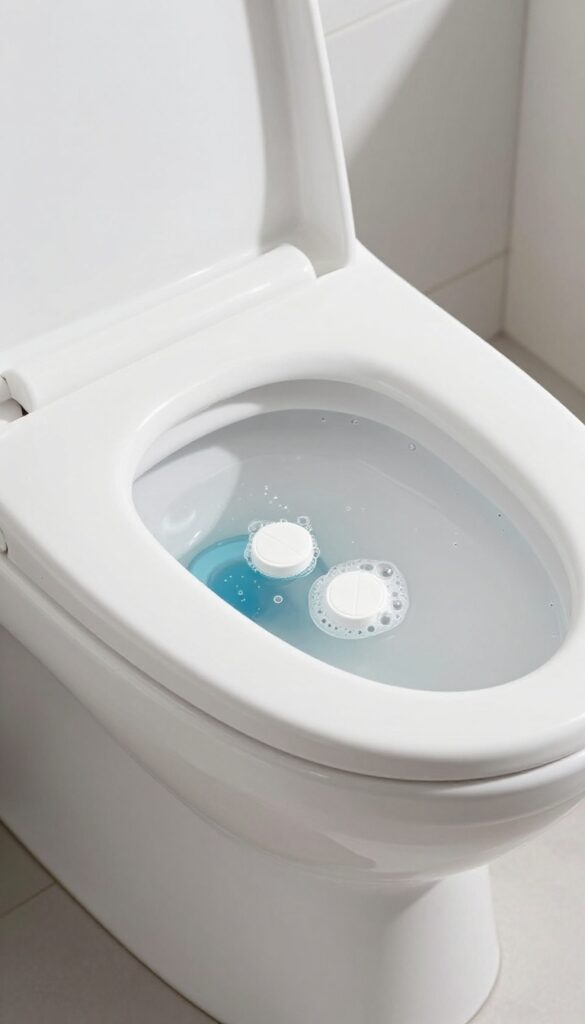
Effervescent denture tablets aren't just for false teeth—they're a secret weapon for toilet cleaning. Drop one or two into the bowl before bed, and let the fizzing action work overnight to break down stains and neutralize odors. By morning, you'll have a noticeably cleaner bowl with zero scrubbing effort.
This hack is perfect for tackling light to moderate stains, especially hard water rings and mineral deposits. The citric acid and sodium bicarbonate in the tablets create a gentle but effective cleaning reaction that reaches crevices a brush might miss. It's also a great way to freshen up the toilet between deep cleans.
How To Use
Simply drop one or two denture tablets into the toilet bowl (not the tank). Let them fizz and sit overnight or for at least six hours. In the morning, flush and give a quick swirl with the brush if needed.
For stubborn stains, repeat or use two tablets.
Why It Works
The effervescent action creates bubbles that lift dirt and stains from the porcelain surface. The mild bleaching agents in many tablets help whiten and disinfect without harsh fumes. It's a set-it-and-forget-it method that saves elbow grease.
Best For
This method shines on light to medium stains, especially hard water rings and yellowing. It's not strong enough for heavy rust or mineral crust, but for everyday maintenance, it's a game-changer.
2. Use Pumice Stone on Hard Water Rings
Hard water rings can make even a freshly cleaned toilet look grimy. Those stubborn mineral deposits build up over time and resist regular scrubbing. But a pumice stone tackles them with surprising ease—no harsh chemicals needed.
Wet the pumice stone thoroughly before use. Gently rub it on the mineral rings using light pressure. The stone's abrasive texture lifts deposits without scratching porcelain.
Rinse and repeat as needed. Always keep the stone wet to avoid damage.
Why It Works
Pumice is a natural volcanic rock that's softer than porcelain but harder than mineral buildup. When wet, it acts like a fine sandpaper, buffing away deposits without harming the toilet surface.
Step-by-step
First, flush to lower the water level below the rings. Wet the pumice stone and gently rub the stains in a circular motion. Rinse the stone frequently to remove debris.
Wipe the area clean with a damp cloth.
Safety Tips
Never use a dry pumice stone—it can scratch. Test on a small hidden area first. Avoid using on colored or coated toilets.
If you see scratches, stop immediately. Store the stone in a dry place between uses.
3. Baking Soda and Vinegar Volcano
You've seen the classic science fair volcano, but this version works wonders on toilet grime. Baking soda and vinegar create a fizzy reaction that loosens stuck-on stains and neutralizes odors without any harsh chemicals. It's cheap, non-toxic, and surprisingly effective.
Start by sprinkling about a cup of baking soda evenly around the inside of the toilet bowl, focusing on stained areas. Then pour in a cup of white vinegar—the fizzing action will help break down mineral deposits and organic buildup. Let it sit for 10 minutes (or longer for tough stains) before scrubbing with a toilet brush and flushing.
For extra cleaning power, add a few drops of essential oil like tea tree or lemon before the vinegar for a fresh scent.
Why This Combo Works
Baking soda is a mild abrasive that scrubs away grime without scratching porcelain. Vinegar is acidic, which dissolves hard water deposits and alkaline stains. When combined, the carbon dioxide bubbles help lift debris from surfaces, making it easier to scrub away.
Best For Everyday Maintenance
This method is gentle enough for weekly use and won't damage your toilet's finish. It's especially good for preventing buildup before it becomes stubborn. Just don't use it after bleach-based cleaners, as mixing vinegar with bleach creates toxic chlorine gas.
Pro Tips For Stubborn Stains
For rings that won't budge, let the fizz sit for 30 minutes or overnight. You can also make a paste with baking soda and a little water, apply it to stains, then spray vinegar on top. Let it bubble, then scrub with a pumice stone if needed.
4. Coca‑Cola for Rust Stains
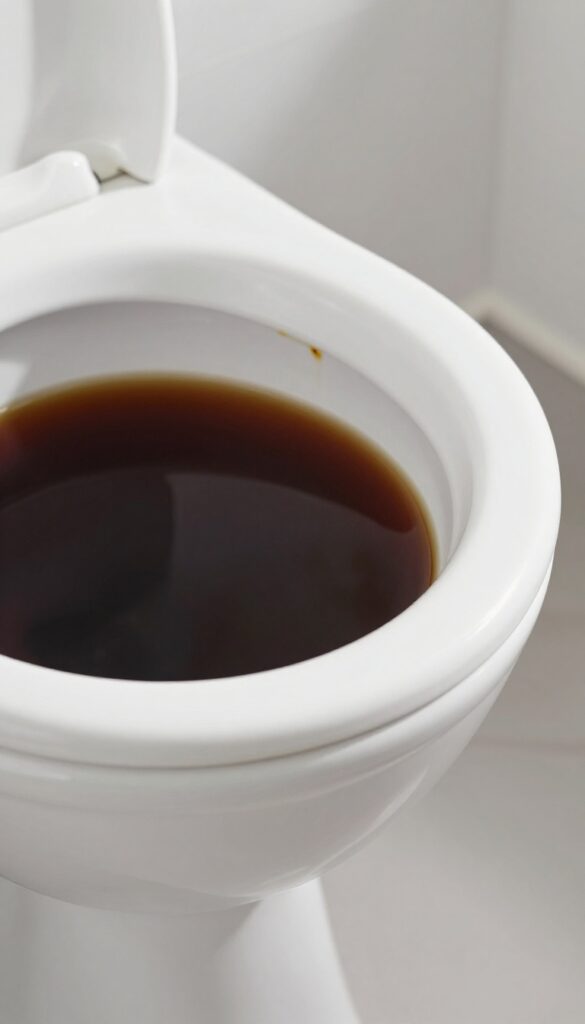
That orange-brown ring around the waterline or near the rim is usually rust from old pipes or mineral deposits. Instead of scrubbing yourself raw, grab a can of cola from the fridge. The phosphoric acid in soda is surprisingly effective at breaking down rust and limescale without any elbow grease.
It's a lazy cleaner's dream—just pour, wait, and flush.
Pour a full can of Coca‑Cola (or any dark cola) around the toilet bowl rim, making sure to coat the rust stains. Let it sit for at least an hour—overnight for stubborn stains. The acid works slowly, so patience is key.
After the wait, scrub lightly with a toilet brush and flush. The stains should be gone or significantly faded. For extra stubborn rings, repeat the process or follow up with a pumice stone.
Why Cola Works
Cola contains phosphoric and citric acids, which dissolve rust (iron oxide) and calcium deposits. It's the same active ingredient found in many commercial rust removers, but way cheaper and less harsh. The carbonation also helps lift grime from the porcelain surface.
Best Practices
Use a full can for best coverage. If the water level is high, scoop some out first so the cola stays concentrated on the stains. Avoid letting it sit on chrome or metal parts—it can cause pitting.
Flush thoroughly after treatment, and don't worry about the smell; it fades quickly.
When To Skip This Hack
Cola won't work on fresh organic stains like blood or food coloring. It's also not great for severe hard water rings that have built up over years. In those cases, try a pumice stone or a commercial descaler first.
And if your toilet is already clean, don't bother—this is a stain-specific fix.
5. Hydrogen Peroxide and Cream of Tartar Paste
For those stubborn stains that laugh at your regular cleaner, a paste made from hydrogen peroxide and cream of tartar is a game-changer. Hydrogen peroxide is a gentle bleach that lifts organic stains, while cream of tartar adds mild abrasion and acidity to break down mineral deposits. Together, they form a thick paste that clings to vertical surfaces and gets to work without harsh fumes.
Mix equal parts hydrogen peroxide and cream of tartar until you have a smooth, spreadable paste. Apply it directly to stains like rust rings, hard water lines, or old urine scale. Let it sit for 30 minutes—the longer the better for set-in stains.
Then scrub with a toilet brush or an old toothbrush for tight spots. Flush to rinse. For extra stubborn stains, leave the paste on overnight, covering the bowl with plastic wrap to keep it from drying out.
Why This Combo Works
Hydrogen peroxide oxidizes stain molecules, making them colorless and water-soluble. Cream of tartar (potassium bitartrate) is mildly acidic, which helps dissolve alkaline mineral deposits like calcium and lime. The paste texture ensures the mixture stays put on vertical porcelain surfaces, giving it time to penetrate and lift the stain.
Best Uses And Tips
This paste is perfect for rust stains, hard water rings, and stubborn brown lines at the waterline. Avoid using it on colored or antique toilets, as the peroxide may lighten the finish. Always test on an inconspicuous area first.
For a stronger mix, use 3% hydrogen peroxide straight from the bottle—no need to dilute.
6. Borax and Lemon Juice Scrub
When you need a heavy-duty cleaner that's still natural, borax and lemon juice make a powerful team. Borax is a mild abrasive that breaks down mineral deposits, while lemon juice cuts through grease and adds a fresh citrus scent. Together, they form a paste that tackles tough stains without the harsh fumes of bleach.
This scrub is ideal for stubborn rings and hard water stains that regular cleaners leave behind. The paste clings to vertical surfaces, giving it time to work. Plus, both ingredients are inexpensive and eco-friendly.
How To Make The Paste
Mix equal parts borax and fresh lemon juice in a small bowl until it forms a thick, spreadable paste. Start with 2 tablespoons of each and adjust as needed. The consistency should be like toothpaste—not too runny or too dry.
Application And Wait Time
Apply the paste directly to stains using an old toothbrush or a sponge. Focus on the waterline, under the rim, and any discolored areas. Let it sit for 15 minutes—this gives the borax time to break down deposits and the lemon juice to brighten the porcelain.
Scrubbing And Rinsing
After the wait, scrub the area with a toilet brush or the toothbrush. You'll see the stains lift away easily. Flush to rinse, and repeat if needed.
For extra stubborn spots, let the paste sit longer or apply a second coat.
7. Essential Oil Toilet Bombs
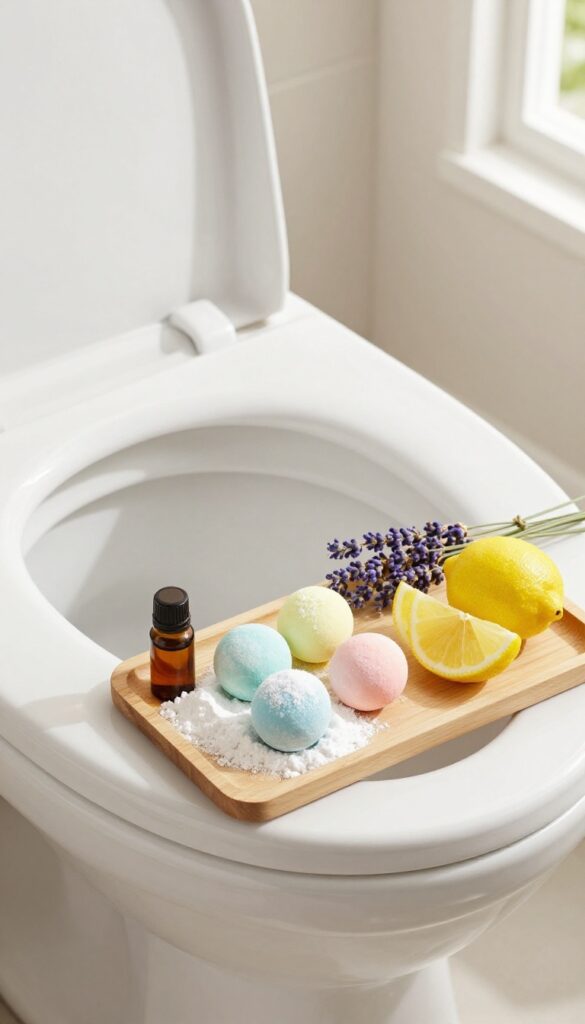
If you want your toilet to smell amazing without relying on chemical-laden drop-ins, these essential oil toilet bombs are the answer. They're easy to make, use natural ingredients, and keep the bowl fresh with every flush. Plus, you get to choose your favorite scent.
These fizzy bombs combine cleaning power with aromatherapy. As they dissolve in the tank, they release essential oils that deodorize and leave a light, pleasant fragrance. They're perfect for between deep cleans.
What You'll Need
Gather 1 cup baking soda, 1/4 cup citric acid, and 15-20 drops of your favorite essential oil—tea tree is great for its antimicrobial properties, while lemon or lavender smell fresh and clean. You'll also need a spray bottle with water and a silicone mold or your hands to shape the bombs.
How To Make Them
Mix the baking soda and citric acid in a bowl. Add the essential oil and stir well. Spritz the mixture lightly with water until it holds together when squeezed—be careful not to add too much, or it will fizz prematurely.
Press the mixture firmly into molds or form small balls. Let them dry for at least 24 hours before using.
How To Use
Drop one bomb into the toilet tank (not the bowl) once a week. It will fizz and dissolve slowly, releasing the essential oils with each flush. Avoid using more than one at a time to prevent clogging the tank mechanisms.
Store extras in an airtight container.
8. Vinegar Soak for the Rim
The area under the toilet rim is a prime hiding spot for grime and odor-causing bacteria. A simple vinegar soak can dissolve that buildup without any scrubbing.
White vinegar's acidity breaks down mineral deposits and organic matter, making it perfect for tackling hidden grime. This method requires minimal effort but delivers impressive results.
How To Do It
Soak a clean cloth or paper towels in white vinegar. Tuck the vinegar-soaked cloth around the entire rim, making sure it's pressed against the underside where grime accumulates. Leave it for at least an hour—overnight works even better.
Remove the cloth and flush. The vinegar will have loosened any buildup, so you might see debris wash away.
Why It Works
The vinegar sits directly on the grime, giving it time to dissolve calcium and limescale deposits. It also neutralizes odors by killing bacteria. This is a no-scrub solution for a spot that's hard to reach with a brush.
Pro Tip
For extra stubborn buildup, use undiluted vinegar. If the smell of vinegar bothers you, add a few drops of essential oil like tea tree or lavender to the cloth before tucking it in place.
9. Dish Soap and Bleach Gel
For a deep clean that tackles both stains and germs, try this simple DIY gel. Mixing dish soap with bleach creates a thick, clinging formula that stays put under the rim and on tough rings. It's cheap, effective, and disinfects as it works.
To make the gel, combine 1 part dish soap with 2 parts bleach in a squeeze bottle. Shake gently to mix. Squeeze the gel under the toilet rim, making sure it coats the bowl's sides and any rings.
Let it sit for 15–20 minutes—the gel won't drip away. Then scrub with a toilet brush and flush. The dish soap helps the bleach stick, giving it more time to break down stains and kill bacteria.
Use this hack weekly for a sparkling, sanitized toilet.
Why It Works So Well
Bleach is a powerful disinfectant and stain remover, but it often runs off surfaces too quickly. Dish soap thickens the mixture and adds surfactants that break down grime. Together, they create a gel that clings to vertical surfaces, giving the bleach time to work on tough rings and mineral deposits.
How To Apply Without Mess
Use a squeeze bottle with a narrow tip for precision. Aim the gel under the rim and along the waterline. Let it sit for at least 15 minutes—longer for stubborn stains.
After scrubbing, flush twice to rinse away any residue. Avoid using this on colored porcelain or if you have a septic system, as bleach can harm beneficial bacteria.
Safety Precautions
Always wear gloves and ensure good ventilation when working with bleach. Never mix bleach with ammonia or other cleaners, as toxic fumes can result. Keep the mixture away from children and pets.
Label your squeeze bottle clearly to avoid accidental misuse.
10. Lemon Salt Scrub
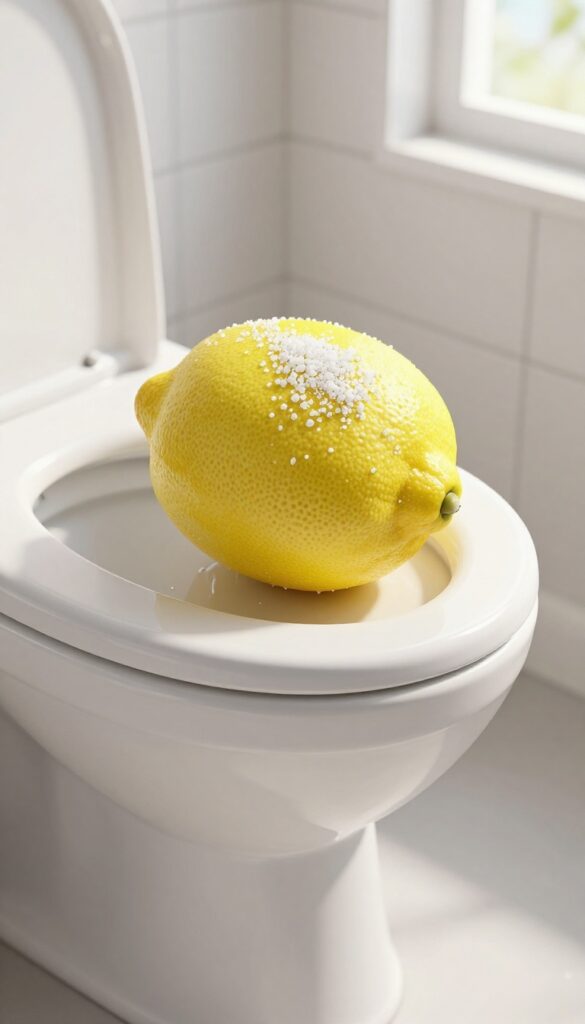
A fresh lemon and a handful of salt can tackle toilet stains without any harsh chemicals. The natural acidity of lemon breaks down mineral deposits and grime, while the salt acts as a gentle abrasive to scrub away residue. It's a simple, eco-friendly hack that leaves behind a clean, citrusy scent.
Cut a lemon in half, dip the cut side into coarse salt, and scrub the inside of the toilet bowl, focusing on stains and the waterline. Let it sit for 10–15 minutes, then flush. For stubborn spots, repeat or let the lemon-salt mixture sit longer.
This method is safe for most toilets but avoid using on colored porcelain if you're unsure.
Why It Works
Lemon juice contains citric acid, which dissolves calcium and lime deposits, while salt provides physical scrubbing power. Together, they tackle both surface stains and deeper buildup without scratching the porcelain.
Best Uses
This scrub is ideal for light to moderate stains, especially rust-colored rings or hard water marks. It's also great for a quick freshen-up between deep cleans. Avoid using on heavily stained or old toilets where the acid might damage the finish.
Pro Tips
Use coarse salt like kosher or sea salt for better abrasion. After scrubbing, flush and then wipe the rim with a lemon half to add extra shine. For a stronger effect, squeeze lemon juice directly onto stains and sprinkle salt on top.
11. Toilet Tank Tablet DIY
If you want a steady stream of freshness every time you flush, these homemade toilet tank tablets are a game-changer. They dissolve slowly in the tank, releasing a gentle cleaning boost that helps prevent stains and odors. Plus, you control exactly what goes into them—no mystery chemicals.
Making your own toilet tank tablets is surprisingly simple and way more affordable than store-bought brands. The basic recipe uses baking soda, citric acid, and a few drops of your favorite essential oil. The baking soda deodorizes, the citric acid helps break down mineral deposits, and the oil leaves a pleasant scent.
Just mix, press into molds, and let them dry overnight. Drop one tablet into the tank (away from the flush valve) and enjoy a fresher bowl with every flush. Replace every week or two, depending on your water usage.
Ingredients And Tools
You need 1 cup baking soda, 1/4 cup citric acid, 15-20 drops essential oil (lemon, tea tree, or lavender work great), and a spray bottle with water. For molds, use silicone ice cube trays or small candy molds. A mixing bowl and spoon complete the setup.
Step-by-step Instructions
In a bowl, combine baking soda and citric acid. Slowly spritz with water while stirring until the mixture holds together when squeezed (like damp sand). Add essential oil and mix.
Press firmly into molds and let dry for 24 hours. Pop out the tablets and store in an airtight jar.
Tips For Best Results
Don't add too much water—tablets can fizz and fall apart. Use citrus oils for cleaning power, but avoid oils that may damage plastic tank parts (dilute heavily). If you have hard water, drop a tablet every 5-7 days.
For soft water, every 10 days is plenty.
12. Magic Eraser for Scuff Marks
Scuff marks on the outside of the toilet bowl or tank can make an otherwise clean bathroom look dingy. These dark streaks often come from shoes, cleaning tools, or even accidental brush contact. Instead of scrubbing with harsh cleaners that might damage the finish, try a melamine sponge—commonly known as a Magic Eraser.
A damp Magic Eraser works like a gentle abrasive to lift scuff marks without scratching porcelain or enamel. Just wet the sponge, squeeze out excess water, and lightly rub the marks in a circular motion. The marks should disappear within a few seconds.
Rinse the area with a damp cloth afterward to remove any residue.
Where Scuff Marks Hide
Scuff marks often appear near the base of the toilet where shoes brush against it, or on the sides of the tank from cleaning caddies or toilet brushes. Check around the lid hinges and the back of the toilet too—those spots get bumped more than you'd think.
Why Magic Eraser Works Best
Unlike liquid cleaners that require rubbing and rinsing, a Magic Eraser's micro-scouring action lifts marks quickly with minimal effort. It's also safe for most toilet finishes, but always test on an inconspicuous spot first. Avoid using it on glossy or painted surfaces, as it can dull them.
Quick Aftercare
After using the Magic Eraser, wipe the area with a clean, damp cloth to remove any sponge particles. Then dry with a soft towel to prevent water spots. Your toilet will look scuff-free and fresh in under a minute.
13. Vinegar and Baking Soda Deep Clean
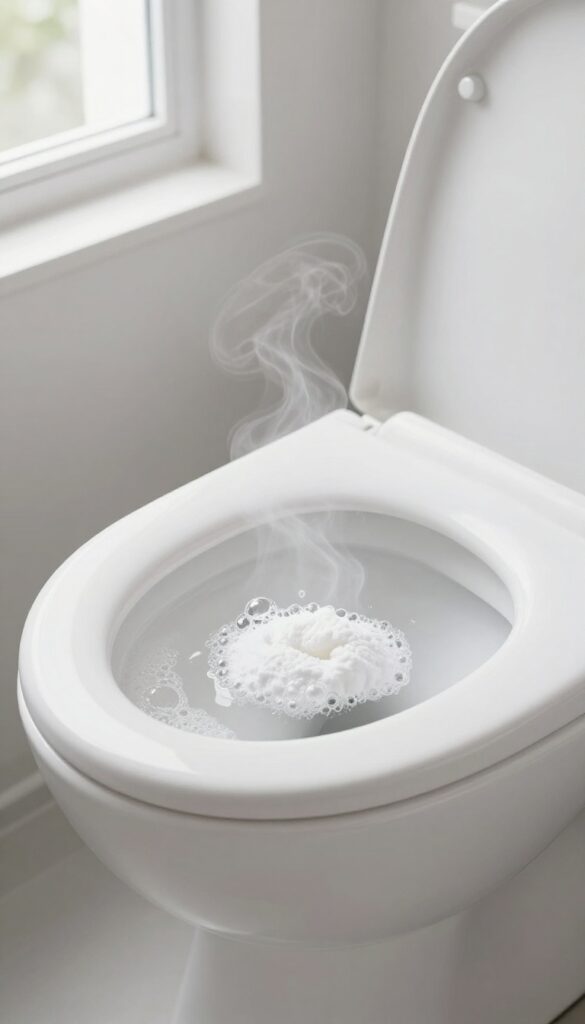
When your toilet needs a serious reset, skip the bleach and reach for the pantry. The classic vinegar and baking soda combo creates a fizzy reaction that lifts grime and neutralizes odors naturally. It's cheap, non-toxic, and surprisingly effective.
This method works because the acid in vinegar breaks down mineral deposits and soap scum, while the baking soda acts as a gentle abrasive. Together, they foam up and reach under the rim and into crevices that a brush alone might miss. Letting the mixture sit for a full 15 minutes gives it time to work on stubborn stains without harsh scrubbing.
How To Do It Right
Start by pouring one cup of baking soda directly into the toilet bowl. Follow with two cups of white vinegar—it will fizz immediately. Let the mixture bubble and sit for 15 minutes.
Then scrub the bowl with your toilet brush, paying extra attention to the rim and waterline. Flush to rinse.
When To Use This Hack
This deep clean is perfect for weekly maintenance or when you notice a lingering odor. It's also a great first step before tackling tough stains like rust or hard water rings, as it softens deposits for easier removal.
Pro Tips For Best Results
Use distilled white vinegar for best results—it's stronger than apple cider vinegar. If the fizzing reaction seems weak, your vinegar might be old; fresh vinegar works better. For extra cleaning power, add a few drops of tea tree oil to the bowl before the baking soda.
14. Rubbing Alcohol for Disinfecting
Rubbing alcohol isn't just for first aid kits—it's a powerhouse cleaner for your toilet. It kills germs on contact and dries without leaving streaks or residue. Perfect for a quick disinfect between deep cleans.
Spray rubbing alcohol (70% or higher) on the toilet exterior and seat. Let it sit for a minute, then wipe. It disinfects quickly and evaporates streak-free.
Why 70% Works Best
Higher concentrations evaporate too fast to kill germs effectively. 70% is the sweet spot—it stays wet long enough to disinfect but dries quickly without smearing.
How To Apply
Pour rubbing alcohol into a spray bottle and mist the entire exterior, including the lid, seat hinges, and base. Let it sit for 60 seconds, then wipe with a microfiber cloth.
Where Else To Use It
Use the same spray on the toilet brush holder, flush handle, and bathroom light switches. It's safe for most surfaces but test on a hidden spot first if you have a delicate finish.
15. Denture Cleaner for Hard-to-Reach Areas
Those hidden nooks under the rim and inside the overflow tube are prime real estate for bacteria and grime. A denture tablet’s fizzing action does the scrubbing for you, reaching spots a brush can't touch. Drop one in before bed and wake up to a cleaner toilet.
How It Works
Denture tablets contain sodium bicarbonate, citric acid, and other cleaning agents that react with water to create bubbles. These bubbles lift dirt, scale, and stains from surfaces. The fizzing action also helps deodorize by breaking down odor-causing compounds.
Where To Drop The Tablet
For the overflow tube, drop one tablet directly into the tube (the small hole in the toilet bowl near the flush handle). Let it fizz for 15 minutes or overnight. For rim stains, place a tablet in a bowl of warm water and use the solution to scrub under the rim with a small brush.
Pro Tips For Best Results
Use two tablets for a deeper clean. Avoid using in toilets with metal parts if you have hard water, as the citric acid can react. Always flush after the fizzing stops to rinse away loosened debris.
16. Hydrogen Peroxide Spray for Odors
Hydrogen peroxide is a gentle but effective oxidizer that breaks down the organic compounds responsible for toilet odors. A quick spritz can neutralize smells without leaving behind a chemical scent. This hack is especially handy for between-deep-cleans when you want a fast refresh.
Fill a spray bottle with 3% hydrogen peroxide and mist the inside of the bowl, focusing on the waterline and under the rim. Let it sit for 10 minutes to allow the peroxide to attack odor-causing bacteria and organic residue. Then just flush.
The bubbling action helps lift light stains too. For extra deodorizing, add 5–10 drops of tea tree oil to the bottle—it boosts antibacterial power and leaves a fresh scent.
Why Hydrogen Peroxide Works
Hydrogen peroxide releases oxygen when it contacts organic matter, which destroys the cell walls of bacteria and neutralizes odor molecules. Unlike bleach, it breaks down into water and oxygen, so it's safer for septic systems and won't discolor porcelain with repeated use.
Best Application Tips
Use a dedicated spray bottle labeled clearly to avoid confusion. Spray generously around the rim and let the foam settle. For stubborn odors, scrub gently with a toilet brush after the 10-minute wait, then flush.
Avoid mixing hydrogen peroxide with vinegar or bleach—it can create harmful fumes.
When To Use This Hack
This is ideal for daily or weekly maintenance between deep cleans. It's also great after guests leave or when you notice a musty smell starting. Use it before bed so it sits overnight for a deeper deodorizing effect.
17. Baking Soda and Essential Oil Deodorizer
Sometimes the simplest solutions work best. Baking soda is a natural deodorizer that neutralizes odors instead of just covering them up. When you add a few drops of essential oil, you get a pleasant scent without the harsh chemicals found in many commercial toilet cleaners.
This hack is especially useful for those in-between cleanings when you want a quick refresh.
Why It Works
Baking soda is alkaline, which helps break down acidic compounds that cause odors. It also absorbs moisture, reducing the musty smell that can linger in the bowl. Essential oils like lavender or peppermint add antibacterial properties and a fresh, natural fragrance.
How To Make It
In a small bowl, mix 1/2 cup of baking soda with 10–15 drops of your favorite essential oil. Stir well to distribute the oil evenly. Store the mixture in a shaker jar or an old spice container with a perforated lid.
How To Use
Sprinkle about 2 tablespoons of the mixture directly into the toilet bowl. Let it sit for 15 minutes to allow the baking soda to work on stains and odors. Then scrub with a toilet brush and flush.
For extra freshness, you can also sprinkle a little around the rim before bed and flush in the morning.
18. White Vinegar and Dawn for Grease
Greasy residue and soap scum can make your toilet look dingy and feel slick to the touch. Instead of scrubbing for ages, try this dynamic duo: white vinegar and Dawn dish soap. The vinegar cuts through mineral deposits while the Dawn breaks down grease, leaving your toilet bowl and exterior spotless.
How To Mix And Apply
Fill a spray bottle with equal parts white vinegar and Dawn dish soap. Shake gently to combine. Spray the mixture generously on greasy areas like the toilet bowl rim, under the seat, and on the exterior near the base.
Let it sit for 5–10 minutes to break down the grime.
Wipe And Rinse
After the solution has soaked, use a microfiber cloth or sponge to wipe away the residue. For the bowl, scrub with a toilet brush and flush. The vinegar smell dissipates quickly, leaving a clean, fresh scent.
No harsh chemicals needed.
Best Uses And Tips
This hack works wonders on soap scum buildup on the toilet seat and lid, as well as greasy fingerprints on the tank. Avoid using on natural stone or unsealed surfaces, as vinegar can etch them. For tough spots, increase the Dawn ratio slightly.
19. Toilet Brush Cleaning Hack
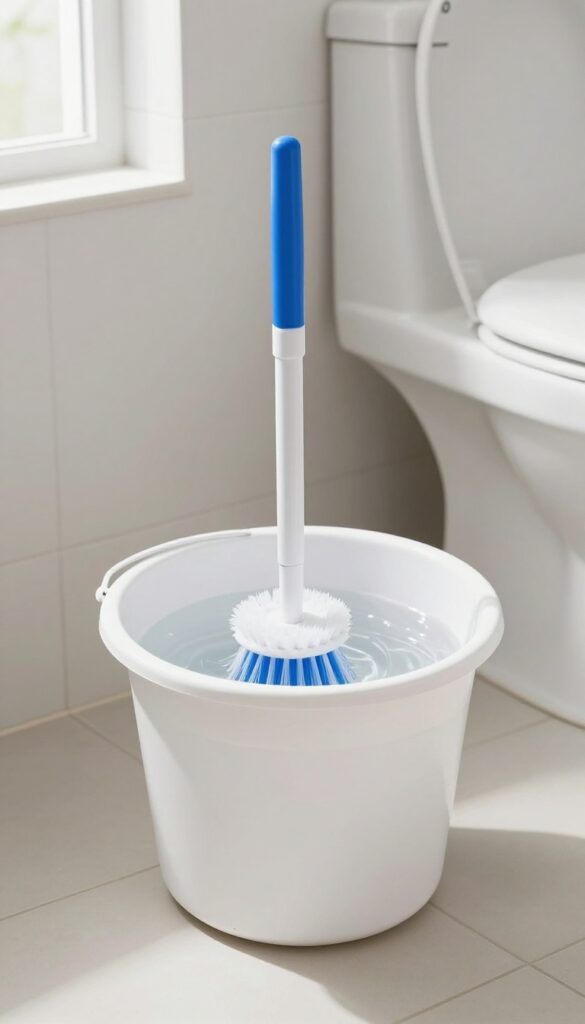
Your toilet brush works hard, but when was the last time you cleaned it? A dirty brush just spreads bacteria and grime back into the bowl. This simple soak method sanitizes the brush and keeps it fresh for your next scrub.
The Soak Solution
Fill a bucket or your toilet bowl (after flushing) with enough water to submerge the brush head. Add 1/2 cup of bleach or 1 cup of white vinegar. Let the brush soak for 30 minutes.
Bleach kills germs and whitens, while vinegar deodorizes and dissolves mineral buildup. Never mix bleach and vinegar—choose one.
Rinse And Dry
After soaking, flush the toilet (if you used the bowl) or dump the bucket. Rinse the brush under hot water. Shake off excess water and let it air-dry with the bristles pointing down in its holder.
A dry brush prevents mold and mildew growth.
When To Replace
Even with regular cleaning, toilet brushes wear out. Replace yours every 6 months or sooner if bristles are frayed, bent, or the handle is cracked. A fresh brush scrubs more effectively and reduces bacteria buildup.
20. Coffee Grounds for Odor Absorption
If you brew coffee at home, don't toss those used grounds just yet. They're a natural deodorizer that can help keep your bathroom smelling fresh. Coffee grounds absorb odors rather than covering them up with synthetic scents, making them a great non-toxic option.
Place a small bowl of dry coffee grounds near the toilet or on a shelf. Replace them every week or two for continuous odor control. You can also sprinkle used grounds directly into the toilet bowl, let them sit for 15 minutes, then flush—the grounds will help neutralize smells and gently scrub the porcelain.
Why Coffee Grounds Work
Coffee grounds contain nitrogen, which helps neutralize sulfur-based odors (the kind that cause bathroom smells). Their porous texture also traps odor molecules, so they literally absorb the stink out of the air.
Best Way To Use Them
For a simple setup, fill a small ramekin or jar with dry, used coffee grounds and place it on the back of the toilet or a nearby shelf. If you want a quick freshen-up, sprinkle a tablespoon into the bowl, let it sit for 10–15 minutes, then flush. The grounds will also gently scrub away light stains.
When To Replace
Swap out the grounds every 5–7 days for best results. If you notice the coffee smell fading or the grounds becoming damp, it's time for a fresh batch. Used grounds work just as well as fresh ones, so you're recycling and saving money.
21. Baking Soda and Hydrogen Peroxide Paste
When stains have settled in and regular scrubbing won't cut it, a paste made from baking soda and hydrogen peroxide can be a game changer. This dynamic duo works together to lift and break down stubborn rings and discoloration without the harshness of bleach.
The combination of baking soda's gentle abrasiveness and hydrogen peroxide's oxidizing power creates a paste that tackles even old, set-in stains. It's safe for porcelain and septic systems, making it a versatile option for any home.
How To Make And Apply The Paste
Mix three parts baking soda with one part hydrogen peroxide in a small bowl until it forms a thick, spreadable paste. Apply the paste directly to the stain using a sponge or an old toothbrush. Make sure to coat the area generously, then let it sit for at least 15 minutes—longer for tough stains.
Scrubbing And Rinsing
Once the paste has dried, scrub the area with a toilet brush or a non-abrasive pad. The dried paste will have a slightly gritty texture that helps dislodge the stain without scratching the surface. Rinse thoroughly with water and flush to reveal a cleaner bowl.
Best Uses And Precautions
This paste works wonders on hard water rings, rust stains, and the dark line that forms at the waterline. Avoid using it on colored or antique porcelain, as hydrogen peroxide can sometimes lighten finishes. Always test on a small hidden area first.
22. Lemon Juice and Borax for Rust
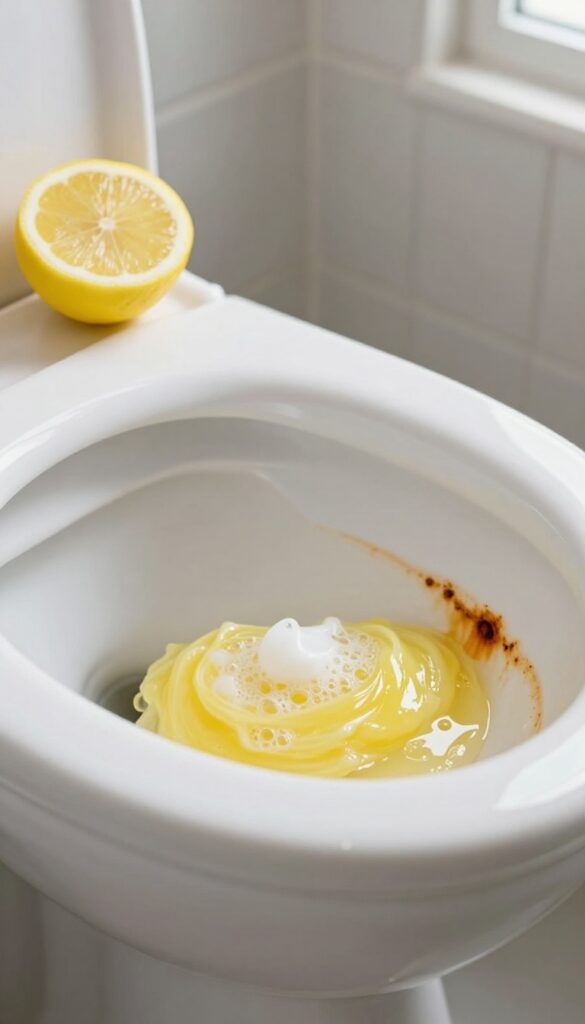
Rust stains in the toilet bowl are stubborn, but you don't need harsh chemicals to remove them. Lemon juice and borax work together to break down rust without damaging the porcelain. This combo is gentle enough for regular use but tough on stains.
Start by sprinkling a generous amount of borax directly onto the rust stains. Squeeze fresh lemon juice over the borax until it forms a paste. Let the mixture sit for 30 minutes—the citric acid reacts with the rust while the borax acts as a mild abrasive.
After waiting, scrub the area with a toilet brush, then flush. For heavy stains, let it sit longer or repeat the process.
Why It Works
Lemon juice contains citric acid, a natural chelating agent that binds to rust molecules and lifts them from surfaces. Borax adds gentle scrubbing power and helps neutralize odors. Together, they create a fizzing action that loosens rust without scratching.
Best For Light To Moderate Rust
This method works best on fresh or moderate rust stains. For deep-set rust from old pipes or well water, you may need to let the paste sit longer or apply a second treatment. Always test on a small area first if you're unsure.
Pro Tips For Best Results
Use a lemon wedge to apply the juice directly for better control. If you don't have fresh lemons, bottled lemon juice works, but fresh gives more acid. Avoid using this on colored porcelain or antique fixtures—stick to standard white toilets.
23. Essential Oil Diffuser in Bathroom
A small essential oil diffuser placed near the toilet can keep the air fresh without masking odors with synthetic sprays. Oils like lemon, eucalyptus, or tea tree not only smell great but also have antibacterial properties that help neutralize odors naturally.
Choose a compact, ultrasonic diffuser that fits on a countertop or shelf. Add a few drops of your preferred oil and run it for 20–30 minutes after cleaning or whenever you notice lingering smells. This method is chemical-free and adds a spa-like feel to your bathroom.
Best Oils For Odor Control
Lemon oil cuts through musty smells and leaves a clean citrus scent. Eucalyptus is refreshing and helps clear the air. Tea tree oil is a powerful antimicrobial that fights odor-causing bacteria.
You can also blend oils for a custom fragrance.
Placement And Safety Tips
Place the diffuser on a stable surface away from the toilet to avoid water splashes. Keep it out of reach of children and pets. Always follow the manufacturer’s instructions for water levels and cleaning to prevent mold buildup inside the diffuser.
24. Vinegar and Baking Soda Flush Cleaner
Most people focus on scrubbing the bowl, but the toilet tank can be a hidden source of odors and grime. A simple flush cleaner made from vinegar and baking soda tackles both the tank and the bowl in one go. This fizzy duo breaks down mineral deposits and freshens the water with every flush.
This hack is as easy as it gets. Start by pouring one cup of baking soda directly into the overflow tube in the center of the tank. Follow with one cup of white vinegar.
The mixture will fizz vigorously, working to loosen grime and scale inside the tank and along the flush valve. Let it sit for 10 minutes, then flush the toilet. The fizzing action also helps clean the bowl as the solution rushes down.
For best results, do this once a month to prevent buildup and keep your toilet smelling fresh.
Why It Works
Baking soda is a mild abrasive that helps scrub away deposits without scratching porcelain. Vinegar is acidic, which dissolves hard water minerals and alkaline stains. When combined, the chemical reaction creates carbon dioxide gas—the fizz—that helps lift debris from surfaces.
This one-two punch cleans both the tank and the bowl, reducing odors at the source.
Step-by-step Instructions
First, remove the tank lid and set it aside safely. Locate the overflow tube—it's the open pipe in the center. Pour one cup of baking soda into the tube, then immediately add one cup of white vinegar.
The fizzing will start right away. Close the lid loosely to avoid splashing, and let it work for 10 minutes. Finally, flush the toilet.
Repeat monthly for ongoing freshness.
Pro Tips
For extra cleaning power, add a few drops of essential oil like tea tree or lemon to the vinegar before pouring. This leaves a pleasant scent and adds antibacterial properties. If your tank has stubborn stains, scrub the inside gently with a soft brush before flushing.
Never use bleach in the tank, as it can damage rubber parts.
25. Regular Weekly Maintenance Routine
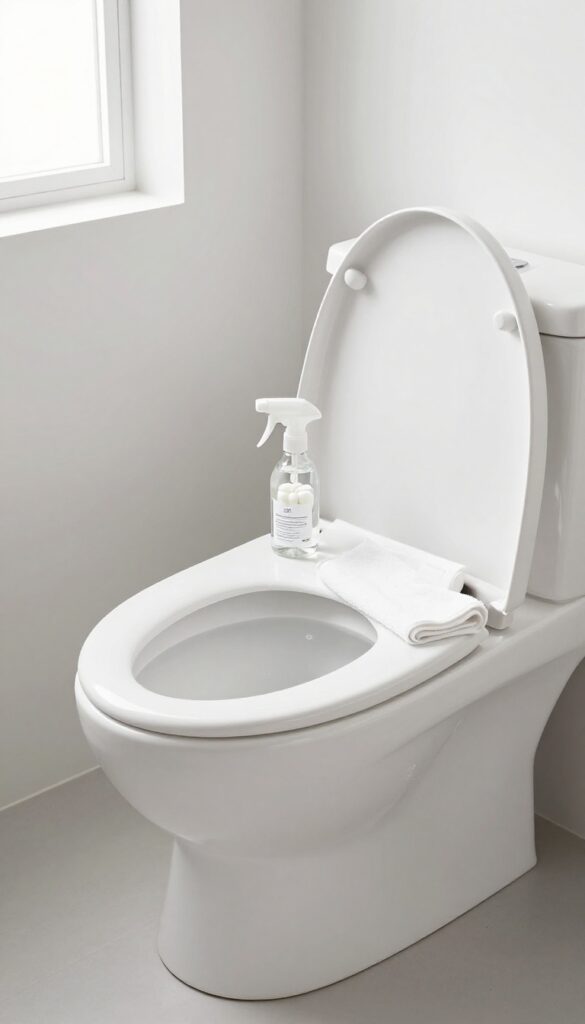
Consistency is the secret to a toilet that always looks and smells clean. Instead of waiting for stains or odors to build up, a quick weekly routine keeps everything fresh with minimal effort. This isn't about deep scrubbing every time—just a few simple steps that take less than ten minutes.
Set aside one day each week for a quick toilet refresh. Start by sprinkling baking soda around the bowl, then add a splash of vinegar. Let it fizz for a few minutes while you wipe down the exterior with a disinfectant spray or a diluted bleach solution.
Give the bowl a quick scrub with a toilet brush, flush, and you're done. Drop a DIY tank tablet (made from baking soda, citric acid, and essential oils) into the tank to keep the water fresh between cleanings. This routine prevents hard water rings, stains, and odors from taking hold, so your toilet stays sparkling without heavy scrubbing.
Why Weekly Works
A weekly schedule is frequent enough to stop grime from settling but not so often that it feels like a chore. Stains and odors are much easier to remove when they're fresh, so a quick scrub each week saves you from tackling stubborn buildup later.
The Diy Tank Tablet
Mix 1 cup baking soda, 1/4 cup citric acid, and 15 drops of your favorite essential oil (like lemon or tea tree). Add water slowly until it forms a paste, then press into silicone molds or ice cube trays. Let dry for 24 hours, then store in an airtight jar.
Drop one tablet into the toilet tank each week—it fizzes gently, cleans the tank, and keeps the bowl water fresh.
Quick Exterior Wipe
Don't forget the outside. Wipe the lid, seat, base, and surrounding floor with a disinfectant wipe or a cloth sprayed with a vinegar-water solution. This removes dust, splashes, and germs, making the whole area look and smell clean.
FAQ
Can I use bleach and vinegar together?
No, never mix bleach and vinegar. They create toxic chlorine gas. Use them separately and rinse thoroughly between applications.
How often should I clean my toilet?
For best results, do a quick clean once a week and a deeper clean once a month. This prevents stains and odor buildup.
Will pumice stone scratch my toilet?
A pumice stone is safe on porcelain if kept wet and used gently. Always test on an inconspicuous area first.
What's the best natural deodorizer for toilets?
Baking soda and essential oils work great. You can also use white vinegar or place a bowl of coffee grounds nearby.
How do I remove black mold from under the rim?
Use a bleach gel or a paste of baking soda and hydrogen peroxide. Apply, let sit, then scrub with an old toothbrush.
Conclusion
These 25 hacks prove you don't need expensive cleaners or elbow grease to keep your toilet spotless. Just pick a few that target your biggest issues—like hard water rings or stubborn odors—and make them part of your routine.
Start with one or two this week, and you'll notice the difference without adding extra time to your cleaning day.