A clean bathtub makes the whole bathroom feel fresher. But soap scum, hard water stains, and grime can turn your relaxing soak into an eyesore. You don't need expensive cleaners or hours of scrubbing to get that bright, smooth finish.
These 20 bathtub cleaning hacks use simple ingredients and smart techniques to tackle even the toughest buildup. Whether you have a fiberglass, acrylic, or porcelain tub, there's a tip here that will save you time and effort.
From natural solutions to pro-level tricks, each hack is designed to be practical and effective. No fluff, just results that let you enjoy your bathtub again.
1. Vinegar and Baking Soda Fizz
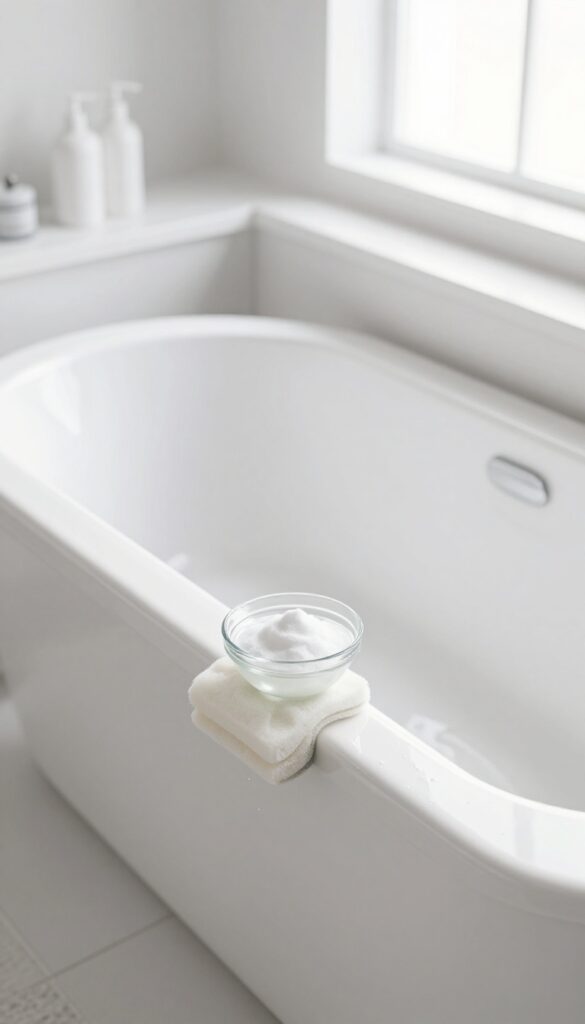
Sometimes the simplest combinations work the best. Vinegar and baking soda create a fizzy reaction that lifts dirt and grime without harsh chemicals. It's a classic for a reason—it cuts through soap scum and leaves your tub smelling fresh.
Why It Works So Well
Baking soda is a mild abrasive that scrubs away residue without scratching most surfaces. White vinegar is acidic, so it dissolves mineral deposits and soap scum. When they mix, the carbon dioxide bubbles help loosen stuck-on gunk, making it easier to wipe away.
Step-by-step Application
Start by wetting the entire tub surface. Sprinkle a generous layer of baking soda over the areas with soap scum or stains. Then fill a spray bottle with undiluted white vinegar and spritz it over the baking soda until it starts to fizz.
Let the mixture sit for about 10 minutes—don't let it dry out, so add more vinegar if needed. After the fizzing subsides, scrub with a soft sponge or cloth in circular motions. Rinse thoroughly with warm water and wipe dry.
Pro Tips For Best Results
For extra stubborn spots, make a paste with baking soda and a little water, apply it directly, then spray vinegar on top. Avoid using this method on natural stone or marble tubs, as the acid can etch the surface. Always test a small hidden area first if you're unsure.
2. Dish Soap and Warm Water Spray
You don't need a cabinet full of specialty products to keep your bathtub looking great. A simple mix of dish soap and warm water does the job surprisingly well. This hack is perfect for quick daily wipe-downs that prevent grime from building up in the first place.
Blue Dawn dish soap is a favorite because it cuts through grease and soap scum without being harsh. Mix a few drops with warm water in a spray bottle, spritz the tub, let it sit for five minutes, then wipe clean. Rinse well afterward to avoid any slippery residue.
This method is gentle enough for daily use on acrylic, fiberglass, and porcelain tubs.
Why Blue Dawn Works Best
Blue Dawn is concentrated and designed to break down oils and grease. It's also pH-neutral, so it won't damage tub finishes over time. Other dish soaps can work, but blue Dawn has a reputation for being especially effective against soap scum and body oils.
How To Make And Use The Spray
Fill a 16-ounce spray bottle with warm water and add about 10 drops of blue Dawn. Shake gently to mix. Spray the entire tub surface, including walls and corners, and let it sit for five minutes.
Wipe with a soft cloth or sponge, then rinse thoroughly with warm water.
Tips For Best Results
Use this spray after every bath or shower to prevent buildup. For extra cleaning power, add a tablespoon of white vinegar to the mix. Avoid using abrasive scrubbers that could scratch the surface.
A microfiber cloth works best for a streak-free shine.
3. Hydrogen Peroxide for Stubborn Stains
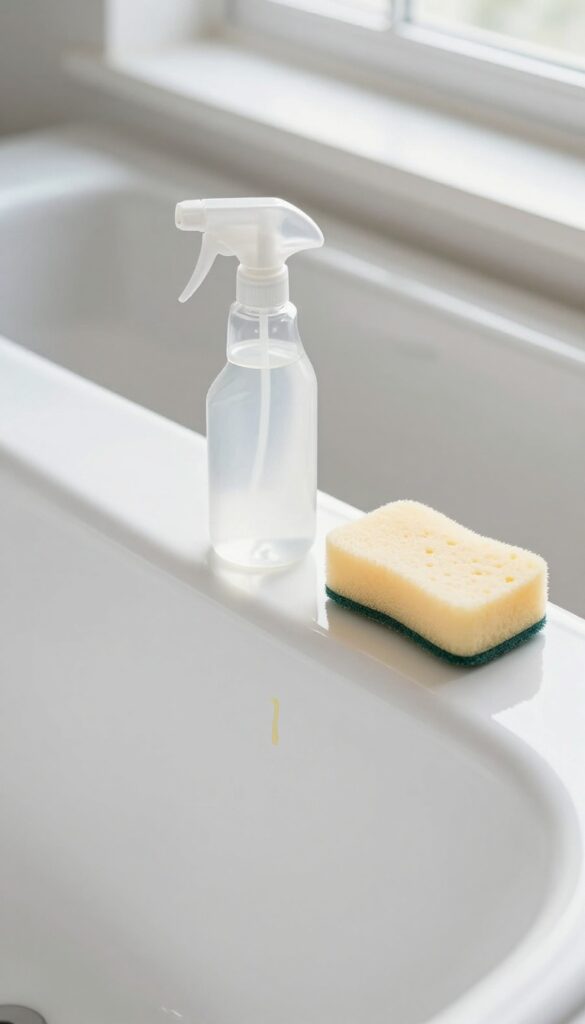
Some stains just won't budge with regular cleaners. Yellowing around the drain or rust spots from hard water can make your tub look older than it is. Hydrogen peroxide offers a gentle but powerful solution that breaks down these tough discolorations without harsh fumes.
Hydrogen peroxide works by releasing oxygen bubbles that lift stains from the surface. It's safe for most bathtub materials, including acrylic and fiberglass, when used correctly. For best results, apply it directly to the stain or mix it into a paste with baking soda for extra scrubbing power.
Direct Application Method
Pour 3% hydrogen peroxide directly onto the stained area. Let it sit for 15 minutes without letting it dry out. Use a soft sponge or cloth to gently scrub the spot.
Rinse thoroughly with warm water. This works well for yellowing around the drain and light rust marks.
Peroxide And Baking Soda Paste
In a small bowl, mix two parts baking soda with one part hydrogen peroxide to form a thick paste. Apply the paste to stubborn stains and let it sit for 15–20 minutes. Scrub with a soft brush or sponge in circular motions.
Rinse completely. This combination is excellent for set-in soap scum and hard water rings.
Safety And Material Tips
Always test hydrogen peroxide on a small hidden area first, especially on colored or older tubs. Avoid using it on unsealed natural stone or painted surfaces. Wear gloves to protect your skin, and never mix hydrogen peroxide with vinegar or bleach, as this can create harmful fumes.
4. Lemon Juice and Salt Scrub
This hack is a throwback to old-school cleaning, and it works like a charm. The natural acidity of lemon cuts through soap scum and hard water deposits, while salt adds just enough grit to lift grime without scratching. Plus, you get a fresh citrus scent that lingers long after you rinse.
A lemon and salt scrub is one of the simplest, most effective ways to clean your bathtub. It's cheap, non-toxic, and leaves your tub shiny and smelling great. Here's how to make it work for you.
Why This Combo Works
Lemon juice contains citric acid, which breaks down mineral deposits and soap scum. Salt acts as a gentle abrasive that helps scrub away stuck-on grime without damaging the tub's surface. Together, they create a powerful, natural cleaner that's safe for most tub materials.
How To Use It
Cut a lemon in half and sprinkle the cut side with coarse salt. Scrub the tub surface in circular motions, focusing on stained or grimy areas. Rinse thoroughly with warm water.
For extra cleaning power, let the lemon juice sit for a few minutes before scrubbing.
Best For These Tub Types
This scrub works well on porcelain, enamel, and acrylic tubs. Avoid using it on natural stone or unsealed surfaces, as the acid can etch or dull the finish. Always test in a small hidden area first.
Pro Tips For Best Results
Use fresh lemons for maximum acidity. If you don't have salt, baking soda works as a substitute. For tough stains, let the lemon-salt paste sit for 10 minutes before scrubbing.
Rinse well to remove all salt residue.
5. Magic Eraser for Quick Touch-Ups
Sometimes you just need a fast fix for a small spot. That's where a melamine sponge, commonly known as a Magic Eraser, comes in. It's perfect for zapping scuff marks, soap rings, and light stains without pulling out the heavy-duty cleaners.
A Magic Eraser is basically a super-fine abrasive sponge that works like a gentle sandpaper. When dampened, it lifts dirt and grime from surfaces with minimal effort. It's especially handy for quick touch-ups between deep cleans.
How To Use It Right
Just wet the sponge until it's damp but not dripping, then gently rub the stained area. You'll see the grime transfer to the sponge. Rinse the sponge frequently and keep it damp while working.
For tough spots, apply a little pressure, but always start gently.
Where It Works Best
Magic Erasers excel on smooth, non-porous surfaces like acrylic, fiberglass, and porcelain. They're great for removing soap scum rings, scuff marks from shoes or toys, and light hard water stains. They can also clean the edges of the tub where dirt accumulates.
A Word Of Caution On Glossy Finishes
While Magic Erasers are effective, they can dull glossy surfaces if used too aggressively. On shiny tubs, test an inconspicuous area first and use light, even strokes. Avoid scrubbing in circles, which can create a visible haze.
For high-gloss finishes, reserve the eraser for occasional touch-ups only.
6. Cream of Tartar Paste for Hard Water Rings
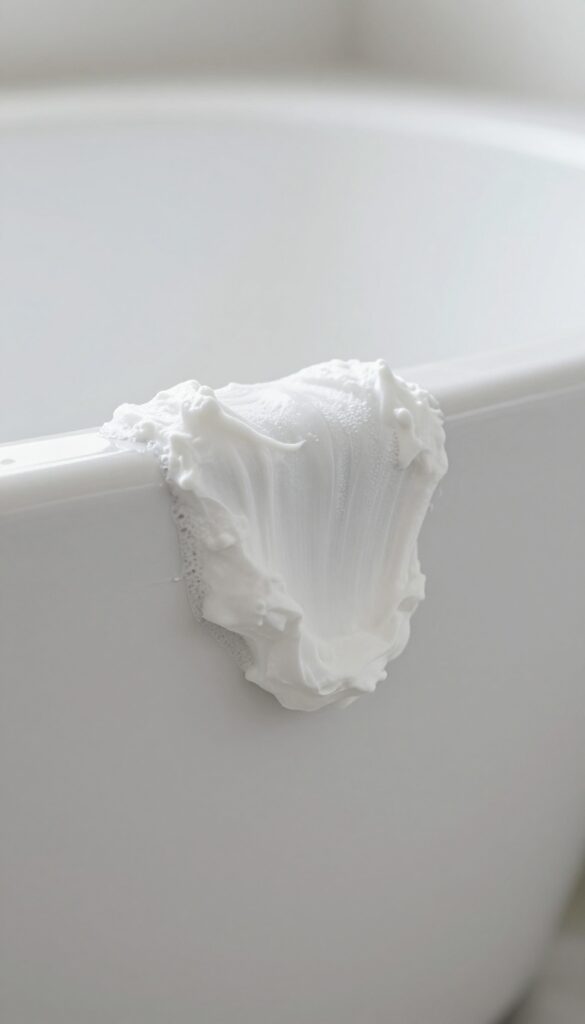
Hard water rings can make even a freshly cleaned tub look neglected. Those stubborn white or grayish circles are caused by mineral deposits that ordinary soap struggles to dissolve. But you don't need harsh chemicals—cream of tartar, a common baking ingredient, combined with hydrogen peroxide creates a gentle but powerful paste that breaks down those rings without damaging your tub's surface.
This old-school cleaning trick is surprisingly effective. Cream of tartar is a mild acid that helps dissolve mineral deposits, while hydrogen peroxide adds a bit of fizzing action to lift grime. Together, they form a thick paste that clings to vertical surfaces and sits on the stain long enough to work its magic.
Let it dry completely, then wipe away—the rings usually come off with minimal scrubbing.
Mixing The Perfect Paste
Start with two tablespoons of cream of tartar. Add hydrogen peroxide a few drops at a time, stirring until you get a spreadable paste—think toothpaste consistency. If it's too runny, add more cream of tartar; if too thick, a tiny splash more peroxide.
You want it to stay put on the tub wall without dripping.
Application And Dwell Time
Apply the paste directly to the hard water rings using a soft cloth or sponge. Spread it evenly, covering the entire ring. Let it sit for at least 30 minutes, or until it's completely dry.
For thicker rings, you can leave it on overnight—just make sure the bathroom is dry so the paste doesn't get disturbed.
Wiping Away The Residue
Once the paste is dry, it will look like a white crust. Use a damp microfiber cloth to gently wipe it off. The mineral deposits should lift away with the paste.
If any stubborn spots remain, reapply and let it sit longer. Rinse the area thoroughly with water and dry with a clean towel to prevent new water spots.
7. Borax for Deep Cleaning
Borax is a natural mineral that has been used for cleaning for generations. It’s gentle enough for daily use but tough on grime, making it perfect for a deep tub clean. Unlike bleach, it won’t release harsh fumes, so you can scrub without worrying about your lungs.
To use Borax for deep cleaning your bathtub, start by wetting a sponge or soft cloth. Sprinkle Borax generously over the sponge, then scrub the tub surface in circular motions. Focus on areas with soap scum, grease, or hard water stains.
The mild abrasiveness helps lift buildup without scratching most tub finishes. After scrubbing, rinse thoroughly with warm water. For extra stubborn spots, let the Borax paste sit for 5–10 minutes before rinsing.
This method leaves your tub clean, bright, and residue-free.
Why Borax Works So Well
Borax has a high pH that breaks down fatty acids in soap scum and grease, making it easy to wipe away. It also helps soften hard water deposits, so you spend less time scrubbing. Plus, it’s a natural deodorizer, leaving your tub smelling fresh without artificial fragrances.
How To Use Borax Safely
Always wear gloves when handling Borax to avoid skin irritation. Test a small, hidden area first if your tub has a delicate finish. Avoid mixing Borax with other cleaners, especially bleach or vinegar, as it can create harmful fumes.
Keep it out of reach of children and pets.
When To Reach For Borax
Borax is ideal for monthly deep cleans or when you notice a dull film on your tub. It’s also a great alternative if you’re sensitive to strong chemical cleaners. Use it on porcelain, fiberglass, and acrylic tubs, but skip it on marble or natural stone surfaces.
8. Rubbing Alcohol for Shine
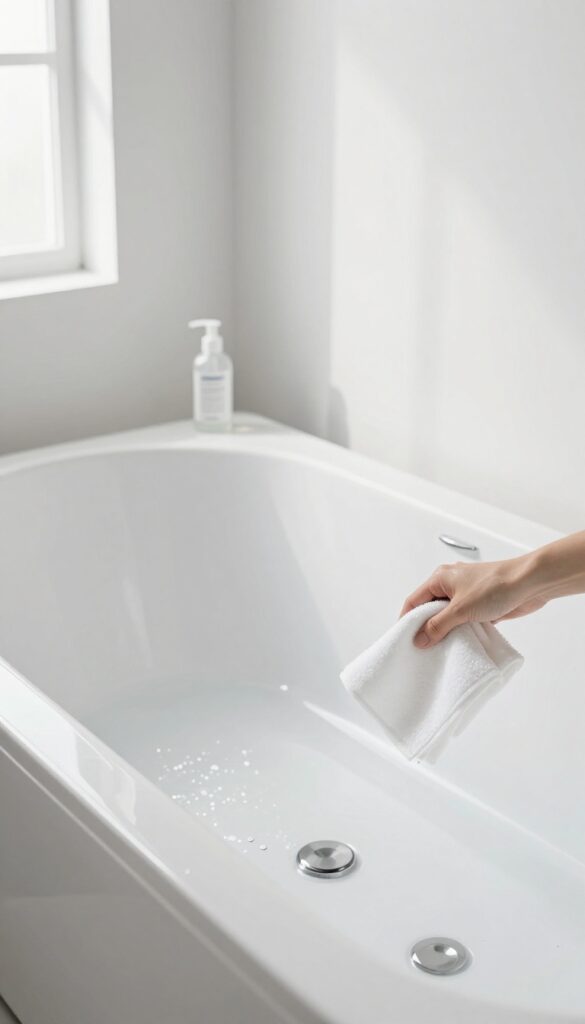
After all that scrubbing and rinsing, you might still notice a dull film or water spots. That's where rubbing alcohol comes in. It's a simple final step that makes a big difference, especially on acrylic tubs that tend to look cloudy over time.
Rubbing alcohol cuts through leftover soap residue and hard water minerals that regular rinsing misses. It evaporates quickly, so you get a streak-free shine without wiping endlessly. Plus, it's cheap and already in most medicine cabinets.
Why It Works
Alcohol is a solvent that dissolves the thin layer of residue left by cleaners and hard water. It also kills some bacteria and mold spores, adding a layer of freshness. Because it dries fast, it doesn't leave streaks like water can.
How To Use It
After your usual cleaning and rinsing, pour a small amount of rubbing alcohol onto a soft, lint-free cloth. Wipe the entire tub surface, focusing on areas that look dull. No need to rinse again—just let it air dry.
The shine appears almost instantly.
Best For Acrylic And Fiberglass
Acrylic and fiberglass tubs are prone to scratches and cloudiness from harsh cleaners. Rubbing alcohol is gentle enough not to damage the surface but strong enough to restore gloss. Avoid using it on painted or antique tubs, as it might strip the finish.
9. Toothbrush for Grout Lines
Grout lines around your bathtub are prime real estate for mold and mildew. They're narrow, porous, and easy to overlook during a regular wipe-down. But with a simple tool you probably already have—an old toothbrush—you can get into those tight spaces and scrub away the grime without much effort.
Mix a paste of baking soda and water until it forms a thick, spreadable consistency. Dip your toothbrush into the paste and work it into the grout lines, focusing on corners and edges where mold likes to hide. Scrub in small circular motions for about a minute per section.
Rinse with a damp cloth or a spray bottle filled with water. For stubborn spots, let the paste sit for 10 minutes before scrubbing.
Why A Toothbrush Works Best
A toothbrush's small head and stiff bristles are perfect for targeting grout lines without splattering paste everywhere. It reaches deep into the grooves where a sponge or cloth can't go. Plus, it's gentle enough not to damage the grout or the tub surface.
Boost The Paste With Vinegar
For extra cleaning power, substitute the water in your paste with white vinegar. The acidity helps dissolve mineral deposits and kills mold spores. Just be sure to rinse thoroughly afterward, as vinegar can be harsh on some tub materials if left too long.
Prevent Future Buildup
After cleaning, dry the grout lines with a towel or let the bathroom air out with the fan on. Moisture is mold's best friend. A quick weekly spray with a 50/50 water and vinegar solution can keep grout looking fresh between deep cleans.
10. Dryer Sheets for Soap Scum
Dryer sheets aren't just for laundry. A used dryer sheet, slightly damp, can become your secret weapon against soap scum. The anti-static agents in the sheet help loosen grime and leave behind a thin protective layer that makes future buildup less likely.
Plus, your bathroom will smell fresh and clean.
How It Works
Dryer sheets contain surfactants and anti-static compounds. When you wet a used sheet and rub it over soap scum, the surfactants break down the greasy residue, while the anti-static properties repel dust and prevent new scum from sticking as easily.
Step-by-step
Grab a used dryer sheet (new ones work too, but used are eco-friendlier). Lightly wet it with warm water. Scrub the soap scum in circular motions.
Rinse the tub thoroughly. For stubborn spots, let the sheet sit on the area for a few minutes before scrubbing.
Pro Tips
Avoid using dryer sheets on acrylic or fiberglass tubs if they contain harsh chemicals—test a small area first. Pair this method with a microfiber cloth for a streak-free shine. And always rinse well to prevent any slippery residue.
11. White Vinegar Soak for Faucets
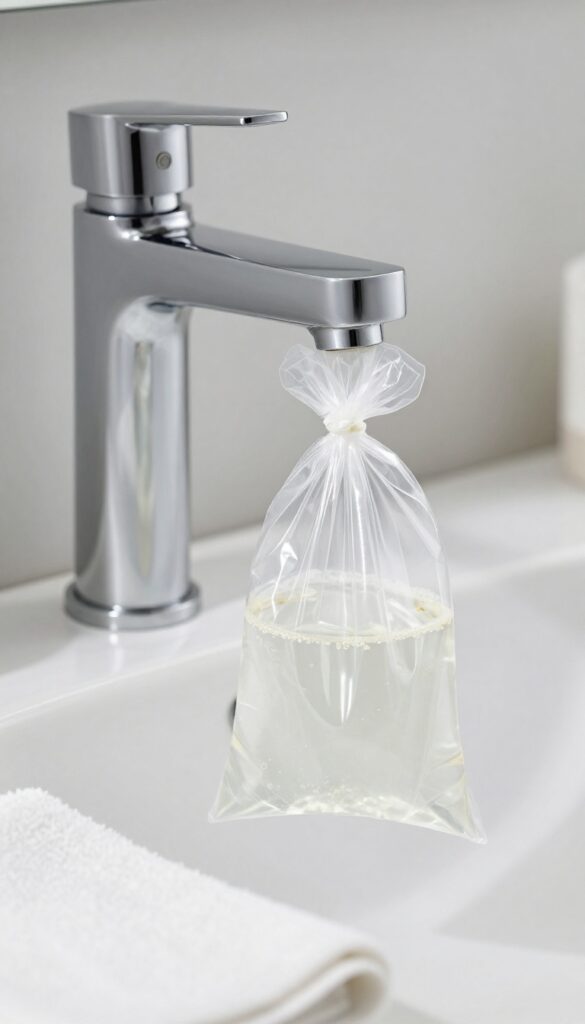
Faucets can be a magnet for hard water stains and mineral buildup. Instead of scrubbing endlessly, let white vinegar do the work for you. This simple soak trick loosens deposits without any elbow grease.
Fill a small plastic bag with white vinegar, then tie it around the faucet using a rubber band or twist tie. Make sure the vinegar fully covers the mineral deposits. Let it soak for about an hour, then remove the bag and wipe the faucet clean with a soft cloth.
The vinegar dissolves calcium and lime buildup, leaving the metal shiny and spot-free.
What You'll Need
Grab a plastic sandwich bag, white vinegar, a rubber band or twist tie, and a microfiber cloth. That's it. No special tools required.
Step-by-step
Fill the bag with enough vinegar to submerge the affected areas. Secure it tightly around the faucet so it doesn't leak. Let it sit for one hour, then remove and wipe dry.
For stubborn deposits, leave it on overnight.
Pro Tips
Test a small area first if your faucet has a delicate finish. After soaking, rinse with water to prevent any vinegar residue. Use an old toothbrush for hard-to-reach spots after the soak.
12. Baby Oil for a Protective Coating
Once your bathtub is sparkling clean, the last thing you want is for grime to come back overnight. Baby oil offers a simple, low-effort way to keep that fresh finish lasting longer. It works by leaving an invisible, water-repellent layer that makes it harder for soap scum and mineral deposits to cling to the surface.
After you've scrubbed and dried the tub completely, put a few drops of baby oil on a soft, lint-free cloth. Wipe it over the entire surface in a thin, even layer. Then take a clean dry cloth and buff it gently until there's no greasy residue left.
The result is a subtle shine that also helps water bead up and roll off instead of leaving spots.
Why Baby Oil Works
Baby oil is mostly mineral oil, which is non-toxic and safe for most tub materials like acrylic, fiberglass, and porcelain. It fills microscopic pores in the surface, creating a smooth barrier that repels water and soap residue. This simple trick can cut down your cleaning frequency by nearly half.
How Often To Apply
For best results, reapply the baby oil coating once every two to three weeks. If you notice water starting to cling again or spots forming faster, it's time for another thin layer. Always clean the tub first—applying oil over dirt will just trap grime underneath.
A Few Cautions
Avoid using baby oil on textured or non-slip bathtub bottoms, as it can make them slippery. Stick to the smooth sides and rim. Also, test a small hidden area first to make sure the oil doesn't cause discoloration, especially on older or painted tubs.
13. Shaving Cream for Glass Shower Doors
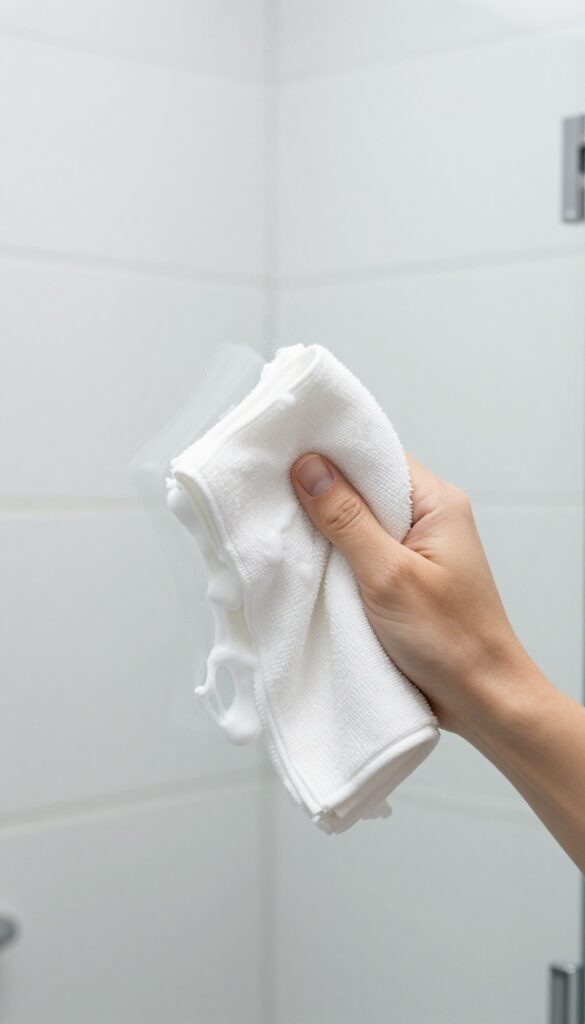
Glass shower doors look great when they're clean, but they're notorious for showing every water spot and soap scum streak. You might think you need a specialized glass cleaner, but a bathroom staple works just as well. Shaving cream isn't just for a smooth shave—it's a surprisingly effective cleaner for glass.
Squirt shaving cream on a cloth and wipe down glass doors. Let it sit for 5 minutes, then rinse. The cream prevents fogging and leaves glass sparkling clean.
Why Shaving Cream Works
Shaving cream contains surfactants that break down soap scum and oils. It also leaves behind a thin film that repels water, which helps prevent future fogging and spotting. It's gentle enough for daily use but tough on grime.
How To Apply It
Squeeze a dollop of shaving cream onto a microfiber cloth or directly onto the glass. Spread it evenly, covering the entire surface. Let it sit for about 5 minutes to loosen stubborn buildup.
Then rinse thoroughly with warm water and wipe dry with a clean cloth for a streak-free shine.
Bonus: Prevents Fogging
The same film that repels water also stops condensation from forming. After cleaning, your glass doors will stay clearer during hot showers. This means less frequent cleaning and a better-looking bathroom.
14. Pumice Stone for Porcelain
Porcelain tubs are durable and beautiful, but they can develop stubborn stains that regular scrubbing won't touch. Hard water rings, rust marks, and mineral deposits can make the surface look dull and aged. A pumice stone offers a surprisingly simple solution that works like a gentle eraser.
Wet the pumice stone thoroughly and rub it lightly over the stain in a circular motion. The stone's abrasive texture lifts deposits without scratching the porcelain—as long as you keep it wet. Rinse the area frequently to check your progress and remove residue.
Always test on a small hidden spot first to ensure compatibility.
Why Pumice Works On Porcelain
Pumice is a volcanic rock with a porous, abrasive surface that's softer than porcelain. When wet, it becomes a gentle scrubber that can dissolve mineral deposits and rust without damaging the tub's glossy finish. It's especially effective on hard water rings and soap scum that have built up over time.
How To Use It Safely
Soak the pumice stone in water for at least a minute before use. Keep both the stone and the tub surface wet while scrubbing. Apply light pressure—let the stone do the work.
Rinse and wipe the area clean, then dry with a soft cloth. Never use a dry stone, as it can scratch.
When To Skip This Hack
Avoid pumice stones on fiberglass, acrylic, or enameled tubs, as they are softer and can be scratched. Stick to porcelain or ceramic surfaces. Also, don't use pumice on textured or non-slip coatings, as it may wear them down.
15. Cornstarch for a Smooth Finish
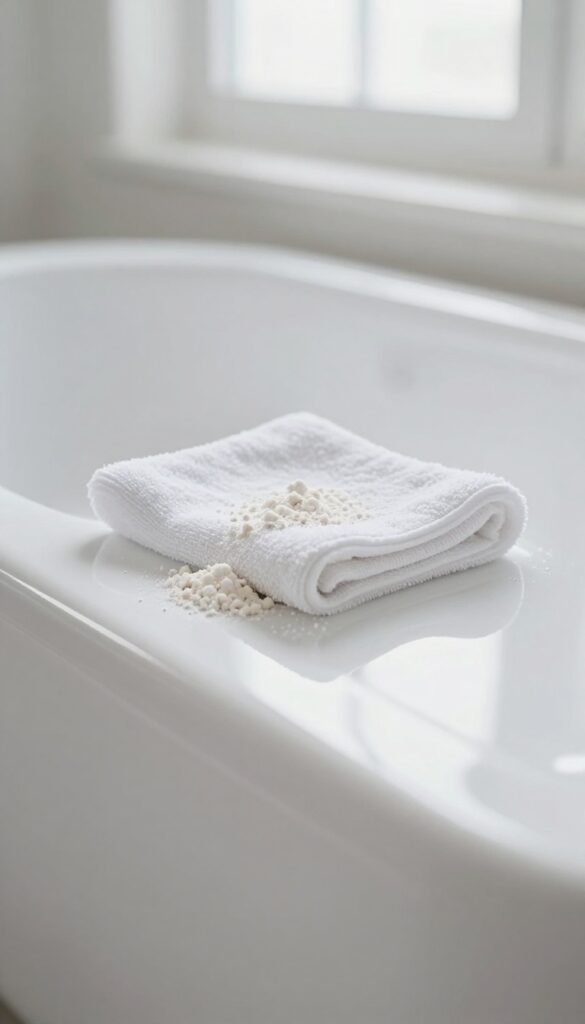
After all that scrubbing and rinsing, your bathtub might still feel a little tacky or dull. That's where cornstarch comes in. This kitchen staple does more than thicken sauces—it can give your tub a silky, polished feel that resists future grime.
Cornstarch works as a gentle abrasive and moisture absorber. When you buff it onto a clean, damp surface, it fills microscopic pores and leaves behind a smooth, protective layer. Dirt and soap scum have a harder time sticking to that slick finish.
How To Apply Cornstarch
Make sure your tub is clean and still slightly damp. Sprinkle a small amount of cornstarch onto a soft, dry microfiber cloth. Buff the entire surface in circular motions, focusing on areas that feel rough or sticky.
Let it sit for a minute, then wipe off any excess with a clean dry cloth.
Why It Works So Well
Cornstarch particles are fine enough to polish without scratching. They absorb leftover moisture that can cause water spots and film. The result is a surface that feels like glass and stays cleaner longer because there's less friction for grime to grab onto.
Best Tubs For This Hack
This trick works beautifully on acrylic, fiberglass, and porcelain tubs. Avoid using cornstarch on textured or non-slip surfaces, as it might clog the texture and reduce grip. For those, stick to a simple rinse and dry.
16. Essential Oils for Natural Fragrance
Synthetic fragrances in commercial cleaners can be overpowering and sometimes irritating. Essential oils offer a natural way to leave your bathtub smelling fresh without the chemical load. A few drops are all you need to transform your cleaning routine into an aromatherapy session.
Tea Tree Oil: Mold Fighter
Tea tree oil is a powerhouse against mold and mildew. Add 10–15 drops to your standard cleaning solution—whether it's vinegar, baking soda paste, or castile soap. Its antimicrobial properties help prevent recurrence, and the scent is clean and medicinal without being harsh.
Lavender Oil: Calming Clean
Lavender oil brings a soothing floral note to your bathroom. Mix it into your rinse water or add a few drops to a spray bottle with water and vinegar. The scent lingers lightly, making your post-cleaning soak feel more like a spa retreat.
How To Use Them Safely
Always dilute essential oils before applying to surfaces, as undiluted oils can damage certain finishes. For a quick freshener, add 5 drops each of tea tree and lavender to a cup of water in a spray bottle. Shake well and mist the tub after cleaning—no rinsing required.
17. Steam Cleaning for Deep Sanitization
A handheld steam cleaner is one of the most effective tools for deep cleaning your bathtub without harsh chemicals. The high heat kills bacteria, mold, and mildew on contact while loosening stubborn grime and soap scum. It's especially useful for grout lines and hard-to-reach corners where dirt tends to hide.
Best of all, you get a sanitized, chemical-free finish that's safe for kids and pets.
Steam cleaning is a game-changer for monthly deep cleans. The heat penetrates porous surfaces like grout and caulk, lifting embedded dirt that scrubbing alone can't remove. It also eliminates the need for bleach or other strong disinfectants, making it a greener choice.
Just fill the steamer with water, let it heat up, and go over the tub and tile in overlapping passes. Wipe away the loosened grime with a microfiber cloth for a streak-free shine.
How Steam Cleaning Works On Bathtubs
Steam cleaners produce pressurized vapor at temperatures above 200°F. When directed at the tub surface, the steam softens soap scum, hard water deposits, and biofilm. The heat also denatures proteins in bacteria and viruses, sanitizing without chemicals.
For best results, hold the nozzle about an inch from the surface and move slowly. Focus on grout lines, corners, and around fixtures where grime accumulates.
Monthly Maintenance Routine
Incorporate steam cleaning into your monthly cleaning schedule. Start by wiping down the tub with a dry cloth to remove loose debris. Then steam the entire surface, paying extra attention to problem areas.
After steaming, use a soft brush or sponge to agitate any remaining residue, then rinse with water and dry with a clean towel. This routine keeps your tub looking new and reduces the need for harsh scrubbing.
Safety Tips And Best Practices
Always test your steam cleaner on a small, inconspicuous area first, especially on acrylic or fiberglass tubs, as excessive heat can damage some surfaces. Use distilled water to prevent mineral buildup in the steamer. Wear gloves to protect your hands from hot steam, and avoid directing steam at electrical outlets or fixtures.
Let the tub cool before rinsing if you've used any additional cleaning agents.
18. Club Soda for Fresh Stains
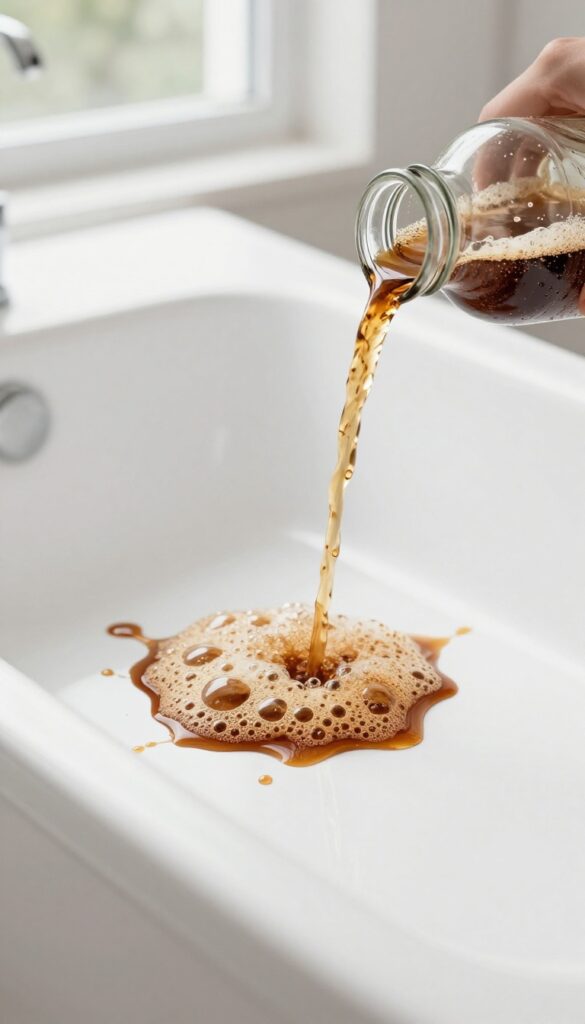
When you spill something in the tub or notice a fresh stain, reach for club soda before it sets. The carbonation works like a gentle scrub, lifting dirt without damaging the surface. It's especially handy for delicate finishes like acrylic or fiberglass where harsh abrasives can cause scratches.
Club soda is a surprisingly effective cleaner for fresh stains. Its carbon dioxide bubbles help loosen dirt and grime, while the mild acidity tackles mineral deposits. Best of all, it's non-toxic and leaves no residue, so you don't have to worry about rinsing thoroughly.
How It Works
The bubbles in club soda create a gentle fizzing action that helps lift fresh stains from the surface. This mechanical action is safe for delicate finishes because it doesn't rely on scrubbing or harsh chemicals. Simply pour it over the stain and let it sit for a few minutes.
Best Uses
Club soda is ideal for fresh spills like coffee, tea, or wine in the bathtub. It also works well on soap scum that hasn't had time to harden. For best results, use it immediately after the spill occurs.
Tips For Best Results
Use chilled club soda for extra fizz. Pour generously over the stain and let it bubble for 3–5 minutes. Then wipe with a soft cloth or sponge.
No need to rinse—just dry the area to prevent water spots.
19. Wax Paper for a Protective Layer
After you've scrubbed and dried your tub, why not give it a little extra armor? A simple sheet of wax paper can add a protective barrier that keeps your bathtub looking clean longer. It's a low-effort trick that pays off between deep cleans.
This hack is all about prevention. By coating your clean, dry tub with a thin layer of wax from standard wax paper, you create a surface that water and soap scum struggle to stick to. It's like a non-stick coating for your bathtub.
How It Works
Wax paper is coated with a thin layer of paraffin wax. When you rub it over a dry surface, a microscopic amount of wax transfers to the tub. This fills in tiny pores and creates a slick finish.
Water beads up and rolls off, taking soap residue with it instead of clinging to the surface.
Step-by-step Application
Start with a completely clean and dry bathtub. Tear off a sheet of wax paper and crumple it into a ball. Rub the wax paper all over the tub's surface, focusing on areas prone to soap scum like the sides and bottom.
Use firm, circular motions. Let the wax sit for a few minutes, then buff with a soft, dry cloth for extra shine. Avoid using this on textured or non-slip surfaces, as wax can make them slippery.
When To Reapply
The wax layer isn't permanent. It gradually wears off with use and cleaning. Reapply after each deep clean or whenever you notice water no longer beads up on the surface.
For most households, that means once every two to four weeks. It's a quick step that extends the time between major scrubbing sessions.
20. Regular Squeegee Use
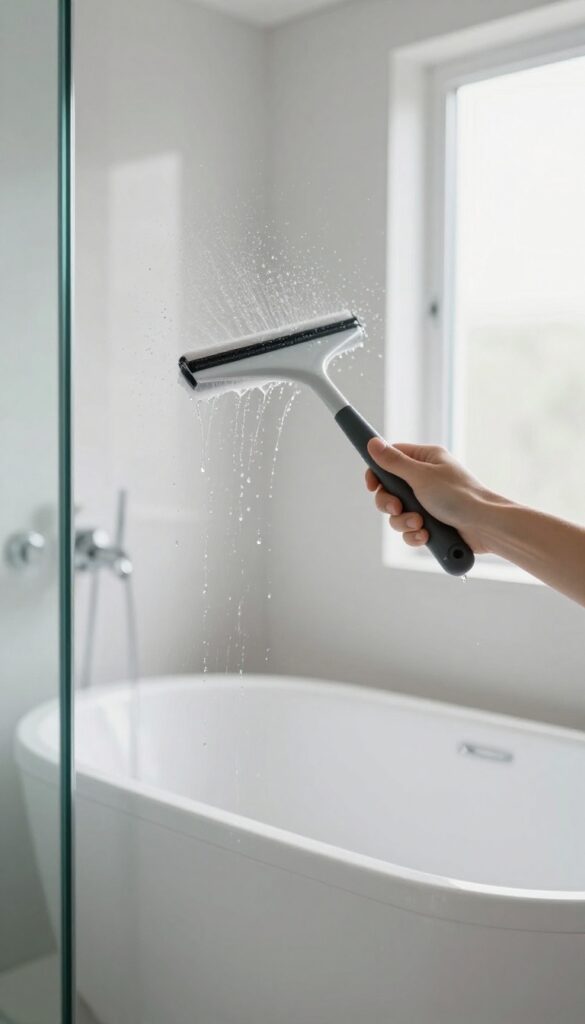
You scrub, you rinse, you dry—but what if you could prevent buildup before it starts? That's where a simple squeegee comes in. This low-effort habit can cut your deep-cleaning frequency in half and keep your tub looking polished every day.
A squeegee is your bathtub's best friend for daily maintenance. After every shower or bath, run the squeegee over the walls and floor of the tub. This removes water droplets that cause hard water stains and soap scum.
It takes less than a minute and saves you from scrubbing later. For best results, use a squeegee with a rubber blade and a comfortable grip. Keep it hanging on a hook or suction cup within easy reach so you never skip the step.
Why It Works
Water spots and soap scum form when water evaporates and leaves behind minerals and residue. By removing the water immediately, you stop the process before it starts. A squeegee also helps prevent mildew by reducing moisture on surfaces.
Best Practices
Start at the top and work your way down in overlapping strokes. Rinse the blade occasionally to avoid dragging dirt. After squeegeeing, give the tub a quick wipe with a microfiber cloth for a streak-free shine.
Replace the squeegee blade every few months for maximum effectiveness.
FAQ
How often should I clean my bathtub?
For best results, do a quick wipe-down after each use and a deep clean once a week. This prevents soap scum and stains from building up.
Can I use bleach on my bathtub?
Bleach can damage some finishes, especially acrylic and fiberglass. Stick to gentler options like vinegar and baking soda unless your tub is porcelain and you dilute the bleach.
What's the best way to remove hard water stains?
White vinegar or a cream of tartar paste works well. Let the solution sit for 15-20 minutes before scrubbing. For stubborn stains, repeat or use a pumice stone on porcelain.
How do I prevent mold in the bathtub?
Keep the bathroom ventilated, dry the tub after use, and clean grout regularly. A weekly spray with vinegar or tea tree oil solution helps inhibit mold growth.
Is it safe to mix vinegar and baking soda?
Yes, but the fizzing action is mostly for lifting dirt. For maximum cleaning power, use them separately: baking soda as a scrub, then vinegar as a rinse. Mixing neutralizes their effectiveness.
Conclusion
These 20 bathtub cleaning hacks prove you don't need harsh chemicals or endless scrubbing to get a bright, smooth finish. Start with the trick that targets your biggest pain point—whether it's soap scum, hard water stains, or grout grime—and build from there.
Consistency with just a few of these methods will keep your tub looking fresh without eating up your weekend. Pick your favorites and make them part of your routine for a cleaner, more enjoyable soak every time.