Staring at a messy room can feel overwhelming, but you don't need a whole day to make a difference. The trick is to start small and build momentum with strategies that actually respect your energy.
These 25 tips are designed to help you clean smarter, not harder, so you can enjoy a tidy space without burning out. From quick wins like making your bed to smart hacks like the one-touch rule, each idea is practical and easy to try.
You'll learn how to break the room into zones, use timers for focus, and reward yourself along the way. No guilt trips, just real methods that keep you moving.
1. Start with a 5-Minute Win
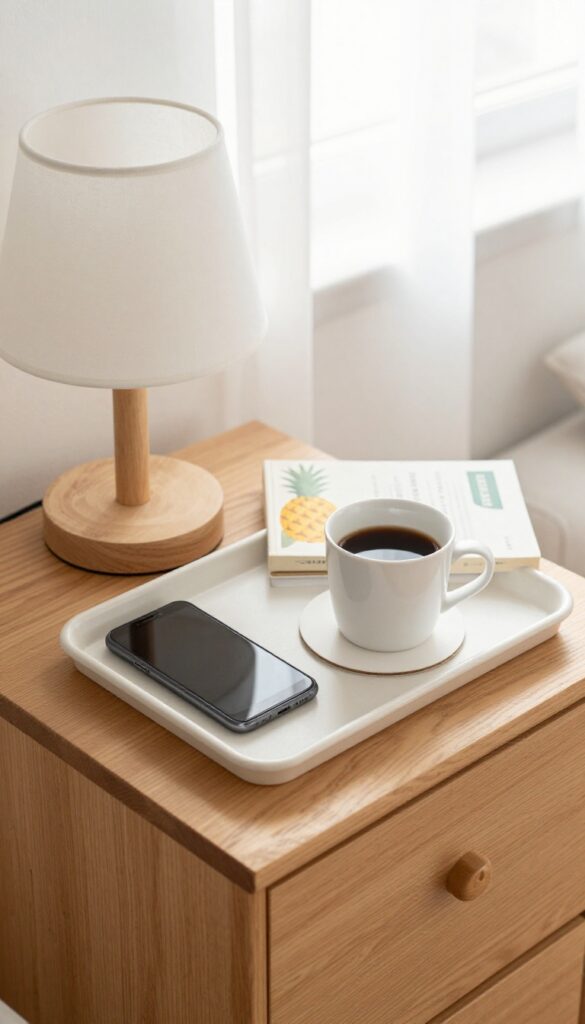
The biggest roadblock to cleaning is often just getting started. Your brain sees a messy room and thinks it needs hours of work, so it shuts down. But you can trick that response by committing to only five minutes.
Choose One Tiny Target
Pick a spot that feels totally manageable: a nightstand, a desk corner, or even just the floor by your bed. Don't overthink it. The goal isn't to clean the whole room, just to create one visible patch of order.
Set The Timer And Go
Use your phone or a kitchen timer. Five minutes is short enough that you won't dread it, but long enough to make a real dent. Put on a song you like if that helps.
When the timer buzzes, stop immediately—even if you're on a roll.
Savor The Small Victory
Step back and look at what you did. That tidy nightstand or cleared corner is proof you can make progress. This tiny win releases a little dopamine, making you more likely to keep going.
You might even decide to set another five-minute timer.
2. Put on a Power Playlist
Music can turn a dreaded chore into a dance party. A playlist with upbeat tracks keeps your energy up and your mind off the mess. The right songs create a rhythm that makes each task feel less like work and more like movement.
Curate a cleaning playlist that makes you want to move. Aim for songs with a strong, steady beat—think pop, rock, or electronic. Avoid slow ballads or anything that might make you want to sit down.
The goal is to match the tempo of your tasks: faster songs for vacuuming or scrubbing, slightly slower ones for folding or organizing. Keep the playlist fresh by updating it regularly so you don't get bored.
Match The Beat To The Task
High-energy songs work best for heavy-duty cleaning like scrubbing floors or wiping down counters. For calmer tasks like dusting or sorting, choose something with a moderate tempo. Let the music guide your pace—you'll naturally move faster when the beat picks up.
Use Headphones For Focus
If you live with others, headphones can create a personal bubble that shuts out distractions. Noise-canceling ones work wonders. You'll get lost in the music and the cleaning, making time fly by.
Keep It Short And Repeatable
A playlist of 30 to 45 minutes is perfect for a focused cleaning session. When it ends, you can either take a break or start again. This gives you a natural stopping point and a sense of accomplishment.
3. Use the 'One-Touch' Rule
Indecision is a major motivation killer. When you pick up a stray sock or a random book, your brain has to decide where it goes, and that tiny hesitation can snowball into a full stop. The one-touch rule cuts that loop short: every item you touch gets dealt with immediately.
The rule is simple: pick up an item, and before you set it down again, decide its fate. It goes in the trash, the donation box, or its proper home. No staging piles, no 'I'll figure it out later'—just immediate action.
This prevents clutter from migrating from one surface to another and keeps your momentum rolling.
Why It Works
Each decision you make reinforces a sense of progress. Your brain gets a small dopamine hit every time you complete a task, and the one-touch rule creates a steady stream of those hits. Plus, you avoid the mental fatigue of revisiting the same item multiple times.
How To Start
Begin with a small zone, like your nightstand or a corner of the desk. Pick up each item one by one and immediately put it where it belongs. If you hesitate for more than a second, ask yourself: do I need this, love it, or use it?
If no, trash or donate. Yes, put it away now.
Common Pitfalls
The biggest trap is the 'maybe' pile. Avoid it at all costs. If you're unsure, set a timer for 60 seconds and decide.
Another pitfall is trying to sort items into categories first—that's just delaying the decision. Touch it, deal with it, move on.
4. Break the Room into Zones
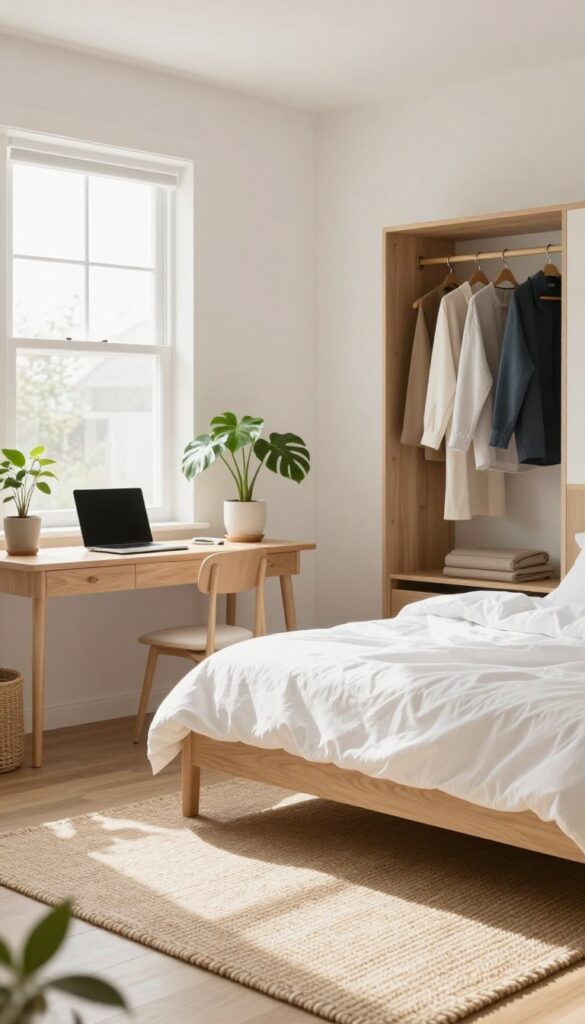
Instead of tackling the whole room at once, divide it into smaller, manageable zones. This approach makes the task feel less daunting and helps you stay focused. By concentrating on one area at a time, you'll see progress faster and keep your motivation high.
Define Your Zones
Start by identifying four or five key areas in your room. Common zones include your desk, closet, floor, bed, and shelves. You might also add a 'nightstand' zone if it tends to collect clutter.
The goal is to create sections that make sense for your space and your cleaning habits.
Focus On One Zone At A Time
Once your zones are set, pick one to start with. Commit to finishing that zone before moving to the next. This prevents the overwhelm of bouncing between tasks.
For example, if you choose the desk zone, clear it completely before touching the closet. This focused approach builds momentum and gives you a sense of accomplishment.
Set A Timer Per Zone
To keep yourself on track, set a timer for each zone—try 10 to 15 minutes. This creates a sense of urgency and makes the task feel like a game. When the timer goes off, move to the next zone even if you're not done.
You can always come back later, but this method ensures you make progress across the whole room.
Celebrate Each Completed Zone
After finishing a zone, take a moment to appreciate your work. Step back and look at the clean area. This visual reward reinforces your effort and motivates you to tackle the next zone.
A quick stretch or a sip of water can also serve as a mini celebration before moving on.
5. Clear Surfaces First
Flat surfaces like desks, dressers, and nightstands are visual magnets for clutter. When they're covered in random items, the whole room feels chaotic. Clearing them off gives you an instant sense of accomplishment and a cleaner-looking space with minimal effort.
Start by removing everything from one surface at a time. Place items in a temporary bin or on the floor—just get them off the surface. Wipe down the empty area with a damp cloth.
Then, only put back what belongs there, like a lamp or a small decor piece. This simple act creates a visual reward that can spark motivation to keep going.
Why Surfaces Matter Most
Our eyes naturally land on flat surfaces when we enter a room. A cluttered desk or dresser signals mess even if other areas are tidy. By clearing these spots first, you change the room's focal point and trick your brain into feeling more organized.
The One-surface-at-a-time Rule
Trying to clear every surface at once can feel overwhelming. Instead, pick one—like your desk—and focus only on that. Once it's done, move to the next.
This keeps the task manageable and gives you a series of small wins.
What To Do With The Stuff You Remove
Have a designated spot for items that don't belong on the surface. Use a laundry basket or a cardboard box as a temporary holding area. Sort later into categories: trash, put away, or relocate to another room.
This prevents you from just moving clutter elsewhere.
6. Set a Specific Goal for Each Session
Vague goals like 'clean my room' feel impossible because your brain doesn't know where to start. That's why setting a specific, bite-sized target for each session is a game-changer. Instead of trying to conquer the whole room, pick one clear task—like organizing the top drawer or vacuuming under the bed.
Specific goals are easier to start, easier to finish, and give you a real sense of accomplishment.
Why Specific Goals Work
When you say 'clean my room, ' your brain sees a mountain of work and gets overwhelmed. But if you say 'sort the books on my nightstand, ' that's a simple, doable task. Specific goals reduce decision fatigue and give you a clear finish line.
You know exactly when you're done, which triggers a dopamine hit that keeps you motivated for the next small goal.
How To Choose Your Mini-goal
Look around your room and pick one area that bugs you the most—or the one that would make the biggest visual impact. Maybe it's clearing off your desk, folding the pile of laundry, or wiping down the window sill. Make it small enough to finish in 10–15 minutes.
Write it down or say it out loud to lock it in.
Stacking Goals For Momentum
Once you finish one specific goal, immediately set another. This creates a chain of small wins that builds momentum. For example: 'Pick up all clothes from the floor' → 'Put dirty clothes in the hamper' → 'Make the bed. ' Each completed task makes the next one feel easier.
Before you know it, you've cleaned the whole room without ever feeling overwhelmed.
7. Use a Timer for Deep Focus
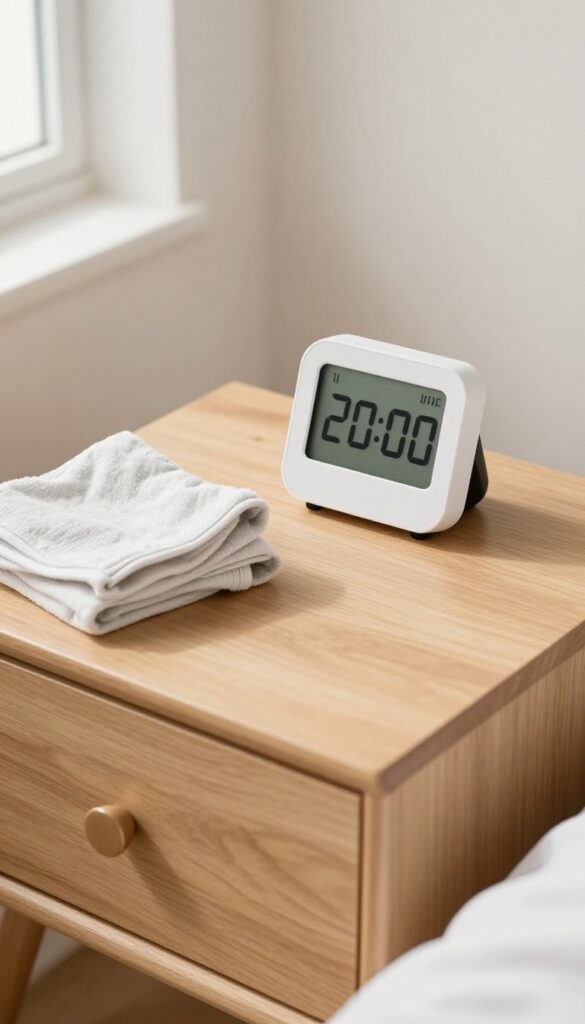
Cleaning often feels like a marathon you never signed up for. But what if you only had to run for 20-minute sprints? That's the magic of using a timer to break the work into short, focused bursts.
Your brain stops seeing a mountain of tasks and starts seeing a series of small wins.
The Pomodoro Technique isn't just for studying or office work—it works wonders for cleaning too. Set a timer for 20 minutes and clean as fast as you can. When the timer rings, stop and take a 5-minute break.
Repeat. This keeps you from burning out and turns cleaning into a game of beat-the-clock. You'll be surprised how much you can get done when you're racing against time.
Start With One Timer, Not The Whole Day
Don't commit to hours of cleaning. Just set one 20-minute timer and see how much you can accomplish. You might clear your nightstand, fold a pile of laundry, or vacuum one corner.
When the timer goes off, you're free to stop. Often, you'll feel motivated to keep going, but even if you don't, you've made progress.
Match The Timer To The Task
Not every task needs 20 minutes. For small jobs like wiping a mirror or sorting a drawer, try 10 minutes. For bigger zones like a closet, go for 30.
The key is to pick a time that feels doable, not daunting. Adjust as you go—your energy levels will tell you what works.
Use The Breaks Wisely
During your 5-minute break, step away from the room. Grab water, stretch, or scroll your phone. Don't start another cleaning task.
The break is your reward. It resets your focus and makes the next sprint feel fresh. Over time, this rhythm becomes a habit that keeps motivation high.
8. Declutter Before You Clean
Trying to clean a room that's still full of clutter is like mopping the floor without sweeping first. You'll just move things around without making real progress. The smart move is to clear out the excess before you ever pick up a sponge or duster.
Decluttering first makes every cleaning step faster and more satisfying. When surfaces are bare, you can actually wipe them down. When the floor is clear, vacuuming takes half the time.
Plus, you get an immediate visual win—seeing a pile of trash or donations leave your room feels great and builds momentum.
Start With Three Bags
Grab three bags or boxes and label them: trash, donate, and relocate. Go through your room quickly and toss anything that's obviously garbage, set aside items you no longer need, and put things that belong elsewhere in the relocate bag. Don't overthink it—if you haven't used it in months, it's probably safe to donate.
Clear Horizontal Surfaces First
Desks, dressers, nightstands, and shelves are clutter magnets. Remove everything from these surfaces and only put back what you truly need or love. This instantly makes the room feel cleaner and gives you a clear workspace for the actual cleaning.
One Category At A Time
Instead of tackling the whole room at once, focus on one category: clothes, books, papers, or miscellaneous items. This prevents decision fatigue and keeps you moving. For example, gather all the clothes that don't belong in your closet or drawers and deal with them first.
9. Make Your Bed Immediately
There's a reason why military training starts with making the bed. It's not about perfection—it's about momentum. That one neat corner of your room signals to your brain that order is possible, and it takes less than two minutes.
Making your bed is the ultimate anchor habit for cleaning your room. It's a small, visible win that makes everything else feel easier. Once the bed is made, the rest of the room looks messier by comparison, which actually motivates you to keep going.
Plus, you get to enjoy a tidy spot to sit or lie down as you work through other tasks.
The Psychology Of A Made Bed
A made bed creates a sense of completion. Psychologists call this the 'broken window effect'—when one area is orderly, you're less likely to toss clothes on the floor or leave clutter on the nightstand. It's a visual cue that says, 'We're maintaining order here. '
How To Make It A Non-negotiable Habit
Tie it to an existing routine, like right after you brush your teeth in the morning. Keep your bedding simple—no fancy throw pillows or complicated folds. Just pull up the sheets, straighten the comforter, and fluff the pillows.
Done. If you're short on time, even just smoothing the duvet counts.
When You Share A Bed Or Have A Loft
If you share a bed, take turns making it or do it together—it's faster with two. For loft beds or bunk beds, focus on smoothing the surface and tucking in corners. The goal isn't perfection; it's the ritual of resetting the space.
10. Reward Yourself After Each Zone
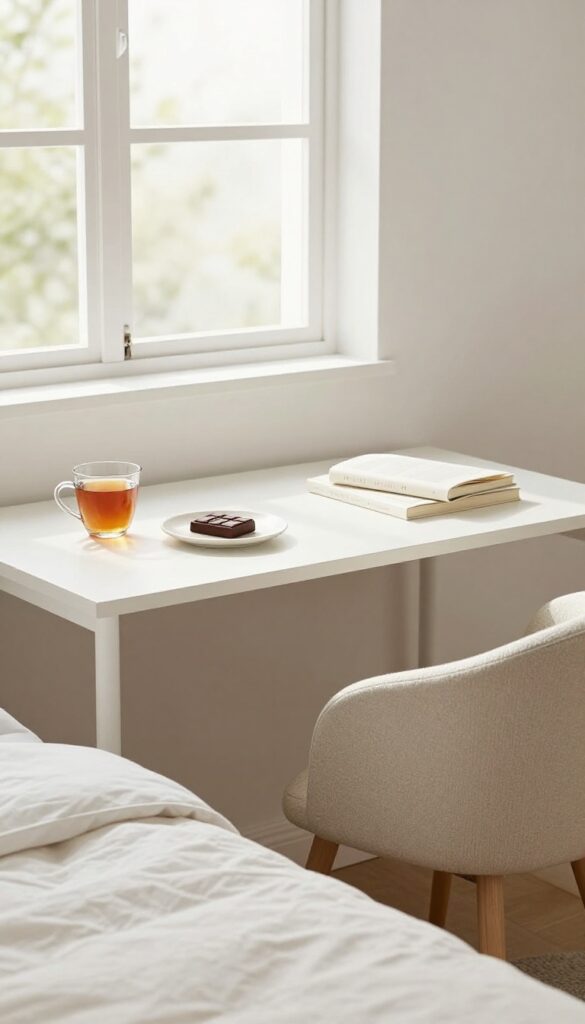
Cleaning can feel like a thankless chore, but it doesn't have to be. By promising yourself a small treat after finishing a zone, you turn the task into a game with real payoffs. Positive reinforcement works wonders for motivation.
When you break your room into zones—like the desk area, the closet, or the floor—you create natural finish lines. The key is to reward yourself immediately after completing each zone, not after the whole room. This keeps your brain engaged and looking forward to the next milestone.
Choose Your Treats Wisely
Your reward should be something you genuinely enjoy but can do in 5–10 minutes. A piece of chocolate, a quick scroll through social media, or watching one short video are all great options. Avoid rewards that break your momentum, like starting a TV episode or taking a long nap.
Make It A Non-negotiable Rule
Treat the reward as a mandatory part of your cleaning routine. Once you finish a zone, stop and enjoy your treat without guilt. This builds a positive association with cleaning and makes it easier to start the next zone.
Use A Timer To Keep It Short
Set a timer for your reward to prevent it from turning into a distraction. Five minutes is plenty. When the timer goes off, get back to work.
This keeps the dopamine flowing without derailing your progress.
11. Keep a 'Maybe' Box
Decision fatigue is real, especially when you're staring at an object that holds some sentimental value but not much practical use. Instead of forcing yourself to decide on the spot, give yourself permission to pause. The 'maybe' box is a simple tool that takes the pressure off and lets you move forward without regret.
Grab any box or bin and label it 'Maybe. ' As you clean, drop in items you're unsure about—clothes you haven't worn in a year, gadgets you might need someday, gifts you feel guilty tossing. Seal the box, write today's date on it, and store it out of sight. Set a reminder for three months from now.
When that date arrives, if you haven't opened the box, donate its contents without a second thought. You'll realize you never missed those things.
Why It Works
This trick bypasses the emotional tug-of-war. You're not saying goodbye forever—just postponing the decision. That small mental relief lets you keep cleaning without getting stuck.
Plus, the three-month deadline creates a gentle accountability system.
What Goes In The Box
Items with vague 'what if' potential. That extra charger, a shirt you might wear someday, a book you think you'll read. Avoid putting in things you know you love or obviously trash.
The box is for the gray area.
After The Box
When the three months are up, resist the urge to peek. If you haven't needed it, you don't need it. Donate everything directly from the box.
If you absolutely must check, do a quick scan and re-box anything you genuinely missed. Then reset the timer for another three months.
12. Use Vertical Storage
Floor space is prime real estate in any room, but we often ignore the walls. When surfaces get crowded, clutter builds fast. Vertical storage changes that by moving things up instead of out.
Shelves, hooks, and wall organizers free up floor space and make your room look bigger. Plus, things are easier to find and put away.
Mount Shelves Above Desks And Beds
Floating shelves above your desk or bed turn dead wall space into instant storage. Use them for books, plants, or daily essentials. Keep the items you reach for most at eye level and store seasonal or sentimental stuff higher up.
Hang Hooks Behind Doors
The back of a door is a goldmine for vertical storage. Install a few sturdy hooks for jackets, bags, or accessories. This keeps them off chairs and floors without taking up any extra room.
Use Wall-mounted Organizers For Small Items
Pegboards, magnetic strips, or grid panels work great for small items like jewelry, tools, or stationery. They keep everything visible and accessible, so you never have to dig through a drawer again.
13. Clean from Top to Bottom
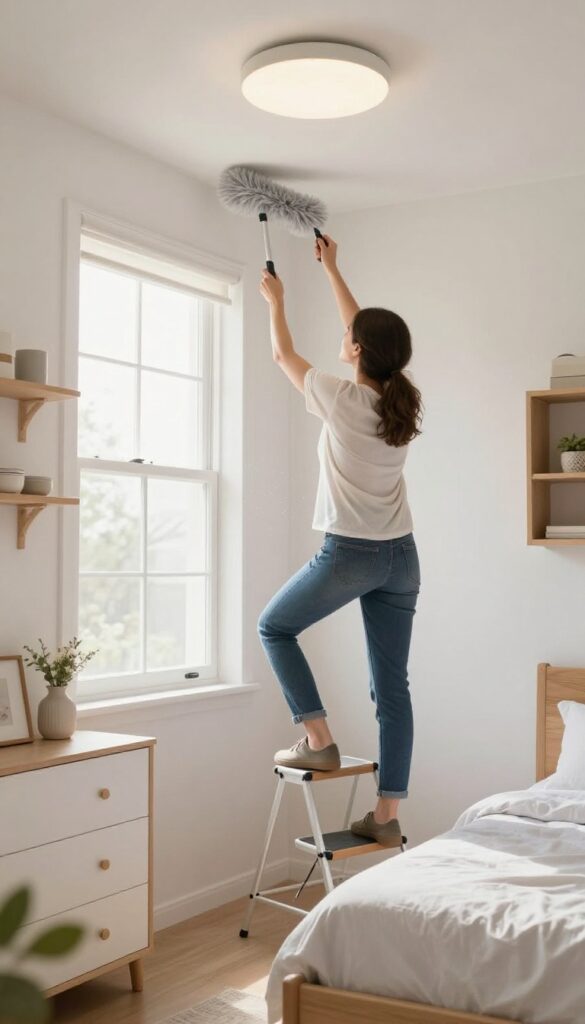
Ever notice how dust seems to resettle the moment you finish cleaning? That's because you're probably working in the wrong order. Starting with the ceiling and working your way down prevents you from having to re-clean surfaces that got dirty again from falling debris.
This simple shift in sequence saves time and frustration. By tackling high areas first, you let gravity work in your favor instead of against you.
Start With Ceilings And Corners
Use an extendable duster or a microfiber cloth on a mop head to reach ceiling corners, light fixtures, and the tops of tall furniture. Cobwebs and dust accumulate in these spots and often get overlooked. A quick pass here prevents them from drifting down onto your freshly cleaned surfaces.
Move To Mid-level Surfaces
Next, dust picture frames, shelves, and the tops of dressers. Work in sections, moving from one side of the room to the other. Use a damp cloth for sticky spots and a dry one for delicate items.
This step catches the dust that fell from above before it lands on your floors.
Finish With Floors And Baseboards
Finally, vacuum or sweep the floors and wipe down baseboards. Since you've already removed dust from higher up, you won't be kicking it back into the air. This last pass leaves your room feeling thoroughly clean without the frustration of seeing new dust settle minutes later.
14. Sort Laundry into Loads as You Go
Laundry piles up fast, and nothing kills momentum like having to sort through a mountain of clothes before you can even start a load. The fix is simple: sort as you toss. Keep a small hamper with dividers or three separate bins for lights, darks, and delicates right where you undress.
When you drop a shirt, it lands in the right pile automatically. No extra step, no decision fatigue.
This habit turns laundry from a dreaded chore into a seamless part of your routine. You'll never again waste time separating colors on laundry day. Plus, keeping clothes off the floor makes your room look instantly tidier.
It's a two-for-one win: cleaner floors and faster laundry.
Set Up A Simple Sorting System
You don't need fancy equipment. A three-compartment hamper works great, but you can also use separate laundry bags or even cardboard boxes labeled with a marker. Place them near your dresser or closet so it's easy to toss items in without thinking.
If space is tight, try a hanging organizer with pockets on the back of your door.
Make It A Daily Habit
The key is consistency. Every time you change clothes, sort them immediately. It takes two seconds compared to the ten minutes you'd spend later untangling a pile.
After a week, it becomes automatic. You'll notice your floor stays clearer and laundry day feels half as heavy.
Why This Keeps You Motivated
When you see progress in real time—like a full darks load ready to go—it gives you a small dopamine hit. That little reward keeps you moving. Plus, you avoid the guilt of a growing heap that makes you want to shut the door and ignore it.
Clean room, clean conscience.
15. Use a Trash Bag for Quick Tosses
Carrying a trash bag as you move around the room turns cleaning into a simple grab-and-go game. Instead of stopping to find a bin, you can instantly toss anything that's obviously garbage—receipts, wrappers, broken items. This small shift keeps you in motion and builds momentum fast.
The trash bag method is all about reducing friction. When you have a bag in hand, you're more likely to spot and discard junk without overthinking. It also prevents the common trap of setting trash aside to deal with later, which just creates more clutter.
Keep the bag open and accessible, and you'll be surprised how much you can clear in minutes.
Why It Works
This trick leverages the power of immediate action. When you see something that belongs in the trash, you can act on it right away instead of making a mental note. That instant gratification keeps your brain engaged and makes the task feel less like a chore.
Pro Tips For Efficiency
Use a kitchen-sized bag so it's easy to carry and doesn't get too heavy. Tie it to your belt loop or drape it over your shoulder for hands-free convenience. As you fill it, tie it off and grab a new one—don't let a full bag slow you down.
What To Toss Without Hesitation
Focus on obvious trash: empty food wrappers, expired coupons, broken pens, single socks with holes, and any packaging you know you won't reuse. If you hesitate, ask yourself: "Would I pick this up if I saw it on the street? " If the answer is no, toss it.
16. Create a 'Home' for Everything
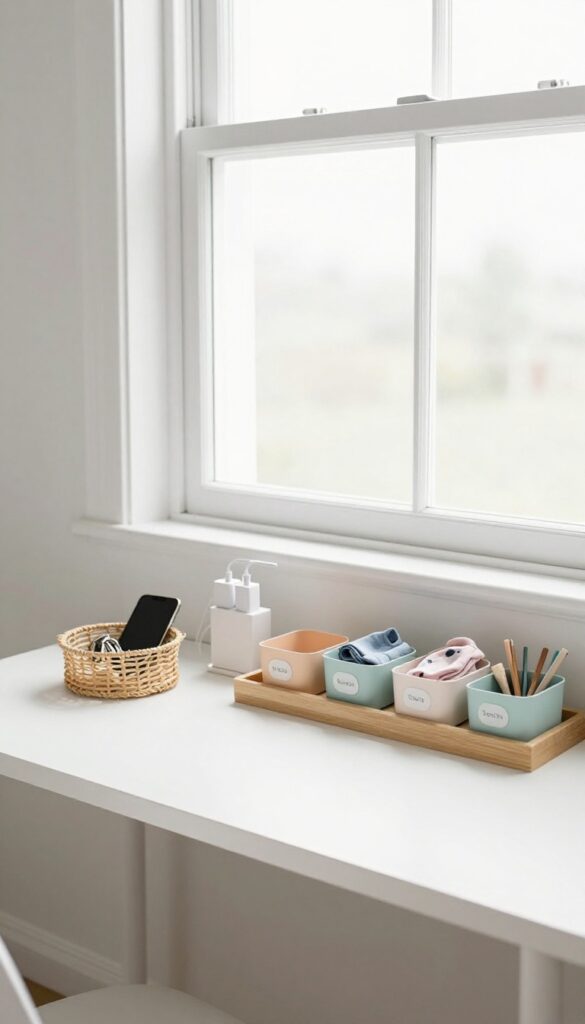
You know that feeling when you walk into your room and things just seem to multiply? It's often because items don't have a fixed place to return to. Assigning a designated spot for each object turns tidying into a no-brainer habit.
When everything has a home, you don't have to think about where to put things away. Your brain can go on autopilot, which saves mental energy and keeps you moving. Start with the items you use daily—keys, phone, wallet—and give them a consistent spot.
Then expand to categories like books, electronics, and clothes. The key is to make the home obvious and easy to access, so putting things away feels natural.
Start With High-traffic Items
Focus on the things you touch most often. For example, designate a bowl for your keys near the door, a hook for your bag, and a specific drawer for your phone charger. These small wins create immediate order and reduce the clutter that builds up in minutes.
Group Similar Items Together
Store all your chargers in one box, all your books on one shelf, and all your skincare products in a caddy. When similar items share a home, you always know where to find them and where to return them. This also makes cleaning faster because you're not hunting for stray items.
Label Zones For Visual Clarity
Use labels or color-coded bins to mark each home. This is especially helpful if you share a room or tend to forget where things go. A simple label like 'Socks' or 'Craft Supplies' removes any guesswork and makes putting things away feel like a game.
17. Do a 10-Minute Tidy Before Bed
Ending your day with a quick room reset can work wonders for your motivation. Ten minutes is short enough to feel doable even when you're tired, but long enough to make a visible difference. This small habit stops clutter from snowballing and sets you up for a calm morning.
The key is to focus on high-impact areas: fluff pillows, fold blankets, put away stray items, and clear surfaces. Set a timer and move fast—this isn't deep cleaning, just a quick refresh. Over time, this nightly ritual becomes automatic, and your room stays consistently tidy with minimal effort.
Why It Works
A 10-minute tidy targets the visual clutter that makes a room feel messy. By resetting each night, you prevent small messes from becoming overwhelming piles. It also creates a psychological boundary between your active day and restful sleep.
What To Focus On
Prioritize the bed, floor, and surfaces. Make the bed, put clothes in the hamper, return books and gadgets to their spots, and do a quick sweep for trash. Don't get sidetracked—stick to the timer.
Make It A Routine
Pair this tidy with an existing habit like brushing your teeth or setting your alarm. Keep a small basket nearby to collect items that belong in other rooms, and deal with them in the morning. Consistency beats intensity here.
18. Use Baskets for Loose Items
Not everything in your room has a perfect home, and that’s okay. Baskets and bins are the ultimate catch-all solution for those random items that don’t fit neatly into a drawer or shelf. They keep surfaces clear and your mind at ease.
Baskets let you group loose items together without needing to sort them perfectly. Think of them as a quick win: toss in chargers, remotes, or accessories, and instantly your desk or nightstand looks organized. The best part?
You don’t have to decide where each thing goes right now. Just pick a basket for each category—like electronics, paperwork, or odds and ends—and you’re done. Over time, you can refine the system, but for immediate motivation, baskets are a lifesaver.
Choose The Right Size
A basket that’s too small will overflow, and one that’s too big invites clutter. Pick a size that fits your typical pile of loose items. For a desk, a medium bin works for cables and notepads; for a nightstand, a small one holds remotes and glasses.
Label For Easy Sorting
Labels turn a basket from a dumping ground into a functional organizer. Use simple tags like “Chargers, ” “Mail, ” or “Random” so you know where to put things and where to find them. No need for fancy labels—a piece of tape and a marker work fine.
Keep Baskets Accessible
Place baskets where you naturally drop items. A bin by the door catches keys and wallets. A basket on your dresser holds jewelry or hair ties.
The easier it is to toss something in, the more likely you’ll keep the system going.
19. Vacuum or Sweep Last
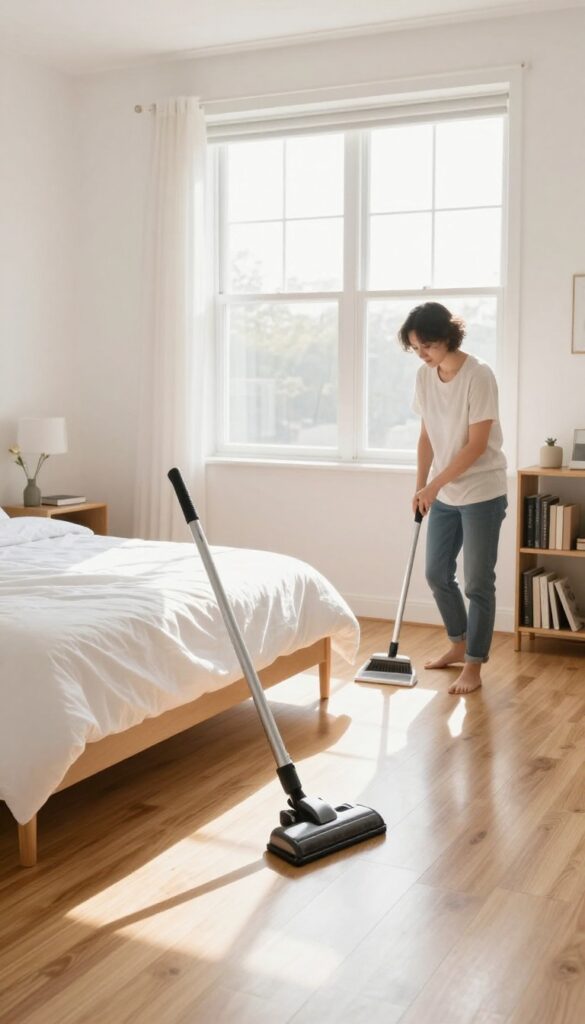
Floor cleaning is the grand finale of any room refresh. When you vacuum or sweep at the very end, you capture all the dust, crumbs, and debris that settled while you were dusting, organizing, and tidying up. It’s a simple sequencing trick that makes your final pass way more effective.
Why Timing Matters
If you vacuum first, you’ll just have to do it again after you stir up dust from shelves and surfaces. By saving floors for last, you collect everything that fell during your cleaning session in one go. It’s efficient and satisfying.
Quick Prep Before You Start
Before you vacuum, give the floor a once-over for any small items that might get sucked up or tangled. Pick up socks, charging cables, and stray toys. That way you can move fast without stopping to untangle the vacuum brush.
The Final Sweep
Once everything else is done, do a thorough pass with your vacuum or broom. Start in the farthest corner and work your way toward the door so you don’t walk over clean areas. If you have carpet, go over high-traffic spots twice.
For hard floors, a quick mop after sweeping makes the room feel truly fresh.
20. Pair Cleaning with a Podcast or Audiobook
Cleaning can feel like a chore, but what if it became the time you actually look forward to? By pairing your cleaning session with a podcast or audiobook, you turn a mundane task into an entertaining experience. Your hands stay busy while your mind gets lost in a story or learns something new.
Choose The Right Audio
Pick something you genuinely enjoy—a gripping thriller, a comedy podcast, or a self-improvement book. The key is to save that audio exclusively for cleaning. This creates a Pavlovian response: when you hear the intro, your brain knows it's time to tidy up.
Set A Listening Goal
Decide to clean for at least one episode or chapter. Most podcasts run 30–60 minutes, which is perfect for a focused cleaning session. If you're hooked, you'll naturally want to keep going to hear what happens next.
Use Wireless Headphones
Wireless earbuds or headphones let you move freely without cords getting in the way. You can bend, stretch, and reach without interruption. Plus, noise-canceling features help block out distractions, keeping you in the zone.
21. Take Before and After Photos
There's something deeply satisfying about seeing the mess vanish before your eyes, but the real magic happens when you capture it. Before-and-after photos aren't just for social media—they're a powerful tool to keep you motivated when cleaning feels like a slog. When you snap a shot of the chaos and later compare it to the clean result, you get an instant reminder of how much you've accomplished.
This simple habit turns cleaning into a visual game. You start with a clear goal—getting that "after" photo to look noticeably better than the "before. " And once you have a few pairs saved on your phone, scrolling through them can reignite your drive on days when motivation is low.
Why It Works
The brain loves visible progress. When you see the clutter disappear in a side-by-side comparison, it releases a small dose of dopamine—the feel-good chemical that makes you want to keep going. It also creates a sense of ownership and pride in your space, turning a chore into a personal achievement.
How To Take Good Photos
Use natural light if possible, and stand in the same spot for both shots. Keep your phone at chest height and angle it to capture the whole area. Don't worry about perfection—the goal is to show the difference, not to win a photography award.
A quick snap before you start and one after you finish is all you need.
Use Them As Motivation
Create a dedicated album on your phone called "Room Progress" or something similar. On days when you feel stuck, flip through it. You'll see that you've done it before, and you can do it again.
You can even share one pair with a friend for accountability—sometimes a little external validation goes a long way.
22. Use a Laundry Basket for 'Wanderers'
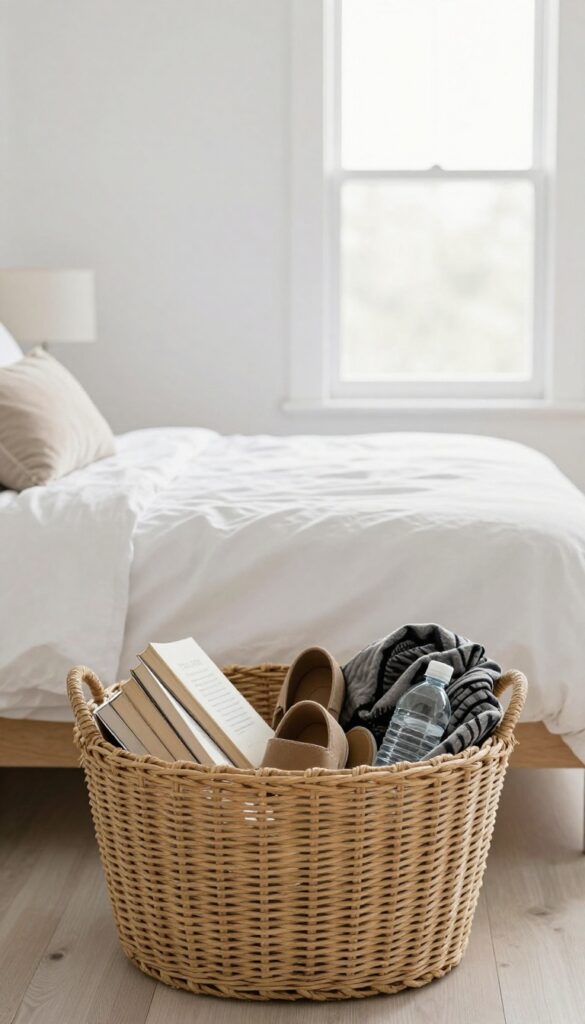
Items that belong in other rooms have a way of accumulating in your bedroom. Instead of making multiple trips, grab a laundry basket and toss every misplaced item inside. When the basket is full, take it on a single tour around the house and drop everything off where it belongs.
This method saves time and mental energy by batching the task. You avoid the temptation to put things away immediately, which can break your cleaning flow. Plus, seeing the basket fill up gives a satisfying visual cue of progress.
Why Batching Works
Grouping similar tasks reduces decision fatigue. Instead of pausing every few minutes to return a single item, you stay focused on cleaning your room. The basket becomes a temporary holding zone until you're ready for the delivery run.
Make It A Game
Challenge yourself to fill the basket as quickly as possible. Set a timer for five minutes and race to collect every wanderer. The urgency turns a chore into a fun challenge, and you'll be surprised how many items you can gather.
Combine With Other Tasks
If you're already planning to take out trash or grab a snack, combine the basket trip with those errands. This way, you're not making extra trips—just piggybacking on existing movement around the house.
23. Limit Your Cleaning Tools
You might think more supplies mean a cleaner room, but the opposite is often true. An overflowing caddy of sprays, brushes, and gadgets can actually slow you down and drain your motivation. When you have too many choices, your brain wastes energy deciding which tool to grab.
The solution is simple: pare down to the absolute essentials.
Stick with a few versatile tools that handle 90% of your cleaning tasks. An all-purpose cleaner works on most surfaces, microfiber cloths trap dust without scratching, a duster reaches high spots, and a vacuum handles floors and upholstery. That's it.
With fewer items, you spend less time gathering supplies and more time actually cleaning. Plus, you'll avoid the frustration of a cluttered cleaning kit that adds to the mess you're trying to fix.
Why Less Is More
Having a minimalist cleaning kit reduces decision fatigue. Instead of staring at a shelf of specialty sprays, you grab one cleaner and one cloth and get to work. This simplicity keeps your momentum going.
Studies show that limiting options can increase task initiation, which is exactly what you need when motivation is low.
The Essential Four
Start with an all-purpose cleaner that's safe for most surfaces. Next, get a pack of high-quality microfiber cloths—they pick up dust and grime without chemicals. A microfiber duster with an extendable handle makes quick work of ceiling fans and shelves.
Finally, a vacuum with a crevice tool and brush attachment handles floors, baseboards, and upholstery. These four tools cover almost every cleaning task in a bedroom.
What To Leave Out
Skip single-use products like specialized glass cleaners, wood polishes, and carpet shampoos unless you have a specific need. Avoid bulky mops and buckets for a room that's mostly carpet or hard floors. Also, resist the urge to buy trendy gadgets that promise to save time but often end up collecting dust themselves.
A simple, streamlined kit keeps your cleaning routine fast and frustration-free.
24. Keep a Donation Bag Handy
As you sift through clutter, you'll inevitably find things you no longer need. Instead of setting them aside to deal with later, keep a donation bag or box right in your room. That way, the moment you spot an item that's outlived its purpose, you can toss it straight into the bag.
No second-guessing, no piles of "maybe" stuff accumulating in a corner.
This simple habit turns decluttering into an automatic decision. When the bag gets full, tie it up and put it in your car or by the front door. On your next errand, drop it off at a donation center.
You'll be surprised how quickly the room clears out when you stop letting decisions pile up.
Why It Works
The biggest barrier to letting go is the mental energy required to decide. By keeping a bag within arm's reach, you remove that barrier. You see an old shirt, you toss it.
No internal debate. This keeps your momentum going and prevents the clutter from migrating to a new spot.
What To Toss
Clothes that don't fit, books you've already read, gadgets you never use, and decor that doesn't spark joy are all fair game. If you haven't touched it in a year, it's probably safe to donate. A good rule: if you hesitate for more than a few seconds, it goes in the bag.
Keep It Visible
Place the bag somewhere you'll see it every day, like next to your dresser or closet door. Out of sight means out of mind, and you'll forget to use it. A visible reminder makes the habit stick.
25. Celebrate the Finished Room

You've scrubbed, sorted, and organized. Now it's time to pause and actually appreciate what you've accomplished. Celebrating isn't just a nice bonus—it's a crucial step that reinforces your effort and makes you more likely to keep the space tidy.
Take A Mindful Moment
Before you rush off to the next task, stand in the doorway or sit in the center of the room. Look around without judgment. Notice the clean surfaces, the neat piles, the open floor.
Let the calm sink in for at least 30 seconds. This simple act of mindfulness helps your brain register the reward.
Set The Mood
Light a candle, open the curtains, or put on your favorite playlist. Small sensory cues can turn a clean room into a cozy sanctuary. The flicker of a flame or the scent of lavender tells your mind: This space is ready to enjoy.
Give Yourself A Real Reward
Don't just mentally pat yourself on the back—do something tangible. Watch an episode of your favorite show, treat yourself to a snack, or just sit and read for ten minutes. By pairing the finished room with a positive experience, you build a habit loop that makes cleaning feel less like a chore next time.
FAQ
How do I start cleaning my room when I feel overwhelmed?
Begin with a 5-minute timer and focus on one small area, like a nightstand or a corner. That quick win builds momentum and reduces the feeling of being overwhelmed.
What's the best way to stay motivated while cleaning?
Use a timer for short bursts (like 20 minutes), listen to music or a podcast, and reward yourself after completing each zone. Breaking the task into small steps keeps motivation high.
How often should I deep clean my room?
Aim for a deep clean once a month, but do a 10-minute tidy every evening to maintain order. Regular small efforts prevent buildup and make deep cleans easier.
What should I do with items I don't use but feel guilty throwing away?
Put them in a 'maybe' box and date it. If you haven't opened the box in three months, donate or toss without guilt. This helps you let go without regret.
How can I keep my room clean after I've organized it?
Create a home for every item and practice the one-touch rule—put things away immediately. Also, do a quick 10-minute reset each night to prevent clutter from accumulating.
Conclusion
Cleaning your room doesn't have to feel like a chore. By breaking it into small, manageable steps and adding a little fun, you can build momentum without burning out. The real win isn't a spotless room—it's feeling more in control of your space and your time.
Pick just one tip from this list and try it today. You'll be surprised how a small start can lead to a cleaner room and a clearer mind.