Imagine walking into your room and instantly feeling calm instead of stressed. That's the power of a clutter-free space, and you don't need hours of scrubbing to get there.
These 23 room cleaning tips focus on small, repeatable actions that reduce overwhelm and build momentum. From the five-minute tidy to the one-touch rule, each idea is designed to fit into your daily routine without adding pressure.
Start with one that feels doable today, and watch the clutter disappear with less effort than you'd expect.
1. Start with a 5-Minute Tidy
Sometimes the hardest part is just getting started. That's where the five-minute tidy comes in. Set a timer, pick up visible clutter, and stop when the bell rings.
This short burst of effort breaks the inertia and makes the room look noticeably better.
A five-minute tidy is a low-commitment way to kick off your cleaning session. It's not about deep cleaning—just clearing surfaces, tossing trash, and putting things back where they belong. The timer creates urgency and prevents you from getting sidetracked.
Once you see the difference, you'll feel motivated to keep going.
Grab A Basket For Quick Collection
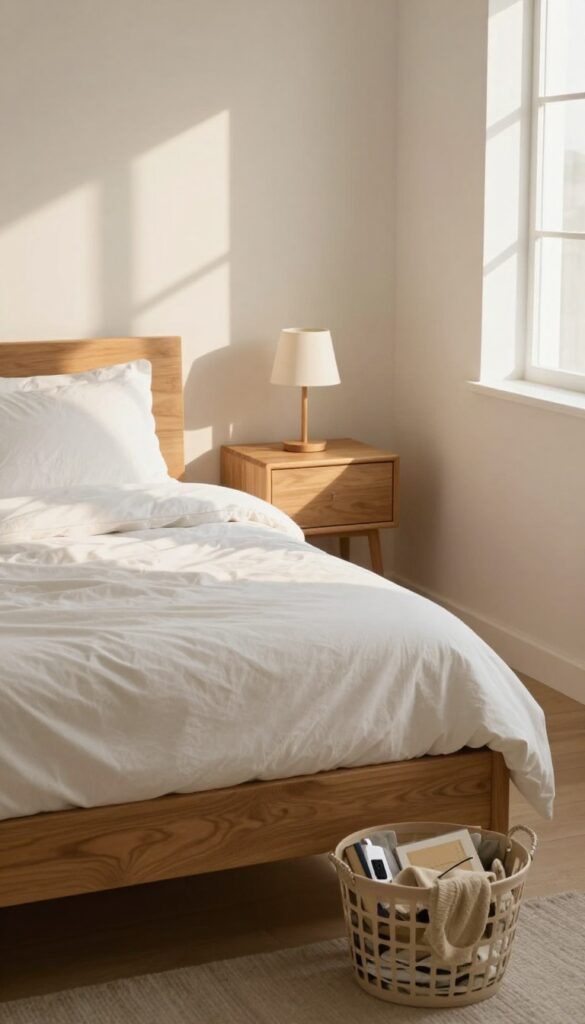
Keep a laundry basket or tote handy. Walk through the room and toss anything out of place into the basket—clothes, books, mail, random items. After the five minutes, sort the basket contents into their proper homes.
This method keeps you moving fast without deciding where each item goes in the moment.
Focus On High-visibility Zones
Target areas that catch your eye first: the bed, nightstand, dresser top, and floor. Making the bed alone transforms the room. Clearing the nightstand of coffee mugs, chargers, and papers creates an instant sense of order.
The floor should be walkable—shove shoes under the bed or into a closet.
Use The Timer As A Game
Turn it into a challenge. Try to beat your own record or race against a podcast segment. The timer keeps you focused and stops you from falling into a perfectionist spiral.
When the alarm goes off, stop—even if you're not done. You can always do another round later.
2. Make Your Bed First Thing
It sounds almost too simple, but making your bed every morning is a game-changer. This single act takes less than two minutes and instantly makes your room look neater. More importantly, it sets a productive tone for the rest of the day.
Starting your day with a made bed gives you a small win before you've even had coffee. That sense of accomplishment can snowball into tackling other tasks. Plus, a tidy bed makes the whole room feel more put together, even if other areas are still cluttered.
Why It Works
A made bed is a visual anchor of order. When you walk into your room, your eyes land on something neat and intentional. This reduces the mental chaos and makes the rest of the room feel less overwhelming.
It's a psychological trick that really works.
How To Make It Stick
Keep your bedding simple so making the bed is quick. Use a duvet or a bedspread that you can just pull up and smooth out. Avoid decorative pillows that take extra time.
The goal is to make the habit so easy that you do it without thinking.
The Ripple Effect
Once your bed is made, you're less likely to toss clothes or clutter onto it. That means less clutter on the bed, and eventually less clutter in the room. It's a small domino that can start a chain reaction of tidiness.
3. Use the One-Touch Rule
How many times have you picked up a shirt, tossed it on a chair, and told yourself you'd hang it up later? That chair becomes a mountain, and later never comes. The one-touch rule eliminates that cycle by forcing a decision the moment you pick something up.
When you grab an item, don't set it down in a temporary spot. Either put it where it belongs, throw it away, or place it in a designated donate bin. No middle ground.
This habit takes practice, but once it clicks, you'll notice clutter stops accumulating in the first place.
Why It Works
Every time you set something down to deal with later, you're creating a future task. Those tasks pile up, and soon you're facing a whole afternoon of tidying. The one-touch rule keeps decisions small and immediate, so clutter never gets a chance to build.
How To Start Today
Pick one high-traffic area like your dresser or nightstand. For the next week, commit to handling every item that lands there in one move. If it's a book, put it on the shelf.
If it's a water glass, take it to the kitchen. No exceptions.
Common Pitfalls To Avoid
Don't confuse the one-touch rule with perfection. You'll still have items that require multiple steps, like laundry that needs washing before folding. The rule applies to items that have a clear home.
For multi-step items, create a temporary holding spot that you empty daily.
4. Declutter One Surface at a Time
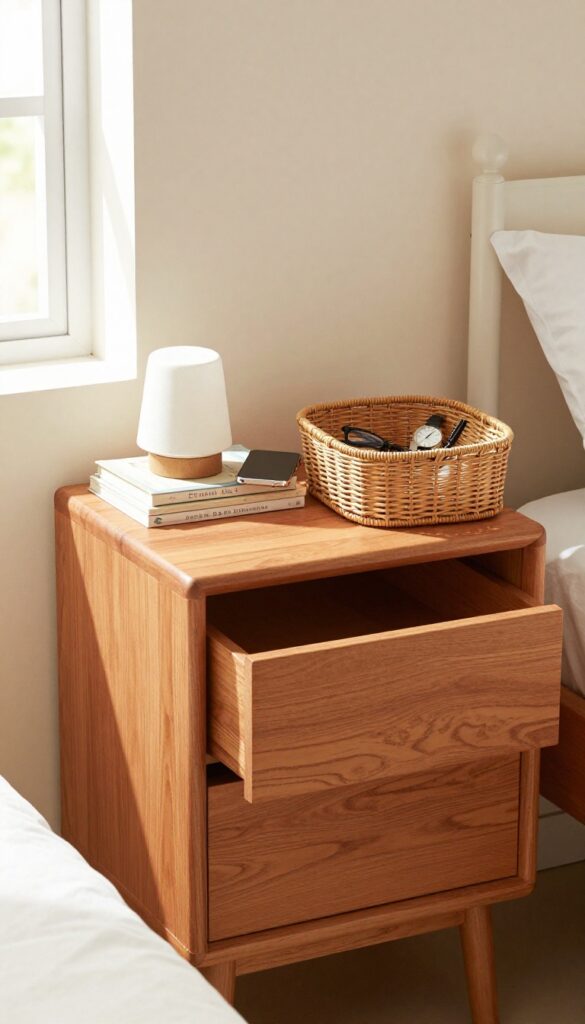
A cluttered room often feels overwhelming because you're trying to fix everything at once. Instead, pick a single surface—like your nightstand, desk, or dresser top—and clear it completely. This focused approach turns a big job into a small win, and that momentum carries you forward.
When you limit your task to one surface, your brain doesn't panic. You can see the finish line from the start. Grab a trash bag and a basket for items that belong elsewhere.
Then remove everything from that surface, wipe it down, and only put back what truly belongs there. Everything else gets tossed or relocated immediately.
Start Small To Build Momentum
Pick the smallest surface in the room—a nightstand or a windowsill. Clearing it takes less than five minutes, and the visual payoff is instant. That quick win motivates you to tackle the next surface without dread.
Group Belongings As You Go
As you clear each surface, sort items into categories: trash, keep, relocate. Use a basket or box for items that need to go to another room. This prevents the clutter from just moving around and ensures each surface stays clean longer.
Limit What Goes Back
The key to maintaining a clear surface is being picky about what you return. Ask yourself: Do I use this daily? Does it belong here?
If not, find it a proper home. A surface should hold only essentials—less than five items is a good rule of thumb.
5. Create a Designated Spot for Everything
Ever waste ten minutes hunting for your keys or a pair of scissors? That frustration often comes from not having a fixed home for everyday items. When you assign a specific spot for every object, tidying up becomes almost automatic—you know exactly where things belong, so putting them away takes zero thought.
This simple shift turns cleaning from a chore into a habit.
The magic of designated spots is that they remove decision fatigue. Instead of wondering where to put something, you just put it in its home. This works for everything from mail to makeup to measuring cups.
Start small: pick one category of items that always ends up scattered and give it a permanent home. A bowl by the door for keys, a hook for your bag, a drawer for chargers. Once you see how easy it is to keep that area tidy, you'll want to do the same for the rest of your space.
Start With High-traffic Zones
Focus on areas you use every day: the entryway, kitchen counter, nightstand, and desk. These spots collect clutter fast because they're the first places you drop things. Add a small tray or basket to catch daily essentials like wallets, phones, and mail.
When each item has a landing zone, you stop piling things up and start putting them away automatically.
Use Clear Containers And Labels
Transparent bins and jars let you see what's inside without opening everything. Label shelves and drawers so everyone in the household knows where things go. This is especially helpful for shared spaces like the pantry or linen closet.
Labels also act as a visual reminder when you're in a hurry—no more shoving things into random spots.
Group Like Items Together
Store similar items in one place instead of scattering them around the room. All cleaning supplies go under the sink, all charging cables in one drawer, all workout gear in a single basket. When you group things logically, you can find what you need instantly and return it just as fast.
This also prevents buying duplicates because you know exactly what you already have.
6. Adopt the 10-Minute Daily Reset
Evenings can feel like a race against the clock, but spending just ten minutes tidying up before bed pays off big. This small habit stops clutter from snowballing, so you wake up to a calm space every morning.
Why Ten Minutes Works
Clutter accumulates in tiny increments—a jacket on the chair, a mug on the nightstand, mail on the dresser. A daily reset catches these before they become a mountain. It's easier to maintain than to deep-clean, and it builds a consistent routine.
What To Focus On
Grab a basket and walk through your room, collecting anything out of place. Return items to their homes: clothes to the closet, books to the shelf, trash to the bin. Wipe down surfaces if you have time.
The goal isn't perfection—it's resetting the room to a tidy baseline.
Make It A Ritual
Pair the reset with something you already do, like brushing your teeth or winding down with tea. Set a timer or play one song to keep it quick. Over time, this ten-minute habit becomes automatic, and you'll wonder how you ever lived without it.
7. Use Baskets and Bins for Quick Corralling
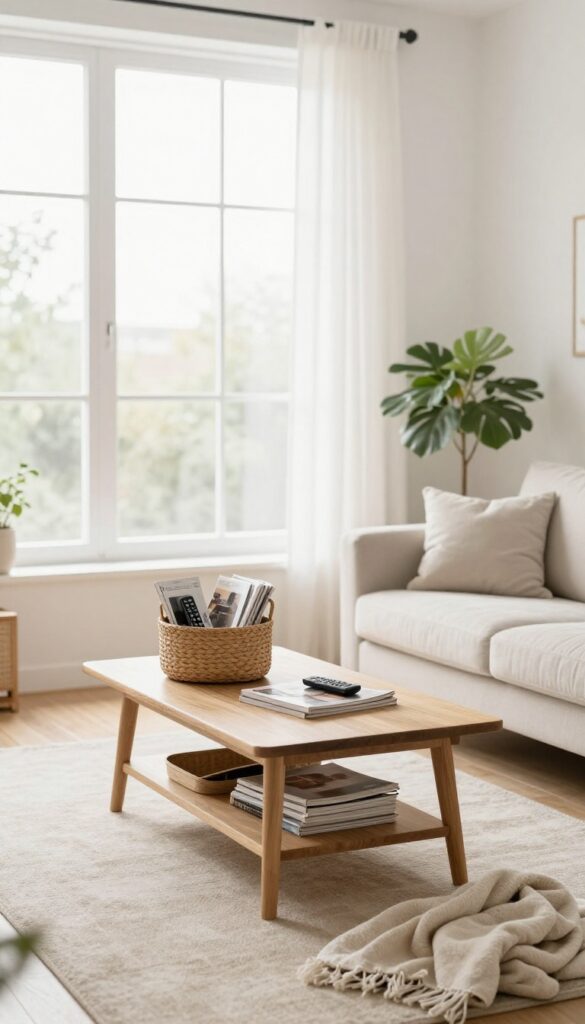
Clutter can make a room feel chaotic even if it's just a few items out of place. Baskets and bins are your shortcut to instant order. Instead of agonizing over where each thing belongs, you toss everything into a basket and deal with it later.
The room looks tidy in seconds, and you can sort through the baskets when you have more time.
Baskets and bins are the ultimate hack for fast decluttering. They let you hide mess without actually organizing, which is perfect for when you need a quick cleanup before guests arrive or just want to reduce visual noise. The key is to have a few designated baskets in each room so you can toss items without thinking.
Later, when you have a few minutes, you can empty each basket and put things away properly. This system works because it separates the act of tidying from the act of organizing, making both tasks easier.
Choose The Right Baskets
Not all baskets are created equal. Pick ones that fit your decor and are easy to grab. Woven baskets add warmth, while plastic bins are great for hidden storage.
Size matters: small baskets for mail and remotes, larger ones for blankets or toys. Open baskets are best for quick toss-and-go, while lidded bins hide clutter completely.
Set Up A Daily Toss Routine
Make it a habit to walk through your room once a day and toss any out-of-place items into a basket. This takes less than two minutes. Over time, you'll train your brain to see the basket as a temporary home for stray items.
Just don't let the baskets become permanent storage—schedule a weekly sort to return everything to its rightful place.
Label For Accountability
If you share a room with someone else, labels prevent the basket from becoming a black hole. Use simple labels like "To Put Away, " "Donate, " or "Misc. " This way, everyone knows what goes where and nothing gets lost.
Labels also make it easier to sort later because you already have categories in mind.
Make It A Game For Kids
For kids' rooms, turn basket corralling into a game. Set a timer and see who can toss the most toys into the bin before it goes off. This makes cleaning fun and teaches organization skills without nagging.
Plus, it gets the job done fast.
8. Tackle One Drawer or Shelf at a Time
Deep cleaning a whole room can feel like climbing a mountain. But what if you only had to clean one tiny drawer? That's the magic of breaking it down into small zones.
A single drawer takes just a few minutes to organize, and the satisfaction is instant.
Start with the junk drawer, the spice shelf, or the nightstand. Empty it completely, wipe it down, and put back only what belongs. Toss expired items and donate duplicates.
That small win will motivate you to tackle the next zone.
Why Micro-zones Work
When you focus on one small area, the task feels manageable. You're not overwhelmed by the big picture. Each finished zone gives a dopamine boost, making you want to keep going.
How To Choose Your First Zone
Pick a drawer or shelf that bugs you the most. Maybe it's the one where you stash random cables, or the bathroom cabinet with half-empty bottles. Starting with a high-friction zone makes the biggest impact.
Keep It Going
Set a timer for 10 minutes and do one zone per day. Over a week, that's seven zones cleaned. Before you know it, the whole room is tidier without a single marathon cleaning session.
9. Follow the 'Out of Sight, Out of Mind' Rule for Seasonal Items
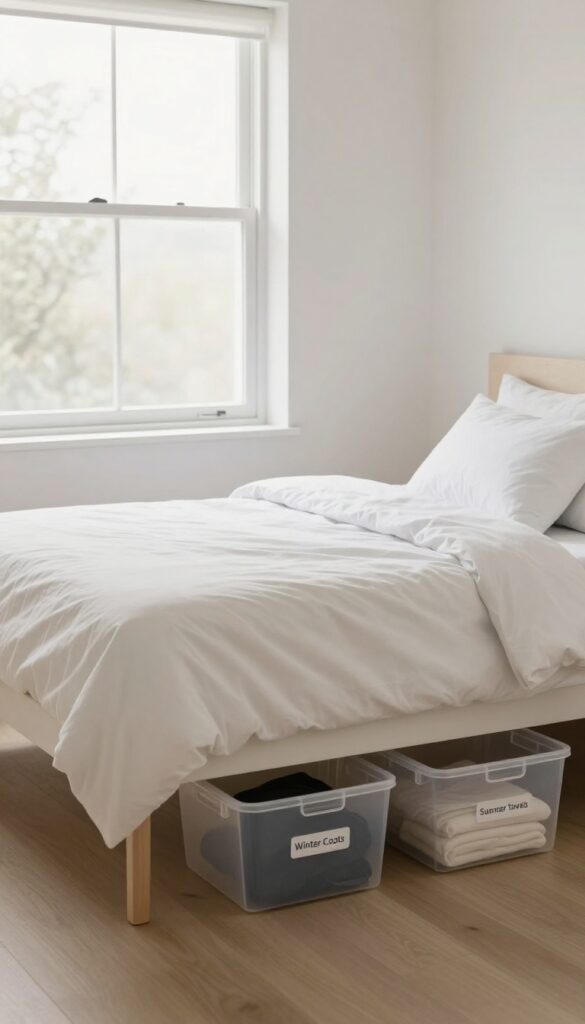
Seasonal clutter is sneaky. It piles up in corners, under furniture, and inside closets, taking up space you could use for things you actually need daily. The fix is simple: store off-season items where you can't see them, and you'll instantly free up mental and physical room.
By hiding away the bulky winter coats in summer or the beach towels in winter, your living space stays streamlined and calm. Plus, you won't have to dig through items you don't need to find the ones you do.
The 'out of sight, out of mind' rule works because it reduces visual noise. When you can't see seasonal items, your brain doesn't register them as clutter. This makes your room feel cleaner and more organized without any extra effort.
The key is to store these items in designated spots that are easy to access when the season changes, but invisible during the off-season.
Choose The Right Storage Spots
Under-bed storage bins are perfect for bulky items like sweaters, blankets, or off-season shoes. Use clear bins with labels so you can see what's inside without opening them. If you have a closet, use high shelves or the top of the closet for rarely used items like holiday decorations or formal wear.
Vacuum-seal bags work wonders for bulky bedding and winter coats, compressing them to save even more space.
Label Everything Clearly
Labels are your best friend when it comes to seasonal storage. Use a label maker or simple masking tape and a marker to write the contents and the season. For example, 'Winter Scarves & Gloves' or 'Summer Beach Gear. ' This way, when the season changes, you can grab the right bin without rummaging through everything.
Consistent labeling also helps you remember what you have, so you don't buy duplicates.
Rotate Items Twice A Year
Set a calendar reminder to swap seasonal items in spring and fall. When you bring out the new season's items, take a moment to declutter anything you didn't use last year. Donate or toss items that are worn out or no longer fit.
This keeps your storage from becoming a dumping ground and ensures you only keep what you truly need.
10. Use Vertical Space for Storage
Floor space is precious, but walls are often overlooked. By shifting storage upward, you free up surfaces and make the room feel more open. Vertical storage doesn't mean bulky shelves everywhere—it's about smart placement that keeps daily items within reach but out of the way.
Start by identifying the biggest clutter magnets: countertops, desks, and nightstands. Then look up. A few wall-mounted shelves or hooks can transform a messy pile into an organized display.
The key is to store things you use regularly at eye level and reserve higher spots for seasonal or rarely used items. This approach not only reduces visual noise but also makes cleaning easier since there's less stuff on horizontal surfaces to move around.
Floating Shelves For Daily Items
Install floating shelves near entryways, above desks, or beside the bed. Use them for keys, wallets, books, or a small plant. Keep the number of items per shelf low to maintain a clean look.
A shelf with three to five objects feels curated; more than that starts to look cluttered.
Hooks And Pegboards For Gear
Hooks are perfect for coats, bags, hats, and even jewelry. Install a row of hooks behind a door or on an empty wall. For tools or craft supplies, a pegboard with bins and pegs keeps everything visible and accessible.
This system works great in entryways, home offices, and laundry rooms.
Tall Bookcases And Cabinets
If floor space allows, a tall bookcase or cabinet uses vertical real estate efficiently. Choose one with adjustable shelves so you can customize heights for different items. Use baskets or bins on lower shelves to hide smaller items, and display decorative pieces on upper shelves to draw the eye upward.
11. Implement a 'One In, One Out' Policy
Clutter often creeps in one item at a time. Before you know it, your space feels cramped and chaotic. The 'one in, one out' rule stops that cycle by making you think twice before every new purchase or gift.
This simple policy creates a natural cap on your belongings. Every time you bring something new home—whether it's a sweater, a book, or a kitchen gadget—you commit to removing one similar item. This keeps your collection from growing unchecked and forces you to prioritize what you truly need.
Make It A Habit At The Door
Place a donation box or bag by your entryway. When you come home with something new, immediately drop one old item into the box. This makes the rule effortless and builds a routine.
Over time, you'll automatically scan your space for things to let go of.
Apply It To Categories
Instead of a vague rule, apply it to specific categories like clothing, books, or decor. For example, if you buy a new pair of shoes, donate an old pair. This prevents category-specific hoarding and keeps each area of your room balanced.
Use It As A Decision Filter
Before buying anything, ask yourself: 'What am I willing to part with to make room for this? ' If you can't think of something, you probably don't need the new item. This filter reduces impulse purchases and keeps your space intentional.
12. Clean as You Go
Waiting until the weekend to tackle a messy room makes cleaning feel like a chore. But if you wipe down surfaces and put things away immediately after using them, you prevent messes from piling up in the first place. This habit takes just seconds each time and keeps your room looking tidy with hardly any effort.
The clean-as-you-go approach turns cleaning into a series of micro-actions that add up to a consistently neat space. Instead of letting clutter accumulate, you handle small tasks in real time. This reduces the mental load of "I need to clean later" and makes your room feel under control every day.
The 30-second Rule
After you finish using something, spend 30 seconds putting it back or wiping it down. Hang your coat when you walk in, toss mail in the recycling bin immediately, and wipe the bathroom counter after brushing your teeth. These tiny actions prevent clutter from spreading.
Create A Drop Zone
Designate a small tray or basket near the door for keys, wallet, and phone. When you come home, drop them there instead of on the nearest surface. This keeps countertops clear and saves you from searching for essentials later.
Clean Up After Meals Right Away
Don't let dishes sit or crumbs linger on the table. Rinse your plate and put it in the dishwasher immediately, and wipe the table with a damp cloth. This takes two minutes and prevents sticky residue and odors from setting in.
13. Set a Weekly 15-Minute Declutter Session
A short, regular declutter session can stop mess from piling up. Fifteen minutes once a week is enough to keep surfaces clear and your mind at ease. Consistency beats marathon cleaning every time.
Pick A Time And Stick To It
Choose a day and time that works for you, like Sunday evening or Wednesday morning. Put it in your calendar as a recurring event. Treat it like any other appointment—non-negotiable but quick.
Focus On One Hot Spot
Each week, target a single area that tends to collect clutter: a nightstand, a dresser top, or a corner of the floor. Clear it completely and only put back what belongs. This prevents the session from feeling scattered.
Use A Timer To Stay On Track
Set a timer for 15 minutes and stop when it rings. No exceptions. This keeps the task from expanding into a bigger project.
You'll be surprised how much you can accomplish in a focused quarter-hour.
14. Use Drawer Dividers for Small Items
Drawers can quickly become black holes for small items like socks, charging cables, and makeup. Without a system, you end up digging around or dumping everything out to find one thing. Drawer dividers solve this by creating dedicated homes for each category, so everything stays visible and accessible.
Stop The Tumble
When you open a drawer and items have shifted into a jumbled pile, that's wasted time and frustration. Dividers keep stacks of socks or folded tees upright and separated. No more hunting for the matching pair—just grab and go.
Customize Your Layout
Not all drawers are the same size, and neither are your items. Adjustable dividers let you create compartments that fit your specific belongings. Use narrow slots for belts or ties, wider ones for sweaters, and small squares for jewelry or office supplies.
Maintain The Order
Once you set up dividers, the hard part is over. Tidying up becomes as simple as placing each item back in its designated spot. You'll naturally keep the system intact because it makes life easier—no more drawer avalanches.
15. Keep a Laundry Hamper with a Lid
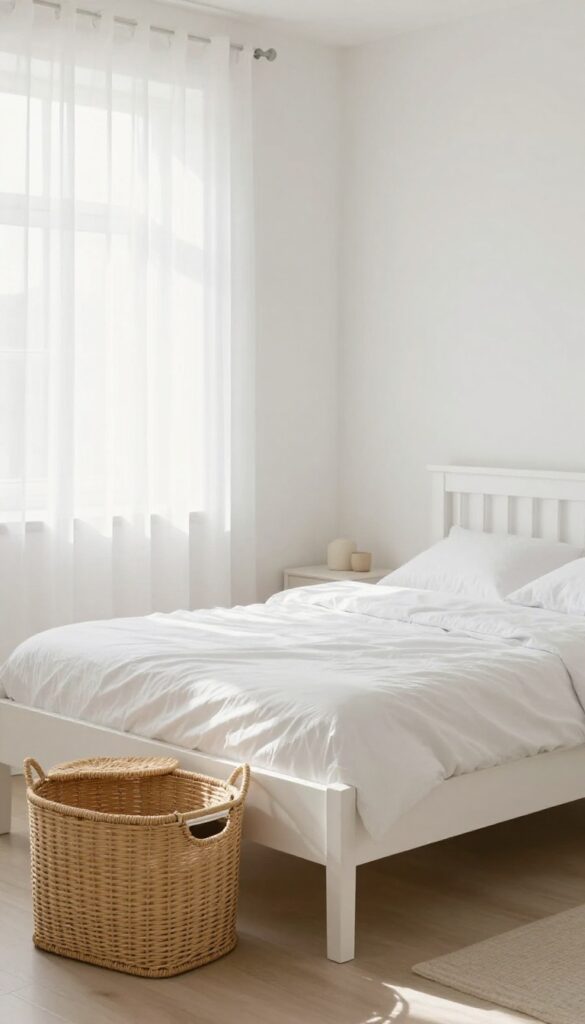
Dirty laundry is one of the biggest visual clutter offenders in any room. A pile of clothes on the floor or spilling out of an open bin instantly makes the space feel messy, even if everything else is tidy. A hamper with a lid solves this problem in a simple way.
It hides the clothes from sight, so your room looks cleaner with zero extra effort. Plus, it keeps odors contained and makes it less tempting to toss clothes on a chair instead of in the basket.
The key is choosing a hamper that fits your room's style and your laundry habits. A lidded hamper doesn't just conceal clutter—it also encourages you to put clothes away immediately, because the closed top signals that laundry is out of sight and out of mind. Here are a few ways to make this tip work for you.
Pick The Right Size And Style
A hamper that's too small will overflow, defeating the purpose. Go for one that holds at least a week's worth of laundry for your household. Look for a design that matches your decor—woven baskets with lids work well in bedrooms, while sleek plastic or metal options suit modern spaces.
A lid that's easy to lift (like a flip-top or soft cover) makes it more likely you'll actually use it.
Place It Strategically
Put the hamper where you naturally undress—near the closet, bathroom door, or foot of the bed. If it's out of the way, you'll be less tempted to drop clothes on the floor. For shared rooms, consider two hampers: one for lights and one for darks, both with lids, to keep sorting simple and clutter-free.
Make It Part Of Your Routine
Use the lid as a visual cue: when it's closed, the room looks clean. When it's open, it's time to do laundry. This small habit shift reduces the mental load of cleaning because the mess is literally hidden.
Just remember to empty it regularly so it doesn't become a breeding ground for smells.
16. Digitize Paper Clutter
Paper piles up fast—bills, receipts, notes, and old documents can turn a tidy desk into a chaotic mess. The fix is simpler than you think: scan everything and shred the originals. Going digital frees up physical space and makes finding important info a breeze.
Start by gathering all loose papers from your desk, drawers, and countertops. Sort them into categories: keep, shred, or act on. For the keep pile, use a scanner or a scanning app on your phone to create digital copies.
Organize them into folders on your computer or cloud storage with clear labels like "Tax 2024" or "Warranties. " Once scanned, shred the originals to prevent identity theft and reclaim your space. This process not only clears clutter but also makes it easier to locate documents later with a quick search.
Choose Your Scanning Method
You don't need a fancy scanner. A smartphone app like Adobe Scan or Google Drive can capture clear images in seconds. For bulk jobs, a dedicated document scanner with an automatic feeder saves time.
Pick the method that fits your volume and stick with it.
Create A Simple Filing System
Digital clutter can be just as overwhelming as physical piles. Set up a few main folders—Finances, Home, Health, and Personal—and subfolders for each year. Use consistent naming conventions like "2024-05-15_Receipt_Amazon" so you can find anything fast.
Shred With Confidence
A cross-cut shredder is your best friend here. Shred anything with personal info: bank statements, credit card offers, old tax returns. For non-sensitive papers like old notes or flyers, you can recycle them directly.
The goal is to remove the paper entirely from your space.
17. Rotate Seasonal Decor
Seasonal decorations can quickly turn from festive to frustrating when they linger past their prime. By storing off-season items and swapping them out, you keep your room feeling fresh without letting clutter pile up. This simple rotation habit also makes each season feel special and intentional.
Rotating seasonal decor is one of the easiest ways to maintain a clutter-free room while still enjoying personal touches. The key is to limit each season to a single storage bin or designated area, so you're never overwhelmed by excess. When you bring out new decor, you naturally let go of what no longer fits, creating a cycle of refreshment rather than accumulation.
Set A Swap Schedule
Pick two or three times a year—like the start of spring, fall, and winter—to swap your decor. Mark it on your calendar so it becomes a routine, not a last-minute scramble. This keeps your space aligned with the season without letting decor sit out too long.
Limit Each Season To One Bin
Use a single clearly labeled bin per season to store decorations. If it doesn't fit, you need to edit down your collection. This constraint prevents seasonal items from taking over your closet or attic and makes swapping quick and easy.
Let Go Of What You Didn't Use
When you bring out your seasonal bin, take note of any items you didn't use last year. If they didn't make the cut two years in a row, donate or sell them. This keeps your collection curated and meaningful, so every piece earns its place.
18. Use Under-Bed Storage Wisely
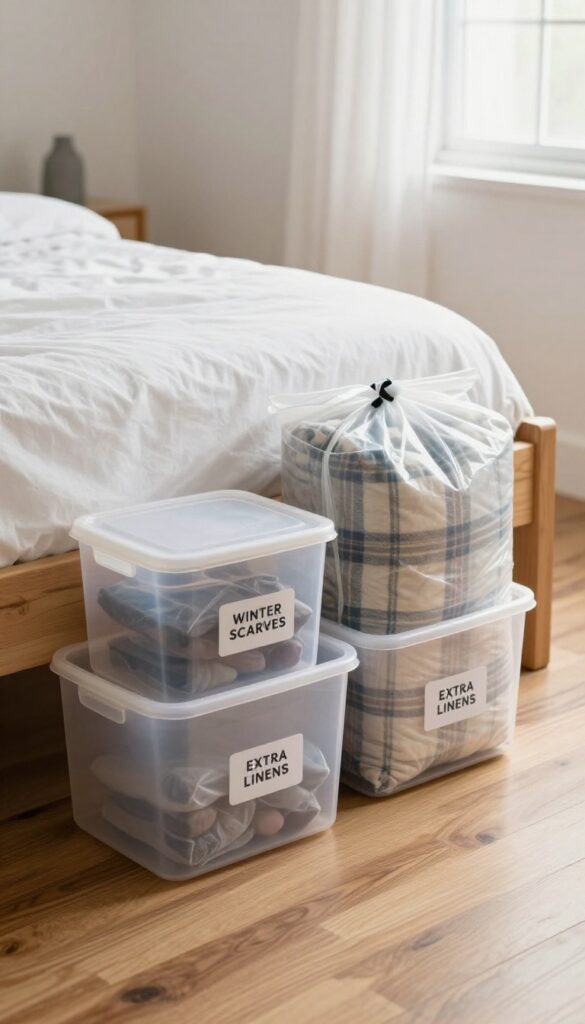
The space under your bed is prime real estate for stashing items you don't need every day. When used smartly, it keeps clutter out of sight without turning into a chaotic dumping ground. Flat bins or vacuum-sealed bags make it easy to slide things in and out, so you're not wrestling with dust bunnies every time you need a winter sweater.
Under-bed storage works best when you stick to categories like extra linens, out-of-season clothing, or shoes you only wear occasionally. Avoid tossing random items under there—that's how it becomes a black hole. Measure the height clearance first, then choose low-profile bins that fit snugly.
Label each bin clearly so you know what's inside without pulling everything out. Rotate seasonal items twice a year to keep the system fresh and functional.
Pick The Right Bins
Not all under-bed bins are created equal. Look for flat, clear containers with lids that seal out dust. Clear bins let you see contents at a glance, while opaque ones hide the mess but require labels.
Avoid cardboard boxes—they attract pests and collapse over time. Measure your bed frame height before buying; you need at least 6 inches of clearance for most standard bins.
Categorize And Rotate
Group similar items together: one bin for winter scarves and gloves, another for extra pillowcases and sheets. Use a vacuum sealer for bulky items like comforters to save space. Every season, swap out the bins so the current season's items are accessible and the off-season stuff stays tucked away.
This rotation keeps your storage relevant and prevents you from digging through everything to find a single item.
Keep It Accessible
Store items you rarely need toward the head of the bed and frequently used items near the foot. Use bins with handles or wheels for easier pulling. If you have a low bed, consider bed risers to create extra clearance.
Avoid stacking bins—you'll never want to lift the top one to reach the bottom. A single layer of bins is easiest to manage.
19. Create a 'Maybe' Box for Sentimental Items
Sentimental clutter is the hardest to let go of. That old concert tee, the gift from an ex, the art project your kid made in preschool—each item carries a memory, making it feel impossible to toss. But holding onto everything doesn't honor the past; it just crowds your present.
The 'Maybe' Box gives you a guilt-free way to pause without committing.
How The 'maybe' Box Works
Grab any sturdy box or bin and label it “Maybe. ” As you declutter, place any item you're on the fence about inside. The rule: once it's in the box, you can't open it for six months. Seal it with tape if you need to resist temptation.
Store it out of sight—in a closet, garage, or under the bed. Out of sight really does help you forget.
What Happens After Six Months
When the time is up, open the box without pressure. Most likely, you'll find items you completely forgot existed. If you haven't needed or missed something in half a year, it's safe to let it go.
Donate what's usable, recycle or trash the rest. For the few items that still tug at your heart, keep them—but only if they truly earn a spot in your home.
Why This Reduces Stress
The Maybe Box removes the agony of snap decisions. You're not forced to choose between keeping and tossing in the moment. Instead, you give yourself time to detach emotionally.
Over six months, the memory often fades, making it easier to release the object. It's a gentle, low-stakes way to clear clutter without regret.
20. Wipe Down Surfaces Weekly
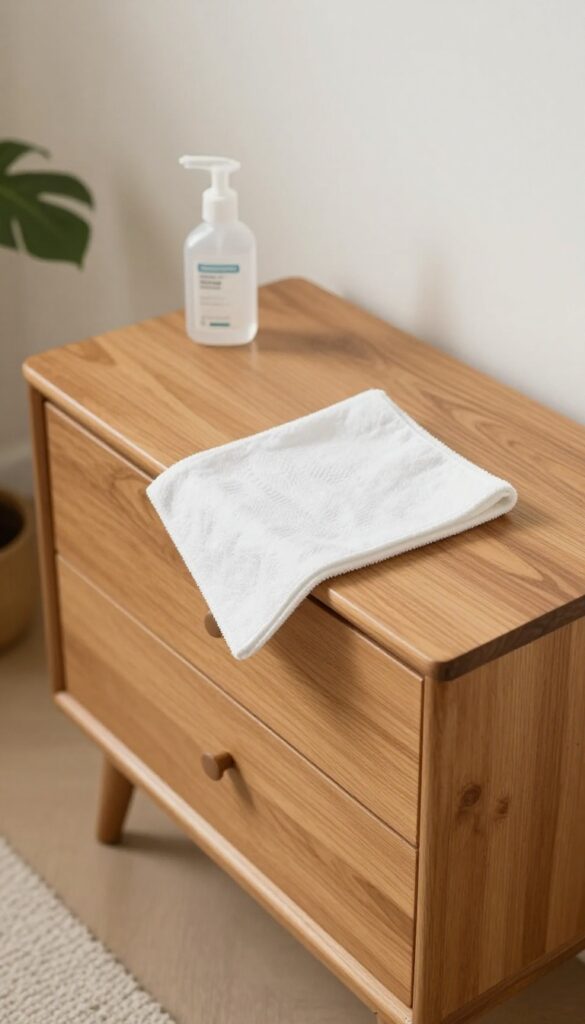
A quick dusting and wipe-down of surfaces keeps the room looking clean and reduces allergens. It's one of those tasks that takes just a few minutes but makes a huge visual difference. Plus, doing it weekly prevents grime from building up, so you never have to tackle a thick layer of dust again.
Set a recurring reminder on your phone for the same day each week. Grab a microfiber cloth and a gentle all-purpose cleaner, then work your way around the room from top to bottom. This prevents dust from falling onto already-cleaned surfaces.
Focus on high-touch areas like nightstands, dressers, and windowsills.
Choose The Right Tools
Microfiber cloths trap dust instead of spreading it around. Avoid feather dusters that just fling particles into the air. Keep a dedicated caddy with your cleaner and cloths so you can grab everything in one go.
Work Top To Bottom
Start with ceiling fans and light fixtures, then move to shelves and tabletops, and finish with baseboards. This way, any dust that falls lands on surfaces you haven't cleaned yet.
Don't Forget Hidden Spots
Wipe down remote controls, lamp bases, and the tops of picture frames. These often-overlooked areas collect dust quickly and can make a room feel less clean even if the main surfaces are spotless.
21. Involve the Whole Household
Cleaning doesn't have to be a solo mission. When everyone pitches in, the work gets done faster and the stress melts away. Even small tasks add up when shared, and it teaches responsibility along the way.
Assign Age-appropriate Tasks
Kids can handle simple jobs like putting away toys or dusting low shelves. Teens can take on vacuuming or organizing their own spaces. Tailor tasks to abilities so no one feels overwhelmed.
Make It A Team Challenge
Turn cleaning into a game by setting a timer or playing upbeat music. See who can finish their task first or do a speed round. A little friendly competition makes the work feel lighter.
Create A Shared Checklist
Write down what needs to be done and let family members choose their tasks. Having a visual list keeps everyone accountable and ensures nothing gets missed. Check off items together for a sense of accomplishment.
22. Reward Yourself After a Cleaning Session
Cleaning can feel like a chore, but it doesn't have to be all work and no play. Tying a small reward to your cleaning efforts gives you something to look forward to, making the whole process feel less like a drag and more like a win. This simple trick of positive reinforcement can turn a one-time tidy into a lasting habit.
After you finish a cleaning session, treat yourself to something small and enjoyable. It could be a cup of your favorite coffee, ten minutes of guilt-free scrolling, or an episode of a show you love. The key is to make the reward immediate and consistent, so your brain starts associating cleaning with pleasure.
Over time, you'll find yourself looking forward to tidying up because you know a little treat is waiting.
Pick Your Reward Ahead Of Time
Decide what your reward will be before you start cleaning. That way, you have a clear goal in mind. Keep it simple—something like a piece of dark chocolate, a quick walk outside, or listening to your favorite podcast.
If you wait until after you're done to decide, you might skip the reward altogether or pick something that takes too much time.
Keep Rewards Proportional To Effort
Match the size of the reward to the size of the task. For a quick five-minute tidy, a small reward like stretching or a sip of tea works. For a deep clean that took an hour, you might enjoy a longer break, a bath, or ordering takeout.
This keeps rewards meaningful and prevents you from overindulging for minor tasks.
Use Rewards To Build A Routine
Consistency is key. Try to reward yourself every time you clean, at least in the beginning. Over a few weeks, this routine will become automatic, and you might even find that the clean space itself feels like enough of a reward.
But keep the treats handy for days when motivation is low—they'll help you push through.
23. Don't Aim for Perfection
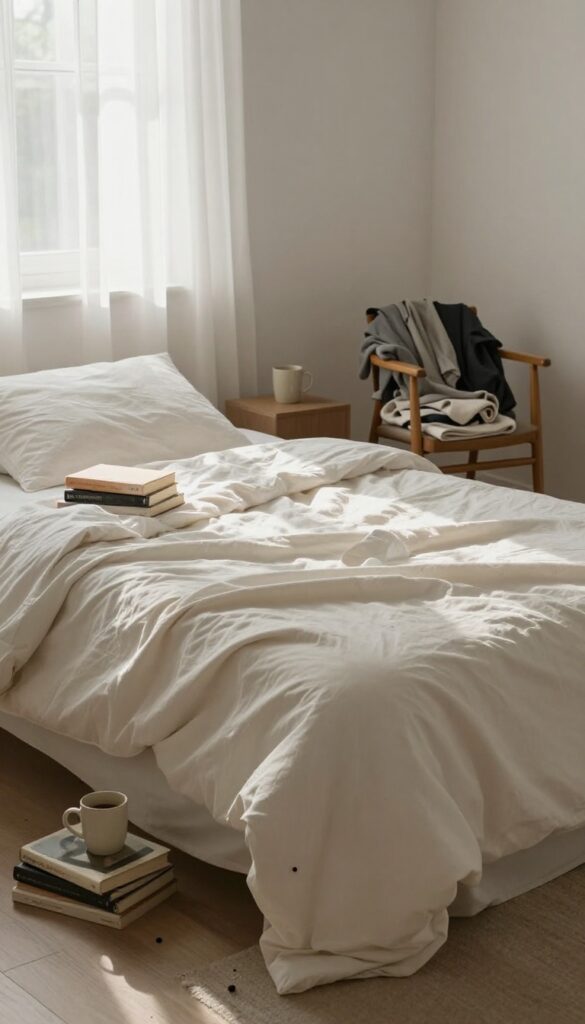
Perfection is the enemy of progress, especially when it comes to cleaning. If you hold yourself to an impossible standard, you'll avoid starting altogether. Shifting your mindset from "perfect" to "good enough" can dramatically reduce stress and actually help you maintain a cleaner room.
Instead of trying to make your room look like a showroom, aim for a space that feels comfortable and functional. A few items out of place or a dust bunny under the bed doesn't mean failure—it means you live there. The goal is to reduce clutter and mess to a level that feels manageable, not to eliminate every trace of daily life.
The 80/20 Rule Of Cleanliness
Focus on the 20% of tasks that give you 80% of the visual impact. Making the bed, clearing surfaces, and picking up clothes from the floor instantly transform a room. Leave the deep cleaning for another day.
This approach keeps your space looking tidy with minimal effort.
Progress Over Perfection
Celebrate small wins. Did you pick up the clutter from your desk? That's progress.
Did you vacuum half the room before getting distracted? That's still progress. Each small step builds momentum and makes the next cleaning session easier.
Perfectionism stops you from starting; progress keeps you going.
Embrace The Lived-in Look
A room that looks perfectly untouched can feel sterile and unwelcoming. A few books on the nightstand, a cozy throw blanket, or a pillow slightly out of place add personality. Let go of the idea that a clean room must look empty.
It should look like you—just a tidier version.
FAQ
How often should I deep clean my room?
Aim for a deep clean every two to four weeks. In between, do daily 5-minute tidies and weekly surface wipes to maintain order.
What's the best way to stay motivated to clean?
Break tasks into small chunks, set a timer, and reward yourself after. Listening to music or a podcast can also make cleaning more enjoyable.
How do I declutter sentimental items without guilt?
Use the 'Maybe Box' method: store items you're unsure about for six months. If you don't miss them, it's easier to let go.
What should I do with items I no longer need?
Donate usable items to charity, sell valuable ones online, and recycle or trash the rest. Consider a local buy-nothing group.
How can I keep my room clean with a busy schedule?
Adopt the 10-minute daily reset and clean as you go. Small consistent efforts prevent clutter from building up and save time in the long run.
Conclusion
A clutter-free room isn't about perfection—it's about creating a space that works for you. Pick just one tip from this list and try it today. That single win can spark momentum.
Over time, these small habits add up to a room that feels calmer and more under control. You don't need to do everything at once. Start where you are, and let each small step build a cleaner, less stressful space.