You know that feeling when you walk into your room and the clutter just drains your energy? The mess didn't appear overnight, but now it feels too overwhelming to tackle. You want a clean space, but where do you even start?
That's where motivation comes in—not some magical burst of willpower, but small, practical tricks that make cleaning feel less like a chore. The right approach can turn a daunting task into something you actually finish.
These 20 ideas are designed to help you stop overthinking and start moving. Pick one that clicks with your mood today, and let the momentum carry you through.
1. Set a 5-Minute Timer
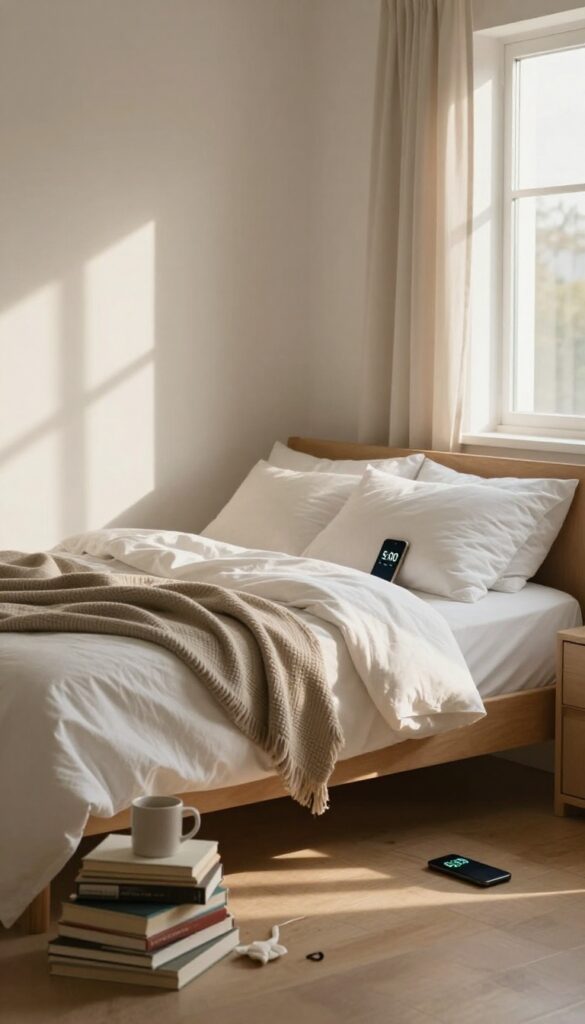
Five minutes feels like nothing—until you actually start cleaning. The trick is to commit to a tiny window of time, knowing you can stop as soon as the timer goes off. More often than not, you'll find yourself picking up just one more thing, and before you know it, you're halfway through the room.
The hardest part of cleaning is starting. A five-minute timer removes the pressure of having to finish everything. You're not promising to deep-clean your entire room; you're just agreeing to five minutes of action.
Once you begin, the momentum often carries you forward. And even if you stop right at the buzzer, you've still made progress—which is way better than doing nothing.
Why Five Minutes Works
Five minutes is short enough to feel doable, even on your laziest day. It bypasses the mental resistance that comes with big tasks. You can trick your brain into thinking, 'I'll just do this tiny thing, ' and then the satisfaction of seeing a small clean spot motivates you to keep going.
What To Do In Those Minutes
Focus on one small zone: a nightstand, a corner of the floor, or just making the bed. Pick up visible clutter, throw away trash, or straighten pillows. The goal isn't perfection—it's movement.
Once you see a clear surface, you'll likely want to clear the next one.
When The Timer Goes Off
You have full permission to stop. No guilt. But if you're on a roll, reset the timer for another five minutes.
Or just keep going without a timer—whatever feels right. The point is that you've already won by starting, and stopping early is still a victory.
2. Start with One Surface
You don't need to clean the whole room at once. That pressure is what stops most people before they even begin. Instead, pick just one flat surface—your desk, nightstand, or dresser top—and clear it completely.
That single visible win creates momentum that carries you through the rest of the room.
Why One Surface Works
Psychologically, a small win triggers a dopamine release that makes you want to keep going. It's the same reason making your bed can lead to a more productive day. By limiting your goal to one surface, you remove the overwhelm and give yourself a clear finish line.
How To Clear It Effectively
Grab a laundry basket or box and put everything that doesn't belong on that surface into it. Don't worry about where things go yet—just relocate the clutter. Then wipe down the surface so it shines.
The contrast between the clean spot and the rest of the room will motivate you to continue.
What To Do Next
Once that surface is done, take a moment to appreciate it. Then either tackle the next surface or sort through the items you removed. Often, clearing one area reveals that the rest isn't as bad as you thought.
3. Use the 'One In, One Out' Rule
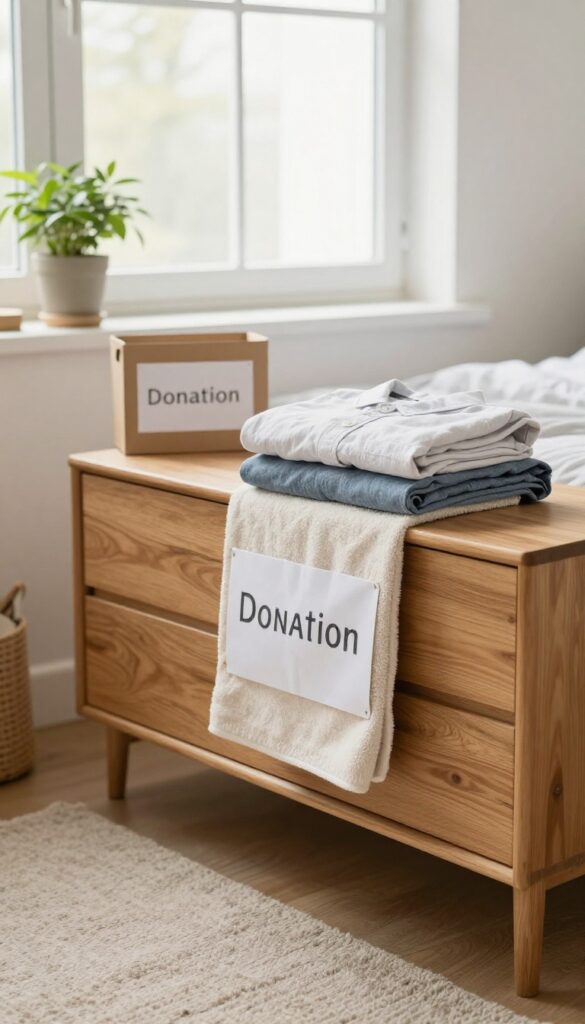
Clutter has a sneaky way of multiplying. You bring home a new shirt, a gadget, or a decorative item, and suddenly your space feels tighter. The 'one in, one out' rule stops that cycle cold.
Every time you add something new, you commit to removing something old. It's a simple trade that keeps your room from turning into a storage unit.
The beauty of this rule is that it forces you to make quick decisions. You don't have to agonize over every item—just pick one thing that's outlived its purpose and let it go. Over time, this habit prevents buildup and makes cleaning feel less like a purge and more like a natural rhythm.
It's not about minimalism for its own sake; it's about maintaining a space that feels manageable and intentional.
Start With The Easy Wins
Don't overthink your first swap. Pick something obvious—a worn-out towel, a duplicate kitchen tool, or a book you'll never read again. The goal is to build momentum, not to make perfect choices.
Once you've done it a few times, the rule starts feeling automatic.
Create A Donation Station
Set up a box or bag in a closet where you can drop items as soon as you decide to let them go. When the container is full, take it to a donation center or toss it. This keeps the process flowing and prevents second-guessing.
You'll be surprised how quickly the box fills up once you start looking.
Apply It To Everything
The rule works for clothes, books, kitchen gadgets, decor, and even digital files. For every new app you download, delete an old one. For every new pair of shoes, donate a pair you haven't worn in months.
Consistency is key—stick with it for a month, and it becomes a habit that keeps your space clean without extra effort.
4. Play an Upbeat Playlist
Music changes your energy. When you're dreading cleaning, a fast-paced song can shift your mood and get you moving. Think of it as your personal hype soundtrack for tidying up.
Curate a playlist with songs that have a strong beat and make you want to dance. Aim for tracks around 120-140 BPM—they naturally boost your pace. Start with a few favorites and let the rhythm carry you through each task.
Match The Tempo To The Task
Pair high-energy songs with active cleaning like vacuuming or scrubbing. Save slower, feel-good tunes for folding laundry or organizing shelves. This keeps your momentum steady without burning out.
Use Streaming Service Curated Lists
Spotify, Apple Music, and YouTube have pre-made cleaning playlists. Search for 'cleaning motivation' or 'upbeat workout' to find ready-to-go options. No need to build from scratch.
Keep It Fresh With New Additions
Update your playlist weekly with a couple of new songs. Familiar tracks are great, but novelty keeps your brain engaged. You'll look forward to cleaning just to hear what's new.
5. Invite a Friend to Clean Together
Cleaning alone can feel isolating, but turning it into a shared activity changes everything. Body doubling—where someone else’s presence helps you focus—works wonders for motivation. Call a friend and clean your respective rooms while on a video call or in person.
There’s something about having another person there that makes the task feel lighter. You’re not just scrubbing a counter; you’re hanging out. The conversation flows, and before you know it, the room looks better.
Plus, you can hold each other accountable—no quitting early when someone’s watching.
Set A Shared Timer
Agree on a 20-minute sprint. Both of you clean as fast as you can, then check in. The timer creates urgency, and knowing your friend is doing the same thing keeps you going.
When the timer rings, you can take a break or go for another round.
Make It A Competition
Who can fold laundry faster? Who can clear their desk first? A little friendly rivalry adds fun.
Loser buys coffee or picks the next playlist. The stakes are low, but the motivation is real.
Use Video Calls For Remote Body Doubling
If your friend lives far away, a video call works just as well. Prop your phone on a shelf so they can see your space. Chat while you work, or just leave the call on silent for virtual co-working.
Knowing someone is on the other end keeps you accountable.
6. Focus on One Category at a Time
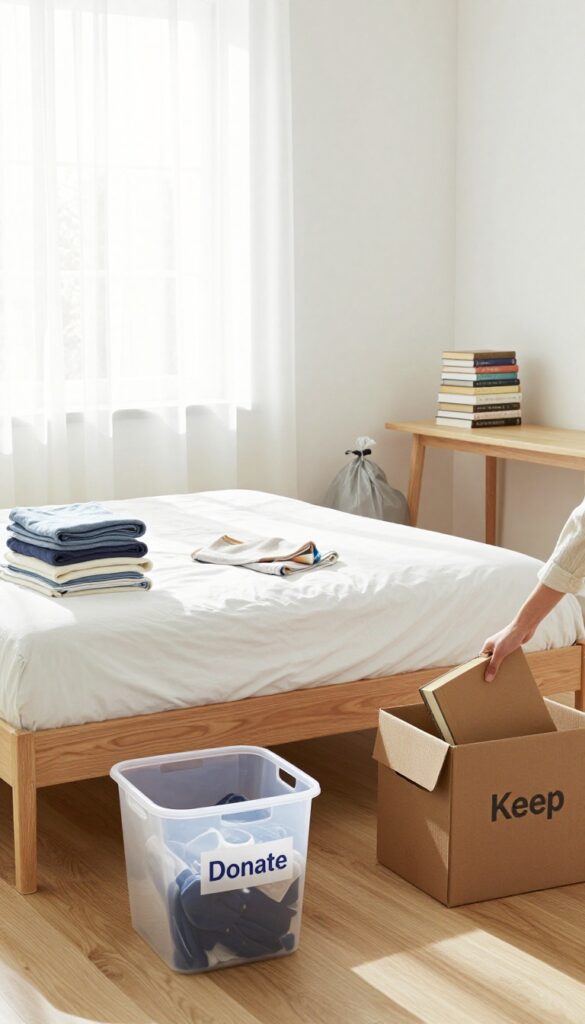
When your room looks like a tornado hit it, trying to clean everything at once can feel impossible. That's why narrowing your focus to just one type of item—like clothes, books, or trash—can be a game-changer. You're not cleaning the whole room; you're just clearing one category.
It's simple, manageable, and surprisingly effective.
By picking a single category, you reduce decision fatigue and create a clear goal. You don't have to think about where to start because the category chooses for you. Plus, seeing a visible pile of just one type of item shrink gives you a quick win that builds momentum.
Start With The Easiest Category
Begin with something that has an obvious home or is easy to sort—like trash or laundry. Walk around with a garbage bag and toss everything that belongs in the bin. No decisions, just action.
That immediate visual progress will motivate you to keep going.
Work Through One Category At A Time
Once you finish one category, move to the next. Maybe it's books next, then electronics, then clothes. Resist the urge to jump around.
Staying focused on one type keeps your brain from getting overwhelmed by all the different kinds of clutter.
Use Boxes Or Bins To Sort As You Go
As you collect items from a category, use separate boxes or bins for keep, donate, and trash. This prevents you from getting sidetracked. For example, if you're sorting clothes, have a bag for donations and a pile for laundry.
It keeps the process streamlined and efficient.
7. Take Before and After Photos
There's something undeniably satisfying about seeing how far you've come. When you're in the middle of cleaning, progress can feel invisible—you're still surrounded by clutter, and it's easy to get discouraged. But a simple before-and-after photo can flip that perspective entirely.
Snapping a quick photo before you start gives you a concrete reference point. Later, when you're tempted to quit early, looking at that messy image reminds you why you began. And when you finish?
The after shot becomes your trophy. It's proof that your effort paid off, and it can fuel your motivation for the next room or the next cleaning session.
Why Visual Proof Works
Our brains are wired to respond to visual changes. A photo captures details we might overlook in real time—like the dust bunnies under the bed or the pile of clothes on the chair. Seeing those gone in the after shot gives a dopamine hit that makes cleaning feel rewarding, not just tedious.
How To Take Useful Photos
You don't need a fancy camera. Use your phone and try to match the angle and lighting in both shots. Stand in the same spot, face the same direction, and use natural light if possible.
Consistency makes the contrast more striking and your progress more obvious.
Share Or Save For Later
Posting your before-and-after on social media can add a layer of accountability and celebration. But if you're private, just save them in a folder on your phone. On days when cleaning feels pointless, scroll through your gallery—those wins are real and they're yours.
8. Reward Yourself After Each Task

Cleaning can feel like a never-ending loop of effort with no payoff—unless you build in rewards. By promising yourself a small treat after finishing each section, you create a positive feedback loop that makes the next task easier to start. It's not about bribing yourself; it's about acknowledging your progress in a way that feels good.
The key is to choose rewards that are quick, guilt-free, and actually motivating. A 5-minute snack break, one episode of a show, or a few minutes of scrolling social media can work wonders. The reward should be small enough that you don't lose momentum but satisfying enough that you look forward to it.
Over time, this habit trains your brain to associate cleaning with pleasure rather than dread.
Pick Rewards That Fit The Moment
Not all rewards are created equal. If you're cleaning in the morning, a coffee or a piece of fruit might be perfect. In the evening, a short YouTube video or a stretch break could work better.
Match the reward to your energy level and the time of day so it feels natural, not forced.
Keep Rewards Short And Simple
The goal is to refresh, not to derail your cleaning session. Set a timer for 5 minutes if you're watching something or scrolling. This prevents the reward from turning into a full-blown break that kills your momentum.
Short rewards keep you in the zone.
Use Rewards To Build Momentum
Start with a small, easy task and reward yourself immediately. That first win creates a dopamine hit that makes the next task feel easier. As you progress, you can increase the reward size slightly for bigger tasks, like cleaning out a closet or organizing a desk.
9. Use a Decluttering Checklist
A blank room can feel like a blank page—overwhelming. A decluttering checklist breaks the job into bite-sized pieces, so you always know what to do next. Checking off items as you go turns cleaning into a game with visible progress.
Start by listing every zone in your room: closet, desk, nightstand, under the bed, and any shelves. Then break each zone into specific tasks like "sort top shelf" or "clear out old receipts. " The key is to make each checkbox small enough to finish in five minutes.
As you tick off boxes, you'll build momentum and see exactly how far you've come.
Start With A Brain Dump
Before you touch anything, sit down with a notebook or your phone and write down every area you want to declutter. Don't worry about order yet—just get it out of your head. This simple act reduces anxiety and gives you a clear roadmap.
Group Similar Tasks Together
Once you have your list, group tasks by type: all surface clearing, all drawer sorting, all floor zones. Working in batches keeps your brain in the same mode and prevents constant context switching. You'll move faster and feel less scattered.
Make It A Game With Timers
Set a timer for 10 minutes per checklist item. Race to finish each task before the bell rings. The time pressure stops you from overthinking and forces quick decisions.
Plus, beating the clock feels like a win every time.
10. Try the '10 Things' Method
Sometimes the hardest part of cleaning is simply deciding where to begin. The '10 Things' method removes that paralysis by giving you a tiny, achievable goal: pick up and put away just ten items. That's it.
No pressure to finish the whole room, no guilt if you stop after ten. But here's the kicker—once you start moving, you'll almost always grab a few more.
Why Ten Works
Ten is a small enough number that your brain doesn't fight it. It's not a full clean—it's just a quick win. You can scan the room, spot ten things out of place, and relocate them in under five minutes.
That tiny success builds momentum, and suddenly you're picking up a stray sock, then a water bottle, then a book. Before you know it, you've done twenty or thirty items.
How To Make It Stick
Set a timer for two minutes and see how many items you can put away. Or challenge yourself to find ten things that belong in another room. You can even turn it into a game: pick ten items, then reward yourself with a short break.
The key is to stop before you feel tired, so you associate cleaning with a quick, easy win rather than a draining chore.
When To Use This Trick
This method is perfect for those days when your room is a mess but your motivation is low. It's also great as a warm-up before a deeper clean. Use it when you're waiting for something—like coffee to brew or a video to load.
Ten items takes almost no time, and it keeps your space from spiraling out of control.
11. Set a Specific Goal for the Day
One reason cleaning feels impossible is that the task is too vague. 'Clean my room' sounds like a massive project, while 'clear the floor of clutter' is something you can actually do in 15 minutes. A concrete target gives your brain a clear finish line, making it easier to start and feel accomplished when you cross it.
Instead of a broad resolution, pick one small, measurable goal. Write it down or say it out loud. For example: 'I will put all dirty laundry in the hamper' or 'I will organize the top of my desk. ' This turns an abstract chore into a specific action you can check off.
Why Specificity Works
When you say 'clean my room, ' your brain sees an endless list of subtasks. A specific goal like 'dust the bookshelf' narrows your focus and reduces decision fatigue. You know exactly what to do, so you're more likely to start.
How To Choose Your Goal
Look around your room and pick the one thing that bothers you most—maybe the pile of clothes on the chair or the cluttered nightstand. Make that your goal. It doesn't have to be big; even a five-minute task counts.
Celebrate The Win
Once you finish that specific goal, take a moment to acknowledge it. This positive reinforcement builds momentum. You might even feel motivated to set another small goal, turning a single win into a productive session.
12. Watch a Cleaning Motivation Video
Sometimes all it takes is seeing someone else in the zone to get you moving. Watching a 'clean with me' video or a satisfying organization transformation can shift your mindset from 'I don't want to' to 'I can do that too. ' It's like having a virtual cleaning buddy who gets you started without judgment.
Find Your Style
Not all cleaning videos are the same. Some are fast-paced and dramatic, others are slow and meditative. Try a few to see what clicks.
If you're easily overwhelmed, look for videos with gentle narration and realistic timelines. If you need a kick, choose ones with upbeat music and time-lapses.
Watch And Do
Don't just sit and watch. Start cleaning alongside the video. Pause when needed, but keep the momentum.
The visual cues help you stay focused, and the timer in many videos keeps you moving. Before you know it, you've matched their progress.
Use It As A Timer
Many cleaning motivation videos are 10 to 30 minutes long. Pick one that matches the time you have, and commit to cleaning until it ends. This turns your task into a game against the clock.
When the video finishes, you can stop or keep going—but you've already started.
13. Create a Cleaning Routine
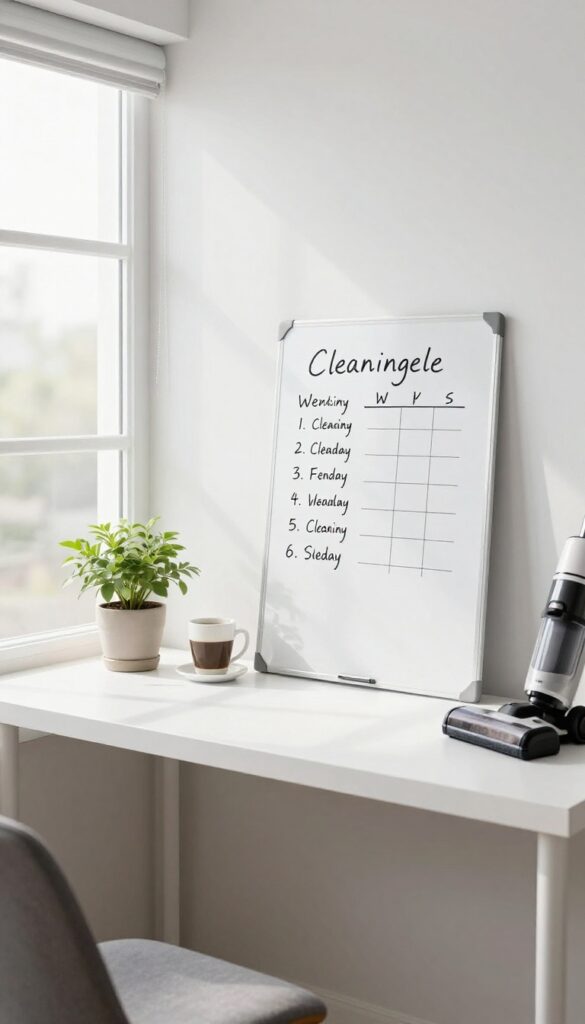
A cleaning routine takes the guesswork out of tidying up. Instead of staring at a messy room and wondering where to start, you already know what today's task is. Breaking cleaning into small, manageable chunks spread across the week prevents burnout and builds momentum.
Assigning small tasks to specific days (e. g. , Monday: dust, Wednesday: vacuum) reduces decision fatigue. You don't have to think about what needs to be done—just follow the plan. Over time, these mini-habits become automatic, and your room stays consistently clean without overwhelming effort.
Start Small And Specific
Pick just two or three tasks per week. For example, dust on Monday, vacuum on Wednesday, and wipe surfaces on Friday. Keep each task under 15 minutes so it feels doable.
As the routine sticks, you can add more days or tasks.
Use A Visual Schedule
Write your routine on a whiteboard or print a simple checklist. Hang it where you'll see it daily. Checking off completed tasks gives a sense of accomplishment and keeps you accountable.
Pair Cleaning With A Habit
Link each cleaning task to something you already do daily. For instance, vacuum while your morning coffee brews, or dust while listening to a podcast. The existing habit triggers the cleaning action, making it easier to remember.
14. Use a Timer for Each Zone
Cleaning an entire room at once can feel impossible. Breaking it into smaller chunks makes it manageable. A timer adds a game-like challenge that keeps you moving without getting stuck.
Divide your room into distinct zones—your bed, desk, closet, floor, and any other major areas. Set a timer for 10 minutes per zone and focus only on that spot until the alarm rings. When time's up, move to the next zone, even if you didn't finish.
This prevents perfectionism and builds momentum. You'll be surprised how much you can accomplish in short bursts.
Choose Your Zones Wisely
Think about the natural areas in your room. A typical split might be: bed area (make the bed, clear nightstand), desk zone (organize papers, wipe surface), floor zone (pick up items, vacuum), and closet zone (hang clothes, sort shoes). Adjust based on your room's layout and mess level.
Stick To The Time Limit
The magic is in the constraint. When you know you only have 10 minutes, you stop overthinking and start doing. If a zone needs more time, you can always come back later.
The goal is progress, not perfection.
Use A Visual Timer
A physical timer or a phone app with a countdown display helps you see time slipping away. This visual cue keeps you on track and adds a sense of urgency. Try the Pomodoro technique—25 minutes of cleaning followed by a 5-minute break—for longer sessions.
15. Light a Candle or Use a Diffuser
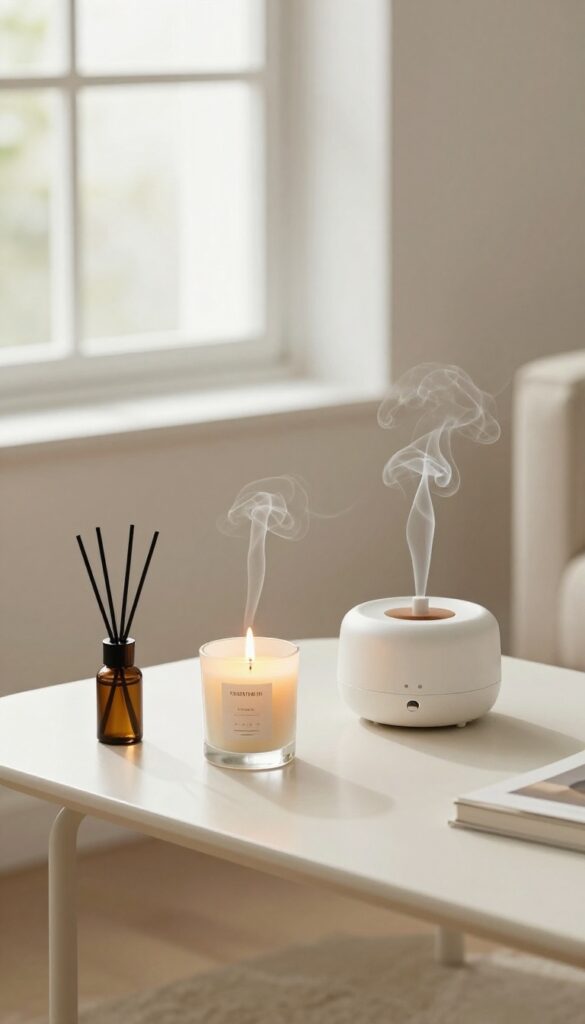
Scents have a powerful effect on your mood and energy levels. The right fragrance can shift your mindset from "I don't want to" to "let's get this done. " Lighting a candle or turning on a diffuser before you start cleaning adds a sensory boost that makes the whole experience more pleasant.
You don't need an expensive setup—a simple candle or essential oil diffuser works. Choose a scent that feels energizing rather than calming, especially if you're low on motivation.
A pleasant scent can make the process more enjoyable. Choose an energizing fragrance like citrus or mint to wake up your senses and keep you moving.
Why Scent Matters
Your sense of smell is directly linked to the brain's emotional and memory centers. A fresh, zesty aroma can trigger alertness and positivity, while lavender might make you want to nap. For cleaning, you want something that signals action, not relaxation.
Best Scents For Cleaning Energy
Citrus scents like lemon, orange, or grapefruit are classic for a reason—they smell clean and invigorating. Peppermint and eucalyptus are also great choices; they're sharp and refreshing. Avoid heavy, sweet scents that can feel cloying when you're moving around.
How To Use It
Set up your candle or diffuser in the room you're about to clean, or carry a small diffuser with you if you're tackling multiple spaces. Light the candle a few minutes before you start so the scent fills the room. If using essential oils, add a few drops to a diffuser or even onto a cotton ball placed near your workspace.
16. Donate or Trash as You Go
Clutter has a way of creeping back into spaces you just cleaned. The secret to keeping it away is deciding an item's fate the moment you pick it up. Grab two bags—one for donations, one for trash—and make sorting a reflex rather than a second thought.
Why Two Bags Work Better Than One
When you only have one bag, everything that isn't obviously trash tends to stay. You think, "I might use this someday, " and put it back. Having a dedicated donation bag forces you to make a real choice.
If you haven't used it in a year, it goes. The donation bag becomes your permission to let go.
Keep Bags Within Arm's Reach
Place your donation and trash bags right next to where you're sorting. If you have to walk to the other side of the room, you'll start piling things to deal with later—and later never comes. Position them so you can drop items in without breaking your rhythm.
Set A Timer For The Final Haul
Once your bags are full, don't let them sit in the corner for weeks. Set a 10-minute timer and take the trash out immediately. Put the donation bag in your car or by the front door.
The quicker you remove them, the less chance clutter has to sneak back in.
17. Follow the 'One-Minute Rule'
Some cleaning tasks feel so small they’re easy to ignore, but those tiny tasks pile up fast. The 'One-Minute Rule' flips that by making you act on anything that takes 60 seconds or less. It’s a simple mindset shift that stops clutter before it snowballs.
The rule is straightforward: if a task can be done in under a minute, do it immediately. No putting it off, no adding it to a list. This includes things like tossing an empty water bottle, hanging up a jacket, or wiping a smudge off the mirror.
Over a day, these micro-actions keep your room tidy without any big cleaning sessions.
Why It Works
The magic is in the momentum. Each small win builds a sense of accomplishment, making you more likely to keep going. Plus, it eliminates the mental load of remembering tiny chores—they’re done before you can forget.
Examples To Try Today
Make your bed as soon as you get up. Put dirty clothes in the hamper right when you change. Throw away junk mail the second you open it.
Wipe the bathroom counter after washing your hands. These take seconds but make a visible difference.
Tips To Stick With It
Start with just one area, like your desk or nightstand. Don’t overthink—if it’s under a minute, just do it. If you’re tempted to procrastinate, remind yourself that 60 seconds is nothing.
Soon it becomes a habit.
18. Use a Visual Timer App
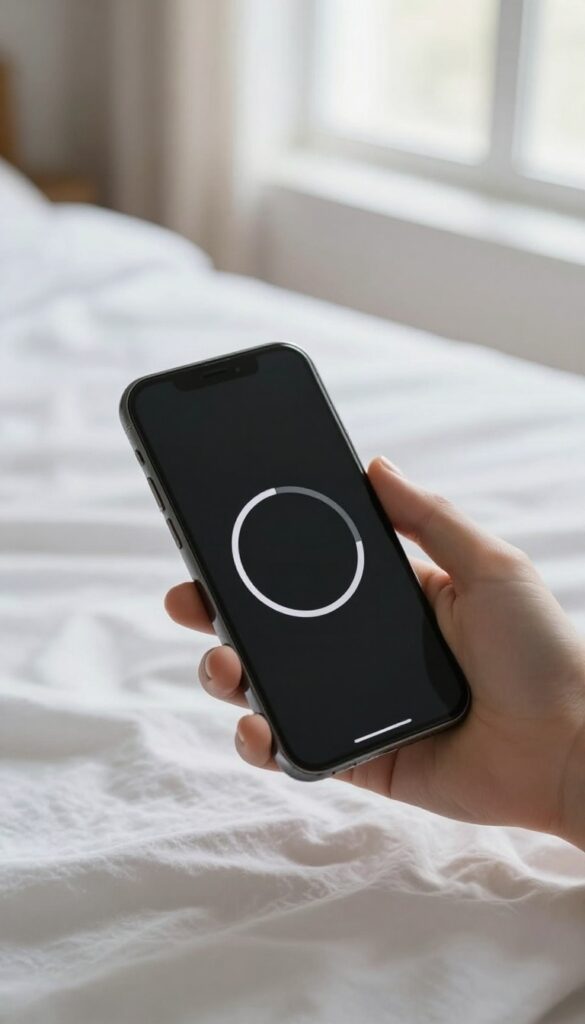
Staring at a messy room can make time feel like it’s standing still. A visual timer app changes that by turning cleaning into a short, timed challenge. Apps like Forest or Focus Keeper show a countdown that shrinks or grows, creating gentle pressure to keep moving until the timer runs out.
The psychological trick is simple: when you see time passing visually, your brain treats it as a game rather than a chore. You’re not “cleaning for an hour”—you’re “beating the timer. ” This small shift can make starting feel easier and finishing more satisfying. Set a reasonable duration (like 10 or 15 minutes) and commit to stopping when the timer goes off.
Often, you’ll keep going because you’re already in motion.
Pick The Right App
Forest lets you grow a virtual tree while you work—if you leave the app, the tree dies. Focus Keeper uses a simple circular countdown. Both are free and easy to use.
Choose one that feels motivating rather than stressful.
Start With A Short Session
Set the timer for just 5 or 10 minutes. Tell yourself you only have to clean until the timer ends. Often, the hardest part is the first few minutes.
Once you start, momentum builds naturally.
Use The Pomodoro Method
Work for 25 minutes, then take a 5-minute break. Repeat. This structure prevents burnout and keeps you focused.
Visual timers are perfect for tracking these intervals without constant clock-watching.
19. Listen to a Podcast or Audiobook
Your hands need to move, but your brain craves stimulation. Why not give it both? Pairing cleaning with a podcast or audiobook turns a boring task into time you actually look forward to.
Before you know it, you're scrubbing through an entire episode without once thinking about the dust bunnies.
Pick Something You Actually Want To Hear
The trick is choosing content that hooks you. A gripping true crime podcast, a lighthearted comedy, or that self-development audiobook you've been meaning to start. If you're excited to hear what happens next, you'll be motivated to keep cleaning just to listen a little longer.
Use Headphones For Full Immersion
Pop in some earbuds or noise-canceling headphones. It blocks out distractions and makes the audio feel more personal. Suddenly, your messy room fades into the background, and you're in your own little world—productive and entertained at the same time.
Set A Timer For One Episode
Commit to cleaning for the length of one podcast episode or one audiobook chapter. That's usually 20 to 45 minutes—a perfect cleaning sprint. When the episode ends, you can stop or keep going.
Often, you'll find yourself starting another.
20. Celebrate Small Wins
Cleaning a whole room can feel like climbing a mountain, but you don't have to reach the summit to feel accomplished. By breaking the task into smaller sections and acknowledging each one, you train your brain to associate cleaning with reward. This simple shift makes the process more enjoyable and sustainable.
Why Small Wins Work
Your brain releases dopamine when you achieve a goal, even a tiny one. Celebrating small wins—like finishing a corner or organizing a drawer—creates a positive feedback loop. You feel good, so you want to keep going.
How To Celebrate Without Distraction
Keep your celebration quick and cleaning-focused. Take a deep breath, stretch, or give yourself a mental high-five. Avoid hopping on your phone or sitting down, as that can break momentum.
A simple “I did that” is enough.
Build A Chain Of Wins
Turn each small win into a link in a chain. After you finish one section, immediately move to the next. The satisfaction of completing one area fuels the motivation for the next, and soon you've cleaned the whole room without feeling drained.
FAQ
How do I stay motivated to clean my room regularly?
Build a routine that includes small daily tasks, like making your bed and putting away clothes. Use a habit tracker or reward system to reinforce consistency.
What if I feel too overwhelmed to start cleaning?
Break the task into tiny steps—set a timer for 5 minutes or clean just one surface. Starting small reduces the mental barrier.
How can I make cleaning more enjoyable?
Pair cleaning with something you like, such as listening to music, a podcast, or an audiobook. You can also turn it into a game by timing yourself.
What is the best way to declutter a room quickly?
Focus on one category at a time (e. g. , clothes, books, trash) and use the 'one in, one out' rule. Have donation and trash bags ready to avoid second-guessing.
How often should I deep clean my room?
Aim for a deep clean every 1-3 months, depending on usage. Weekly maintenance (dusting, vacuuming, tidying) keeps it manageable between deep cleans.
Conclusion
Cleaning your room doesn't have to be a monumental task. By breaking it down into small, manageable ideas, you can find the motivation that works best for you—whether it's a timer, a playlist, or a reward. Start with just one idea from this list.
Once you experience the relief of a cleaner space, you'll likely find it easier to keep going. Your room is your sanctuary—give it the care it deserves, one small step at a time.