A clean room does more than look good—it changes how you feel the moment you walk in. Instead of dreading the mess, imagine stepping into a space that instantly relaxes you. That shift is possible with the right approach.
Most cleaning advice feels overwhelming because it tries to fix everything at once. But real progress comes from methods that match your lifestyle, not a one-size-fits-all plan. The key is finding techniques that stick.
These 17 methods range from five-minute resets to weekend overhauls. Some focus on habits, others on mindset. Pick what fits your current situation, and watch your room become the peaceful retreat you deserve.
1. The Five-Minute Frenzy
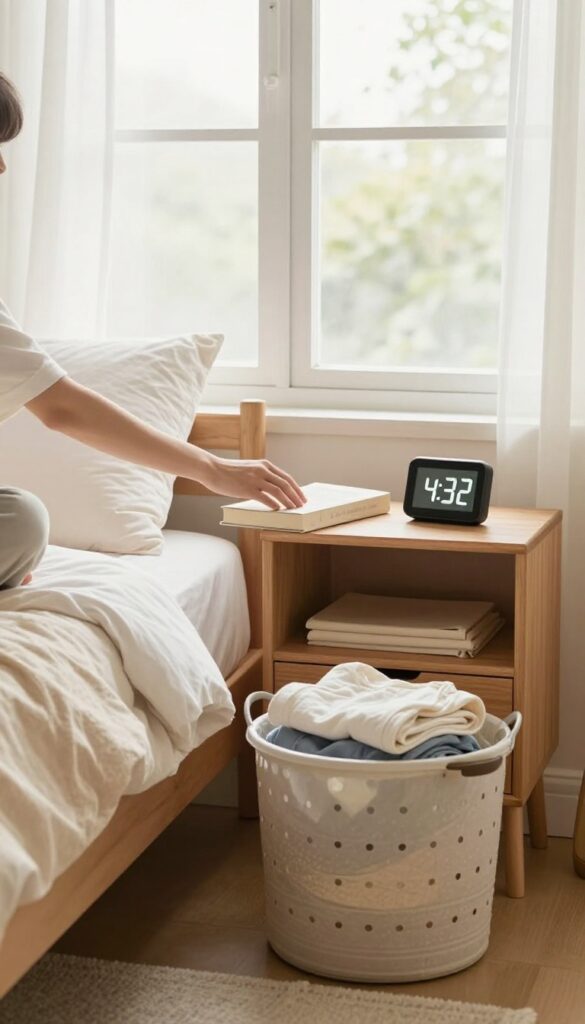
Sometimes the hardest part of cleaning is just getting started. The Five-Minute Frenzy removes that barrier by making the task feel like a game. Set a timer for five minutes and race to put away as many items as possible.
No overthinking, no planning—just pure action.
This low-pressure sprint builds momentum and often leads to longer cleaning sessions. Once you start moving, it's easier to keep going. Plus, you'll be amazed at how much you can accomplish in just five focused minutes.
Why It Works
The brain loves quick wins. A five-minute burst feels achievable, so you're less likely to procrastinate. The timer creates urgency, which silences your inner critic and keeps you moving.
How To Do It Right
Focus on high-visibility areas first: the bed, desk, or floor. Grab a laundry basket for items that belong elsewhere. Don't get sidetracked by deep cleaning—just pick up and put away.
Turning It Into A Habit
Try a Five-Minute Frenzy every morning before you leave the house. It keeps clutter from piling up and sets a tidy tone for the day. You can also use it as a reset before guests arrive.
2. The Declutter First Rule
You might be tempted to grab a spray bottle and start wiping, but that’s a trap. Cleaning around clutter just moves dust from one pile to another. The real shortcut is to remove everything that doesn’t belong before you clean.
That way, you’re not wasting energy on items that shouldn’t even be there.
When you clear surfaces first, you expose the actual dirt and grime. Dusting and wiping become faster because there are no obstacles. Plus, you get a mental boost from seeing empty space—it makes the cleaning feel more productive right from the start.
Why Cleaning Around Clutter Fails
Dust and grime settle on every surface, including the items cluttering your room. When you clean around them, you miss those hidden spots. The mess spreads back quickly because the clutter itself is often dirty.
Removing it first means you clean the actual room, not just the gaps between stuff.
The Five-minute Declutter
Set a timer for five minutes and grab a laundry basket. Walk through the room and toss in anything that doesn’t belong—empty water bottles, stray socks, mail, books. Don’t sort or organize yet.
Just collect. When the timer goes off, put the basket aside and start cleaning. You’ll be amazed at how much clearer the space looks.
The One-touch Rule For Surfaces
Once you’ve decluttered, commit to putting things back in their designated spots immediately. This keeps the clutter from returning. For example, after you wipe a table, don’t set random items on it.
If something needs to be there, put it away right after use. This habit alone can cut your cleaning time in half.
3. The Four-Box Method

Too many cleaning methods let you shuffle clutter from one surface to another without actually removing anything. The Four-Box Method stops that cycle by forcing a decision for every single item in your room. You’ll end up with a space that’s not just tidier but genuinely lighter.
Label four boxes or bins: Keep, Donate, Trash, and Relocate. Start in one corner and work your way around the room, handling each item once. The Keep box holds things you use and love.
Donate is for items in good condition that someone else could use. Trash is for broken, worn-out, or empty stuff. Relocate catches things that belong in another room—like that book you borrowed from the kitchen or the sweater that goes in the hall closet.
The rule is simple: every item must go into a box. No piling things on the bed or chair for later. Once you finish, immediately remove the Donate, Trash, and Relocate boxes from your room.
Only the Keep box stays, and you then find a proper home for each of those items.
Why The Four-box Method Works
Most clutter problems come from indecision. You hold up a shirt and think, “Maybe I’ll wear this someday. ” The Four-Box Method removes that hesitation by giving you only four clear choices. It also prevents the common mistake of moving clutter around instead of out.
By forcing you to physically place each item in a box, you commit to a decision. That final step—removing the non-Keep boxes—makes the change visible and permanent.
Tips For Faster Decisions
If you get stuck on an item, ask yourself: Have I used this in the past year? Does it still fit my life? Would I miss it if it were gone?
For sentimental items, take a photo and then let the physical object go. Set a timer for each zone—say, 15 minutes for a dresser—to keep momentum. And don’t overthink the Relocate box: it’s not a dumping ground.
Commit to returning those items to their correct rooms before you end your cleaning session.
What To Do After The Boxes Are Gone
Once you’ve removed the Donate, Trash, and Relocate boxes, you’re left with only what belongs in the room. Now give each Keep item a designated spot. Use drawer dividers, shelves, or small bins to create homes for categories like accessories, electronics, or paperwork.
The goal is that every item has a place, so future tidying takes minutes instead of hours. Celebrate the cleared surfaces and the new sense of calm—you’ve earned it.
4. The Top-to-Bottom Approach
Ever wiped a table only to see dust float down from a ceiling fan moments later? That frustration is exactly why the top-to-bottom method exists. It’s a simple rule: start high, end low.
By cleaning from the highest point in the room down to the floor, you avoid re-soiling areas you’ve already tackled.
This method works because gravity is always working against you. Dust, cobwebs, and debris naturally fall as you disturb them. If you clean the floor first, then dust a shelf, you’ll have to vacuum again.
The top-to-bottom approach saves time and effort by doing things in the right order.
Start With Ceilings And Fans
Grab an extendable duster or a microfiber cloth on a pole. Hit ceiling corners for cobwebs, then gently clean fan blades—both sides if you can. Use a pillowcase over the blade to trap dust.
This step prevents a cascade of grime onto your freshly cleaned surfaces below.
Work Down Through Shelves And Surfaces
Next, dust high shelves, picture frames, and light fixtures. Move to mid-level surfaces like desks, dressers, and nightstands. Use a microfiber cloth that traps dust instead of spreading it.
For knickknacks, dust them individually or wipe them in place. Don’t forget the tops of doors and baseboards.
Finish With Floors And Rugs
Once everything above is clean, vacuum or sweep the floor. Start in the farthest corner and work toward the door. Use attachments for edges and under furniture.
If you have rugs, shake them out or vacuum both sides. This final pass collects all the debris that fell during your earlier steps.
5. The One-Touch Rule
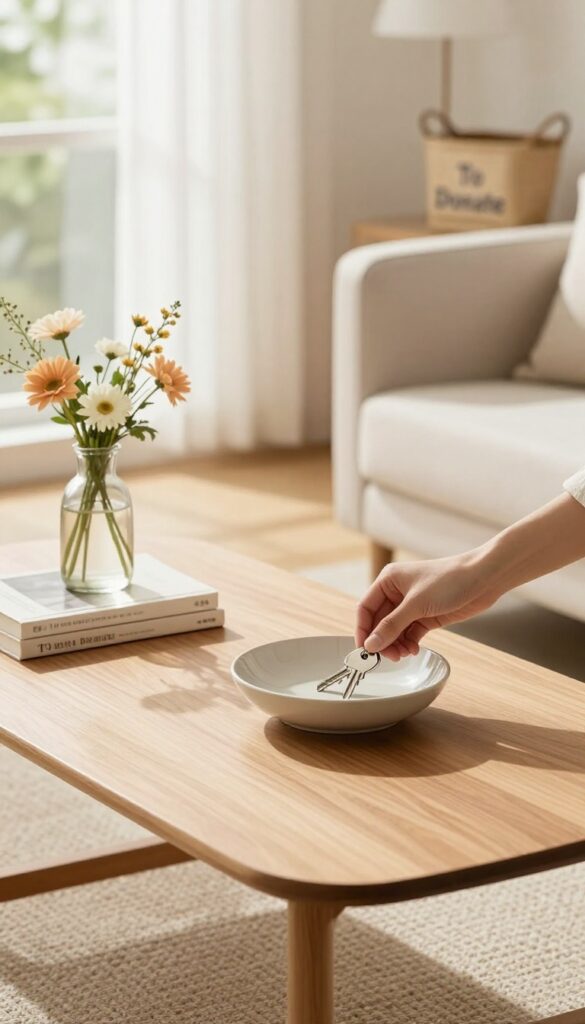
Clutter often builds because we set things down with good intentions—"I'll put that away later"—and later never comes. The one-touch rule eliminates that loophole entirely. When you pick something up, you commit to dealing with it right then: put it in its home, toss it, or place it in a designated holding spot.
No more temporary piles or "just for now" surfaces.
This rule turns every item into a quick decision. At first it feels strict, but it saves enormous time because you never have to re-sort or re-handle anything. The key is making it easy on yourself—keep trash bins accessible, have donation bags ready, and ensure everything has a logical home.
Over time, the habit becomes automatic, and your space stays tidy with minimal effort.
Start Small To Build Momentum
Don't try to apply the rule to your entire room at once. Pick one surface—your nightstand, desk, or kitchen counter—and commit to one-touch for everything you touch there for a week. Once that feels natural, expand to another area.
Small wins build confidence and make the rule stick.
Set Up Decision-friendly Zones
Make it easy to follow through by placing a small bin or basket in high-traffic areas. Label it "To Put Away" or "Donate" so you have a clear place for items that don't have an immediate home. This prevents the rule from feeling overwhelming and gives you a graceful way to handle mail, keys, or random gadgets without breaking the one-touch promise.
Train Your Brain To Stop Pausing
The hardest part is the split second when you're tempted to set something down. Catch yourself and consciously redirect. Say out loud, "I'll handle this now.
" After a few days, your brain rewires to skip the hesitation. You'll notice yourself automatically putting things away without thinking, and that's when the real peace sets in.
6. The Surface Sweep
Horizontal surfaces are the first thing your eyes land on when you walk into a room. Nightstands, dressers, desks, and windowsills often collect random items throughout the day. Clearing these surfaces instantly makes the room feel more organized and open, even if you haven't touched the floors or closets yet.
This method is about visual decluttering. By focusing only on flat surfaces, you create a sense of order that tricks the brain into thinking the whole room is cleaner. It's a quick win that requires minimal effort and delivers maximum impact.
Start With A Tray Or Basket
Place a small tray or basket on each surface to corral essentials like keys, remotes, or glasses. This keeps items from spreading out while still being accessible. The tray acts as a visual boundary, making the surface look intentional rather than cluttered.
The 90% Rule
Aim to keep at least 90% of each horizontal surface clear. Leave only one or two decorative or functional items, like a lamp or a small plant. This rule prevents surfaces from becoming dumping grounds and maintains that open, airy feel.
Daily 60-second Reset
At the end of each day, spend 60 seconds sweeping each surface. Return items to their designated spots, toss trash, and give a quick wipe if needed. This habit prevents buildup and keeps the room looking fresh with almost no effort.
7. The Laundry Loop
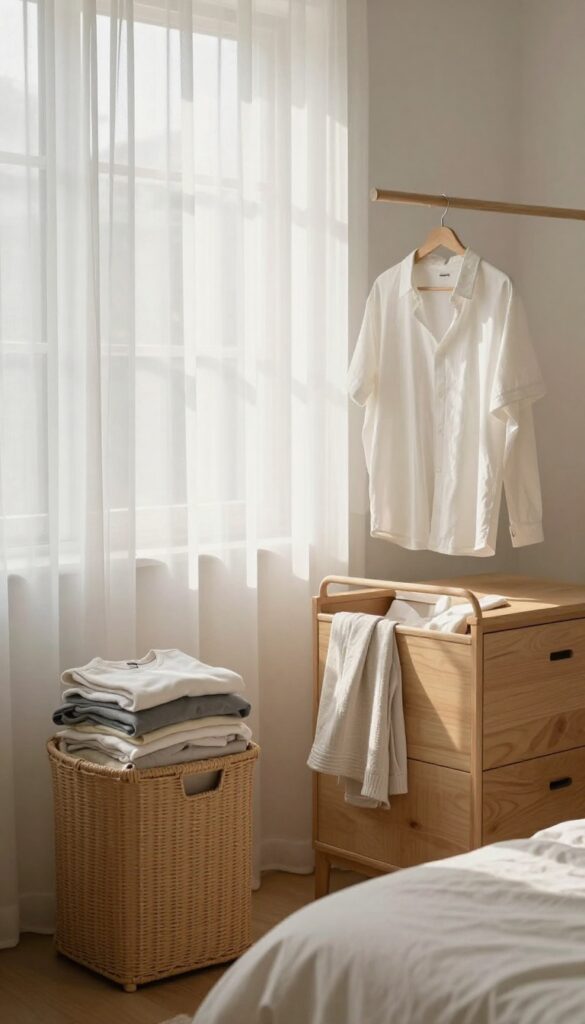
Laundry has a sneaky way of taking over a room. A shirt on the chair, a pair of jeans on the floor—soon the whole space feels messy. The fix is simpler than you think: build a closed loop that never lets clothes pile up.
The laundry loop works because it removes decision points. You don't have to think about where to put dirty clothes or when to fold clean ones. It becomes automatic.
Start with a hamper that's easy to reach—no lids that require lifting, no baskets tucked away in a closet. When you undress, the clothes go straight in. That's step one.
Step two happens after washing: fold or hang everything immediately. No leaving clothes in the dryer overnight or stacking them on a chair. The loop closes when each item goes back to its home.
If you have trouble keeping up, reduce your wardrobe. Fewer clothes mean less laundry and a faster loop. Over time, this habit eliminates the visual clutter that makes a room feel chaotic.
The Right Hamper Matters
A hamper that's inconvenient will be ignored. Choose one with an open top or a foot pedal so you can toss clothes in without using your hands. Place it where you actually undress, not in a far corner.
If you share a room, get separate hampers to avoid sorting later.
Fold Before You Forget
The moment clean laundry comes out of the dryer, it's ready to be handled. If you let it sit, it becomes a mountain you'll avoid. Set a timer for five minutes and fold everything right away.
Use that time to listen to a podcast or music—it makes the task painless.
One In, One Out
To keep the loop from overflowing, practice a one-in-one-out rule for clothes. When you buy a new shirt, donate an old one. This keeps your wardrobe manageable and your laundry volume under control.
Less laundry means less chance of piles forming.
8. The Ten-Item Toss
Clutter doesn't appear overnight—it sneaks in one item at a time. A coffee mug left on the desk, a magazine you meant to recycle, a shirt that no longer fits. Before you know it, surfaces are covered and drawers are stuffed.
The Ten-Item Toss stops that buildup by making decluttering a daily habit.
The rule is simple: each day, find ten items to throw away or donate. That's it. No sorting through entire closets, no agonizing over sentimental objects.
Just ten things. This small, consistent habit prevents clutter from accumulating and keeps your room manageable. Over a month, that's 300 items gone.
Over a year, over 3, 600. The key is consistency, not intensity.
Where To Start
Begin with obvious targets: expired coupons, pens that don't work, takeout menus you'll never use. Then move to duplicates—do you really need four phone chargers? Next, tackle surfaces like nightstands and dressers.
The goal isn't to deep-clean the entire room at once, just to find ten items anywhere.
Make It A Ritual
Anchor the Ten-Item Toss to an existing habit, like after your morning coffee or before bed. Keep a small donation bag in your closet so you can drop items in as you go. When the bag is full, take it to a donation center.
This turns decluttering from a chore into a routine that requires minimal willpower.
What To Do With Sentimental Items
Sentimental clutter is the hardest to part with. If an object doesn't spark joy or serve a purpose, take a photo of it and let it go. The memory remains, but the physical item no longer takes up space.
For items you're unsure about, put them in a box with a date six months from now. If you haven't opened the box by then, donate it unopened.
9. The Bed-First Rule

There's a reason why so many productivity experts and clean-freaks swear by making the bed first thing. It takes less than two minutes, but it instantly transforms your room from chaotic to calm. More importantly, it sets a psychological anchor for the rest of your day—once that bed is made, you've already won a small victory.
The Bed-First Rule is simple: as soon as your feet hit the floor, pull up the sheets, straighten the duvet, and fluff the pillows. That's it. No deep cleaning, no organizing—just a quick reset that makes your room look intentional.
And because it's the first task you complete, it builds momentum for whatever comes next, whether that's tackling a pile of laundry or just enjoying a clutter-free morning.
Why It Works
A made bed is the focal point of any bedroom. When it's tidy, the rest of the room automatically feels less messy. Psychologically, it gives you a sense of control and accomplishment before the day even starts.
Studies even suggest that people who make their bed are more likely to have better sleep habits and lower stress levels.
How To Make It Stick
The trick is to lower the bar. You don't need hospital corners or perfectly aligned throw pillows. Just smooth out the wrinkles and pull the comforter up.
If you're really short on time, at least straighten the top layer. The goal is consistency, not perfection. Set a rule: no coffee, no phone, no leaving the room until the bed is done.
When You Share A Bed
If you share your bed with a partner who gets up later, make your side first. You can always come back to smooth the whole thing once they're up. Alternatively, agree on a simple system—whoever gets up last makes the bed.
The key is to avoid leaving it undone because it's 'someone else's job. ' A made bed benefits both of you.
10. The Zone Clean
Dividing a messy room into smaller sections makes the task feel manageable. Instead of bouncing from one pile to another, you focus on one area at a time. This method reduces decision fatigue and builds momentum as each zone gets completely finished.
The Zone Clean works because it breaks a big job into bite-sized pieces. You pick a zone, clean it thoroughly, and then move on. No more half-done surfaces or shifting clutter from one spot to another.
Each zone becomes a small victory that keeps you motivated.
Pick Your Zones Wisely
Divide your room into four natural zones based on how you use the space. Common zones include the bed area, desk area, closet area, and floor. Adjust the zones to fit your room's layout—maybe a reading nook or a vanity area instead.
The goal is to create sections that make sense for your daily life.
One Zone At A Time
Start with the zone that bothers you most or is quickest to finish. Clear everything that doesn't belong there, dust, wipe surfaces, and organize what stays. Resist the urge to tidy another zone until this one is done.
When you finish, step back and enjoy the clean spot before moving on.
Why This Beats Multitasking
Trying to clean the whole room at once often leads to burnout and scattered piles. The Zone Clean gives you clear stopping points and a sense of progress. You can stop after one zone if you're short on time, and the room still looks noticeably better than before.
11. The Nightly Reset
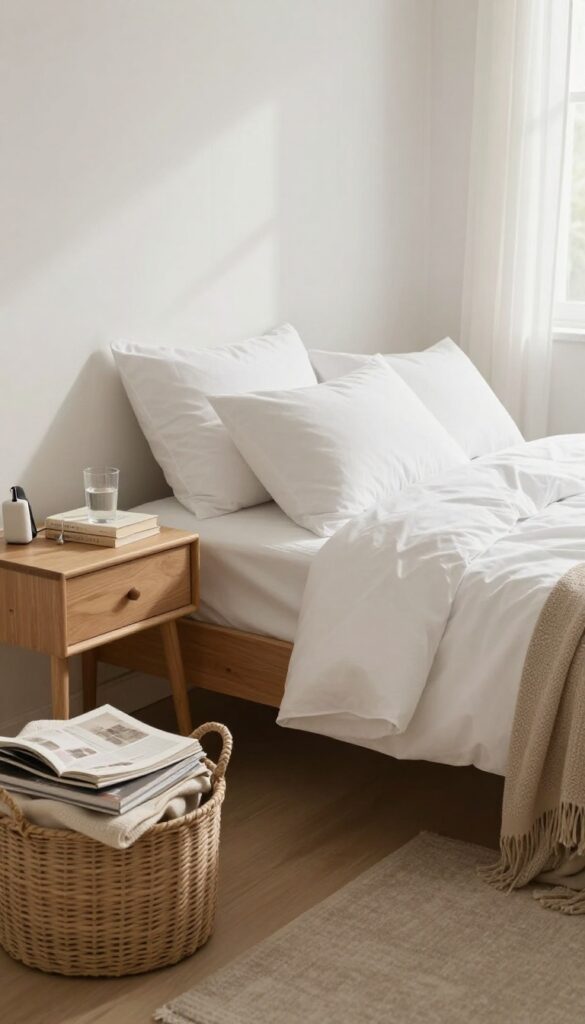
Mornings feel different when you walk into a room that already looks put together. Instead of tripping over shoes or shuffling papers off the bed, you can start your day with a clear head and a calm space. The Nightly Reset is a five-minute habit that makes this possible, and it doesn't require much effort—just a little consistency before you turn off the lights.
The Nightly Reset is about creating a small, repeatable routine that prevents clutter from piling up. It's not a deep clean; it's a quick sweep of the room to return things to their designated spots. This habit works because it tackles mess while it's still small, so you never wake up to chaos.
What To Focus On
Start with the items that are most out of place. Clothes on the chair, books on the nightstand, empty water glasses—these are the usual suspects. Grab a small basket or use your hands to gather anything that doesn't belong.
Then, take one minute to put each item back where it lives. The goal is progress, not perfection.
Make It A Ritual
Pair the reset with something you already do, like brushing your teeth or changing into pajamas. This linking makes the habit stick without extra mental effort. You can also set a timer for five minutes and treat it like a game—how much can you tidy before the alarm goes off?
The Payoff
Waking up to a tidy room reduces morning stress and sets a positive tone for the day. You'll also save time later because you won't have to hunt for keys or dig through piles. Over time, this small investment of five minutes each night keeps your space consistently peaceful.
12. The Deep Clean Weekend
Even the best weekly routines leave some corners untouched. That's where the deep clean weekend comes in—a monthly reset that tackles the jobs you keep putting off. It's not about scrubbing every inch; it's about giving your space the thorough refresh it deserves.
Set aside one weekend a month for tasks that don't make the daily or weekly cut. Wash curtains, wipe down baseboards, vacuum under furniture, and finally organize that junk drawer. Break it into manageable chunks so you don't burn out.
Plan Your Attack
Start by listing the neglected areas in your room. Maybe it's the dust on top of the wardrobe or the grime on light switches. Prioritize three to five tasks and gather your supplies beforehand.
A clear plan keeps you focused and efficient.
Work Top To Bottom
Always clean from the highest point down. Dust ceiling fans and shelves first, then move to furniture, and finish with floors. This way, debris falls onto surfaces you haven't cleaned yet, saving you from redoing work.
Don't Forget The Details
Deep cleaning is about the small stuff. Wipe down door handles, vacuum under couch cushions, and wash throw blankets. These details make the biggest difference in how fresh the room feels.
13. The Minimalist Purge
Sometimes the best cleaning method is owning less stuff. The Minimalist Purge isn't about deprivation—it's about freedom. When you question every item, you discover how much mental and physical energy goes into managing things you don't even want.
Start by going through each category: clothes, books, decor, kitchen items, and sentimental objects. For each piece, ask yourself honestly: Do I use it? Do I love it?
Does it serve a purpose? If the answer is no, thank it for its service and let it go. Fewer possessions mean less to clean, organize, and worry about.
The Three-question Rule
Before keeping anything, run it through three filters: utility, joy, and necessity. If an item fails all three, it's clutter. This simple framework prevents emotional hoarding and keeps your space lean.
One In, One Out Policy
Adopt a strict replacement rule. Every time you bring something new into your room, one similar item must leave. This keeps your belongings at a manageable level and forces mindful purchases.
The 20-minute Purge Session
Don't try to declutter your whole room in one go. Set a timer for 20 minutes and tackle one drawer, shelf, or corner. You'll be surprised how much you can clear in short, focused bursts without feeling overwhelmed.
14. The Scent Reset
You've scrubbed, dusted, and organized—but does your room actually smell clean? That's the final layer. A pleasant scent signals to your brain that the space is fresh and inviting.
Without it, even a spotless room can feel stale.
After cleaning, open windows for fresh air or use a natural room spray. A pleasant scent signals to your brain that the space is clean and inviting.
Why Scent Matters
Your sense of smell is directly linked to the brain's emotional centers. A clean scent like lemon or lavender can instantly make a room feel more peaceful. It's the difference between a sterile space and a welcoming one.
Natural Air Fresheners
Skip synthetic sprays. Try simmering cinnamon sticks and orange peels on the stove, or place a bowl of baking soda with a few drops of essential oil. Simple, effective, and chemical-free.
The Window Trick
Even five minutes of cross-ventilation can transform a room. Open two windows on opposite sides to create a breeze that flushes out dust and stagnant air. Do this after every deep clean.
15. The Mirror and Glass Trick
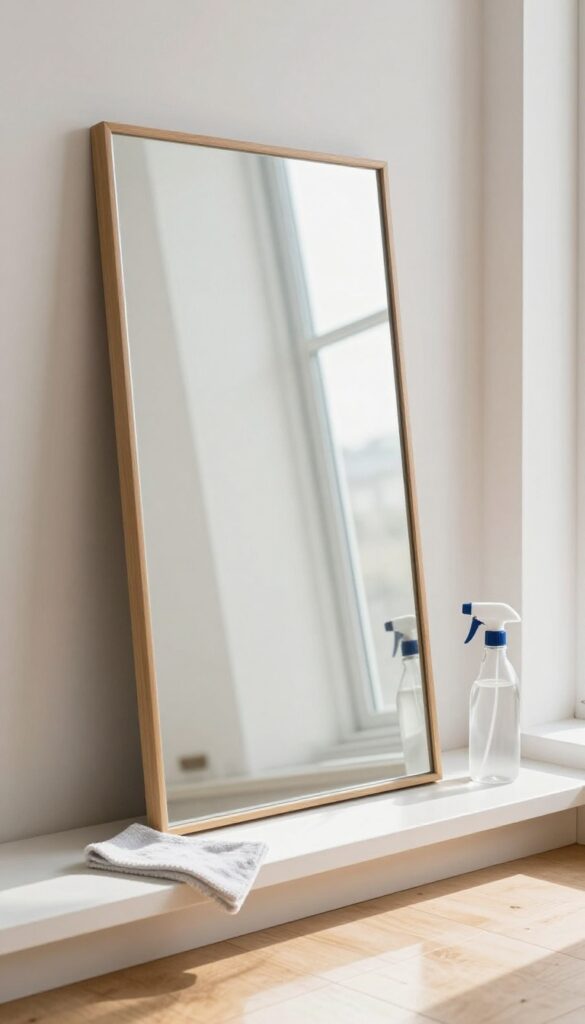
Mirrors and windows often get cleaned last—if they get cleaned at all. But they're the surfaces that catch your eye first when you walk into a room. A smudged mirror or streaky window can undo all the effort you put into tidying up.
The trick is to clean glass and mirrors as the final step in your cleaning routine. That way, dust or cleaning spray from other tasks won't land on them. Plus, sparkling glass instantly makes the whole room feel brighter and more open.
It's a small effort with a big payoff.
Why Save Glass For Last
If you clean mirrors first, dust from sweeping or wiping other surfaces will settle right back on them. By making glass the last thing you touch, you ensure it stays streak-free until you're done. It also gives you a final chance to spot any missed spots on other surfaces.
The Streak-free Method
Forget paper towels—they leave lint. Use a microfiber cloth or a squeegee instead. Spray a small amount of glass cleaner onto the cloth, not directly onto the surface, to avoid drips.
Wipe in an S-pattern or from top to bottom to prevent streaks.
Let The Light Work For You
Once your mirrors and windows are clean, natural light bounces around the room more effectively. This makes the space feel larger, airier, and more peaceful. It's a simple visual trick that costs nothing but a few minutes of your time.
16. The Storage Audit
Storage solutions are supposed to make life easier, but over time they can become part of the problem. That overflowing bin or jammed drawer isn't helping anyone. A storage audit is simply a regular check-in to see if your systems are still working for you.
Every few months, take 15 minutes to open every drawer, bin, and cabinet in the room. Ask yourself: Is this easy to use? Does everything have a home?
If you're shoving things in or struggling to close a drawer, it's time to declutter or reorganize. Good storage prevents mess before it starts.
When To Audit
Set a reminder every three months. Seasonal changes are a natural trigger—when swapping winter clothes for summer gear, audit your storage. Also, if you notice clutter creeping back, that's your cue.
What To Look For
Check for bins that are too full, drawers that stick, and shelves that are stacked haphazardly. If you can't find something within 10 seconds, the system needs tweaking. Also look for expired or unused items taking up space.
Quick Fixes
Often a small adjustment makes a big difference. Add drawer dividers, label bins, or swap bulky containers for slimmer ones. If one category (like socks or cables) always overflows, give it a dedicated container.
17. The Maintenance Mindset
The biggest secret to a clean room isn't a better mop or a stronger cleaner—it's how you think about cleaning itself. When you see tidying as a one-time event, you set yourself up for cycles of chaos and catch-up. But when you shift to a maintenance mindset, you stop fighting messes and start preventing them.
This small mental flip turns your room into a space that stays peaceful without constant effort.
Adopting a maintenance mindset means treating your room like a living space that needs regular, gentle care rather than occasional deep cleans. It's the difference between letting dishes pile up for three days and rinsing your coffee cup right after use. The goal isn't perfection—it's consistency.
Small daily habits, like making your bed or putting away clothes immediately, create a ripple effect. They keep surfaces clear, reduce visual clutter, and make your room feel calm without requiring a full weekend scrub. Over time, these micro-actions become automatic, and you'll notice that deep cleaning sessions become rare because there's never a big mess to tackle.
Start With One Micro-habit
Pick a single action that takes less than two minutes and do it every day. Maybe it's fluffing your pillows, wiping the bathroom sink, or hanging up your coat. The key is to choose something so easy you can't say no.
Once that habit sticks, add another. This gradual approach rewires your brain to see cleaning as a natural part of your day, not a dreaded task.
Use The "one Touch" Rule
Whenever you pick something up, decide immediately where it belongs—and put it there. Don't set it down to deal with later. This rule eliminates the clutter that accumulates from temporary holding spots.
It works for mail, clothes, books, and pretty much anything else. You'll be amazed how much cleaner your room stays when you stop making decisions twice.
Schedule A Daily Reset
Set aside five to ten minutes each evening to restore order. Walk through your room with a small basket, collecting anything out of place. Return items to their homes, straighten cushions, and give surfaces a quick wipe.
This reset acts like a bookmark for your space, so you wake up to a fresh start every morning. It's the single most effective way to maintain peace without extra effort.
FAQ
How often should I deep clean my room?
Aim for a deep clean once a month. This includes tasks like washing bedding, vacuuming under furniture, and wiping down baseboards. Weekly maintenance keeps it fresh between deep cleans.
What's the fastest way to make my room look clean?
Make your bed, clear all surfaces, and pick up any clutter from the floor. These three steps take under ten minutes and instantly transform the room's appearance.
How do I stay motivated to clean regularly?
Start with the Five-Minute Frenzy or the Nightly Reset. Small wins build momentum. Also, play music or a podcast to make cleaning feel less like a chore.
Should I clean my room all at once or in sections?
It depends on your personality. If you get overwhelmed easily, use the Zone Clean method. If you prefer powering through, the Top-to-Bottom approach works well.
What's the best way to keep my room clutter-free long-term?
Adopt the One-Touch Rule and do a Ten-Item Toss daily. Regularly evaluate what you own and let go of things you no longer need. Consistency is key.
Conclusion
A tidy room isn't just about appearances—it's about creating a space that helps you breathe easier and focus better. Start with just one or two methods from this list and build momentum from there. You don't need to tackle everything at once.
Small, consistent efforts add up to a home that feels calm and under control. Pick what resonates, take the first step, and let the peace follow naturally.