You walk into your room after a long day, and instead of relaxing, you feel overwhelmed by the mess. Clothes on the chair, papers on the desk, and dust on every surface. It doesn't have to be this way.
A clean room isn't just about appearances—it directly affects your mental clarity and stress levels. With a few intentional habits and smart strategies, you can transform any room into a calm, clutter-free sanctuary.
These 15 ideas are designed to be practical, not overwhelming. Pick one or two to start, and build from there.
1. Start with a 10-Minute Tidy
A quick reset can work wonders when your room starts to feel chaotic. Instead of letting mess pile up, spend just ten minutes each day putting things back where they belong. This small habit prevents clutter from taking over and makes deeper cleaning sessions much less daunting.
Setting a timer creates a sense of urgency and keeps you focused. Grab a laundry basket or a tote bag to collect items that belong in other rooms, and quickly return them. Then, tackle surfaces like your desk, nightstand, and dresser.
The goal isn't perfection—it's about reducing visual noise so you can breathe easier.
Why 10 Minutes Works
Short bursts of effort are easier to commit to than hours-long cleaning marathons. Ten minutes is short enough to fit into any schedule, yet long enough to make a visible difference. Over time, this daily practice trains your brain to maintain order without feeling overwhelmed.
What To Focus On
Prioritize high-traffic zones like your bed, desk, and floor. Make the bed, clear off surfaces, and pick up any clothes or trash. Leave deep cleaning for another day.
The key is consistency—doing a little every day keeps the room from sliding back into chaos.
Make It A Ritual
Pair your tidy session with something enjoyable, like listening to a podcast or your favorite playlist. This turns a chore into a pleasant habit. Over time, you'll naturally start tidying without the timer, because the calm result feels so good.
2. Adopt the One-In-One-Out Rule
Clutter has a sneaky way of piling up, especially when we bring new things home without letting go of old ones. The one-in-one-out rule is a simple commitment that stops that cycle before it starts. Every time something new enters your room, something else has to leave.
It keeps your space balanced and your belongings intentional.
This rule works because it forces you to think before you acquire. That cute throw pillow? You'll need to donate an old one.
A new book? Pick one you've already read to pass along. Over time, this habit trains you to only keep what you truly use or love.
It also makes shopping more mindful—you'll pause before impulse buys, knowing something has to go. The result is a room that stays at a manageable volume, never overflowing.
Make It A Ritual
Tie the rule to a regular habit. For example, every time you change your bedsheets, scan the room for one item to donate or toss. Or pair it with laundry day—when you put away clean clothes, check your closet for something to let go.
Soon it becomes automatic.
Apply It To Every Category
Don't limit the rule to just clothes. Use it for books, decor, electronics, and even toiletries. If you buy a new candle, burn and finish an old one first.
If you get a new phone case, recycle the old one. This keeps every corner of your room from becoming a dumping ground.
Handle Sentimental Items Gently
Letting go of sentimental things is hard. For those, take a photo before parting—it preserves the memory without the clutter. Or set a limit: keep only a small box of meaningful items, and for every new sentimental piece you add, remove an old one from the box.
3. Clear Surfaces First
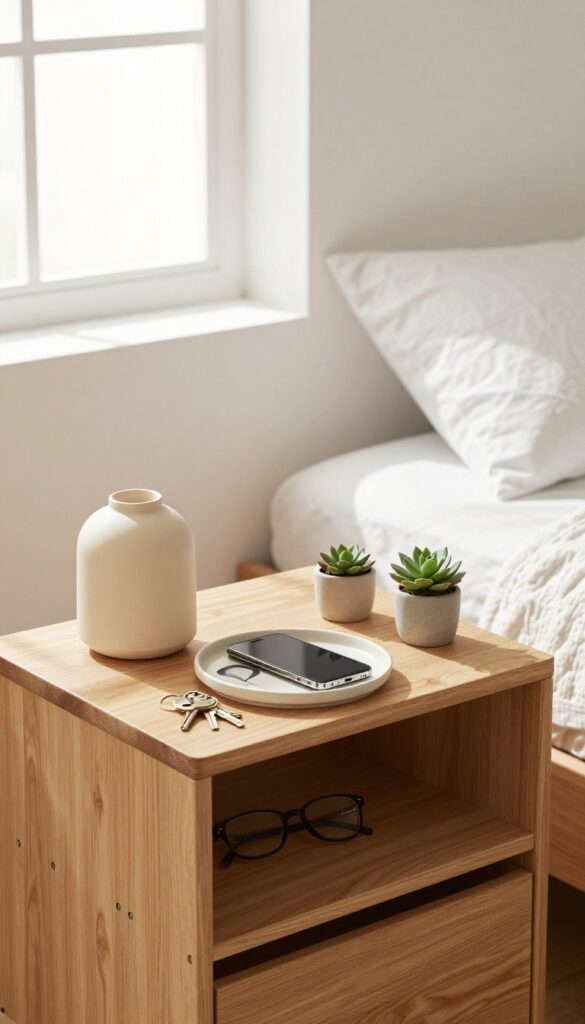
Flat surfaces are magnets for clutter. A single table or nightstand can quickly collect mail, books, and random items you set down without thinking. Clearing these surfaces makes the biggest visual difference in the shortest time.
The 90% Rule
Aim to keep at least 90% of any horizontal surface bare. That means only a lamp, a plant, or a small tray for daily essentials. If something doesn't have a designated spot, it shouldn't sit on a table or counter.
Trays And Bins For Daily Essentials
Use a shallow tray or a small bin to corral items you use every day—like your phone, glasses, keys, or a book. This keeps them accessible but contained, preventing them from spreading across the whole surface.
Make It A Daily Habit
Spend two minutes each evening returning stray items to their homes. That water glass goes to the kitchen, that sweater goes back in the closet. This small reset keeps surfaces clear without a big weekly cleanup.
4. Use Vertical Storage
When floor space is limited, the walls become your best friend. Vertical storage takes advantage of unused wall area, keeping your belongings organized without eating into your walking space. It's a simple shift in perspective that can make a small room feel much larger.
Shelving That Works
Floating shelves are a classic choice. They hold books, decor, or everyday items without taking up floor space. Install them above desks, beds, or doors.
For heavier items, use reinforced brackets. Adjustable shelving units let you customize heights for different objects.
Hooks And Racks
Hooks are perfect for coats, bags, hats, and accessories. Place them near the entrance or behind doors. A wall-mounted rack can hold jewelry, scarves, or even cleaning tools.
Over-the-door hooks are a renter-friendly option that requires no drilling.
Wall-mounted Organizers
Pegboards are incredibly versatile. Use them in a home office for supplies, in a kitchen for utensils, or in a craft room for tools. Magnetic strips work well for metal items like scissors or knives.
Tiered baskets or bins can corral smaller items while keeping them visible.
5. Create a Designated Spot for Everything
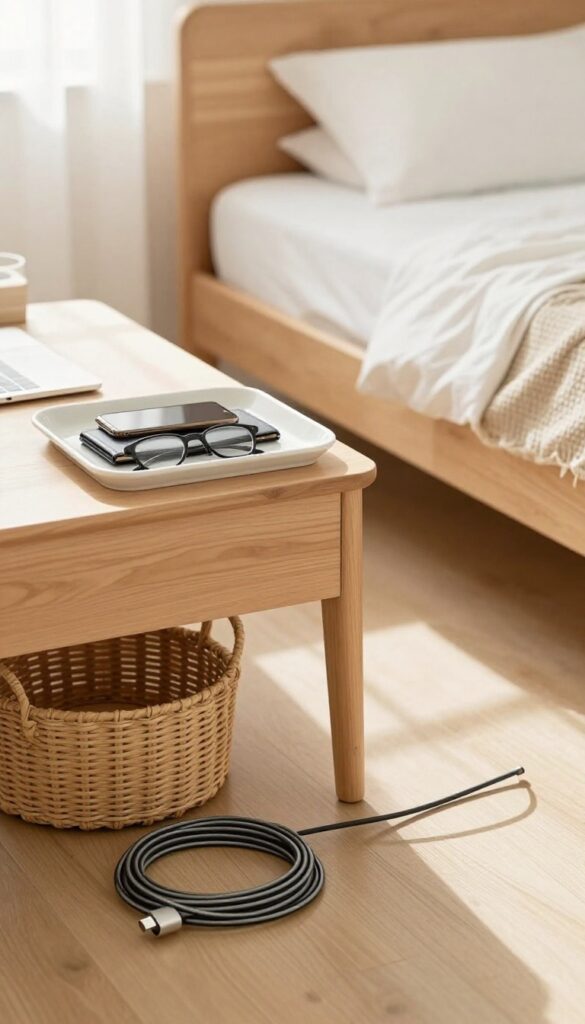
Ever waste ten minutes hunting for your keys or a charger? That frustration is a symptom of a room where items don't have a consistent home. When you assign a specific place for every single thing, your brain no longer has to decide where to put things away—it just happens automatically.
This simple system turns a chaotic space into one that practically cleans itself.
Start With The High-traffic Offenders
Think about the items you use daily: phone, wallet, glasses, headphones. These are the things that end up on nightstands, desks, or the floor. Give each one a dedicated spot—a small tray on your dresser, a hook by the door, or a drawer organizer.
Once you build the habit of returning them there, you'll never waste time searching again.
Group Like With Like
Keep similar items together. All charging cables go in one box, all skincare products in one caddy, all books on one shelf. When you group things logically, it's easier to remember where they belong.
It also prevents the dreaded 'miscellaneous drawer' that becomes a black hole of clutter.
Label It Or Lose It
Labels aren't just for pantries—they work wonders in a bedroom too. Use a label maker or simple chalk labels on bins, baskets, and shelves. When you see a label, you're reminded of the rule.
Plus, it makes it easy for anyone else in the house to help keep the room tidy.
6. Declutter by Category, Not by Room
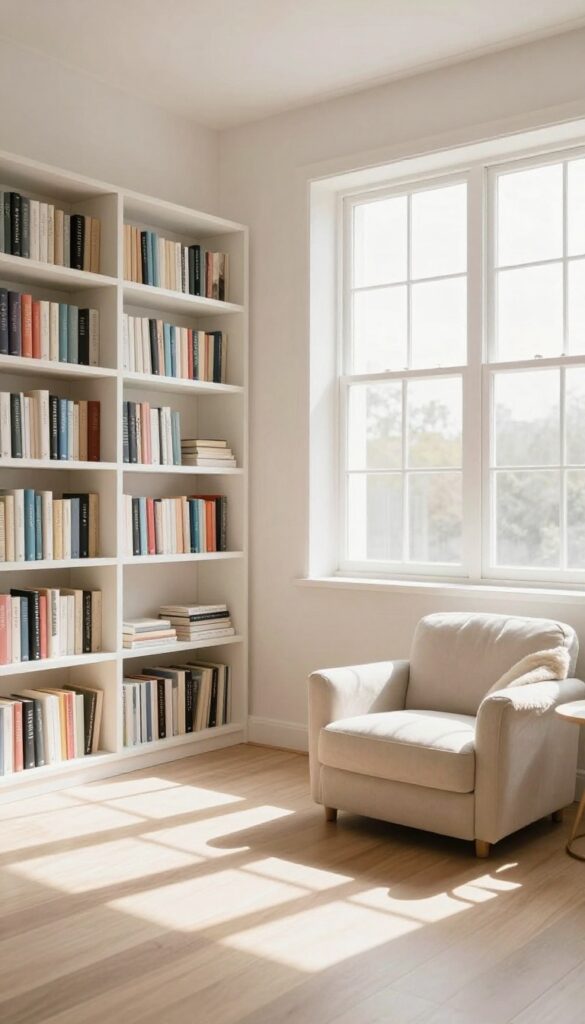
Most people declutter room by room, but that often leads to moving clutter from one space to another. A more effective approach is to tackle one category of items across your entire home. This method helps you see the full extent of what you own, making it easier to spot duplicates and keep only what you truly need.
Decluttering by category means gathering all items of a similar type—like clothes, books, or kitchen gadgets—from every room before deciding what to keep. This prevents the common mistake of reorganizing clutter instead of removing it. You'll be surprised how many duplicate spatulas or half-read books you've accumulated.
Start With The Easiest Category
Begin with something straightforward, like books or movies. Collect every book from your shelves, nightstands, and even the bathroom. Sort them into keep, donate, or discard piles.
You'll quickly see which ones you'll never read again and which ones are worth keeping.
Tackle Sentimental Items Later
Categories like photos, keepsakes, or childhood mementos are emotionally charged. Save those for last. Start with low-stakes items like office supplies or kitchen tools.
This builds momentum and decision-making skills before you face harder choices.
Use The Container Concept
Before you start, decide how much space you're willing to give a category. For example, limit your t-shirts to one drawer or your mugs to one shelf. Once that container is full, you must let something go to bring something new in.
This prevents future clutter from creeping back.
7. Embrace the Power of Baskets and Bins
Baskets and bins might seem simple, but they're one of the most effective tools for instant clutter control. They work because they give every loose item a designated home, while adding visual warmth and texture to your space. The key is choosing the right size and style for each area.
Corral The Chaos On Shelves
Open shelving looks great in theory, but in practice it can quickly become a jumble of random items. Use woven baskets or fabric bins to group similar things together—like extra linens, craft supplies, or electronics accessories. This keeps shelves looking intentional and tidy without requiring constant straightening.
Hide Unsightly Essentials
Some items are necessary but not pretty. Think remote controls, charging cables, or spare toiletries. Place a stylish bin on your nightstand or dresser to stash these everyday essentials.
You'll still have them within reach, but they won't be cluttering your surfaces.
Use Baskets For Laundry And Beyond
A large, attractive laundry basket can double as a catch-all for blankets, pillows, or out-of-season clothes. Position one in a corner and it becomes both functional and decorative. For smaller spaces, try a slim bin under the bed or inside a closet to store items you don't use daily.
Create A Drop Zone By The Door
Place a basket near your bedroom door for items you grab on the way out—like keys, sunglasses, or a reusable bag. This simple habit prevents those small essentials from scattering around the room. Bonus: you'll never waste time searching for them again.
8. Make Your Bed Every Morning

It’s the smallest task on your to-do list, yet it has an outsized impact. Making your bed each morning instantly transforms a rumpled sleeping space into a tidy, intentional room. That one smooth blanket and set of aligned pillows signals that order exists here.
It takes less than two minutes, but the psychological payoff lasts all day.
Beyond the visual lift, making your bed creates a domino effect. You’re more likely to keep the nightstand clear, fluff the pillows, and maybe even fold that throw blanket. It’s a low‑stakes win that builds momentum for bigger cleaning tasks.
And when you walk back into your room later, you get a small hit of calm instead of a sigh of defeat.
The Two‑minute Rule
Set a timer if you need to. Pull up the sheets, smooth the duvet, and arrange the pillows. That’s it.
No hospital corners required. The goal is a neat appearance, not perfection. Once it becomes a habit, you’ll do it automatically before your coffee finishes brewing.
Why It Works For Your Brain
A made bed signals that the room is cared for. Your brain interprets that as safety and order, lowering cortisol and making it easier to relax later. It also reduces the visual noise that can trigger procrastination.
You’re essentially giving your mind a clean slate without any extra effort.
How To Make It Stick
Pair it with an existing habit, like brushing your teeth. Keep your bedding simple—fewer layers mean less fuss. If you share a bed, agree on a quick system so neither person feels burdened.
Within a week, it will feel weird not to do it.
9. Implement a No-Clutter Zone
Sometimes the best way to fight clutter is to create a sacred space where it simply isn't allowed. A no-clutter zone is a designated area—maybe your bed, a side table, or a specific chair—where nothing can be placed unless it truly belongs there. This small boundary trains your brain to think twice before dumping random items.
Choose The Right Spot
Pick a surface you use daily and see often. A bed is a great choice because you have to clear it every night before sleeping. A desk corner or a small entry table also works.
The key is visibility—if it's out of sight, it's easier to ignore.
Set Clear Rules
Decide what counts as 'belonging. ' For a bed, only pillows, blankets, and maybe a book you're currently reading. For a table, maybe just a lamp and a coaster. Everything else must be removed immediately.
No exceptions.
Make It A Habit
Spend 30 seconds each evening resetting the zone. Over time, this tiny ritual reinforces the habit and keeps the rest of the room tidier by extension. You'll start noticing when other areas need the same treatment.
10. Use Under-Bed Storage Wisely
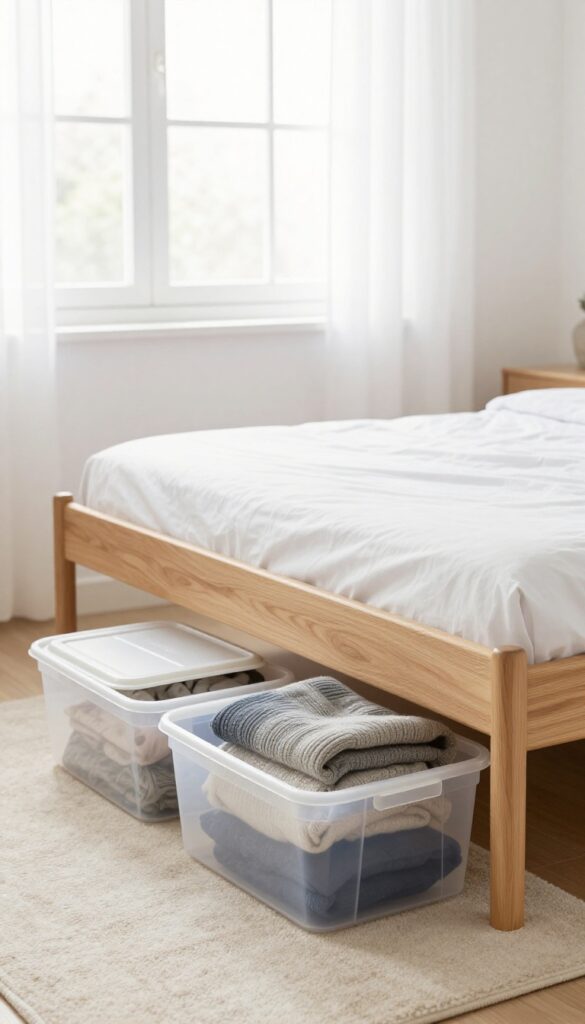
The space under your bed is prime real estate for stashing items you don't need every day. When used properly, it can hold a surprising amount without making the room feel cramped or cluttered. The trick is to choose flat, low-profile bins that slide easily in and out, and to reserve this area for items you only access seasonally or occasionally.
Under-bed storage is a game-changer for small bedrooms or anyone who wants to keep floors clear. By corralling off-season clothes, extra bedding, or rarely used shoes, you free up closet and dresser space for daily essentials. The key is to keep bins organized and labeled so you can find what you need without pulling everything out.
Choose The Right Bins
Not all storage bins are created equal. Look for shallow, rectangular containers with lids that fit snugly under your bed frame. Clear bins let you see contents at a glance, while opaque ones hide clutter better.
Measure the height clearance first—most bins are 6 to 8 inches tall, but some bed frames allow taller options.
Categorize And Label
Group similar items together: one bin for winter sweaters, another for extra sheets and pillowcases, a third for out-of-season shoes. Use adhesive labels or a marker on masking tape so you know exactly what's inside. This prevents the under-bed zone from becoming a black hole where things go to disappear.
Rotate Seasonally
Twice a year, swap the bins under your bed with what's in your closet. When summer ends, store shorts and tank tops under the bed and bring out sweaters. This keeps your daily wardrobe accessible and your under-bed storage working efficiently.
It also gives you a chance to purge items you no longer wear.
11. Digitize Paper Clutter
Paper piles are one of the sneakiest sources of visual chaos. Receipts, old bills, and random notes can stack up fast, making your desk or counter feel heavy. The fix is simpler than you think: go digital and reclaim your surfaces.
Scanning might sound tedious, but it's a one-time effort that pays off every day. Once documents are digital, you can search them instantly and never worry about losing a paper again. Start small—just one drawer or stack at a time.
Choose Your Scanning Method
A dedicated document scanner is fastest, but your phone works perfectly. Apps like Adobe Scan or Google Drive can turn photos into clean PDFs. For bulk jobs, a scanner app with batch mode saves time.
Organize With Digital Folders
Create a simple folder system on your computer or cloud drive: one for receipts, one for manuals, one for important documents. Name files clearly (e. g. , "2025-03-15_ElectricBill") so you can find anything in seconds.
Set Up A Routine To Stay Paper-free
Make digitizing a habit: when a new paper comes in, scan and recycle it right away. Keep a small tray for "to scan" items and clear it weekly. Over time, you'll train yourself to avoid paper accumulation altogether.
12. Clean as You Go
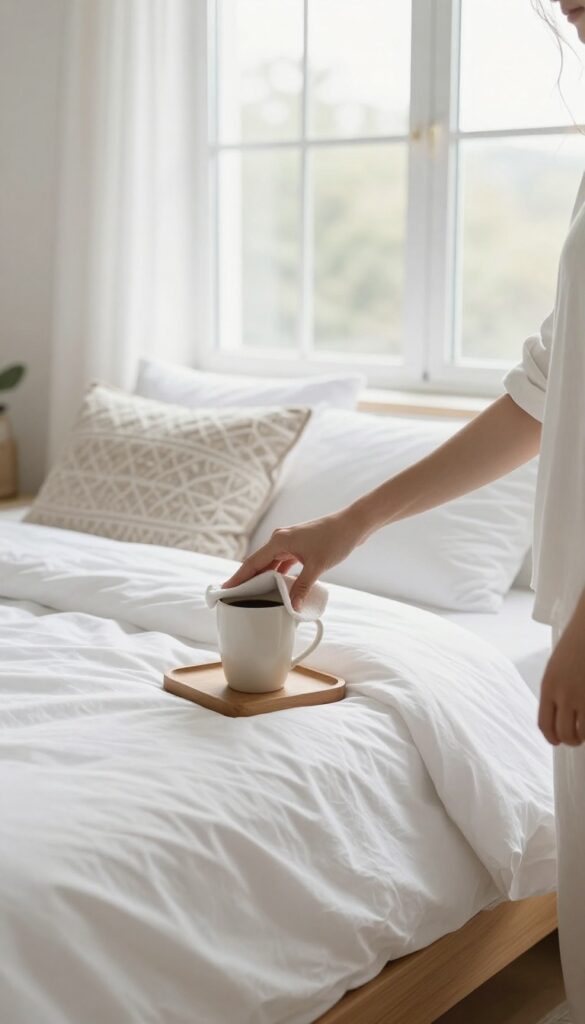
You know that feeling when you walk into a room and it's already messy before you've even started your day? That's what happens when small tasks pile up. The clean-as-you-go approach flips that script entirely.
Instead of letting messes accumulate, you handle them in the moment—wiping, putting away, and tidying as you move through your routine. It's not about deep cleaning; it's about preventing chaos before it starts.
The beauty of cleaning as you go is that it turns maintenance into a habit rather than a chore. You're not setting aside extra time; you're just weaving small actions into your existing flow. Over a week, those tiny efforts add up to hours of saved cleaning time and a room that consistently feels peaceful.
Wipe Down Surfaces After Use
After you finish your morning coffee, take five seconds to wipe the nightstand. After you brush your teeth, quickly dry the sink. These micro-moments prevent grime from building up.
Keep a small microfiber cloth or disinfecting wipe within arm's reach so you don't have to hunt for supplies. The easier it is, the more likely you'll do it.
Put Away Items Immediately
When you walk into your room with a jacket, hang it up right then. When you take off your shoes, put them in the closet. When you finish reading a book, return it to the shelf.
This simple rule eliminates the "I'll do it later" trap that leads to piles on chairs and floors. It takes less than a minute each time, but the cumulative effect is a room that stays tidy without effort.
Do A Quick Sweep Before Leaving
Before you leave the room for more than a few minutes, do a 30-second scan. Fluff a pillow, toss an empty water bottle in the recycling, straighten the rug. This reset ensures you come back to a clean slate.
It's especially powerful right before bed—waking up to a neat room sets a calm tone for the whole day.
13. Limit Decorative Items
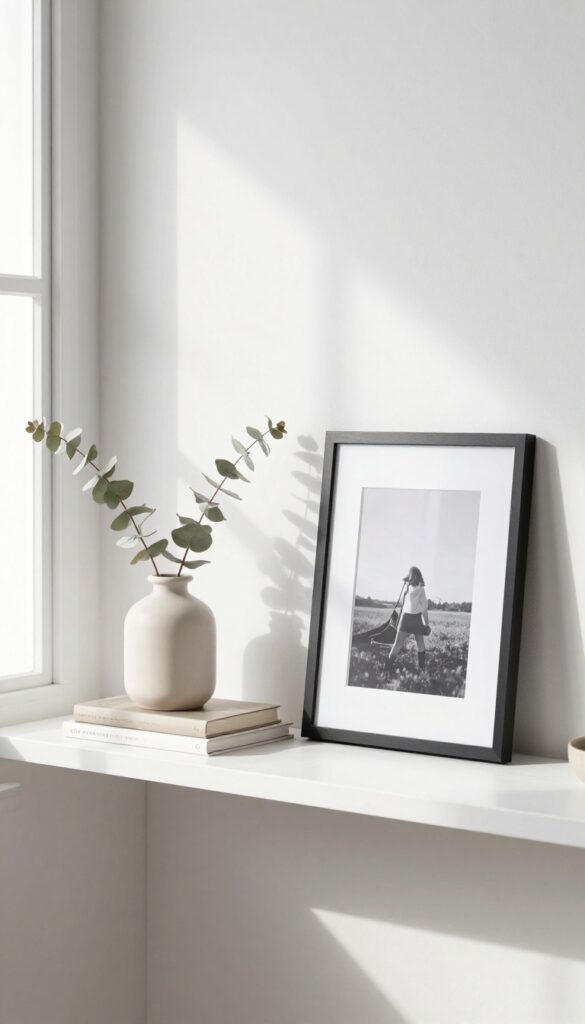
A shelf packed with trinkets, candles, and figurines might look cozy in a magazine, but in real life it just creates visual noise. Every extra object demands a split second of your attention, and over time that adds up to mental clutter. The solution isn't to live in a bare box—it's to be intentional about what stays on display.
Curate, Don't Collect
Walk around your room and pick up every decorative item. Ask yourself: does this bring me joy or just fill space? Keep only the pieces that have meaning—a souvenir from a trip, a gift from a friend, a piece of art you love.
Let go of the rest. A few well-chosen items will stand out more than a crowd of knick-knacks.
The One-in-one-out Rule
Every time you bring a new decorative item into your room, remove one existing piece. This keeps your collection from growing unchecked. It also forces you to think twice before buying something—do you love it enough to let go of something else?
Group Items For Impact
Instead of scattering small objects across every surface, group them in odd numbers (three works well) on a tray or in a small vignette. This creates a deliberate focal point and makes the items feel intentional rather than random. It also makes dusting much faster.
14. Use a Laundry Hamper with a Lid
Dirty laundry is one of those things that can make a room feel instantly messy, even if everything else is tidy. A pile of clothes on the floor or spilling out of an open basket creates visual noise and can even start to smell. A hamper with a lid solves both problems in one simple swap.
A covered hamper hides the mess from sight and traps odors inside. It keeps your room looking neat and fresh, and it makes laundry day easier because everything is already contained in one portable bin. Choose a style that fits your decor—woven baskets with lids, sleek plastic bins, or fabric hampers with a snap-on cover.
Keeps Clutter Out Of Sight
When dirty clothes are hidden, your brain registers the room as cleaner. An open pile screams "chore, " while a closed hamper blends into the background. It's a small change that has a big impact on how calm the space feels.
Contains Odors And Dust
A lid prevents musty smells from spreading into the room. This is especially helpful if you don't do laundry every day. It also keeps dust and pet hair from settling on your clothes, so they stay fresher longer.
Makes Laundry Day Smoother
With a portable hamper, you can carry the whole load to the laundry room in one trip. No more gathering socks from three different spots. Some hampers even have handles or divided sections for lights and darks.
15. Schedule a Weekly Reset
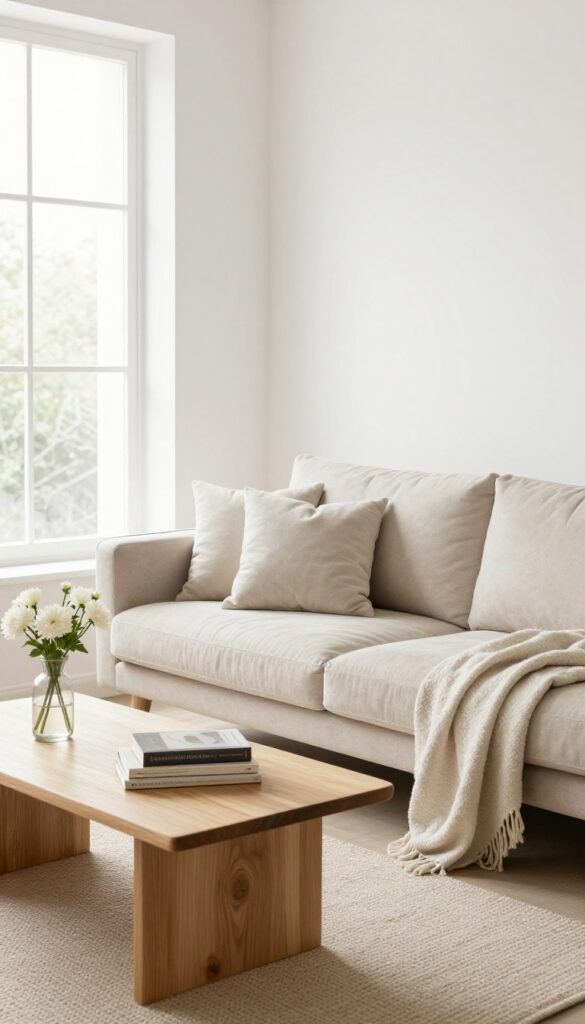
Even the best daily habits can't prevent the slow creep of clutter and dust. That's why setting aside a short weekly reset is a game-changer. It's not about deep-cleaning every inch—just 20 to 30 minutes to restore order and freshness.
Consistency turns this small effort into a long-term calm.
Pick A Day And Time
Choose a specific day and time that works for you—Sunday evening or Saturday morning, for example. Block it on your calendar like any other appointment. When it's routine, you're less likely to skip it.
Focus On One Zone
Each week, pick a different area to reset: maybe the desk one week, the closet shelf the next. Rotating keeps tasks manageable and prevents boredom. Over a month, every zone gets attention.
Follow A Simple Sequence
Start by picking up stray items and putting them away. Then dust surfaces, vacuum or sweep, and do a quick wipe-down. Finish by fluffing pillows or straightening a rug.
The sequence becomes automatic after a few weeks.
FAQ
How often should I deep clean my room?
Aim for a deep clean every two to four weeks, depending on usage. Weekly resets help maintain it between deep cleans.
What is the best way to declutter sentimental items?
Take photos of items you want to remember but don't need to keep. Limit yourself to a small memory box for truly special pieces.
How can I keep my room clean with a busy schedule?
Focus on micro-habits: make your bed, do a 5-minute tidy before bed, and clean as you go. These small actions add up.
What should I do with items I rarely use?
Donate, sell, or store them in a labeled bin in a closet or attic. If you haven't used something in six months, consider letting it go.
How do I maintain a clutter-free room long-term?
Regularly reassess your belongings, stick to the one-in-one-out rule, and do a weekly reset. Consistency is key.
Conclusion
A calm, clutter-free room doesn't happen by accident—it's the result of small, consistent choices. Start with one or two ideas from this list and build from there. You don't need to overhaul everything overnight.
The goal is progress, not perfection.
As you clear the physical clutter, you'll likely notice your mind feels lighter too. A peaceful space supports a peaceful life. So pick an idea, take the first step, and enjoy the calm that follows.