You don't need a spotless home to feel good about your space. But when life gets hectic, cleaning often falls to the bottom of the list. The trick isn't to clean more—it's to clean smarter with a schedule that actually fits your reality.
These 23 cleaning schedule ideas are built for busy days, tight budgets, and real life. No elaborate systems or expensive tools required. Just practical, low-pressure routines that help you stay on top of mess without burning out.
Pick one, try it for a week, and adjust as you go. The goal isn't perfection—it's progress.
1. The 10-Minute Tidy
Some days, you don't have an hour to scrub baseboards. But you can almost always find ten minutes. The 10-Minute Tidy is about using a short burst of focused effort to reset a single room.
It's surprising how much you can accomplish when you move with intention and ignore perfection.
Set a timer for ten minutes and tackle one room. You'd be surprised how much you can do in that short window—wipe counters, fluff pillows, put away stray items. The key is to move quickly and not get sidetracked.
When the timer goes off, stop. Even if you didn't finish, you made progress.
Pick One Room
Don't try to tidy the whole house in ten minutes. Choose one room—the kitchen, living room, or a bedroom. Focus only on that space.
This prevents overwhelm and gives you a clear win.
Declutter As You Go
Grab a laundry basket or a bag. As you move through the room, toss anything that doesn't belong into the basket. Then put those items away later, or during your next 10-minute tidy.
Use A Timer
A timer keeps you honest. Without it, ten minutes can stretch into twenty. Set it on your phone or use a kitchen timer.
When it rings, you're done. No guilt, no extensions.
2. One-Room Focus Per Day
Staring at a whole house that needs cleaning can feel paralyzing. That's why limiting yourself to one room each day works so well. You only have to think about one space, one task list, and one finish line per day.
The rest of the house gets a free pass until their turn comes around.
This method breaks your week into manageable chunks. Monday might be the kitchen, Tuesday the living room, Wednesday the bathroom, and so on. By Friday, every room has had attention without you ever feeling overwhelmed.
The key is sticking to that one room—no guilt about the others until their day arrives.
How To Assign Your Rooms
Start with your highest-traffic areas early in the week when energy is higher. Save low-traffic spaces like guest rooms or home offices for later. If you have a smaller home, combine tiny rooms like half-baths with an adjacent space.
Write down your schedule and post it somewhere visible, like the fridge, so you don't have to decide each morning.
What To Do In Each Room
Keep the task list short: pick up clutter, wipe surfaces, vacuum or sweep, and do one deeper task like cleaning the microwave or organizing a drawer. You're not deep cleaning the whole room—just maintaining it. If you finish early, stop.
The goal is consistency, not exhaustion.
Make It Work For Your Week
Life happens, so build in flexibility. If you miss a day, either skip that room until next week or double up on a lighter day. You can also rotate rooms weekly instead of daily if that fits better.
The structure is there to support you, not stress you out.
3. The Five-Thing Pickup
Rooms don't get messy all at once—they get messy one misplaced item at a time. That's why the five-thing pickup works so well. It turns tidying into a tiny, almost laughably easy habit that keeps clutter in check without ever feeling like a chore.
The rule is simple: every time you leave a room, grab five things that don't belong there and put them away. That's it. No timing, no sorting, no pressure to finish.
Just five items, every exit. Over a day, those small actions add up to a noticeably cleaner home.
Why Five Works
Five is a magic number. It's small enough to feel doable even when you're exhausted, but big enough to make a real dent. You're not committing to a full reset—just a tiny correction that prevents the slow drift into chaos.
Make It Automatic
Pair the habit with something you already do, like leaving a room. When you head to the kitchen, grab the coffee mug from the living room. Going upstairs?
Take that stray sock. After a few days, it becomes second nature.
No Perfect Pickup Required
Don't overthink which five things. Any five will do. The goal isn't to achieve a spotless room in one go—it's to keep the mess from growing.
Some days you'll grab five obvious items; other days you'll have to hunt. Both count.
4. Morning Reset Routine

Mornings can be chaotic, but a quick 15-minute reset sets a calm tone for the rest of the day. Instead of rushing out the door leaving a trail of mess, you invest a tiny window of time to create order. This small habit prevents clutter from snowballing and makes coming home to a tidy space much more pleasant.
What To Tackle
Focus on three high-impact tasks: make the bed, load the dishwasher (or wash breakfast dishes), and wipe down the bathroom sink. That's it. These three actions instantly make your bedroom, kitchen, and bathroom look more put together.
If you have extra time, fluff pillows or sweep the kitchen floor.
Make It Stick
Pair your reset with something you already do, like after your morning coffee or while waiting for your toast. Set a timer for 15 minutes and race against it. Over time, this becomes automatic—you won't even think about it, you'll just do it.
Adjust For Your Morning
Not a morning person? Do a pared-down version: just make the bed and wipe the sink. On days when you're running late, skip the dishwasher and do it after dinner.
The routine should flex with your schedule, not add stress.
5. Evening Wind-Down Tidy
The last thing you want to do after a long day is clean. But a quick 10-minute evening reset can make your mornings feel completely different. It's not about deep cleaning—just a light straighten-up that lets you wake up to a calm, clutter-free space.
This idea is simple: before you head to bed, spend ten minutes tidying the main living areas. Fold throw blankets, put shoes back in the closet, clear the coffee table of cups and remotes. You're not scrubbing anything—just resetting the room so it looks lived-in but not messy.
The payoff is huge: waking up to a tidy home sets a peaceful tone for the whole day.
What To Focus On
Stick to high-traffic areas: the living room, kitchen counters, and entryway. Put away items that don't belong, fluff pillows, and do a quick sweep of the floor if needed. Avoid opening closets or tackling storage—that's for another day.
Make It A Habit
Pair your tidy session with an existing nightly routine, like brushing your teeth or making tea. Set a timer so you don't overdo it. After a week, it'll feel automatic, and you'll wonder how you ever lived without it.
The Morning Reward
When you walk into a clean kitchen or living room the next morning, you'll feel a sense of calm that carries through your day. It's a small effort with a big return—less stress, more ease, and a home that feels like a sanctuary.
6. The 20/10 Method
If you struggle with cleaning because it feels overwhelming or endless, the 20/10 Method might be your perfect match. The concept is simple: set a timer for 20 minutes of focused cleaning, then take a mandatory 10-minute break. Repeat until you're done or out of time.
This approach turns cleaning into a series of short, manageable sprints rather than one dreaded marathon.
Why It Works So Well
The 20/10 Method leverages two psychological principles: Parkinson's Law (work expands to fill the time allotted) and the power of frequent rewards. Knowing you only have 20 minutes creates urgency and focus, while the guaranteed break prevents burnout. It's also easy to fit into a busy day—you can knock out one or two cycles during a lunch break or while waiting for dinner to cook.
How To Start
Pick one room or task zone for each 20-minute block. Clear surfaces in the kitchen, vacuum the living room, or tackle a cluttered corner. Don't overthink it—just start.
When the timer goes off, stop immediately and step away. Use your 10 minutes to stretch, grab a drink, or scroll your phone. This reset makes the next cycle feel fresh.
Tips For Maximum Efficiency
Keep a basket or caddy with your cleaning supplies ready to go so you don't waste time gathering them. Work from top to bottom (dust shelves before vacuuming floors) and left to right to avoid backtracking. If you're short on time, even one cycle makes a difference—you'll be surprised how much you can accomplish in 20 focused minutes.
7. Weekly Power Hour
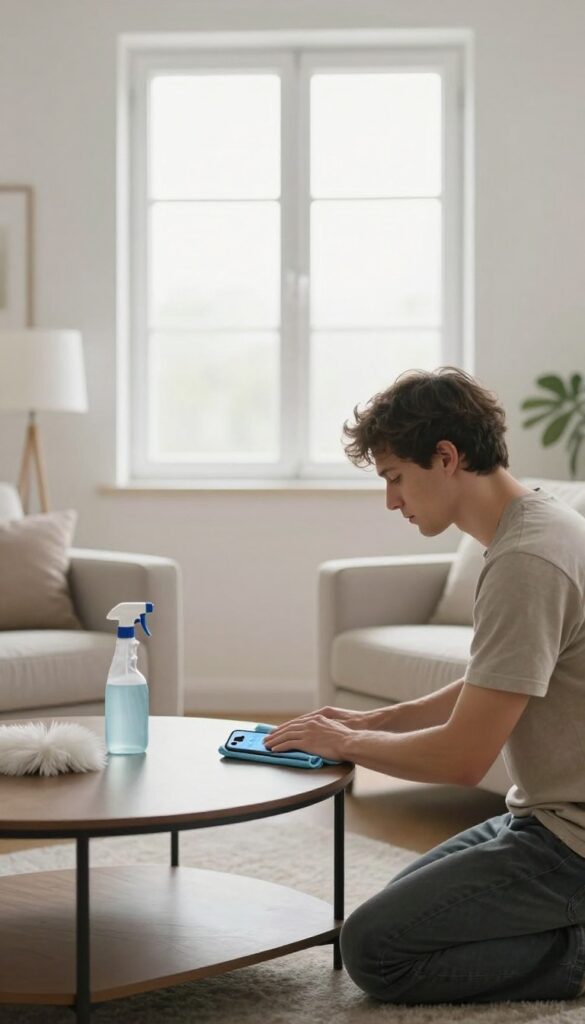
Sometimes the best way to tackle deep cleaning is to set a timer and go all in. A single focused hour can make a surprising dent in those tasks you keep putting off. The key is to choose a time when you have the energy and momentum to push through.
Pick one day each week—maybe Saturday morning or Wednesday evening—and block out exactly 60 minutes. No more, no less. Put on a high-energy playlist or an engaging podcast to keep you moving.
Start with the task that bugs you most, then rotate through other neglected spots. The time limit creates urgency, so you won't get sidetracked. When the hour is up, stop and enjoy the progress you made.
What To Tackle
Focus on tasks that don't get done during daily or weekly maintenance. Think vacuuming under couch cushions, wiping baseboards, descaling the coffee maker, or scrubbing the stovetop. Keep a running list of these deeper-cleaning items so you always know what to pick.
Stay On Track
Don't try to do everything in one hour. Choose two or three jobs and commit to finishing them. Use a timer app that shows countdown to keep you accountable.
If you finish early, use the extra minutes to declutter a small hotspot.
8. The Laundry Basket System
Laundry piles up fast, especially when you try to do it all in one day. The Laundry Basket System breaks that cycle by using separate baskets for lights, darks, and delicates. You wash one load per day instead of saving everything for the weekend.
It takes just a few minutes to start a load, and you never face a mountain of clothes again.
This method turns laundry from a dreaded weekend chore into a quick daily habit. By sorting as you go, you eliminate the need to sort later. And washing one load daily means smaller, more manageable piles that are easier to fold and put away.
Set Up Your Baskets
Get three laundry baskets or hampers—one for lights, one for darks, and one for delicates. Label them clearly so everyone in the household knows where to put their clothes. Place them in a convenient spot, like the bathroom or laundry room.
If space is tight, stackable or collapsible baskets work well.
Pick Your Daily Load
Each day, choose one basket that's fullest and start a load. It doesn't have to be the same basket every day. Rotate based on what needs washing.
The key is to wash, dry, and fold that one load completely before the next day. This keeps the cycle moving without overwhelming you.
Make It A Routine
Tie your daily load to an existing habit, like starting the wash right after breakfast or before bed. Consistency is more important than timing. Soon, it'll feel automatic.
And if you miss a day, no big deal—just pick up the next day. The system is flexible enough to handle real life.
9. Clean as You Cook
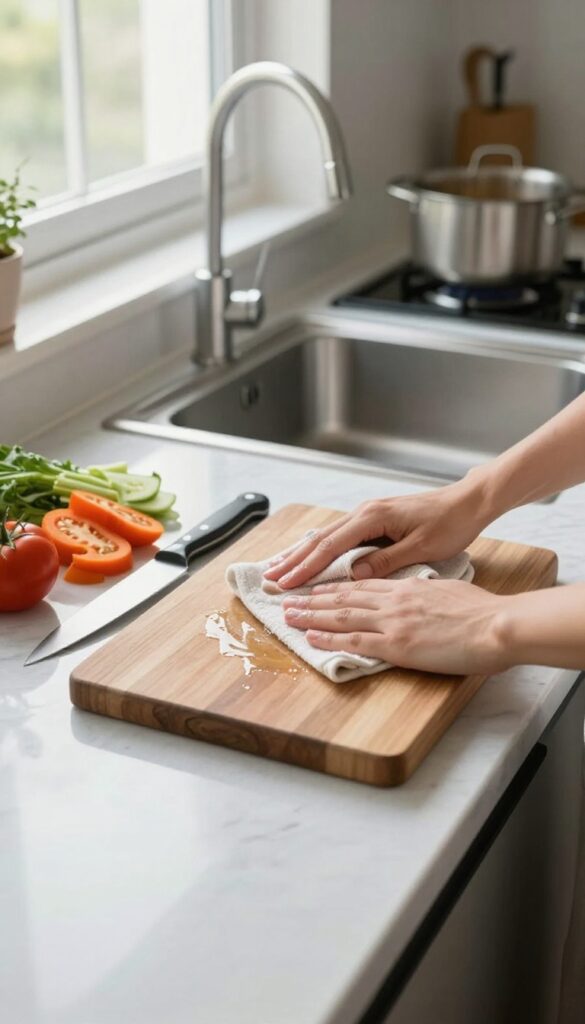
Cooking and cleaning don't have to be separate chores. By weaving small cleaning tasks into your cooking routine, you can keep the kitchen tidy without extra time. This approach works especially well on busy days when you're already pressed for time.
The key is to use the natural pauses in cooking—like waiting for water to boil or food to simmer—to knock out quick cleaning tasks. You'll be amazed at how much you can accomplish in those short windows.
Wash As You Go
Start by washing dishes, utensils, and cutting boards as soon as you're done using them. While your sauce simmers, rinse and load the dishwasher or hand-wash a few items. This prevents a mountain of dishes from piling up.
Wipe Surfaces Immediately
Keep a damp cloth or sponge handy to wipe counters, stovetops, and spills as they happen. A quick wipe after chopping vegetables or stirring a pot keeps surfaces clean and prevents sticky messes from hardening.
Put Away Ingredients
As you finish using spices, oils, or other ingredients, return them to their proper places. This not only keeps your counters clear but also saves you from hunting for items the next time you cook.
10. The Two-Minute Rule
Ever walk past a cluttered counter and think, "I'll deal with that later"? Later turns into never, and the mess grows. The Two-Minute Rule flips that script: if a task takes less than two minutes, do it right away.
Hang up a coat, wipe a spill, toss junk mail. These micro-actions add up to a cleaner home without ever scheduling a cleaning session.
Why Two Minutes Works
The magic is in the momentum. Each small win builds a sense of control, and soon you're spotting things to tidy without resentment. Plus, two minutes is too short to dread—it's less time than scrolling a social media post.
Common Two-minute Tasks
Wipe the bathroom sink after brushing your teeth. Put away one stray shoe. Fold a throw blanket.
Reply to that text about borrowed tools. The key is to keep the bar low—if it feels like work, it's probably more than two minutes.
How To Make It Stick
Pair the rule with a trigger. When you walk into a room, scan for one two-minute task. When you're waiting for coffee to brew, do a quick tidy.
Over time, these habits become automatic, and your home stays consistently neater with zero extra effort.
11. Zone Cleaning
Instead of trying to clean every room in one go, zone cleaning lets you focus on one area at a time. You divide your home into manageable zones—like kitchen, bathrooms, bedrooms, and living spaces—and give each zone a deep clean over the course of a week. By rotating through them, every part of your home gets regular attention without overwhelming your schedule.
Zone cleaning works because it breaks a big task into smaller, weekly chunks. You might spend Monday on the kitchen, Tuesday on bathrooms, and so on. The key is to stick to one zone per day or per week, depending on your time.
Over a month, each zone gets a thorough once-over, and you never feel like you're falling behind.
Pick Your Zones
Start by listing the main areas in your home. Common zones include kitchen, bathrooms, bedrooms, living room, and entryways. You can also group smaller spaces like hallways or laundry rooms into a single zone.
Aim for 4–6 zones total so each one gets a week of focus in a month.
Set A Weekly Rotation
Assign one zone to each week of the month. For example, week 1: kitchen, week 2: bathrooms, week 3: bedrooms, week 4: living areas. If you have more zones, you can double up on smaller ones or extend the rotation to five weeks.
Write it on a calendar or set a recurring reminder so you don't forget.
Deep Clean Within Each Zone
When it's a zone's turn, spend 15–30 minutes each day doing focused tasks. In the kitchen, that might mean wiping cabinets, cleaning the oven, and organizing the pantry. In bathrooms, scrub grout, wash shower curtains, and declutter cabinets.
The goal is to do the deep work that gets skipped in daily tidying.
12. The 15-Minute Family Clean
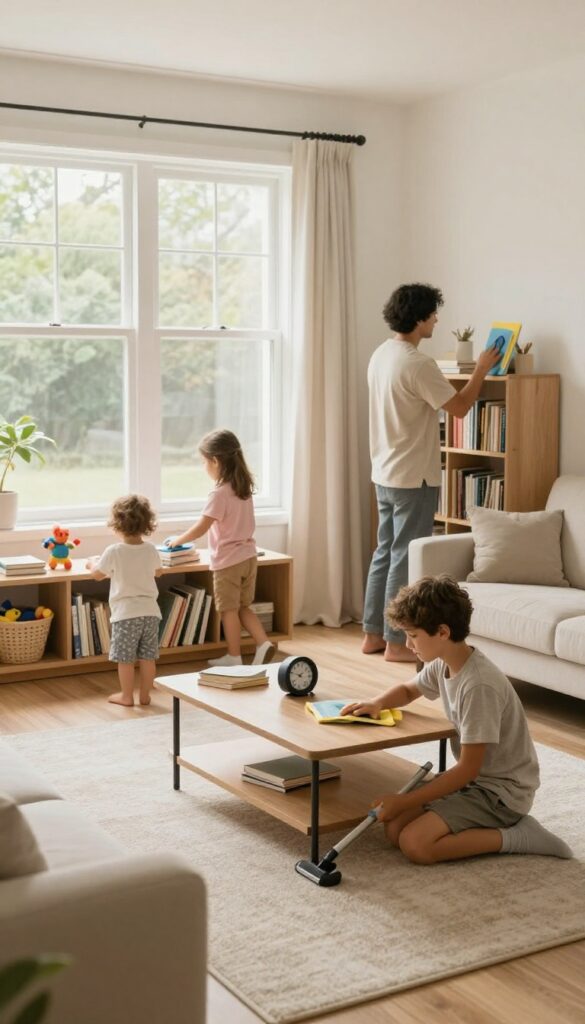
Cleaning doesn't have to be a solo mission. When everyone in the household chips in at the same time, the work gets done faster and feels a lot less like a chore. The 15-Minute Family Clean turns tidying into a quick, team-based activity that even kids can get behind.
Set a timer for 15 minutes and have each family member tackle a specific task suited to their age and ability. Younger kids can pick up toys or dust low surfaces, while older ones handle vacuuming or wiping counters. The key is to do it together, so no one feels stuck cleaning alone.
After the timer goes off, everyone stops—even if the room isn't perfect. That short burst of focused effort is surprisingly effective and builds a habit of teamwork.
Age-appropriate Task Assignments
Match tasks to what each person can realistically do. Toddlers can put books on a shelf or toss trash. Elementary-age kids can make beds, sort laundry, or wipe tables.
Teens can handle bathrooms, vacuuming, or mopping. Rotate tasks weekly so no one gets bored.
Make It A Game
Turn the timer into a race. Challenge everyone to see who can finish their task first or who can collect the most clutter. Play upbeat music or use a fun countdown app.
A little friendly competition makes the minutes fly by.
End With A Reward
After the 15 minutes, do something enjoyable together—watch a show, have a snack, or play a board game. The reward reinforces the teamwork and gives everyone something to look forward to. Over time, the whole family will associate cleaning with positive bonding.
13. Declutter First, Clean Later
You know that feeling when you're about to clean but end up just moving piles around? That's what happens when you try to clean a cluttered space. The stuff gets in the way, and you spend more time rearranging than actually scrubbing.
The fix is simple: declutter before you deep clean. It's not an extra step; it's the step that makes everything else faster and easier.
When you clear surfaces first, you can actually see what needs to be cleaned. Dusting, wiping, and vacuuming become straightforward tasks instead of obstacle courses. Plus, decluttering helps you decide what to keep and what to let go of, which means less to clean in the long run.
Make it a habit to spend 5–10 minutes clearing a zone before you start cleaning it. You'll be amazed at how much quicker the job goes.
The 10-minute Declutter
Set a timer for 10 minutes and focus on one small area—like a countertop, a shelf, or a drawer. Grab a bag for trash, a box for donations, and a basket for things that belong elsewhere. Sort quickly without overthinking.
When the timer goes off, stop. You've already made a dent, and you can clean the now-empty surface in half the time.
Keep A Donation Box Handy
Place a box or bag in a closet or corner where you can toss items you no longer need. As you declutter each room, add things directly to this box. Once it's full, drop it off at a donation center.
This keeps clutter from piling up again and makes the declutter-first approach a seamless part of your routine.
Clean In Layers
Think of cleaning as a two-layer process: first declutter, then clean. For example, before wiping down kitchen counters, remove everything that doesn't belong—mail, small appliances, random knickknacks. Then wipe.
Before vacuuming the living room, pick up toys, shoes, and magazines. This layered approach prevents you from cleaning around clutter and ensures a truly fresh space.
14. The One-In-One-Out Rule
Every time you bring something new into your home, commit to removing one old item. This simple swap prevents accumulation and keeps your space from feeling overwhelmed. It's a mindset shift that turns shopping into a conscious decision rather than a passive habit.
The one-in-one-out rule is a clutter control strategy that works like a gatekeeper for your belongings. For every new purchase, donation, or gift you receive, you must let go of an equivalent item. This keeps your inventory stable and reduces the need for deep cleaning sessions caused by excess stuff.
It's especially effective for categories like clothing, books, kitchen gadgets, and decor. Over time, it trains you to be more selective about what you bring in, because you know something has to leave.
Why It Works For Busy People
When you're short on time, clutter is your enemy. It makes surfaces harder to clean, creates visual noise, and adds mental load. The one-in-one-out rule prevents buildup at the source, so you spend less time organizing and more time enjoying your home.
It's a low-effort habit that pays off daily.
How To Apply It Without Stress
Start with one category that tends to accumulate fastest—maybe shoes, kitchen tools, or toiletries. Keep a designated donation bag or box in a closet. When you buy a new item, immediately place the old one in the bag.
No agonizing over memories; just a quick decision. If you're unsure, ask yourself: 'Do I use this regularly? Does it bring value? ' If not, it goes.
Real-life Examples
Got a new sweater? Donate one you haven't worn in a year. Bought a new pan?
Pass along the scratched one. Received a scented candle as a gift? Toss the half-burned one that's lost its scent.
The rule works for any category and adapts to your lifestyle. Over time, you'll naturally buy less and appreciate what you own more.
15. Daily Dish Duty
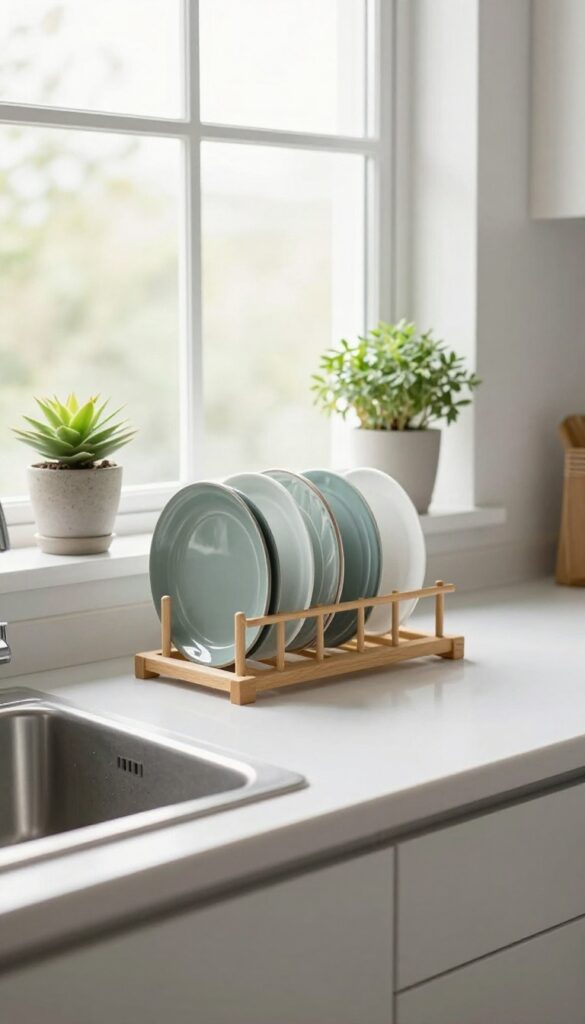
A sink full of dirty dishes has a way of making the whole kitchen feel chaotic. Even if the counters are clean and the floor is swept, that pile of plates and cups can drain your energy. By tackling dishes daily, you remove one of the biggest visual stressors from your home.
The key is to make dish duty a non-negotiable part of your routine. Wash them immediately after meals, or at least rinse and load the dishwasher right away. If you hand-wash, let them air dry in a rack.
This small habit prevents buildup and keeps your kitchen feeling fresh with minimal effort.
Why Daily Matters
When dishes sit overnight, food hardens and becomes harder to clean. You also risk attracting pests and creating odors. A daily habit takes just 10-15 minutes but saves you from spending an hour scrubbing dried-on mess later.
Make It Easy
Set yourself up for success: keep your sink clear of other clutter, have a good scrub brush or sponge handy, and run the dishwasher every night even if it's not full. Use a drying mat or rack so you don't have to towel-dry everything.
Involve The Family
Assign each family member a role—someone scrapes, someone loads, someone wipes counters. Even young kids can put away their own plastic dishes. Sharing the load makes it faster and teaches responsibility.
16. The Bathroom Wipe-Down
Bathrooms get grimy fast, but deep cleaning them every week is a drag. A quick post-shower routine can keep things fresh with almost no extra effort. The key is tackling the wet surfaces before grime has a chance to set in.
What You Actually Need
A squeegee for glass doors or shower walls, a microfiber cloth for counters and fixtures, and a small spray bottle of daily shower spray (or just water). Keep these items within arm's reach of the shower so you don't have to hunt for them.
The 60-second Routine
After your shower, quickly squeegee the glass or tile to remove water droplets. Then wipe down the counter, faucet, and any wet surfaces with the microfiber cloth. That's it.
Do this every time you shower, and you'll prevent soap scum, water spots, and mildew from building up.
When To Go Deeper
This daily wipe-down doesn't replace a weekly bathroom scrub, but it makes that weekly clean much faster. You'll spend less time scrubbing and more time enjoying a bathroom that actually looks clean between deep cleans.
17. Weekly Sheet Swap
There's something about climbing into a bed with fresh sheets that instantly resets the whole room. It takes less than ten minutes, costs nothing, and makes your bedroom feel like a hotel. The trick is to make it a non-negotiable weekly habit, not a whenever-I-get-to-it chore.
Strip the bed, toss the linens in the wash, and remake it with clean sheets. While the mattress is bare, take two minutes to fluff the pillows and rotate the mattress if you can. This small routine keeps dust mites at bay and extends the life of your bedding.
Plus, you get that crisp, clean smell all week long.
Make It A Pairing Habit
Tie sheet swapping to something you already do weekly, like Sunday morning coffee or laundry day. When it becomes part of a routine, you won't forget. Set a recurring phone reminder if needed.
Keep A Second Set Handy
Having an extra set of sheets means you can swap without waiting for the wash cycle to finish. Just strip, put on the clean set, and wash the dirty ones at your convenience. No more sleeping on a bare mattress because the sheets are still in the dryer.
Don't Forget The Pillows And Mattress
While the bed is bare, give pillows a good fluff and rotate or flip your mattress if it's due. This takes thirty seconds but keeps your bed comfortable and prevents uneven wear. It's the little extra step that makes the whole swap feel more complete.
18. The Floor Sweep Routine
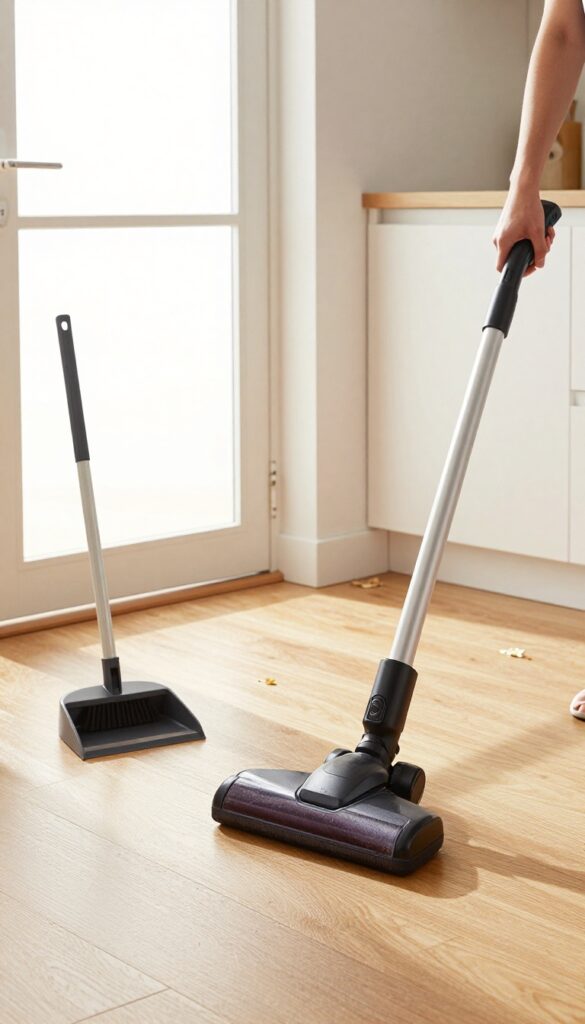
Floors take the brunt of daily life—dirt, crumbs, pet hair, you name it. But you don't need to mop every day to keep them looking decent. The key is targeting high-traffic zones often and doing a deeper clean on a set schedule.
Daily Dash Zones
Focus on the areas that get the most foot traffic: the kitchen, entryway, and hallway. A quick sweep or vacuum of these spots takes just a few minutes but makes the whole house feel cleaner. Use a cordless stick vacuum or a small dustpan and brush for speed.
Weekly Full-floor Reset
Once a week, tackle every floor surface in your home. Vacuum carpets, sweep hard floors, and mop where needed. Break it into chunks—do upstairs one day, downstairs the next—so it doesn't feel overwhelming.
This keeps dirt from building up and makes daily touch-ups faster.
Spot-clean As You Go
Spills and tracked-in mud happen. Keep a microfiber cloth or Swiffer duster handy for quick spot cleans. If you see a crumb or a smudge, handle it right away.
That way, your floors stay presentable without a full routine every time.
19. The Mail and Paper Sort
Mail piles up fast, and before you know it, you've got a stack that feels overwhelming. The fix is simple: deal with it the moment it walks through the door. This tiny daily habit stops paper clutter before it starts and takes less than five minutes.
Set up a small station near your entry point—a basket for action items, a shredder for sensitive docs, and a recycling bin for junk. As you sort, decide immediately: toss, file, or act. For bills, schedule payment right then or mark a due date on your calendar.
For important papers, file them in a designated folder. Shred anything with personal info. This routine keeps surfaces clear and prevents that nagging "I'll deal with it later" pile.
What To Keep And What To Toss
Not every piece of paper needs to stay. Keep only what's essential: tax documents, warranties, medical records, and legal papers. Toss catalogs, expired coupons, and old receipts unless they're for big purchases.
A good rule: if you can find it online, you probably don't need a physical copy.
Create A Simple Filing System
You don't need a fancy cabinet. A single accordion folder with labeled tabs works fine. Sort by category: bills, insurance, medical, household, and important docs.
Once a month, go through and purge what's no longer needed. The key is to file immediately after sorting—don't let that "to file" pile grow.
Shred Sensitive Documents Regularly
Identity theft is real, so shred anything with your Social Security number, bank details, or signatures. A small cross-cut shredder is worth the investment. Make it a habit to shred junk that has your address or other personal info.
Do it right when you sort, so it doesn't pile up.
20. Seasonal Deep Clean
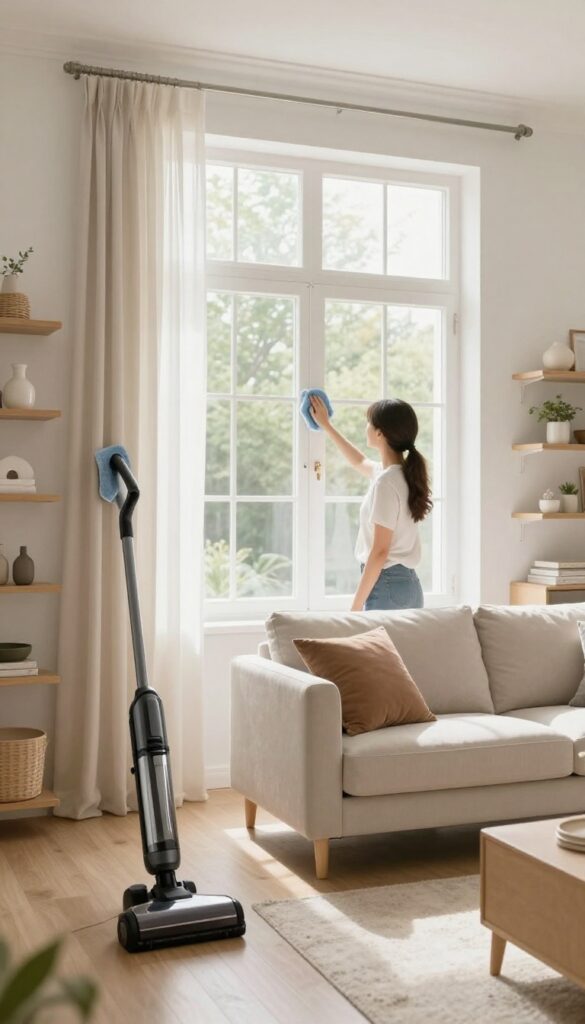
Twice a year, your home deserves a little extra attention. A seasonal deep clean tackles the grime that builds up in hidden corners—washing curtains, cleaning behind appliances, and organizing closets. Spread the tasks over a few days so you don't burn out.
Make A Master List
Start by walking through each room and jotting down tasks you normally skip. Think: washing windows, vacuuming under furniture, descaling the coffee maker, and wiping baseboards. Group tasks by room so you can tackle one area at a time.
Break It Into Mini Sessions
Instead of dedicating an entire weekend, set aside 30–60 minutes each day for a week. Monday: deep clean the kitchen. Tuesday: move on to the living room.
This approach keeps the work manageable and fits into a busy schedule.
Don't Forget The Forgotten Spots
Seasonal deep cleans are the perfect time to address areas you ignore weekly. Clean behind the fridge, wash throw pillows, vacuum mattress seams, and wipe down light fixtures. Your home will feel fresher and more inviting.
21. The 5-Minute Bathroom Blitz
Bathrooms get grimy fast, but deep cleaning them every week is a drag. The 5-Minute Bathroom Blitz flips the script by making daily maintenance painless. Keep a spray bottle and microfiber cloth in the bathroom, and spend just five minutes each day wiping the mirror, counter, and toilet.
This routine prevents buildup and keeps your bathroom consistently fresh without a big time commitment.
This idea is built on consistency over intensity. A quick daily wipe-down takes less time than scrolling social media, and it eliminates the need for marathon scrubbing sessions. The key is to store your supplies within arm's reach so you can grab them without thinking.
Over a week, you'll spend about 35 minutes total—less than a single deep clean—but your bathroom will look and feel much cleaner every day.
What You'll Need
A spray bottle filled with an all-purpose cleaner or a vinegar-water solution, plus a few microfiber cloths. Microfiber picks up grime and dries surfaces streak-free. Store them in a small caddy or basket under the sink or on a shelf.
That way, you can start your blitz without hunting for supplies.
The Routine
Each day, spray the mirror and wipe it down with a dry cloth. Then spray the counter and sink, wipe them clean, and do the same for the toilet—spray the exterior and lid, then wipe. Don't forget the flush handle.
Finish by tossing the cloth in a laundry bag. Total time: about five minutes. If you have a glass shower door, give it a quick squeegee after your shower to prevent water spots.
Why It Works
Daily maintenance prevents soap scum, toothpaste splatters, and dust from building up. You'll avoid the dreaded sticky counter or cloudy mirror. Plus, a clean bathroom feels more inviting and reduces stress.
The habit becomes automatic after a week, so you won't even think about it.
22. The Kitchen Sink Rule
A dirty sink is like a nagging reminder of unfinished business. It's the first thing you see in the morning and the last thing at night. The Kitchen Sink Rule is simple: never go to bed with a dirty sink.
Wash, dry, and put away all dishes before you sleep. It's a small commitment that pays off big in peace of mind.
Why It Works
A clean sink sets a positive tone for the next morning. You wake up to a fresh start instead of a pile of yesterday's mess. It also prevents odors, pests, and stubborn stains from setting in overnight.
How To Make It Stick
Make it a non-negotiable part of your evening routine. Rinse dishes right after use, load the dishwasher or wash by hand immediately after dinner. If you're exhausted, just do the essentials—at least wash the sink itself.
Bonus Tip
Keep a small spray bottle of all-purpose cleaner by the sink. A quick spritz and wipe-down after the dishes are done keeps the sink sparkling. It takes 30 seconds and makes a huge difference.
23. The No-Shoes Policy
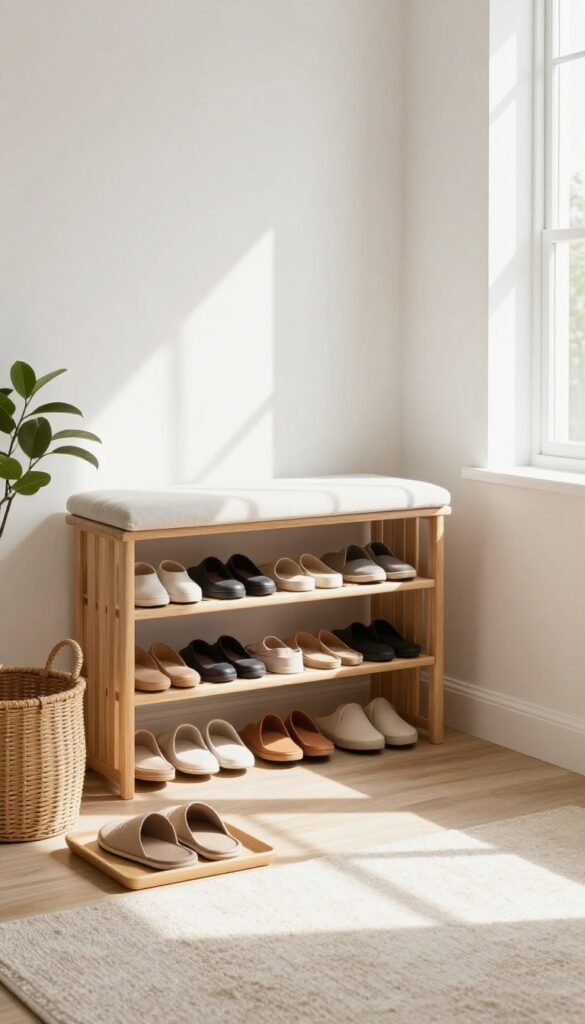
Shoes carry in dirt, bacteria, and even traces of lawn chemicals from the outside world. A simple no-shoes rule can cut the amount of grime tracked through your home by up to 80%. It's one of the easiest, most effective cleaning hacks that costs nothing.
Set Up A Drop Zone
Place a sturdy shoe rack or a simple basket right by the door. Add a small bench or a chair so people can sit down to remove their shoes. Keep a tray for wet or muddy footwear.
This makes the habit effortless for both family and guests.
Communicate Clearly
Put a friendly sign near the entrance: 'Please remove shoes. Thank you! ' For guests, offer disposable slippers or cozy socks. Most people are happy to comply when they see you've made it easy and welcoming.
Maintain Clean Floors
With fewer shoes inside, your floors stay cleaner longer. Vacuuming and mopping become less frequent tasks. You'll also extend the life of your carpets and hardwood.
A quick daily sweep or robot vacuum run is usually enough.
FAQ
How do I stick to a cleaning schedule when I'm really busy?
Start small. Pick just one or two ideas from this list and try them for a week. Consistency matters more than perfection.
Adjust as needed until it feels natural.
What if I live with messy roommates or family?
Communicate openly and suggest a team approach, like the 15-minute family clean. Set clear expectations and lead by example. Even small changes can inspire others.
How often should I deep clean my home?
Aim for a seasonal deep clean every three to four months. Focus on areas you don't touch during regular cleaning, like baseboards, behind appliances, and inside cabinets.
Can I combine multiple cleaning schedule ideas?
Absolutely. Mix and match what works for you. For example, use the 10-minute tidy daily and the weekly power hour for deeper tasks.
Customize to fit your lifestyle.
What's the best way to motivate myself to clean?
Make it enjoyable. Listen to music, podcasts, or audiobooks. Set a timer and challenge yourself.
Reward yourself after completing a task. Small incentives go a long way.
Conclusion
A realistic cleaning schedule doesn't have to be complicated. The best routine is the one you can actually stick with, even on your busiest days. Start with one idea that resonates and build from there.
Remember, your home is meant to be lived in, not just cleaned. These strategies are here to support you, not stress you out. A little progress each day adds up to a home that feels good—without costing you all your free time.