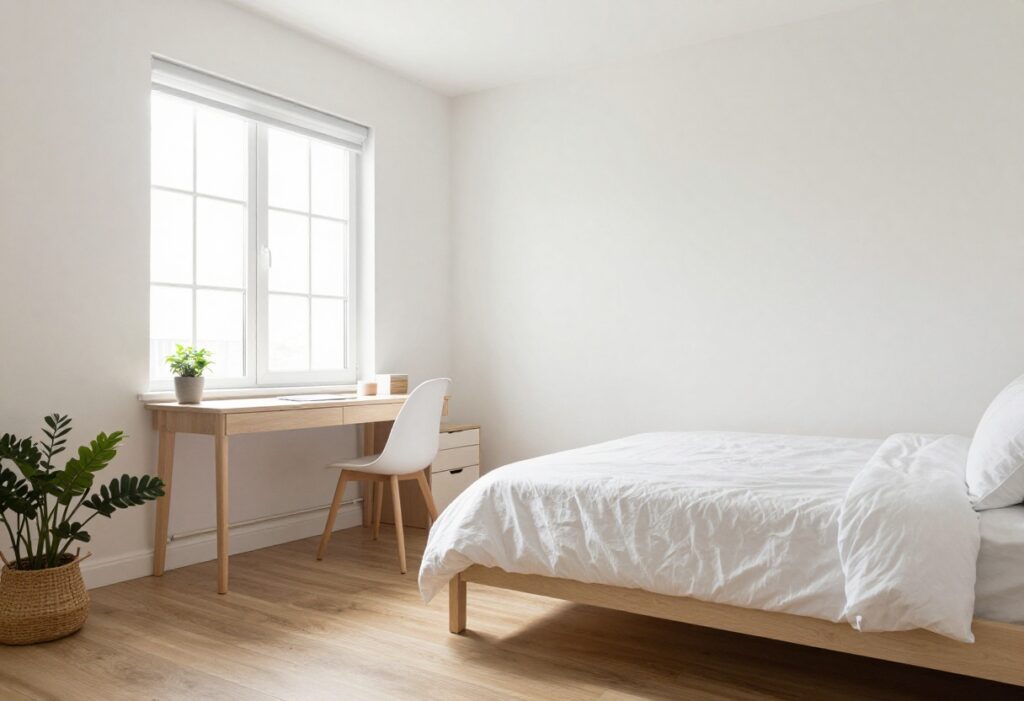
A cluttered, messy home can quietly drain your energy and peace of mind. You might not notice it at first, but the visual noise of scattered items and dusty surfaces adds to your daily stress. The good news?
Small, intentional changes can turn your space into a calm retreat. These 25 ideas focus on practical solutions that fit real life. No perfectionism required—just simple shifts that make your home feel lighter and more manageable.
Whether you have five minutes or a whole weekend, there's something here for you. Let's dive into actionable steps that will help you breathe easier in your own home.
1. Start with a 10-Minute Tidy Every Morning
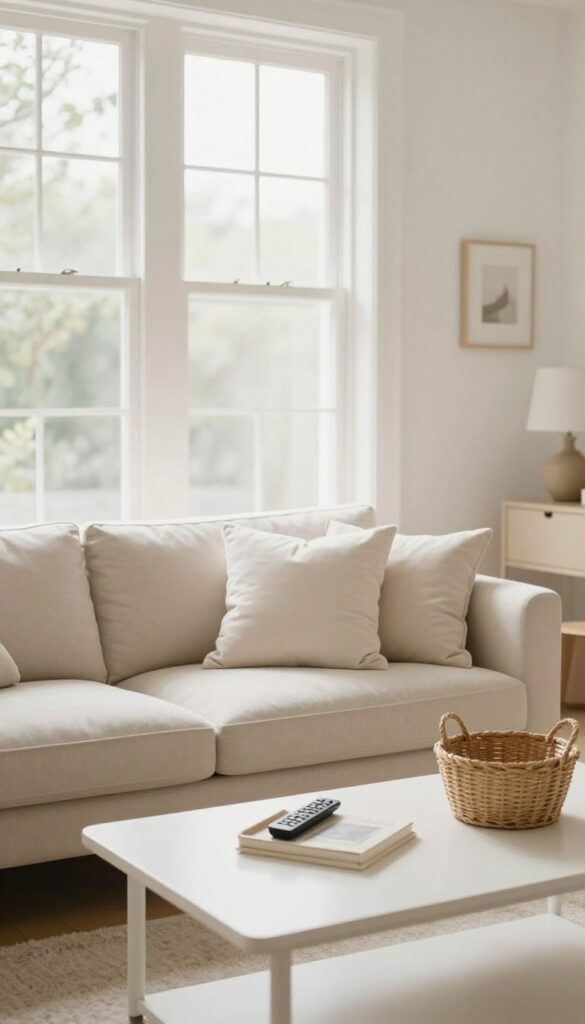
Mornings set the tone for the whole day. Instead of rushing out the door or diving straight into work, carve out just ten minutes to reset your main living spaces. This isn't a deep clean—it's a quick sweep to clear surfaces, fluff pillows, and put things back where they belong.
The payoff is immediate: you walk through a calmer home and carry that sense of order with you.
The beauty of this habit is its simplicity. You don't need a complex system or special tools. Just a timer and a commitment to move fast.
Focus on the areas you see first when you come downstairs or walk into the kitchen. A clear countertop and a tidy couch can do wonders for your mood. Over time, this micro-habit prevents the avalanche of clutter that builds up when you let things slide.
What To Tackle In Those 10 Minutes
Hit the hotspots: the coffee table, kitchen island, entryway, and any flat surface that collects mail, keys, or random items. Grab a basket or a laundry bin and toss in anything that doesn't belong in that room. Don't organize—just gather.
Then move the basket to the room where those items live. You can put them away later or during your next tidy session.
Make It Stick With A Trigger
Pair your tidy with an existing habit, like after you pour your morning coffee or finish brushing your teeth. The trigger makes it automatic. Also, keep a small caddy or tray in each zone for odds and ends.
That way, you have a designated spot for the remote, glasses, or phone, so tidying takes even less thought.
Why 10 Minutes Works Better Than An Hour
Long cleaning sessions feel daunting and easy to postpone. Ten minutes feels doable, so you're more likely to actually do it. Consistency beats intensity.
A daily short burst keeps your home from ever reaching disaster level, saving you from weekend marathons. Plus, starting the day with a small win builds momentum for other healthy habits.
2. Create a Drop Zone for Daily Items
The entryway is ground zero for clutter. Coats, bags, mail, keys—they all land here first. Without a designated spot, they spread to the kitchen counter, dining table, or living room floor.
A simple drop zone changes that. It gives every item a home the moment you walk in, so nothing gets lost or left out.
A drop zone doesn't need to be elaborate. A small table, a wall-mounted shelf, or even a decorative tray can do the job. The key is consistency: always put things in the same place.
Over time, this habit becomes automatic, saving you from frantic searches and surface clutter.
Choose The Right Spot
Pick a location near the main entrance you use most. If you come through the garage, set it up there. If you use the front door, a console table or a wall hook works great.
The closer the drop zone is to where you enter, the more likely you'll use it.
Keep It Simple
Limit the drop zone to essentials: keys, wallet, phone, mail, and maybe a small bag. Too many categories lead to overflow. Use a tray or small bowl for small items, a hook for bags, and a basket for mail.
Labeling can help, but clear containers work just as well.
Maintain It Daily
Set aside one minute each evening to clear out the drop zone. Sort mail, put away items that don't belong, and wipe the surface. This quick reset keeps the area functional and prevents it from becoming a dumping ground.
3. Use the One-In-One-Out Rule
Clutter often creeps in through new purchases. That cute sweater on sale, a kitchen gadget you swear you'll use, or a freebie from a conference—each item adds up. Before you know it, your space feels cramped and chaotic.
The one-in-one-out rule is a simple way to keep your belongings in check without feeling deprived. Every time you bring something new home, you commit to letting go of one similar item. It's a gentle discipline that stops accumulation before it starts.
Why It Works
The rule forces you to be intentional. You can't just buy on impulse; you have to consider what you're willing to part with. This naturally curbs overconsumption and keeps your home from becoming a storage unit.
It also makes decluttering a continuous habit rather than a dreaded once-a-year event.
How To Apply It
Start with categories you own a lot of: clothes, books, kitchen tools, or decor. When you buy a new shirt, pick an old one to donate. If you bring home a new mug, let go of one you never use.
For larger items like furniture, you might adjust to a one-in-two-out rule. The key is consistency—make it a non-negotiable part of your routine.
Dealing With Gifts And Sentimental Items
Gifts can be tricky. You don't have to toss the moment you receive something. Instead, apply the rule over time.
If a gift doesn't fit your life or bring you joy, thank the giver and later pass it on. For sentimental items, take a photo before letting go—the memory stays, but the object doesn't take up space.
4. Declutter by Category, Not by Room
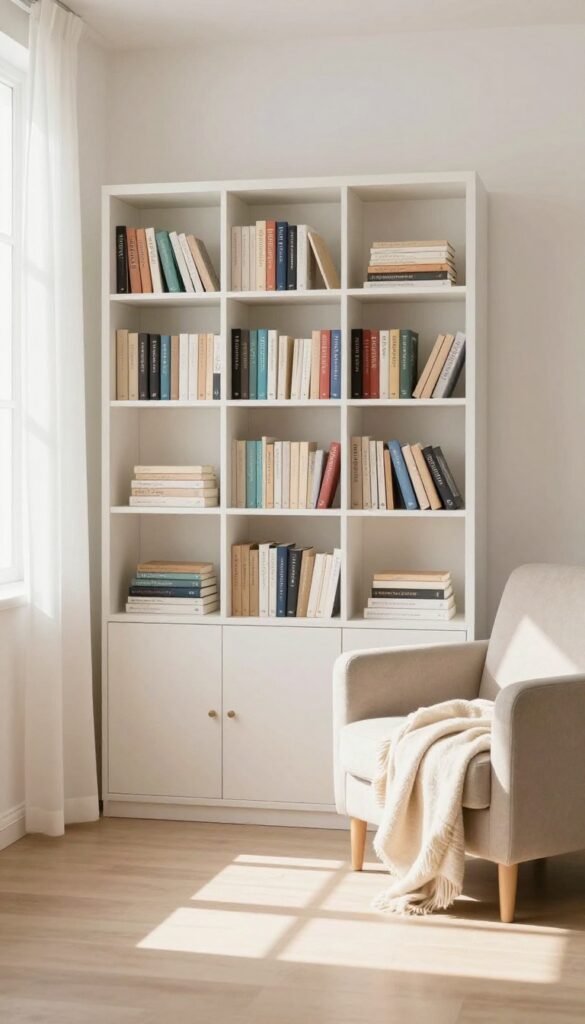
Most people declutter one room at a time, moving from the kitchen to the living room and so on. But this approach can make it harder to see how much you actually own of a specific type of item. When you declutter by category—like all your books, clothes, or paper documents at once—you get a full picture of your possessions.
That big-picture view makes it easier to decide what to keep and what to let go.
Why Categories Work Better Than Rooms
When you declutter room by room, you might keep a stack of old magazines in the living room because you forgot about the similar stack in the bedroom. By gathering every item of a category together, you confront the true volume. This method prevents you from shuffling clutter from one room to another and forces honest decisions.
Start With The Easiest Category First
Begin with something low-emotion, like clothes or books. These categories are usually straightforward—if you haven't worn or read something in a year, it's probably safe to donate. Starting easy builds momentum and gives you practice for tougher categories like sentimental items or paper.
Set A Timer To Avoid Overwhelm
Decluttering by category can feel huge because you're dealing with every item of that type in your home. Set a timer for 30 minutes and focus only on that category. When the timer goes off, stop.
You can always come back later. This keeps the task manageable and prevents burnout.
Use The One-in-one-out Rule For Ongoing Maintenance
Once you've decluttered a category, commit to a simple rule: every time you bring a new item into that category, remove one old one. This keeps your progress from slipping back. For example, when you buy a new book, donate one you've already read.
It's a small habit that maintains the peace you've created.
5. Store Items Where You Use Them
Think about how often you walk to another room just to grab a cleaning spray or a dust cloth. That extra trip might not seem like much, but it adds up and can discourage you from tidying up in the moment. The solution is simple: keep supplies right where you need them.
When your all-purpose cleaner lives under the kitchen sink instead of in a hall closet, wiping down counters takes seconds. The same logic applies to every room—store bathroom cleaners in the bathroom, laundry supplies near the washer, and dish soap next to the sink. This small shift removes barriers and makes cleaning feel effortless.
Storing items where you use them is one of the easiest ways to reduce friction in your daily routine. When everything you need is within arm's reach, you're more likely to clean up spills immediately and keep surfaces clear. Start by auditing each room: note what you regularly clean there and where you currently keep those supplies.
Then move them to a convenient spot—under the sink, in a caddy on the counter, or inside a cabinet near the main work area. You don't need fancy organizers; a simple basket or bin works fine. Just make sure the items are accessible but out of sight to maintain a tidy look.
Kitchen Cleaning Caddy
Keep a small caddy under the kitchen sink with your go-to cleaning spray, a scrub brush, and microfiber cloths. When you see a spill on the stove, grab the caddy, clean up, and put it back. No hunting for supplies.
Bathroom Basics
Store a toilet bowl cleaner, a multipurpose spray, and a squeegee in each bathroom. Keep them in a caddy under the sink or in a slim cabinet. This way, you can quickly wipe down the mirror or sanitize the toilet without leaving the room.
Living Room Quick-clean Kit
Tuck a small basket with a dusting wand, a lint roller, and a microfiber cloth in an end table or media console. Use it to dust shelves, wipe remote controls, or pick up pet hair before guests arrive.
Laundry Room Efficiency
Place detergent, stain remover, and dryer sheets on a shelf right above the washer and dryer. Keep a small trash bin nearby for lint and empty bottles. No more carrying supplies from a distant pantry.
6. Adopt a No-Shoes-Indoors Policy
It's one of the simplest rules you can set, and it makes a huge difference. Shoes track in dirt, mud, pollen, and even bacteria from sidewalks and public restrooms. Once you start enforcing a no-shoes rule, you'll notice less dust on your floors and fewer times you need to sweep or mop.
It's a low-effort habit that pays off in cleanliness and peace of mind.
Beyond the obvious cleanliness benefits, going shoe-free reduces wear on your flooring and cuts down on noise. It also creates a clear boundary between the outside world and your home sanctuary. Here are a few ways to make the transition seamless.
Set Up A Drop Zone
Place a sturdy shoe rack or a simple basket right inside your main entrance. Make it easy for everyone—including guests—to slip off their shoes and store them neatly. Add a small bench or a chair so people can sit while removing shoes, especially if they have laces or boots.
A tray underneath can catch any residual dirt or moisture.
Provide Slippers For Guests
Keep a basket of clean, inexpensive slippers in various sizes near the door. This removes any awkwardness when visitors arrive. You can also offer cozy socks if slippers aren't your style.
It's a welcoming gesture that helps everyone feel comfortable while keeping your floors clean.
Make It A Habit
Start by reminding family members and yourself every time you walk in. After a week or two, it becomes automatic. You can also place a small sign near the door as a gentle reminder.
Consistency is key—once everyone is used to it, you'll wonder why you didn't do it sooner.
7. Make Your Bed Every Morning
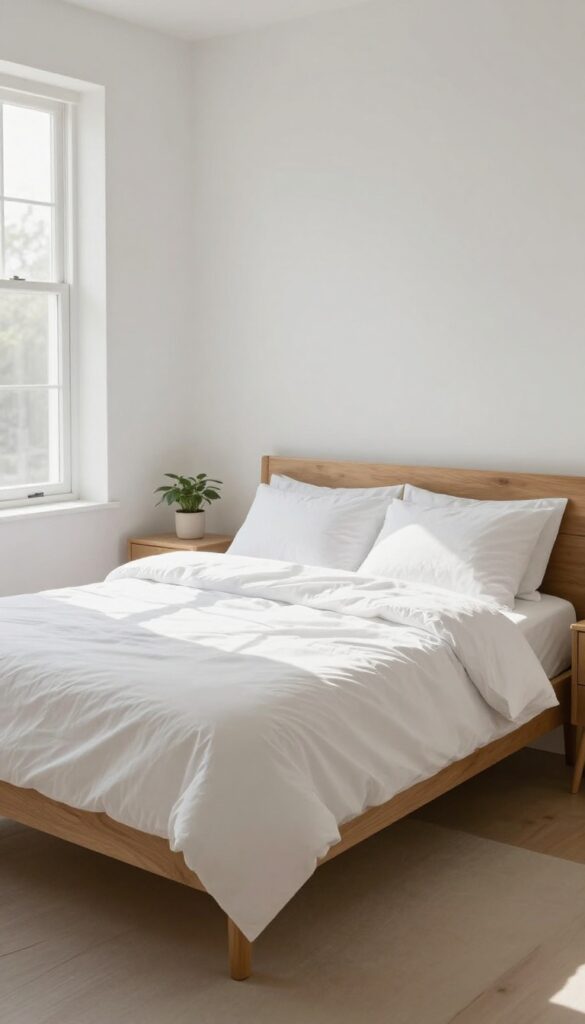
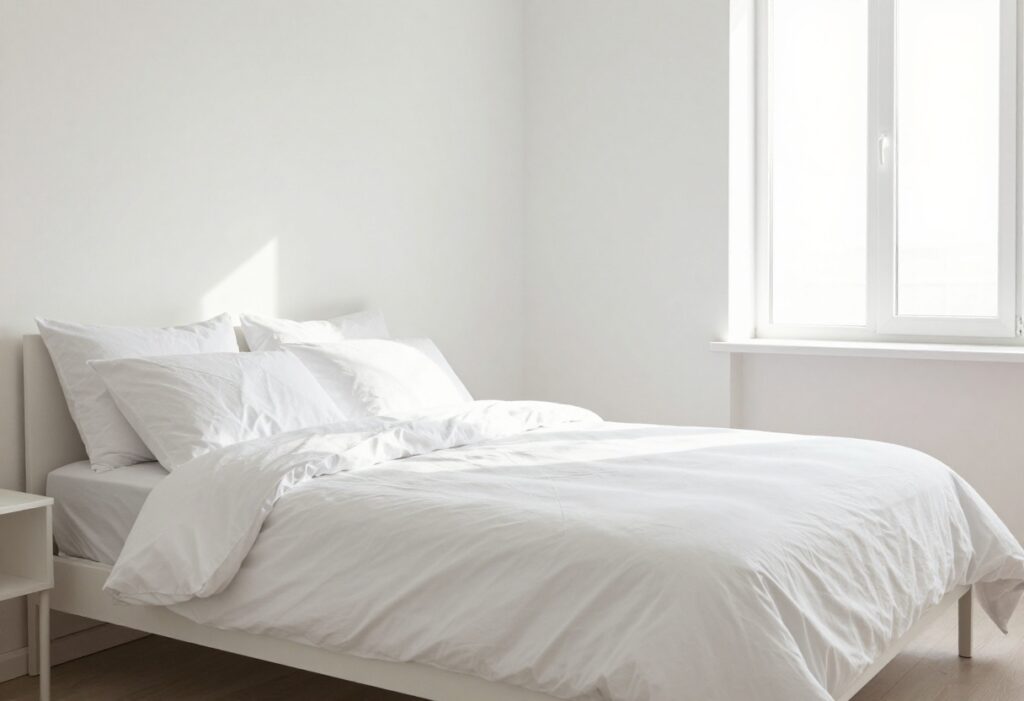
This two-minute task instantly makes your bedroom look neater and creates a sense of accomplishment to start the day. It's a small win that sets a positive tone for everything else you do.
Making your bed is the simplest habit you can adopt for a more peaceful home. It transforms your bedroom from a chaotic space into a calm sanctuary, and the ripple effects are real.
The Psychological Boost
Starting your day with a completed task gives you a quick hit of dopamine. That sense of order carries over into your morning routine, making you feel more in control and ready to tackle bigger challenges.
Instant Visual Order
A made bed is the focal point of any bedroom. When it's neat, the entire room looks tidier, even if other surfaces are cluttered. It's like putting on a clean shirt—everything feels fresher.
How To Make It Stick
Keep it simple: pull up the sheets, straighten the comforter, and fluff the pillows. Don't worry about hospital corners or decorative throws. The goal is a quick, effortless habit that takes less than two minutes.
8. Use Clear Bins for Storage
You know that moment when you're searching for a specific item and end up pulling everything out of a box? Clear bins eliminate that frustration entirely. Being able to see what's inside at a glance saves time and keeps your space tidy.
Plus, they create a uniform look that instantly feels more organized.
Clear bins are a game-changer for any room. They work especially well in closets, pantries, and toy rooms where you need quick access. The transparency reduces the mental load of remembering what's where.
And when you add labels, you double the efficiency.
Choose The Right Size
Don't grab just any bin. Measure your shelf or cabinet depth first. Stackable bins maximize vertical space, while shallow bins work best for drawers.
Mix sizes to fit different items—small bins for spices, larger ones for linens.
Label Like A Pro
Labels turn clear bins from good to great. Use a label maker for a clean look, or write on washi tape for a casual vibe. Include the category and, if needed, a list of contents.
For kids' toys, add a picture label so even non-readers can help.
Where To Use Them
Clear bins shine in high-traffic areas. In the pantry, group snacks, baking supplies, or canned goods. In the bathroom, store toiletries, first-aid items, or extra towels.
In the garage, sort tools, holiday decorations, or sports gear. The key is consistency—use the same style of bin throughout a space for a cohesive look.
9. Clean as You Cook
The kitchen often bears the brunt of meal prep, with dirty dishes piling up and counters becoming cluttered. But you can flip the script by cleaning as you cook. While your sauce simmers or your pasta boils, use those spare minutes to wash a few dishes, wipe down surfaces, and put away ingredients you no longer need.
This habit keeps your kitchen tidy throughout the cooking process, so when dinner is ready, the cleanup is minimal. You'll enjoy your meal without the dread of a messy kitchen waiting for you.
Cleaning as you cook is a game-changer for kitchen organization and peace of mind. It transforms cooking from a chaotic event into a streamlined process. By tackling messes in real time, you avoid the overwhelming pile-up that often follows a big meal.
Plus, it makes the cooking experience more enjoyable and less stressful. Here are some practical ways to incorporate this habit into your routine.
Wash As You Go
As soon as you finish using a bowl, knife, or cutting board, give it a quick rinse and place it in the dishwasher or dish rack. Don't let dirty items accumulate in the sink. This small step prevents a mountain of dishes from forming and keeps your workspace clear.
You'll be amazed at how many dishes you can wash during the natural pauses in cooking.
Wipe Spills Immediately
Keep a damp cloth or sponge nearby and wipe up spills, splatters, and crumbs as they happen. This prevents stains from setting and keeps your counters looking clean. It also reduces the need for a deep scrub later.
A quick wipe after each step keeps the kitchen feeling fresh and under control.
Put Away Ingredients
Once you've measured out spices, poured oil, or used a can of tomatoes, return them to the pantry or fridge right away. Don't leave them scattered on the counter. This not only clears space but also helps you avoid searching for items later.
It also makes it easier to see what you have left for future meals.
Use Downtime Wisely
While waiting for water to boil, a roast to cook, or dough to rise, tackle small tasks. Wash a few dishes, wipe the stovetop, or sweep the floor. These few minutes add up and can significantly reduce post-meal cleanup.
You'll finish cooking with a mostly clean kitchen, ready to enjoy your meal.
10. Schedule a Weekly Power Hour
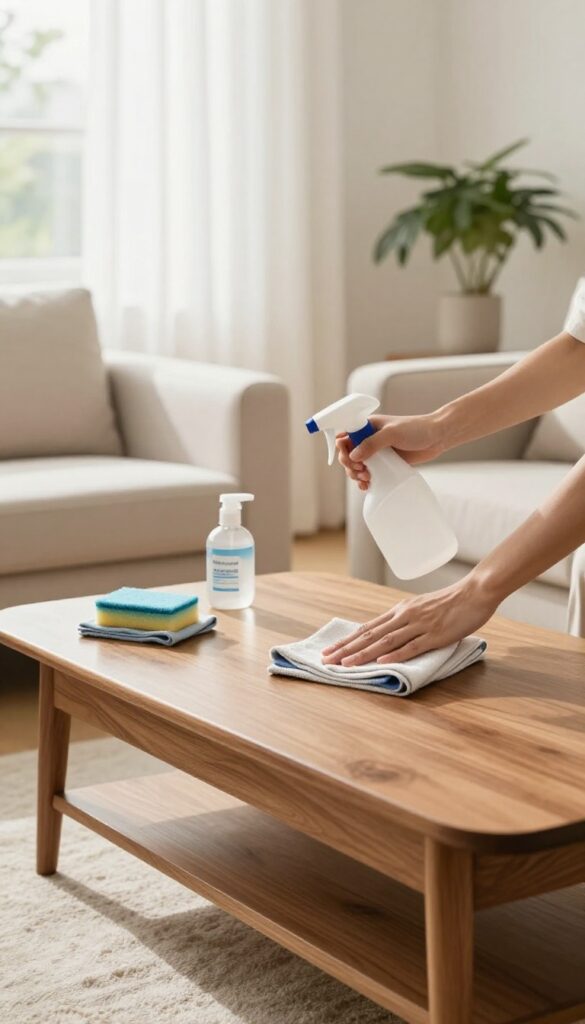
Life gets busy, and deep cleaning often gets pushed aside until it's overwhelming. A weekly power hour changes that by making deep cleaning a consistent, manageable habit. Just one focused hour each week keeps dirt and grime from building up, so your home stays consistently cleaner with less effort overall.
Pick a day and time that works for you—Sunday afternoon or Wednesday evening, whatever fits. Set a timer, put on some music or a podcast, and tackle one or two deep cleaning tasks. Rotate through different areas each week so everything gets attention over time.
After a few weeks, you'll notice how much easier it is to maintain a clean home when you never let things get too far gone.
What To Tackle
Focus on tasks you don't do daily: vacuum under furniture, wipe down baseboards, scrub the bathroom grout, or clean out the fridge. Make a rotating list so you cover different zones. Keep your supplies ready in a caddy to avoid wasting time gathering them.
Staying Motivated
Treat it like an appointment—block it on your calendar. If you miss a week, just pick up the next. The goal is consistency, not perfection.
Reward yourself afterward with a relaxing activity so you associate the hour with a positive outcome.
11. Digitize Paper Clutter
Paper piles are one of the most common sources of visual clutter. Important documents, old bills, and random receipts quickly accumulate on countertops and desks. Digitizing these papers not only clears physical space but also makes it easier to find what you need later.
Start by gathering all loose papers from around your home. Sort them into categories like financial records, medical documents, and personal files. Use a scanner or a scanning app on your phone to create digital copies.
Name each file clearly and organize them into folders on a cloud service like Google Drive, Dropbox, or iCloud. Once everything is backed up, shred and recycle the physical papers. This one-time effort eliminates a major source of clutter and gives you peace of mind knowing your documents are safe and accessible from anywhere.
What To Scan And What To Toss
Not every piece of paper needs to be kept. Scan tax returns, insurance policies, contracts, and medical records. Toss expired warranties, old receipts, and duplicate statements.
A good rule is to keep only what you'd need for legal or financial reasons. For everything else, trust the digital copy.
Organizing Your Digital Files
Create a simple folder structure that makes sense for your life. For example, have main folders for Finances, Health, Home, and Work. Inside each, use subfolders by year or category.
Use clear, consistent file names like "2024_TaxReturn. pdf" or "Passport_Scan. pdf". This saves time when searching later.
Maintaining A Paper-free System
Once you've digitized your backlog, set up a system to handle incoming paper. Designate a single tray for new documents and process them weekly. Scan and shred immediately.
Sign up for paperless billing and statements whenever possible. This habit keeps your home clutter-free long-term.
12. Implement a Laundry System
Laundry has a way of taking over when you least expect it. A pile here, a forgotten load there, and suddenly your weekend is consumed by washing and folding. The trick is to stop treating laundry as a reactive chore and start treating it like a simple, repeatable system.
A few small changes can keep clothes moving from hamper to drawer without the drama.
Sort Before You Start
Set up multiple hampers in your laundry area or closet—one for lights, one for darks, and one for delicates. This eliminates the need to sort on laundry day. If space is tight, use a divided hamper or a simple bin system.
You can also sort by family member if that helps streamline folding later.
Pick A Laundry Day (or Two)
Choose specific days for laundry and stick to them. For most households, two days a week works well—maybe Wednesday and Saturday. On those days, commit to washing, drying, folding, and putting away in one session.
Set a timer if needed. The goal is to never let laundry sit in a basket for days.
Make Folding A Habit
Fold clothes as soon as they come out of the dryer. Warm clothes are easier to fold and less likely to wrinkle. If you hate folding, try a simple KonMari fold that lets you store items upright.
Even 10 minutes of folding can clear a whole load. Put everything away immediately—no "I'll do it later" piles.
13. Use Vertical Space for Storage
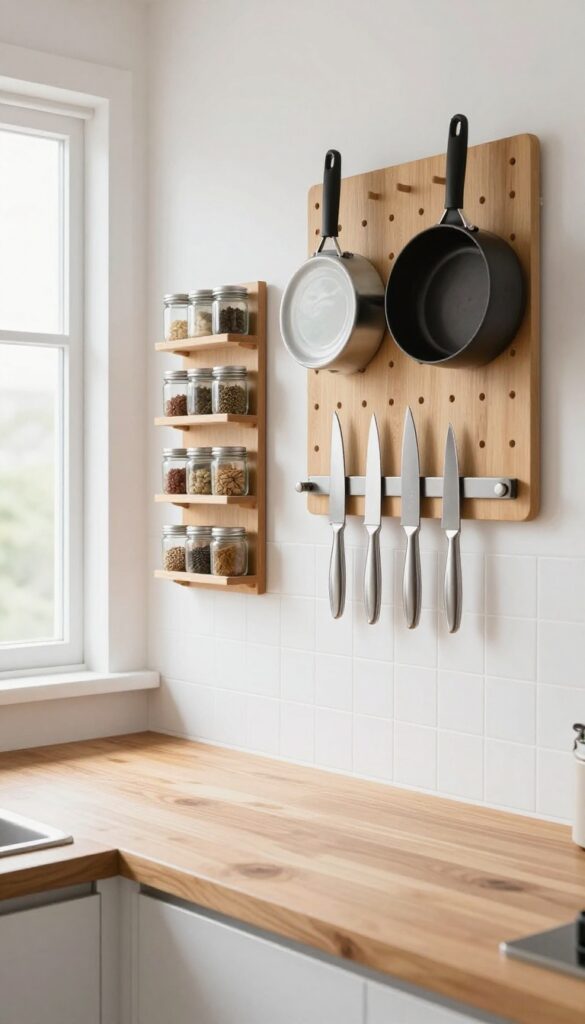
Walls are one of the most underutilized storage assets in most homes. We tend to rely on floor space and countertops, but going vertical can instantly open up a room. By mounting shelves, hooks, or pegboards, you keep everyday items accessible while clearing valuable floor area.
This approach works in nearly every room and makes small spaces feel significantly larger.
Kitchen Wall Organization
Install a magnetic knife strip or a wall-mounted spice rack to free up counter space. Pegboards above the prep area can hold utensils, pots, and even cutting boards. This keeps your most-used tools within arm's reach without cluttering the counters.
Bathroom Shelf Solutions
Add floating shelves above the toilet or next to the mirror for toiletries and towels. Over-the-door hooks or a tension rod in the shower can hold loofahs and razors. This clears the vanity and makes the bathroom feel more spacious.
Living Room Wall Displays
Use floating shelves to display books, plants, or decorative baskets that hide remotes and chargers. A wall-mounted media console lifts electronics off the floor, making the room feel airier. Corner shelves are great for filling unused vertical space.
Entryway And Mudroom Hooks
A row of sturdy hooks at different heights lets everyone hang coats, bags, and hats. Add a small shelf above for keys and mail. This keeps the floor clear and creates a drop zone that prevents clutter from spreading.
14. Keep a Donation Box Handy
Decluttering is easier when you have a designated spot for items you're ready to let go. Instead of letting things pile up in corners or closets, set up a donation box that makes the process automatic. This simple habit removes the friction of deciding what to do with each item and keeps your home from becoming a holding area for things you no longer need.
Place a sturdy box or bin in a convenient location like your closet, garage, or mudroom. Whenever you come across something you haven't used in months or that no longer serves you, drop it in immediately. The key is to make it effortless—no second-guessing, no separate piles.
Once the box is full, schedule a quick trip to your local donation center or schedule a pickup if available. This system prevents clutter from accumulating and ensures your unwanted items find a new home quickly.
Where To Put Your Box
Choose a spot that's visible and easy to access. A bedroom closet works well because you often sort through clothes and accessories there. Alternatively, a garage or entryway catches items you're bringing in or carrying out.
The goal is to make the box part of your daily routine so you never have to think twice about where to put something you're ready to donate.
What To Toss In
Clothes that don't fit, books you've already read, kitchen gadgets you never use, old electronics, and toys your kids have outgrown are all perfect candidates. If you haven't touched something in over a year, it's likely time to let it go. Be honest with yourself—if an item doesn't bring joy or serve a purpose, it's just taking up space.
Make It A Habit
Set a recurring reminder on your phone to check the box every month. When it's full, act immediately—don't let it overflow or become a permanent fixture. Pair the drop-off with another errand to make it efficient.
Over time, this practice becomes second nature, and you'll notice your home feeling lighter and more organized without any extra effort.
15. Wipe Down Surfaces Daily
A quick pass with a microfiber cloth on countertops, tables, and bathroom sinks prevents grime from building up. This simple habit takes less than two minutes but keeps your home looking fresh every day. You'll be surprised how much calmer a clean surface feels.
Daily wiping stops dust, crumbs, and sticky spots from turning into stubborn messes. It also reduces the need for deep cleaning sessions later. Make it part of your evening wind-down routine: grab a cloth, spray a little all-purpose cleaner, and give high-touch areas a quick swipe.
Focus on kitchen counters, dining tables, bathroom vanity tops, and any other surfaces you use often. This small effort pays off in a consistently tidy home.
Why Daily Wiping Matters
Grime and bacteria accumulate fast on frequently touched surfaces. A daily wipe cuts down on germs and prevents stains from setting in. It also keeps your home feeling fresh without heavy scrubbing.
What You Need
Keep a microfiber cloth and a gentle cleaner in each main room. Microfiber traps dust and dirt better than paper towels. A spray bottle with diluted vinegar or a mild multipurpose cleaner works well for most surfaces.
How To Build The Habit
Tie surface wiping to an existing routine, like after dinner or before bed. Set a timer for two minutes and see how much you can cover. Soon it will become automatic.
16. Organize Cords and Cables
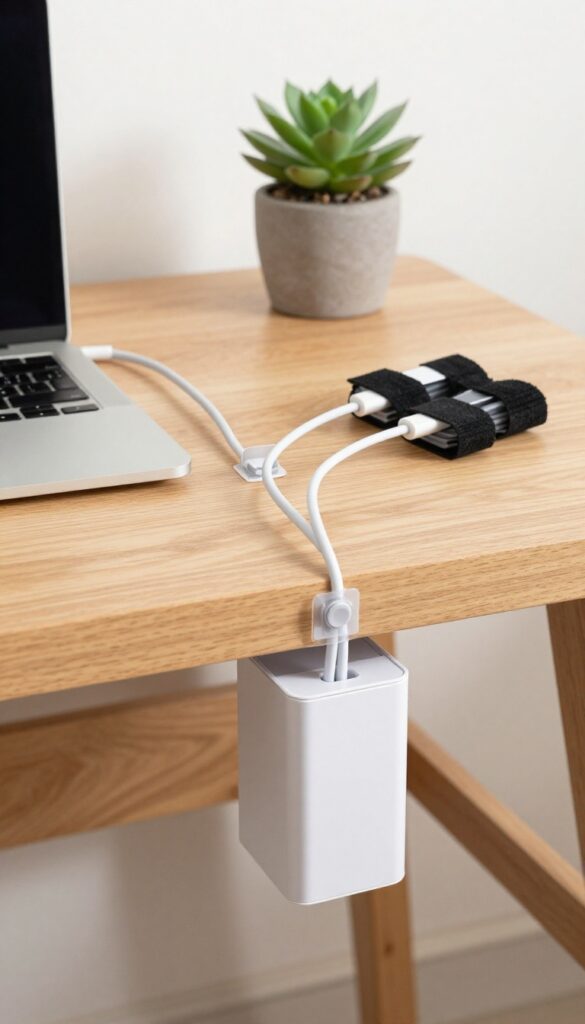
Tangled cords are a silent source of visual stress. They clutter surfaces, collect dust, and make it hard to find the right charger. But with a few simple tricks, you can tame the cable chaos and make your space feel instantly more peaceful.
Start by unplugging everything and grouping cords by device. Use cable ties, Velcro straps, or binder clips to bundle them neatly. Label each cord with a small tag or washi tape so you know which belongs to what.
For cords behind a TV or desk, use adhesive cable clips to run them along the edge of furniture or walls. This keeps them out of sight and prevents dust bunnies from gathering. If you have multiple devices in one spot, consider a cable management box to hide power strips and excess length.
The goal is to reduce visual noise—every cord you can't see is one less thing your brain has to process.
Bundle And Label
Gather all loose cords and use twist ties, zip ties, or reusable cable wraps to bundle them. For a cleaner look, use cord clips to attach bundles to the back of a desk or entertainment center. Label each bundle with a small sticker or piece of tape—this saves time when you need to unplug something.
Hide The Mess
Use a cable management box or a decorative basket to conceal power strips and excess cord length. For cords that must be visible, run them along baseboards or furniture edges with adhesive clips. This keeps them tidy and out of the way.
Go Wireless Where You Can
Reduce cord count by switching to wireless chargers, Bluetooth speakers, and smart plugs. Every cord you eliminate is one less thing to organize. For devices that still need wires, choose shorter cables to minimize slack.
17. Create a Cleaning Caddy
Ever find yourself walking back and forth to grab supplies you forgot? A cleaning caddy solves that. It keeps everything you need in one portable bin, so you can move from room to room without wasting time or energy.
What To Put Inside
Start with the basics: an all-purpose cleaner, glass cleaner, microfiber cloths (a few different colors to avoid cross-contamination), a scrub brush, and a squeegee. Add gloves, a duster, and a small trash bag. Customize based on your home—maybe a tile cleaner for the bathroom or a wood polish for furniture.
Choosing The Right Caddy
Look for a sturdy plastic or metal caddy with a handle and compartments. A divided design keeps bottles upright and prevents leaks from mixing. A caddy with a wide base is less likely to tip over.
Avoid anything too large—you want it light enough to carry easily.
How To Use It Efficiently
Fill the caddy before you start cleaning. Then tackle one room at a time: dust, wipe surfaces, clean mirrors, and sweep or vacuum. Restock as needed.
After cleaning, rinse cloths and check supply levels so the caddy is ready for next time.
18. Use Drawer Dividers
Drawers can easily become black holes of clutter, swallowing up everything from pens to spatulas. Without a system, you end up digging through a jumble every time you need something. Drawer dividers solve this by giving each item its own designated spot, so everything stays neat and accessible.
Dividers are inexpensive and come in many sizes, making them adaptable for any drawer. They work in kitchens, offices, bathrooms, and even junk drawers. Once you install them, you'll wonder how you lived without the order they bring.
Kitchen Utensil Drawer
Stop rummaging through a tangled pile of spatulas, whisks, and tongs. Use adjustable wooden or plastic dividers to separate utensils by type. Keep cooking spoons in one section, measuring cups in another, and gadgets like peelers in a third.
This setup not only saves time but also protects your tools from scratches.
Office Supply Drawer
A desk drawer full of loose pens, paper clips, and sticky notes is a productivity killer. Install small bins or adjustable dividers to organize pens, scissors, tape, and other supplies. You'll grab what you need without hunting, and your workspace will feel instantly calmer.
Makeup And Bathroom Drawers
Bathroom drawers often hold a chaotic mix of makeup, brushes, and toiletries. Use acrylic dividers to separate lipsticks from eyeliners, or store brushes in dedicated slots. For deeper drawers, stackable trays can double your space.
This system makes your morning routine faster and more pleasant.
19. Rotate Seasonal Items
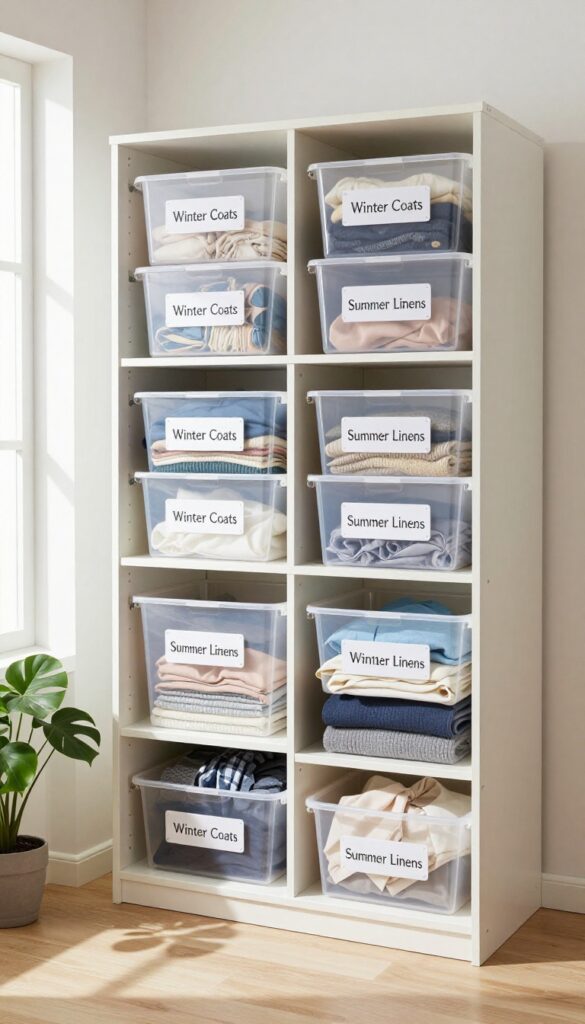
Seasonal rotation is a simple habit that keeps your home from feeling overcrowded. By storing off-season clothes and decorations in labeled bins, you free up closet and shelf space for what you actually use. Swapping items twice a year—spring and fall—turns this into a manageable routine rather than a daunting chore.
Rotating seasonal items isn't just about storage; it's about creating a home that reflects the current season. When you tuck away heavy sweaters in summer and bring out light linens, your space feels intentional and fresh. The same goes for decor—holiday ornaments stored away make room for everyday simplicity.
This practice also helps you rediscover items you may have forgotten, reducing the urge to buy duplicates.
Label Everything Clearly
Use sturdy bins with clear lids or add large labels on all sides. Include the season and a brief list of contents, like 'Winter Coats & Hats' or 'Christmas Decor. ' This way, you never have to dig through multiple boxes to find what you need. Color-coding by season can also speed up the process.
Create A Swap Day Ritual
Set a calendar reminder for the first weekend of April and October. Make it a family event: put on music, sort through items, and donate anything you didn't use last season. This keeps the rotation efficient and even enjoyable.
Over time, it becomes a natural reset for your home.
Store Smart, Not Just Stacked
Use vacuum-seal bags for bulky bedding and clothing to save space. For decorations, wrap fragile items in acid-free tissue and use dividers to prevent breakage. Keep bins in a dry, accessible spot like a garage shelf or under-bed storage.
Avoid damp basements or hot attics that can damage fabrics and decor.
20. Clean Your Fridge Weekly
Your fridge works hard to keep food fresh, but it can quickly become a breeding ground for odors and forgotten leftovers. A weekly clean-out before grocery shopping is a game-changer. It takes just 10 minutes and saves you from discovering science experiments at the back of a shelf.
Toss And Donate First
Start by pulling everything out. Check expiration dates and look for wilted produce. Toss anything past its prime.
If you have unopened items you won't use, donate them to a local food bank. This step alone prevents cross-contamination and makes room for fresh groceries.
Wipe Shelves And Drawers
Use a mild soap and warm water to wipe down all surfaces. Pay extra attention to drawers where produce leaves residue. A microfiber cloth works well without leaving lint.
Dry everything thoroughly before restocking to prevent mold.
Organize By Zone
Group similar items together: dairy on one shelf, condiments on the door, leftovers on a designated shelf. Use clear bins for small items like yogurt or cheese sticks. This system makes it easy to see what you have and grab what you need.
21. Use a Timer for Decluttering Sessions
Decluttering feels overwhelming when you think about tackling an entire room. That's where a simple timer changes everything. By committing to just 15 minutes, you remove the pressure and make the task feel doable.
Short, focused bursts keep your energy up and prevent the burnout that comes with marathon cleaning sessions.
Why 15 Minutes Works
Fifteen minutes is short enough to fit into a busy day but long enough to make real progress. Your brain stays engaged because there's a clear endpoint. You'll be surprised how much you can clear in that time—a cluttered countertop, a junk drawer, or one shelf in a closet.
The timer creates a gentle deadline that keeps you moving without rushing.
Pick One Small Area
Before you start, choose a single zone. Not "the living room, " but "the coffee table. " Not "the kitchen, " but "the utensil drawer.
" Narrowing your focus prevents decision fatigue. Put everything in that area into a pile, then sort quickly: keep, donate, trash. If you finish early, you can move to the next spot, but the goal is to complete one area well.
Build The Habit Gradually
Consistency beats intensity. Try doing one 15-minute session every day for a week. You'll build momentum without feeling deprived.
Over time, these small wins add up to a noticeably tidier home. The timer also helps you stop before you get bored or resentful, so you're more likely to stick with the habit long-term.
22. Keep a Trash Bag Handy for Quick Purges
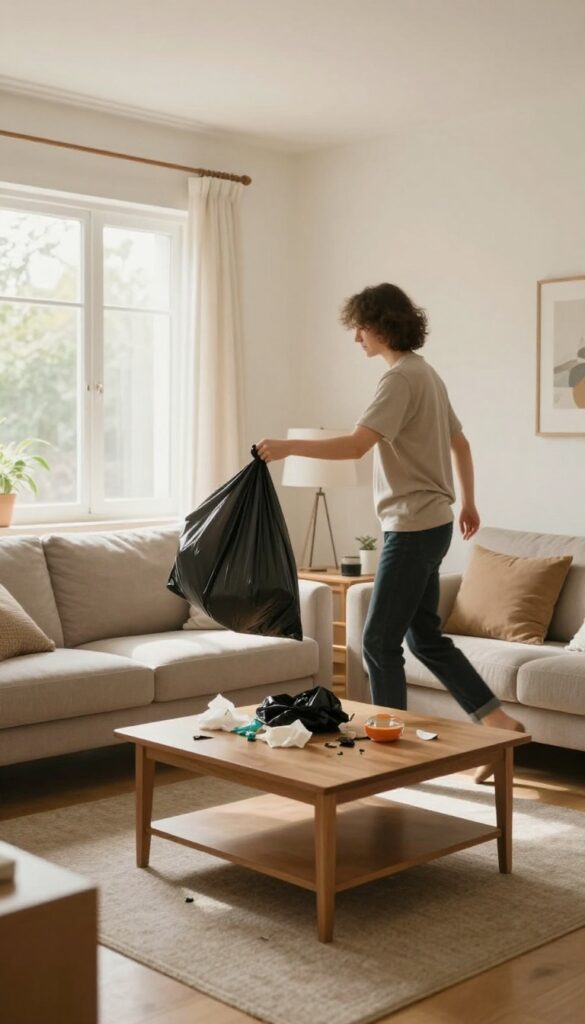
One of the easiest ways to declutter on the go is to keep a trash bag or donation bag with you as you move through your home. Instead of stopping to decide where each item goes, you toss it in the bag and keep moving. This simple trick cuts down on decision fatigue and keeps your momentum going.
When you're tidying up, it's tempting to pick up an item, think about it, and then set it down again. That hesitation is where clutter thrives. By carrying a bag, you create a default action: if you don't love it, use it, or need it, it goes in the bag.
No second-guessing. You can sort the bag later, but for now, you're just clearing space.
Why It Works
The bag acts as a physical reminder that you're in purge mode. It also prevents the common trap of moving clutter from one surface to another. With a bag in hand, you're forced to make a quick decision: keep or go.
Over time, this habit trains your brain to let go more easily.
What Kind Of Bag To Use
A standard kitchen trash bag works for larger items, but a reusable shopping bag is great for donations. Keep a stash of bags in a central spot, like under the sink or in a hall closet. That way, whenever you have a few minutes, you can grab one and start a mini purge.
When To Do A Quick Purge
Try it while you're on the phone, waiting for water to boil, or during a commercial break. Even five minutes of bag-in-hand decluttering can make a noticeable difference. The key is consistency—do it often enough that it becomes a natural part of your routine.
23. Designate a 'Clutter Corner'
Every home has that one spot where things magically accumulate—a kitchen counter, a hallway table, or a corner of the living room. Instead of fighting it, work with it. By giving that spot a designated basket, you create a temporary holding zone that keeps the rest of the space tidy.
Once a week, you sort through it and put everything away, making the pile manageable and intentional.
A clutter corner isn't about ignoring the mess; it's about containing it. Choose a small, attractive basket that fits the space. When you see random items like mail, keys, or kids' toys, toss them in the basket.
This keeps surfaces clear and your mind calm. The key is to set a weekly reminder to sort through the basket and return items to their proper homes. Over time, this habit prevents clutter from spreading and makes cleanup a quick, painless routine.
Pick The Right Basket
Choose a basket that matches your decor and is easy to carry. A sturdy, open-top design works best so you can toss items in quickly. Avoid anything too large, or it will become a black hole.
A medium-sized basket forces you to sort regularly.
Set A Weekly Sort Day
Pick a day and time each week to empty the basket. Sunday evenings work well for many. Dump everything on a table or bed, sort into categories (keep, trash, give away, put away), and then return items to their places.
This takes 10–15 minutes max.
Involve The Whole Household
If you share the space, let everyone know about the clutter corner. Encourage family members to toss their own items in the basket. Make it a team effort—everyone helps with the weekly sort.
This builds a shared habit and reduces resentment.
24. Use Scent to Enhance Cleanliness
You've scrubbed, wiped, and organized. The surfaces gleam, but something still feels missing. That's where scent comes in—a clean home should smell as fresh as it looks.
A pleasant aroma can trick your brain into feeling that the space is truly refreshed, reinforcing all the hard work you just did.
After cleaning, reach for a natural room spray or an essential oil diffuser. Citrus oils like lemon or orange are bright and energizing, while lavender or eucalyptus promote calm. Avoid synthetic air fresheners that just mask odors; instead, choose pure essential oils or a simple simmer pot with herbs and fruit.
A consistent signature scent can also become a cue for relaxation, helping you unwind the moment you walk through the door.
Pick Scents That Match The Room
Different rooms call for different vibes. In the kitchen, go with lemon, peppermint, or rosemary to reinforce cleanliness. For the bedroom, lavender or chamomile encourage rest.
The bathroom benefits from tea tree or eucalyptus, which have natural antimicrobial properties and smell spa-like.
Make Your Own Room Spray
Combine 10–15 drops of essential oil with 2 ounces of distilled water in a spray bottle. Add a teaspoon of vodka or rubbing alcohol to help the oil disperse. Shake well before each use.
This is cheaper than store-bought and lets you customize your favorite blends.
Use Scent As A Finishing Touch
Spray a light mist into the air after cleaning, or add a few drops of oil to a cotton ball and tuck it into a vent or behind a piece of furniture. The key is subtlety—you want a gentle background note, not an overwhelming perfume.
25. Celebrate Small Wins
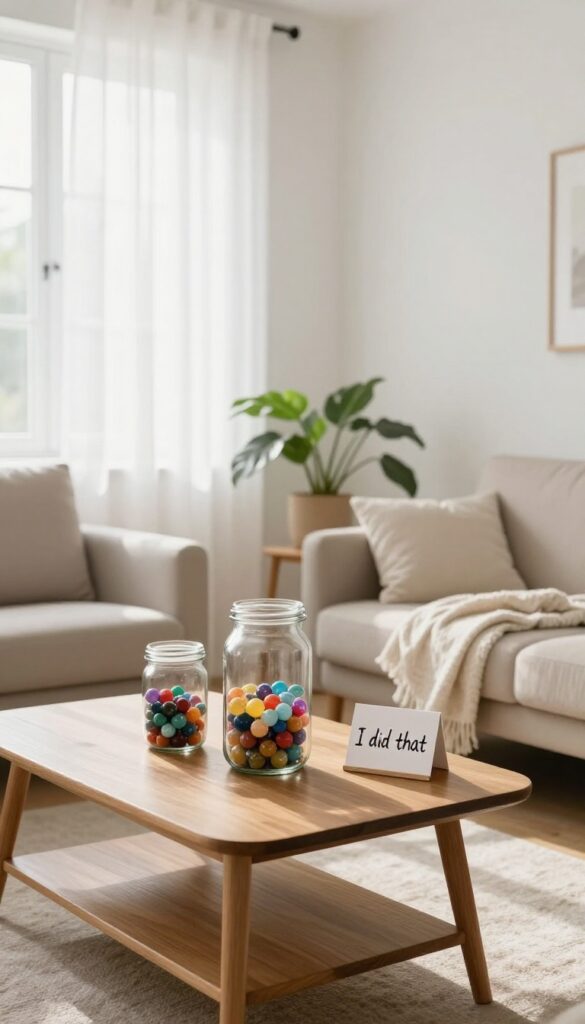
You've scrubbed, wiped, and organized. But if you only focus on what's left to do, you'll burn out fast. Acknowledging progress—even tiny progress—keeps your momentum going and makes the whole process feel rewarding instead of exhausting.
Why It Matters
Your brain craves recognition. When you pause to notice that you cleared the junk drawer or finally wiped down the baseboards, you release a small hit of dopamine. That feel-good chemical reinforces the behavior, making you more likely to keep going.
Without that positive feedback, cleaning becomes a chore you dread instead of a habit you enjoy.
How To Celebrate
Keep it simple. After you finish a task, say out loud, "I did that. " Or give yourself a small reward—a cup of tea, five minutes of scrolling, or a sticker on a calendar.
The celebration doesn't have to be big; it just has to be intentional. Over time, these micro-rewards build a positive association with tidying up.
Track Your Progress
Use a visual tracker, like a checklist or a jar where you drop a marble for each completed task. Seeing your progress accumulate is incredibly satisfying. It turns abstract effort into concrete proof that your home is becoming more peaceful, one small win at a time.
FAQ
How often should I declutter my home?
Aim for a quick 10-minute tidy daily and a deeper declutter session once a month. Seasonal purges (spring and fall) help keep things manageable.
What's the best way to start organizing if I feel overwhelmed?
Pick one small area, like a single drawer or a countertop. Set a timer for 15 minutes and focus only on that spot. Small wins build momentum.
How can I keep my home clean with a busy schedule?
Incorporate micro-habits like making your bed, wiping counters after meals, and doing a 10-minute evening tidy. Consistency beats marathon cleaning sessions.
What should I do with items I no longer need?
Donate gently used items to local charities, sell valuable pieces online, or recycle what's broken. Keep a donation box handy to make the process easy.
How do I maintain an organized home long-term?
Adopt the one-in-one-out rule, schedule regular decluttering sessions, and involve your household. Systems only work if everyone helps maintain them.
Conclusion
A peaceful home isn't about perfection—it's about creating a space that supports your daily life without adding stress. Start with just one or two ideas from this list that feel manageable today. Small, consistent actions build momentum over time.
Whether it's clearing a countertop or setting a five-minute timer, each step brings you closer to a calmer, more organized home. Your environment shapes your mindset, so give yourself permission to start small.