You walk through the door after a long day, and the mess hits you like a wave. Piles of laundry, scattered papers, sticky counters—it’s enough to make you want to turn around and leave. But here’s the truth: a clean home isn’t about perfection; it’s about reclaiming your space and your peace of mind.
The hardest part is knowing where to start. That’s where this guide comes in. We’ve broken down the chaos into 23 simple, actionable steps that will help you tackle any messy room without feeling overwhelmed.
Forget the all-or-nothing mindset. You don’t need to clean the whole house in one day. Pick one tip, start small, and watch the transformation unfold.
1. Start with the Trash: Grab a Bag and Toss

Trash is the lowest-hanging fruit in any cleaning project. It doesn't require sorting, organizing, or decision-making—just a bag and a willingness to throw things away. Within minutes, you'll see empty surfaces and feel a sense of accomplishment that fuels your next step.
Walk through each room with a garbage bag and a sharp eye. Pick up empty wrappers, old receipts, broken items, and anything that's clearly destined for the bin. Don't overthink it—if it's trash, toss it.
This simple act creates instant visual relief and clears the way for deeper cleaning.
Why Trash First Works
Removing trash is the fastest way to make a room look better. It's a low-effort, high-impact task that doesn't require organization skills. Plus, it builds momentum—once you see progress, you'll want to keep going.
What Counts As Trash
Be ruthless: empty food containers, junk mail, worn-out pens, broken toys, expired coupons, and anything you haven't used in a year that's clearly garbage. If you hesitate, set it aside in a 'maybe' pile, but aim to toss first.
Pro Tip For Momentum
Set a timer for 10 minutes per room. Race against the clock to fill the bag. The urgency keeps you focused and prevents perfectionism.
When the timer rings, move to the next room or take a short break.
2. Clear All Surfaces: Counters, Tables, and Desks
Flat surfaces are clutter magnets. They collect mail, keys, random gadgets, and half-empty coffee cups without you even noticing. The moment you clear them off, the entire room feels lighter and more organized.
This is one of the fastest ways to see progress and get motivated to keep going.
Start by grabbing a laundry basket or a box. Walk through your kitchen, dining room, and home office. Pick up everything that doesn't belong on those surfaces—papers, dishes, toys, chargers—and toss them into the basket.
Don't stop to sort or decide where each item goes yet. Just clear the visual noise. Once the surfaces are bare, give them a quick wipe down.
Then, put away only the items that truly belong there, like a fruit bowl on the counter or a lamp on the desk. Everything else stays in the basket until you find its proper home. This single step can transform a chaotic room into a calm one in under 20 minutes.
The Basket Method
The basket method is your best friend here. Use a large container to collect everything that's out of place. Don't overthink it—just sweep items off the surface into the basket.
This clears the space instantly and lets you deal with the clutter later. You'll be amazed at how much cleaner the room looks with just that one action.
Wipe And Reset
Once surfaces are bare, take a microfiber cloth and all-purpose cleaner to wipe them down. A clean, shiny surface sends a signal to your brain that the room is tidy, which can boost your mood and motivation. After wiping, only return items that are used daily or add to the room's function.
Create Landing Zones
To prevent surfaces from getting cluttered again, set up designated landing zones. A small tray by the door for keys and mail, a dish for pocket contents on the dresser, or a charging station on the desk. These simple spots give items a home and keep surfaces clear long-term.
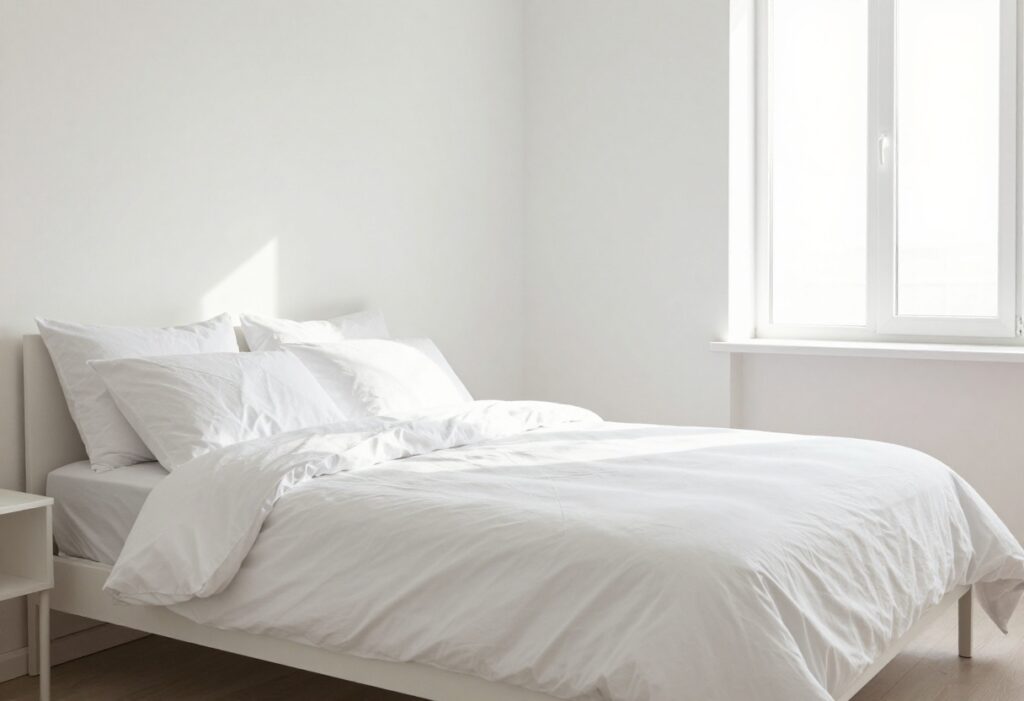
3. Make Your Bed: The Anchor of a Tidy Room
There’s a reason why military boot camps and productivity gurus alike swear by this one habit. Making your bed is a two-minute task that instantly transforms the look and feel of your bedroom. It’s a small win that signals to your brain: “We’re getting things done today. ” And once that bed is made, the rest of the room suddenly feels more manageable.
Starting your cleaning session by making the bed does more than just tidy up the sheets. It creates a visual anchor of order in the room, making the clutter elsewhere stand out and motivating you to tackle it. Plus, it’s a task you can complete without any cleaning supplies or decision-making—just straighten, fluff, and go.
The Psychological Boost
Psychologists call this the “completion effect. ” Finishing a simple task releases a small dose of dopamine, which boosts motivation and reduces anxiety. When you make your bed, you’ve already accomplished something, and that momentum can carry you through the rest of your cleaning list.
How To Make It Stick
Don’t overcomplicate it. You don’t need hospital corners or decorative pillows. Just pull up the sheets, smooth the duvet, and arrange the pillows.
If you’re short on time, a quick straighten is enough. The goal is to create a visual anchor, not a showroom.
The Domino Effect
Once the bed is made, you’ll naturally want to clear off the nightstand, fold the throw blanket, or pick up clothes from the floor. It’s like the first domino falling. Many people report that making their bed leads to a cleaner room, a cleaner house, and even a more productive day overall.
4. Do a 10-Minute Declutter in One Zone
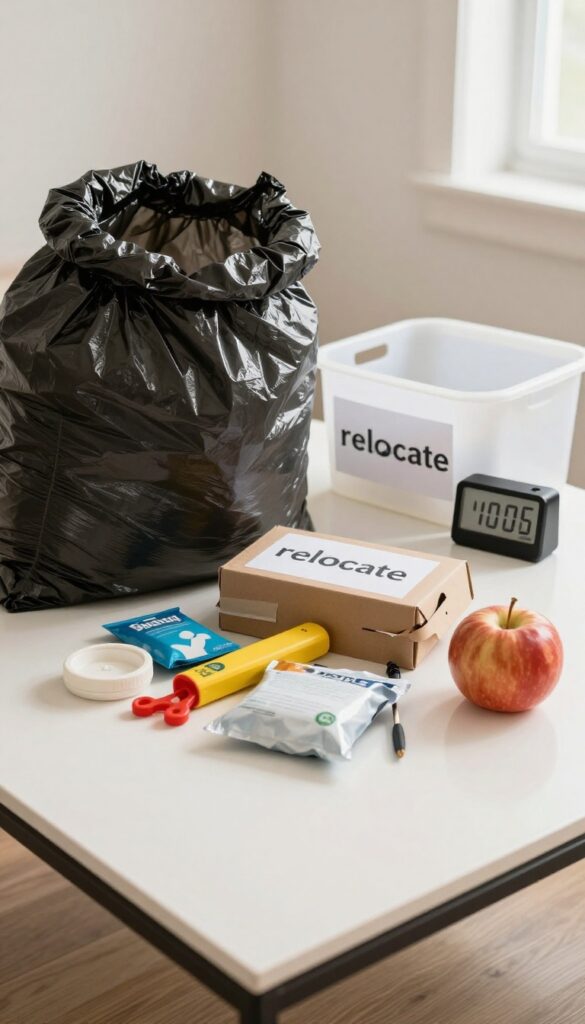
Sometimes the biggest hurdle is just getting started. That’s where a 10-minute declutter comes in. It’s a low-pressure way to make a visible dent without committing to hours of work.
Pick one small zone—like a coffee table, a kitchen counter, or a single shelf—and set a timer. You’ll be surprised how much you can accomplish in such a short burst.
The key is to keep it small and focused. Don’t wander into other areas or start organizing drawers. Just clear that one spot.
Grab a trash bag for obvious junk, a box for donations, and a bin for items that belong elsewhere. Then go fast: decide in seconds whether each item stays, goes, or gets relocated. When the timer rings, stop.
Even if you’re not done, you’ve made progress. Doing this daily builds momentum and trains your brain to make quick decisions.
Choose Your Zone Wisely
Pick a spot that you see every day—like the entryway table or the nightstand. A high-visibility zone gives you a daily win and motivates you to keep going. Avoid closets or deep drawers for now; stick to flat surfaces or small shelves.
The Three-box Method
Before you start, grab three containers: one for trash, one for donations, and one for things that belong in another room. As you scan each item, toss it in the appropriate box. This keeps you from getting sidetracked by putting things away mid-session.
Embrace The Timer
The timer is your friend. It creates urgency and prevents perfectionism. When you know you only have 10 minutes, you’re less likely to agonize over whether to keep that old magazine.
Just make a call and move on.
5. Gather All Laundry in One Place
Laundry tends to multiply when it’s scattered across bedrooms, bathrooms, and hallways. Each stray sock or wrinkled shirt adds to the mental load. By collecting every piece of dirty clothing into a single pile, you instantly reduce visual chaos and gain a clear starting point.
Start by grabbing a laundry basket or a large trash bag. Walk through each room and pick up any clothing on floors, chairs, or draped over furniture. Don’t worry about sorting yet—just gather everything.
Once you have one big pile, you’ll see exactly how much there is, which makes the task feel more manageable. Then, quickly separate lights and darks, and start a load. The sound of the washing machine running is a small win that builds momentum.
Why Consolidation Works
Scattered laundry creates the illusion of a bigger mess than it actually is. When clothes are spread out, your brain registers multiple problem spots. Gathering them into one pile reduces that overwhelm and gives you a single, clear target.
Plus, you’ll often find items you thought were lost.
Sort As You Go
Once everything is in one spot, sorting becomes quick. Separate lights, darks, and delicates into smaller piles. If you’re short on time, just start one load right away.
Even one wash cycle makes a visible dent in the clutter.
Keep The Momentum
While the first load washes, fold or hang any clean clothes that were mixed in. Use that time to clear surfaces or put away stray items. The goal isn’t to finish all laundry in one go—it’s to break the cycle of accumulation.
6. Wipe Down Kitchen Counters and Sink
The kitchen counter is the first thing you see when you walk into the room, and a clean one sets the tone. After you've cleared the clutter, grab an all-purpose cleaner or a spray bottle with soapy water. Wipe down every surface, paying attention to corners and under appliances where crumbs hide.
A quick polish of the sink with a microfiber cloth and a bit of baking soda can make it shine like new.
A clean counter and sink instantly make the kitchen feel fresh and inviting. This small win can motivate you to keep going. Plus, it's a practical step that prevents bacteria buildup and makes meal prep more pleasant.
Gather Your Supplies
You don't need fancy products. A spray bottle with diluted dish soap, a microfiber cloth, and a scrub brush are enough. For the sink, baking soda and vinegar work wonders.
Keep everything within reach so you don't have to stop mid-task.
Work From Top To Bottom
Start with the counters, then move to the sink. This prevents dirt from dripping onto already cleaned areas. Wipe down backsplashes and the stovetop if needed.
For stubborn stains, let the cleaner sit for a minute before scrubbing.
Don't Forget The Details
Wipe down the faucet, handles, and soap dispenser. These high-touch areas collect grime quickly. A dry cloth afterward prevents water spots.
For a final touch, put away any remaining items to keep the surface clear.
7. Put Away Items That Don’t Belong in the Room
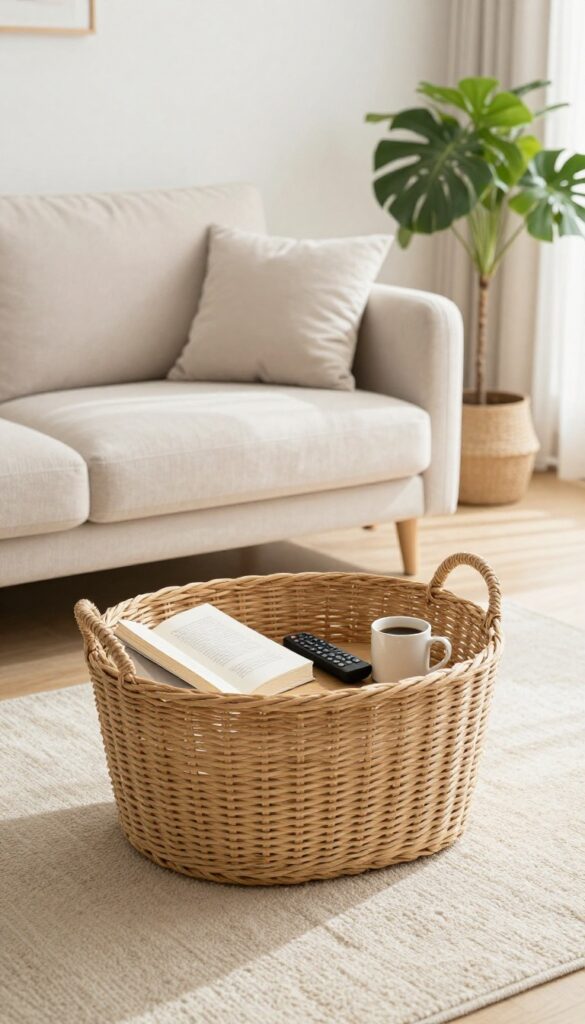
Rooms get messy when things migrate from where they belong. A coffee mug ends up in the bedroom, a book lands in the kitchen, and before you know it, every surface is cluttered with orphaned objects. The fix is simple: gather all those misplaced items and put them in a basket.
Later, return them to their proper homes. This one habit instantly reduces visual chaos and makes each room feel more organized.
Instead of running back and forth to return each item individually, use a basket or box as a temporary holding zone. As you move through a room, grab anything that doesn’t belong there and drop it in the basket. Once the room is clear, take the basket and distribute its contents to the correct rooms.
This method saves time and keeps you focused on the current space.
Why This Works So Well
When you stop to put away every single item immediately, you break your cleaning flow. A basket lets you batch the task—collect first, return later. It also gives you a visual cue of progress: the fuller the basket, the cleaner the room becomes.
Plus, it prevents the dreaded “I’ll just put this away” detour that often leads to starting a new task in another room.
What Counts As “misplaced”?
Anything that has a designated home in another room qualifies. Think dishes, clothes, books, toys, mail, electronics, and personal care items. If you find a hairbrush in the living room or a remote in the bathroom, into the basket it goes.
Be honest with yourself—if you’re unsure where something belongs, set it aside and decide later.
Pro Tip: Use A Laundry Basket Or Tote
A sturdy laundry basket or a large tote bag works perfectly as a collection bin. Keep it in the room you’re cleaning, and when it’s full, do a quick round to return items. For smaller spaces, a shallow box or even a grocery bag can do the trick.
The key is having a designated spot so you don’t just pile things on a chair.
8. Focus on the Entryway: First Impressions Matter
The entryway is the first thing you see when you walk in, and it sets the tone for the entire home. A cluttered entrance can make the whole house feel chaotic, while a tidy one brings instant calm. Start here to create a welcoming transition from the outside world.
Clearing the entryway is one of the fastest ways to make your home feel more organized. Shoes, coats, bags, and mail tend to pile up, turning this small space into a dumping ground. By dedicating just a few minutes to this area, you’ll create a positive first impression every time you walk through the door.
Create A Drop Zone
Designate a specific spot for everyday items like keys, wallets, and phones. A small tray or bowl on a console table works perfectly. This simple habit prevents these essentials from scattering across the house.
Tackle Shoe Overflow
Shoes can quickly take over the entryway. Keep only the most frequently worn pairs out, and store the rest in a closet or shoe rack. A small bench with built-in storage is a great solution for hiding excess footwear.
Manage Mail And Paper Clutter
Mail tends to accumulate on entryway surfaces. Set up a simple sorting system: a basket for bills, a folder for important documents, and a recycling bin for junk mail. Go through it weekly to keep the pile from growing.
9. Tackle One Drawer or Cabinet Completely
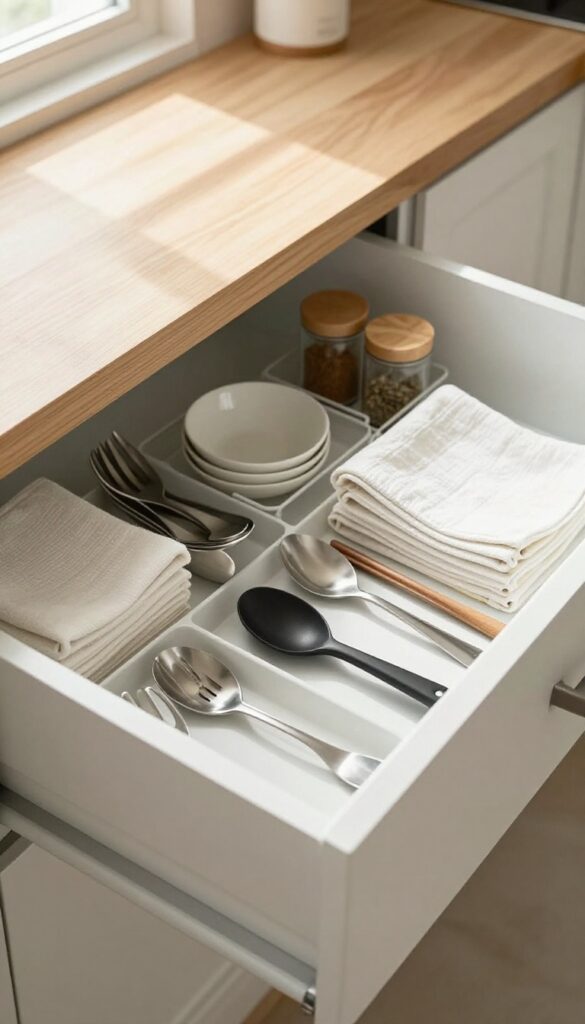
You know that one drawer everyone has—the one filled with random batteries, takeout menus, and pens that don't work? That's your starting point. Picking a single small space like a drawer or a cabinet turns cleaning into a quick win instead of a marathon.
The whole process takes maybe 15 minutes, and the result is instantly visible. It's the kind of progress that reminds you that yes, you can do this.
Empty the entire drawer or cabinet onto a counter or table. Wipe down the inside with a damp cloth or disinfectant wipe. Now, sort through the pile.
Ask yourself: Do I use this? Do I love it? Does it belong here?
Anything that doesn't fit gets tossed, donated, or moved to its proper home. Only put back the essentials, and arrange them neatly. Use small containers or dividers if you have them, but even grouping like items together makes a difference.
Close the drawer and admire your work. That one small victory builds momentum for the next task.
Why Start With A Drawer Or Cabinet?
Drawers and cabinets are contained spaces with clear boundaries. They don't lead to decision fatigue because the area is small. Finishing one gives you a concrete sense of accomplishment, which fuels motivation for the next step.
Plus, these are high-traffic spots you see and use daily, so keeping them tidy has an outsized impact on how organized your home feels.
What To Put Back And What To Let Go
Be ruthless but realistic. If you haven't used that gadget in a year, you probably won't. Broken items?
Recycle or toss. Duplicates? Keep the best one.
Sentimental clutter? Take a photo and let the object go. For the items you keep, group them by category—like all charging cables in one pouch, all spices in a row.
This makes finding things later effortless.
Maintaining The Win
Once a drawer or cabinet is clean, set a simple rule: every time you open it, put things back in their designated spot. If something doesn't belong, deal with it immediately. A quick weekly check—just 30 seconds—keeps it from reverting to chaos.
You'll find yourself naturally wanting to apply the same logic to other drawers and cabinets around the house.
10. Sweep or Vacuum High-Traffic Areas
Floors take a beating in the busiest spots of your home. The kitchen, living room, and hallway collect crumbs, dust, and dirt throughout the day. A quick sweep or vacuum in these high-traffic zones gives you an instant visual payoff—the space looks cleaner before you've done much else.
Focus on the floors in the kitchen, living room, and hallway. A quick sweep or vacuum removes dirt and debris, making the house feel cleaner instantly.
Start With The Kitchen Floor
The kitchen floor is a magnet for dropped food, spills, and tracked-in grime. Sweep around the stove, sink, and dining area first. If you have a vacuum with a hard floor setting, use it to pick up fine dust that a broom might miss.
Hit The Living Room Entry Points
Dirt from shoes and pet paws collects near doorways and under furniture. Vacuum the main walkway from the entrance to the couch. Don't forget to move any small rugs and shake them out or vacuum both sides.
Don't Skip The Hallway
Hallways are often overlooked, but they connect every room and gather dust bunnies quickly. A straight line sweep or vacuum pass from one end to the other takes less than a minute and makes the whole house feel fresher.
11. Create a “Maybe” Box for Sentimental Items
Sentimental clutter is often the hardest to let go of. That old concert t-shirt, the chipped vase from your grandmother, or a stack of birthday cards—each item carries a memory, making it nearly impossible to toss. But holding onto everything doesn't honor the past; it just crowds your present.
A "maybe" box gives you permission to pause without guilt, letting you decide later with a clearer head.
Grab a sturdy box or bin and label it "Maybe" with today's date. As you declutter, whenever you hesitate over an item, place it in the box instead of your keep or donate pile. The key is to store it out of sight—in a closet, garage, or under the bed.
Set a reminder for six months from now. When that date rolls around, you'll likely find you haven't missed a single thing. At that point, donate or recycle the contents without opening them.
If you do open the box and still feel attached, give yourself another six months. Most people find that the emotional pull fades once the item is out of daily view.
Why A Deadline Works
Without a timeline, the maybe box becomes a permanent storage solution. By setting a six-month deadline, you create a natural decision point. It's long enough to break the emotional attachment but short enough to keep you accountable.
If you haven't needed or thought about the item in half a year, it's likely safe to let go.
What Goes In The Box
Reserve the maybe box for items that trigger genuine hesitation—not everyday clutter. Think: gifts from people you care about, inherited objects, or souvenirs from meaningful trips. Don't use it for things you know you'll never use, like expired coupons or broken electronics.
Be honest with yourself: if you're only keeping it out of obligation, it belongs in the donate pile.
The Emotional Release
Letting go of sentimental items can feel like losing a piece of your history. But the maybe box helps you realize that memories live in you, not in things. After six months, when you donate the box unopened, you'll feel a sense of freedom.
You've honored the memory by giving it space to breathe, and now you're making room for new experiences.
12. Clean the Bathroom Sink and Mirror
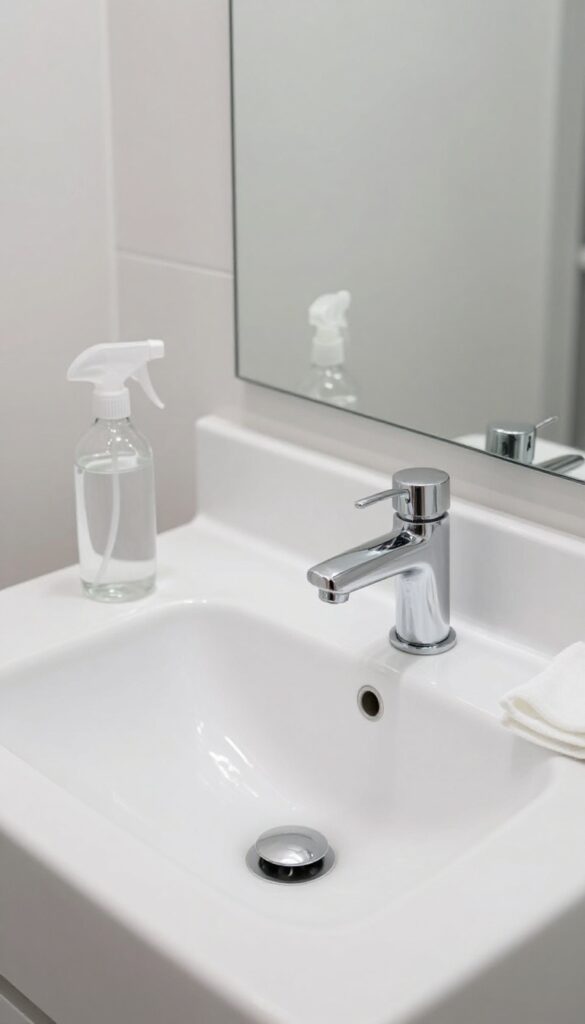
The bathroom sink and mirror are like the face of the room—they get noticed first. A quick wipe-down can instantly lift the entire space, making it feel cleaner than it actually is. This is one of those high-impact, low-effort tasks that rewards you immediately.
Grab a microfiber cloth and your go-to cleaner—glass cleaner works wonders, but a simple vinegar-water mix is just as effective. Start with the mirror, spraying lightly and wiping in a zigzag pattern to avoid streaks. Then move to the sink: scrub the basin, faucet handles, and around the drain.
Don't forget the backsplash or any toothpaste splatters. A final buff with a dry cloth leaves everything gleaming.
Why The Sink And Mirror Matter
These surfaces are in your line of sight every time you enter the bathroom. A clean mirror reflects light and makes the room feel larger, while a spotless sink removes visual clutter. Together, they create an impression of freshness that carries through the rest of the bathroom.
Quick Tips For Streak-free Results
Use a microfiber cloth rather than paper towels—it reduces lint and absorbs better. For mirrors, clean in a circular motion then finish with vertical strokes to catch any missed spots. On the sink, pay extra attention to the area around the faucet base where grime builds up.
Maintaining The Sparkle
Keep a small spray bottle of cleaner and a cloth under the sink. After your morning routine, a 30-second wipe-down prevents buildup. This habit turns a weekly deep-clean into a daily breeze.
13. Sort Mail and Papers Immediately
Mail and paper piles are sneaky clutter magnets. They accumulate fast, and before you know it, you have a stack that feels overwhelming. But dealing with them doesn't have to be a big project.
By sorting as soon as you bring them in, you stop the pile before it starts.
Create A Simple Sorting Station
Set up a small tray or bin near your entryway or desk. Label three sections: recycle, shred, and action. When mail comes in, immediately place each piece in the right spot.
This keeps papers from spreading across counters and tables.
The One-touch Rule
Try to handle each piece of paper only once. Open it, decide what to do, and act. Junk mail goes straight to recycling.
Bills get paid or scheduled. Important documents get filed. Shred anything with personal info.
This habit saves time and mental energy.
Schedule A Weekly Paper Purge
Set aside 10 minutes each week to go through your sorting station. Recycle what you can, file what you need, and shred the rest. A quick weekly check keeps paper clutter from building up and reduces that nagging feeling of unfinished tasks.
14. Use the “One In, One Out” Rule for New Items
Clutter has a way of creeping back in right after you’ve cleared it all out. The “one in, one out” rule is a simple pact you make with yourself: for every new item that enters your home, one old item must leave. This keeps your belongings in check and prevents the mess from rebuilding.
This rule works because it forces you to be intentional about what you own. Before buying something new, ask yourself what you’re willing to part with. It turns shopping into a trade-off, not just an addition.
Over time, this habit maintains a natural balance in your space.
How To Apply It To Clothes
Clothing is one of the easiest categories to start with. When you buy a new shirt, donate or sell an old one you haven’t worn in months. This keeps your closet from overflowing and makes getting dressed easier.
Applying It To Kitchen Gadgets
Kitchen counters and drawers fill up fast with single-use tools. If you bring in a new blender, let go of the old one or another gadget you rarely use. This frees up space and reduces visual noise.
Making It A Family Habit
Get everyone in the household on board. Set a rule that any new toy, book, or game means an old one goes to charity. Kids learn to value what they have and think twice before asking for more.
15. Organize Your Nightstand for Better Sleep
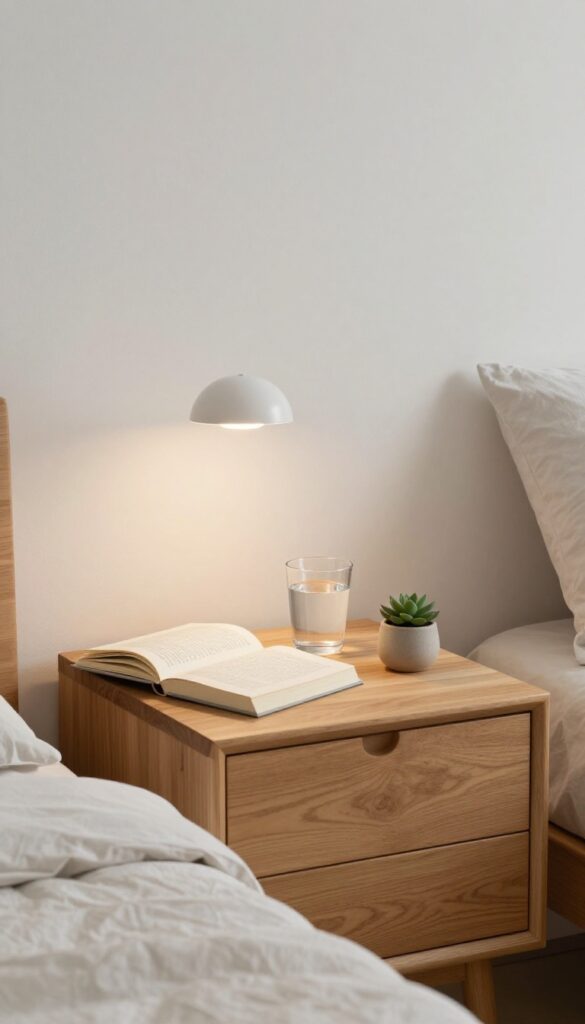
Your nightstand might seem like a small surface, but it can become a dumping ground for everything from phone chargers to random receipts. When it's cluttered, your brain associates that space with chaos rather than calm. Clearing it off before bed sends a signal that it's time to wind down, not scroll or stress.
Start With A Complete Clear-out
Take everything off your nightstand and sort it into three piles: keep, relocate, and trash. Be honest about what you actually use at bedtime. That stack of old magazines?
They belong in the recycling bin. The half-empty water glass from last night? Wash it and put it away.
Only items that serve your sleep routine should earn a spot back.
Limit To Three Essentials
Once the surface is bare, place only a lamp, a book (or e-reader), and a small glass of water. That's it. No phone, no laptop, no piles of mail.
This minimalist setup reduces visual noise and makes your nightstand a dedicated relaxation zone. If you need an alarm clock, choose one with a dim display.
Add A Calming Touch
Consider a small plant, a salt lamp, or a lavender sachet to enhance the soothing atmosphere. These aren't necessary, but they can make the space feel intentional and peaceful. Just keep it to one or two items so you don't undo the decluttering work.
16. Wipe Down Electronics and Cords
Electronics are magnets for dust, fingerprints, and clutter. A quick wipe-down not only makes them look better but can also improve performance by preventing overheating. And let’s be honest—a tangle of cords is an eyesore that makes any clean room feel messy.
Start by unplugging everything. Use a dry microfiber cloth to dust screens—never spray liquid directly on them. For keyboards and vents, a soft brush or compressed air works wonders.
Once surfaces are clean, tackle the cord chaos. Use zip ties, Velcro straps, or adhesive clips to bundle and route cords neatly. Label each plug with a small tag or washi tape so you know what’s what.
This small effort creates a tidy tech zone that feels organized and functional.
Screen Safety First
TVs, monitors, and laptop screens are delicate. Always power down and let them cool. Use a microfiber cloth—paper towels can scratch.
For stubborn smudges, slightly dampen the cloth with distilled water or a 50/50 vinegar mix. Never use glass cleaner; it can strip anti-glare coatings.
Cord Control Made Simple
Tangled cords are a visual mess and a tripping hazard. Start by unplugging everything. Group cords by device and secure them with reusable zip ties or Velcro straps.
Use adhesive cable clips along desk edges or baseboards to keep them in place. Label each plug with a small tag or washi tape so you know what’s what.
Maintain The Momentum
Make this a weekly habit. A quick dust and cord check every Sunday takes five minutes and prevents buildup. Keep a microfiber cloth and a few zip ties in your electronics drawer so you’re always ready.
17. Refresh Your Fridge: Toss Expired Items
The fridge is often the last place we think about when cleaning a messy house, but it can be a major source of stress and wasted food. Opening the door to a jumble of half-empty containers and forgotten leftovers doesn't help anyone. A quick fridge reset not only makes your kitchen look better but also saves you money and makes meal prep a breeze.
Start With Expiration Dates
Pull everything out and check dates. Toss anything past its prime—old condiments, expired dairy, and mystery leftovers. This step alone can free up half your shelf space.
Wipe Down Shelves And Drawers
With the fridge empty, remove shelves and drawers and wash them with warm soapy water. Wipe down the interior walls and door bins with a damp cloth. A clean surface makes it easier to keep organized.
Group Similar Items Together
As you put things back, group similar items: dairy on one shelf, condiments in the door, produce in the crisper. This simple system helps you find what you need and prevents future clutter.
18. Set Up a Daily Cleaning Routine (5 Minutes per Room)

A daily cleaning routine sounds like a chore, but it’s really just a few small habits that stop mess from snowballing. The trick is to keep it short and focused—five minutes per room is enough to maintain order without feeling like you’re scrubbing all day. Once you get into the rhythm, you’ll wonder why you didn’t start sooner.
The key is consistency. Pick a few high-impact tasks for each room and do them at the same time every day. For example, in the kitchen, wipe down counters and load the dishwasher.
In the bedroom, make the bed and put away stray clothes. In the living room, fluff pillows and toss clutter into a basket. That’s it.
Five minutes per room adds up to maybe 25 minutes total, but it keeps your home looking tidy every day.
Start With The Bedroom
Making your bed is a classic for a reason—it instantly makes the room look 50% cleaner. Then scan for items that don’t belong: water glasses, books, clothes. Put them in their homes or a temporary basket.
Wipe nightstands with a dry cloth to remove dust and fingerprints. That’s your five minutes.
Tackle The Kitchen In Five Minutes
Focus on surfaces: wipe the counters and stove, and put away any small appliances or dishes. Sweep or spot-clean the floor if needed. Empty the sink of dishes or at least load the dishwasher.
This prevents crumbs and sticky messes from attracting pests.
Living Room Quick Refresh
Fluff throw pillows, fold blankets, and put away remote controls and magazines. Give coffee tables and side tables a quick wipe. If there are toys or shoes on the floor, toss them into a bin or their designated spot.
Five minutes and the room looks company-ready.
Bathroom Blitz
Wipe the mirror and counter with a microfiber cloth. Squeegee the shower walls if you have one. Hang towels neatly and put away toiletries.
A quick spray of cleaner in the toilet bowl and a swish with the brush takes under a minute. Done.
19. Use Baskets and Bins for Quick Storage
Baskets and bins are the ultimate shortcut to a tidier home. They instantly hide clutter while keeping everyday items within arm's reach. Instead of folding every throw blanket or sorting every toy, just toss them into a stylish basket.
The beauty of baskets and bins is that they work in almost any room. In the living room, a large basket can swallow up remote controls, magazines, and kids' toys in seconds. In the bedroom, a bin on a closet shelf corrals scarves, belts, or out-of-season clothes.
The key is to choose containers that match your decor so they look intentional, not like clutter catchers. Place them where mess tends to accumulate—next to the couch, by the entryway, or under a coffee table. When you're in a hurry, sweeping items into a bin feels productive without requiring actual organizing.
Living Room Rescue
Keep a large woven basket near the sofa. Toss in blankets, pillows, and stray toys before guests arrive. It takes 10 seconds and makes the whole room look instantly neater.
Closet & Bedroom Solutions
Use clear plastic bins for seasonal clothing or extra linens. Label them so you know what's inside. For accessories like hats and gloves, a small fabric bin on a shelf keeps them together and easy to grab.
Entryway & Mudroom
Set up a bin for each family member to hold shoes, umbrellas, and dog leashes. This stops the pile-up by the door and makes morning exits smoother.
20. Deep Clean One Appliance: Microwave or Oven
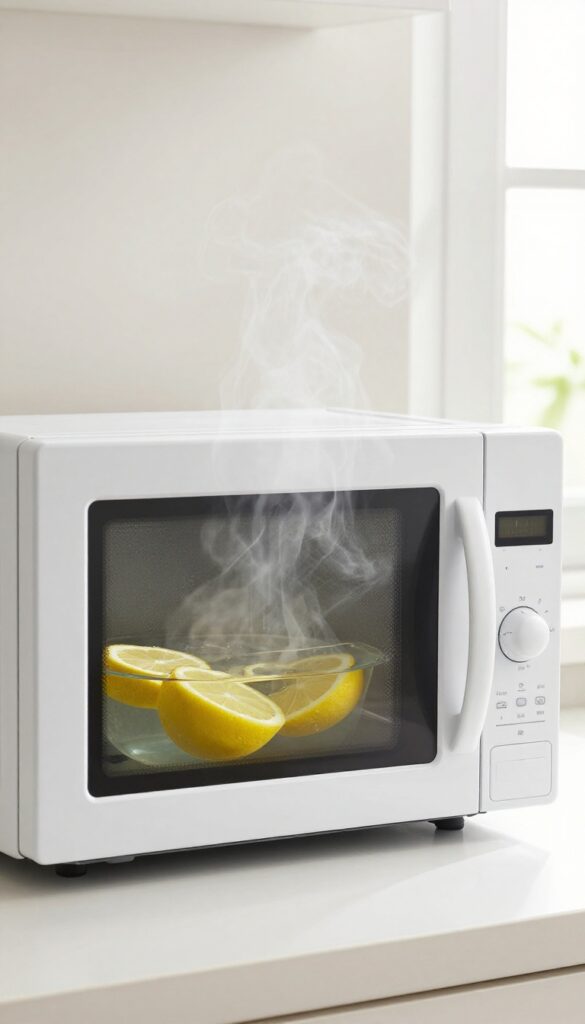
Kitchen appliances take a beating but rarely get the attention they deserve. A grimy microwave or oven not only looks unappealing but can also affect the taste of your food and even pose a fire hazard. Picking just one appliance to deep clean is a manageable goal that delivers a big visual payoff.
Start by removing any loose debris and soaking removable parts in warm, soapy water. For the microwave, heat a bowl of water with lemon slices for a few minutes—the steam loosens stuck-on food, and the lemon leaves a fresh scent. For the oven, use a baking soda paste (3 parts baking soda to 1 part water) applied to the interior, let it sit overnight, then wipe clean with a vinegar spray.
Don't forget the exterior and handle, which often harbor fingerprints and grease.
Why Start Here?
A clean appliance is a small win that makes a big difference. It's a contained task—no decision fatigue about where else to clean. Plus, you'll use that appliance daily, so every time you see it sparkling, you get a little motivation boost.
Tools You'll Need
All you need is dish soap, baking soda, white vinegar, a microfiber cloth, and a sponge. For the oven, a plastic scraper helps remove baked-on gunk without scratching. That's it—no specialty cleaners required.
Quick Maintenance Tip
After your deep clean, place a small bowl of baking soda inside the microwave or oven to absorb odors. Wipe up spills as soon as they happen to prevent buildup. A minute of prevention saves an hour of scrubbing later.
21. Declutter Your Digital Space: Phone and Computer
Your phone and computer are probably the most-used items in your home, and they can get just as cluttered as any room. Notifications, files, and apps pile up, creating mental noise that makes it harder to focus. Cleaning your digital space is a quick win that reduces stress and boosts productivity, often in under 30 minutes.
Start with your phone. Go through your apps and delete any you haven't used in the last month. Next, tackle your photos—delete blurry shots, screenshots you no longer need, and duplicates.
Finally, organize your home screen into folders (e. g. , Social, Productivity, Entertainment) to make finding apps easier. For your computer, begin by clearing your desktop. Move files into folders like "Work, " "Personal, " or "Archive.
" Uninstall programs you don't use, and empty your downloads folder. A tidy digital space feels just as refreshing as a clean room.
Phone First: Apps, Photos, And Notifications
Start with your phone since it's always with you. Delete unused apps—if you haven't opened it in a month, it's probably safe to remove. Then clean up your photos: delete duplicates, blurry shots, and old screenshots.
Turn off notifications for apps that don't need your immediate attention. This alone can reduce digital clutter and help you feel more in control.
Computer Cleanup: Desktop And Downloads
Your computer desktop shouldn't be a dumping ground. Move all files into properly named folders inside Documents or a dedicated workspace. Empty your downloads folder—most files there are temporary.
Uninstall programs you no longer use, and run a disk cleanup to free up space. A clean desktop helps you focus and find files faster.
Ongoing Habits To Keep It Tidy
Digital decluttering isn't a one-time thing. Set a recurring reminder once a month to review your apps and files. Unsubscribe from newsletters you never read.
Use cloud storage for important documents to keep your hard drive clean. Small habits like these prevent digital mess from building up again.
22. Involve the Whole Family with a 15-Minute Tidy
Cleaning doesn't have to be a solo mission. When everyone chips in, the mess shrinks fast—and it can actually be fun. The trick is to keep it short and sweet so no one feels like they're being punished.
A 15-minute tidy is long enough to make a visible difference but short enough to avoid complaints.
Set a timer for 15 minutes and have everyone grab their own belongings. Play upbeat music to set the mood. The goal isn't deep cleaning—just picking up clutter, putting things away, and clearing surfaces.
Teamwork makes the job quicker and helps build consistent habits.
Make It A Game
Turn the timer into a challenge. See who can pick up the most items in 15 minutes, or assign each person a zone. Give a small reward like choosing the next song or picking a snack.
Kids especially respond to gamification, and adults appreciate the friendly competition.
Divide And Conquer
Assign specific tasks based on age and ability. Younger kids can gather toys or books, while older ones handle dishes or trash. Adults focus on high-impact areas like the living room floor or kitchen counters.
Clear roles prevent confusion and ensure nothing gets missed.
Keep It Consistent
Make the 15-minute tidy a daily or weekly routine. Same time, same energy. Over time, it becomes a habit that prevents mess from piling up.
Consistency is key—even on days when you don't feel like it, just start the timer and go.
23. Celebrate Small Wins and Reward Yourself
Cleaning a messy house is a marathon, not a sprint. After you finish a task—whether it's clearing the kitchen counters or folding one load of laundry—pause and acknowledge what you've done. A quick celebration reinforces the habit and makes the next step feel lighter.
Positive reinforcement isn't just for kids; it works for adults too. When you reward yourself after a cleaning session, your brain associates tidying up with pleasure, making it easier to start next time. The reward doesn't have to be big—just something that feels like a treat.
Why Rewards Work
Cleaning can feel like a chore because it's often thankless. By adding a small reward, you create a positive feedback loop. Your brain releases dopamine when you anticipate the reward, which can actually make the cleaning itself more enjoyable.
Simple Reward Ideas
A cup of your favorite tea, five minutes scrolling social media, or listening to a podcast episode are all great options. You could also light a candle you love, step outside for fresh air, or simply sit and admire your clean space for a minute.
Building The Habit
Start by rewarding yourself after every completed task, no matter how small. Over time, you can shift to bigger rewards for bigger accomplishments, like a relaxing bath after cleaning the bathroom or ordering takeout after a deep-clean session.
FAQ
What is the best way to start cleaning a very messy house?
Start with trash removal. Grab a garbage bag and go through each room tossing obvious waste. This gives you immediate visual progress and clears the way for deeper cleaning.
How do I clean my house when I feel overwhelmed?
Break it down into small, manageable tasks. Focus on one room or even one corner at a time. Use a timer for 10-minute bursts and take breaks.
Remember, progress is better than perfection.
What should I clean first in a messy house?
Start with high-impact areas: clear surfaces, make the bed, and clean the kitchen counters. These visible changes create a sense of order and motivate you to continue.
How can I maintain a clean house daily?
Adopt a 5-minute daily routine for each room: make the bed, wipe counters, put away clutter, and do a quick sweep. Consistency prevents mess from building up.
What are the most common mistakes when cleaning a messy house?
Trying to clean everything at once, not decluttering first, and using the wrong tools. Avoid these by starting small, removing clutter before cleaning, and using appropriate supplies.
Conclusion
Cleaning a messy house doesn’t have to be a monumental task. By breaking it down into small, focused steps, you can make real progress without feeling overwhelmed. Remember, the goal isn’t perfection—it’s creating a space that feels good to live in.
Start with just one tip from this list today. Whether it’s tossing trash or making your bed, every small action adds up. Your home will thank you, and so will your peace of mind.