You don't need a full day to transform your room. Sometimes all it takes is one small win to spark the momentum you've been missing. These motivation ideas are designed to help you start right now, not tomorrow.
Cleaning doesn't have to be a massive chore. By focusing on the payoff—like a calm space or a clear mind—you can trick your brain into wanting to begin. The hardest part is always the first step.
Let's skip the guilt and get straight to what works. Here are 15 ways to motivate yourself to clean your room, starting today.
1. The 5-Minute Rule: Start Small, Win Big
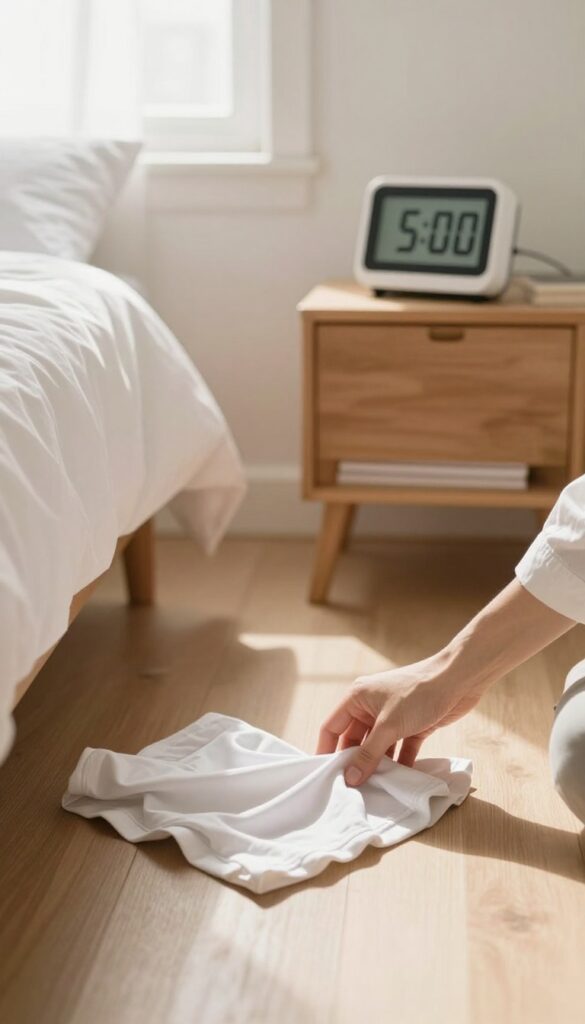
The biggest barrier to cleaning is often just getting started. Your brain sees a messy room and thinks "this will take hours, " so it talks you out of even trying. The 5-Minute Rule short-circuits that excuse by lowering the bar to almost nothing.
Set a timer for five minutes and clean until it rings. That's it. No pressure to finish, no guilt if you stop.
Most of the time, you'll find yourself continuing past the buzzer because the hardest part—starting—is already behind you.
Commit to just five minutes of cleaning. Set a timer and stop when it goes off. Often, you'll keep going once you've started.
Why Five Minutes Works
Psychologists call this the "low barrier to entry" principle. When a task feels manageable, your brain doesn't trigger procrastination. Five minutes is too short to dread, so you're more likely to actually do it.
And once you're in motion, momentum takes over. You grab one shirt, then another, and suddenly you're sorting laundry without thinking.
How To Use The Timer Effectively
Pick one small zone—a corner of your desk, a single drawer, or just the floor around your bed. Don't try to tackle the whole room. Set your phone timer for five minutes, put on a fast song if you want, and go.
When the timer beeps, stop immediately. No exceptions. This builds trust with your brain that the deal is real, making it easier to try again tomorrow.
What If You Want To Keep Going?
That's the secret win. Many people find that after five minutes, they're in a groove and don't want to stop. If that happens, reset the timer for another five or ten minutes.
But never force it. The goal is to make cleaning feel like a choice, not a punishment. Over time, those small bursts add up to a consistently tidy room.
2. Visualize Your Ideal Room
Before you lift a finger, take a mental snapshot. Close your eyes and picture your room exactly as you want it—crisp sheets, cleared surfaces, everything in its place. That clear image becomes a magnet pulling you forward.
It's not daydreaming; it's priming your brain to see the finish line before you start.
Visualization works because it shifts your focus from the mess to the reward. Your brain releases a tiny hit of dopamine just from imagining the clean outcome, making the first step feel less daunting. Try this: spend 30 seconds really feeling what it would be like to walk into that perfect room.
Notice how calm and light you'd feel. That feeling is your fuel.
Picture The Details
Don't just think "clean. " Get specific. See your desk with only your laptop and a plant.
Imagine your floor free of clutter, your bed made with your favorite throw pillow. The more vivid the details, the stronger the pull. Write down three sensory details—what you'd see, smell, or feel—and keep them visible while you clean.
Create A Vision Board (even A Tiny One)
Grab your phone and search for a photo of a room that matches your ideal vibe. Save it as your lock screen or print it out. Every time you glance at your phone, you get a quick reminder of what you're working toward.
It's a visual anchor that keeps your motivation from drifting.
Use The 'after' Photo Trick
Imagine you've already finished cleaning. Take a mental "after" photo. Then, work backward from that image.
Ask yourself: What had to happen to get there? This reverse engineering turns a vague goal into a step-by-step plan. You'll see that the first step is smaller than you think.
3. Put on a High-Energy Playlist
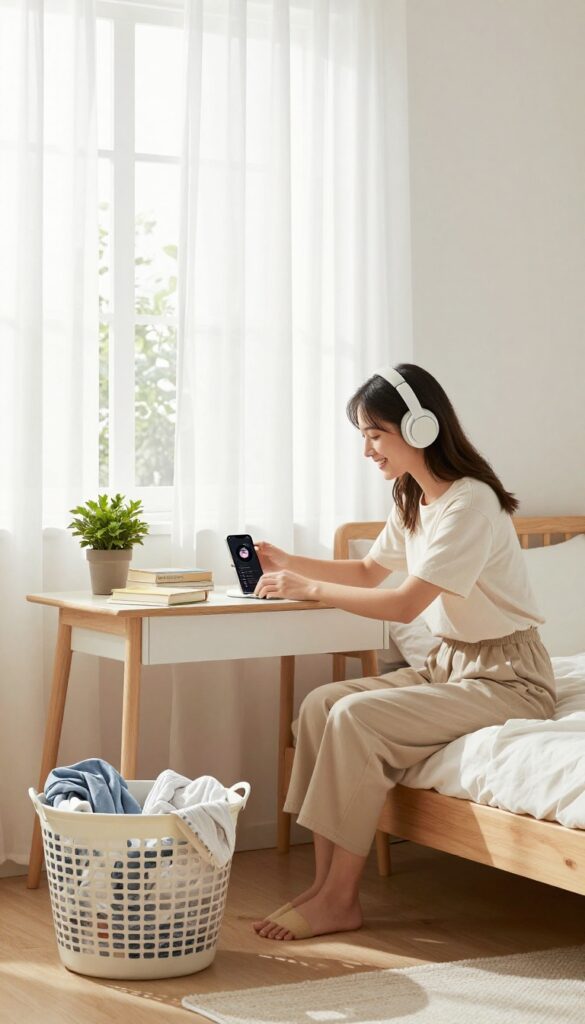
Music changes your mood instantly. A good playlist can turn a boring chore into a dance party. By choosing songs that make you want to move, you'll naturally pick up the pace and enjoy the process.
Pick The Right Genre
Upbeat genres like pop, dance, or rock work best. Think songs with a strong beat and positive lyrics. Avoid slow or sad music that might drain your energy.
Create A Cleaning-only Playlist
Keep a dedicated playlist just for cleaning. This trains your brain to associate those songs with action. Over time, just hearing the first track will put you in cleaning mode.
Use The Length As A Timer
Let the playlist run for 20-30 minutes. Challenge yourself to clean until the music stops. This turns cleaning into a timed game, making it easier to stay focused.
4. Use the "One Thing" Trick
Overwhelm is the number one reason we avoid cleaning. The "one thing" trick cuts through that by shrinking the task until it feels laughably easy. You just pick up one item and put it where it belongs.
That's it. No pressure to finish the whole room, no mental list of everything else waiting. Just one thing.
Start With Something Obvious
Look around for the single item that stands out most—a dirty sock on the floor, an empty water bottle on your desk. Grab it and put it away. The whole action takes maybe five seconds.
Once it's done, you've already succeeded. That tiny win releases a little dopamine, making the next step feel more doable.
Build A Chain Of Micro-wins
After that first item, pick another. And another. Don't think about the whole room, just the next object.
Before you know it, you've cleared a surface or a corner. Momentum builds naturally because each small action is so easy to say yes to. You're not cleaning a room—you're just moving one thing at a time.
Stop Whenever You Want
The beauty of this trick is that you can stop after one item and still call it a win. There's no minimum. If all you do today is put away one pair of shoes, that's progress.
More often than not, though, you'll keep going because starting was the hardest part. And now you've already started.
5. Invite a Friend to Clean Together

Cleaning alone can feel like a lonely slog. But grab a friend, and suddenly it’s a shared mission. Body doubling—working on the same task simultaneously—turns a chore into a social event.
Whether you video call or meet in person, having someone else in the same boat makes the time fly.
Set A Time And Goal
Pick a specific time and set a clear goal: “We’ll both clean for 30 minutes, then share our ‘after’ photos. ” This creates accountability and a mini deadline. You’re less likely to quit early when someone else is counting on you.
Use Video Calls For Remote Body Doubling
If you can’t meet in person, a video call works just as well. Prop your phone or laptop where you can see each other’s space. Chat while you work, or just enjoy the silent company.
Knowing someone is watching—even virtually—keeps you on track.
Turn It Into A Friendly Competition
Make it a game: who can finish their section first? Or who can find the most items to donate? A little playful rivalry boosts motivation and makes cleaning feel less like work.
Just keep it light—the goal is to get started, not to stress each other out.
6. Reward Yourself After Each Task
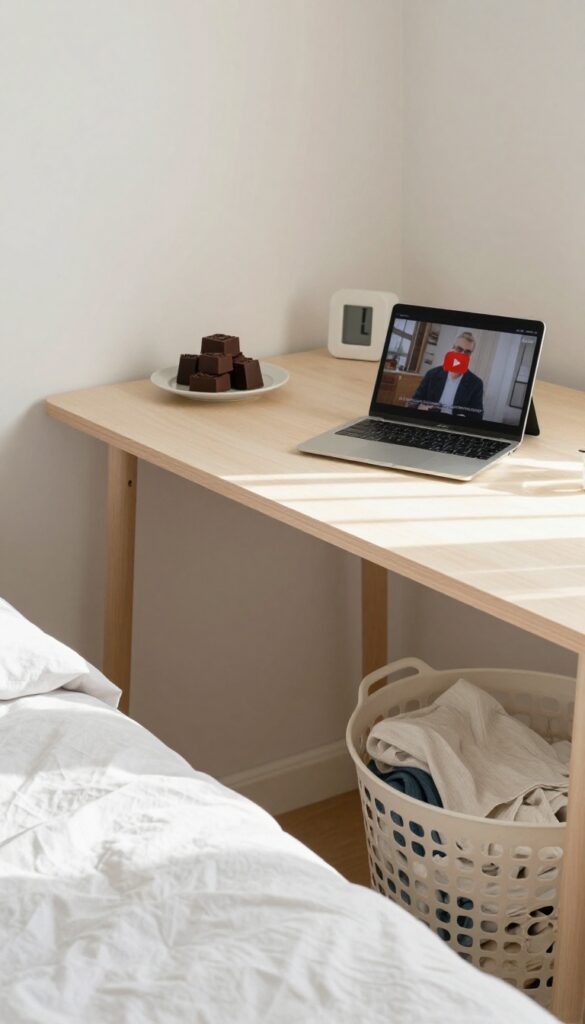
Cleaning feels more like a game when there's a treat waiting at the finish line. Instead of saving all the fun for after the whole room is spotless, break it down into small wins with instant payoffs. This keeps your brain engaged and makes each step feel worth it.
Choose Your Bribes Wisely
Pick rewards that actually motivate you. A square of dark chocolate, five minutes of a guilty-pleasure YouTube video, or a quick scroll through Instagram can work wonders. Keep them small enough that you won't feel guilty indulging, but satisfying enough to make you want to finish the next task.
Set Clear Task-reward Pairs
Before you start, decide exactly what earns what. For example: clear the desk → one episode of a sitcom (10 minutes). Fold the laundry → a handful of almonds and a short TikTok break.
When the reward is tied to a specific action, you're less likely to wander off.
Use A Timer To Stay On Track
Pair each reward with a timed cleaning sprint. Set a timer for 15 minutes of focused work, then allow yourself a 5-minute reward break. This creates a natural rhythm and prevents the reward from turning into a full-blown distraction.
7. Declutter First, Clean Later
You might be tempted to grab a rag and start scrubbing, but that's a trap. When your surfaces are buried under clutter, you're just moving stuff around instead of actually cleaning. Flip the order: get rid of the excess first, then clean what's left.
It turns a daunting task into a series of quick wins.
The 5-minute Toss
Set a timer for five minutes and grab a trash bag. Walk around your room and throw away anything that's obviously garbage—old receipts, broken pens, empty bottles. No decisions, just tossing.
When the timer goes off, you'll already see a difference, and that visual progress is a powerful motivator to keep going.
The Donate Pile
Next, grab a second bag or box. This time, look for items you haven't used in months—clothes that don't fit, books you'll never read, gadgets with missing parts. Be honest with yourself.
If it's not useful or meaningful, it's just taking up space. Once the bag is full, set it by the door so it's out of your room and out of your mind.
The "everything Has A Home" Rule
After you've purged the obvious clutter, take a moment to assign a permanent spot for everything that remains. Shoes go in the closet, chargers in a drawer, toiletries in the bathroom. When every item has a home, cleaning becomes a simple act of returning things to their place.
No more piles, no more decisions.
8. Break It Down into Zones
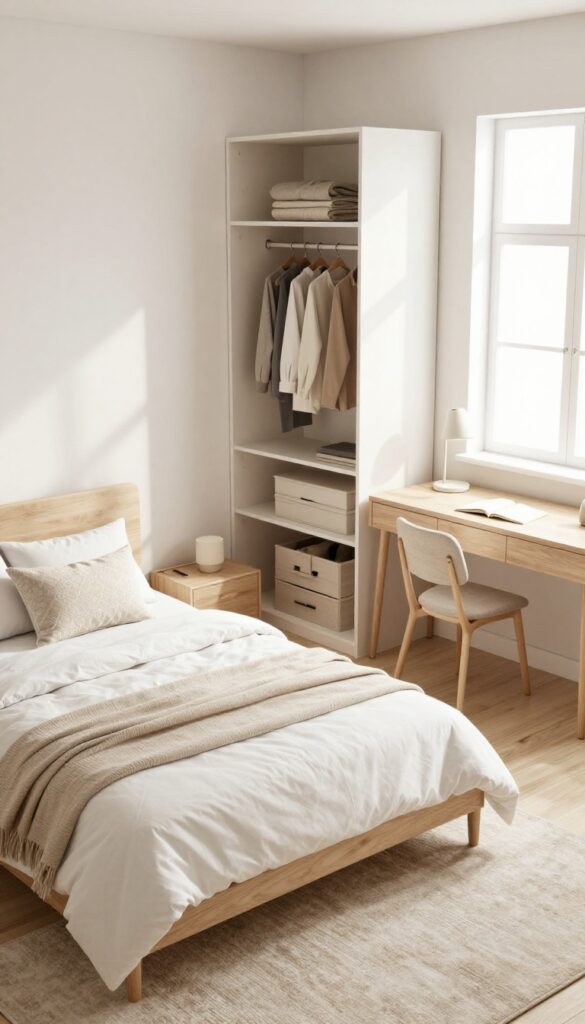
Looking at a messy room can feel like staring at a mountain you have to climb. Your brain sees one giant problem and wants to shut down. The fix is simple: stop seeing the whole room and start seeing smaller pieces of it.
Dividing your room into four zones—bed, desk, floor, and closet—turns an overwhelming task into a series of small, achievable wins. Each zone feels manageable on its own, and completing one gives you a quick dopamine hit that keeps you going. You can even tackle just one zone today and save the rest for later.
Why Zones Work
When you focus on one zone, your brain registers a clear start and finish. That clarity reduces resistance and makes it easier to begin. Plus, each finished zone gives you visible progress, which builds momentum for the next one.
How To Choose Your Zones
Start with the zone that bothers you most or the one that will make the biggest difference. For many people, that's the bed or the floor. Once that zone is clean, the rest of the room already feels better.
Stick To One Zone At A Time
Resist the urge to jump between zones. If you're working on the desk, don't start organizing the closet. Stay in your current zone until it's done.
This keeps your focus sharp and prevents the overwhelm that comes from multitasking.
9. Watch a Cleaning Motivation Video
Sometimes you just need to see someone else in action to get your own engine running. Watching a cleaning motivation video can trick your brain into feeling like you're already part of the process. It's like having a virtual cleaning buddy who does the heavy lifting of starting for you.
A quick search for "clean with me" or "cleaning motivation" on YouTube will pull up hundreds of real people tackling their own messes. Seeing their before-and-after transformations, hearing their tips, and even just the background noise of scrubbing and organizing can create a contagious energy. You might find yourself reaching for a cloth before the video even ends.
Find Your Style
Not all cleaning videos are the same. Some are fast-paced and dramatic, others are slow and ASMR-like. Try a few to see which vibe clicks with you.
If you're easily distracted, a shorter 10-minute video works better than a full-hour marathon.
Watch While You Work
Play the video on your phone or tablet and prop it up on your dresser or desk. Let it run while you start with a small task like making your bed or clearing a surface. The video keeps your mind engaged and makes the cleaning feel less like a chore and more like a shared activity.
Pause And Mimic
When you see a technique you like—like how they fold fitted sheets or organize a drawer—pause the video and try it yourself. This turns passive watching into active learning and gives you a mini goal to accomplish before hitting play again.
10. Set a Timer for 10 Minutes of Speed Cleaning
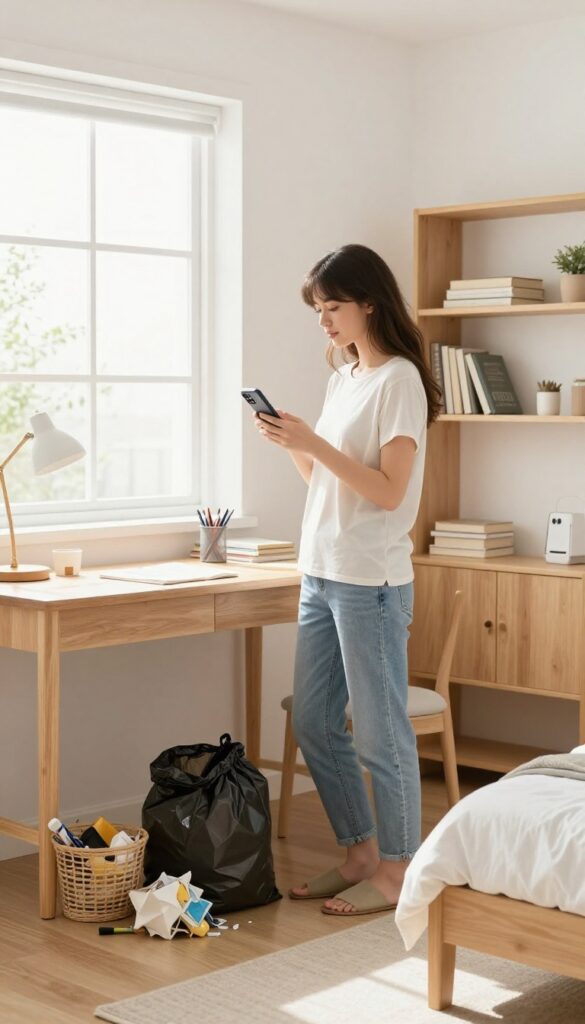
Tick tock. There's something about a countdown that flips a switch in your brain. Suddenly, every second matters, and you're moving faster than you thought possible.
Ten minutes is short enough to feel doable but long enough to make a real dent.
Grab your phone or a kitchen timer. Set it for exactly 10 minutes. Then go.
Don't overthink—just grab trash, toss clutter into a basket, or wipe down surfaces. When the timer goes off, stop. You can always do another round later.
The key is to make it a game, not a chore.
Why 10 Minutes Works
Ten minutes is the sweet spot. It's too short to dread but long enough to see progress. Your brain treats it as a sprint, not a marathon, so you're less likely to procrastinate.
Plus, you can do multiple 10-minute sessions throughout the day without burning out.
How To Maximize Your 10 Minutes
Pick one zone—a desk, a corner, or a shelf. Focus only on that area. Have a trash bag and a “relocate” bin ready.
Don't get sidetracked by organizing; just clear surfaces and remove obvious mess. The goal is visible progress, not perfection.
Turn It Into A Challenge
Make it competitive. Race against a friend or your own best time. Use an app that tracks your speed-cleaning streaks.
Reward yourself with a 5-minute break after each round. The fun factor keeps you coming back.
11. Use the "Don't Break the Chain" Method
Mark an X on your calendar for each day you clean for at least 5 minutes. Don't break the chain. This simple visual trick turns cleaning into a streak you'll want to keep alive.
It's low pressure—just five minutes—but the momentum builds fast.
The "Don't Break the Chain" method, popularized by comedian Jerry Seinfeld, works because it makes progress visible and addictive. You're not aiming for a perfect room overnight. You're just showing up daily.
That small commitment rewires your brain to see cleaning as a habit, not a chore.
Start With A Calendar
Grab any calendar—physical or digital—and put it somewhere you'll see every day. After you clean for at least five minutes, mark a big X on that day. The goal is to never break the chain of X's.
The longer the streak, the more motivated you'll feel to keep it going.
Five Minutes Is All You Need
Set a timer for five minutes. Pick one small task: make your bed, clear a surface, or toss trash. When the timer rings, you're done.
Some days you'll stop there. Other days you'll keep going because you're already in motion. Either way, you get an X.
Watch The Streak Grow
After a week, you'll have a row of X's. After two weeks, it's a solid block. That visual progress is powerful.
You'll think twice before skipping a day because you don't want to break the chain. It turns cleaning into a game you actually want to win.
12. Listen to a Podcast or Audiobook
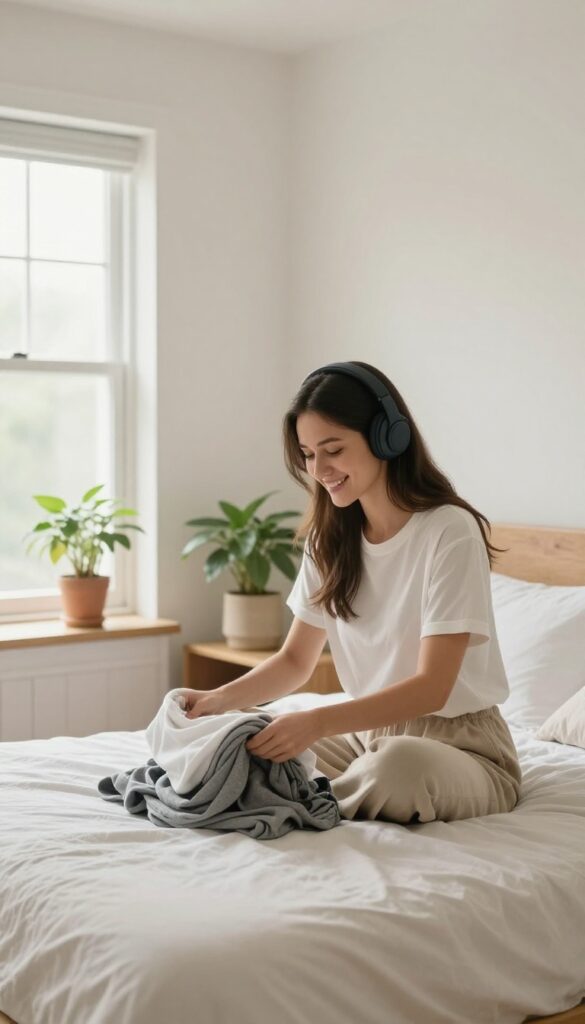
Your hands want to clean, but your brain is bored. That's the real reason you stop after five minutes. Pairing a physical task with an engaging audio story keeps your mind occupied while your body works on autopilot.
Before you know it, an hour has passed and your room looks completely different.
Pick Something You Actually Want To Hear
Don't choose a dense educational podcast if that feels like homework. Grab a thriller audiobook, a comedy podcast, or a true crime series you've been saving. The goal is to make yourself want to keep listening—so you keep cleaning.
Save the heavy stuff for when you're sitting down.
Use Headphones For Immersion
Wireless earbuds or over-ear headphones block out the sound of your own sighs and create a little bubble. You'll feel less like you're cleaning and more like you're on a mission. Plus, you won't hear the clatter of clutter, which can be demotivating.
Set A Minimum Episode Rule
Tell yourself you only have to clean for the length of one podcast episode or one audiobook chapter. Most episodes run 30–60 minutes. That's plenty of time to make a visible dent.
And when the episode ends, you'll probably want to start the next one anyway.
13. Take Before and After Photos
There's something incredibly satisfying about seeing how far you've come. Before and after photos turn your cleaning session into a visual story, and that story can keep you going when motivation dips. You don't need a fancy camera—your phone works perfectly.
Snap a few wide shots of your room from the same angle before you start. Then, as you finish each zone, take matching after photos. The contrast will surprise you.
When you feel stuck, scroll through your gallery to remind yourself what you've already accomplished.
Create A Side-by-side Comparison
Use a simple photo collage app or just open two images side by side. Seeing the clutter vanish in seconds (literally) gives a dopamine hit that makes you want to keep going. It's like a progress bar for your room.
Share Your Wins (optional)
Posting your before and after on social media or sending it to a friend can add a layer of accountability. You'll feel proud of your work, and the encouragement from others might be the boost you need to tackle the next area.
Use Photos As A Future Reference
When you're tempted to let things slide again, look back at the after photo. That clean, organized space is your baseline. It's easier to maintain when you remember how good it felt to get there.
14. Make It a Game: Beat Your High Score
Cleaning feels less like a chore when you turn it into a competition with yourself. Gamifying the process taps into your natural desire for achievement and progress. The goal isn't perfection—it's beating your own record, one small area at a time.
Set The Timer And Go
Pick a specific zone—your desk, a drawer, or one shelf. Set a timer for 5 or 10 minutes and clean as fast as you can. When the timer stops, note how much you accomplished.
That's your baseline score.
Track Your Progress
Keep a simple log on your phone or a sticky note. Write down the area you cleaned and the time it took. Next session, try to beat that time or cover more ground in the same minutes.
Seeing improvement is a huge motivator.
Add Small Rewards
If you beat your high score, treat yourself to something small—a favorite snack, 10 minutes of guilt-free scrolling, or an episode of a show. The reward reinforces the habit and makes you look forward to the next round.
15. Remember How Good You'll Feel Afterward
Sometimes the best motivation is just remembering the reward. Your brain is wired to avoid short-term discomfort, but it loves long-term satisfaction. By focusing on that post-cleaning glow, you can trick yourself into starting.
The Afterglow Effect
Close your eyes for a second and imagine walking into your room after it's clean. The fresh smell, the clear surfaces, the sense of order. That feeling isn't just nice—it's a powerful anchor.
When you're stuck on the couch, replay that mental image. Let it pull you forward.
Your Brain On Clean
A tidy room actually lowers cortisol and helps you focus. Studies show that clutter can make you feel overwhelmed and anxious. So cleaning isn't just about appearances—it's a direct investment in your mental health.
Every minute you spend now pays back in calm later.
Make It A Ritual, Not A Chore
Pair cleaning with something you already enjoy, like a podcast or your favorite playlist. That way, the process itself becomes rewarding. Before you know it, you'll associate tidying up with good vibes instead of dread.
The feeling afterward becomes the cherry on top.
FAQ
How do I motivate myself to clean my room when I'm depressed?
Start with the 5-minute rule and focus on one small area. Lower your expectations—any progress counts. Pair cleaning with something enjoyable like music or a podcast.
What is the best way to clean a room quickly?
Use the zone method: declutter first, then wipe surfaces, vacuum, and make the bed. Set a timer for 20 minutes and work fast.
How often should I clean my room?
Aim for a quick tidy-up daily (5-10 minutes) and a deeper clean weekly. Consistency prevents buildup.
How do I stay motivated to keep my room clean?
Create a daily habit with the "don't break the chain" method. Reward yourself and keep your space clutter-free to make maintenance easier.
What if I feel overwhelmed by the mess?
Break the room into small zones and tackle one at a time. Start with the most visible area, like the bed, to see immediate progress.
Conclusion
A clean room isn't a destination you reach once—it's a habit you build one small win at a time. Pick just one idea from this list and try it today, whether that's making your bed or clearing a single surface. That tiny spark of progress often leads to more.
Remember, motivation follows action, not the other way around. Your space doesn't need to be perfect to feel good—it just needs to be a little better than yesterday. Start now, and let the momentum carry you.