You’ve probably got a cabinet full of harsh cleaners that leave you coughing or worrying about what your kids are touching. But switching to natural ingredients doesn’t mean sacrificing a spotless home—in fact, many kitchen staples work better than their chemical counterparts.
White vinegar, baking soda, and lemon juice tackle everything from grease to grime without the toxic fumes. This list rounds up 15 natural products that replace your entire cleaning arsenal, each with a specific superpower.
Ready to simplify your routine and breathe easier? Let’s get started.
1. White Vinegar: The All-Purpose Disinfectant
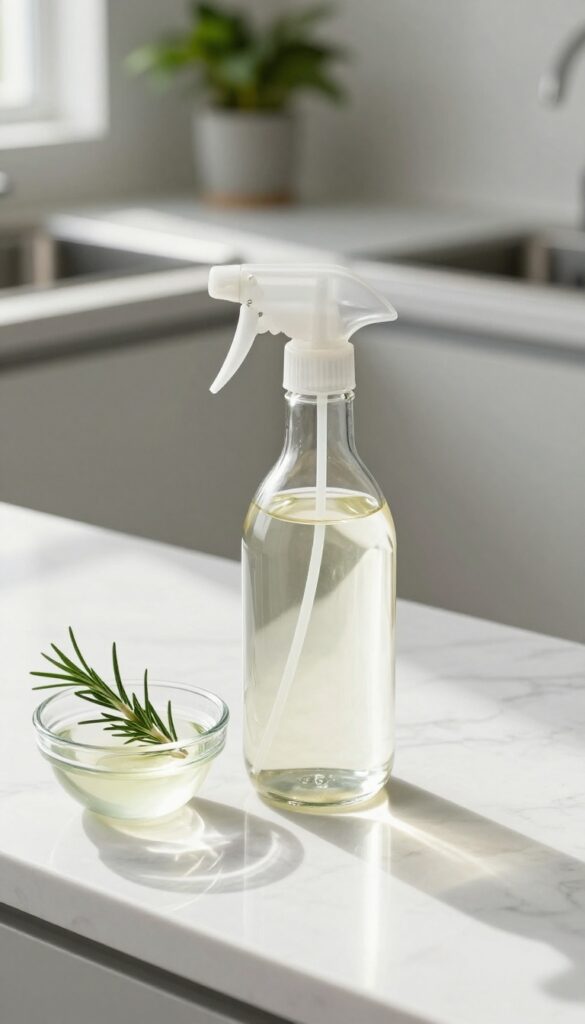
White vinegar is a powerhouse cleaner that’s been used for generations. Its acetic acid content cuts through grease, dissolves mineral deposits, and kills many common household bacteria. Best of all, it’s safe to use around kids and pets when diluted properly.
To make an all-purpose cleaner, mix equal parts white vinegar and water in a spray bottle. Use it on countertops, windows, mirrors, and most sealed surfaces. Avoid using it on natural stone like granite or marble, as the acid can etch the surface.
For tougher jobs, let the vinegar sit for a few minutes before wiping. The smell disappears quickly once dry.
Why It Works So Well
Vinegar’s acidity (typically 5% acetic acid) disrupts the cell membranes of bacteria, making it a natural disinfectant. It also breaks down soap scum and hard water stains effortlessly.
Best Uses Around The Home
Use it to clean coffee makers, remove mildew from shower curtains, deodorize cutting boards, and shine stainless steel. For drains, pour half a cup of baking soda followed by half a cup of vinegar, wait 15 minutes, then flush with hot water.
Safety And Precautions
Never mix vinegar with bleach or hydrogen peroxide, as it creates toxic fumes. Test on a small area first, especially on painted surfaces or unsealed grout.
2. Baking Soda: The Gentle Abrasive
Baking soda is one of those unsung heroes that quietly does the dirty work. This fine powder is just abrasive enough to scrub away stuck-on grime without scratching your surfaces, making it a safe choice for countertops, sinks, and even non-stick pans. Plus, it’s a natural deodorizer that absorbs odors instead of covering them up with artificial fragrances.
Baking soda works wonders on tough messes and lingering smells. Its mild alkalinity helps break down grease and dirt, while the tiny crystals provide gentle scrubbing power. You can use it dry on carpets to lift odors, or mix it with water to form a paste for cleaning ovens and stovetops.
A sprinkle in the laundry boosts detergent performance and leaves clothes fresher. And when combined with vinegar, the fizzy reaction helps clear slow drains naturally—no harsh chemicals needed.
Carpet Deodorizer
Sprinkle baking soda liberally over your carpets, let it sit for 15 minutes (or overnight for tough odors), then vacuum thoroughly. It absorbs pet smells, food spills, and musty odors without leaving any residue.
Laundry Booster
Add half a cup of baking soda to your washing machine along with your regular detergent. It helps remove stains, softens fabrics naturally, and neutralizes odors from sweat or mildew.
Drain Cleaner
Pour half a cup of baking soda down the drain, followed by half a cup of white vinegar. Cover the drain and let the fizz work for 10–15 minutes. Flush with hot water to clear buildup and keep drains smelling fresh.
3. Lemon Juice: Natural Bleach and Degreaser
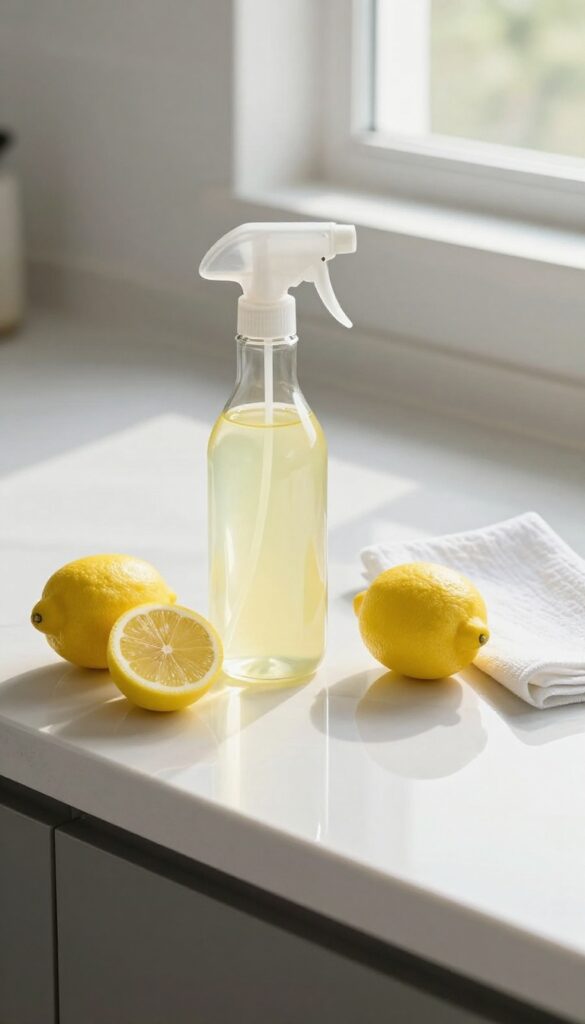
Lemons aren't just for lemonade. Their high acidity makes them a powerhouse for cutting through grease and brightening surfaces. Plus, that fresh citrus scent is a welcome change from harsh chemical smells.
Degreasing Power
The acid in lemon juice breaks down grease on contact. Mix equal parts lemon juice and water in a spray bottle for an instant degreaser that works on stovetops, range hoods, and kitchen counters. Let it sit for a minute, then wipe away.
Natural Bleach Alternative
Lemon juice has mild bleaching properties that can brighten white fabrics and surfaces. Add half a cup to your laundry load to whiten whites, or apply it directly to cutting boards to remove stains. For tough stains, let the juice sit in the sun for an hour before rinsing.
Soap Scum Remover
Soap scum on shower doors and tiles is no match for lemon juice. Sprinkle baking soda on the area, then squeeze lemon juice over it. The fizzing action helps lift the scum, and the acid dissolves it.
Scrub gently, rinse, and enjoy the shine.
4. Castile Soap: The Plant-Based Powerhouse
If you’ve ever read the ingredients on a bottle of all-purpose cleaner and felt confused, Castile soap is about to become your new best friend. This concentrated liquid soap is made entirely from plant oils—typically olive, coconut, or hemp—and it’s biodegradable, non-toxic, and incredibly versatile. One bottle can replace half a dozen specialty products in your home, from dish soap to floor cleaner, and even a gentle hand wash for sensitive skin.
It’s the kind of honest, old-school ingredient that proves you don’t need a chemistry degree to clean well.
Castile soap works because it’s a surfactant—it breaks down grease and lifts dirt so water can rinse it away. Unlike synthetic detergents, it doesn’t leave harsh residues or create that fake “clean” scent. You can find it unscented or with essential oils like lavender or peppermint.
A little goes a long way: just a tablespoon diluted in a spray bottle of water makes an effective all-purpose cleaner. For tougher jobs, use it full-strength on a sponge. Just avoid using it on natural stone surfaces like granite or marble, because the soap can dull the finish over time.
All-purpose Cleaner
Mix 1/4 cup Castile soap with 4 cups warm water in a spray bottle. Add 10-15 drops of tea tree or lemon essential oil for extra germ-fighting power. Shake gently and use on countertops, sinks, stovetops, and most sealed surfaces.
It cuts through grease on kitchen cabinets and leaves a clean, fresh scent without any chemical residue.
Floor Wash
For hard floors (tile, linoleum, sealed hardwood), add 1/4 cup Castile soap to a bucket of warm water. Mop as usual—no need to rinse. The soap lifts dirt and leaves floors streak-free.
Avoid using it on unsealed wood or bamboo, as moisture can cause damage.
Laundry Detergent
Use 1/3 cup Castile soap per load in your washing machine. It works best in warm or hot water and is safe for most fabrics. For extra stain-fighting power, rub a little undiluted soap directly onto stains before washing.
Note: Castile soap doesn’t contain optical brighteners, so whites may look slightly less brilliant over time, but it’s gentle on sensitive skin.
Gentle Hand Soap
Fill a foaming soap dispenser with 1 part Castile soap and 4 parts water. Swirl gently (don’t shake, or it’ll foam too much). This creates a rich, moisturizing hand wash that’s perfect for dry or sensitive skin.
You can add a few drops of vitamin E oil or your favorite essential oil for extra care.
5. Hydrogen Peroxide: The Non-Toxic Bleach
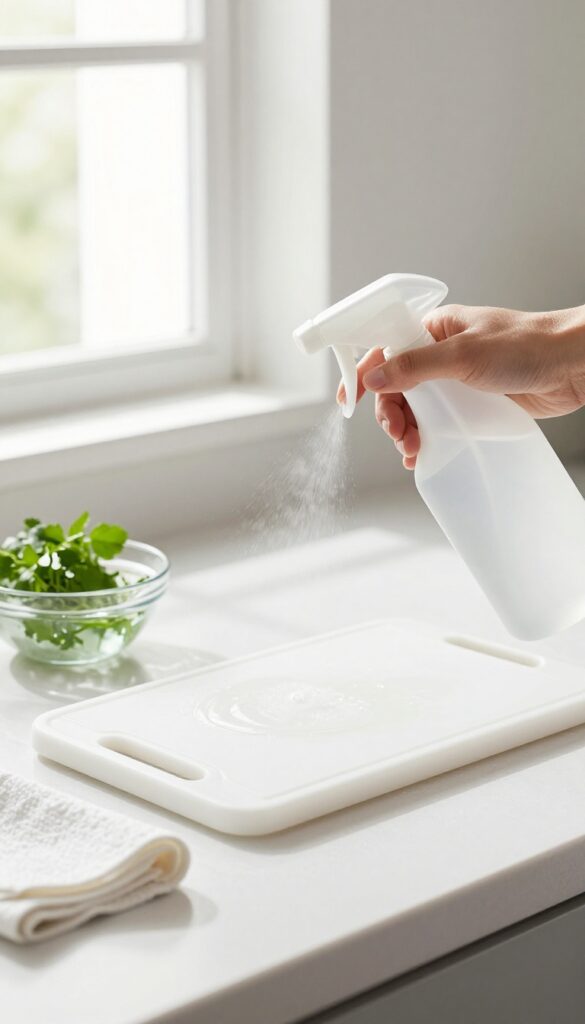
Most of us reach for chlorine bleach when we need to whiten or disinfect, but that strong smell and potential for irritation make it less than ideal. Hydrogen peroxide offers the same brightening and sanitizing power without the harsh fumes. It breaks down into water and oxygen, so you're not leaving any toxic residue behind.
Plus, it's cheap and easy to find.
Laundry Stain Fighter
Pour 1/2 cup of 3% hydrogen peroxide directly onto blood, wine, or grass stains before washing. Let it bubble for 10 minutes, then launder as usual. It lifts stains without fading colors like chlorine bleach can.
Cutting Board Sanitizer
After washing your cutting board, spray it with undiluted hydrogen peroxide and let it sit for 5 minutes. Rinse well. This kills bacteria like salmonella and E. coli without leaving any chemical taste on your food.
Bathroom Brightener
Spray hydrogen peroxide on tile grout, shower curtains, or toilet bowls to whiten and disinfect. Let it sit for 10 minutes, then scrub and rinse. It's gentle enough for daily use but strong enough to remove mildew.
6. Essential Oils: Scent and Antibacterial Boost
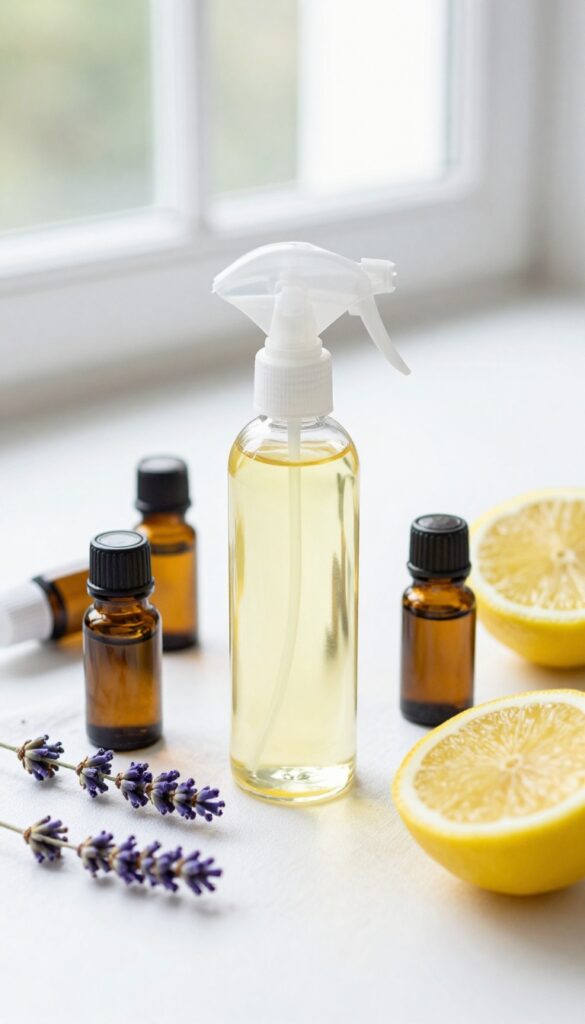
A few drops of essential oil can transform a basic vinegar spray into a fragrant, bacteria-fighting powerhouse. Tea tree, lavender, and lemon oils are especially effective—they smell great and naturally inhibit germs without the harshness of synthetic fragrances. Plus, you can customize the scent to match your mood or the room you're cleaning.
Which Oils Work Best For Cleaning?
Tea tree oil is a top pick for its strong antibacterial and antifungal properties—great for bathrooms and kitchens. Lavender adds a calming scent while still fighting microbes, making it perfect for bedrooms and living areas. Lemon oil cuts through grease and leaves a fresh, citrusy smell that lingers.
You can also blend them: try 10 drops tea tree, 5 drops lavender, and 5 drops lemon for an all-purpose mix.
How To Use Essential Oils In Cleaners
Add 10–15 drops of essential oil per cup of water or vinegar-based cleaner. Shake well before each use, since oils don't dissolve in water. For a stronger disinfectant, mix with rubbing alcohol or hydrogen peroxide.
Always test on a small surface first, especially on sealed stone or finished wood, as some oils can be strong. Store in a dark glass bottle to preserve potency.
Safety Tips For Essential Oil Cleaning
Essential oils are concentrated—never ingest them or apply directly to skin. Keep them away from pets, especially cats, as some oils like tea tree and citrus can be toxic. Ventilate the area while cleaning, and avoid using oils on surfaces that come in contact with food unless rinsed thoroughly.
A little goes a long way, so start with fewer drops and adjust.
7. Olive Oil: Dusting and Polishing
Olive oil isn't just for cooking—it's a fantastic natural furniture polish that conditions wood and leaves a streak-free shine. Mixed with a bit of vinegar or lemon juice, it cuts through dust and grime without the harsh chemicals found in commercial polishes. This simple combo works on finished wood, stainless steel, and even leather.
Olive oil is a gentle yet effective cleaner for wood surfaces. Its natural oils penetrate the grain, nourishing and protecting the finish. When mixed with an acid like vinegar or lemon juice, it helps dissolve dirt and leaves a clean, glossy surface.
This DIY polish is safe for the whole family and costs pennies per use.
The Perfect Ratio
Mix 1 part olive oil with 2 parts white vinegar or lemon juice in a spray bottle. Shake well before each use. This ratio balances cleaning power with a non-greasy finish.
For a pleasant scent, add a few drops of lemon or orange essential oil.
How To Apply
Spray a small amount onto a soft cloth—never directly onto the surface to avoid oversaturation. Wipe in the direction of the wood grain, then buff with a dry cloth for a brilliant shine. Avoid using on unsealed or raw wood, as the oil can darken or stain.
Beyond Furniture
This mixture also works wonders on stainless steel appliances, removing fingerprints and adding a subtle sheen. On leather furniture, a tiny amount conditions and prevents cracking. Always test on an inconspicuous spot first.
8. Salt: The Scrubbing Agent
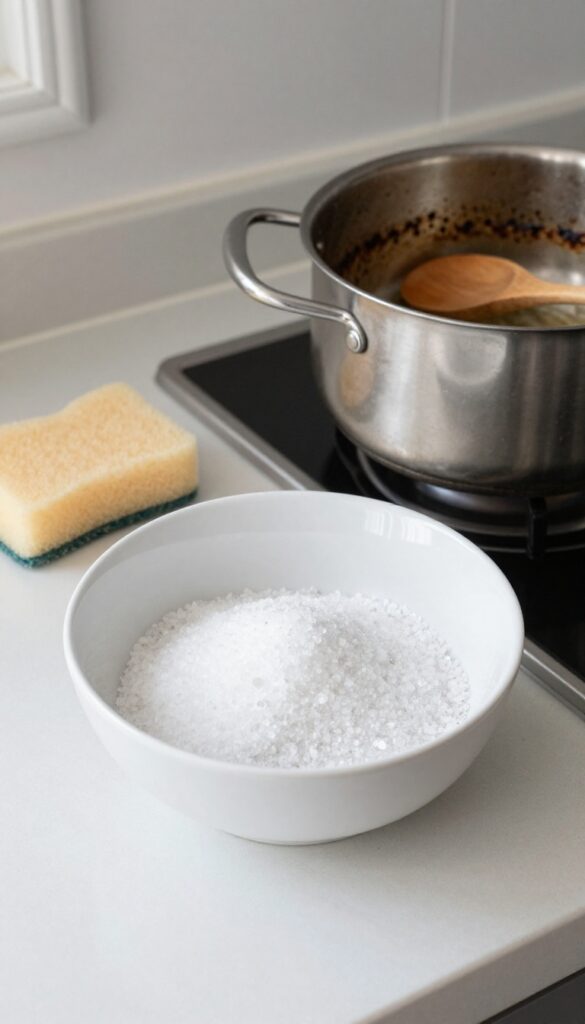
Salt’s coarse texture makes it a powerhouse for scrubbing without scratching most surfaces. It’s cheap, non-toxic, and works wonders on stuck-on messes. Plus, it doubles as a stain remover for fabric spills like red wine.
Salt is a natural abrasive that can tackle tough grime without harsh chemicals. Its crystals provide gentle friction, making it perfect for scrubbing pots, pans, and even oven spills. It’s also a lifesaver for fresh red wine stains on fabric.
Scrubbing Pots And Pans
Sprinkle salt on a greasy pan, add a little water, and scrub with a sponge. The salt lifts burnt-on food without damaging non-stick surfaces. Rinse and wash as usual—your pans will look like new.
Oven Spill Cleanup
When something bubbles over in the oven, cover the spill with salt while it’s still warm. Let it cool, then wipe away the salt and baked-on mess. No fumes, no scraping.
Removing Red Wine Stains
Blot the stain, then cover it with a thick layer of salt. The salt absorbs the wine. Wait 10 minutes, then rinse with cold water and launder as usual.
Works best on fresh stains.
9. Rubbing Alcohol: Glass and Stainless Steel Cleaner
Rubbing alcohol is a powerhouse for streak-free shine on glass and stainless steel. It evaporates quickly, so you don't have to worry about wiping away residue. Plus, it disinfects surfaces and cuts through sticky messes like tape residue or grease.
Streak-free Windows And Mirrors
Mix one part rubbing alcohol with one part water in a spray bottle. Spritz onto glass surfaces and wipe with a microfiber cloth. The alcohol evaporates instantly, leaving no streaks or smudges.
This is perfect for windows, mirrors, and glass tabletops.
Stainless Steel Shine
Rubbing alcohol removes fingerprints and water spots from stainless steel appliances. Apply it with a soft cloth, then buff dry. It won't damage the finish and leaves a brilliant shine without the need for commercial polishes.
Disinfecting High-touch Surfaces
With at least 70% isopropyl alcohol, you can disinfect doorknobs, light switches, and countertops. It kills many germs and viruses on contact. Just spray, let sit for 30 seconds, and wipe clean.
It's a safe alternative to bleach-based wipes.
Removing Sticky Residue
Got leftover sticker glue or price tag goo? Dampen a cloth with rubbing alcohol and rub the area. The adhesive dissolves quickly without harming the surface.
Works on glass, plastic, metal, and wood.
10. Cornstarch: Carpet Freshener and Stain Remover
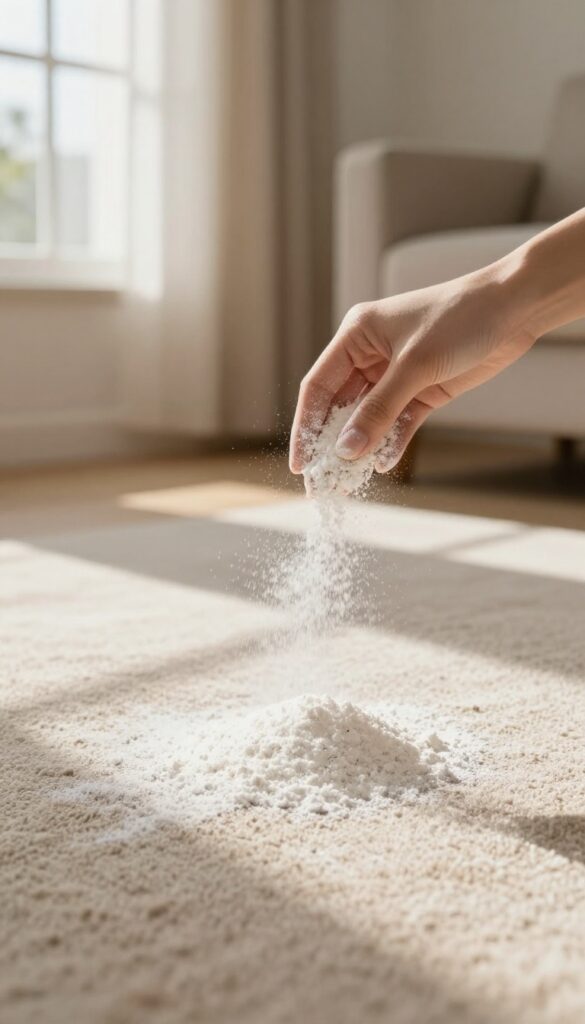
Cornstarch does more than thicken sauces. Its fine, absorbent powder is a secret weapon for freshening carpets and lifting stains without any chemicals. You probably already have a box in your pantry, so why not put it to work on your floors?
Sprinkle cornstarch liberally over your carpet, let it sit for at least 15 minutes (or overnight for tough odors), then vacuum thoroughly. The powder absorbs grease and neutralizes smells, leaving your carpet fresh. For fresh stains on upholstery, blot the area, then cover with cornstarch.
Let it sit for 30 minutes to absorb the liquid, then brush or vacuum away. Repeat if needed.
How It Works On Carpets
Cornstarch acts like a dry shampoo for your carpet. It soaks up oils and trapped odors that vacuuming alone can't remove. Simply sprinkle, wait, and vacuum—no scrubbing or rinsing required.
Lifting Fresh Stains From Upholstery
When a spill happens, act fast. Blot up as much liquid as possible, then heap cornstarch over the spot. The powder pulls the stain out of the fabric fibers.
After half an hour, brush it off or vacuum with an upholstery attachment.
Pro Tips For Best Results
For extra odor-fighting power, mix cornstarch with a few drops of your favorite essential oil before sprinkling. Always test on a hidden area first, especially on delicate fabrics. And don't forget to vacuum slowly to pick up all the powder.
11. Borax: Laundry Booster and Mold Fighter
Borax is one of those old-school products your grandmother swore by, and for good reason. This naturally occurring mineral (sodium borate) is a powerhouse for whitening whites, removing stains, and even tackling mold. It’s gentle enough for everyday use but tough on grime, making it a versatile addition to your natural cleaning kit.
Borax works by raising the pH of water, which helps detergents work more effectively and breaks down dirt and grease. It also has mild antifungal and antibacterial properties, making it useful for inhibiting mold growth. You can use it in laundry to boost your detergent, or mix it with water to create a paste for scrubbing stubborn stains.
Laundry Booster
Add half a cup of borax to your washing machine along with your regular detergent to whiten clothes and remove odors. It’s especially effective on sweat stains and dingy whites. For extra stain-fighting power, pre-soak stained items in a solution of warm water and borax for 30 minutes before washing.
Mold Fighter
Mix one cup of borax with one gallon of hot water until dissolved. Spray or sponge the solution onto moldy surfaces (like bathroom tiles or shower curtains) and let it sit for 10 minutes. Scrub with a brush, then rinse.
Borax kills mold spores without releasing harsh fumes, making it safer than bleach.
All-purpose Scrub
Combine borax with a little water to form a thick paste. Apply it to tough grime on sinks, stovetops, or grout lines. Let it sit for 15 minutes, then scrub with a sponge.
Rinse thoroughly. This paste is abrasive enough to remove baked-on food and soap scum but won’t scratch most surfaces.
12. Washing Soda: Heavy-Duty Degreaser
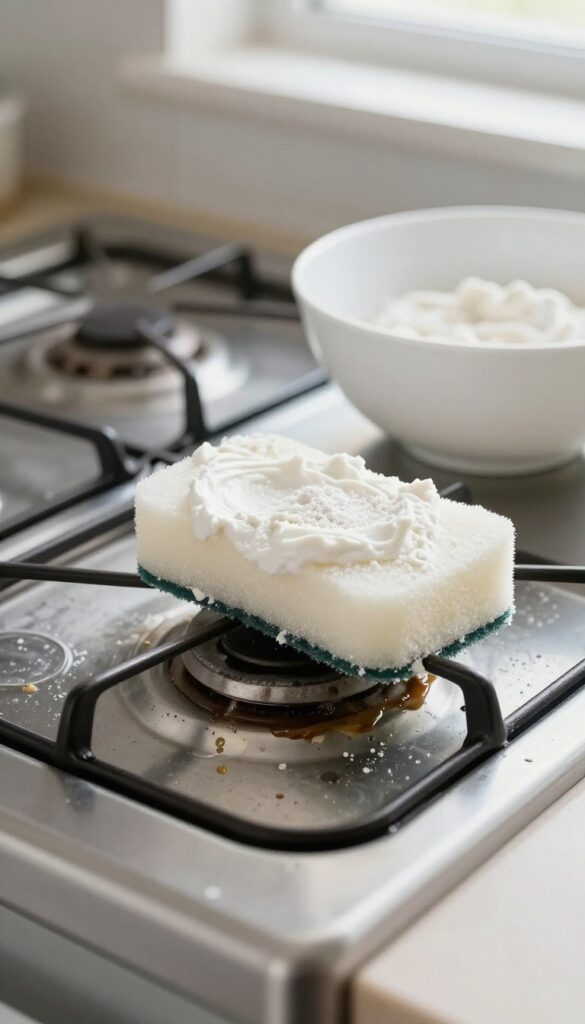
If baking soda is the gentle friend, washing soda is the tough cousin that means business. Chemically known as sodium carbonate, it's more alkaline than baking soda, which makes it a powerhouse for breaking down grease and grime. You'll find it in the laundry aisle, but its uses go way beyond softening water.
Washing soda is a natural mineral that raises the pH of water, helping to emulsify oils and lift dirt. It's safe for most surfaces but strong enough to tackle baked-on grease on stovetops, oven racks, and greasy pans. Just dissolve a few tablespoons in warm water, apply with a sponge, and watch the grime slide off.
It also softens hard water, making your laundry cleaner and your detergent more effective.
Stovetop And Oven Cleaning
Mix 1/4 cup washing soda with a squirt of liquid castile soap and enough hot water to form a paste. Spread it over greasy stovetops or oven interiors, let sit for 15 minutes, then scrub with a non-abrasive sponge. Rinse thoroughly.
The paste cuts through baked-on splatters without scratching surfaces.
Laundry Booster
Add 1/2 cup of washing soda to your regular laundry load to boost cleaning power, especially for whites and heavily soiled items. It helps remove stains, brightens fabrics, and neutralizes odors. Just be careful with wool or silk—it's too alkaline for delicate fibers.
Degreasing Pans And Bakeware
For greasy baking sheets or casserole dishes, sprinkle washing soda directly onto the pan, add a little hot water, and let it soak for 20 minutes. The grease will lift away with minimal scrubbing. Rinse well and dry.
It's much safer than commercial oven cleaners.
13. Coconut Oil: Leather and Wood Conditioner
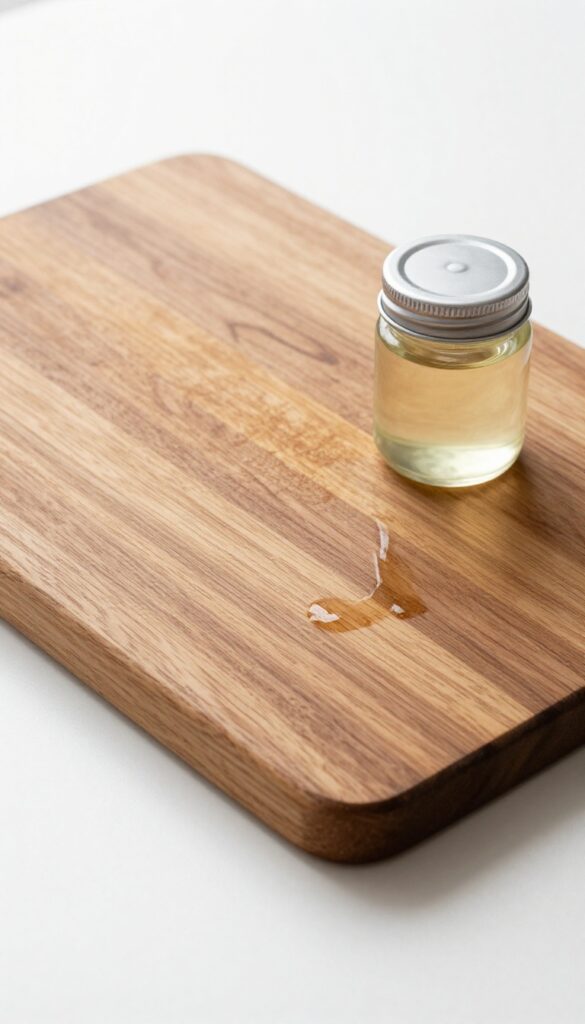
Coconut oil isn't just for cooking or moisturizing your skin—it's a fantastic natural conditioner for leather furniture and wooden kitchen tools. Unlike commercial polishes packed with silicones and petroleum, coconut oil penetrates deep to nourish and protect. A little goes a long way, and it leaves a subtle, pleasant scent.
Leather Revival
Dry, cracked leather sofas or jackets can look tired. Rub a small amount of solid coconut oil onto a soft cloth and work it into the leather in circular motions. Let it absorb for a few hours, then buff off any excess.
The oil restores suppleness and adds a natural sheen without that greasy feel. Always test on an inconspicuous spot first, as some finished leathers may darken slightly.
Wooden Cutting Board Care
Wooden cutting boards and butcher blocks dry out over time, leading to cracks and bacteria hiding in the grain. Apply coconut oil with a clean cloth, covering the entire surface. Let it soak in overnight, then wipe away any residue.
This conditions the wood, prevents splitting, and brings out the natural grain. Reapply every few weeks or whenever the wood looks dull.
Furniture Polish Alternative
For wooden tables, chairs, or shelves, coconut oil mixed with a few drops of lemon essential oil makes a simple, effective polish. Apply sparingly and buff with a dry cloth for a warm glow. Unlike spray polishes that leave a sticky buildup, coconut oil absorbs cleanly.
Use it sparingly to avoid a greasy surface—a little really does go a long way.
14. Cinnamon and Clove: Natural Air Fresheners
Forget synthetic air fresheners loaded with phthalates and mystery fragrances. Cinnamon and clove offer a warm, inviting scent that fills your home naturally—and they come with antimicrobial benefits too. A simple stovetop simmer pot can freshen your space without the chemical hangover.
Simmering cinnamon sticks and whole cloves in water releases their essential oils into the air, creating a cozy, festive aroma that lingers for hours. Unlike plug-in fresheners or sprays, this method is completely free of synthetic additives. Plus, both spices contain eugenol and cinnamaldehyde, compounds known to inhibit bacteria and fungi—so you're not just masking odors, you're actively reducing airborne microbes.
How To Make A Simmer Pot
Fill a small saucepan with water, add 2-3 cinnamon sticks and 1 tablespoon of whole cloves. Bring to a gentle boil, then reduce to a low simmer. Check the water level every 30 minutes and top off as needed.
The scent will last for several hours, and you can reuse the spices for a couple of days by adding fresh water.
Beyond The Stovetop
For a no-heat option, place cinnamon sticks and cloves in a small bowl of hot water and set it in the room. You can also add orange peels, star anise, or vanilla extract to customize the fragrance. Another trick: sprinkle ground cinnamon and clove powder onto a carpet before vacuuming—it deodorizes and leaves a subtle scent.
Antimicrobial Bonus
Cinnamon and clove oils have been shown to inhibit the growth of common household bacteria like E. coli and Staphylococcus aureus. While simmering won't disinfect surfaces directly, the steam carries antimicrobial compounds into the air, potentially reducing airborne pathogens. It's a gentle, holistic way to freshen and clean your environment.
15. Microfiber Cloths: The Reusable Cleaning Tool
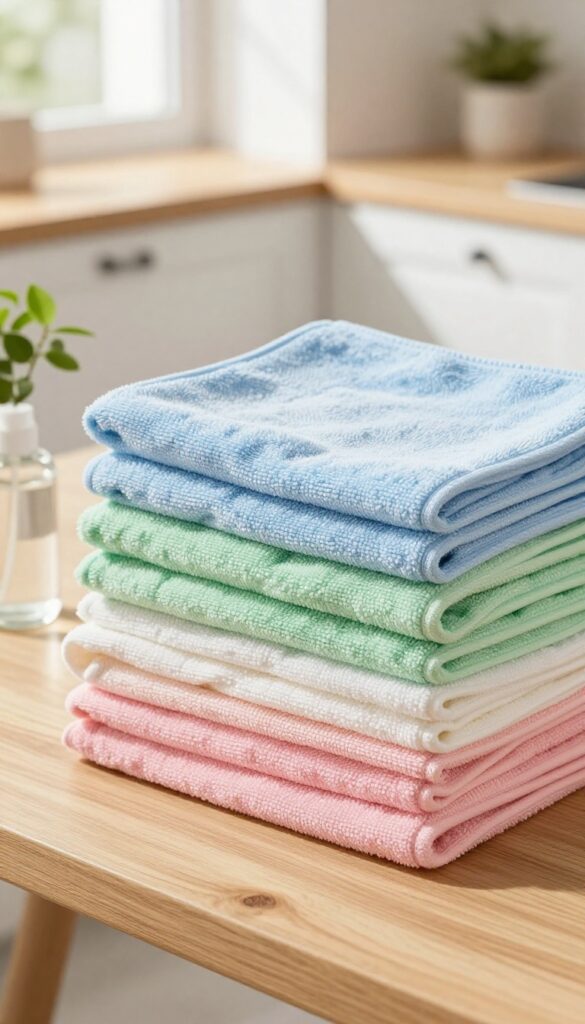
Microfiber cloths are a game-changer for anyone looking to clean effectively without chemicals. These ultra-fine fibers trap dust, dirt, and even bacteria using only water, making them perfect for a safer home routine. Plus, they’re reusable hundreds of times, which cuts down on paper towel waste and saves money in the long run.
Microfiber cloths work through a combination of physical trapping and electrostatic attraction. The split fibers create tiny hooks that grab particles, while the positive charge of the cloth attracts negatively charged dust and grime. This means you can clean most surfaces with just water, avoiding the need for sprays or wipes.
For tougher messes, a damp cloth is often enough—no chemicals required. They’re also versatile: use them dry for dusting, damp for wiping counters, or wet for scrubbing. And because they’re machine washable, one cloth can replace dozens of rolls of paper towels.
How Microfiber Works Without Chemicals
Microfiber is made from a blend of polyester and polyamide, split into microscopic strands. These strands create a large surface area that traps dirt, grease, and microbes. When used dry, the fibers generate static electricity that attracts dust like a magnet.
When dampened, the fibers loosen grime and absorb it into the cloth, leaving surfaces clean and streak-free. This physical cleaning method is why microfiber can outperform chemical cleaners on many surfaces.
Best Uses Around The House
Microfiber cloths excel in every room. Use a dry cloth to dust electronics, blinds, and shelves without scratching. A slightly damp cloth cleans kitchen counters, stovetops, and stainless steel without residue.
In the bathroom, they tackle soap scum and water spots on mirrors and tiles. They’re also great for cleaning windows—just water and a microfiber cloth leave a streak-free shine. Avoid using them on rough surfaces like unfinished wood, as the fibers can snag.
Care Tips For Longevity
To keep microfiber cloths effective, wash them separately from lint-producing fabrics like cotton. Use warm water and a mild detergent—skip fabric softener and bleach, as they clog the fibers. Air dry or tumble dry on low heat.
With proper care, a quality microfiber cloth can last through 500 washes, making it a sustainable choice for daily cleaning.
FAQ
Are natural cleaning products as effective as chemical ones?
Yes, many natural products like vinegar, baking soda, and hydrogen peroxide are highly effective for everyday cleaning and disinfecting. They may require a bit more elbow grease for tough stains, but they work well without toxic residues.
Can I mix vinegar and baking soda together?
Yes, but use them carefully. When mixed, they fizz and can help unclog drains or clean surfaces. However, the reaction neutralizes their individual cleaning power, so it's best to use them separately for most tasks.
Are essential oils safe to use around pets?
Some essential oils can be toxic to pets, especially cats and dogs. Tea tree, citrus, and peppermint oils are particularly risky. Always research pet-safe options and use oils in well-ventilated areas.
How do I store homemade natural cleaners?
Store them in labeled glass or BPA-free plastic bottles in a cool, dark place. Most mixtures last a few weeks. Adding a few drops of vitamin E oil can extend shelf life for oil-based cleaners.
Can natural cleaners disinfect against viruses?
Some natural products like hydrogen peroxide (3%) and vinegar (with at least 6% acidity) can kill certain viruses. For high-risk areas, use EPA-approved natural disinfectants or follow CDC guidelines for proper contact time.
Conclusion
You don't need a cabinet full of harsh chemicals to keep your home clean and safe. These natural products prove that simple ingredients can handle everyday messes without compromising your family's health.
Start with one swap that feels easiest for you—maybe switching your all-purpose spray or trying a DIY glass cleaner. Small steps add up, and before you know it, your cleaning routine will be greener, safer, and just as effective.