Streaks, smudges, and dust can turn your mirror into a cloudy mess, but you don't need pricey sprays to get it gleaming. These 20 mirror cleaning hacks rely on everyday items you probably already have at home, from vinegar to coffee filters.
Each method tackles a specific issue—grease, lint, or fog—so you can pick the one that fits your mirror's needs. No more wiping in circles and hoping for the best.
Get ready for a crystal-clear reflection with zero streaks.
1. The Classic Vinegar and Water Solution
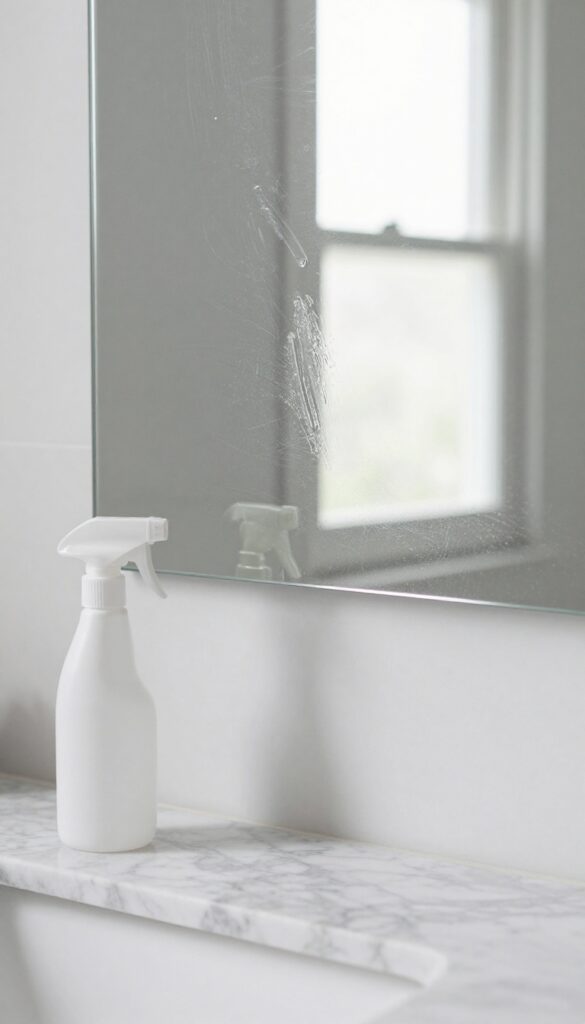
Vinegar is a powerhouse cleaner that cuts through grime without harsh chemicals. When paired with distilled water, it leaves mirrors spotless and streak-free. This simple mix is a go-to for many households because it's cheap, effective, and eco-friendly.
To make this solution, combine equal parts white vinegar and distilled water in a clean spray bottle. Distilled water is key because tap water can leave mineral deposits that cause streaks. Spray the mixture lightly onto the mirror—don't soak it—then wipe with a dry microfiber cloth.
Microfiber traps dust and absorbs liquid without leaving lint. For best results, wipe in an S-pattern or from top to bottom to avoid spreading residue. This method works on bathroom mirrors, vanity mirrors, and even large wall mirrors.
If your mirror is especially dirty, let the solution sit for a minute before wiping. The vinegar smell fades quickly, leaving a clean, fresh surface.
Why Distilled Water Matters
Tap water often contains minerals like calcium and magnesium that can leave cloudy streaks on mirrors. Distilled water is purified, so it evaporates cleanly without residue. This small switch makes a big difference in achieving a streak-free shine.
The Right Wiping Technique
Using a microfiber cloth is crucial—paper towels can leave lint, and old rags might scratch the glass. Wipe in a zigzag or S-pattern to prevent streaks. Start at the top and work your way down, flipping the cloth as needed to use a clean section.
When To Avoid Vinegar
Vinegar is acidic, so avoid using it on mirrors with damaged edges or silvering, as it can worsen deterioration. For antique or framed mirrors, test a small area first. If you're unsure, stick to a gentle glass cleaner instead.
2. Use Rubbing Alcohol for a Quick Dry
If you're tired of waiting for mirrors to dry only to find new streaks, rubbing alcohol is your shortcut. It evaporates almost instantly, leaving no residue behind. Mix it with water and a splash of vinegar, and you've got a DIY spray that works faster than any store-bought cleaner.
Combine 1 cup rubbing alcohol, 1 cup water, and 1 tablespoon vinegar in a spray bottle. Shake gently, then mist onto the mirror. Wipe with a microfiber cloth in one direction, and watch the alcohol vanish before your eyes.
No buffing needed.
Why Alcohol Works So Well
Rubbing alcohol has a low boiling point, which means it evaporates rapidly. This prevents water from sitting on the glass and forming mineral deposits that cause streaks. It also cuts through grease and fingerprints effortlessly.
Best Cloth For Alcohol Cleaning
Microfiber is ideal because it absorbs the solution without leaving lint. Avoid paper towels—they can leave fibers behind. Use a clean, dry microfiber cloth for the final wipe to ensure a streak-free finish.
When To Use This Hack
This method is perfect for bathroom mirrors after steamy showers or for any mirror that needs a quick touch-up. It's also great for glass tabletops and windows. Just avoid it on mirrors with special coatings, as alcohol might damage them.
3. Dish Soap and Water for Grease
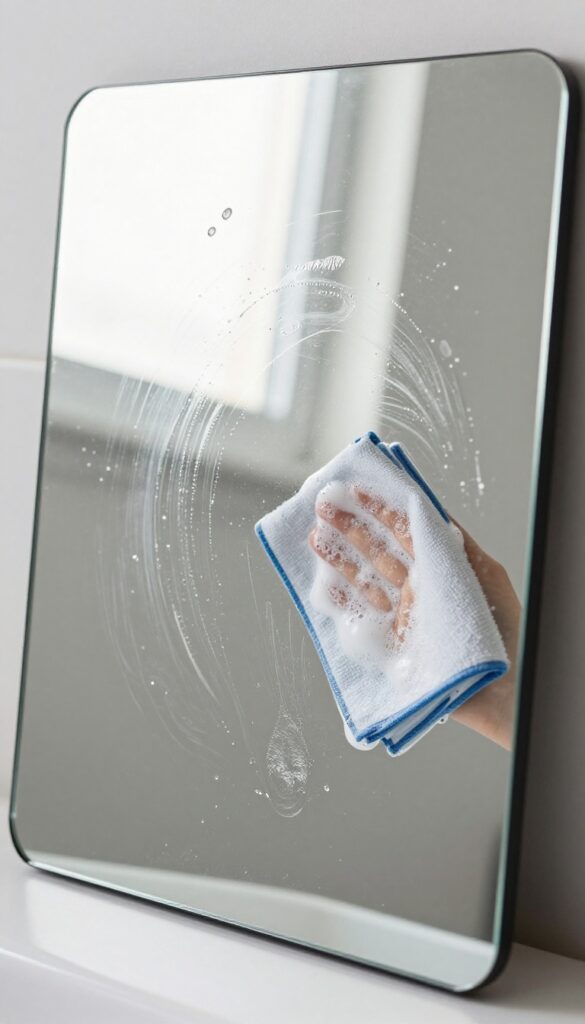
Greasy fingerprints and oily smudges can be stubborn on mirrors, especially in kitchens or bathrooms near lotions. Dish soap is designed to break down grease, making it a perfect solution for these sticky spots. This simple hack uses items you already have and leaves mirrors sparkling clean.
Mix a few drops of liquid dish soap into a bowl of warm water. Dip a soft, lint-free cloth into the solution and wring it out well so it's damp, not wet. Wipe the mirror in gentle strokes, focusing on greasy areas.
Then, immediately buff the mirror dry with a clean, dry cloth to prevent streaks and water spots.
Why Dish Soap Works
Dish soap contains surfactants that lift grease and oil from surfaces, allowing them to be rinsed away easily. Unlike some glass cleaners that just spread oil around, dish soap actually breaks it down. This makes it especially effective for mirrors in high-touch areas like bathrooms or near stoves.
Best Practices For Streak-free Results
Always use a dedicated microfiber cloth or a soft cotton cloth to avoid lint. Avoid paper towels, which can leave fibers behind. Work in small sections and dry immediately after wiping.
If you see streaks, your cloth may be too wet—wring it out more. For extra shine, follow up with a dry microfiber cloth.
When To Avoid This Method
This hack works best on standard glass mirrors. Avoid using dish soap on mirrors with special coatings, like anti-fog or tinted mirrors, as the soap may leave a residue or damage the coating. Also, don't use too much soap—excess suds can be hard to rinse off and cause streaks.
4. The Newspaper Trick
Newspaper has been a go‑to for cleaning windows and mirrors long before microfiber cloths existed. The ink acts as a mild abrasive that buffs away grime without scratching, and the paper fibers leave zero lint behind. It’s cheap, effective, and gives you a second use for yesterday’s news.
Why Newspaper Works So Well
The printing ink contains a small amount of solvent that helps dissolve oily residues, and the paper’s texture provides gentle scrubbing power. Unlike paper towels, newspaper doesn’t shed fibers, so you won’t end up with tiny white specks on your mirror. Plus, it’s absorbent enough to pick up moisture without leaving streaks.
How To Do It Right
Crumple a few sheets of newspaper into loose balls—not too tight, or they’ll lose absorbency. Spray your mirror with your favorite cleaner (or a simple vinegar‑water mix), then wipe in one direction, overlapping strokes. Flip the paper to a clean side as it gets damp.
Finish with a dry crumpled sheet for extra polish.
When To Skip This Hack
Avoid newspaper on mirrors with anti‑fog or tinted coatings, as the ink could leave a faint residue or interact with the coating. Also, if you’re sensitive to newsprint ink on your hands, wear gloves. For standard bathroom or bedroom mirrors, it’s a safe, effective trick.
5. Coffee Filters for Lint-Free Shine
You might associate coffee filters with your morning brew, but they're also a secret weapon for mirror cleaning. Unlike paper towels or rags, coffee filters are lint-free and super absorbent, making them perfect for buffing away streaks without leaving behind fuzzy residue. Plus, they're disposable, so you can toss them after each use and never worry about cross-contamination from dirty cloths.
Coffee filters are made from dense, fine fibers that trap dust and liquid without shedding. This makes them ideal for the final buffing step after you've cleaned your mirror with a spray solution. They work especially well with vinegar or glass cleaner, absorbing excess moisture and polishing the surface to a brilliant shine.
Why Coffee Filters Beat Paper Towels
Paper towels often leave behind lint or tiny fibers that create a hazy film on mirrors. Coffee filters, on the other hand, are manufactured to be lint-free so they don't contaminate your coffee—or your mirror. Their tight weave also means they won't fall apart when wet, so you can scrub without worrying about shreds sticking to the glass.
How To Use Coffee Filters For Mirrors
Start by cleaning your mirror with your preferred solution—like vinegar and water or rubbing alcohol—using a microfiber cloth or spray bottle. Then, grab a dry coffee filter and buff the mirror in a circular motion, followed by horizontal strokes to catch any remaining streaks. The filter will absorb leftover moisture and polish the glass to a crystal-clear finish.
Pair Coffee Filters With Diy Cleaners
Coffee filters work great with homemade cleaners. Mix equal parts white vinegar and water in a spray bottle, spritz the mirror, and wipe with a coffee filter for a streak-free result. For extra shine, add a drop of dish soap to the mixture.
The filter's absorbency helps prevent soap residue from drying into streaks.
6. Microfiber Cloths Are a Must
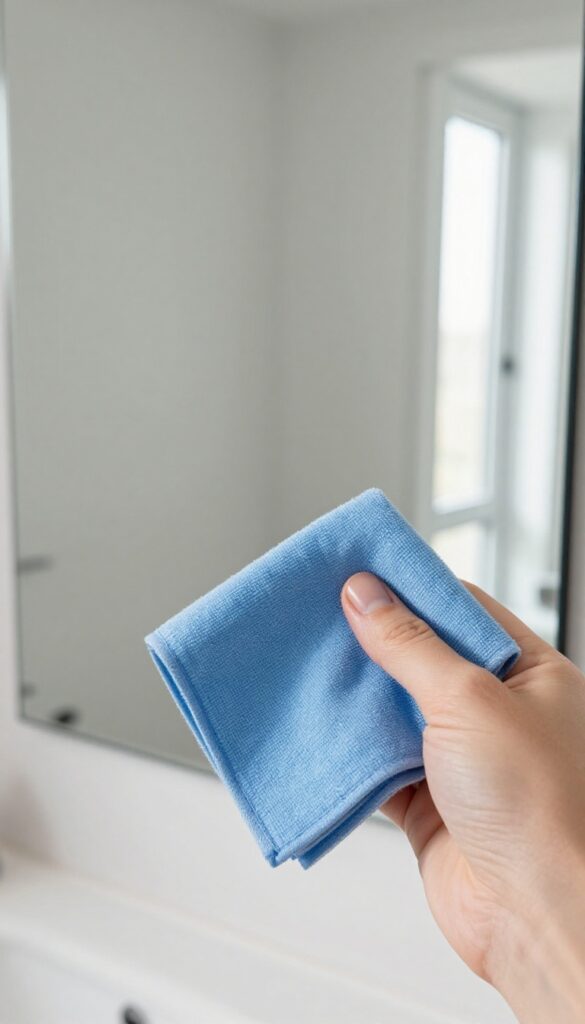
Not all cloths are created equal when it comes to mirrors. A scratchy towel or an old t-shirt might seem harmless, but they can leave fine scratches and lint behind. That's where microfiber cloths come in—they're the unsung heroes of streak-free cleaning.
Microfiber cloths are made of ultra-fine synthetic fibers that act like tiny magnets for dust and dirt. Unlike cotton or paper towels, they trap particles in their fibers instead of pushing them around. This means you can wipe a mirror dry without smearing or scratching the surface.
Plus, they're reusable and washable, making them an eco-friendly choice.
Why Microfiber Works So Well
The secret is in the split fibers. Microfiber cloths have a positive charge that attracts negatively charged dust and grease. They can hold up to seven times their weight in liquid, so you need less cleaner.
And because they're non-abrasive, they're safe for delicate mirror coatings.
Choosing The Right Microfiber Cloth
Look for cloths with a high GSM (grams per square meter) for mirrors—around 300 to 400 GSM is ideal. A higher GSM means denser fibers that pick up more grime. Avoid cloths with rough edges or those labeled for heavy-duty scrubbing, as they might scratch.
Stick with soft, lint-free options.
How To Care For Your Microfiber Cloths
To keep them effective, wash microfiber cloths separately from cotton items to prevent lint transfer. Use a mild detergent without fabric softener, as softener clogs the fibers. Air dry or tumble dry on low heat.
Replace them once they start to smell or lose their grip.
7. Dryer Sheets for Anti-Static
After you've cleaned your mirror to perfection, the last thing you want is a fresh layer of dust settling on it within days. That's where a humble dryer sheet comes in. A quick wipe with a used dryer sheet creates a thin anti-static layer that repels dust and lint, keeping your reflection clear for longer.
It's a simple trick that adds minimal effort but extends the time between cleanings.
Dryer sheets are designed to reduce static cling in laundry, and that same property works wonders on mirrors. By buffing a used dryer sheet over a clean, dry mirror, you transfer a microscopic coating of anti-static agents. This coating neutralizes static charge, so dust particles don't stick as easily.
The result is a mirror that stays cleaner longer, especially in dry environments where static buildup is common. Plus, the faint scent can freshen up the room.
Why It Works
Dryer sheets contain cationic surfactants that reduce static electricity. When rubbed on a mirror, these compounds leave a thin film that dissipates static charge. Without static, airborne dust and lint are less attracted to the surface, so your mirror stays spotless for days longer than usual.
How To Apply
Use a sheet that's already been through the dryer—fresh ones are too waxy and may leave residue. Lightly rub the sheet over the entire mirror surface, focusing on edges where dust gathers. No need to rinse or wipe again.
If you see any streaks, buff gently with a dry microfiber cloth.
Pro Tips
Avoid scented dryer sheets if you're sensitive to fragrances—unscented options work just as well. This hack is best for mirrors in low-moisture areas like bedrooms or hallways. In steamy bathrooms, the film may wear off faster, but it still helps between deep cleans.
8. Shaving Cream for Fog-Free Mirrors
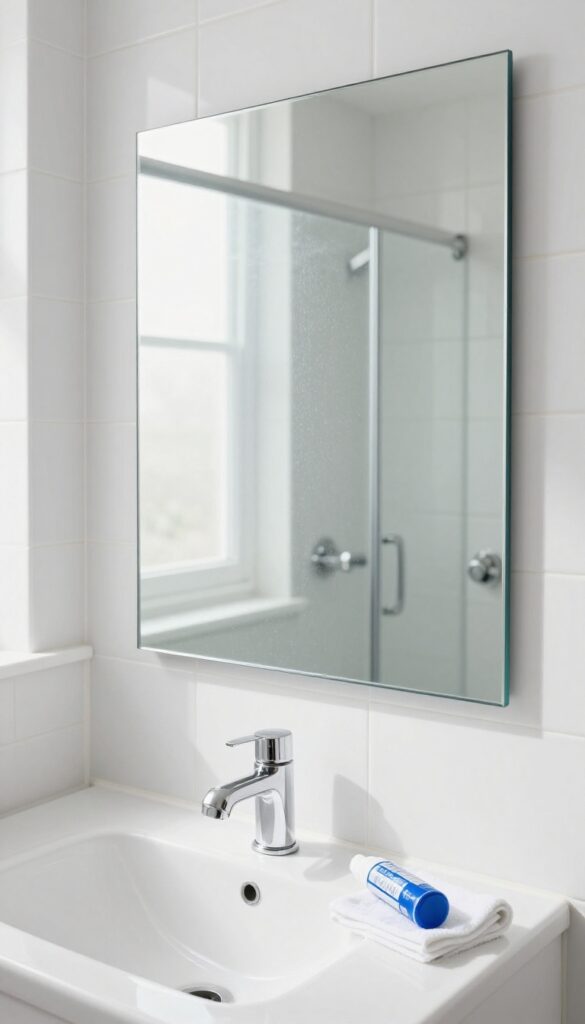
Nothing ruins a post-shower reflection like a mirror coated in steam. But a simple dollop of shaving cream can keep that fog at bay for days. The trick lies in the surfactants, which leave a microscopically thin film that repels moisture.
Shaving cream isn't just for your face—it's a surprisingly effective anti-fog solution for mirrors. The foam contains surfactants that create a protective barrier, preventing water droplets from condensing on the glass. Here’s how to use it and why it works so well.
Why It Works
Shaving cream is packed with soapy compounds called surfactants. When you wipe it off, a nearly invisible layer remains on the mirror. This layer disrupts the surface tension of water, so instead of forming tiny fog droplets, the moisture spreads out evenly and evaporates quickly.
The result: a clear reflection even in a steamy bathroom.
How To Apply It
Start with a clean, dry mirror. Squirt a quarter-sized amount of shaving cream onto a soft cloth or directly on the glass. Spread it evenly over the entire surface, then let it sit for about 30 seconds.
Wipe it off with a clean, dry microfiber cloth, buffing gently until the mirror is clear. No rinsing needed.
How Long It Lasts
One application typically keeps your mirror fog-free for one to three weeks, depending on humidity and how often you wipe the mirror. You'll know it's time to reapply when you start seeing haze again. It's a quick, low-effort fix that saves you from constantly wiping down the glass.
9. Baby Shampoo for Gentle Cleaning
Baby shampoo isn't just for babies—it's a surprisingly effective mirror cleaner that's gentle on surfaces and tough on smudges. Unlike harsh chemicals, it won't damage mirror coatings or leave behind sticky residues. Plus, it's a budget-friendly option that's already sitting in your bathroom cabinet.
To use baby shampoo, mix one teaspoon of tear-free baby shampoo with two cups of warm water in a spray bottle. Shake gently to combine. Spray the solution onto your mirror, then wipe with a lint-free cloth or microfiber towel.
The shampoo cuts through grease and grime without creating excess foam, making it easy to buff away for a streak-free shine.
Why Baby Shampoo Works
Baby shampoo contains mild surfactants that break down oils and dirt without being abrasive. It's pH-balanced, so it won't corrode mirror backing or leave a film. This makes it ideal for mirrors in bathrooms, nurseries, or any room where you want a non-toxic cleaning option.
Best Practices For Application
Always use a clean, dry microfiber cloth for best results. Spray the solution lightly—you don't need to soak the mirror. Wipe in a zigzag or S-pattern to avoid streaks.
If you see any residue, buff with a second dry cloth. For stubborn smudges, let the solution sit for a few seconds before wiping.
When To Avoid Baby Shampoo
Avoid using baby shampoo on antique mirrors or those with damaged backing, as excess moisture can seep in. Also, skip it if your mirror has a special coating like anti-fog or tinted film—check the manufacturer's recommendations first.
10. Lemon Juice for Natural Grease Cutter
When your mirror has greasy fingerprints or hair product residue, reach for a lemon. The natural acidity breaks down grease on contact, leaving the glass sparkling clean without harsh chemicals. Plus, the fresh citrus scent is a bonus.
Why Lemon Juice Works
Lemon juice is acidic enough to dissolve oily smudges and soap scum, but gentle on mirror surfaces. It also helps prevent hard water spots from forming, so your mirror stays cleaner longer.
How To Make The Spray
Mix equal parts fresh lemon juice and water in a spray bottle. Shake well. For extra cleaning power, add a splash of white vinegar.
Store in the fridge and use within a week for best results.
Application Tips
Spray the solution onto a microfiber cloth, not directly on the mirror, to avoid drips. Wipe in a zigzag pattern to prevent streaks. Buff with a dry section of the cloth for a flawless shine.
11. Cornstarch Paste for Stubborn Spots
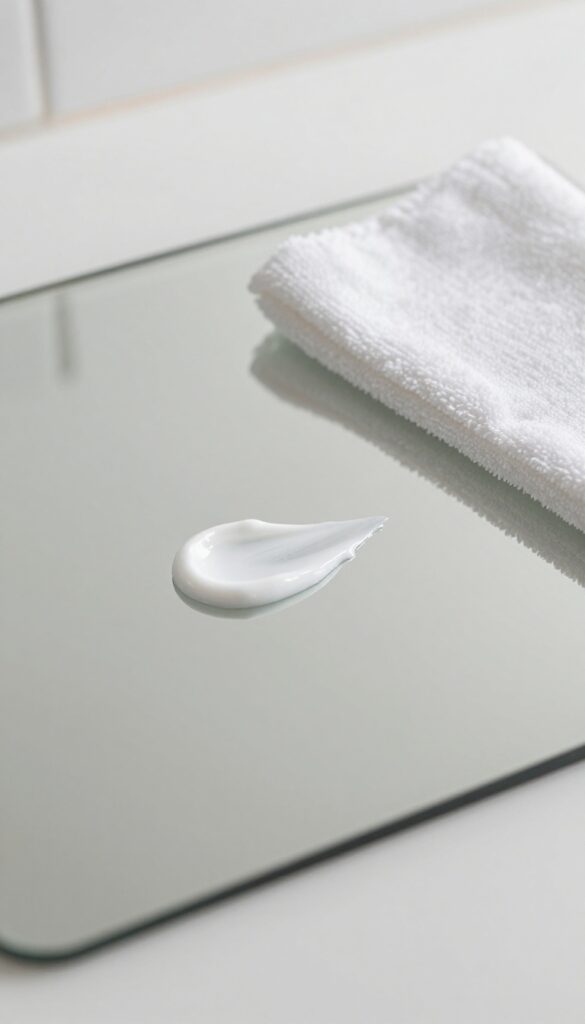
Some mirror spots just won't budge with a simple spray and wipe. Dried toothpaste, hard water deposits, or sticky residue can cling to the glass, leaving you frustrated. That's where cornstarch comes in—it's a gentle abrasive that lifts stubborn gunk without scratching the surface.
Mix a tablespoon of cornstarch with enough water to form a thick paste. Dab it onto the trouble spots with a soft cloth or your finger, and let it sit for a few minutes to break down the residue. Once the paste dries slightly, buff it off with a clean, dry microfiber cloth.
The cornstarch absorbs oils and grime, leaving the mirror polished and streak-free.
Why Cornstarch Works
Cornstarch is a fine powder that acts as a mild abrasive, perfect for scrubbing away dried-on messes without scratching glass. It also absorbs grease and moisture, which helps lift sticky residues. Unlike harsh chemicals, it's safe for all mirror types and won't damage the backing.
How To Apply The Paste
For best results, use a ratio of about 1 tablespoon cornstarch to 2 teaspoons water, adjusting as needed to get a spreadable consistency. Apply the paste directly to the spot with a soft cloth, let it sit for 2-3 minutes, then gently rub in circles. Wipe away any leftover powder with a damp cloth, then dry with a microfiber towel.
When To Use This Hack
Reach for cornstarch paste when you're dealing with dried toothpaste splatters, water spots that won't wipe off, or sticky residue from stickers or tape. It's also great for removing buildup from hairspray or other styling products. Avoid using it on antique mirrors with delicate silvering, as the abrasive could cause wear over time.
12. Use a Squeegee for Large Mirrors
Large mirrors can be a pain to clean without leaving streaks or missing spots. A squeegee, the same tool you might use on windows, is a game-changer for big bathroom or wardrobe mirrors. It gives you a professional, streak-free finish with minimal effort.
Start by spraying your mirror with a cleaning solution—homemade vinegar and water works great. Then, starting at the top, pull the squeegee across horizontally, overlapping each stroke slightly. After each pass, wipe the blade with a clean, dry cloth to prevent drips and smears.
Finish with a vertical stroke at the bottom to catch any remaining water.
Why A Squeegee Works Better
Unlike a cloth or paper towel, a squeegee removes liquid without leaving lint or fibers behind. The rubber blade glides smoothly, pushing dirt and cleaner off the surface in one motion. This prevents the common problem of wiping cleaner around instead of actually removing it.
Choosing The Right Squeegee
Look for a squeegee with a rubber blade that's at least as wide as your mirror. A 10- or 12-inch blade is a good all-purpose size. Make sure the rubber is soft and flexible, not hard or cracked, to avoid scratching the glass.
Pro Tips For Best Results
Work quickly before the cleaner dries. If you see streaks, your blade might be dirty or worn—clean it thoroughly or replace it. For extra shine, follow up with a microfiber cloth to buff any edge marks.
13. Hair Conditioner for Anti-Fog
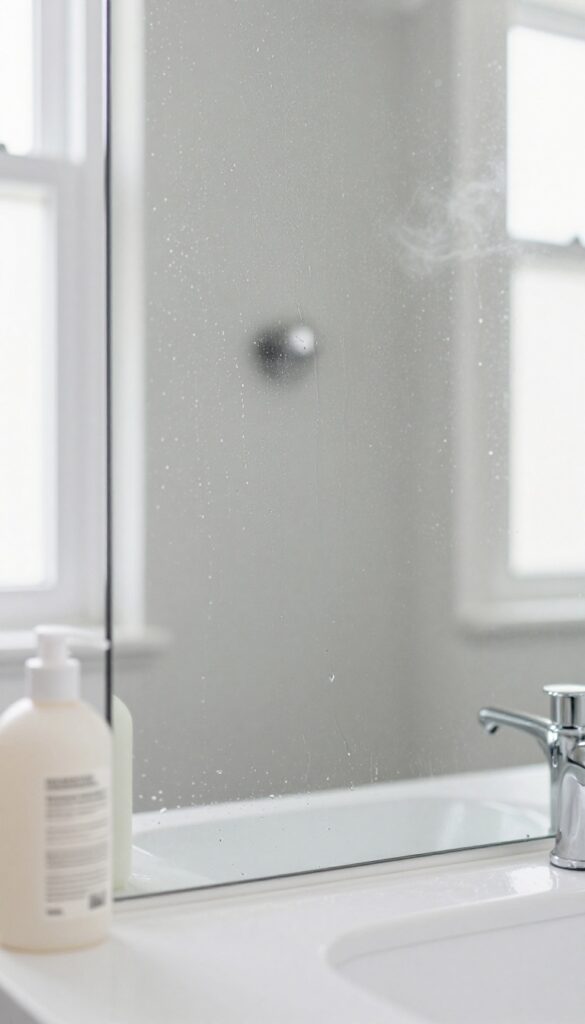
A foggy mirror after a hot shower is annoying, but you don't need special sprays to fix it. Hair conditioner works as a simple anti-fog agent because it leaves a thin, invisible film that prevents moisture from condensing into droplets. Just a tiny dab is enough to keep your mirror clear for days.
This trick is perfect for bathrooms where fog is a daily problem. Conditioner is cheap, you already have it, and it lasts longer than shaving cream or commercial anti-fog products. Plus, it won't damage the mirror or leave residue if applied correctly.
How To Apply
Squeeze a drop of conditioner—about the size of a pea—onto a soft, lint-free cloth. Rub it gently over the entire mirror surface, then buff it off with a clean dry cloth until the mirror looks clear. Don't use too much, or it may leave a slight haze.
A thin, even layer is all you need.
Why It Works
Conditioner contains surfactants and oils that create a hydrophobic layer on the glass. Water molecules can't form a continuous film, so they bead up and slide off instead of fogging the mirror. The effect usually lasts through several showers before you need to reapply.
Tips For Best Results
Use a conditioner without heavy silicones or dyes to avoid streaks. Apply it after cleaning the mirror thoroughly—any dirt or soap scum will interfere with the anti-fog layer. Reapply every week or when you notice fog returning.
For extra longevity, let the conditioner sit for a minute before buffing.
14. White Toothpaste for Scratches
Minor scratches on a mirror can be distracting, but you don't need to replace the whole thing. A little white toothpaste can help buff out those fine lines and restore clarity. It's a quick fix that costs next to nothing.
Toothpaste acts as a mild abrasive, gently polishing the glass surface to reduce the appearance of light scratches. This works best on shallow marks, not deep gouges. Always use non-gel, white toothpaste for consistent results.
Choosing The Right Toothpaste
Stick to plain white toothpaste—avoid gels, whitening formulas, or ones with stripes. The paste should be smooth and creamy, not gritty. A basic brand like Colgate or Crest works fine.
How To Apply
Squeeze a pea-sized amount onto a soft, lint-free cloth. Gently rub the toothpaste into the scratch in circular motions for about 30 seconds. Use light pressure to avoid creating new scratches.
Wiping It Clean
Dampen a separate cloth with water and wipe away the toothpaste residue. Buff the area dry with a clean microfiber cloth. If the scratch is still visible, repeat the process once more.
15. Hydrogen Peroxide for Disinfecting
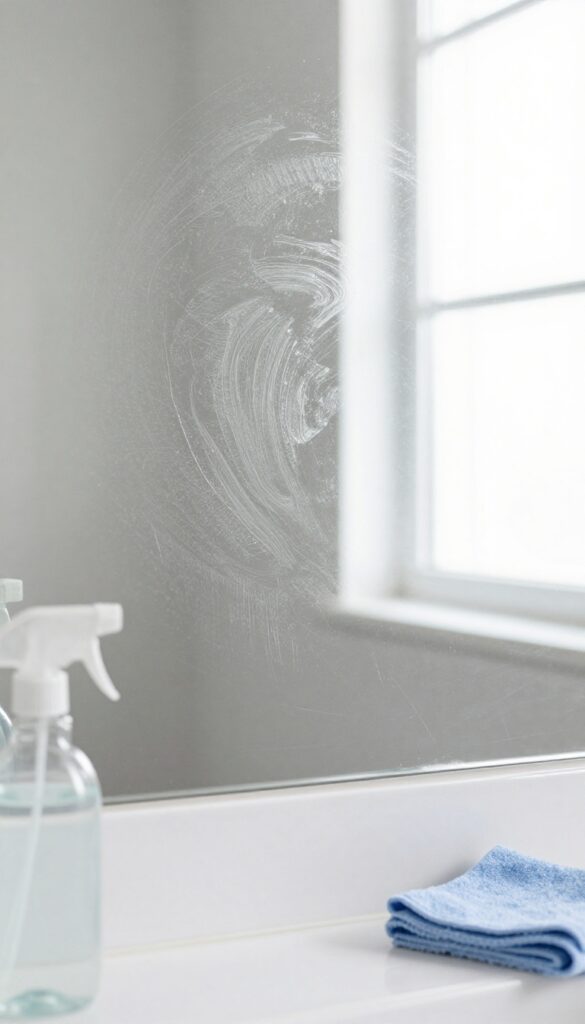
Mirrors in bathrooms or high-traffic areas can harbor bacteria and germs that a simple wipe won't remove. Hydrogen peroxide offers a chemical-free way to both clean and disinfect, leaving your mirror sparkling and sanitary. It's especially useful after someone in the household has been sick, or if you just want a deeper clean without harsh fumes.
Hydrogen peroxide breaks down dirt and grime while killing germs on contact. It evaporates quickly, so you won't be left with streaks or residue. This method is ideal for mirrors that see a lot of hands or splashes, like those in bathrooms or entryways.
Why Hydrogen Peroxide Works
Hydrogen peroxide is a mild antiseptic that fizzes on contact with organic matter, lifting away bacteria and viruses. It's safe for most mirror surfaces and won't damage the reflective coating if used correctly. Plus, it's colorless and odorless, so you won't have to deal with lingering smells.
How To Apply It
Pour a small amount of 3% hydrogen peroxide into a spray bottle. Mist the mirror lightly, covering the entire surface. Let it sit for about a minute to allow the disinfectant to work.
Then, wipe with a clean, dry microfiber cloth in a zigzag or S-pattern to avoid streaks.
Tips For Best Results
Use a fresh microfiber cloth to prevent redepositing dirt. If your mirror has heavy buildup, spray again and wipe with a damp cloth first, then follow with the peroxide. Avoid using hydrogen peroxide on antique mirrors or those with damaged edges, as it could seep into the backing.
16. Club Soda for Sparkle
Club soda isn't just a mixer—it's a surprisingly effective mirror cleaner. The carbonation helps lift dirt and grime, while the minerals leave a brilliant, streak-free shine. No harsh chemicals, no residue, just a sparkling reflection.
Skip the expensive sprays and grab a bottle of club soda from your fridge. Pour it into a spray bottle, mist your mirror lightly, and wipe with a microfiber cloth. The bubbles do the heavy lifting, loosening stuck-on residue without scrubbing.
It's especially good for mirrors with hard water spots or toothpaste splatters.
Why Carbonation Works
The bubbles in club soda act as a gentle abrasive, helping to lift dirt and grime from the mirror's surface. As they pop, they break down residue without scratching. Plus, the minerals in club soda help repel dust, keeping your mirror cleaner longer.
Best Cloth To Use
Microfiber is your best bet—it grabs dirt and absorbs moisture without leaving lint. Avoid paper towels or rough sponges, which can leave streaks or tiny scratches. For extra shine, buff with a dry section of the cloth after wiping.
When To Skip Club Soda
If your mirror has a protective coating or anti-fog layer, club soda might be too alkaline and could damage it over time. Stick to plain water or a mild vinegar solution for treated mirrors. Otherwise, club soda is safe for most standard glass mirrors.
17. Use a Lint Roller for Dust
Dust and lint are often the culprits behind those frustrating streaks that appear after cleaning. You wipe the mirror, but tiny particles get dragged across the surface, leaving a hazy mess. A lint roller is a simple pre-cleaning step that can make a big difference.
Before you spray anything, run a fresh lint roller sheet over the entire mirror. It picks up loose dust, pet hair, and lint in seconds. This way, when you apply your cleaner, you're not just pushing dirt around—you're actually removing it.
Using a lint roller before cleaning is a game-changer for streak-free mirrors. It's especially useful in bathrooms or bedrooms where dust and hair accumulate quickly. The sticky sheets grab particles that a dry cloth might miss, preventing them from turning into smudges when wet.
This hack works best on dry mirrors, so do it before any spraying or wiping. You can also use it on frames or edges to keep everything dust-free.
Why It Works
Dust and hair are lightweight and easily spread around by cloths or sprays. A lint roller's adhesive traps these particles before they can be smeared. This reduces the chance of scratches and ensures your cleaning solution works on the glass, not on a layer of grime.
Best Mirrors For This Hack
This method is perfect for large mirrors, like those in dressing rooms or hallways, where dust settles visibly. It's also great for mirrors near windows or in high-traffic areas. Avoid using it on mirrors with delicate coatings or antiques, as the adhesive might be too strong.
Pro Tips
Use a fresh sheet for each mirror to avoid redepositing dirt. If you don't have a lint roller, wrap a piece of packing tape around your hand, sticky side out, and pat the mirror. For extra stubborn lint, follow up with a microfiber cloth.
18. Wipe in an S-Pattern
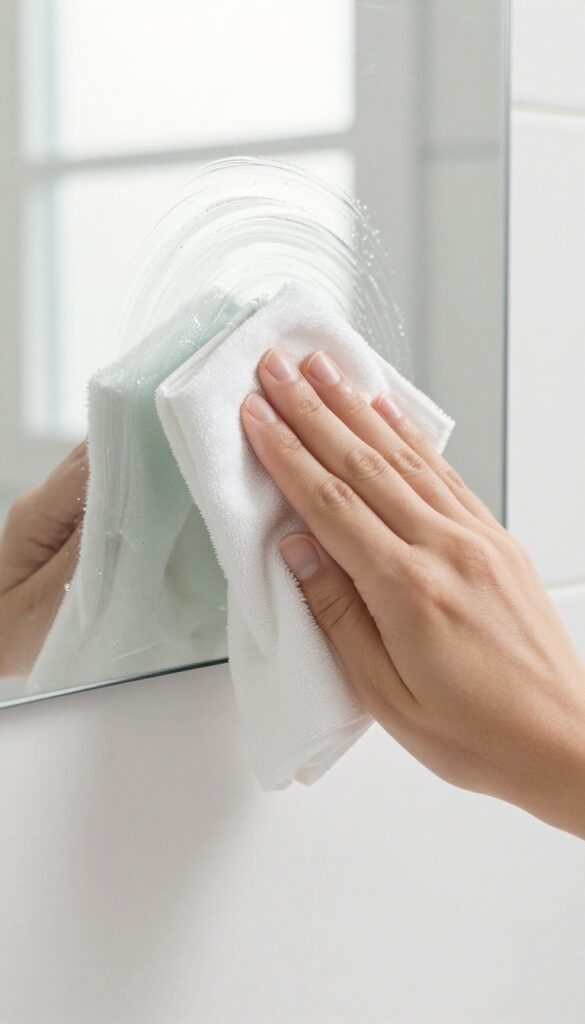
The way you move your cloth across the mirror matters more than you think. Circles might feel natural, but they often just push dirt around and leave behind a hazy film. Switching to an S-shaped pattern changes the game entirely.
By wiping in a continuous S-pattern, you lift and carry dirt away from the surface instead of redistributing it. This simple technique ensures every pass is cleaning fresh area, reducing the chance of streaks. It also helps the cleaning solution evaporate evenly, leaving a spotless shine.
Why Circles Fail
Circular motions tend to redeposit grime because you're constantly crossing over already-wiped spots. The dirt ends up smeared back onto the glass, creating those frustrating cloudy streaks. An S-pattern avoids this by moving in a single direction across the mirror.
How To Master The S-pattern
Start at the top left corner and wipe in a smooth, wide S shape down to the bottom right. Overlap each pass slightly to cover the entire surface. Use a lint-free microfiber cloth or a squeegee for best results.
Pair With The Right Solution
This technique works best with a streak-free cleaner like a vinegar-water mix or rubbing alcohol. Spray the solution lightly onto the cloth, not directly on the mirror, to avoid drips. Then apply the S-pattern for a flawless finish.
19. Avoid Paper Towels
It's tempting to grab a paper towel for a quick mirror wipe, but that convenience comes with a price. Paper towels are designed to be absorbent and textured, which means they often shed lint and leave behind tiny fibers that create streaks. Plus, the wood pulp can scratch delicate mirror coatings over time.
Stick to lint-free options for a flawless finish.
Microfiber cloths are the gold standard for mirror cleaning because they trap dust and absorb moisture without leaving residue. Coffee filters are another excellent choice—they're super absorbent, lint-free, and disposable. Even old newspaper works surprisingly well; the ink helps cut through grime and the paper won't leave fuzz.
Just avoid colored pages that might transfer dye.
Why Paper Towels Fail
Paper towels are made with short fibers that break off easily, especially when wet. Those tiny fibers cling to the glass and dry into visible streaks. The rough texture can also create micro-scratches on the mirror's surface, dulling its shine over time.
Best Alternatives
Microfiber cloths are reusable and highly effective—just wash them without fabric softener to keep them lint-free. Coffee filters are cheap and disposable, perfect for a streak-free shine. For a zero-waste option, use old newspaper (black-and-white pages only) for a classic, lint-free clean.
How To Use Them
Spray your cleaning solution onto the cloth, not the mirror, to avoid drips. Wipe in an S-pattern or from top to bottom to prevent streaks. For coffee filters or newspaper, use a light touch and replace the sheet once it becomes damp.
20. Regular Maintenance Prevents Buildup
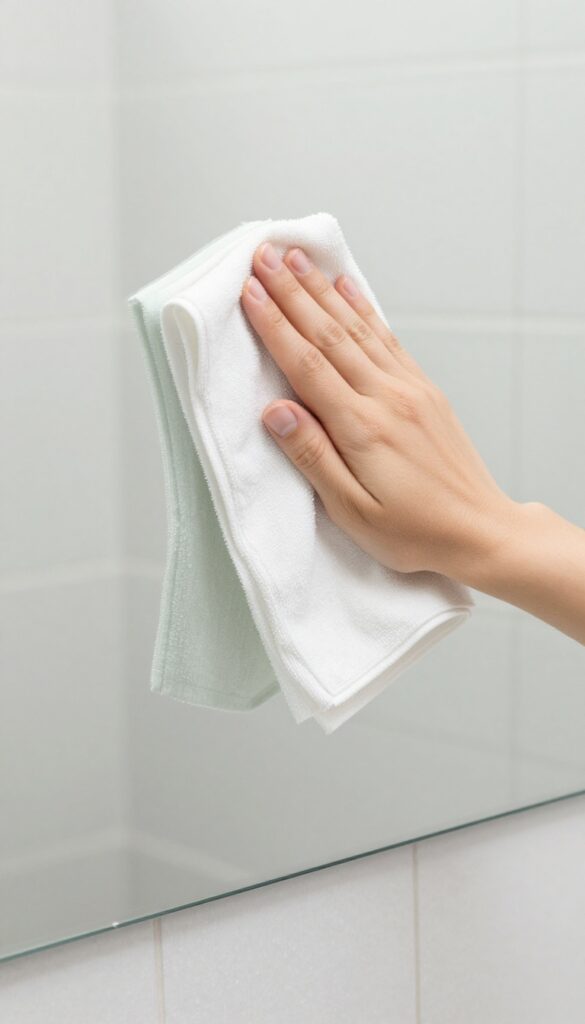
A quick weekly wipe can save you from wrestling with stubborn grime later. Dust and oils settle on mirrors faster than you think, and letting them accumulate turns a simple cleaning into a chore. A dry microfiber cloth is all you need to keep things fresh between deep cleans.
Spending 30 seconds each week on your mirrors keeps them looking pristine and reduces the need for heavy-duty cleaners. This habit also prevents hard water spots and smudges from bonding to the glass, making your monthly deep clean much easier.
The Right Cloth Matters
Not all cloths are created equal. Microfiber is your best friend because it traps dust without scratching the glass. Avoid terry cloth or old t-shirts, as they can leave lint behind.
Use a fresh microfiber cloth each time to avoid redistributing oils.
A Simple Routine
Set a reminder to wipe your mirrors every Sunday. Start from the top and work your way down in horizontal strokes. This pattern prevents dust from settling on already cleaned areas.
If you notice any spots, a spritz of water on the cloth can handle them without leaving residue.
When To Go Deeper
Even with weekly maintenance, you'll need a thorough clean every few weeks. That's normal. The key is that the deep clean will be quicker and less frustrating because you've kept the bulk of the grime at bay.
Your mirror will stay streak-free longer.
FAQ
What is the best homemade mirror cleaner?
A mixture of equal parts white vinegar and distilled water is highly effective and streak-free when used with a microfiber cloth.
How do I prevent my bathroom mirror from fogging?
Apply a thin layer of shaving cream or hair conditioner, then buff it off. This creates a protective film that prevents fog.
Can I use Windex on mirrors?
Yes, but it's not necessary. Homemade solutions work just as well and are often more cost-effective and eco-friendly.
Why do my mirrors still have streaks after cleaning?
Streaks are often caused by using too much cleaner, dirty cloths, or wiping in circles. Use a lint-free cloth and wipe in an S-pattern.
How often should I clean my mirrors?
For most homes, once a week is sufficient. In high-traffic areas or bathrooms, you may need to clean more often.
Conclusion
You don't need expensive sprays or endless buffing to get spotless mirrors. These hacks rely on everyday items and a few smart techniques that save time and frustration.
Pick the method that fits your biggest mirror problem—whether it's bathroom fog, toothpaste splatter, or stubborn streaks. Try one tip today, and you'll wonder why you ever settled for less than a crystal-clear reflection.