A cluttered room can feel overwhelming, but you don't need a full weekend to fix it. Small, daily habits are the secret to a consistently tidy space.
These 11 clutter-control habits are simple to start and easy to maintain, turning chaos into calm with minimal effort. From the one-minute rule to a weekly reset, each habit targets a specific source of mess.
Pick a few that resonate with your lifestyle and watch your room transform. No drastic overhauls—just practical, repeatable actions that keep your space clean every day.
1. The One-Minute Rule: Do It Now
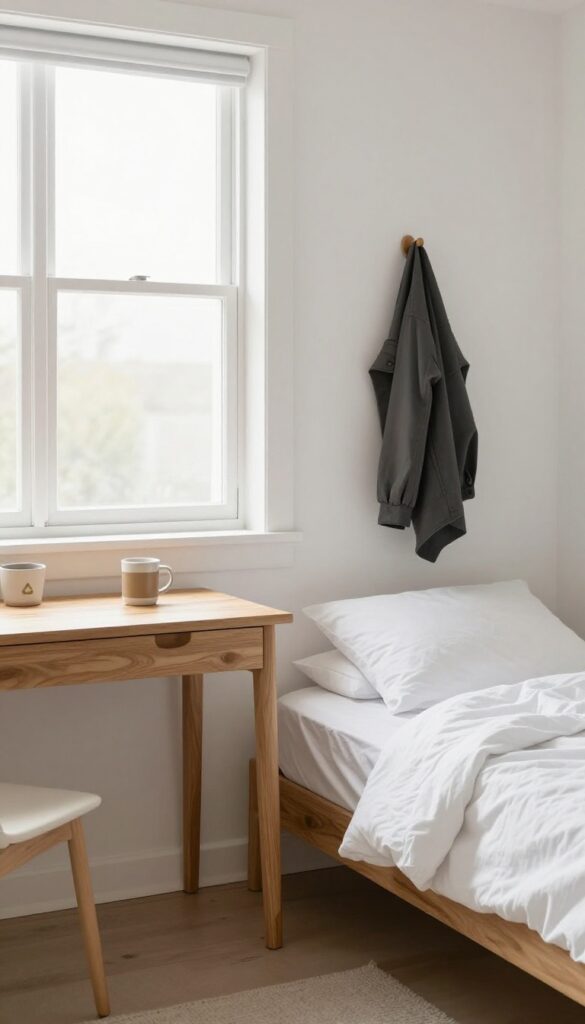
You know those tiny tasks that take almost no time but somehow still get ignored? A jacket draped on a chair, a single coffee mug left on the desk, a piece of mail sitting on the counter. They seem harmless, but they multiply.
Before you know it, you're looking at a full-blown mess that feels like a chore to tackle. The one-minute rule cuts that off at the pass. If something takes sixty seconds or less, do it right away.
No thinking, no negotiating with yourself. Just action. This simple habit stops clutter from snowballing and keeps your room presentable with almost zero effort.
The beauty of the one-minute rule is that it removes the mental friction of decision-making. You don't have to ask, "Should I put this away now or later? " You just do it.
Over time, these micro-actions become automatic, and your room stays tidy without you feeling like you're constantly cleaning.
Where To Start
Pick the most common one-minute tasks in your space. Hanging up a coat, tossing junk mail, putting a cup in the sink, wiping a counter spot, fluffing a pillow. Identify the small items that tend to pile up and commit to handling them instantly.
Make It Easy To Succeed
Place hooks near the door for jackets. Keep a small recycling bin on your desk for mail. Have a dish rack ready for that single cup.
When the infrastructure supports the habit, you're far more likely to follow through.
Don't Overthink It
The rule works because it's simple. If you find yourself hesitating, ask: "Can this be done in under a minute? " If yes, just do it.
No exceptions. The more you practice, the less you'll even notice you're doing it.
2. Make Your Bed Every Morning
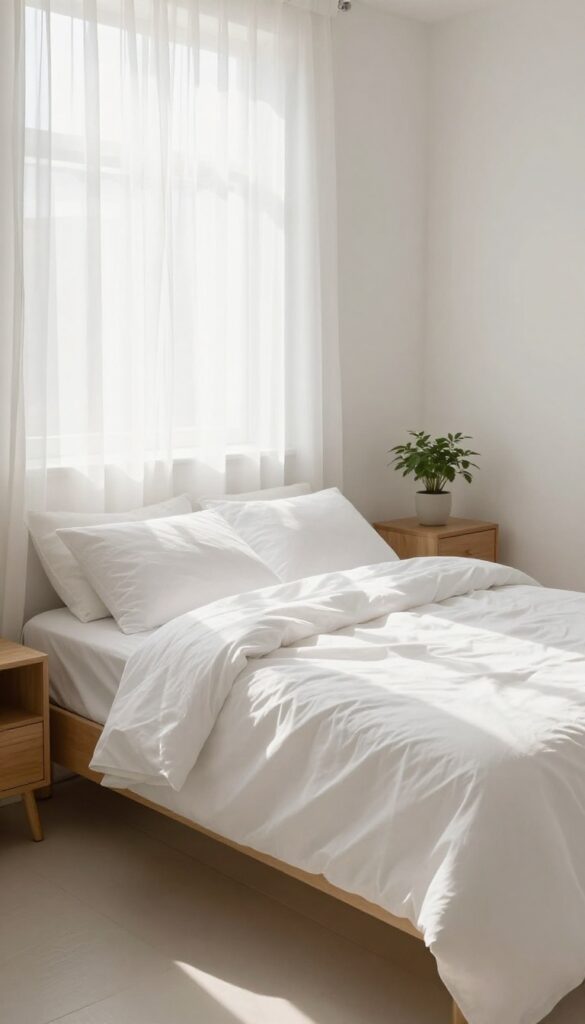
There's a reason why military boot camps and productivity gurus alike swear by this simple act. Making your bed takes less than two minutes but sets a powerful precedent for the rest of your day. It's the first win, the first decision that signals you're in control.
Beyond the psychological boost, a made bed instantly transforms the look of your entire room. It becomes a clean, inviting surface that you'll think twice before dumping a pile of clothes on. This single habit can reduce visual clutter by a surprising amount.
The Psychological Payoff
Starting your day with a completed task builds momentum. It's a small victory that primes your brain for more productive choices. You're less likely to leave other tasks unfinished when the first one is already done.
A Visual Anchor For Tidiness
A made bed acts as a visual anchor. The room immediately feels more organized, even if other areas need attention. It also discourages the habit of tossing random items onto the bed, because a neat surface feels wrong to mess up.
How To Make It Stick
Keep it simple. No need for hospital corners or decorative pillows. Just pull up the sheets, straighten the comforter, and fluff the pillows.
If you're really short on time, at least smooth out the covers. The key is consistency, not perfection.
3. Designate a Home for Everything
Clutter loves homeless items. When your keys, charger, or jacket don't have a designated spot, they end up on the nearest flat surface. Giving everything a permanent home makes tidying up automatic—you don't have to think, just put it back where it belongs.
Start with the items you use daily. Pick a bowl or hook for keys by the door. Choose a drawer for chargers and cables.
Assign a shelf for books you're currently reading. The rule is simple: one item, one home. If you have multiple items of the same type, group them together in one container or area.
Once everything has a place, cleaning up takes seconds because you never have to decide where something goes.
Start With Hotspots
Identify surfaces where clutter piles up—the kitchen counter, nightstand, or desk. These are your hotspots. For each hotspot, decide what items are allowed to stay there and give them a specific container or zone.
Everything else must find another home. This prevents the pile from spreading.
Use Labels As Reminders
Labels aren't just for offices. Stick a label on bins, drawers, or shelves to remind you (and anyone else in the house) where things go. When you're in a rush, the label does the thinking for you.
It also makes it easier to return borrowed items to their correct spot.
Make It Convenient
If your designated home is hard to reach, you won't use it. Store frequently used items at eye level or in the most accessible drawer. For example, keep your phone charger on the nightstand, not across the room.
Convenience is the key to forming the habit.
4. The Bedtime Sweep: 5 Minutes to Reset
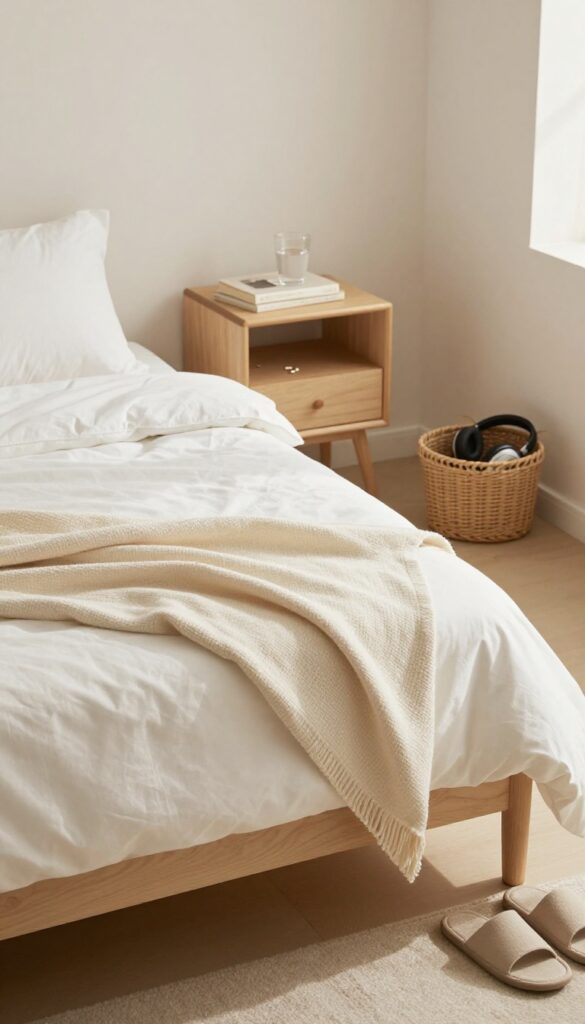
You've probably heard the advice to make your bed every morning. But what about right before you sleep? A quick five-minute reset at night can work wonders.
It's not about deep cleaning—just returning things to their places so you wake up to order, not chaos.
The bedtime sweep is a low-effort, high-reward habit. By spending just five minutes tidying up, you prevent small messes from snowballing. Plus, walking into a clean room in the morning sets a positive tone for the day.
Here's how to make it stick.
Start With The Bed
Fluff your pillows and smooth out the duvet. Fold any throw blankets neatly at the foot of the bed. This simple act instantly makes the room look more put together, and it only takes a minute.
Clear The Surfaces
Nightstands, dressers, and desks tend to collect random items throughout the day. Return glasses, books, chargers, and water bottles to their designated spots. Wipe down any spills or dust with a quick pass of a cloth.
Corral The Clutter
Grab a small basket or tray and toss in anything that doesn't have a home—mail, loose change, headphones. Set it aside to deal with in the morning. This keeps surfaces clear without requiring immediate decisions.
Do A Floor Scan
Take a quick look at the floor for stray shoes, clothes, or trash. Put them where they belong. This prevents tripping hazards and makes vacuuming or sweeping less frequent.
5. One In, One Out Rule
New stuff has a way of sneaking into your room. A gift from a friend, a sale you couldn't resist, a freebie you didn't ask for. Before you know it, your space feels tighter and your surfaces get crowded.
The one in, one out rule stops that drift before it starts. Every time something new comes in, something old goes out. It's that simple.
This habit forces you to be intentional about what you own. You can't just add without subtracting, which naturally limits how much stuff you accumulate. It works for clothes, books, decor, gadgets—basically anything that takes up space.
The key is to enforce it consistently, even for small items. That free pen from the conference? Toss a dried-out one.
New throw pillow? Donate an old one. Over time, this rule keeps your inventory stable and your room breathable.
Make It A Ritual
Tie the rule to a specific moment. When you bring a shopping bag into your room, immediately pick one item to donate or toss. If you're unpacking a package, grab something to let go before you put the new thing away.
This turns the rule from a vague intention into an automatic action.
Apply It To Everything
Don't limit this rule to big purchases. Small items add up fast. New T-shirt?
Old one goes. New candle? Finish or donate an existing one.
New phone case? Recycle the old one. By treating every new entry equally, you prevent the slow creep of clutter from the little things.
What To Do With The Outgoing Item
Have a designated spot for outgoing items—a box, a bag, or a shelf. When it's full, take it to donation, recycling, or trash. This prevents the outgoing item from lingering and becoming clutter itself.
And if you hesitate to let go, ask yourself: Would I buy this again today? If not, it's time to release it.
6. No Food in the Bedroom

Eating in your room might feel cozy, but it's a fast track to crumbs, sticky spills, and forgotten wrappers. Those tiny messes attract ants, moths, and even mice over time. The simplest fix?
Keep meals in the kitchen and make your bedroom a food-free zone.
When you eat in bed or at your desk, crumbs fall into the sheets, under the bed, and between cushions. Even if you're careful, tiny particles escape. And wrappers or half-empty cups get left behind, creating clutter and odors.
By moving all eating to the kitchen, you protect your room from hidden messes and make cleaning easier. If you absolutely must snack while studying or relaxing, use a plate or bowl, and clean up immediately—don't let dishes sit.
Why Food Belongs In The Kitchen
The kitchen is designed for eating—it has counters, sinks, and trash bins. Your bedroom isn't. Even a dry cracker leaves crumbs that attract pests.
Sticky drinks can ruin electronics and furniture. By confining food to the kitchen, you keep your room cleaner and reduce the chance of spills on your bed or carpet.
How To Break The Snacking Habit
Start by removing all food containers, wrappers, and dirty dishes from your room. Create a rule: no eating in the bedroom, period. If you get hungry while working, take a short break to eat in the kitchen.
Over time, this habit becomes automatic, and you'll notice how much cleaner your room stays.
The One Exception: Emergency Snacks
If you're sick or have a late-night study session, keep a small stash of non-perishable, low-mess snacks like granola bars or nuts in a sealed container. But only eat them over a plate or napkin, and throw away wrappers immediately. This keeps the exception from becoming a slippery slope back to messy habits.
7. Use Vertical Storage
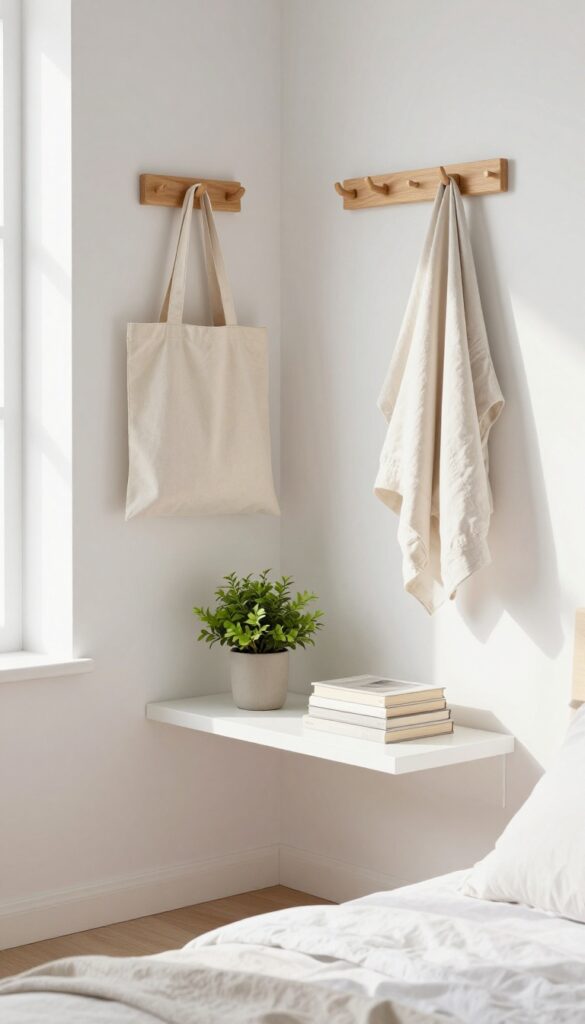
When floor space is limited, the walls are your best friend. Vertical storage takes advantage of unused wall area, freeing up floors and surfaces while keeping your belongings organized and accessible. This habit is especially useful in small rooms or shared spaces where every inch counts.
Vertical storage isn't just about hanging shelves—it's a mindset shift. By thinking upward, you can store more without adding clutter to horizontal surfaces. This makes cleaning faster because you have fewer obstacles to move and less dust-collecting clutter on the floor.
Shelves That Work
Floating shelves are a classic choice for books, decor, or everyday items. Install them above desks, beds, or doors to maximize unused space. Use baskets or bins on shelves to corral small items and maintain a tidy look.
Hooks And Racks
Hooks are perfect for bags, hats, jackets, and even jewelry. A wall-mounted coat rack near the door keeps outerwear off chairs. In the closet, add hooks for belts, scarves, or ties to free up drawer space.
Hanging Organizers
Over-the-door organizers work wonders for shoes, accessories, or cleaning supplies. Hanging fabric shelves in closets double your storage for folded clothes. Even a simple pegboard in your workspace can hold tools and supplies neatly.
8. The 10-Minute Tidy: Daily Quick Clean
Some days, cleaning feels like a mountain you don't have the energy to climb. That's where the 10-minute tidy comes in. It's a short, focused burst that keeps mess from piling up without eating into your evening.
Set a timer for 10 minutes each day to tackle clutter. Focus on one area: the desk, the dresser top, or the floor. Consistent short sessions prevent overwhelming messes.
Pick One Zone
Don't try to clean the whole room in 10 minutes. Choose a single zone—like your nightstand, a corner of the floor, or the top of your dresser. When the timer rings, stop.
You'll be surprised how much you can accomplish in such a short window.
Gather And Go
Grab a laundry basket or a tote bag. Quickly scan your zone for items that don't belong: empty water bottles, stray socks, books, cords. Toss them in the basket.
After the timer, take 2 minutes to put each item back where it lives.
Make It A Ritual
Tie your 10-minute tidy to an existing habit, like right after dinner or before you brush your teeth at night. Consistency is the key. After a week, it'll feel weird to skip it.
9. Laundry Discipline: Wash, Fold, Put Away
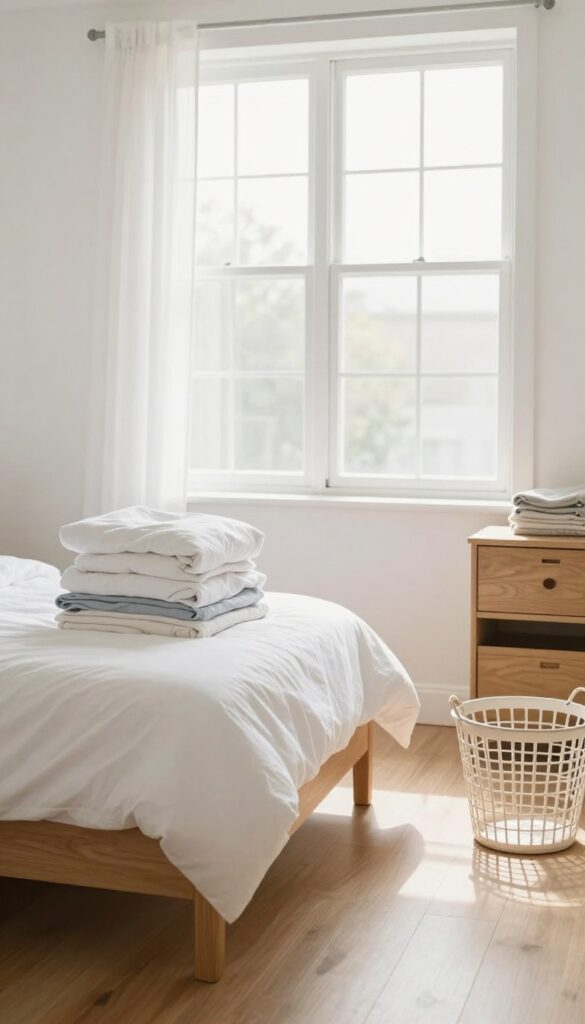
Laundry is one of those chores that never ends, but it doesn't have to take over your room. The key is to close the loop: wash, dry, fold, and put away in one go. Leaving clothes in a basket or on a chair invites clutter and wrinkles.
Breaking the laundry cycle at any point creates a backlog. A pile of clean clothes on a chair becomes a dumping ground for worn items, and before you know it, you're living out of a laundry basket. Discipline means finishing the job every time.
Fold Immediately
When the dryer buzzes, don't let the clothes sit. Fold them right away while they're still warm—it makes the task quicker and the results neater. If you absolutely can't, set a timer for 30 minutes and come back before the wrinkles set in.
Use A Hamper System
A single hamper for everything leads to sorting nightmares. Use separate bins for lights, darks, and delicates. Or at least have a dedicated dirty clothes basket that's not the floor.
Wash when the hamper is full—no more, no less.
Put Away, Don't Pile
Folded clothes belong in drawers or closets, not on a chair or dresser top. Make putting away a non-negotiable step. It takes five minutes and saves you from hunting for matching socks later.
10. Digital Declutter: Tame the Cables and Paper
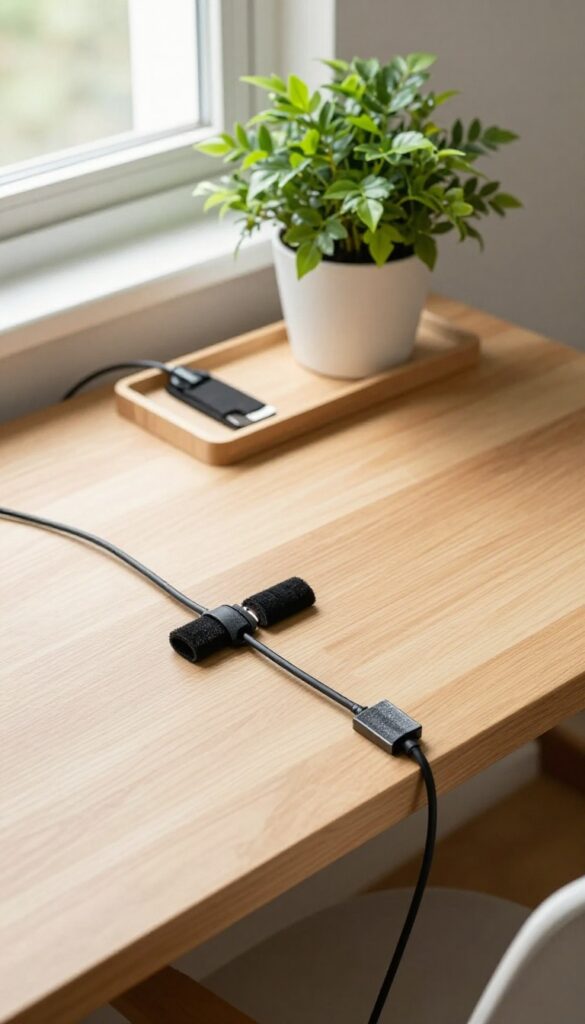
Cables and papers have a way of multiplying when you're not looking. One day you have a single charger, the next there's a nest of cords under your desk and a pile of receipts you meant to file. Tackling these two clutter culprits can instantly make your room feel more organized and your desk a place where you actually want to work.
Cable Management Made Simple
Start by unplugging everything and sorting cables by device. Use velcro ties, cable clips, or a simple binder clip to keep each cord neatly coiled. Label chargers with small tags so you know which belongs to what.
For multiple devices, a cable management box or a power strip with a cover hides the mess entirely. The goal is to have a clean line of sight—no more tangled snakes on your desk.
Go Paperless Where You Can
Scan important documents and store them in cloud folders with clear names. Sign up for paperless billing and statements. For the papers you keep, use a simple filing system: one folder for current bills, one for tax documents, and one for manuals.
Recycle anything outdated or duplicate. If you haven't looked at it in a year, you probably don't need it.
Create A Daily Paper Workflow
Designate a small tray or bin for incoming mail and papers. Once a day, sort through it: recycle junk, file what's needed, and act on anything requiring a response. This prevents piles from building up.
Keep a shredder nearby for sensitive documents. A few minutes each day keeps the paper monster at bay.
11. Weekly Reset: 20 Minutes for Deep Tidy
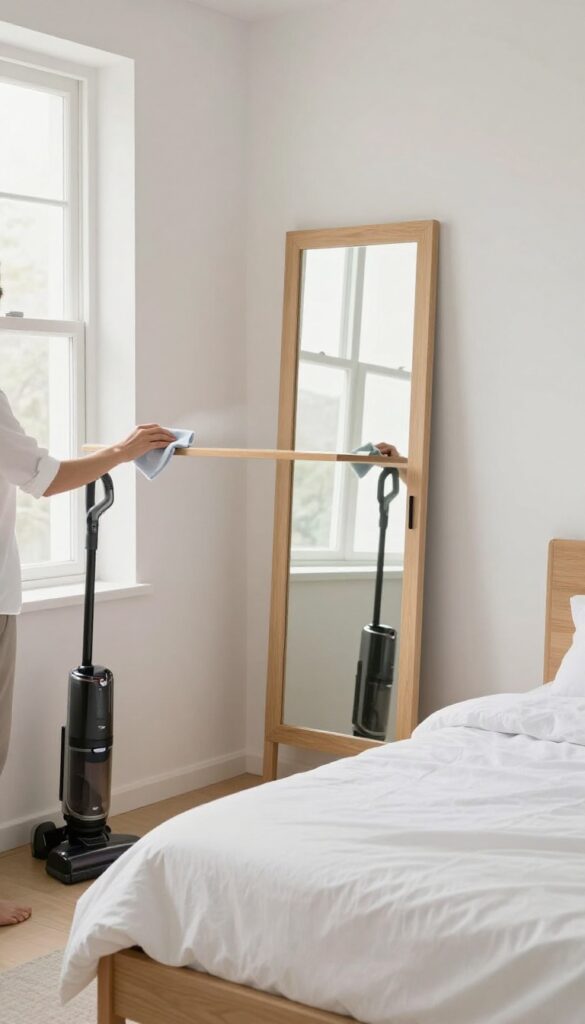
Your daily habits keep surfaces clear, but a weekly deep tidy catches what they miss. Think of it as a mini refresh—dust that settled, smudges on the mirror, and that one drawer that always gets stuffed. Just 20 minutes once a week is enough to reset your room and keep it feeling genuinely clean, not just tidy.
Start With Dusting And Mirrors
Grab a microfiber cloth or a duster and hit the surfaces you don't touch daily: shelves, window sills, electronics, and picture frames. Then wipe down mirrors and glass with a streak-free cleaner. This takes about 5 minutes and instantly makes the room look brighter and fresher.
Vacuum Or Sweep Thoroughly
Move your chair, lift the rug, and get into corners. A quick vacuum or sweep picks up the crumbs, dust bunnies, and hair that accumulate over the week. If you have hard floors, a damp mop can add an extra layer of clean.
Another 5 minutes well spent.
Tackle One Drawer Or Shelf
Pick one small zone—a nightstand drawer, a shelf, a basket of odds and ends. Empty it, toss trash, and put everything back neatly. Rotating which spot you tackle each week means every area gets attention without overwhelming you.
This final 10-minute task leaves you with a satisfying sense of order.
FAQ
How long does it take to form a clutter-control habit?
It varies, but many people notice a routine forming after about 21 days of consistent practice. Start with one habit and build from there.
What if I live with a messy partner or roommate?
Communicate openly and agree on shared spaces. You can still maintain your personal habits and lead by example. Consider dividing cleaning tasks.
Can these habits work for a small room?
Absolutely. In fact, small rooms benefit the most from clutter-control habits because messes feel more overwhelming in tight spaces.
How do I stay motivated to keep my room clean?
Focus on how a clean room makes you feel—calmer, more productive. Also, reward yourself after a week of consistent habits.
What's the most important habit to start with?
The one-minute rule is a great starting point because it's easy and has immediate impact. It builds momentum for other habits.
Conclusion
Building a cleaner room isn't about marathon cleaning sessions—it's about small, consistent habits that prevent mess from piling up. Start with just one or two of these clutter-control tricks, like making your bed or doing a nightly sweep, and see how they change your space.
Once you feel the difference, add another habit. Before you know it, you'll have a room that stays tidy with minimal effort, leaving you more time to enjoy your space instead of stressing over it.