Your leather couch adds warmth and elegance to your living room, but keeping it looking that way takes more than a quick wipe. Harsh cleaners, too much water, or neglect can lead to cracks, fading, and stains that are tough to reverse. The good news is that with the right care routine, you can maintain that buttery-soft feel and rich color for years.
These 15 rules target every aspect of leather maintenance, from weekly dusting to tackling stubborn ink marks. Each tip is practical and gentle, so your sofa stays beautiful without the guesswork.
Ready to protect your investment? Let's dive into the care rules that make all the difference.
1. Dust Weekly with a Soft Cloth or Vacuum Attachment
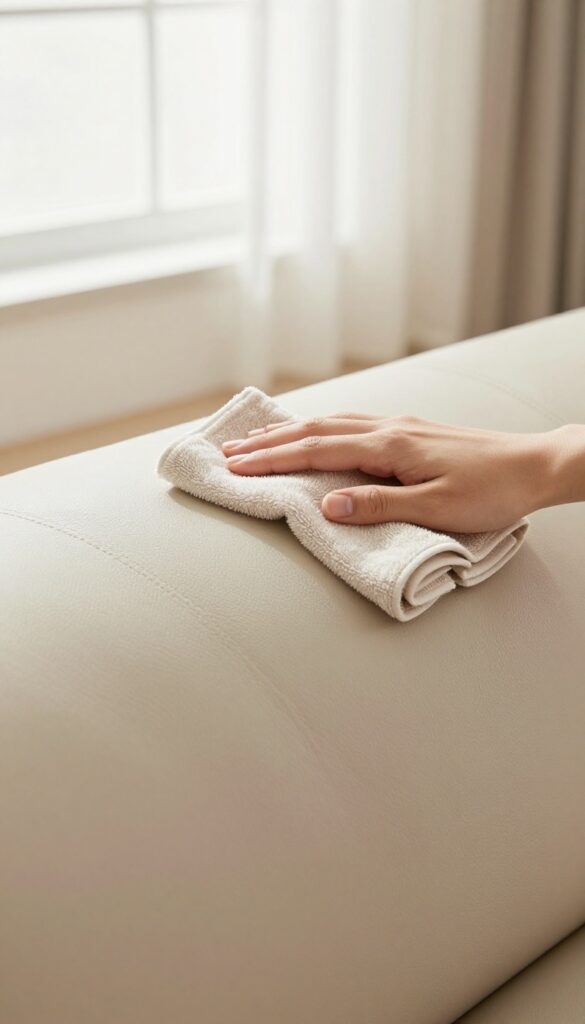
Dust and dirt might seem harmless, but they're actually tiny abrasives that slowly wear down your leather's finish. Over time, that fine layer of grime can cause micro-scratches, dullness, and even cracking. The simplest way to prevent this is a quick weekly dusting.
Grab a microfiber cloth or attach the soft brush head to your vacuum cleaner. Gently wipe or vacuum all surfaces, including crevices and seams where crumbs and dust hide. This takes just a few minutes but goes a long way in preserving the leather's natural sheen and flexibility.
Why Microfiber Works Best
Microfiber cloths trap dust particles without scratching the leather. Avoid paper towels or rough rags—they can leave tiny scratches that accumulate over time. A clean, dry microfiber cloth is all you need.
Vacuuming Tips For Leather
Use the soft brush attachment and set your vacuum to low suction. Run it gently over the entire couch, paying extra attention to the crevices where dust settles. Never press hard or use a beater bar, as that can damage the leather surface.
How Often To Dust
Once a week is ideal for most homes. If you have pets or live in a dusty area, consider dusting twice a week. Regular dusting reduces the need for deeper cleaning and keeps the leather looking fresh.
2. Blot Spills Immediately, Don’t Rub
Spills happen—a glass of red wine tips over, or a kid drops a juice box. What you do in those first few seconds decides whether your leather couch survives unscathed or ends up with a permanent stain. The golden rule is simple: blot, never rub.
Why Rubbing Makes It Worse
When you rub a spill, you're essentially grinding the liquid into the leather fibers. Leather is porous, so rubbing forces the stain deeper, making it nearly impossible to remove. Rubbing can also damage the finish, leaving a dull or discolored patch.
Always resist the urge to scrub.
The Right Way To Blot
Grab a clean, dry, absorbent cloth—microfiber or a soft cotton towel works best. Press down gently on the spill and lift. Repeat with a fresh section of the cloth until no more liquid transfers.
Don't press too hard; you want to absorb, not push. For sticky spills, use a slightly damp cloth after blotting, then dry immediately.
What About Dried Spills?
If you discover a spill that's already dried, don't panic. Start by gently scraping off any residue with a blunt knife or spatula. Then use a leather-safe cleaner on a soft cloth to dab the area.
Avoid soaking the leather—less is more. Follow up with a conditioner to restore moisture.
3. Use a pH-Balanced Leather Cleaner
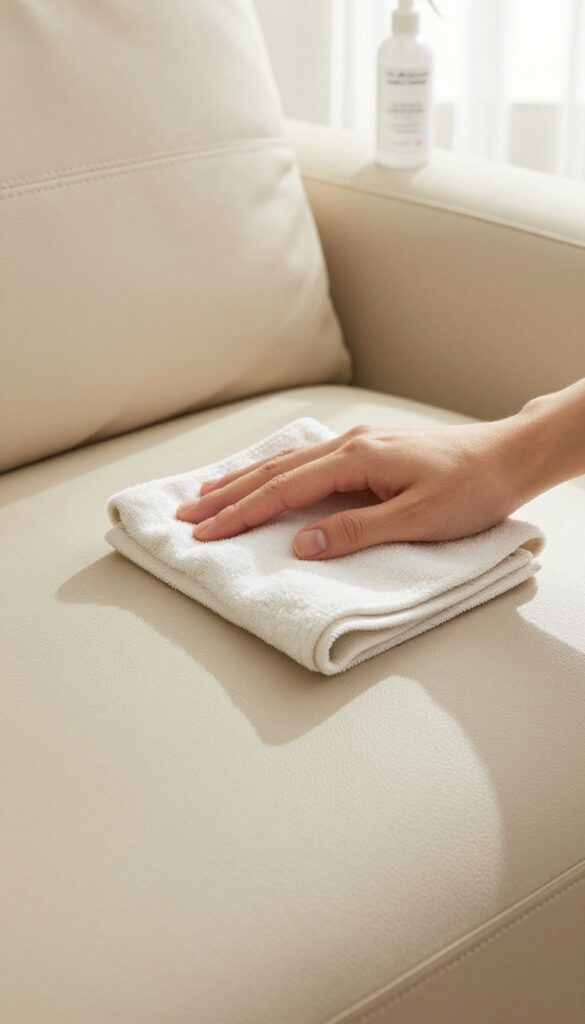
Not all cleaners are created equal, especially when it comes to leather. Harsh soaps and all-purpose sprays can strip away the natural oils that keep your couch soft and supple. The result?
Dry, cracked leather that loses its luster over time. That's why reaching for a dedicated pH-balanced leather cleaner is a smart move.
A pH-balanced cleaner is formulated to match the natural acidity of leather, so it cleans without damaging the surface. It gently lifts dirt, oils, and grime while preserving the leather's protective finish. Always check the label to ensure it's designed for your type of leather—whether it's aniline, semi-aniline, or pigmented.
Before using any cleaner, test it on a hidden spot, like the back or under a cushion, to check for colorfastness or adverse reactions.
Why Ph Balance Matters
Leather has a natural pH level around 4. 5 to 5. 5, which is slightly acidic.
Using an alkaline cleaner (like many all-purpose sprays) can disrupt this balance, causing the leather to dry out and become brittle. A pH-balanced cleaner works with the leather's chemistry, not against it, ensuring a safe and effective clean.
How To Apply The Cleaner
Apply a small amount of the cleaner to a soft, damp microfiber cloth—never directly onto the couch. Gently wipe the surface in circular motions, focusing on soiled areas. Avoid soaking the leather; you want a slightly damp cloth, not a wet one.
After cleaning, use a dry cloth to remove any excess moisture and buff the leather to a soft sheen.
What To Avoid
Steer clear of products containing alcohol, ammonia, or bleach, as these can strip the finish and cause discoloration. Also, avoid using too much water—leather is porous and can absorb moisture, leading to water spots or mildew. Stick to cleaners specifically labeled for leather upholstery.
4. Avoid Water and Soap Mixtures
It's tempting to reach for a bucket of soapy water when your couch looks grimy, but that's one of the fastest ways to damage leather. Water can seep into the pores, causing the leather to stiffen, discolor, or even develop water stains. Soap residues can strip away natural oils, leaving the surface dry and prone to cracking.
Skip the DIY approach and reach for a product specifically designed for leather.
Water and soap mixtures are a common mistake that can ruin your leather couch. Here's why you should avoid them and what to use instead.
Why Water Is Bad For Leather
Leather is porous, so water can soak in and cause the fibers to swell and then shrink as they dry. This leads to stiffness, warping, and unsightly water rings. Even a small amount of water can leave a lasting mark, especially on unfinished or aniline leather.
Over time, repeated exposure to water can break down the leather's finish and shorten its lifespan.
Soap Strips Natural Oils
Soap, even mild dish soap, is designed to cut through grease and dirt. But it also strips away the natural oils that keep leather supple and soft. Once those oils are gone, the leather becomes dry, brittle, and more susceptible to cracking.
You might notice a dull, chalky appearance after using soap—that's a sign of damage.
Better Alternatives: Dedicated Leather Cleaners
Instead of water and soap, use a pH-balanced leather cleaner that's formulated to lift dirt without harming the material. These products often contain conditioners that replenish oils and maintain flexibility. Look for sprays or wipes labeled specifically for leather furniture.
Apply with a soft, dry microfiber cloth, and follow the manufacturer's instructions for best results.
5. Condition Every 6 to 12 Months
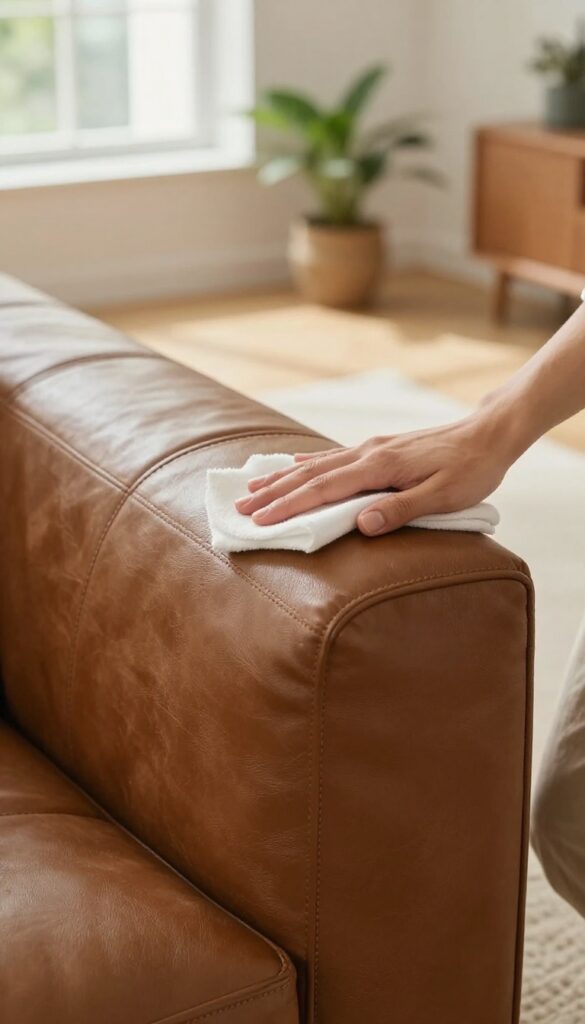
Leather is skin, and like your own skin, it needs moisture to stay supple. Without regular conditioning, the natural oils in the leather evaporate over time, leading to dryness, cracking, and a faded appearance. A good conditioner replenishes those oils and creates a protective barrier against daily wear.
The trick is knowing how often to do it and which products to use.
Conditioning isn't a weekly chore—it's a seasonal one. For most homes, every six months is perfect. If your couch gets a lot of direct sunlight or you live in a dry climate, bump it up to every three months.
Over-conditioning can clog the pores of the leather, making it feel greasy or sticky, so stick to the schedule. Always test a new conditioner on a hidden spot first, like the back or underside of the couch. Apply it with a soft, lint-free cloth using circular motions, then let it absorb for at least 15 minutes.
Buff off any excess with a clean cloth. Your couch will look richer and feel softer instantly.
Why Conditioning Matters
Leather is porous, and it loses moisture through evaporation and exposure to heat or sunlight. Conditioners contain oils and emollients that penetrate the surface, restoring flexibility and preventing cracks. They also add a layer of protection against spills and stains, making future cleanups easier.
Without conditioning, even the highest quality leather will eventually become brittle and lose its luster.
Choosing The Right Conditioner
Not all leather conditioners are the same. Look for products specifically made for furniture, not shoes or car seats. Avoid conditioners with silicone, wax, or petroleum—they can leave a residue that attracts dirt.
Instead, choose a conditioner with natural oils like lanolin, mink oil, or neatsfoot oil. Brands like Leather Honey, Chamberlain's, and Bickmore are trusted by professionals. For aniline or semi-aniline leather, use a conditioner that's labeled safe for those finishes.
Step-by-step Conditioning
Start by cleaning your couch thoroughly with a leather-safe cleaner and letting it dry completely. Apply a small amount of conditioner to a soft cloth—less is more. Rub it into the leather in gentle circles, covering one section at a time.
Pay extra attention to armrests and seat cushions, which get the most use. Let the conditioner sit for 15 to 20 minutes, then wipe off any excess with a separate clean cloth. Allow the couch to dry fully before sitting on it, usually a few hours.
The result is a supple, refreshed surface that looks and feels like new.
6. Keep Leather Away from Direct Sunlight
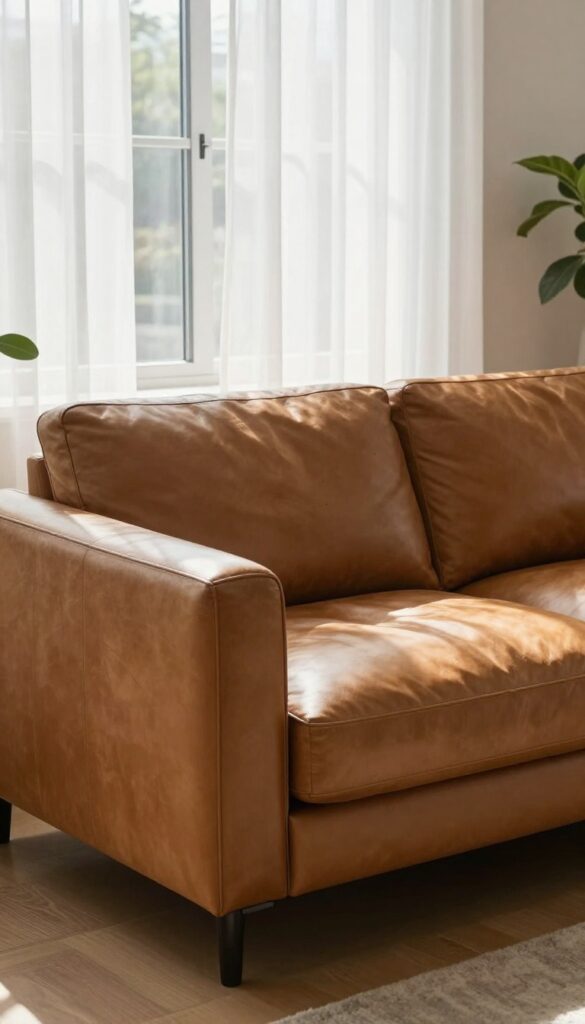
Sunlight streaming through a window might make your room feel cozy, but it's silently damaging your leather couch. UV rays break down the fibers and strip away natural oils, leading to fading, dryness, and eventually cracking. The damage is gradual, so you might not notice until it's too late.
Why Sunlight Is A Leather Enemy
Leather is porous and sensitive to UV radiation. Prolonged exposure causes the color to fade unevenly, especially on seats and armrests. The heat also accelerates moisture loss, making the leather stiff and brittle.
Over time, the surface can develop a cracked, alligator-like texture that's impossible to reverse.
Simple Ways To Block The Rays
The easiest fix is to rearrange your furniture so the couch isn't directly in front of a window. If that's not possible, use curtains, blinds, or UV-blocking window film. Sheer curtains can diffuse light while still letting brightness in.
For extra protection, consider a furniture cover when the couch isn't in use.
What To Do If The Damage Is Already Done
If your couch already shows signs of sun damage, you can minimize the look with a leather conditioner that contains UV protectants. These won't reverse fading, but they can restore some moisture and slow further deterioration. For severe cases, professional recoloring might be an option.
7. Maintain a Consistent Room Humidity
Leather is hygroscopic, meaning it absorbs and releases moisture from the air. When your room is too dry, the leather dries out and cracks. When it's too humid, the leather can become moldy or develop a sticky surface.
The sweet spot is between 40% and 50% relative humidity year-round.
Extreme dryness or humidity damages leather. Use a humidifier in winter and a dehumidifier in summer to keep indoor humidity between 40% and 50%. A simple hygrometer can help you monitor levels.
Consistent humidity keeps the leather supple and prevents cracking or mildew growth.
Why Humidity Matters
Leather is a natural material that reacts to its environment. Low humidity causes the leather to lose moisture, leading to stiffness and cracks. High humidity encourages mold and mildew, which can stain and weaken the leather.
Maintaining proper humidity is an easy way to extend the life of your couch.
Tools To Help You
A hygrometer costs around $10 and gives you a real-time reading. In winter, a humidifier adds moisture to the air. In summer, a dehumidifier pulls excess moisture out.
For small rooms, a portable unit works fine. Place the couch away from direct vents to avoid localized dryness.
Quick Tips For Every Season
In winter, run a humidifier in the room where the couch is. In summer, use a dehumidifier, especially in basements or humid climates. Avoid placing the couch near radiators, fireplaces, or air conditioning units that can create microclimates.
A consistent environment is key.
8. Test Cleaners on a Hidden Spot First
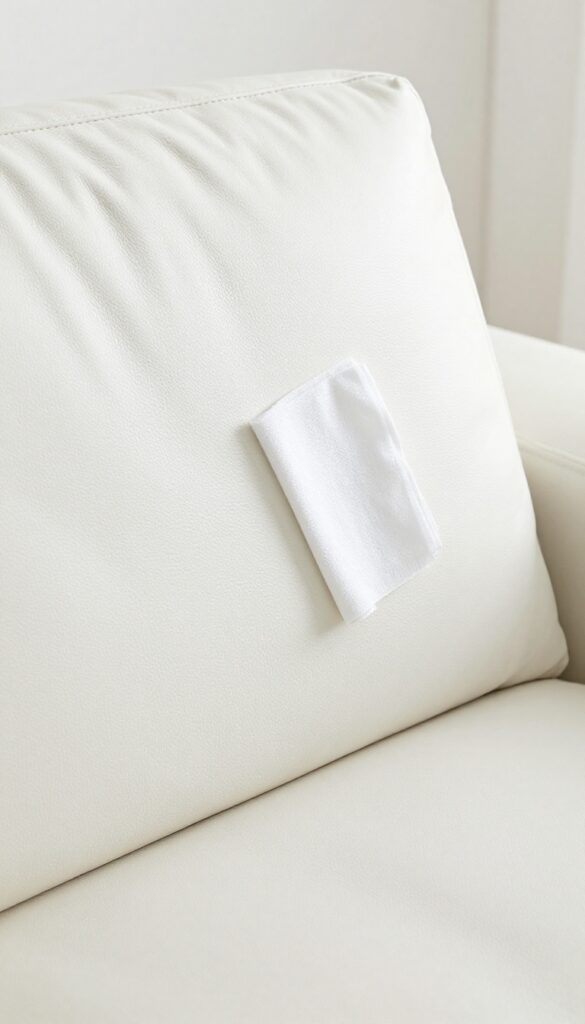
You might have the gentlest leather cleaner on the market, but that doesn't guarantee it will agree with your couch's finish. Different leathers have different coatings, and even a mild formula can cause discoloration or dullness on certain surfaces. A quick patch test saves you from a full-blown disaster and gives you peace of mind before you commit.
Before you spray or wipe any cleaner onto the main part of your couch, find a spot that's out of sight. The back of the sofa, the underside of a cushion, or the area behind a leg are all good candidates. Apply a small amount of the cleaner to a soft cloth and rub it gently on that hidden area.
Wait at least 10 minutes to see if any color change, stickiness, or residue appears. If everything looks normal, you're safe to proceed. If not, try a different product or dilute it further.
Why Hidden Spots Matter
Leather is a natural material with variations in dye and finish. Even two couches from the same brand can react differently. A hidden spot gives you a realistic preview without risking visible damage.
It's a small step that prevents big regrets.
How To Perform The Test
Dampen a clean white cloth with the cleaner and rub a dime-sized area on the hidden spot. Use white cloth to avoid color transfer. Let it air dry completely, then check for any changes in color, texture, or shine.
If the leather looks the same as before, you're good to go.
What To Look For
Watch for darkening, lightening, or a sticky residue. Also check if the finish becomes dull or shiny. If you see any of these signs, stop using that product.
Try a different cleaner or consult a leather care professional.
9. Tackle Ink Stains with Rubbing Alcohol
Ink marks on a leather couch can feel like a disaster, especially if a pen leaks or a child gets creative. But don't panic—rubbing alcohol is a surprisingly effective and safe solution. The key is to act quickly and blot gently, never scrub, to avoid spreading the ink or damaging the leather's finish.
When you spot an ink stain, grab a cotton swab and a bottle of rubbing alcohol (isopropyl alcohol). Dip the swab in the alcohol, then gently blot the stain—don't rub. The alcohol helps dissolve the ink, lifting it from the leather pores.
After blotting, use a dry cloth to absorb the loosened ink. Repeat if needed, but always test on a hidden area first to ensure the alcohol doesn't discolor your leather.
Why Rubbing Alcohol Works
Rubbing alcohol is a solvent that breaks down the pigments in ink without harming most leather finishes. It evaporates quickly, so it doesn't soak into the leather and cause damage. This makes it ideal for spot-treating stains without leaving residue or moisture that could lead to cracking.
Step-by-step Stain Removal
Start by blotting the ink with a dry paper towel to remove any excess. Then, dip a cotton swab in rubbing alcohol and gently dab the stain. Work from the outside in to prevent spreading.
After a few seconds, blot with a clean, dry cloth. If the stain persists, repeat the process. Finish by conditioning the area to restore moisture.
When To Call A Professional
If the ink stain is large or has set in for days, home remedies might not be enough. In that case, consider a professional leather cleaner who has specialized solvents. Also, if your leather is aniline or untreated, rubbing alcohol could remove color, so test in an inconspicuous spot first.
10. Remove Grease Stains with Cornstarch or Baking Soda
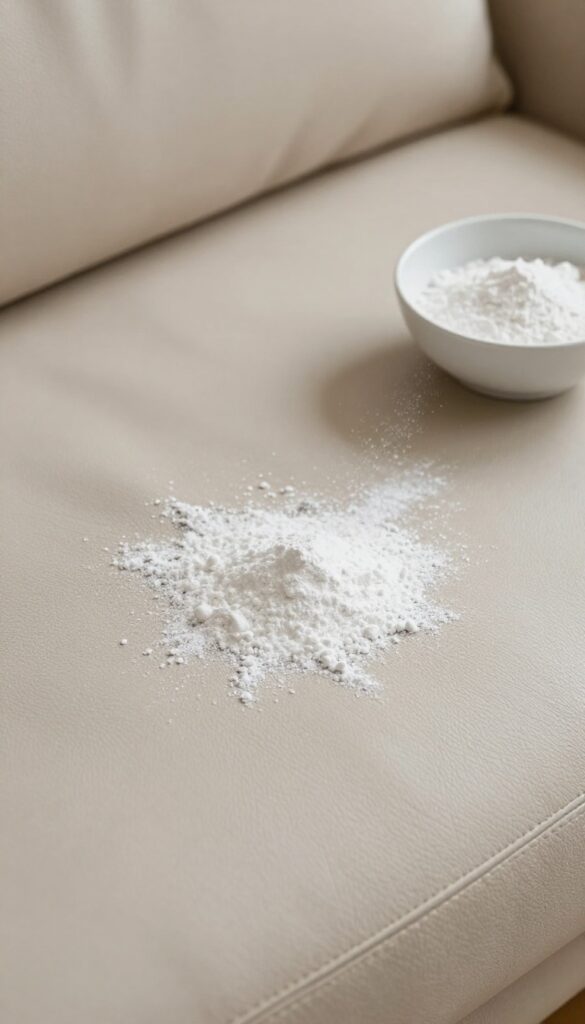
Grease stains from food spills or natural body oils can leave unsightly dark spots on your leather couch. The key is to act quickly and use a gentle absorbent powder like cornstarch or baking soda. These common kitchen ingredients draw out the grease without harsh chemicals.
When you spot a fresh grease mark, don't rub it—that only spreads the oil deeper into the leather. Instead, sprinkle a generous amount of cornstarch or baking soda directly onto the stain. Let it sit for several hours or overnight to absorb the grease.
Then, gently brush off the powder with a soft cloth or a brush. For stubborn stains, repeat the process. This method works well for both finished and unfinished leather, but always test on a hidden area first.
Why Cornstarch And Baking Soda Work
Both powders are natural absorbents that pull oil from the leather's surface without moisture. They're non-abrasive and safe for most leather finishes. Cornstarch is finer and works best on light stains, while baking soda can tackle heavier grease and also deodorize.
Step-by-step Application
Blot excess grease with a paper towel. Cover the stain completely with powder. Leave for at least 2–4 hours, or overnight for set-in stains.
Use a soft brush or dry cloth to sweep away the powder. If residue remains, wipe with a slightly damp cloth and dry immediately.
When To Avoid This Method
Avoid using cornstarch or baking soda on aniline or untreated leather, as the powder can settle into pores and be hard to remove. Always test in an inconspicuous spot first. For very stubborn stains, consider a professional leather cleaner.
11. Use a Leather-Safe Stain Remover for Tough Spots
Not all stains come out with a simple wipe. Spilled wine, pet accidents, or ink can set in and become permanent if you use the wrong product. That's where a dedicated leather stain remover steps in.
These formulas are designed to lift deep stains without stripping the leather's natural oils or damaging the finish.
When a stain sets, resist the urge to scrub hard. Aggressive rubbing can push the stain deeper and wear away the protective coating. Instead, blot the area gently with a clean cloth to absorb excess liquid, then apply the stain remover according to the manufacturer's instructions.
Always test on a hidden spot first to check for colorfastness. Let the product sit for the recommended time, then wipe away with a damp cloth and dry immediately. For old or stubborn stains, you may need to repeat the process.
If the stain persists, consider consulting a professional leather cleaner.
Choosing The Right Product
Look for a stain remover labeled specifically for leather. Avoid all-purpose cleaners, bleach, or alcohol-based products, as they can dry out or discolor the leather. Brands like Leather Honey, Chamberlain's, or Lexol offer gentle yet effective options.
For oil-based stains, a degreasing leather cleaner works best; for water-based stains, a mild soap solution may suffice.
Step-by-step Application
Start by blotting any fresh spill with a paper towel. Apply a small amount of stain remover to a soft, white cloth—never directly on the couch. Gently dab the stain, working from the edges inward to prevent spreading.
Let it sit for a few minutes, then wipe with a damp cloth. Repeat if needed, but avoid saturating the leather. Finish by conditioning the area to restore moisture.
When To Call A Professional
If a stain doesn't budge after two or three attempts, or if the leather's color fades or peels, stop and call a professional. Some stains, like permanent marker or deep-set ink, require specialized equipment. Attempting harsh DIY methods can cause irreversible damage, so it's better to get expert help.
12. Vacuum Crevices and Cushion Seams Regularly
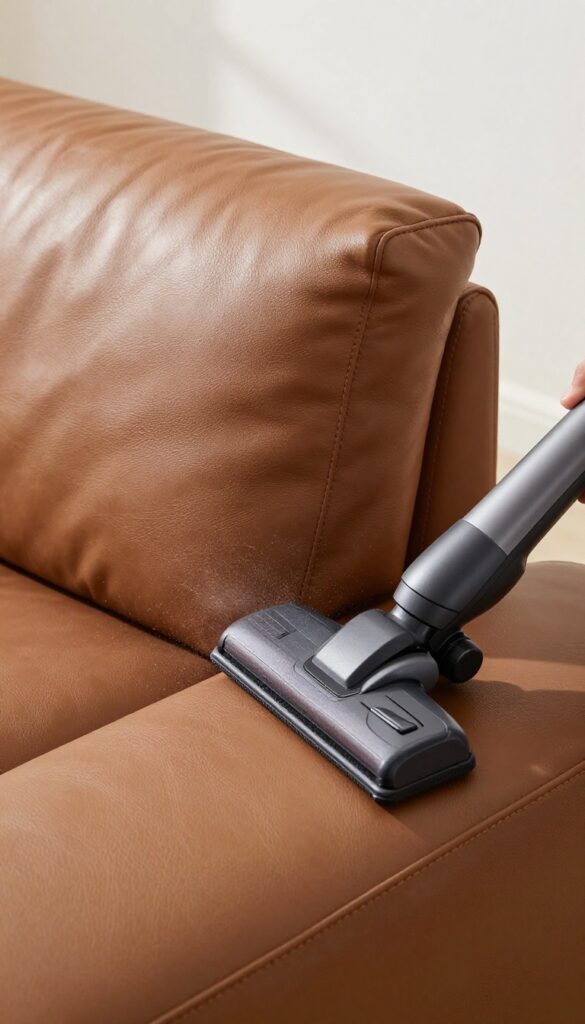
Crumbs, pet hair, and dust have a way of sneaking into the tight spaces of your leather couch. Over time, that buildup can grind into the leather, causing premature wear and dulling the finish. A quick vacuum session every week helps you stay ahead of the grime without any harsh chemicals.
Use the crevice tool on your vacuum to reach along seams, under cushions, and around the edges of the frame. Pay special attention to areas where the cushion meets the backrest, as debris tends to collect there. For stubborn dust in deep crevices, a soft brush attachment can loosen particles before you suck them up.
This simple habit keeps your couch looking fresh and prevents abrasive damage.
Why Seams And Crevices Matter
Leather is durable but not invincible. When dirt and grit settle into seams, every time you sit down, those particles rub against the leather fibers. Over months, this friction can cause the surface to wear thin or develop cracks.
Regular vacuuming removes the abrasive material before it has a chance to do harm.
How To Vacuum Without Damaging Leather
Always use a soft brush or crevice tool, never a beater bar, which can scratch the leather. Move the tool gently along the seams, and lift cushions to vacuum the dust that falls underneath. If your vacuum has adjustable suction, use a lower setting to avoid pulling the leather away from the frame.
How Often Should You Do This?
Aim for a quick vacuum every week, especially if you have pets or eat on the couch. During shedding seasons or after a party, you might need to do it more often. Consistency is key—a few minutes each week saves you from deep cleaning later.
13. Rotate Cushions to Even Out Wear

That spot where you always sit? It's taking a beating. Over time, frequent pressure and body oils cause the leather to fade and the cushion to lose its shape.
The fix is simple: rotate and flip your cushions regularly to spread the wear evenly across the entire couch.
Frequent sitting can cause uneven fading and compression. Flip and rotate cushions every few months to distribute wear and maintain a uniform appearance.
Why Rotation Matters
Your favorite seat gets the most use. The leather on that cushion can develop a permanent sag or a faded spot while the rest of the couch stays pristine. Rotating cushions evens out the pressure and sun exposure, so the whole sofa ages gracefully.
How Often To Rotate
Aim to flip and rotate cushions every three to six months. If you have a high-traffic household or pets that claim one spot, consider doing it every two months. Mark your calendar so you don't forget.
The Right Way To Rotate
For removable cushions, unzip the cover (if possible) and flip the foam insert. Then swap cushions from left to right or front to back. For attached cushions, simply rotate the entire cushion unit if the design allows.
Always check the manufacturer's guidelines first.
Bonus Tip: Fluff The Fill
While you're at it, give the cushion fill a good fluff. This redistributes the padding and helps maintain that plush, supportive feel. It's like giving your couch a mini workout.
14. Avoid Harsh Chemicals Like Bleach or Ammonia
It might be tempting to reach for a strong cleaner when your leather couch has a tough stain, but that's a fast track to disaster. Bleach, ammonia, and other harsh chemicals can strip the leather's natural oils, leading to discoloration, cracking, and permanent damage. Stick to products specifically formulated for leather to keep your sofa looking its best.
Harsh chemicals like bleach and ammonia are far too aggressive for leather. They can eat away at the finish, cause fading, and even create sticky residues that attract more dirt. Always read labels carefully and avoid anything that says "bleach, " "ammonia, " or "strong disinfectant.
" When in doubt, choose a dedicated leather cleaner or a mild soap like saddle soap.
What Happens When You Use Harsh Cleaners
Bleach can instantly discolor leather, turning it white or blotchy. Ammonia dries out the leather, making it brittle and prone to cracking. Even diluted, these chemicals can break down the protective finish, leaving your couch vulnerable to future stains and wear.
Safe Alternatives That Work
For most spills, a damp microfiber cloth is enough. For tougher spots, use a pH-balanced leather cleaner or a mixture of mild dish soap and water (test on a hidden area first). Commercial leather wipes are also convenient and safe.
Always follow up with a leather conditioner to replenish moisture.
15. Call a Professional for Deep Cleaning or Repairs
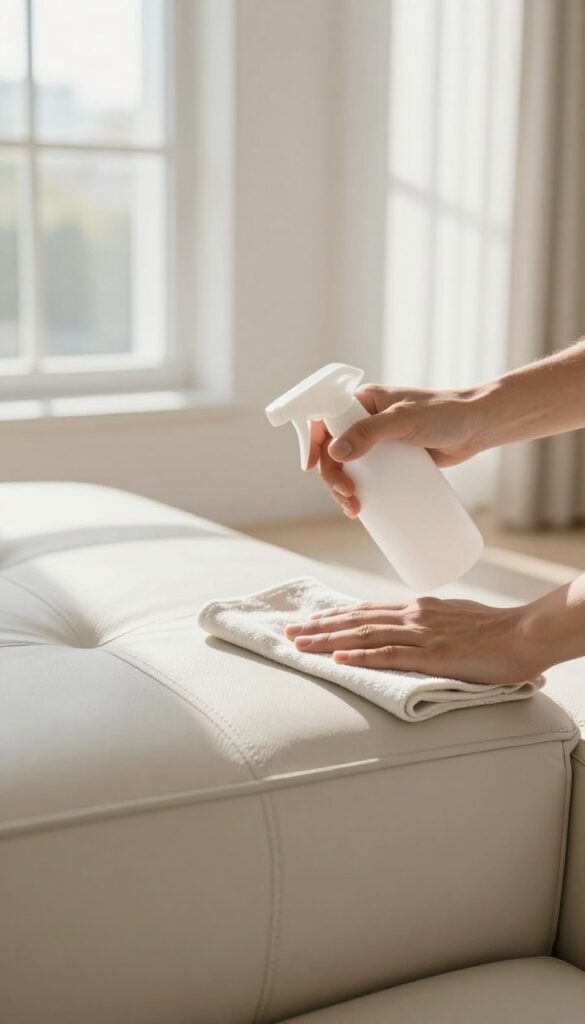
Sometimes your leather couch needs more than a gentle wipe. Deep-set stains, scratches, or a general lackluster appearance are signs that DIY methods might not cut it. In those cases, hiring a professional leather cleaner is the safest and most effective route.
Professionals have specialized tools, cleaners, and expertise to handle tough problems without damaging the leather. They can also repair minor tears, re-dye faded areas, and restore the original finish. Attempting these fixes yourself often leads to irreversible damage, costing you more in the long run.
When To Call A Pro
Call a professional if you notice deep stains that won't come out, cracks or peeling, a dull or sticky surface, or any damage from pets or sharp objects. Also consider professional cleaning every 12–18 months for high-use couches to maintain the leather's condition.
What To Expect From Professional Cleaning
A pro will inspect the leather type, test cleaners on a hidden area, and use gentle but effective methods like steam cleaning or special solvents. They'll condition the leather afterward to restore moisture and protect it. The result is a couch that looks refreshed and lasts longer.
How To Choose A Reliable Professional
Look for specialists in leather furniture cleaning, not general upholstery cleaners. Check reviews, ask about their process and products, and request a quote. A trustworthy pro will be transparent about what they can achieve and won't promise miracles.
FAQ
Can I use baby wipes to clean my leather couch?
It's not recommended. Baby wipes often contain alcohol, fragrances, and other chemicals that can strip leather's finish and cause dryness over time.
How often should I condition my leather couch?
Condition every 6 to 12 months, depending on usage and climate. More frequent conditioning may be needed in dry environments or if the leather feels stiff.
What is the best way to remove pet hair from leather?
Use a lint roller, a damp microfiber cloth, or a vacuum with a soft brush attachment. Avoid sticky tape that might leave residue.
Can I use olive oil to condition my leather couch?
No. Olive oil can go rancid, attract dust, and cause sticky buildup. Always use a product specifically designed for leather conditioning.
How do I fix a scratch on my leather couch?
Minor scratches can be buffed gently with a leather conditioner or a matching leather repair kit. Deep scratches may require professional repair.
Conclusion
Keeping your leather couch looking its best comes down to a few simple habits—gentle cleaning, regular conditioning, and avoiding harsh chemicals. Start with the rules that feel most relevant to your situation, like dusting weekly or blotting spills immediately. Even small changes can prevent cracks, fading, and buildup over time.
Pick two or three tips to try this week, and you'll notice your leather staying softer and more vibrant. Your couch will reward you with years of comfortable, stylish use.