Your front loader works hard, but moisture and detergent residue can turn it into a breeding ground for mold and funky smells. The good news is that keeping it fresh doesn't require a lot of time or special tools—just a few simple habits and pantry staples.
These 15 tips target every trouble spot, from the rubber gasket to the drain pump, so you can banish odors and extend your washer's life. Each tip is practical and easy to fit into your regular routine, whether it's wiping down the door seal after every load or running a monthly vinegar cycle.
You'll learn why skipping fabric softener and using the right HE detergent makes a real difference.
1. Wipe the Door Gasket After Every Load
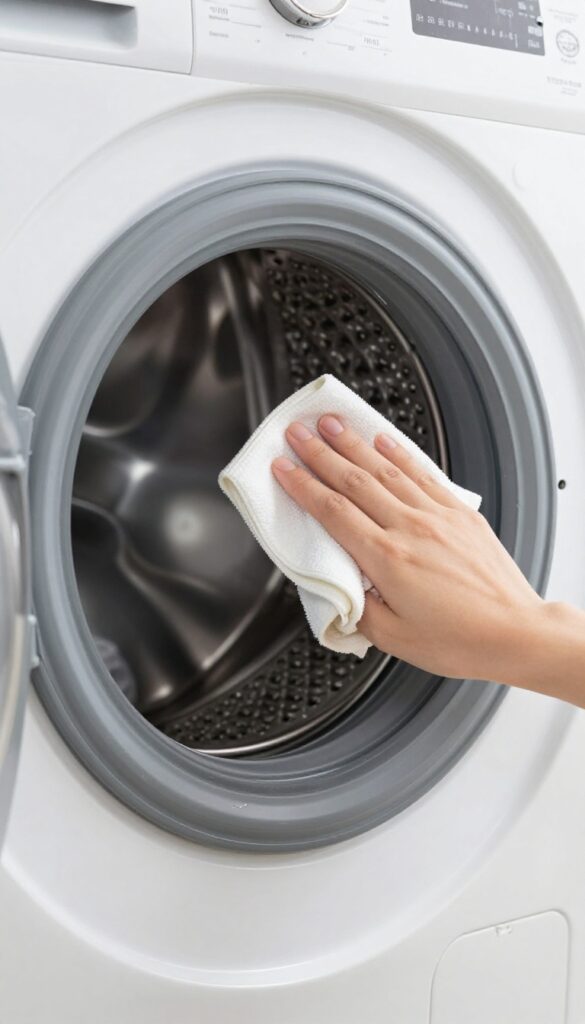
The rubber gasket around the door is a prime spot for mold and mildew. After each wash, leave the door open for a few minutes, then wipe the gasket dry with a microfiber cloth. Pay special attention to the folds and the bottom where water pools.
This simple habit takes less than a minute but prevents musty odors and keeps the seal flexible. Moisture trapped in the gasket is the number one cause of mold growth, so drying it after every use is your first line of defense.
Why The Gasket Gets So Dirty
Detergent residue, fabric softener, and lint collect in the gasket's crevices. Over time, this buildup feeds mold and mildew. Wiping it down removes the food source before it can cause trouble.
The Right Way To Wipe
Use a dry microfiber cloth to absorb moisture. For the folds, pull the gasket back gently and run the cloth along the entire channel. Don't forget the bottom lip where water tends to sit.
When To Deep Clean
Even with daily wiping, do a deeper clean once a month. Mix equal parts water and white vinegar, spray onto the gasket, let sit for 10 minutes, then wipe clean. This kills any spores that might have taken hold.
2. Leave the Door Ajar Between Washes
Trapped moisture is the enemy of a fresh front loader. After every cycle, water beads linger on the drum, gasket, and glass, creating a perfect environment for mold and mildew. The fix is simple: keep the washer door slightly open when it's not in use.
This allows air to circulate and dry out the interior naturally.
Getting into the habit of leaving the door ajar is one of the easiest and most effective ways to prevent odors and mold growth. It requires zero effort and no additional products, yet it makes a huge difference in how your washer smells and performs over time.
Why Airflow Matters
Front loaders are designed to be watertight during cycles, but that means moisture gets trapped inside afterward. Without airflow, the damp environment encourages mold spores to settle on rubber seals and plastic surfaces. By propping the door open, you let fresh air circulate, speeding up drying and cutting off mold's food source.
How To Make It A Habit
After removing your laundry, simply swing the door open and prop it with the door catch if your model has one, or use a small towel to hold it ajar. If you're worried about pets or kids, you can close it most of the way but leave a gap. Within a week, it'll become second nature.
What About The Detergent Drawer?
Don't forget the detergent dispenser drawer—it's another moisture trap. Pull it out slightly after each use to let it dry. Some models even have a special drying position.
A dry drawer means less residue buildup and fewer funky smells.
3. Clean the Detergent Dispenser Monthly
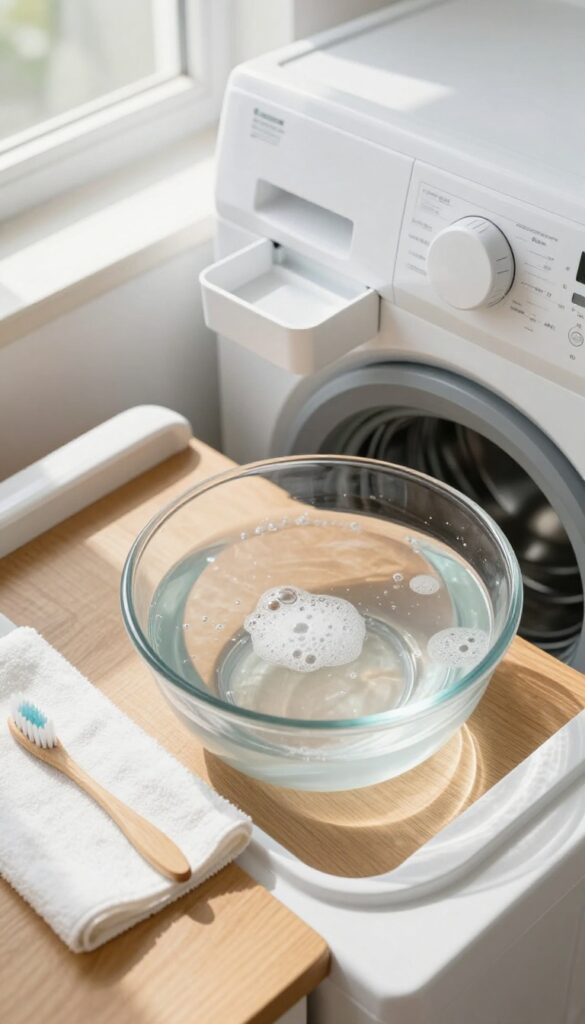
That drawer where you pour in detergent and fabric softener can get pretty gross. Over time, residue builds up, clogs the openings, and starts smelling musty. Luckily, cleaning it is a quick job that makes a big difference in how fresh your washer stays.
Pull out the dispenser tray (most models let you press a tab to remove it completely). Soak it in hot, soapy water for about 15 minutes to loosen any gunk. Use an old toothbrush to scrub every nook and cranny, especially around the softener and bleach compartments.
Rinse well, dry it, and slide it back in. While it's out, wipe the cavity inside the machine with a damp cloth to remove any hidden residue.
What You'll Need
Hot water, a few drops of dish soap, an old toothbrush, and a microfiber cloth. That's it. No special cleaners required.
How Often To Do It
Once a month is plenty for most households. If you use a lot of fabric softener or have hard water, you might want to do it every two weeks.
A Quick Trick For Stubborn Buildup
If the dispenser has stuck-on residue, soak it in a solution of equal parts white vinegar and hot water for 30 minutes before scrubbing. Vinegar cuts through soap scum and mineral deposits like a charm.
4. Run a Hot Water Cycle with Vinegar
Vinegar is a powerhouse cleaner that tackles grime, odors, and mineral buildup without harsh chemicals. Running a hot cycle with vinegar once a month keeps your washer fresh and efficient. It’s one of the simplest and most effective maintenance steps you can do.
Why Vinegar Works So Well
White vinegar is acidic enough to dissolve soap scum, hard water deposits, and mold spores. It neutralizes odors rather than just masking them. Plus, it’s safe for your machine and the environment.
How To Do It Right
Pour two cups of white vinegar directly into the detergent dispenser or the drum. Set your washer to the hottest and longest cycle (like “Clean Washer” or “Heavy Duty”). Let it run empty.
Afterward, leave the door open to air dry.
When To Use This Method
Do this once a month, or more often if you have hard water or notice musty smells. It’s also a great first step before tackling stubborn mold or when you’ve skipped cleaning for a while.
5. Follow Up with a Baking Soda Cycle
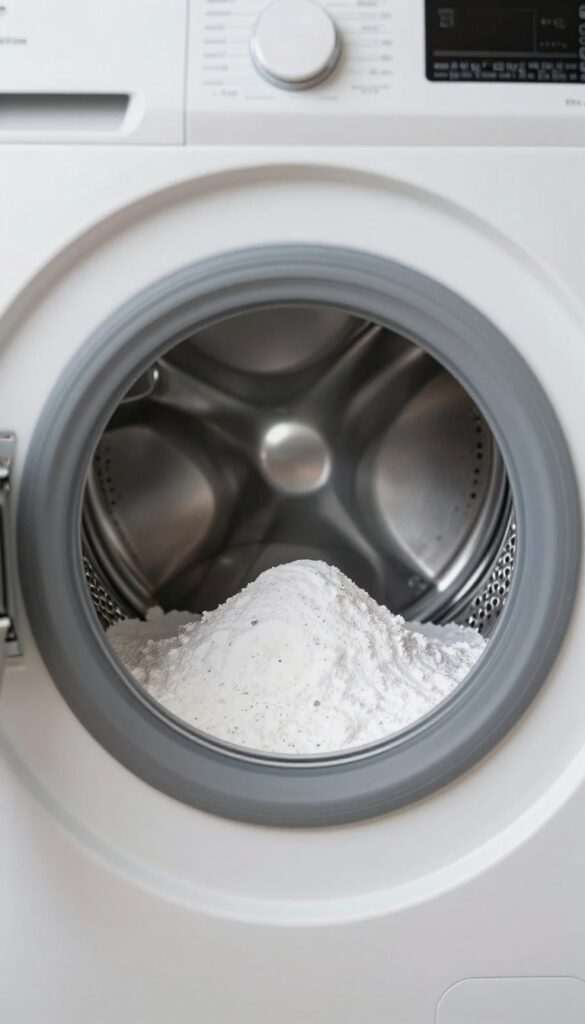
Vinegar does a great job breaking down residue and killing bacteria, but it can leave behind a faint acidic smell. That's where baking soda comes in. Running a baking soda cycle right after the vinegar rinse neutralizes odors and leaves the drum smelling fresh and clean.
This one-two punch of vinegar followed by baking soda is a proven method for deep cleaning your front loader. The baking soda cycle helps to lift any remaining grime and deodorize the machine, ensuring no lingering smells. It's a simple step that makes a big difference in keeping your washer fresh between major cleanings.
How To Run The Baking Soda Cycle
After the vinegar cycle finishes, add half a cup of baking soda directly into the drum. Then run a hot water cycle on the longest setting. Let the machine agitate for a few minutes, then pause it for about 30 minutes to let the baking soda solution soak.
Resume the cycle to complete the rinse.
Why This Combo Works So Well
Vinegar is acidic and dissolves mineral deposits and soap scum. Baking soda is alkaline and neutralizes acids while also acting as a gentle abrasive. Together, they balance pH levels and scrub away stubborn residues without harsh chemicals.
This duo is safe for your machine and the environment.
When To Do This Deep Clean
Aim to do the vinegar-baking soda combo once a month if you use your washer frequently. If you notice musty odors or visible mold, you can do it more often. Regular maintenance like this prevents buildup and extends the life of your washer.
6. Use the Right Amount of HE Detergent
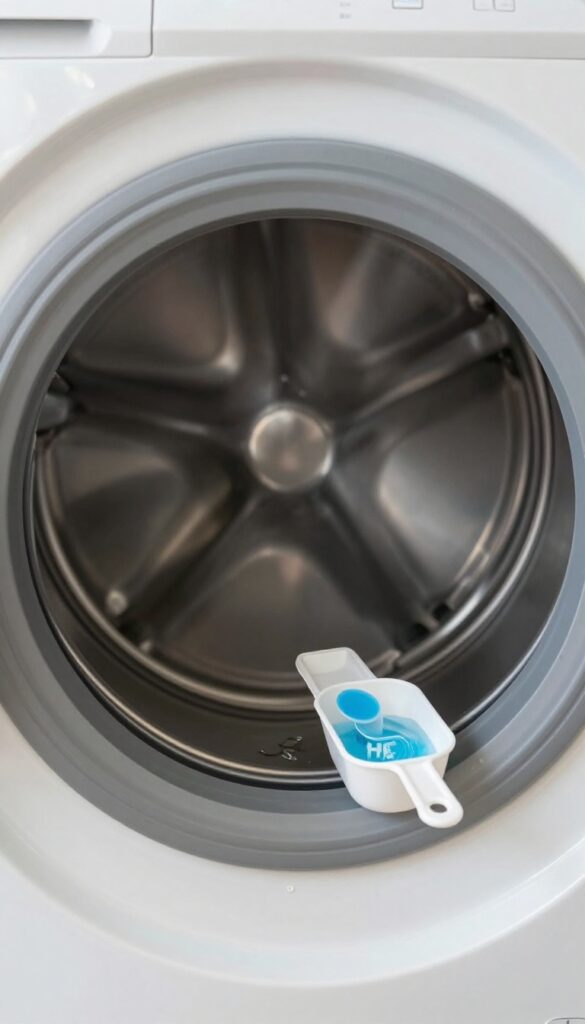
Using too much detergent is one of the fastest ways to create a smelly, moldy washer. Excess suds trap dirt and moisture, which then settle in hidden spots like the drum and drain. The fix is simple: switch to high-efficiency (HE) detergent and measure carefully.
HE detergent is specially formulated to produce fewer suds while still cleaning effectively. Most front loaders only need about one to two tablespoons per load—far less than what the cap suggests. Overdosing not only wastes product but also leaves a sticky residue that attracts mold.
Why He Detergent Matters
Front loaders use less water than top loaders, so regular detergent creates too many suds. These suds don't rinse away completely, leaving a film that traps bacteria and mildew. HE detergent is low-sudsing and designed to rinse clean, keeping your washer fresh.
How Much Is Enough?
Check your detergent's label, but a good rule of thumb is one tablespoon for a small load and two for a large one. If your clothes come out with suds or you see foam in the door seal, you're using too much. Reduce the amount until the suds disappear.
Signs You're Overdosing
Look for sticky residue on clothes, a musty smell after washing, or visible suds during the rinse cycle. You might also notice mold growing on the gasket or in the detergent drawer. Cutting back on detergent usually solves these issues quickly.
7. Switch to Liquid Detergent or Pods
Powdered detergent might seem like a budget-friendly choice, but it often leaves behind undissolved clumps that stick to the dispenser drawer and drum. Over time, that residue traps moisture and becomes a feast for mold and bacteria. Liquid detergents and pods dissolve much more completely, reducing the gunk that leads to odors.
If you've been using powder and notice white flakes on your clothes or a musty smell, this simple swap can make a big difference. Pods are especially convenient because they're pre-measured and dissolve quickly even in cold water. Just pop one in the drum before adding clothes, never in the dispenser drawer.
Why Powder Causes Problems
Powder detergent needs warm water to dissolve fully. In cold cycles or if you overload the washer, it can clump up in the dispenser or on your clothes. That leftover powder attracts moisture and creates a perfect environment for mold.
It also builds up in hidden spots like the drain pump filter.
Liquid Vs. Pods: Which Is Better?
Both are great options. Liquid detergents are easy to measure and work well in all temperatures. Pods are even simpler—no measuring, no mess.
Just make sure to place pods directly in the drum, not the dispenser, so they dissolve completely. Avoid using more than one pod per load.
If You Still Prefer Powder
You can still use powder if you take precautions. Always dissolve it in a cup of warm water before adding it to the dispenser. Run the washer on a warm or hot cycle to ensure it dissolves fully.
Also, clean the dispenser drawer monthly to remove any residue.
8. Clean the Pump Filter Regularly
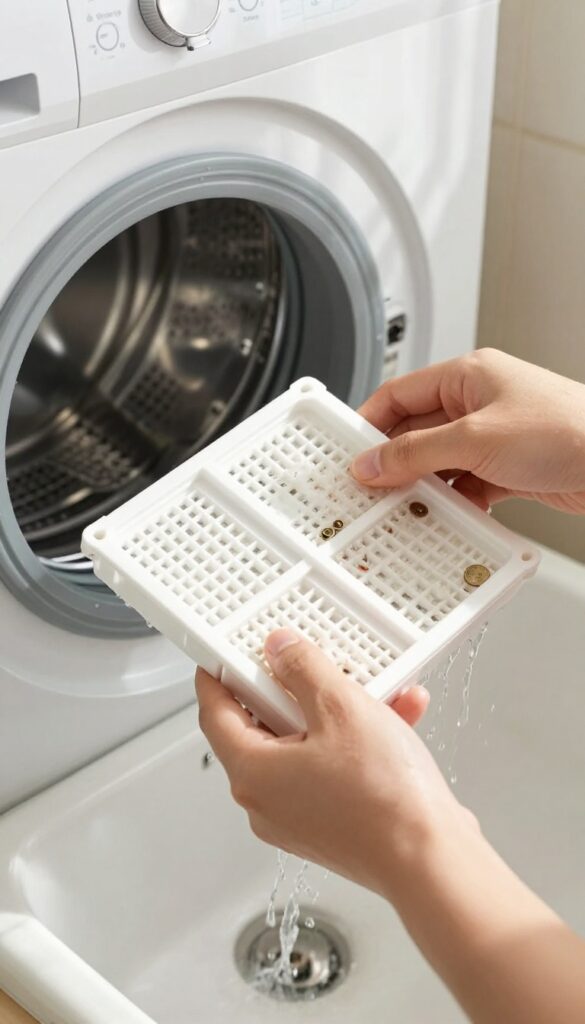
The pump filter is a small but mighty component that catches lint, coins, buttons, and other debris before they reach the drain. When it gets clogged, water can't flow out properly, leading to drainage issues and foul odors. Most front loaders have a filter located behind a small door at the bottom front of the machine.
Cleaning the pump filter is a simple task that can prevent costly repairs and keep your washer smelling fresh. Aim to do it every few months, or more often if you notice slow draining or strange noises during the spin cycle.
How To Find And Access The Filter
Look for a small square or rectangular panel at the bottom front of your washer. It usually pops open with a flathead screwdriver or by pressing a tab. Behind it, you'll see a hose and a twist-cap filter.
Place a towel or shallow pan underneath to catch any water that spills out.
Step-by-step Cleaning Process
First, turn off the washer and unplug it for safety. Open the filter door, then slowly unscrew the filter cap counterclockwise. Be prepared for water to trickle out.
Remove the filter and rinse it under warm water, using an old toothbrush to scrub away any gunk. Check the filter housing for debris too. Once clean, screw the cap back on securely and close the door.
When To Call A Professional
If you can't locate the filter, or if it's stuck and won't budge, consult your owner's manual. Some models have a drain pump that requires professional service. Also, if you notice persistent drainage issues after cleaning, there may be a blockage deeper in the hose.
9. Skip Fabric Softener
Fabric softener might make your towels feel fluffy, but it leaves a waxy coating inside your washer that traps mold and mildew. Over time, that buildup also reduces your machine's efficiency and can even cause odors. The simple swap to vinegar works just as well for softening clothes without the nasty side effects.
When you stop using liquid fabric softener, your washer stays cleaner and your clothes actually absorb better. Vinegar in the rinse cycle naturally softens fabrics and neutralizes odors, leaving no residue behind.
Why Fabric Softener Causes Problems
Fabric softener contains oils and fats that cling to the drum, hoses, and rubber gasket. This waxy film becomes a magnet for dirt and bacteria, creating a perfect environment for mold. Over time, the buildup can also clog the dispenser and reduce water flow.
How To Use Vinegar Instead
Add 1/4 cup of white vinegar to the fabric softener compartment or pour it directly into the drum at the start of the rinse cycle. It won't leave your clothes smelling like vinegar—the scent disappears as they dry. For extra freshness, add a few drops of essential oil to the vinegar.
Bonus: Better For Your Clothes
Vinegar helps remove detergent residue and restores fabric brightness. It also prevents static cling and keeps colors from fading. Your towels will stay fluffy without the waxy coating that reduces absorbency.
10. Use Affresh or a Washer Cleaning Tablet
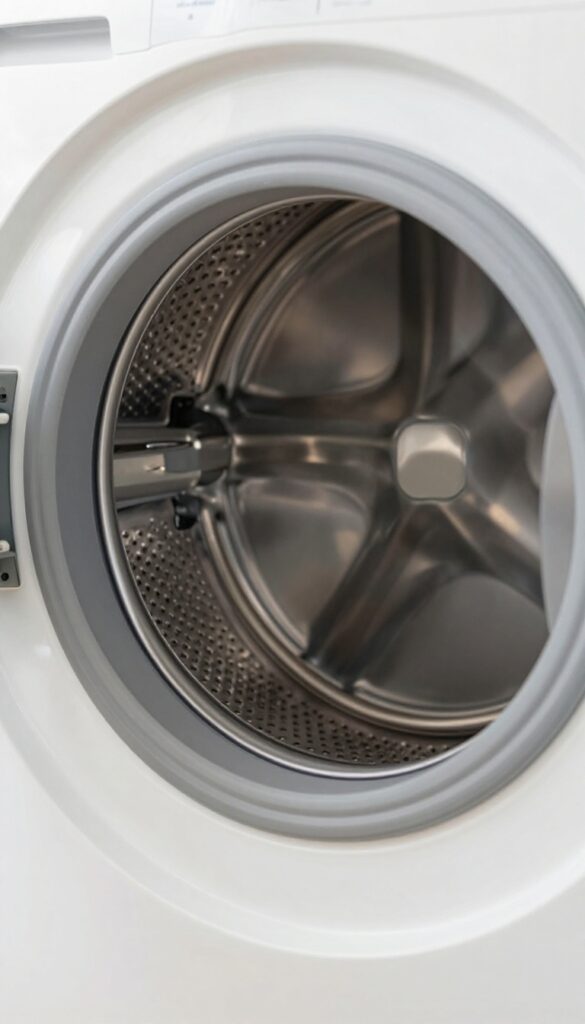
Sometimes a DIY approach isn't enough, especially if your washer has months or years of built-up grime. That's where commercial cleaning tablets like Affresh come in. They're formulated to dissolve residue and eliminate odors that vinegar or baking soda might miss.
Using a cleaning tablet is straightforward: drop one into the drum, select a hot water cycle, and let the washer run empty. The tablet's ingredients break down soap scum, mineral deposits, and mold deep inside the machine. Do this every three months to keep your washer smelling fresh and working efficiently.
It's a small investment that pays off in cleaner clothes and fewer service calls.
Why Affresh Works
Affresh tablets contain surfactants and enzymes that target the waxy residue left by fabric softeners and high-efficiency detergents. They also help remove biofilm—a slimy layer where bacteria thrive. Unlike natural cleaners, these tablets are designed specifically for front loaders, so they won't damage rubber seals or plastic parts.
How Often To Use Them
For normal use, one tablet every three months is plenty. If you notice musty smells or visible mold, run a tablet once a month until the problem clears. Always follow the cycle with a quick wipe of the gasket to remove any loosened debris.
Tips For Best Results
Make sure the drum is empty and the dispenser is clean before starting. Use the hottest water setting available—ideally a 'clean washer' or 'tub clean' cycle. After the cycle finishes, leave the door open for an hour to let the interior dry completely.
11. Check and Clean the Drain Hose
The drain hose is one of those parts you never think about until something goes wrong. If water can't flow out properly, it sits in the machine and starts to smell. A quick inspection can save you from a lot of frustration.
Why The Drain Hose Matters
Your washer relies on the drain hose to push out dirty water after each cycle. If it's kinked, clogged, or too long, water can linger and create a perfect environment for bacteria and mildew. That's often the source of that musty or sewer-like odor you notice.
How To Inspect And Clean It
Start by pulling the washer away from the wall and locating the hose at the back. Look for any sharp bends or twists—straighten them out. Then disconnect the hose from the drain pipe or standpipe and check for blockages.
You can flush it with a bucket of hot water or use a long brush to dislodge any gunk.
When To Replace The Hose
If the hose is old, cracked, or has a persistent smell even after cleaning, it's time for a new one. Hoses are inexpensive and easy to swap out. Just make sure to buy the correct length and type for your machine.
A fresh hose can make a surprising difference in how your washer smells.
12. Keep the Area Around the Washer Dry

Moisture doesn't just live inside your washer—it can accumulate on the floor, walls, and nearby surfaces, creating a perfect environment for mold and musty odors. Even if you keep the drum and gasket spotless, a damp laundry room can undo all your hard work. Addressing the surrounding area is a simple but often overlooked step in your freshness routine.
Wipe Up Spills Immediately
After every wash cycle, take a quick look around the base of the washer. If you see any water puddles or drips, wipe them up with a dry cloth. Leftover moisture on the floor can seep into crevices and promote mildew growth.
A quick swipe takes seconds but prevents long-term odors.
Improve Air Circulation
Good airflow helps moisture evaporate faster. Keep the laundry room door open when the washer is running, and consider using a small fan to circulate air. If your washer is in a closet or tight space, leave the door slightly ajar to let humidity escape.
Use A Dehumidifier In Damp Spaces
Basements and poorly ventilated laundry rooms often have high humidity levels. A dehumidifier can pull excess moisture from the air, keeping the entire area drier. Aim for a relative humidity between 30% and 50% to discourage mold growth.
Empty the dehumidifier regularly to keep it working efficiently.
13. Run a Monthly Maintenance Cycle
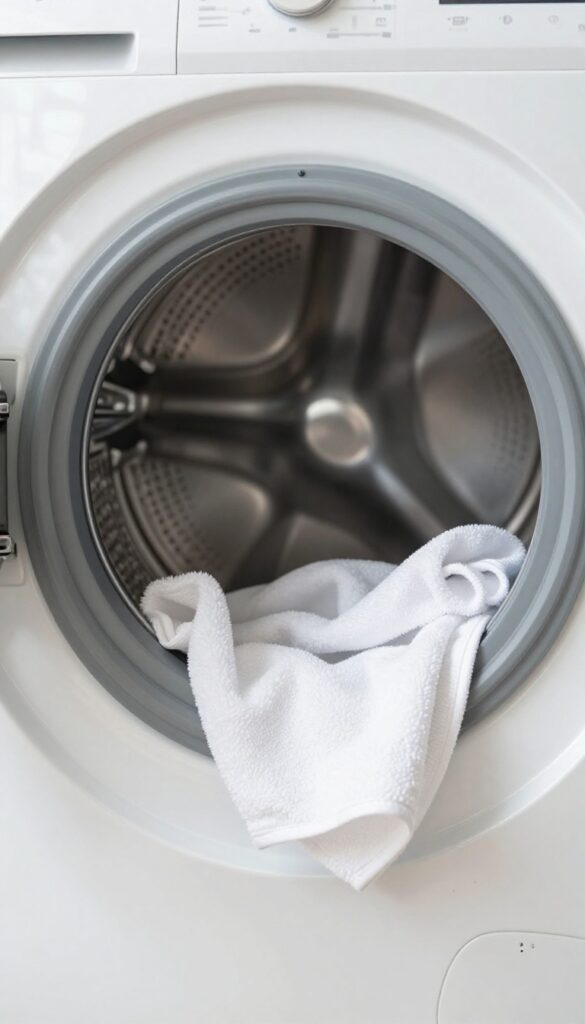
Your front loader likely has a special cycle designed to clean itself. It might be labeled “Tub Clean, ” “Self-Clean, ” or “Drum Clean. ” This cycle uses high heat, extra water, and extended agitation to dissolve detergent residue, mineral deposits, and any lurking mold spores. Running it monthly is one of the most effective ways to keep your washer fresh without scrubbing.
Most manufacturers recommend running this cycle with a cleaning agent. You can use a commercial washer cleaner, a cup of white vinegar, or a small amount of bleach—but always check your manual first. Bleach is great for killing mold, but some machines advise against it.
The cycle itself does the heavy lifting: hot water flushes out gunk, and the high-speed spin removes loosened debris. Afterward, leave the door open for a few hours to let the drum dry completely.
What To Use In The Cycle
If your manual allows bleach, add 1/2 cup to the detergent dispenser or directly into the drum. For a gentler option, pour 2 cups of white vinegar into the drum. Commercial tablets or powders are also effective and often come with clear instructions.
Avoid using both bleach and vinegar together—they create toxic fumes.
When To Run It
Pick a day when you won’t need the washer for a few hours. The cycle can take 1–2 hours, and you’ll want to leave the door open afterward. Many people run it on the first weekend of every month.
Set a recurring reminder on your phone so you don’t forget.
What To Do After The Cycle
Once the cycle finishes, wipe down the rubber gasket with a dry microfiber cloth to remove any remaining moisture. Leave the door and detergent drawer open until everything is bone dry. This prevents mold from returning right away.
If you notice a lingering smell, you may need to run a second cycle or check the drain pump filter.
14. Dry the Door Seal with a Towel
Wiping down the rubber gasket is a great start, but moisture can still hide in the deep folds and crevices. A quick pass with a dry towel after each wipe ensures no water lingers. This small extra step can make a big difference in preventing mold and mildew from taking hold.
After you've wiped the gasket with a damp cloth or cleaning solution, grab a clean, dry towel. Open the door fully and run the towel along every fold and ridge of the rubber seal. Pay special attention to the bottom where water tends to pool.
This absorbs any leftover moisture that could otherwise sit and breed mold overnight. Make it a habit after the last load of the day—it only takes 30 seconds.
Why It Matters
Even a thin film of moisture in the seal can become a breeding ground for mold spores. By drying the gasket completely, you remove the environment mold needs to grow. This simple habit can drastically reduce musty odors and extend the life of the seal.
Best Towel To Use
A microfiber towel works best because it's highly absorbent and leaves no lint. Avoid using rough fabrics that might damage the rubber. Keep a dedicated towel near your washer so you always have one handy.
When To Do It
The ideal time is right after you unload the laundry. If you run multiple loads in a day, a quick dry after the final load is enough. For extra protection, leave the door ajar after drying to promote air circulation.
15. Schedule a Professional Deep Clean Annually
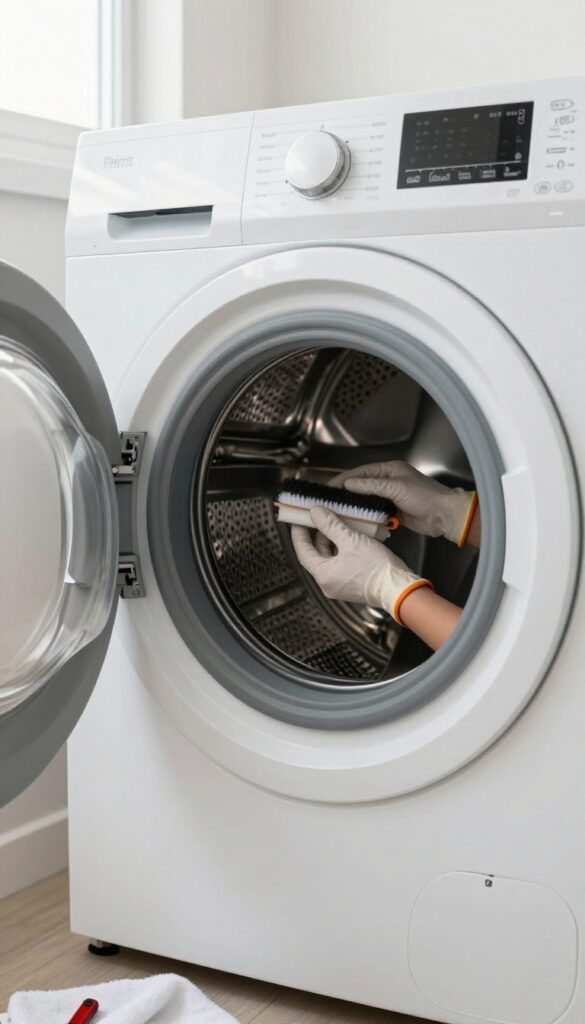
Even with diligent care, some grime and mold can settle deep inside your washer where you can't reach. If you've tried everything and odors still linger, or if your machine is several years old, calling in a pro might be the smartest move you make all year.
A professional technician can disassemble key parts, scrub hidden areas, and inspect for issues like mold in the drum or a clogged drain pump. This annual deep clean is a small investment that can prevent costly repairs and keep your washer running fresh and efficient.
What A Pro Does That You Can't
They remove the front panel, clean the drum's outer shell, and flush out the drain pump and hose. They also check the bellows (the rubber gasket) for hidden mold and replace it if needed. This level of access is impossible with DIY methods.
When To Consider Professional Help
If your washer still smells musty after a cleaning cycle, if you see mold inside the detergent drawer or around the door seal, or if your machine is over five years old, it's time to book a service. Annual maintenance also catches small problems before they become expensive.
How To Find A Reliable Technician
Look for appliance repair specialists with good reviews and experience with front loaders. Ask if they offer a washer deep-cleaning service specifically. The cost is usually between $100 and $200, which is far less than replacing a mold-damaged drum or pump.
FAQ
How often should I clean my front loader washer?
Wipe the gasket and leave the door open after every use. Run a cleaning cycle with vinegar or a tablet once a month. Deep clean the filter and dispenser every 3 months.
Why does my front loader smell like mildew?
Mildew grows in moist, dark areas like the door gasket, detergent drawer, and drum. Leaving the door closed after use and using too much detergent are common causes.
Can I use bleach to clean my washer?
Yes, but sparingly. Run an empty hot cycle with 1/2 cup of bleach once every 3 months. Avoid mixing bleach with vinegar or other cleaners.
Check your manual first.
What is the best natural cleaner for front loaders?
White vinegar and baking soda are excellent natural cleaners. Use vinegar to break down residue and baking soda to deodorize. They are safe, cheap, and effective.
How do I clean the rubber seal on my front loader?
Pull back the seal to expose hidden areas. Wipe with a cloth dipped in a mixture of warm water and vinegar or a mild bleach solution. Rinse and dry thoroughly.
Conclusion
Keeping your front loader washer fresh doesn't require a ton of effort—just a few simple habits. Start with the tips that fit your routine, like leaving the door open after each wash or wiping the gasket monthly. Even small changes can prevent mold and odors from building up.
Try a couple of these methods this week, and you'll notice your machine smelling cleaner and performing better. Your washer will last longer, and your laundry will come out fresher every time.