A clean house doesn't have to come from marathon cleaning sessions. Small, consistent habits can keep your home tidy without eating up your entire weekend.
The trick is shifting your daily routine just enough to prevent messes from piling up in the first place. These ten habit shifts require minimal extra effort but deliver noticeable results.
Start with one or two, and watch how they transform your space—and your mindset.
1. Make Your Bed Every Morning
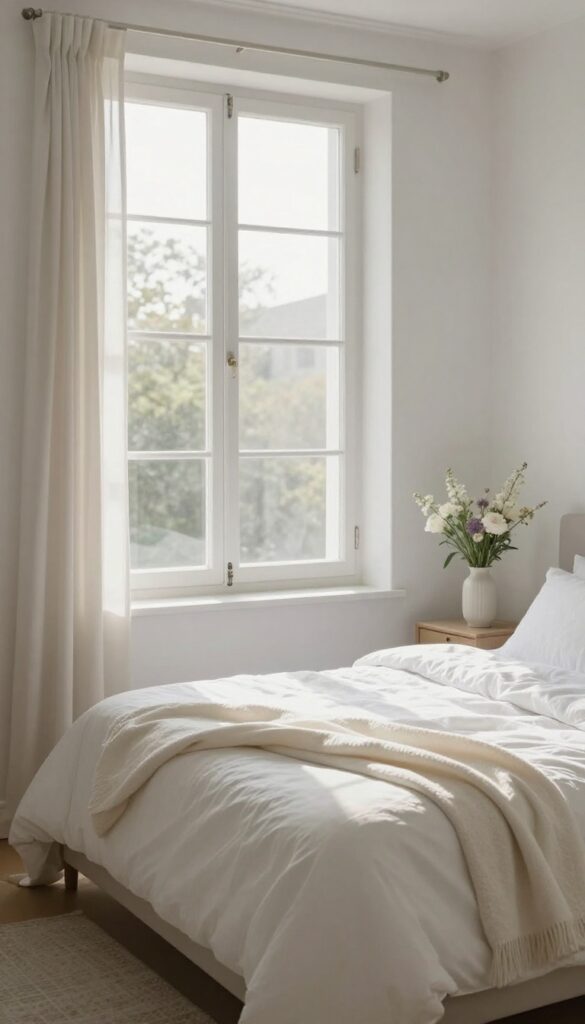
It might seem trivial, but making your bed is the single easiest way to kickstart a tidy home. That two-minute task instantly transforms your bedroom from chaotic to calm. Plus, it sets a psychological precedent: once you've completed one small win, you're more likely to keep going.
The ripple effect is real. A made bed makes the rest of the room look neater, so you're less tempted to toss clothes on the chair or leave clutter on the dresser. It also gives you a sense of accomplishment first thing, which can motivate you to tackle other quick cleaning tasks throughout the day.
Why It Works
Psychologists call this the "keystone habit" effect. One small change triggers other positive behaviors. When you make your bed, you're signaling to your brain that order matters.
Over time, this habit becomes automatic, and your bedroom stays tidier with almost no extra effort.
How To Make It Stick
Keep it simple. You don't need hospital corners or decorative pillows. Just pull up the duvet, fluff the pillows, and smooth the sheets.
Do it right after you get up, before you leave the room. If you struggle to remember, set a recurring alarm on your phone for one minute after your wake-up time.
The Payoff
A made bed makes your whole bedroom feel more put together. It also makes it easier to find things, since you're less likely to lose items in rumpled sheets. And when you come home after a long day, walking into a neat bedroom is a small but real comfort.
2. Wipe Down Kitchen Counters After Each Meal
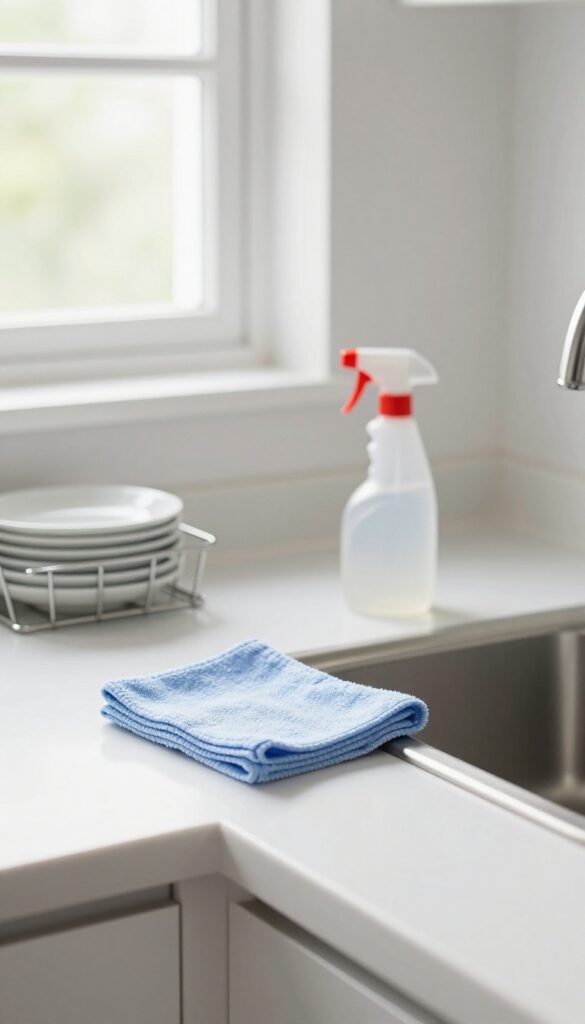
The kitchen counter is the hardest-working surface in your home. It catches coffee drips, bread crumbs, sauce splatters, and mail piles. A quick wipe after each meal stops grime from setting in and keeps your kitchen looking fresh without a deep scrub later.
This habit takes less than two minutes but saves you from sticky counters and stubborn stains. Use a microfiber cloth and an all-purpose cleaner or a simple vinegar-water spray. Focus on the areas around the sink, stove, and coffee maker where residue builds up fastest.
Make it part of your cleanup routine—right after you finish eating, before you leave the kitchen.
Why It Works
Food residue and oils harden over time, making them harder to remove. A daily wipe prevents that buildup, so you never need to scrub or use harsh chemicals. It also reduces bacteria and keeps your kitchen more hygienic.
How To Make It Stick
Keep a spray bottle and cloth within arm's reach of your counter. Set a rule: no leaving the kitchen after a meal until the counters are wiped. Pair it with another habit, like loading the dishwasher, so it becomes automatic.
What To Avoid
Don't use a dirty sponge or rag—it just spreads bacteria. Switch to a microfiber cloth that you wash regularly. Also, avoid abrasive cleaners on granite or quartz; a gentle spray is all you need.
3. Do a 10-Minute Evening Tidy-Up
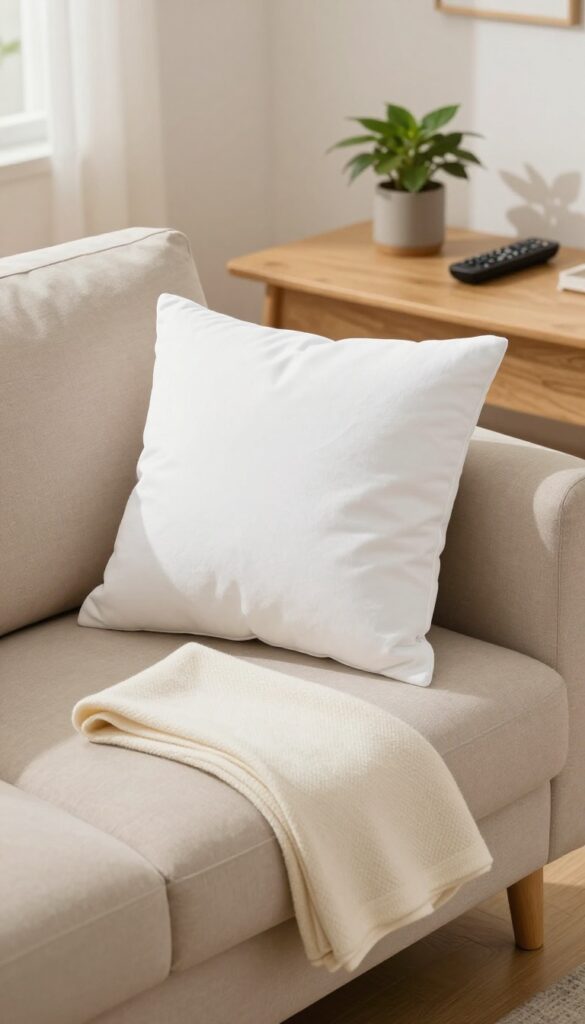
Evenings can be chaotic, but a short reset before bed makes mornings feel calmer. Spending just ten minutes tidying up prevents small messes from turning into big ones. You'll wake up to a clean space, which sets a positive tone for the day ahead.
The key is consistency, not perfection. Set a timer and focus on high-impact areas: clear the kitchen counters, put away stray items, and straighten the living room. Fluff pillows and fold blankets to make the space look inviting.
This small habit stops clutter from accumulating and reduces cleaning time later.
Start With The Kitchen
The kitchen tends to collect the most clutter. Wash a few dishes, wipe down the counters, and put away any food or utensils. A clean kitchen makes breakfast prep easier and prevents ants or odors.
Tackle Living Room Hotspots
Focus on the coffee table, remote caddies, and throw pillows. Return books, magazines, and electronics to their designated spots. Fluffing pillows and folding blankets instantly makes the room look tidy.
Create A Landing Zone
Designate a basket or tray near the door for keys, mail, and bags. Each evening, drop these items there. This prevents morning scrambles and keeps entryways clutter-free.
4. Clean as You Cook
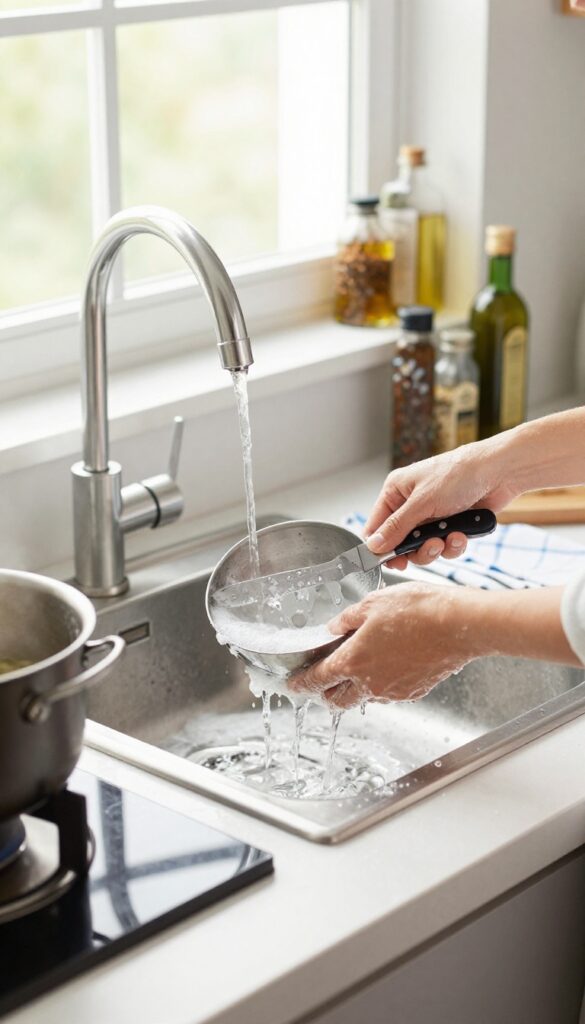
The kitchen can feel like the messiest room after a big meal. But if you clean while you cook, you'll hardly have anything to tackle later. Washing dishes as you go, wiping spills immediately, and putting ingredients back where they belong keeps your workspace clear and your stress low.
This habit turns cooking from a chore that creates chaos into a smooth process that ends with a clean kitchen.
The key is to work in small bursts. While something simmers or bakes, wash a few dishes or wipe down the counter. You'll be amazed how little cleanup remains by the time you sit down to eat.
Plus, a tidy cooking area makes it easier to focus on the recipe and enjoy the process.
Wash As You Go
Keep a sink of warm, soapy water ready. As soon as you finish using a measuring cup or a knife, drop it in the sink and give it a quick scrub. By the time your meal is ready, most utensils and small items are already clean.
This prevents a towering pile of dishes from forming.
Wipe Spills Immediately
Spills happen, but if you wipe them up right away, they won't dry into stubborn stains. Keep a damp cloth or sponge nearby and make it a reflex to clean splatters from the counter and stovetop as they occur. This simple habit keeps your kitchen looking fresh throughout the cooking process.
Put Away Ingredients After Use
Instead of leaving spices, oils, and other ingredients scattered across the counter, return them to their designated spots as soon as you're done with them. This not only keeps your workspace uncluttered but also makes it easier to find what you need next. It's a small step that saves time and reduces visual chaos.
5. Use a Laundry Hamper System
Laundry piles up fast, and sorting it all on wash day can feel like a chore in itself. A simple hamper system takes that hassle out of the equation by organizing clothes as you go. No more digging through a mountain of mixed laundry to find that one dark shirt.
Choose The Right Hampers
Get three separate hampers or bins for lights, darks, and delicates. Look for ones with lids or ventilation to keep odors at bay. If space is tight, stackable or collapsible options work well.
Label each hamper clearly so everyone in the household knows where to toss their clothes.
Make It Easy To Use
Place the hampers in a convenient spot, like the laundry room or a hallway closet. If your bedroom is far from the laundry area, keep a smaller divided hamper in your closet and transfer loads when full. The key is reducing friction—if it's easy, you'll stick with it.
Set A Schedule For Washing
With your hampers sorted, you can grab a full load without extra sorting. Aim to wash lights one day and darks another. Delicates can be done as needed.
This rhythm prevents overwhelming piles and makes laundry feel less like a weekend takeover.
6. Keep Cleaning Supplies Accessible
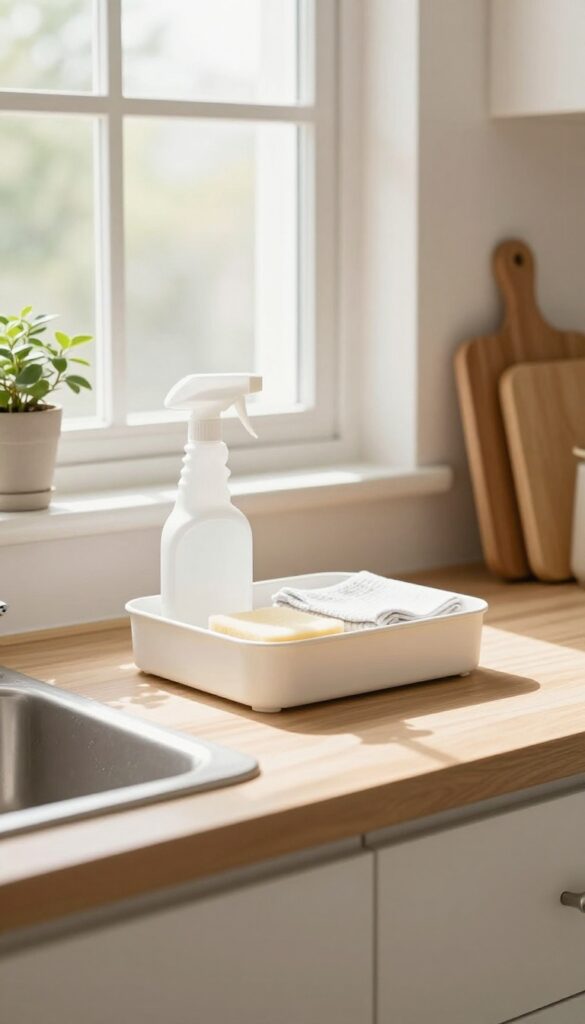
Ever notice how the smallest barrier—like having to walk to the laundry room for a spray bottle—can stop you from cleaning up a spill instantly? When cleaning supplies are out of sight, they're out of mind, and that quick wipe-down never happens. The fix is simple: put a caddy of basic cleaning tools in every zone of your home.
When you can grab a cloth and spray within seconds, you'll clean as you go without even thinking about it.
What To Put In Each Caddy
Keep it minimal. For the kitchen: an all-purpose cleaner, a microfiber cloth, and a sponge. For the bathroom: a disinfectant spray, a scrub brush, and a glass cleaner.
For the living room: a dusting spray, a microfiber duster, and a small trash bag. Avoid overstuffing—you want the caddy to be lightweight and easy to grab.
Where To Store Them
Think about where messes happen most. In the kitchen, tuck the caddy under the sink or in a corner of the counter. In the bathroom, keep it on a shelf or in a cabinet near the toilet and sink.
For the living room, a basket on an end table or inside a media console works well. The key is visibility and reach—if you have to dig for it, you won't use it.
The Five-minute Cleanup Effect
When supplies are always within arm's reach, you naturally start cleaning small messes right away. That spill on the counter gets wiped before it dries. The toothpaste splatter on the mirror gets cleaned while you're brushing.
Over a week, these micro-actions add up to a noticeably cleaner home without setting aside a dedicated cleaning block.
7. Adopt the 'One In, One Out' Rule

Clutter has a sneaky way of creeping in. You bring home a new gadget, a pair of shoes, or a kitchen tool, and suddenly your space feels tighter. The 'one in, one out' rule is a simple countermeasure: every time something new enters your home, something old must leave.
It's not about deprivation—it's about maintaining balance.
This rule works because it forces you to make conscious choices. Instead of accumulating mindlessly, you evaluate each new item's value against what you already own. The result?
Your home stays at a manageable volume, surfaces stay clear, and you avoid the overwhelm of too much stuff.
Why It Works
The rule creates a natural cap on your belongings. When you know you have to part with something to keep the new item, you're more intentional about what you bring in. It also makes decluttering a continuous, low-effort process rather than a daunting once-a-year task.
How To Apply It
Start with the categories where clutter builds up fastest: clothes, books, kitchen gadgets, and décor. Before buying something new, identify the item you'll remove. It doesn't have to be the same type—just something you no longer use or love.
Donate, sell, or recycle it right away.
When To Bend The Rule
Life happens. You might need a new winter coat without an old one to spare, or you receive gifts that don't replace anything. That's okay.
The goal is progress, not perfection. Just keep the spirit of the rule in mind: every new addition should eventually be balanced by a removal.
8. Wipe Down Bathroom Surfaces After Use
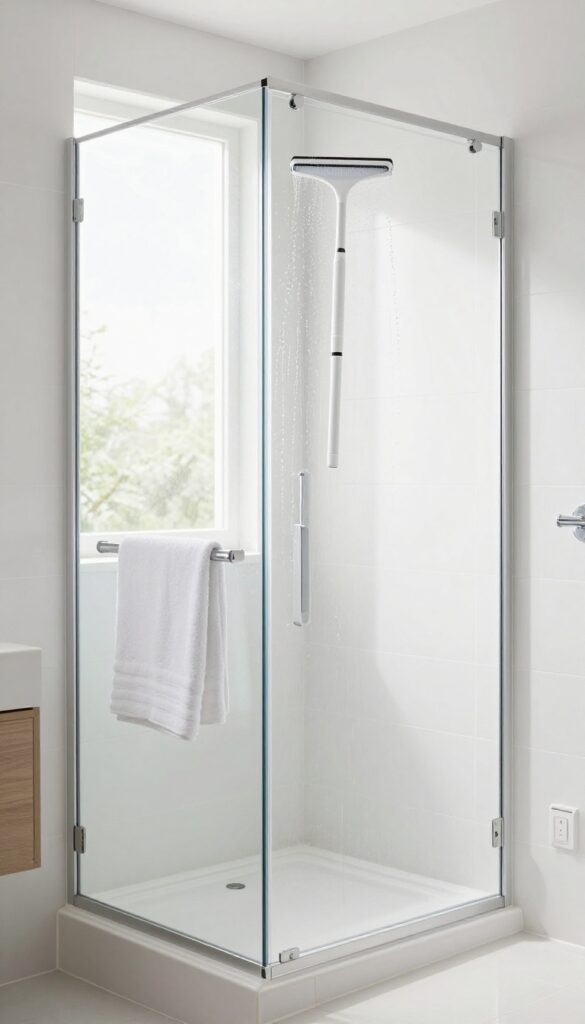
Bathrooms get grimy fast because moisture and soap residue have nowhere to go. A quick wipe after each shower or sink use stops buildup before it starts. This tiny habit saves you from scrubbing hardened scum later.
Squeegee The Shower Walls
Keep a squeegee inside your shower. After you turn off the water, run it over the glass and tiles. It takes less than thirty seconds but prevents water spots and soap scum from forming.
If you do this daily, you can skip deep cleaning for weeks.
Wipe The Sink And Counter
After brushing your teeth or washing your face, give the sink a quick wipe with a dedicated cloth or a disinfectant wipe. This removes toothpaste splatters and water marks. It also keeps the counter clear and ready for the next person.
Hang Towels To Dry
Damp towels left in a pile grow mildew fast. After each use, spread the towel out on a bar or hook so air can circulate. This simple step keeps towels fresh and reduces musty smells in the bathroom.
9. Put Things Away Immediately
You know that pile of mail on the counter, the jacket draped over a chair, or the coffee mug that somehow ends up next to the sink instead of in it? Each item that stays out is a tiny invitation for more clutter to join it. The fix is simple: instead of setting things down, take the extra few seconds to put them where they belong.
This habit stops messes before they start and keeps surfaces clear with almost zero effort.
The key is making storage so easy that putting something away feels faster than leaving it out. When every item has a home, you don't have to think about where it goes—you just do it. Start with high-traffic areas like the kitchen counter, entryway table, and your nightstand.
Those spots collect clutter fastest, so they give you the biggest payoff.
Create A Drop Zone
Designate a small tray or basket near the door for keys, wallets, and mail. When you walk in, drop those items directly into the container instead of tossing them on the nearest flat surface. That one container becomes the only place for incoming pocket clutter, and it's easy to sort later.
Use The One-touch Rule
Whenever you pick something up, decide immediately where it goes and put it there. Don't set it down to deal with later. This applies to dishes, clothes, books, and random items you grab.
One touch—straight to its home. You'll be amazed how much cleaner your space stays.
Make Storage Convenient
If you have to open a drawer, pull out a bin, or reach to a high shelf, you're more likely to leave stuff out. Move frequently used items to easy-to-reach spots. For example, keep a small trash can near your desk, or hang hooks by the door for bags and coats.
The less friction, the more likely you'll put things away.
10. Do a Weekly 'Reset' Session

Even with daily habits, homes slowly drift toward chaos. That's where the weekly reset comes in—a short, intentional session to catch what daily maintenance misses. Think of it as a tune-up for your space, not a deep clean.
What A Reset Looks Like
Set a timer for 30 minutes. Start in one room and work your way through the main living areas. Fluff couch cushions, fold blankets, and return items to their designated spots.
Straighten books on shelves, wipe down counters, and clear any surfaces that collected random objects during the week. The goal isn't perfection—it's restoring order.
Tackle The Paper And Mail Hotspots
Mail, magazines, and school papers tend to pile up fast. During your reset, sort through any stacks: recycle junk, file what matters, and put action items in a visible spot. This five-minute habit prevents paper clutter from taking over your counters and desks.
Make It A Family Affair
A weekly reset works even better when everyone pitches in. Assign each family member a zone or task—like fluffing pillows in the living room or clearing the kitchen island. Play upbeat music and keep it light.
When it's a shared effort, the house stays tidy with less burden on one person.
FAQ
How long does it take to form these habits?
It typically takes about 21 days to form a new habit, but consistency is key. Start with one or two shifts and gradually add more.
Do I need to buy special cleaning products?
No, basic supplies like microfiber cloths, all-purpose cleaner, and a squeegee are enough. Many items you already have at home work well.
What if I have a busy schedule?
These habits are designed to take only a few minutes each. Even on busy days, doing just one or two can make a difference.
Can these habits work for a family home?
Absolutely. Involve family members by assigning age-appropriate tasks. The habits become a team effort and reduce the cleaning burden on one person.
How do I stay motivated to keep these habits?
Focus on the benefits: less stress, more free time, and a cleaner home. Track your progress and reward yourself for consistency.
Conclusion
A clean house isn't about perfection—it's about small, consistent habits that add up over time. Start with just one or two of these shifts this week, and you'll notice the difference without feeling overwhelmed.
Pick the habits that fit your lifestyle and energy level. Before you know it, tidying up will feel automatic, and you'll spend less time deep cleaning and more time enjoying your home.